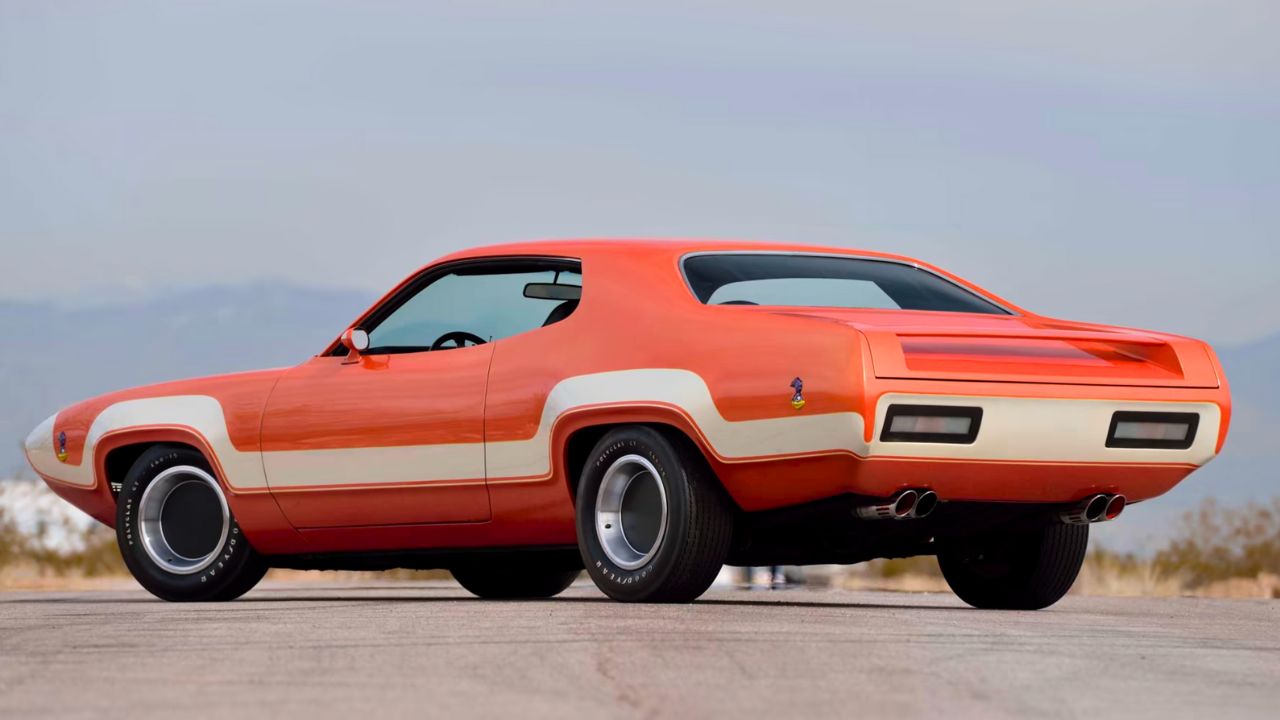
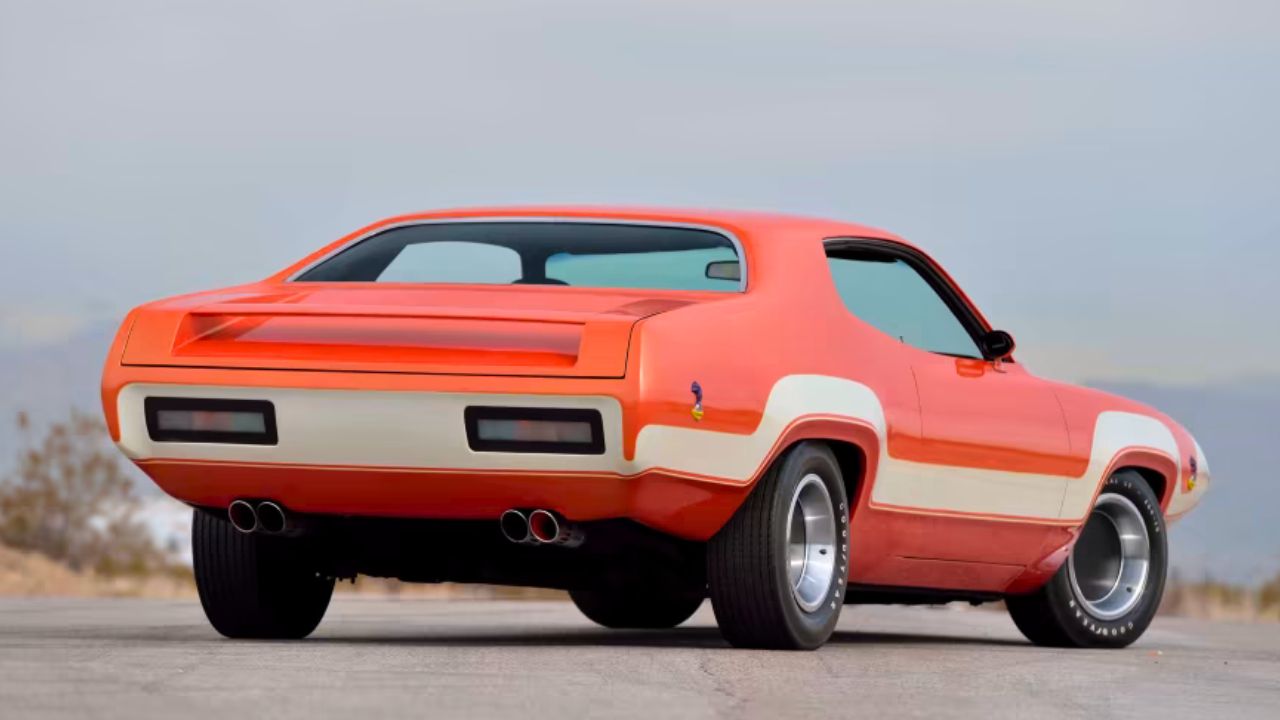
By 1971, the muscle car landscape was shifting fast. Insurance rates were climbing, emissions rules were tightening, and the free-revving chaos of the late ’60s was starting to quiet down. But Plymouth wasn’t ready to call it quits just yet. The 1971 Road Runner, especially the versions tied to the Rapid Transit System, showed they still knew how to build a street machine that could hold its own—loud, fast, and unapologetically raw.
It wasn’t the most famous Road Runner, but it was one of the most interesting. New body, strong engine options, and a vibe that felt like the last blast before the party ended. Here’s a look at what made the ’71 Road Runner Rapid Transit edition worth remembering.
A New Look for a New Decade
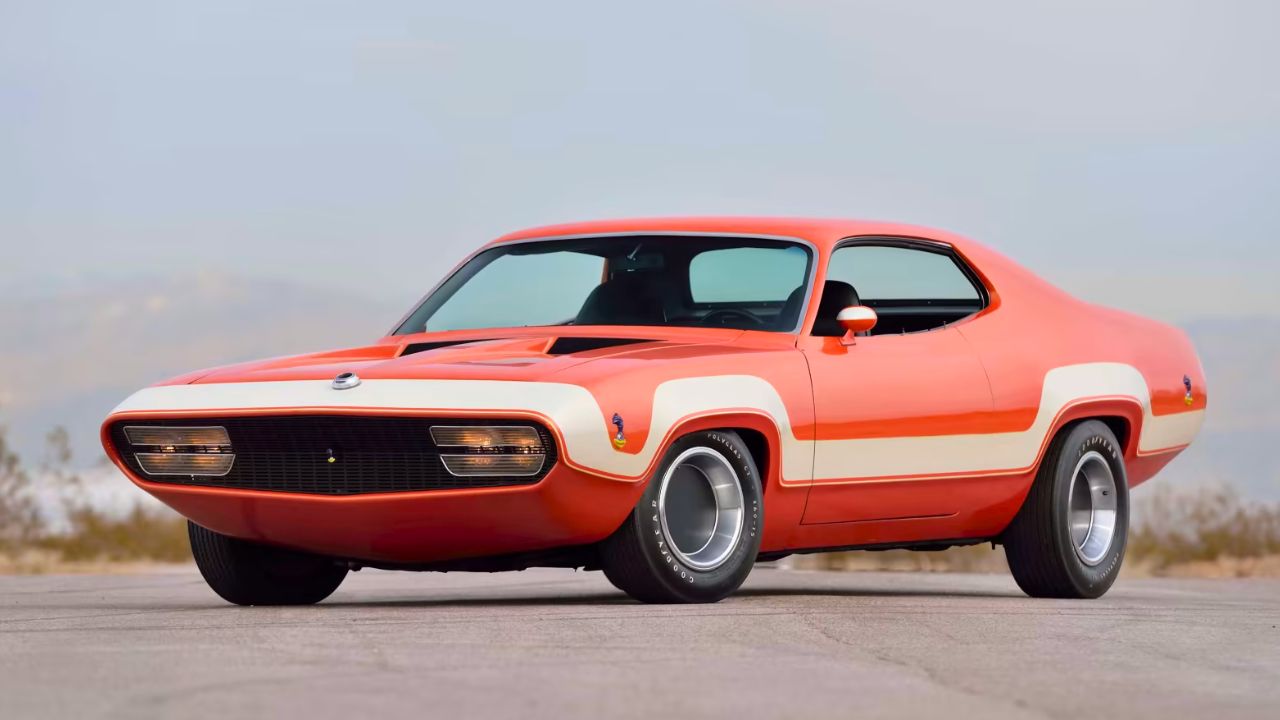
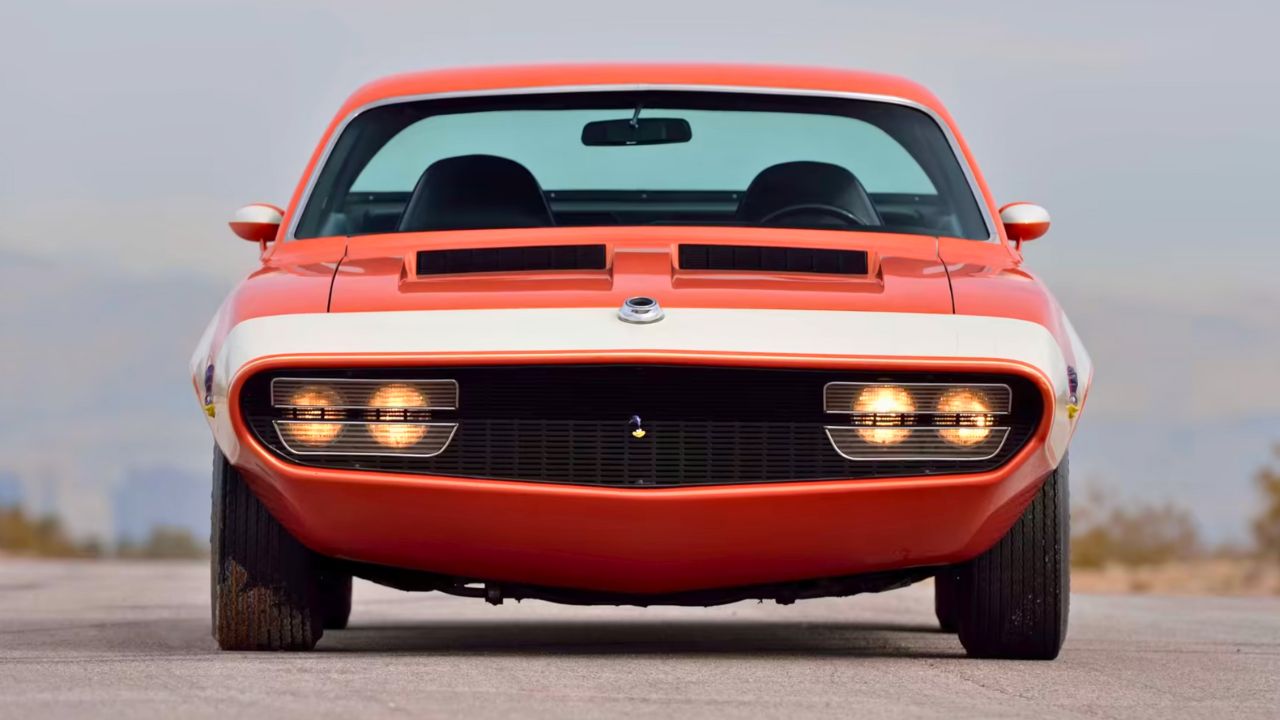
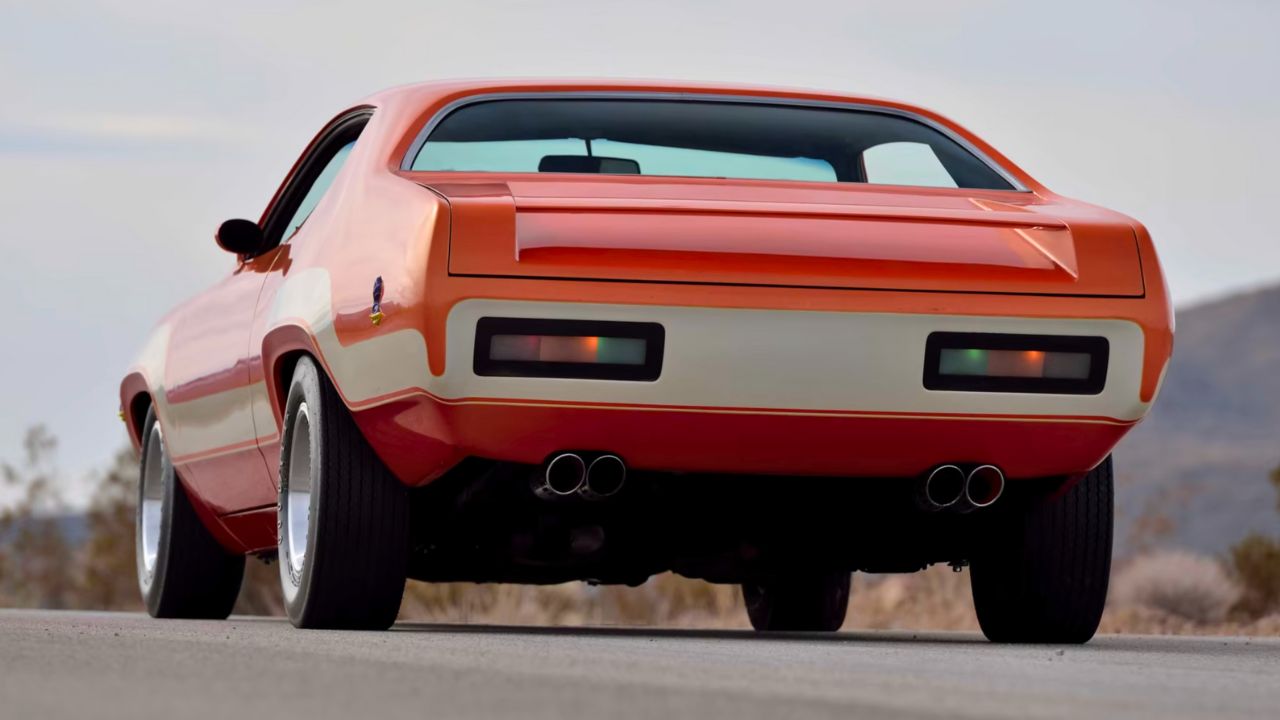
By 1971, the Road Runner was wearing fresh sheet metal. Plymouth had shifted to the “fuselage” body style, with curvier lines, a lower profile, and a wider stance. It was a clear break from the boxier designs of the late ’60s, and not everyone warmed up to it at first.
That said, this change wasn’t just for looks. The new body was engineered to improve aerodynamics and handling. It gave the car a more planted feel, especially at highway speeds. Love it or not, the 1971 model marked a turning point in the Road Runner’s evolution.
The Rapid Transit Connection
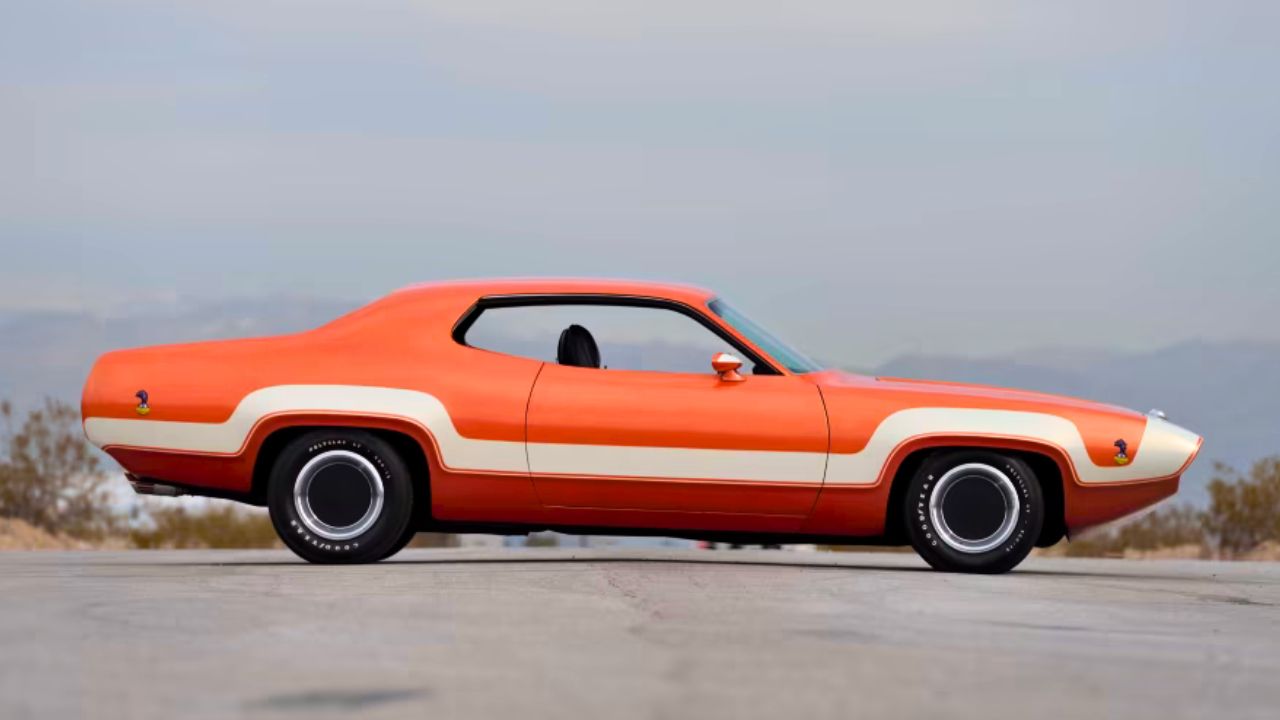
The “Rapid Transit System” was Plymouth’s way of marketing their performance line in the early ’70s. Think of it as their in-house muscle car club, with the Road Runner, ’Cuda, Duster 340, and GTX all getting special attention.
Plymouth even backed it up with a traveling Rapid Transit Caravan—wildly customized versions of these cars made the rounds at dealerships and shows, aimed at getting younger buyers interested. The Road Runner stood front and center in this campaign, both in advertising and on the street.
Big Block Power Under the Hood
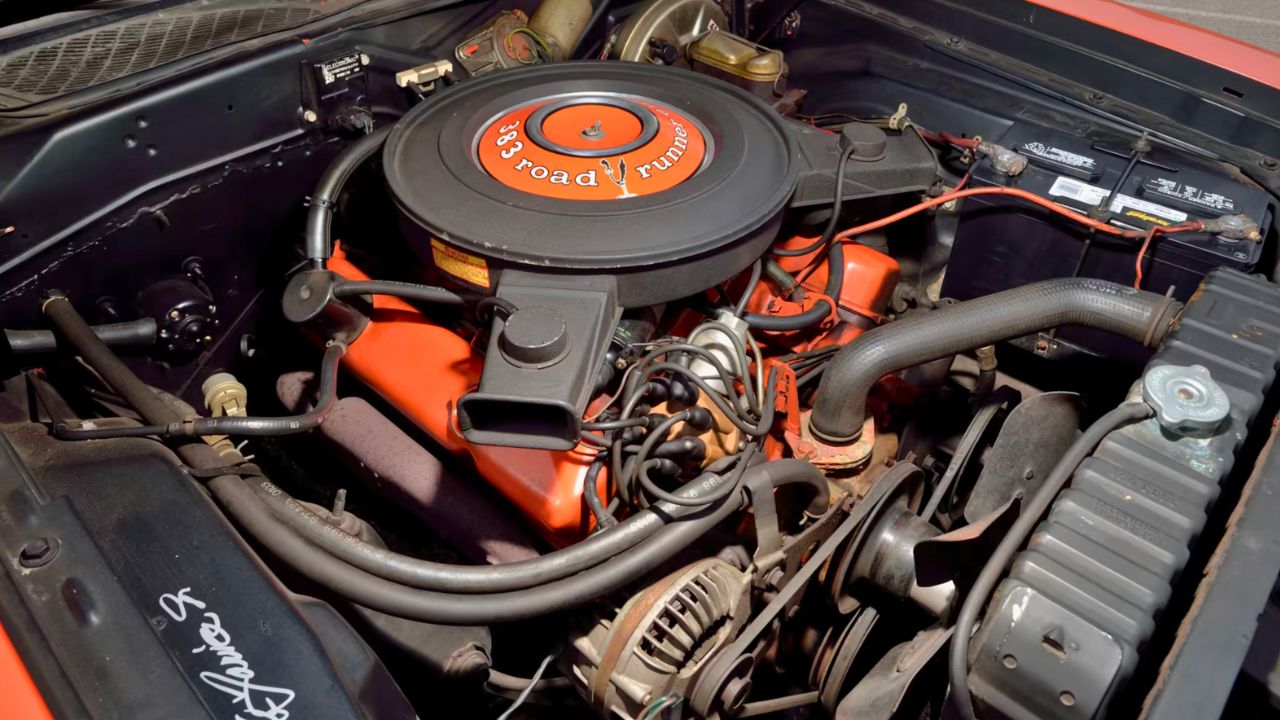
The 1971 Road Runner came with several engine options, but the big story was still the big blocks. The standard engine was a 383 cubic-inch V8, rated at 300 horsepower with a 4-barrel carb. That was plenty to move this car with some urgency.
For those who wanted more, Plymouth offered the 440 Super Commando and the mighty 426 HEMI. The 440 6-barrel put out 385 hp, while the HEMI was officially rated at 425 hp—though most people know those numbers were on the conservative side.
Torque You Could Feel in Your Spine
While horsepower gets the headlines, torque is what pushes you back in your seat—and the ’71 Road Runner wasn’t short on it. The 383 produced 410 lb-ft, while the 440 6-barrel cranked out 490 lb-ft. That’s serious muscle by any standard.
The torque delivery was immediate, especially with the higher-displacement engines. Around town or off the line, it had the kind of grunt that made you grin. It wasn’t just about top speed—it was how the car delivered that force, and how confident it felt doing it.
Handling That Didn’t Feel Like a Boat
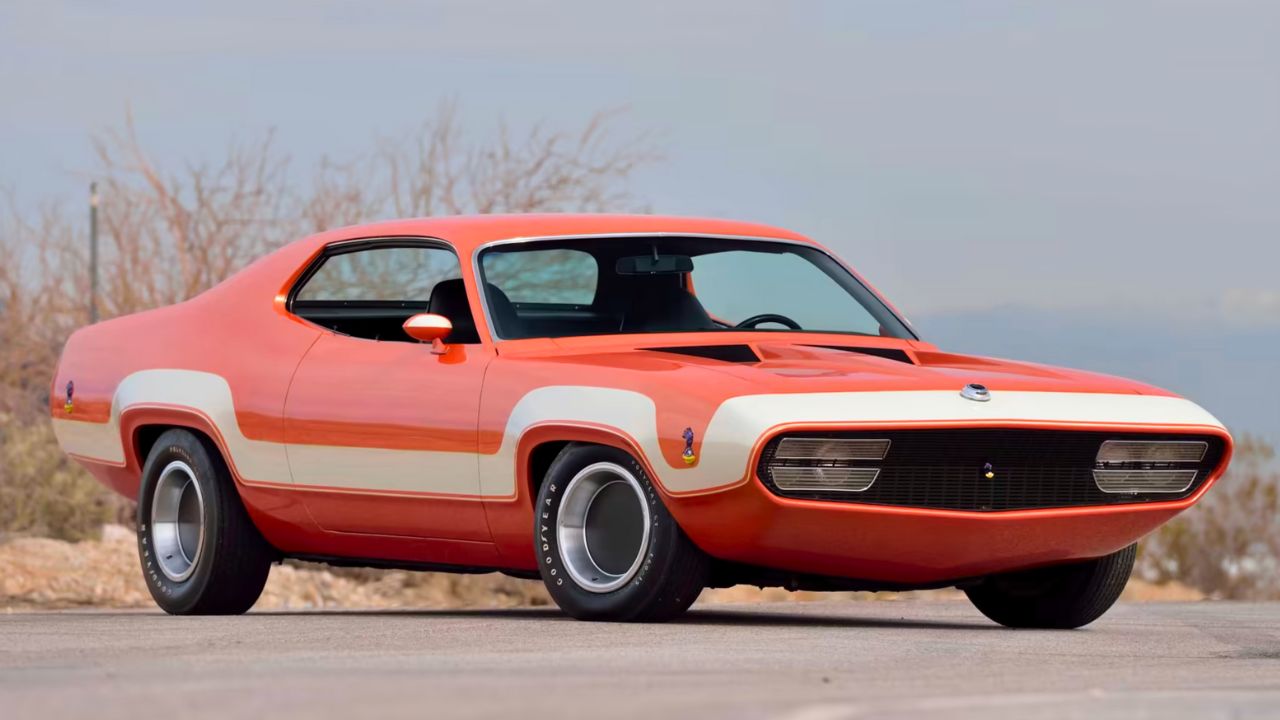
Muscle cars aren’t exactly known for sharp handling, but the 1971 Road Runner held its own thanks to its revised suspension and lower center of gravity. It came with a front torsion bar setup, rear leaf springs, and decent weight distribution for the era.
While no one would confuse it with a European sports car, the Road Runner handled corners better than its size suggested. For straight-line pulls and fast freeway cruising, it stayed composed. It was more balanced than many of its muscle-bound peers.
HEMI Rarity in the ’71 Lineup
By 1971, emissions and insurance pressures were beginning to squeeze big power engines out of the market. As a result, very few Road Runners were built with the 426 HEMI that year—only 55 units in total, and just 28 of them with a 4-speed.
That scarcity makes any HEMI-equipped ’71 Road Runner a serious collector item today. But back then, buyers were already thinking about gas prices and monthly premiums. The HEMI was a beast, but it was quickly becoming a dying breed.
Inside, It Was Pure Muscle Era Vibe
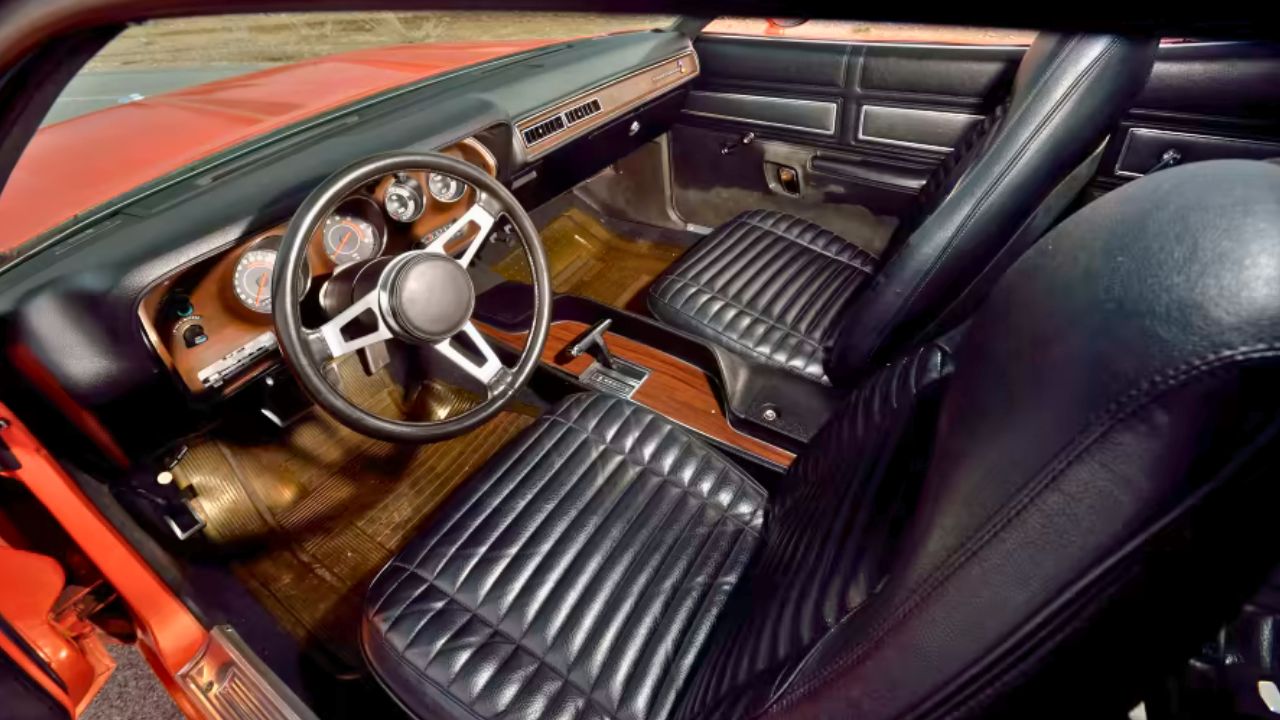
Step inside a ’71 Road Runner and you’re met with straightforward, driver-focused design. Bucket seats were optional, but most came with a bench. The “Tuff” steering wheel was standard, and it had a thick rim that just felt right in your hands.
Instrumentation was clear and to the point—no digital distractions, just what you needed to know: speed, RPM, fuel, and oil pressure. If you got the Rallye dash, you got a bit more flair. It wasn’t flashy, but it was all business, and it still feels honest today.
Built in the Heart of Muscle Car Country
The 1971 Road Runner was assembled at multiple plants, including Lynch Road in Detroit, Michigan—smack in the middle of America’s muscle car territory. Plymouth shared facilities with other Chrysler divisions, which meant shared expertise too.
These assembly plants were turning out some of the loudest, most memorable cars of the era. Even though production was starting to slow, the workforce still had that ’60s momentum. You can see it in the way the Road Runner was put together: solid, loud, and unapologetic.
Sales Took a Hit, But the Street Cred Stayed
1971 wasn’t a banner year for Road Runner sales. The new body style and rising insurance premiums made buyers think twice. Sales dropped by nearly half compared to 1970, landing around 13,000 units.
Still, the car held on to its street cred. It was fast, affordable (for its time), and it stood out in a crowd. Even with declining sales, it never lost its edge. For those who wanted muscle without frills, the Road Runner still had serious pull.
The Culture Shift Was Underway
By 1971, the muscle car era was already starting to show cracks. Government regulations, gas prices, and changing tastes meant cars like the Road Runner were entering their last real phase of unfiltered performance.
That makes the ’71 Rapid Transit-era Road Runner something of a closing chapter. It was still loud, fast, and aggressive—but it came right before things started to soften up. Today, it stands as one of the last models from that raw, no-apologies era of American performance.
Like what you read? Here’s more by us:
*Created with AI assistance and editor review.