When most folks think of muscle cars, they picture big, roaring machines with massive engines and flashy styling. But tucked away in 1970’s lineup was the Plymouth Duster Rapid Transit — a compact car with surprising firepower and a quietly fierce personality. It didn’t chase attention with bold moves or loud graphics; instead, it offered something a little different: a smart blend of power, handling, and rarity. If you think you know the Duster, this is the one you’ve probably never seen — and it’s worth getting to know.
The Rapid Transit Package: What Made It Different

The Rapid Transit Package (RTP) was Plymouth’s way of adding serious muscle to the lightweight Duster. It wasn’t just a trim; it was a full performance upgrade that included a 340 cubic inch V8 engine, pushing out 290 horsepower. This made the Duster punch well above its weight in the compact muscle car scene.
Beyond the engine, the RTP also included suspension upgrades like heavy-duty springs and wider tires, improving handling. This wasn’t just about straight-line speed — the Rapid Transit was designed to be nimble, too, making it a real threat on the street and strip.
Under the Hood: The 340 V8 Powertrain

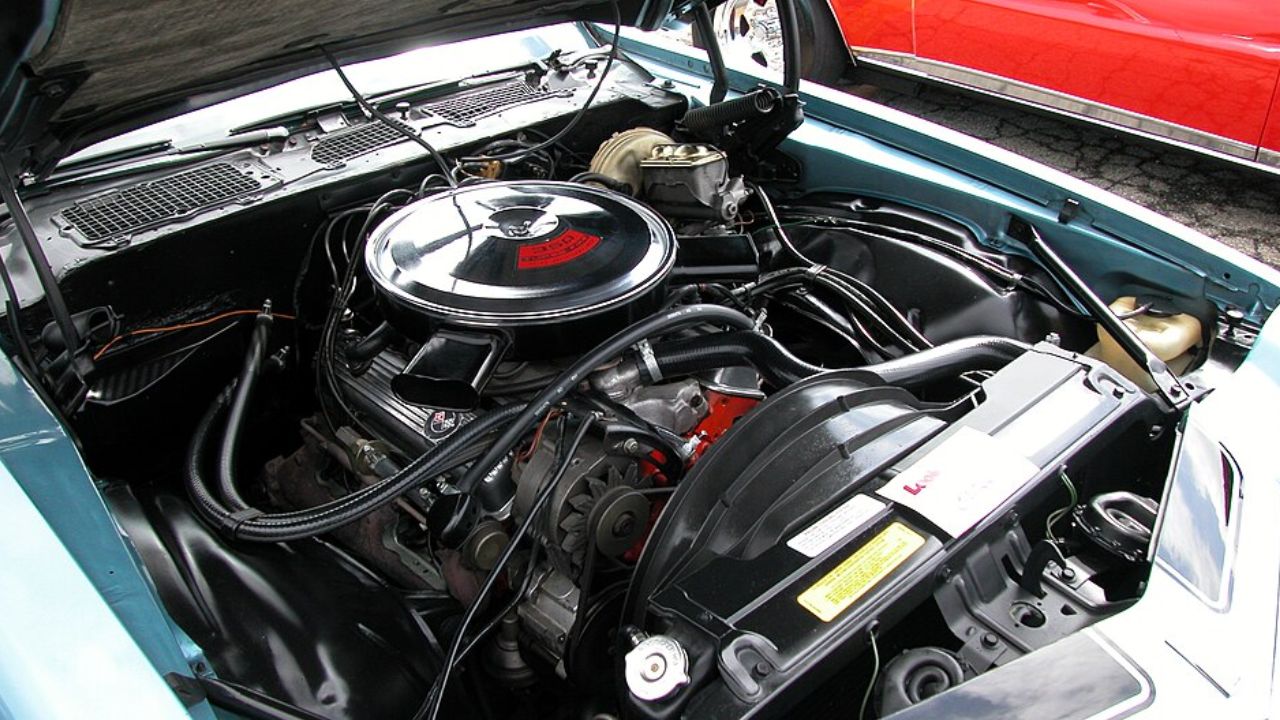
The 340 V8 was the heart of the Rapid Transit, with a four-barrel carburetor and a solid camshaft giving it a lively character. Rated at 290 hp and 340 lb-ft of torque, it delivered strong mid-range grunt, perfect for quick launches and aggressive passes.
It came paired with a four-speed manual transmission by default, but you could also get a three-speed automatic if you preferred something easier around town. This engine-transmission combo made the Duster feel responsive without being too wild to handle.
Assembly Line Origins and Production Numbers

The Plymouth Duster was built at the Lynch Road Assembly plant in Michigan, a facility known for cranking out many of Mopar’s best cars. The Rapid Transit Package was a special order, so it wasn’t exactly mass-produced, which explains why finding one today feels like uncovering a piece of automotive history.
In total, just over 3,000 RTP Dusters were made in 1970. That makes it rare, but not so rare that it’s mythical — it sits in this sweet spot where it’s appreciated by collectors who know their muscle cars but want something a little different.
Suspension and Handling Upgrades That Matter

The RTP wasn’t just about horsepower. Plymouth added heavy-duty torsion bars and stiffer springs to keep the Duster stable under hard cornering. The car sat a bit lower than the standard model, improving the center of gravity and helping it stick to the road.
Wider tires wrapped around 14-inch Rallye wheels completed the setup. These changes weren’t flashy but made a real difference when pushing the car beyond daily driving — giving it a planted feel and better control.
The Rapid Transit’s Place in Muscle Car History

While many muscle cars went big with displacement, the Rapid Transit Duster kept things compact and sharp. It filled a niche for those wanting muscle-car power in a smaller, more nimble package, something not many brands offered.
The RTP Duster stands out as one of the last pure muscle cars before emissions rules and insurance costs started clipping horsepower and changing the landscape forever. It’s a snapshot of a brief, exciting moment in muscle car history.
Design Details: Subtle But Effective

At first glance, the RTP Duster looks close to the standard model, but closer inspection reveals subtle cues. Stripes running down the sides and bold “Rapid Transit” badges hinted at something special lurking underneath.
Inside, you’d find a tachometer and heavy-duty gauges — practical touches for a car built to be driven hard. This was no luxury cruiser; it was ready to perform, quietly confident without screaming for attention.
How the RTP Duster Compared to the Competition

In 1970, the compact muscle car market was heating up with players like the Ford Maverick Grabber and Chevy Nova SS. The Rapid Transit Duster carved out its own space by pairing Mopar’s V8 punch with a smaller, lighter chassis.
It wasn’t the fastest on paper, but the balance between power and handling gave it an edge. Many drivers appreciated how it could keep up with bigger muscle cars while being easier to maneuver and park.
Real-World Performance and Drive Feel

Drive a Rapid Transit Duster and you immediately notice its lively throttle response and tight steering. It’s not a tame cruiser; this car demands your attention and rewards quick inputs with real feedback.
The 340 V8 isn’t just about raw numbers — it has a character, a mid-range punch that pulls hard through gears without needing constant revving. It’s a car built for those who want muscle with some subtlety, not just brute force.
Cultural Impact: More Than Just a Car

Though the RTP Duster never had Hollywood’s spotlight like some other muscle cars, it quietly earned respect among drivers who knew what muscle meant beyond flash. It was the car of choice for folks wanting something different from the usual big-block brawlers.
Its blend of performance and subtlety has made it a cult favorite today, especially for collectors who appreciate that not all muscle has to shout to be heard.
Why the RTP Duster Still Matters Today

In today’s muscle car market, the Rapid Transit Duster stands out as a reminder of a time when clever engineering and balance mattered as much as raw power. It’s not just a collector’s piece; it’s a car that still holds up on the road.
Finding one today is like finding a window into that transitional era of muscle cars. For anyone tired of the usual suspects, the RTP Duster offers something rare — a compact muscle car that plays by its own rules.
Like what you read? Here’s more by us:
*Created with AI assistance and editor review.