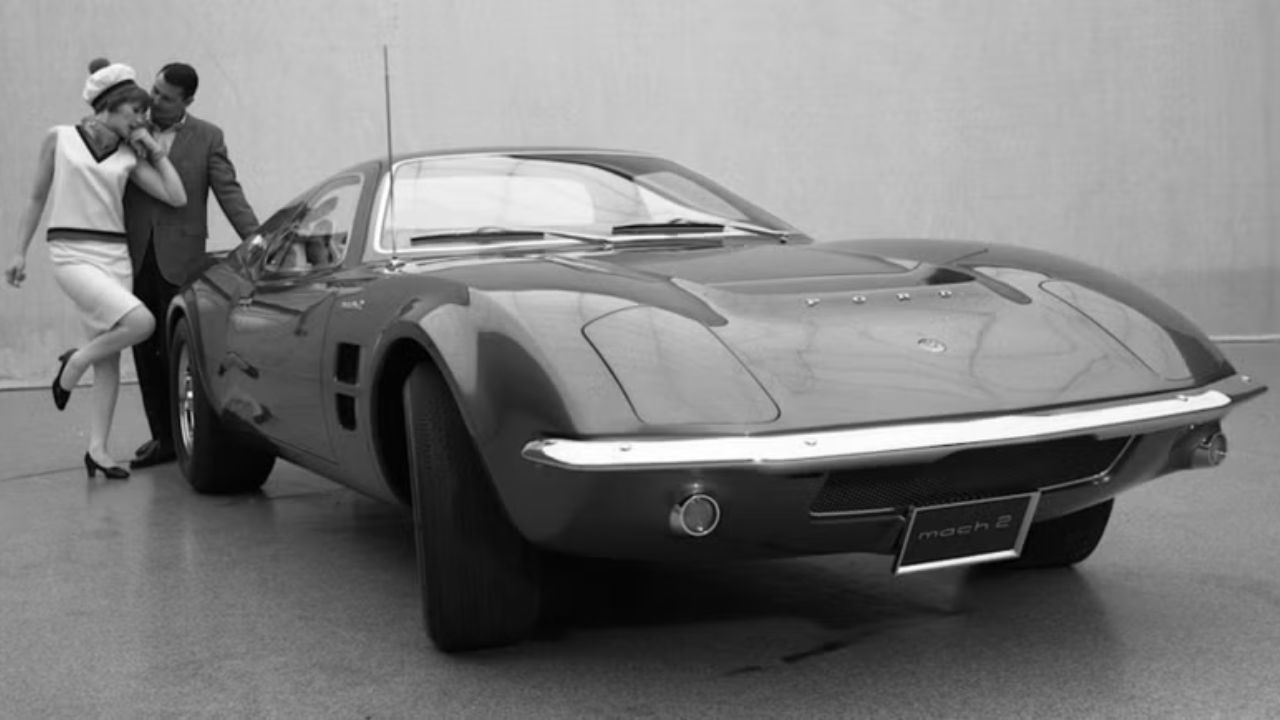
When most people think “Mustang,” they picture a long hood, short deck, and a big V8 up front driving the rear wheels. That’s been the formula for decades. But tucked away in Ford’s history books is a forgotten chapter—one where engineers flirted with a completely different idea: putting the engine in the middle. It sounds like heresy, but it nearly happened. Over the years, Ford toyed with several mid-engine Mustang concepts that challenged everything we thought we knew about the pony car. Some were wild experiments, others came surprisingly close to production. Here’s what really went down.
A Radical Departure from Tradition
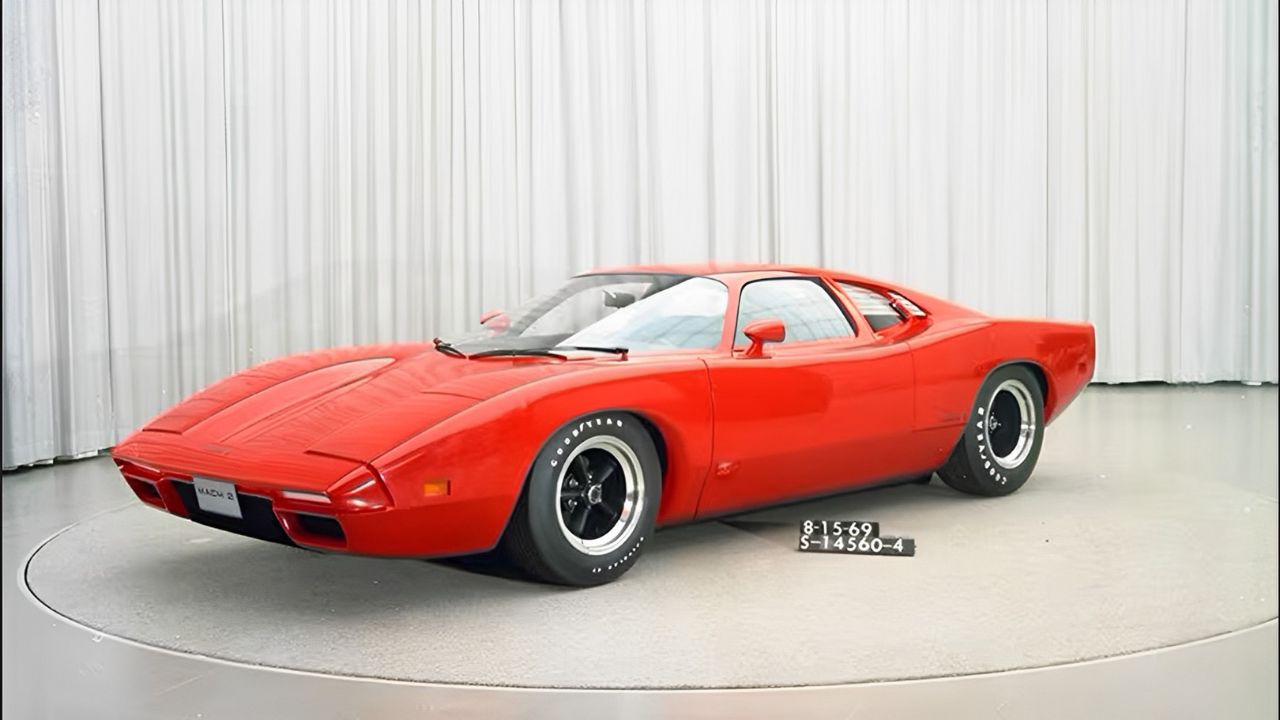
Back in the late 1960s, Ford quietly toyed with an idea that would have made Mustang loyalists do a double take: a mid-engine Mustang. At a time when front-engine, rear-wheel-drive was gospel, this was a bold internal experiment. The goal? To push the Mustang closer to a true sports car layout, potentially elevating it to compete with European exotics. What emerged were several prototypes that never made it to dealer lots, but certainly stirred up the backrooms of Dearborn.
The Mach 2 Concept
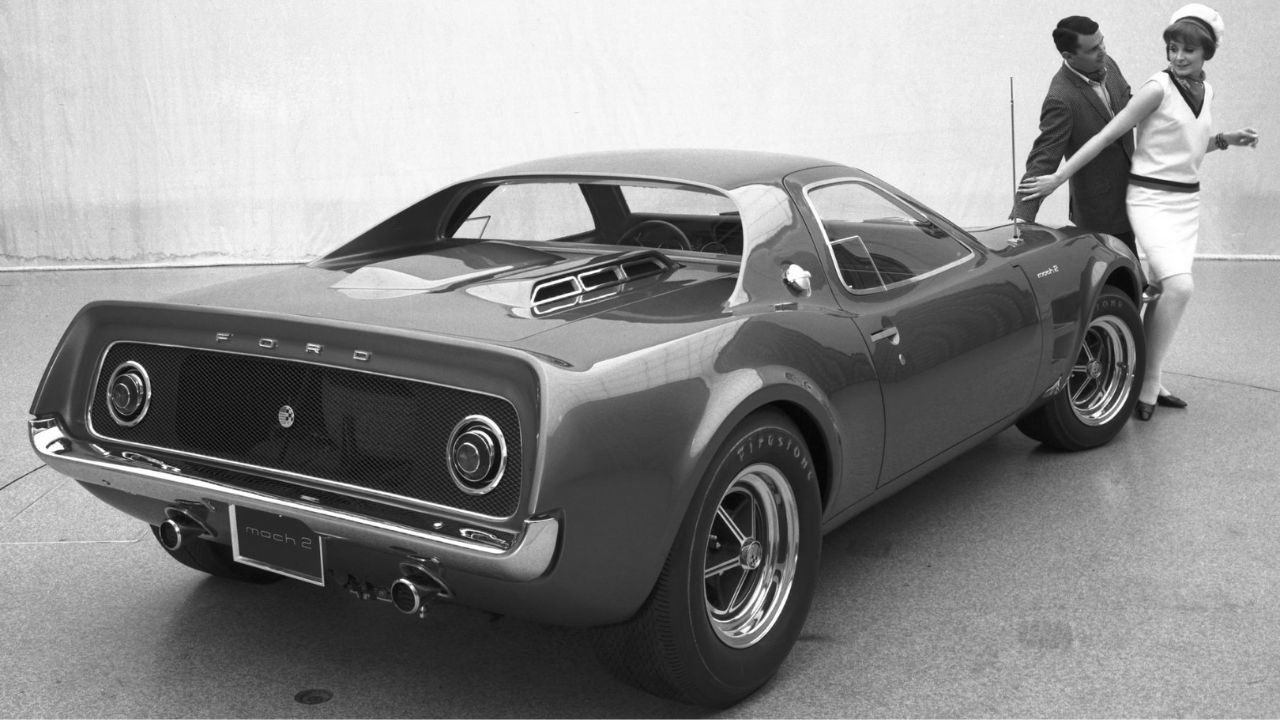
Arguably the most famous of these was the 1967 Mustang Mach 2 Concept. Built under the guidance of designer Al Kammerer, this car relocated the engine behind the seats and featured a low-slung fastback body. Power came from a 289-cubic-inch V8, similar to the K-Code units found in production Mustangs, and it used a modified version of a Shelby GT40 transaxle. The Mach 2 never made it past the show car stage, but it proved Ford was serious about the idea.
A Hint of GT40 DNA
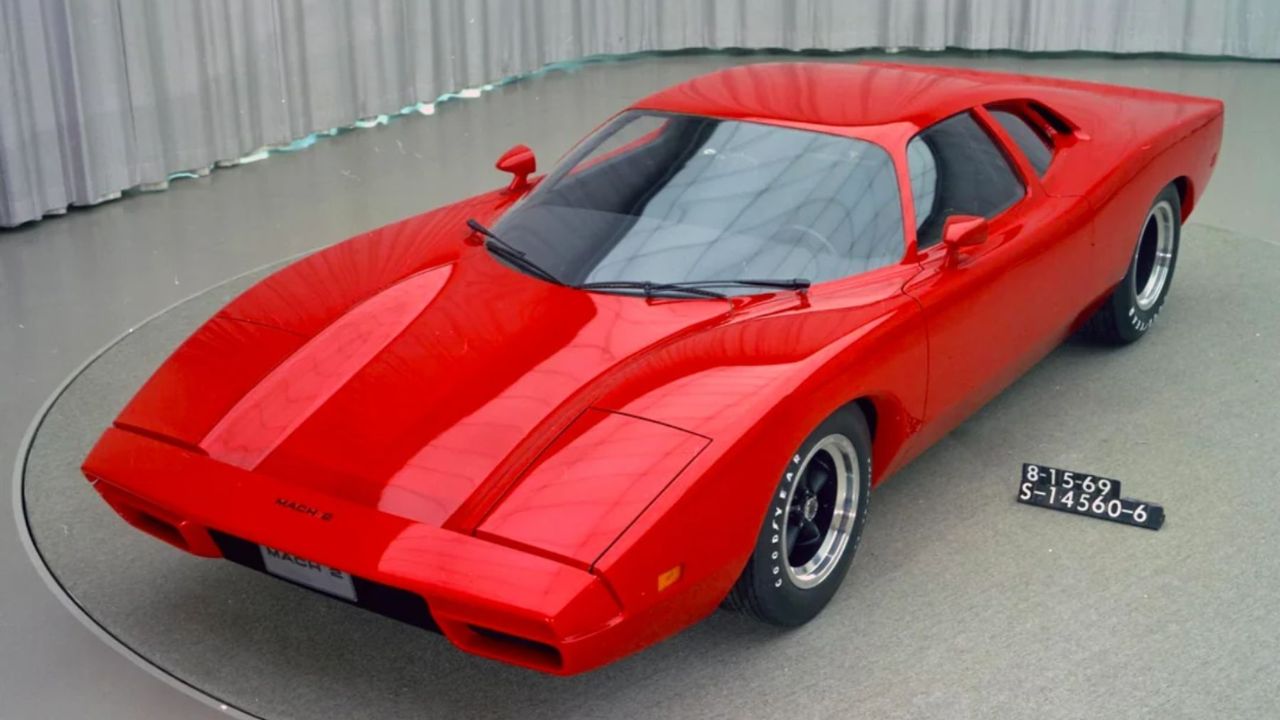
The engineering team didn’t just throw parts together. The Mach 2 borrowed heavily from Ford’s experience with the GT40 racing program. The mid-mounted V8 and use of a transaxle were both nods to the endurance racing icon. Ford hoped this approach might bridge the gap between American muscle and European balance. While it didn’t see production, the GT40’s influence is a key reason the Mach 2 remains relevant in enthusiast circles.
Performance That Was Never Measured

Because the Mach 2 and its peers were never intended for sale, there’s no official 0-60 time or quarter-mile figure. But based on the powertrain and weight distribution, it likely would’ve offered sharper handling than any street-legal Mustang of the era. With a sub-3,000-pound curb weight and a mid-mounted 271-horsepower V8, it was engineered with balance and responsiveness in mind, not just straight-line speed.
Too Much, Too Soon
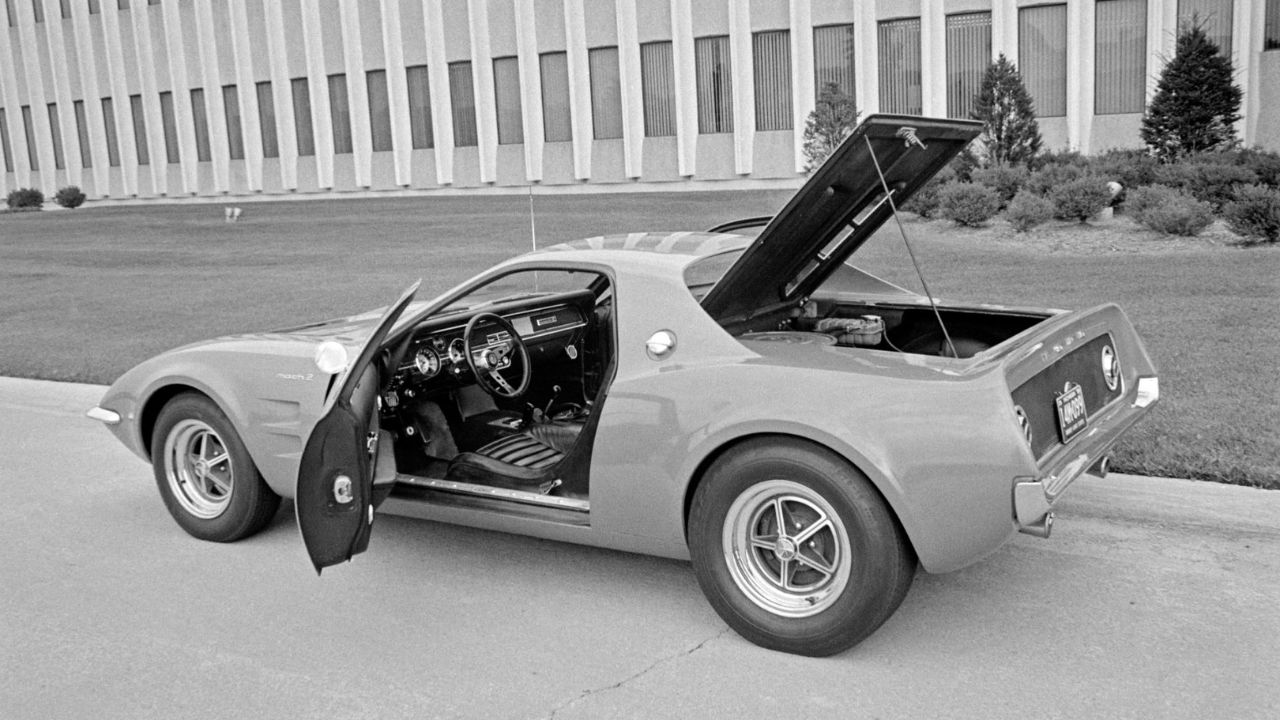
The mid-engine Mustang concept was ahead of its time—possibly too far ahead. American buyers in the late ’60s were still enamored with big displacement and backseat practicality. A mid-engine layout meant limited cabin space, questionable luggage room, and higher production costs. Even within Ford, there were questions about whether the market was ready for such a radical departure from the proven Mustang formula.
The Missing Prototype Mystery
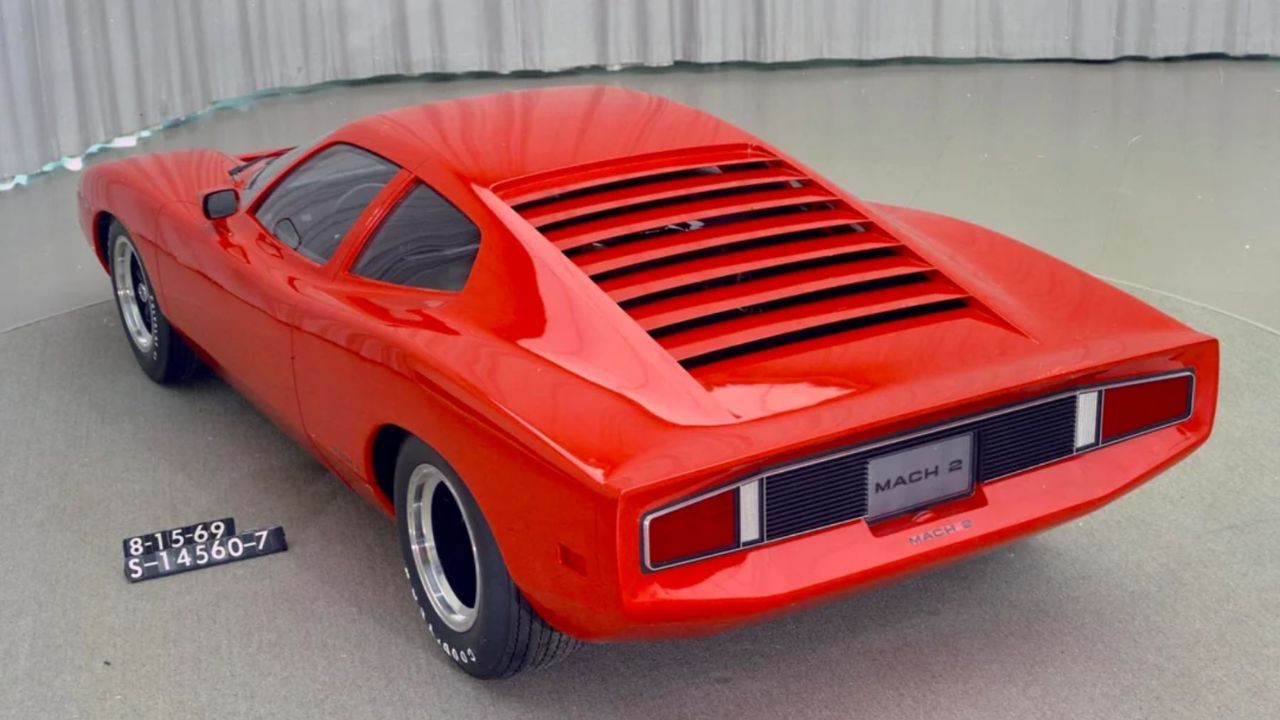
After its 1967 debut, the Mach 2 quietly vanished. Rumors swirl about what happened—some say it was scrapped after internal interest died, while others believe it’s sitting in a warehouse or collection somewhere, unaccounted for. Unlike many concept cars that end up in museums, the Mach 2’s disappearance adds to its mystique. If it’s ever rediscovered, it would be a holy grail for Mustang historians.
The Mustang That Could Have Changed Everything
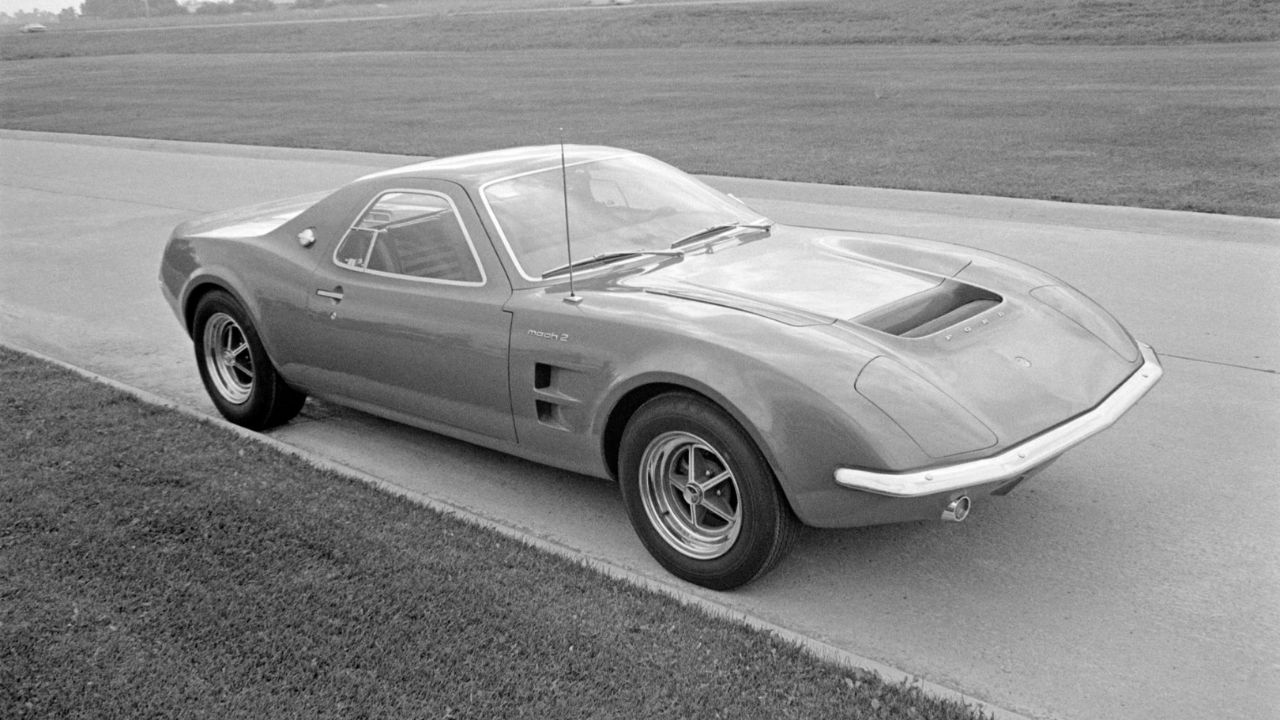
Had Ford greenlit production, the Mustang might have entered an entirely different performance category. Instead of competing with Camaros and Challengers, it might have gone head-to-head with Ferraris and Porsches. This alternate path could have changed not only the Mustang’s future, but also the trajectory of American performance cars. It remains a fascinating what-if in muscle car lore.
Influence on Future Designs
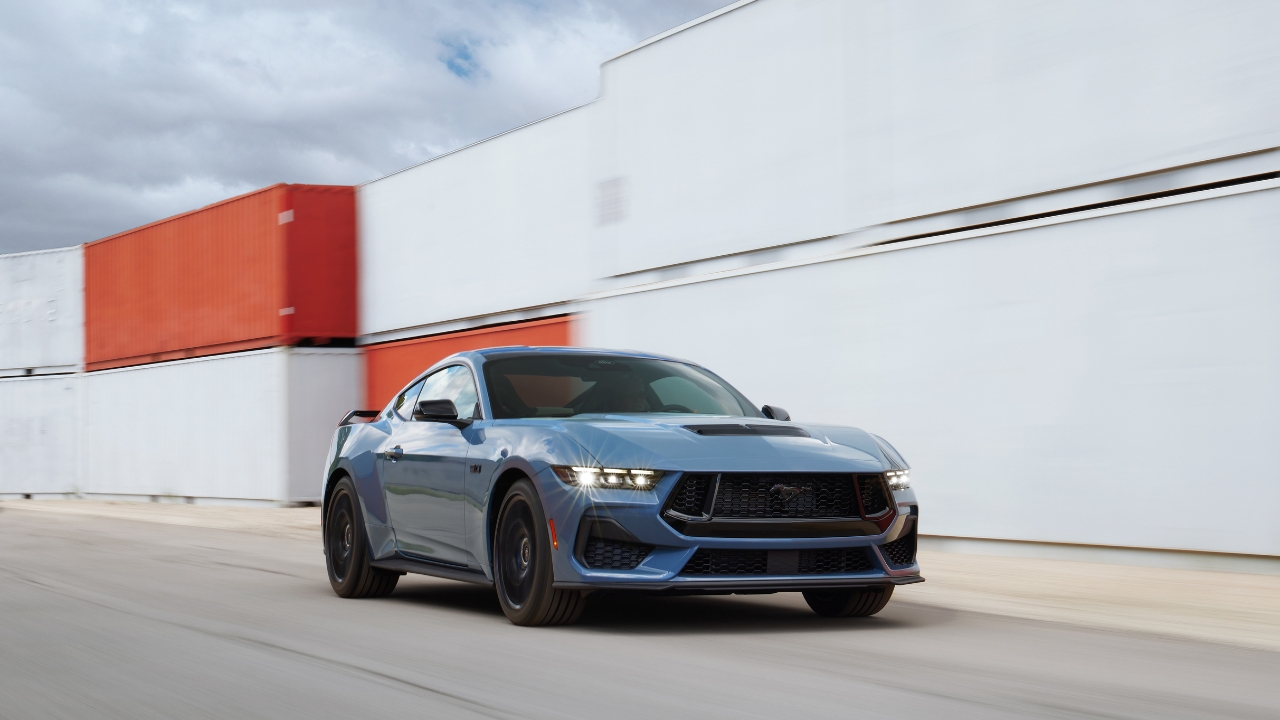
Although the Mach 2 and its siblings were never produced, the mid-engine concept didn’t disappear entirely. Elements of its design showed up later in the Ford GT and even influenced the 2020 Mustang Mach-E in terms of chassis balance and packaging ideas. It was a seed that didn’t grow then, but helped shape Ford’s thinking down the road.
Why It Still Matters
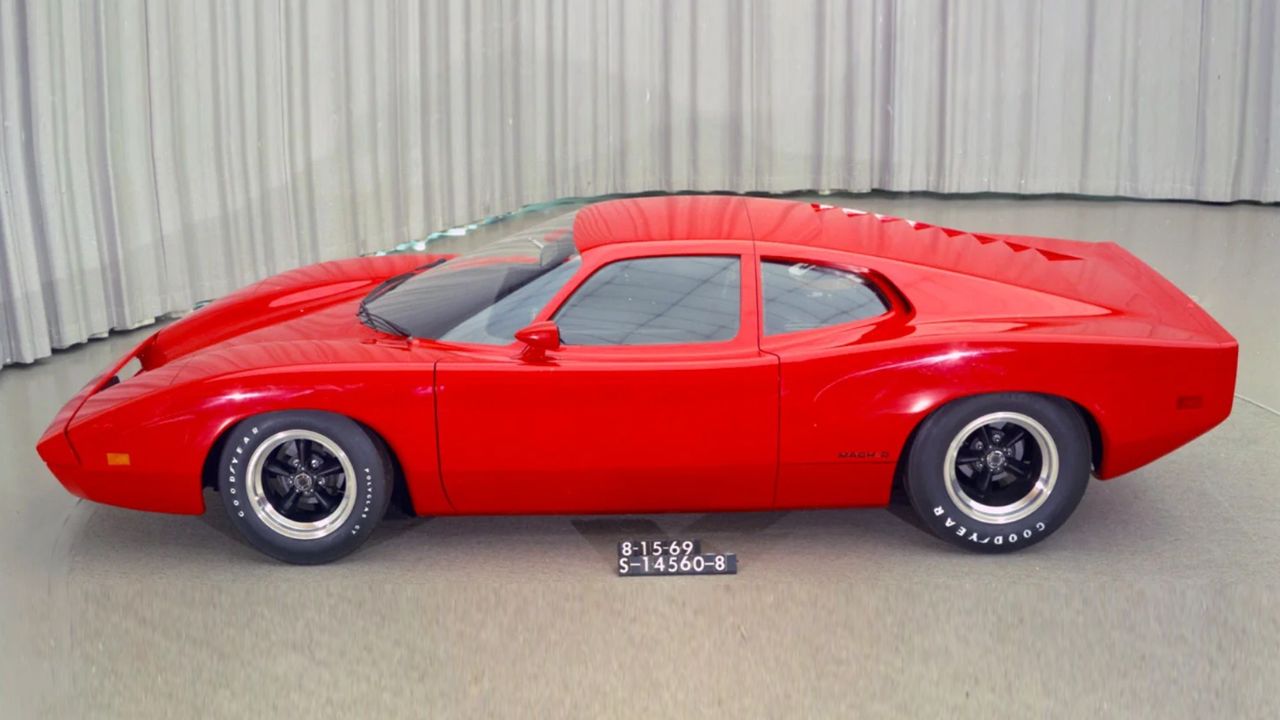
The Mach 2 might seem like a blip in Mustang history, but it represents a key moment when Ford wasn’t afraid to experiment. In a time when Detroit was focused on mass-market appeal, this was an exercise in pure performance theory. That kind of thinking led to cars like the GT500, the SVO, and eventually the Ford GT. The mid-engine Mustang may have never seen production, but it sparked ideas that Ford continues to refine.
Would It Work Today?
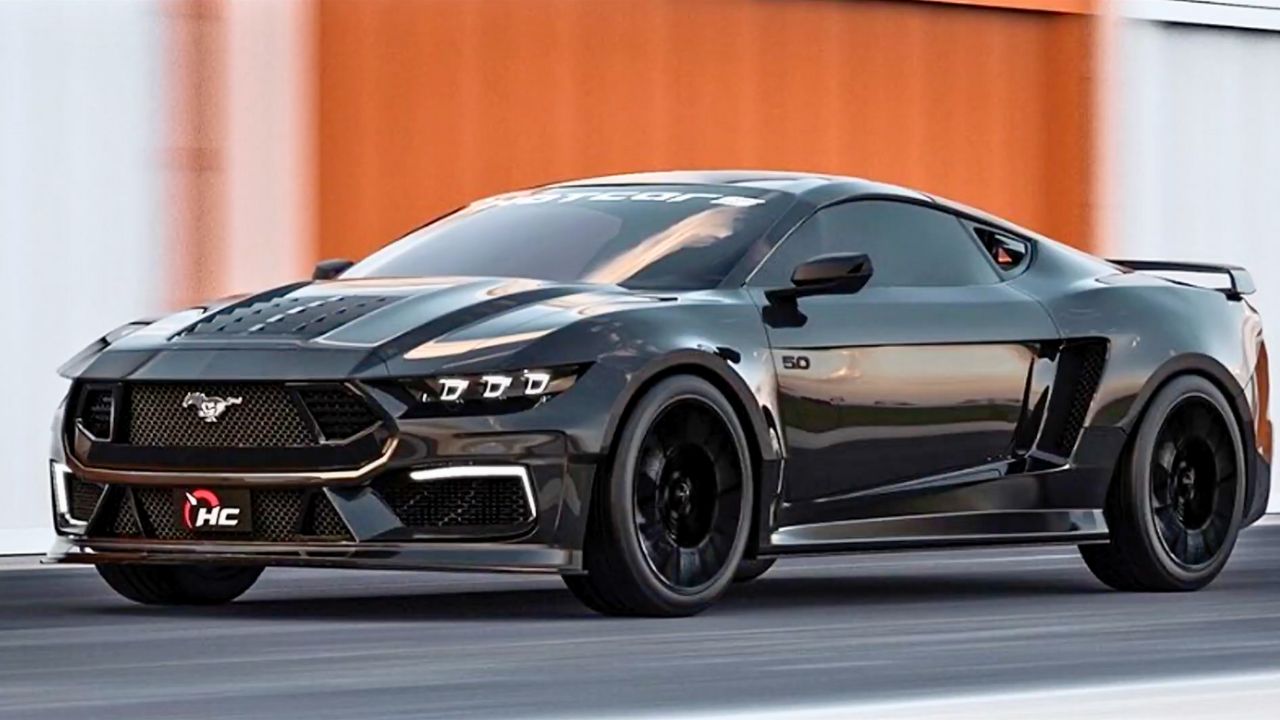
Ironically, in today’s market, a mid-engine Mustang might stand a better chance. With sports car buyers more open to unorthodox layouts and the success of mid-engine models like the C8 Corvette, the idea doesn’t seem so far-fetched anymore. If Ford ever chose to dust off the concept, there’d probably be more demand than there was back in 1967. Timing, as always, is everything.
Like what you read? Here’s more by us:
*Created with AI assistance and editor review.