British roadsters were rarely complicated machines, and that simplicity is a big reason so many remain on the road today. Their engines, manual gearboxes, separate chassis, and accessible mechanical layouts gave generations of mechanics plenty to work with. From small MGs to muscular Triumphs and lightweight Lotus models, these roadsters earned respect not just for the way they drove, but for the engineering underneath them.
MG TD
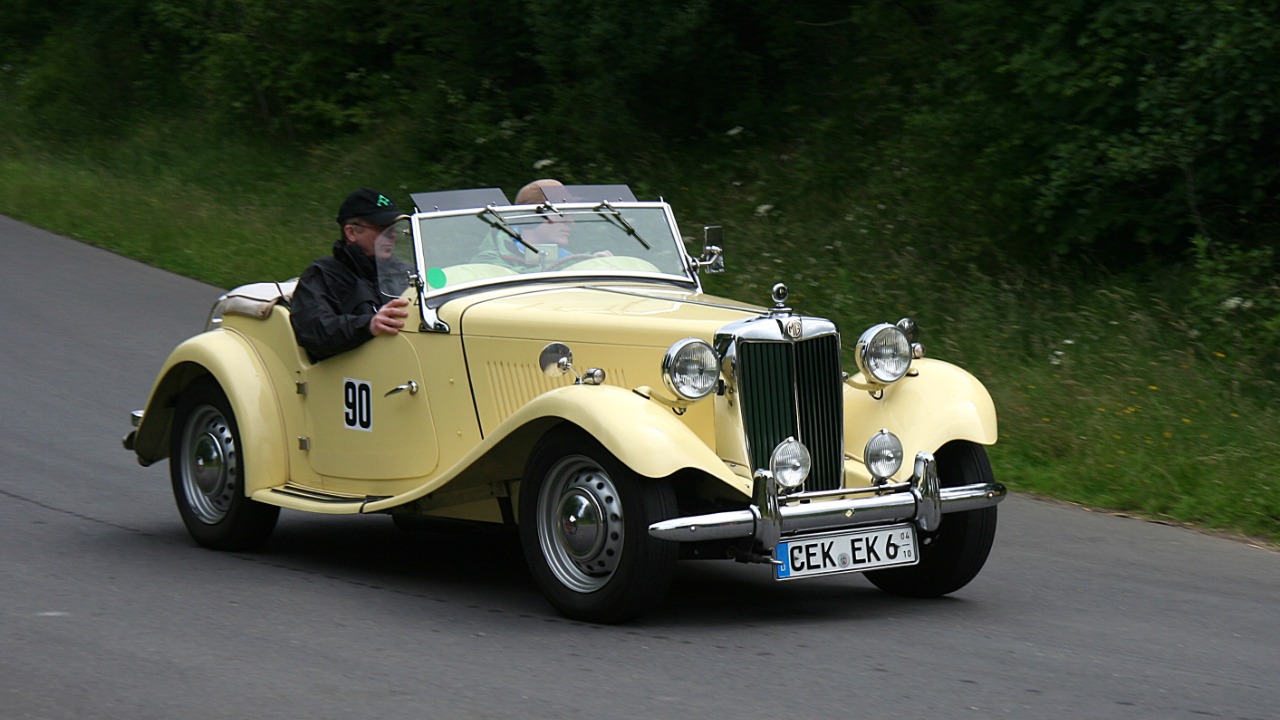
The MG TD brought a more modern chassis to the familiar MG sports-car formula while retaining the charm of its predecessors. Its separate frame, straightforward four-cylinder engine, and relatively accessible mechanical layout make it a car that experienced British-car specialists can understand without relying on complicated electronics. The TD also has a huge enthusiast community and strong parts support. Its simple construction is a major reason so many examples have survived, even after decades of use, restoration, and modification.
MG TF
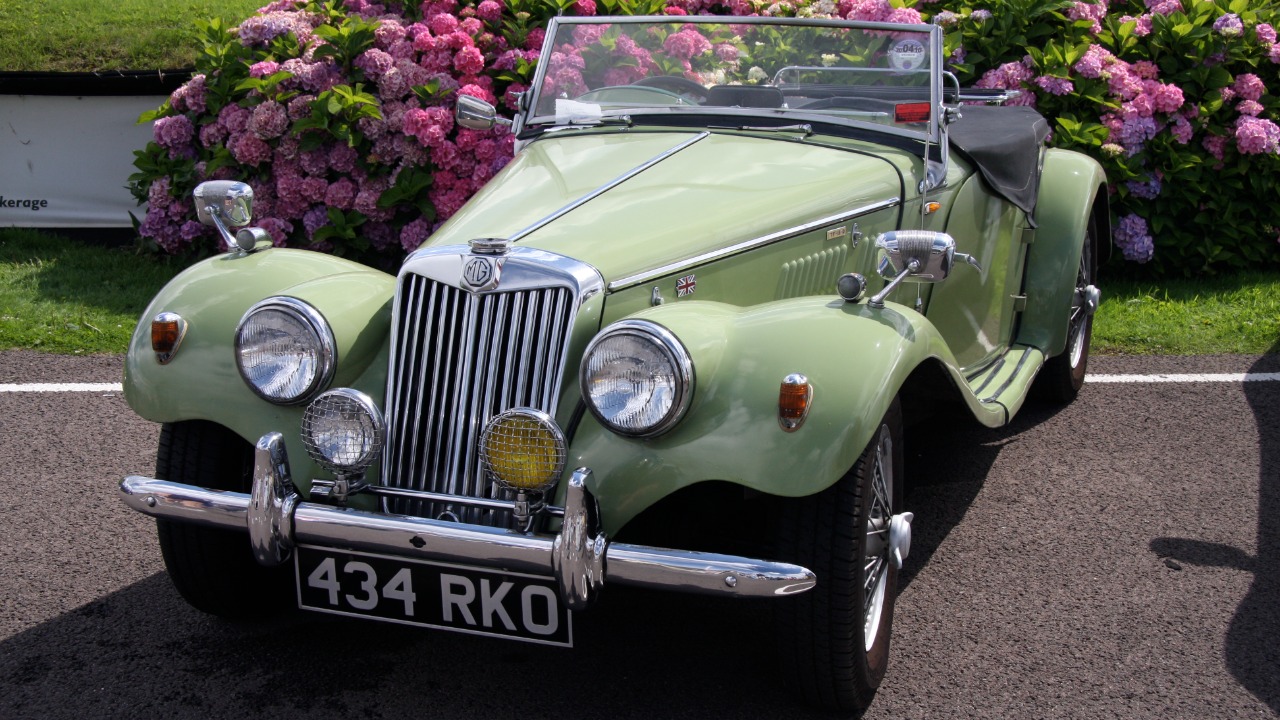
The MG TF followed the TD with a more refined interpretation of the same basic concept. Its bodywork became smoother and more streamlined, but underneath it remained a relatively simple British sports car. The XPAG four-cylinder engine is familiar to MG specialists, and the traditional chassis makes mechanical work straightforward compared with later sports cars. The TF was produced in relatively small numbers, so finding a good one can be difficult. Its combination of simple engineering and distinctive styling makes it especially appealing to hands-on enthusiasts.
MGA
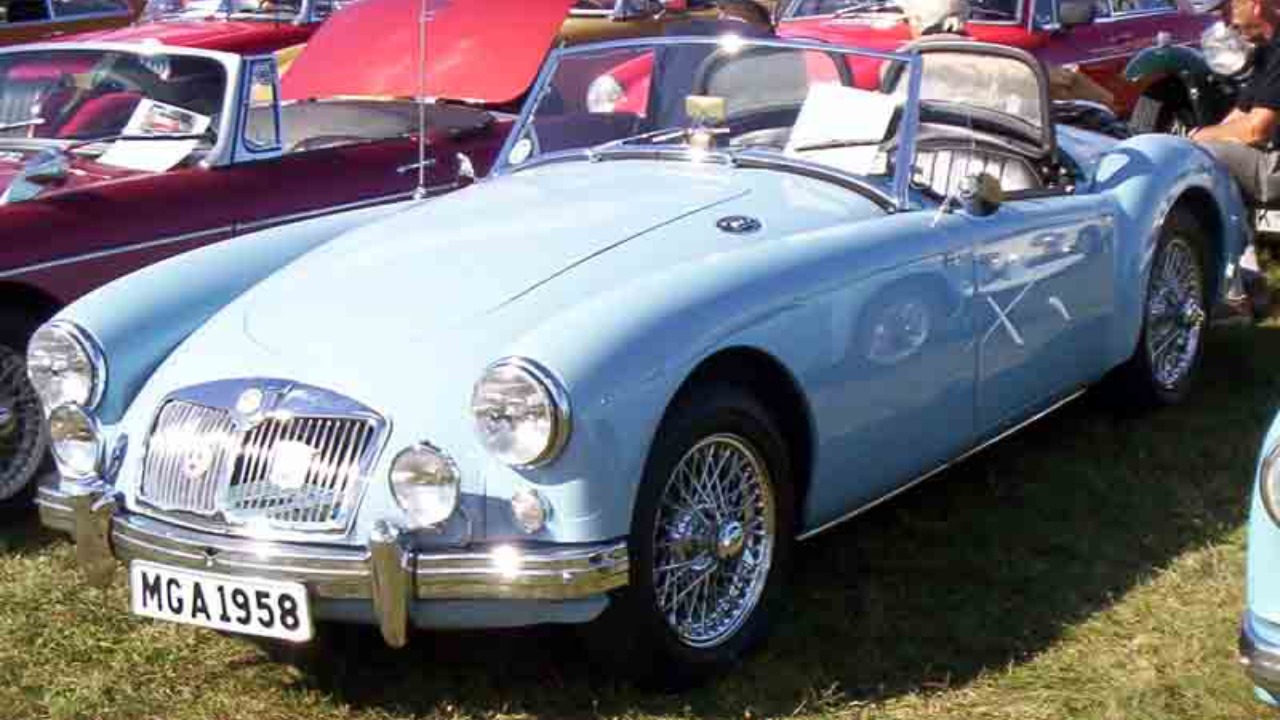
The MGA represented a major styling change for MG when it arrived, replacing the upright appearance of earlier models with a much sleeker body. Underneath that streamlined shape was still familiar British engineering, including a straightforward four-cylinder engine and conventional rear-wheel-drive layout. Mechanics appreciate the accessibility of the mechanical components and the strong specialist support surrounding the model. The MGA also helped establish the modern British roadster look that would influence sports cars for years afterward.
MGC

The MGC gave the MGB platform a larger six-cylinder engine and additional performance while retaining much of the basic roadster formula. The heavier engine required changes to the suspension and front structure, making the MGC mechanically more involved than an ordinary MGB. Even so, its conventional layout makes it relatively approachable for specialists. The model’s low production numbers also make it an interesting alternative for enthusiasts who want a British roadster with more torque without moving into a much more exotic car.
Triumph TR4
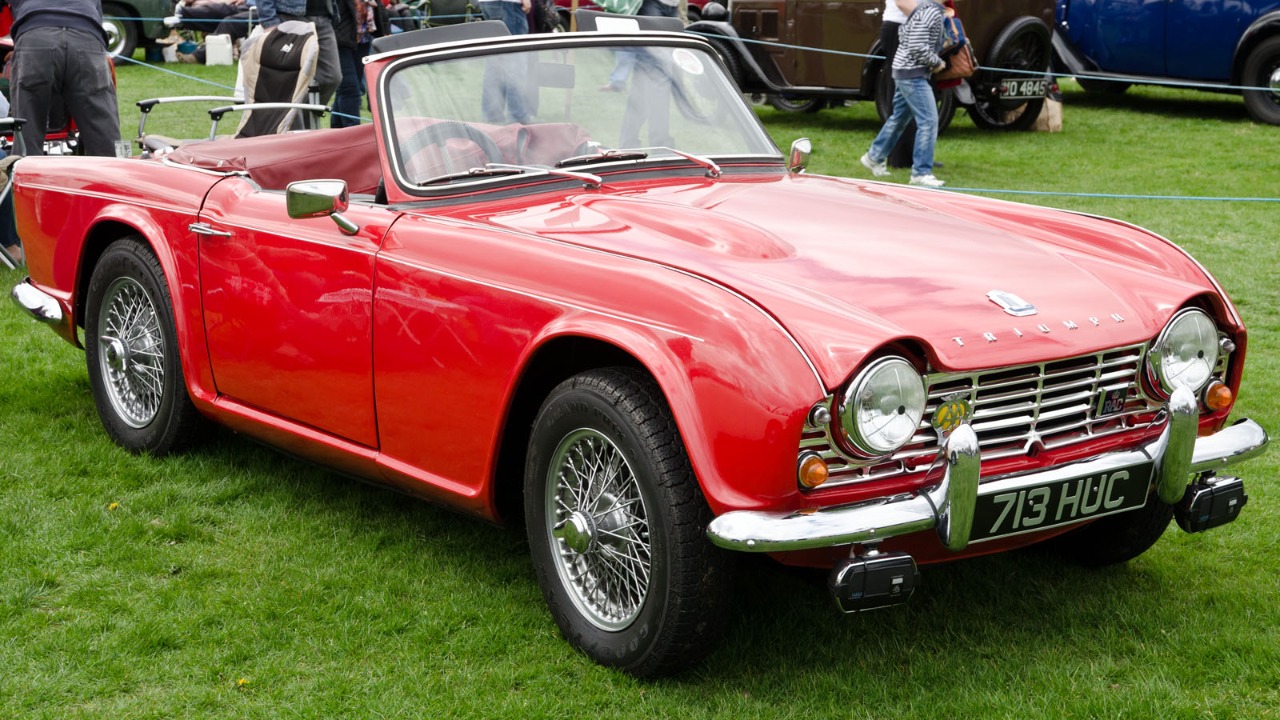
The TR4 introduced a more modern body while retaining the rugged mechanical character that helped make earlier Triumph roadsters popular. Its four-cylinder engine and separate chassis are relatively straightforward, and most mechanical components remain accessible. The independent rear suspension on later versions added some complexity but also improved the driving experience. Specialists have decades of experience with these cars, and parts availability remains strong. The TR4 therefore offers a useful combination of classic styling, simple engineering, and practical maintainability.
Triumph TR4A
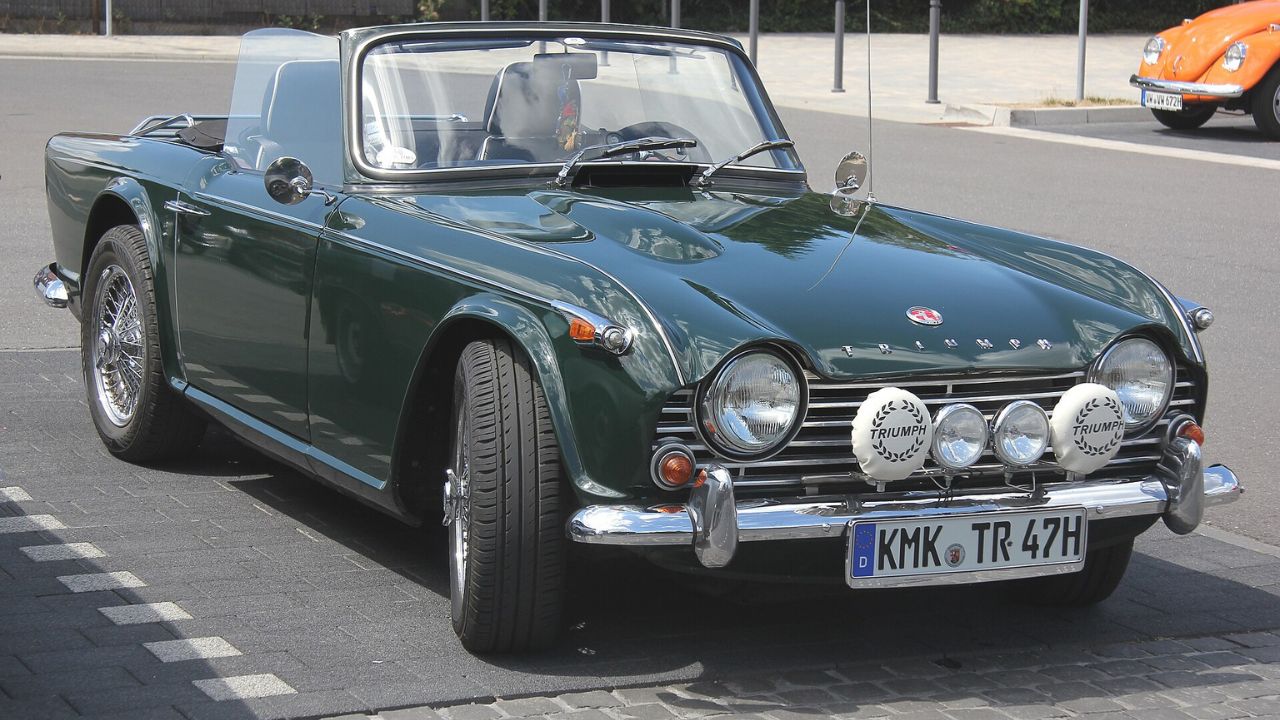
The TR4A built on the TR4 formula with additional refinement and, on many examples, independent rear suspension. That change gave the car a more sophisticated ride while preserving its basic front-engine, rear-wheel-drive layout. The four-cylinder engine is familiar territory for British-car mechanics, and the car’s construction remains comparatively uncomplicated. Rust and neglected suspension components can create restoration headaches, but a properly maintained TR4A is still a rewarding roadster to service and drive.
Triumph TR5

The TR5 looked closely related to the TR4 but brought a significant mechanical upgrade in the form of Triumph’s fuel-injected six-cylinder engine. That gave the roadster considerably more performance while maintaining the traditional chassis and rear-wheel-drive arrangement. The mechanical injection system requires knowledgeable setup, but specialists have extensive experience with it. The TR5’s limited production also makes it much less common than the TR6 that followed. For mechanics familiar with classic Triumphs, it represents an especially interesting combination of traditional construction and more advanced performance.
Triumph Spitfire
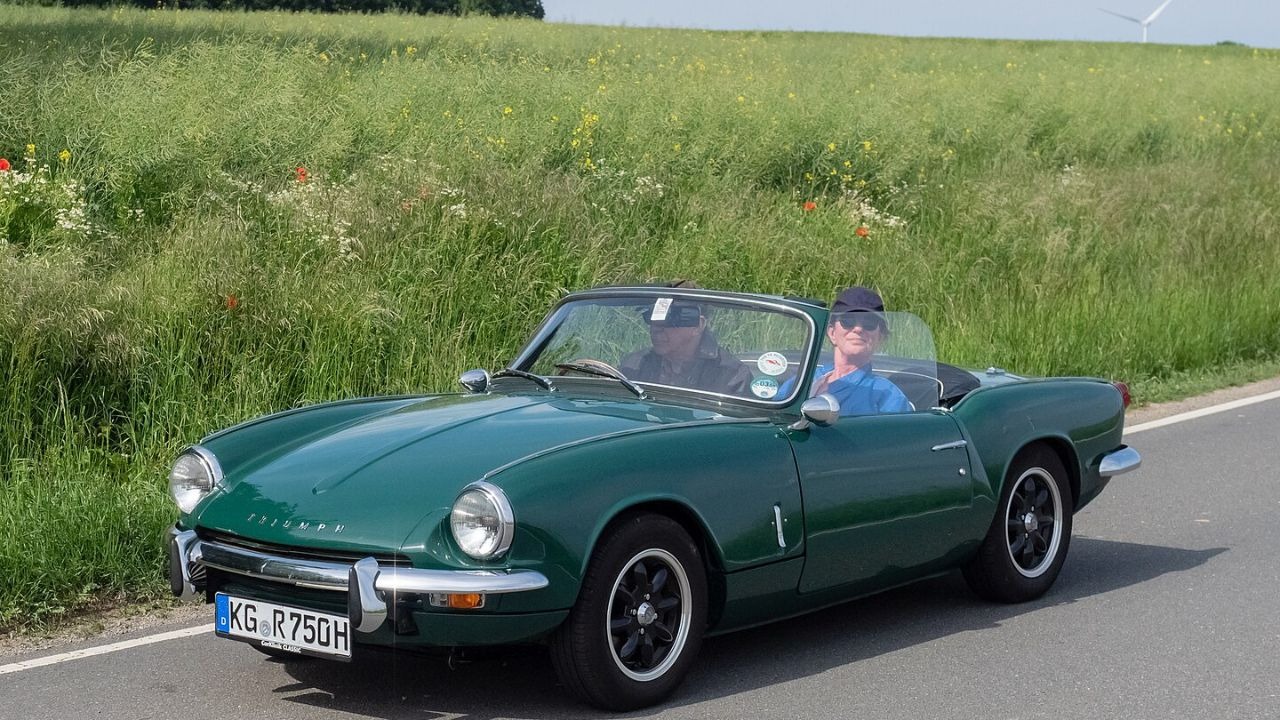
The Spitfire became one of Britain’s best-known small sports cars because it delivered genuine roadster character in a compact and affordable package. Its four-cylinder engine, simple chassis, and relatively accessible mechanical components make it approachable for experienced mechanics. Different generations brought various mechanical improvements, but the basic concept remained straightforward. The Spitfire’s enormous production numbers also created a strong parts and enthusiast network. It may be small, but its simple engineering has helped keep many examples alive for decades.
Triumph GT6
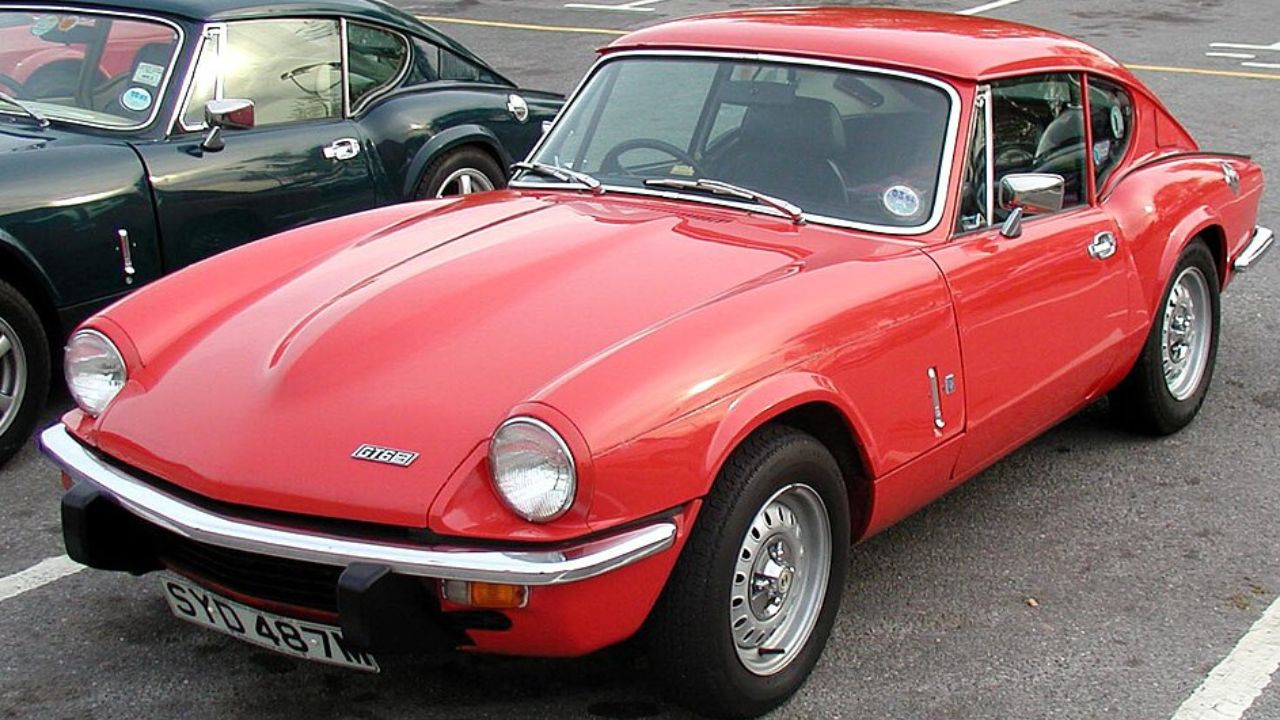
The GT6 shared much of its basic engineering with the Spitfire but added a fixed fastback body and a six-cylinder engine. Although technically not an open roadster, it belongs to the same family of lightweight Triumph sports cars and is highly regarded by British-car specialists. Its mechanical components are familiar, while the compact dimensions make many jobs relatively manageable. The six-cylinder engine gives the GT6 more character than the smaller Spitfire without making it excessively complicated.
Triumph Vitesse Convertible
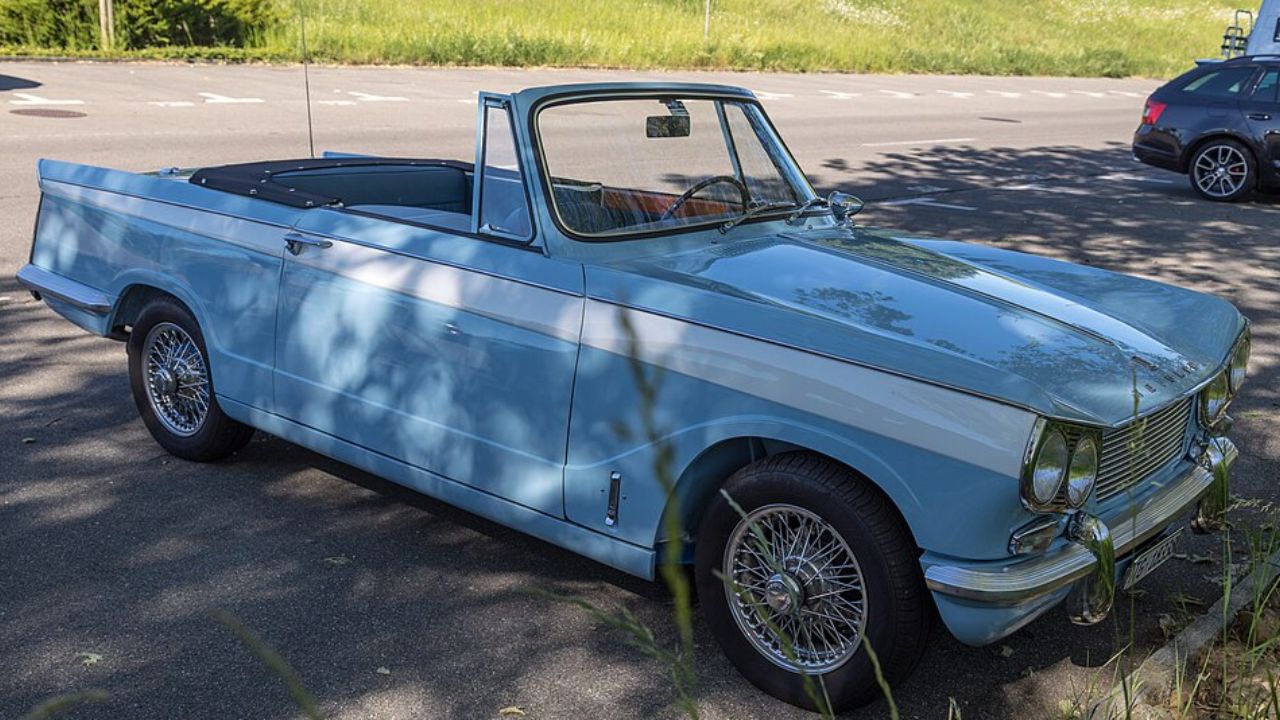
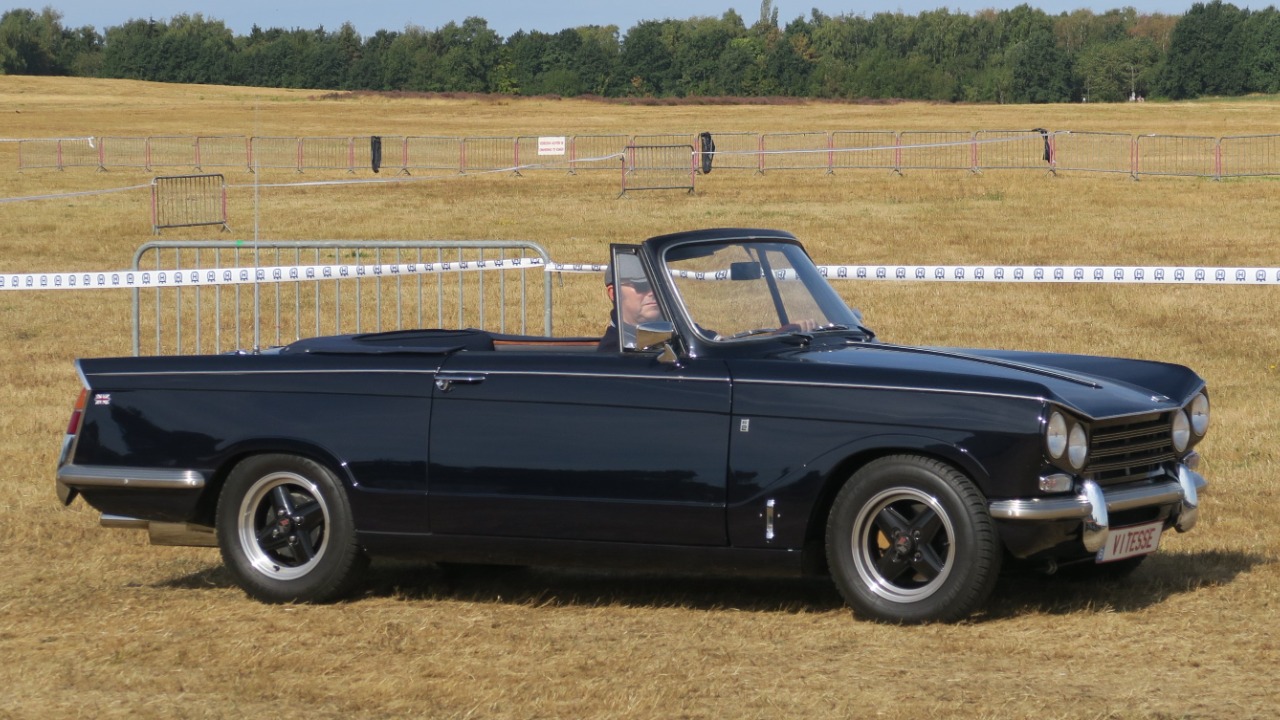
The Vitesse Convertible combined Triumph’s compact sports-car character with a six-cylinder engine and a more practical body. Its mechanical layout was conventional, making it relatively approachable for specialists who already knew Triumph’s smaller cars. The independent rear suspension also gave it more sophisticated handling than many basic British roadsters. Surviving convertibles are considerably less common than ordinary Triumph saloons, which makes them particularly interesting. Its combination of compact dimensions, six-cylinder power, and traditional construction remains appealing.
Austin-Healey 100

The Austin-Healey 100 helped establish the big British roadster as an international success. Its four-cylinder engine was developed from Austin production hardware, giving the car a mechanical foundation that was more conventional than its dramatic appearance might suggest. The separate chassis also makes major mechanical work familiar territory for experienced restorers. The 100 became an important export model, and its competition success further established the Healey name. Today, specialists appreciate the car’s direct engineering and relatively accessible mechanical design.
Austin-Healey Sprite
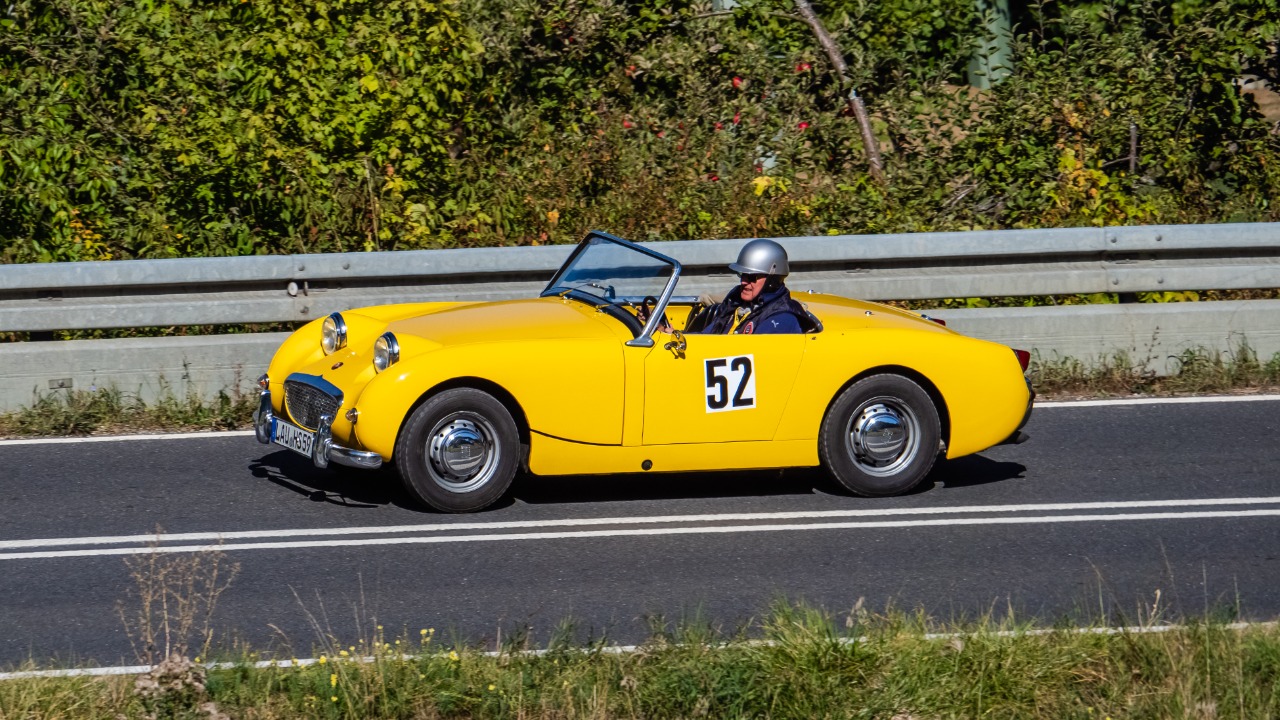
The Sprite took the classic British roadster formula and made it smaller, lighter, and more affordable. Its compact four-cylinder engine and simple chassis make it particularly approachable for hands-on owners and mechanics. The earliest cars became famous for their distinctive rounded front end, while later versions adopted more conventional styling. Because the mechanical layout is straightforward and parts support remains strong, the Sprite can still be maintained without the complexity associated with modern sports cars. It remains one of the purest expressions of the lightweight roadster idea.
Sunbeam Alpine
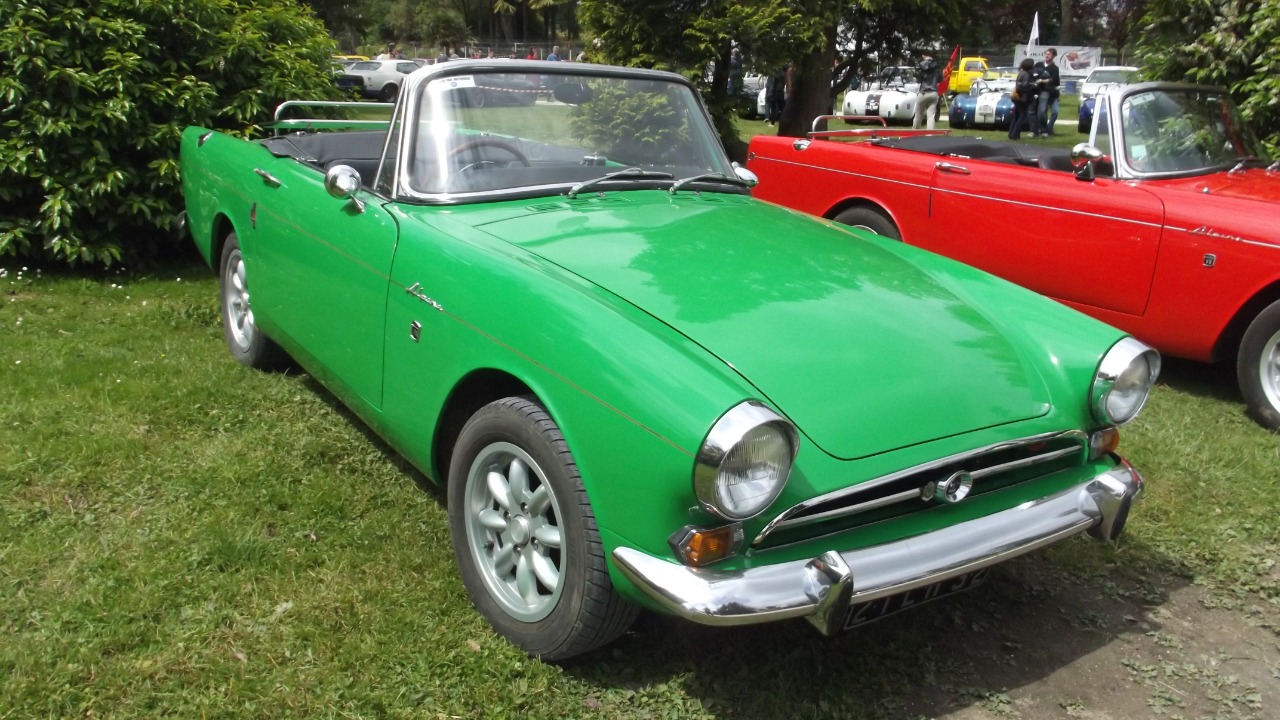
The Sunbeam Alpine was designed to offer sports-car character without becoming overly difficult to live with. Its four-cylinder engine, conventional drivetrain, and relatively straightforward chassis make it understandable to mechanics familiar with British cars. Later versions received additional refinements, but the basic formula remained simple. Rust can be a serious concern with surviving examples, particularly around the body and chassis, but mechanically sound cars are rewarding to maintain. The Alpine also offers a slightly more relaxed character than many contemporary Triumphs.
Sunbeam Tiger

The Sunbeam Tiger transformed the Alpine formula by replacing its four-cylinder engine with a compact Ford V8. The result was a lightweight British roadster with substantially more performance. From a mechanic’s perspective, the use of familiar Ford V8 hardware was a major advantage, particularly in markets where Ford parts were readily available. Packaging the V8 into the Alpine’s engine bay created its own challenges, but the underlying concept remained straightforward. The Tiger’s unusual combination of British chassis design and American power makes it one of the most interesting roadsters of its era.
Lotus Elan
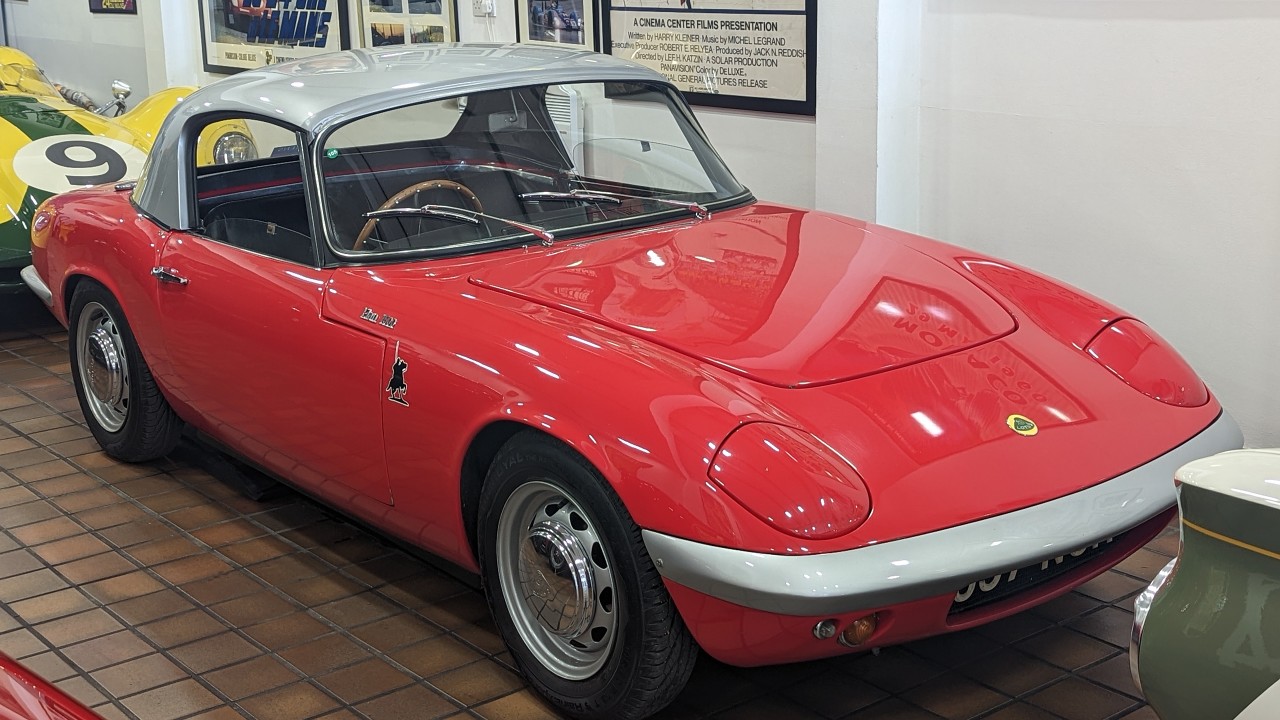
The Elan demonstrated Colin Chapman’s philosophy of achieving performance through low weight rather than brute force. Its lightweight body, backbone chassis, independent suspension, and compact Ford-based twin-cam engine created a remarkably focused sports car. Mechanics appreciate the accessible engine and relatively simple layout, although the backbone chassis and fiberglass body require careful inspection during restoration. The Elan rewards proper maintenance with exceptional handling. Its engineering also influenced generations of sports cars that followed the same lightweight philosophy.
Lotus Seven
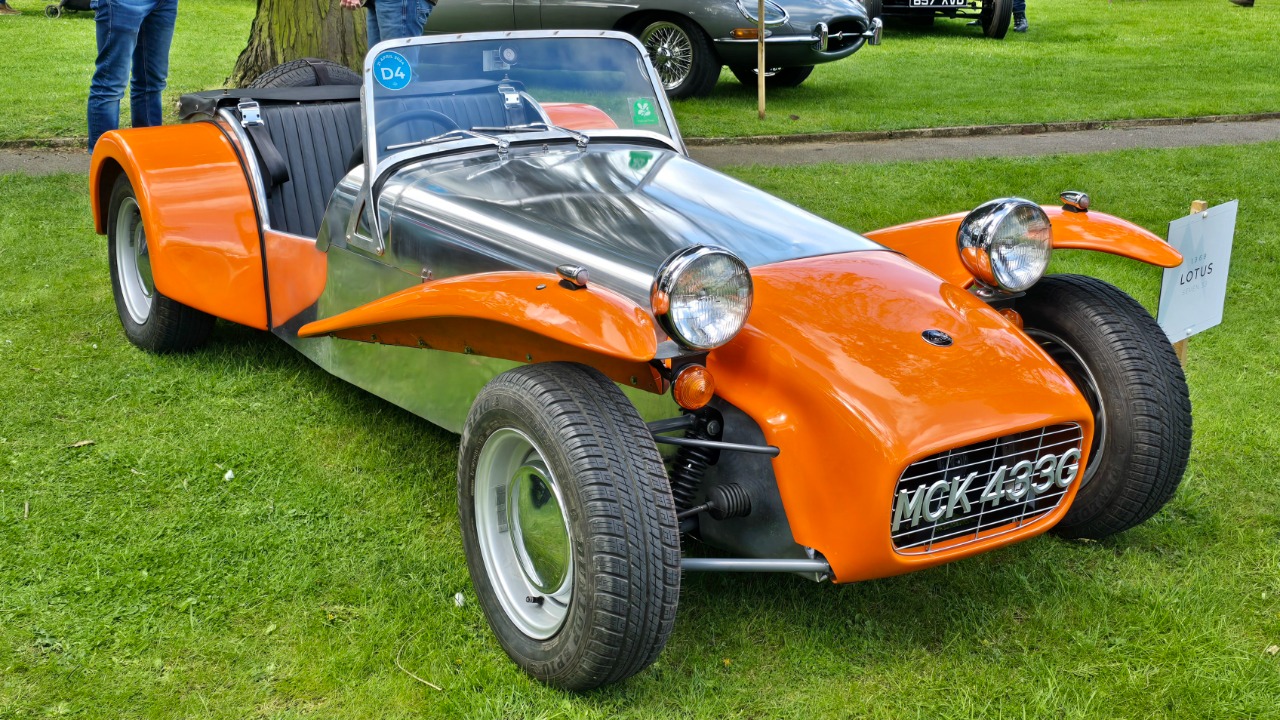
The Lotus Seven is almost the ultimate mechanic’s sports car because so much of its hardware is exposed and accessible. Its minimalist design leaves little unnecessary equipment between the driver and the road. Different versions used different engines and components, but the basic structure remained remarkably simple. Owners can see much of the suspension, steering, and drivetrain without removing layers of trim. That directness is exactly what makes the Seven so appealing to people who enjoy understanding and working on their own cars.
Morgan Plus 4
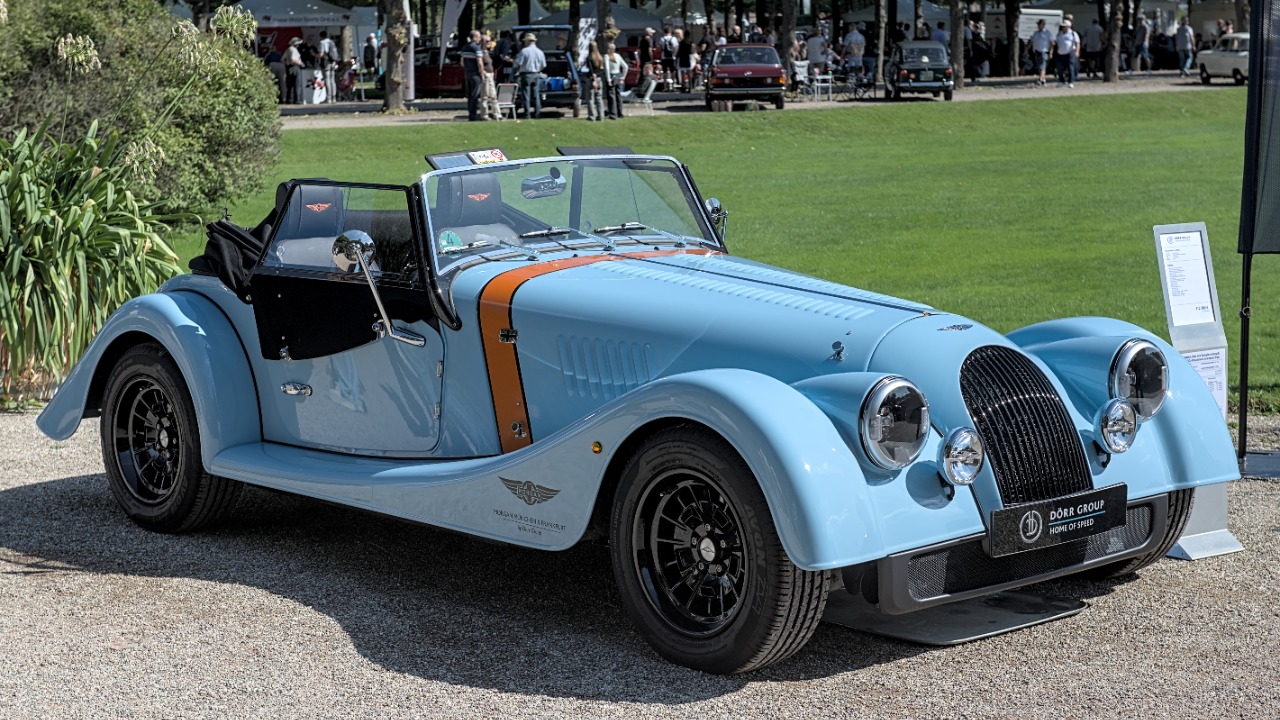
The Morgan Plus 4 has retained a remarkably traditional construction philosophy while adopting different engines and mechanical components over the years. Its unusual chassis and body construction may require specialized knowledge, but the drivetrain hardware in many generations is conventional and familiar. Morgan’s long production history also means specialists have developed extensive experience with the model. The Plus 4’s appeal comes from this mixture of old-fashioned construction and relatively modern mechanical components, giving mechanics something distinctive to work on without unnecessary complexity.
Morgan 4/4
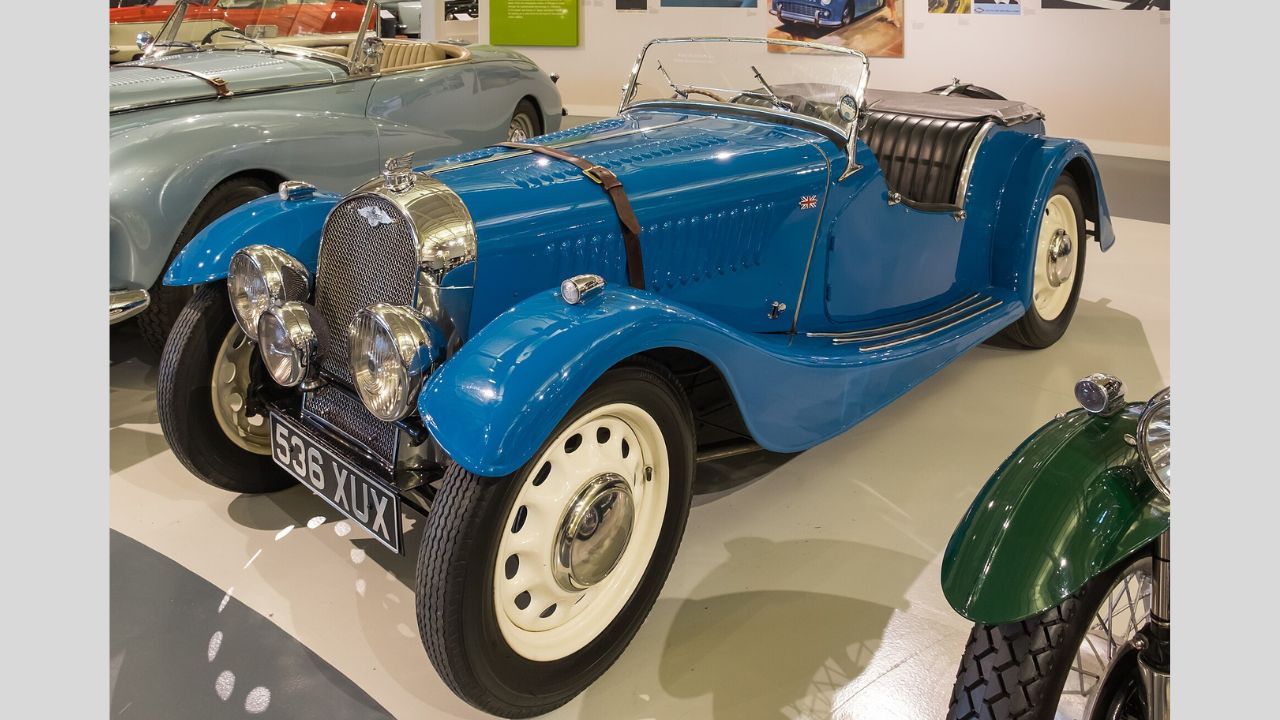
The Morgan 4/4 is one of Britain’s longest-running sports-car formulas, and its mechanical simplicity remains a major part of the appeal. The model has used various four-cylinder engines over its long history, but the underlying chassis philosophy has stayed remarkably consistent. Mechanics familiar with traditional Morgans understand the construction and can work on much of the car without the specialized electronics found in newer vehicles. Its narrow body, lightweight design, and classic proportions also make it immediately recognizable.
AC Ace
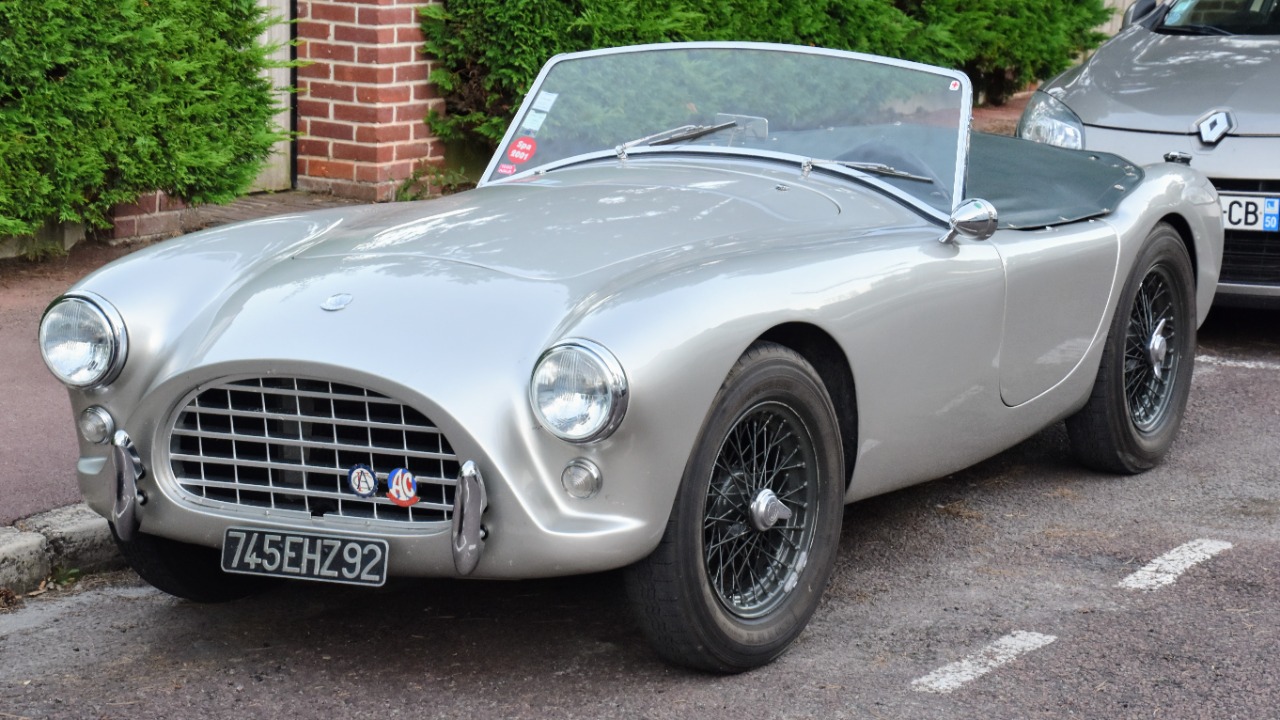
The AC Ace was a lightweight British roadster with a sophisticated tubular chassis and independent suspension. Early versions used straightforward six-cylinder engines, while later developments helped create the foundation for the legendary Cobra. The Ace itself remains a fascinating car for mechanics because its engineering is more advanced than its simple appearance suggests. Its rarity means specialists may not encounter one often, but those familiar with AC cars understand why the model became such an important part of British sports-car history.
Daimler SP250
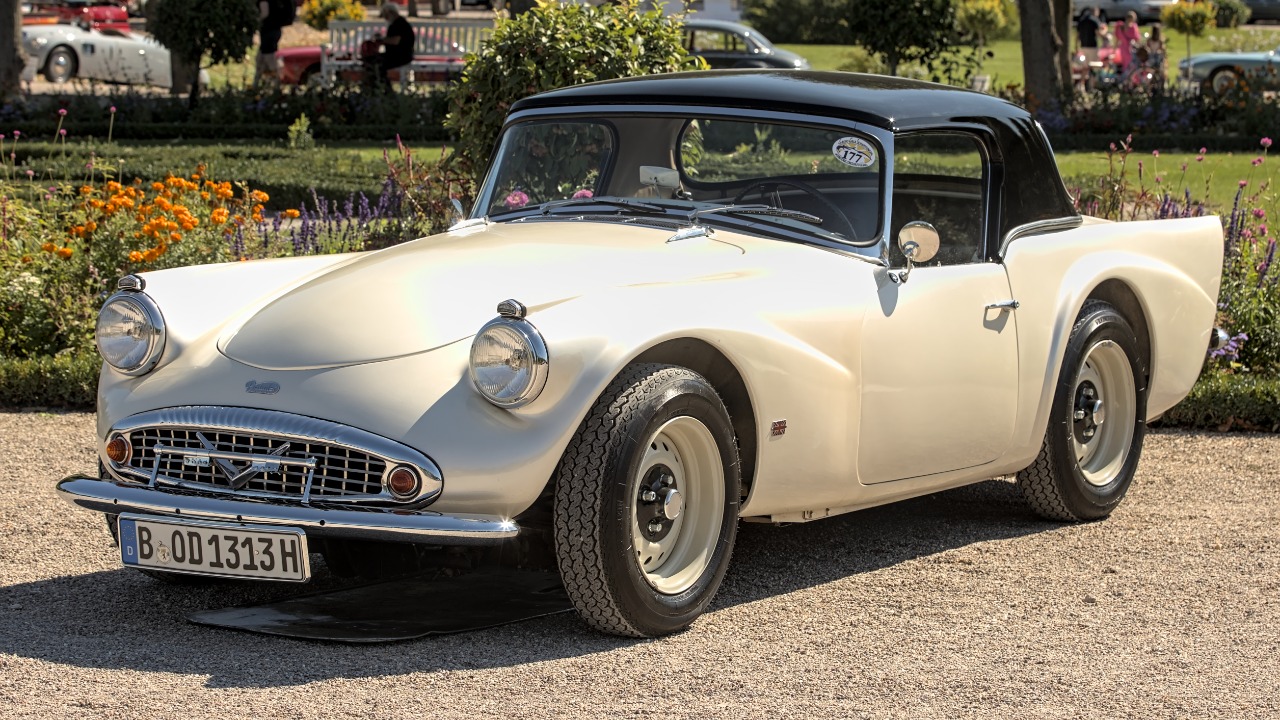
The SP250 was an unusual British roadster that combined a fiberglass body with a compact V8 engine and a distinctive chassis. Its mechanical layout was conventional enough for experienced specialists to understand, while the fiberglass construction eliminated many of the body-rust problems associated with steel-bodied British sports cars. The chassis and suspension still demand careful inspection, particularly on older examples. Its unusual appearance and V8 character make it one of the more distinctive British roadsters from the period.
More from Fast Lane Only
- Unboxing the WWII Jeep in a Crate
- 15 rare Chevys collectors are quietly buying
- 10 underrated V8s still worth hunting down
- Police notice this before you even roll window down
*Research for this article included AI assistance, with all final content reviewed by human editors.