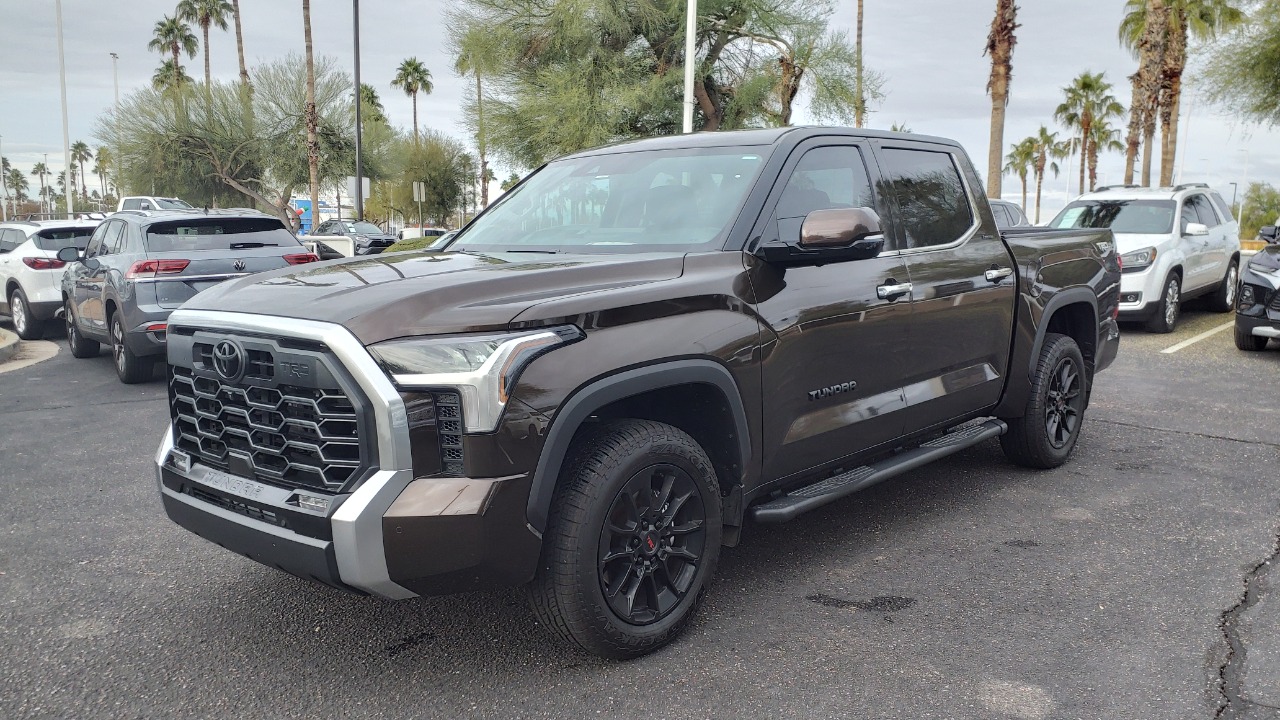
A 300,000-mile odometer reading sounds extraordinary until you look at the cars that have earned reputations for doing it. Certain models were built with conservative engines, sturdy drivetrains, simple mechanical systems, and enough durability to survive decades of daily use. They are not all glamorous or expensive, but their ability to keep going long after the average car has disappeared makes them stand out.
Toyota Land Cruiser
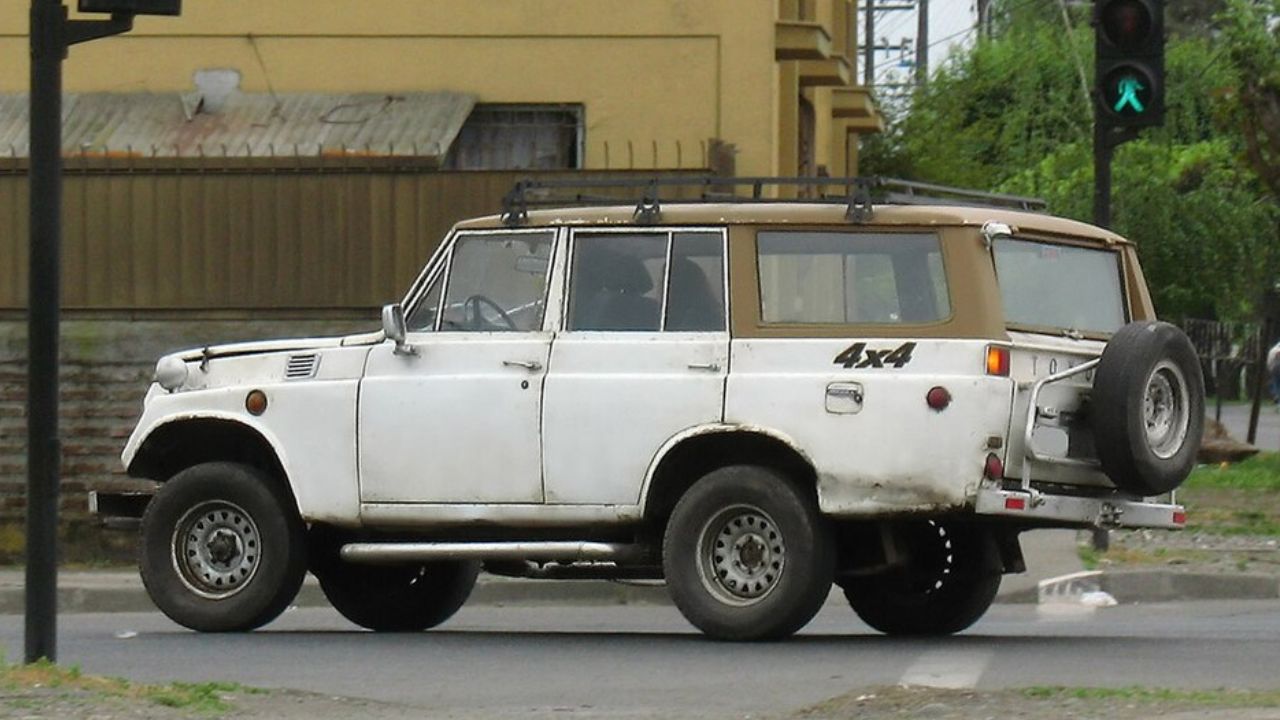
The Land Cruiser has become one of the clearest examples of an overbuilt vehicle. Generations of owners have pushed these SUVs through heavy use, rough roads, long-distance travel, and demanding climates. Their body-on-frame construction and conservative engineering helped them develop a reputation for extraordinary longevity. Well-maintained examples crossing 300,000 miles are not unusual, and some continue much farther. The Land Cruiser’s appeal comes from the feeling that Toyota designed the underlying mechanicals to survive years of punishment rather than simply make it through a warranty period.
Lexus LS 400
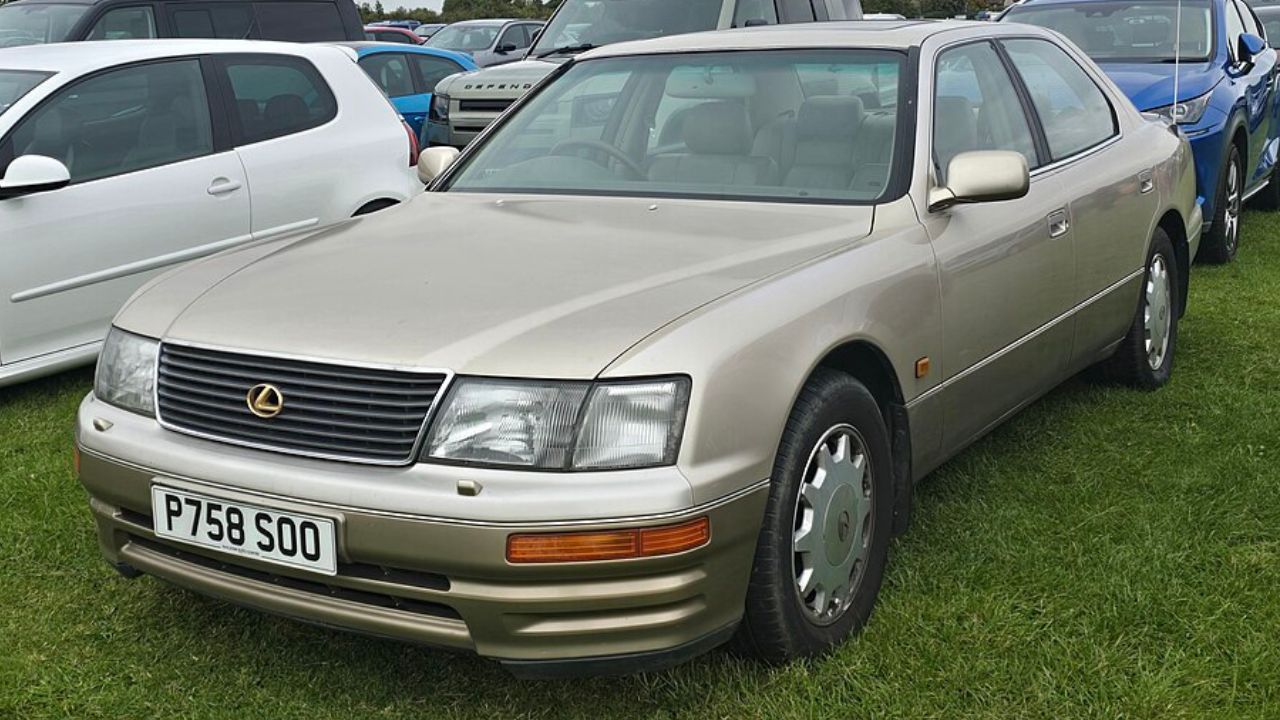
The LS 400 brought Toyota’s reputation for durability into the luxury-car market. Its 4.0-liter V8 was engineered with an unusually high level of attention to smoothness and long-term refinement, while the rest of the car received similarly careful engineering. Many owners discovered that the sedan could remain quiet and comfortable even after accumulating enormous mileage. Examples with 300,000 miles or more have become part of the model’s legend. The LS 400 remains one of the clearest examples of Japanese overengineering applied to a luxury sedan.
Honda Accord

The Accord became a dependable fixture on roads around the world because it combined relatively simple mechanicals with strong build quality. Certain older generations are particularly well known for surviving enormous mileage when maintained properly. The engines are not highly stressed, replacement parts are widely available, and the cars were produced in huge numbers. That combination makes a high-mileage Accord less surprising than it might sound. Many owners simply kept driving them because the basic car continued doing its job long after newer vehicles had come and gone.
Toyota Camry
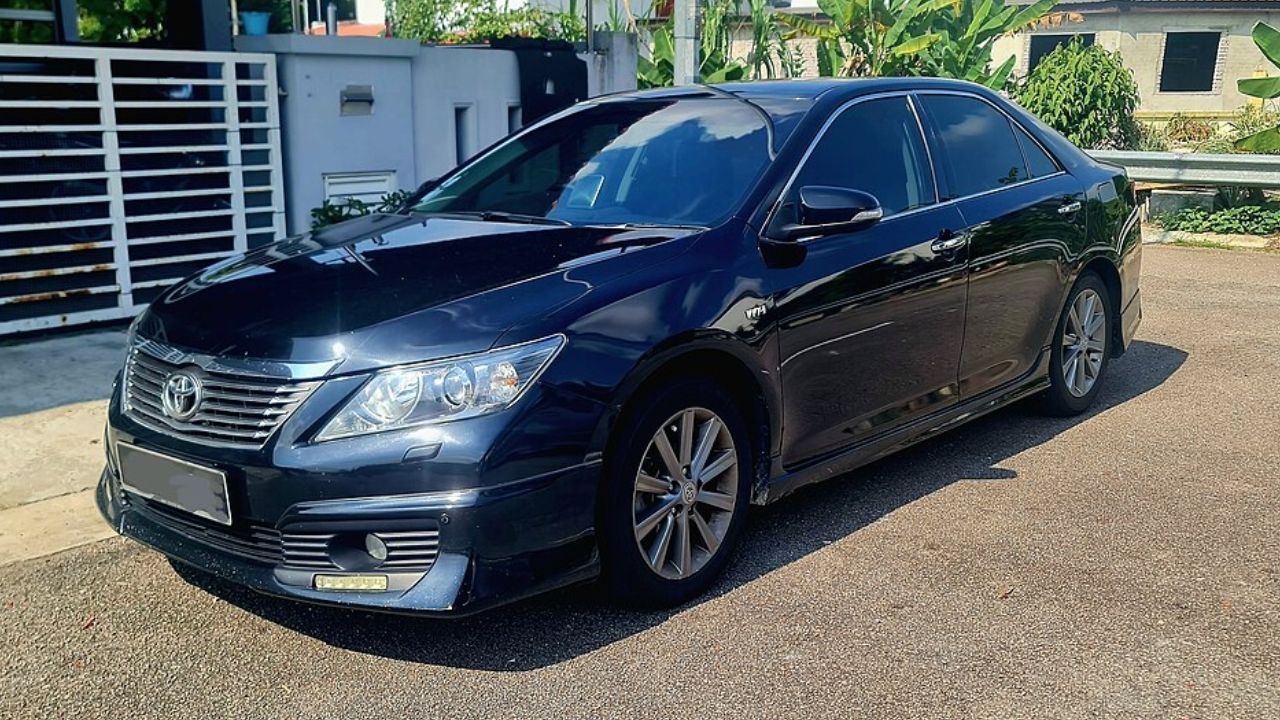
The Camry is not exciting in the traditional enthusiast sense, but that is part of what makes its durability so impressive. Generations of Camrys were designed around proven engines, straightforward drivetrains, and comfortable everyday operation. Properly maintained examples can accumulate extremely high mileage without requiring exotic mechanical work. The model’s reputation has been reinforced by enormous numbers of surviving cars still serving as daily transportation. It is the kind of vehicle that can quietly reach 300,000 miles without ever becoming a headline.
Toyota 4Runner
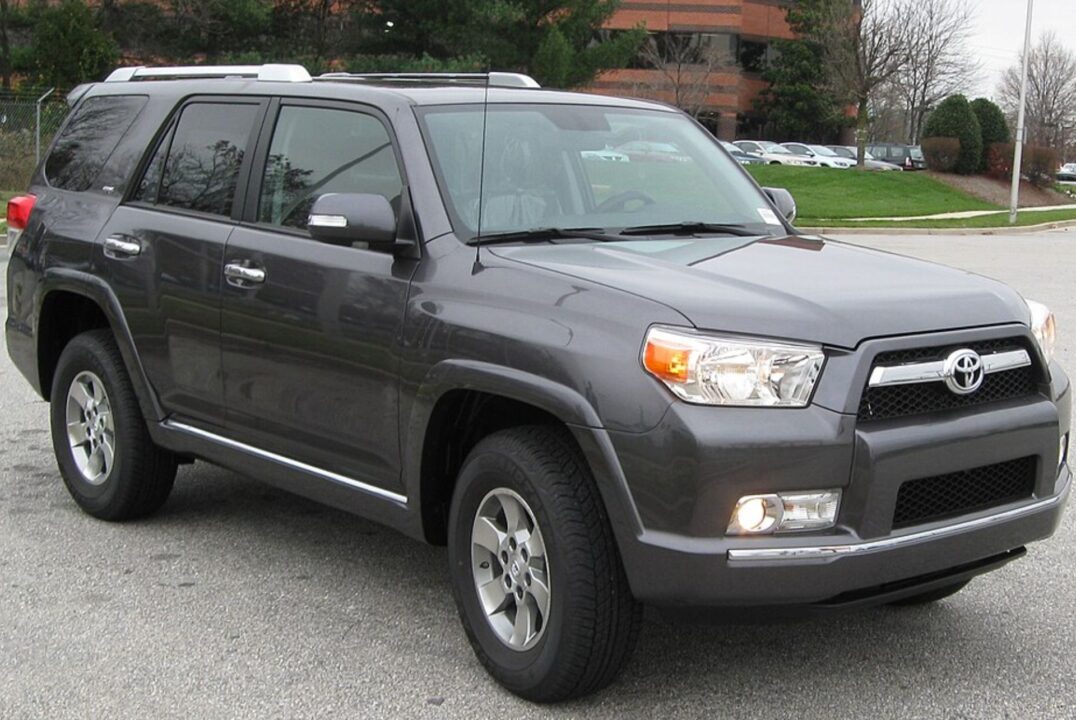
The 4Runner combines truck-based construction with the practicality of an SUV, and that formula has helped older examples develop an exceptional longevity reputation. Earlier generations in particular were built around sturdy frames and proven Toyota engines. They were also frequently used for towing, off-roading, commuting, and family transportation, giving them plenty of real-world exposure to demanding conditions. A high-mileage 4Runner can still feel remarkably solid when properly maintained. Its reputation for durability is one reason clean older examples remain desirable.
Honda Civic
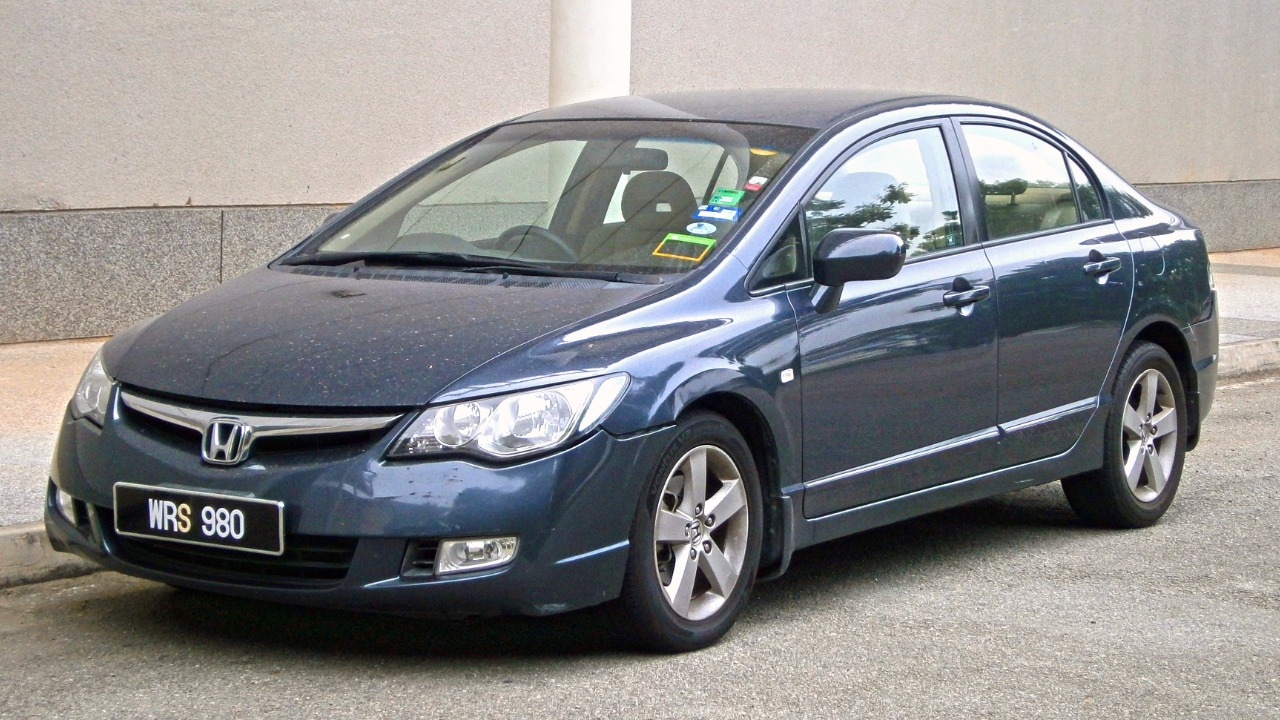
The Civic has spent decades proving that a small car does not have to be disposable. Its relatively light weight, efficient engines, simple mechanical layout, and enormous parts supply have allowed countless examples to remain useful long after their original owners expected. Older Civics are especially common among high-mileage enthusiasts because many were inexpensive to maintain and easy to repair. Reaching 300,000 miles still requires care, but the Civic has enough documented high-mileage examples to make the milestone believable rather than extraordinary.
Toyota Sequoia
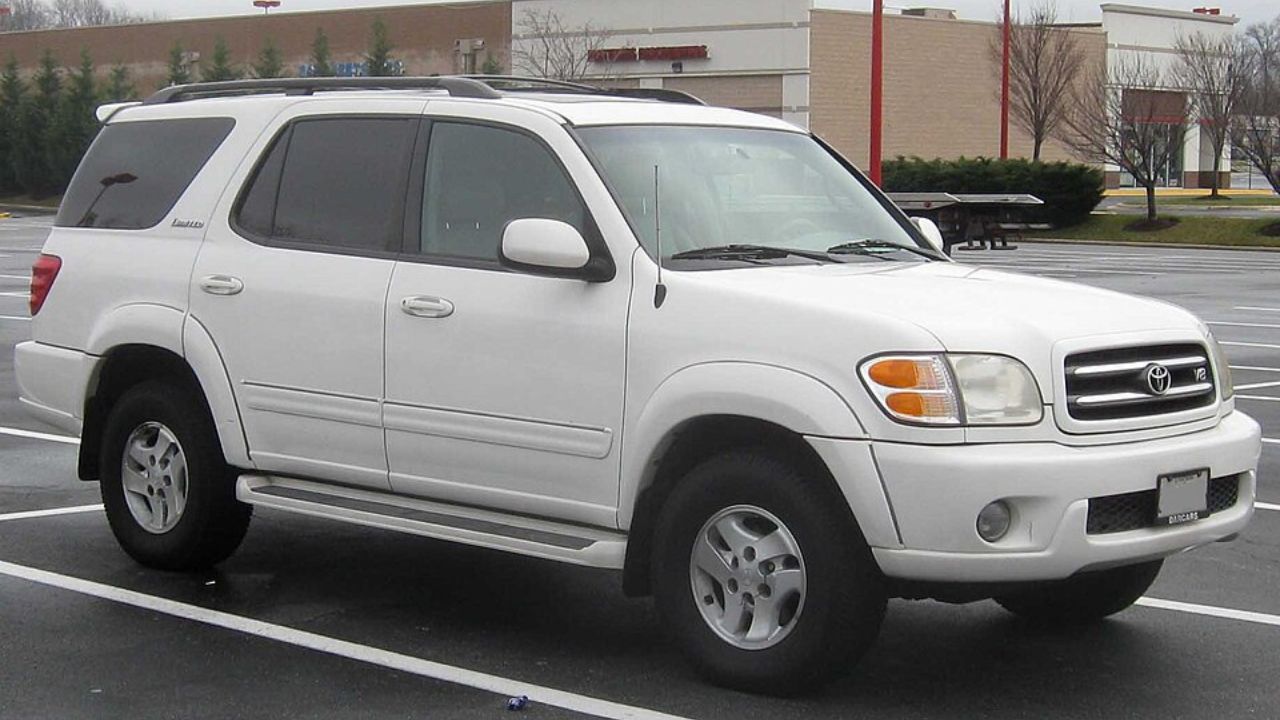
The Sequoia combines Toyota’s full-size SUV construction with a drivetrain designed for substantial loads and long-distance use. Its size and fuel consumption may not appeal to everyone, but durability has always been part of the formula. Earlier Sequoias in particular have developed a following among owners who keep their vehicles for extremely long periods. The platform’s truck-based construction gives it a substantial foundation, while Toyota’s proven V8 engines have helped many examples accumulate very high mileage.
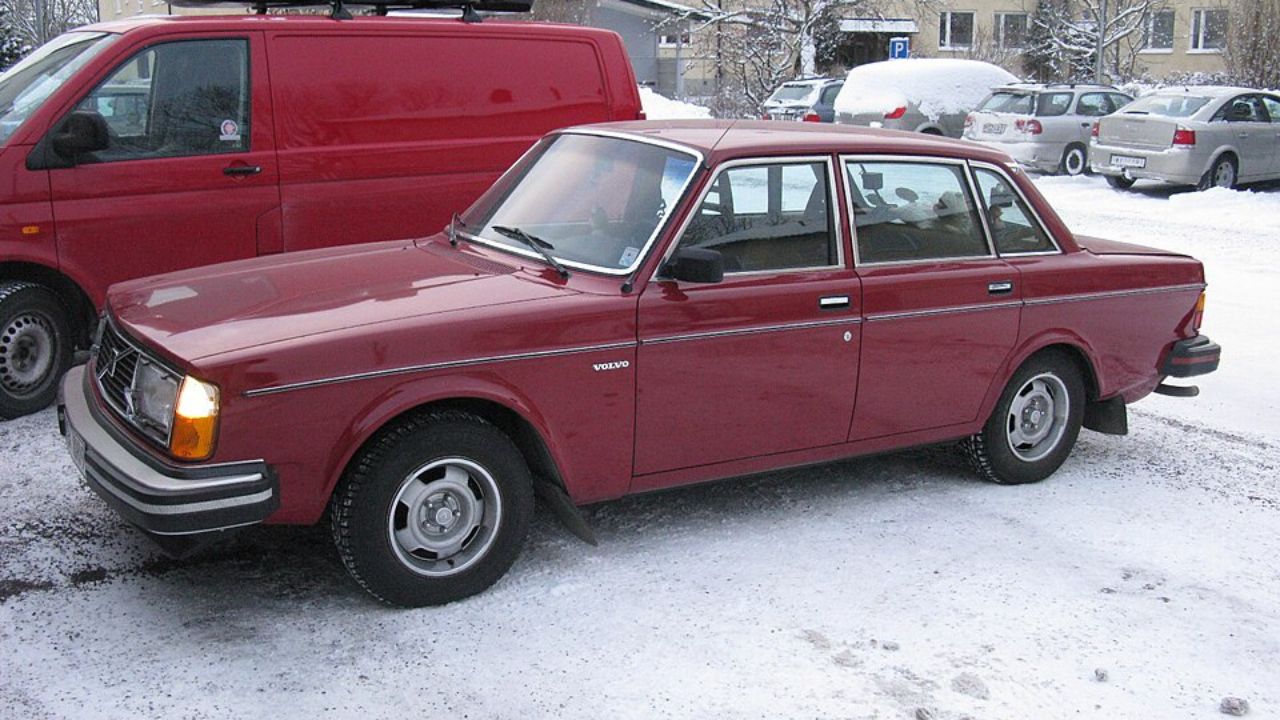
Volvo 240
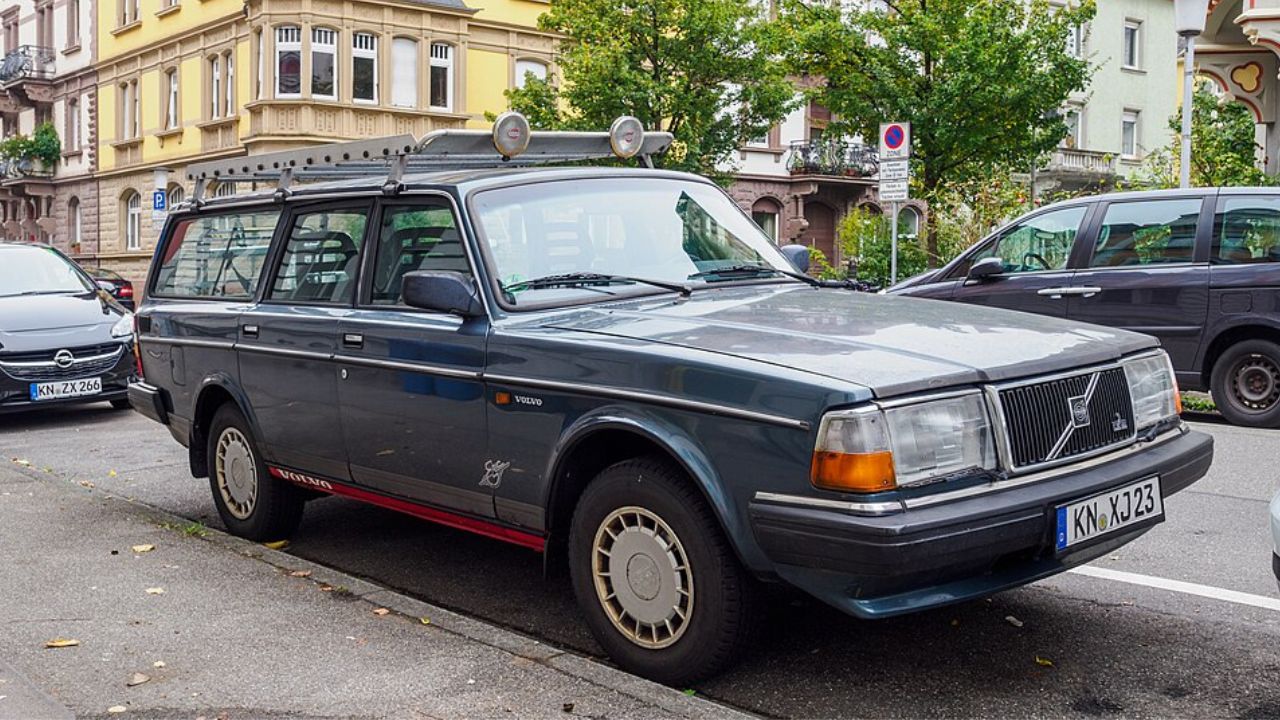
The Volvo 240 became famous for its boxy appearance, but its real achievement was surviving decades of ordinary use. Its sturdy construction, straightforward mechanical systems, and durable engines helped thousands remain on the road long after production ended. Many were treated simply as transportation rather than collectibles, which makes their longevity even more impressive. A well-maintained 240 with an enormous odometer reading still feels believable. The car represents an era when simplicity and durability were often more important than keeping weight or manufacturing costs to a minimum.
Mercedes-Benz W123
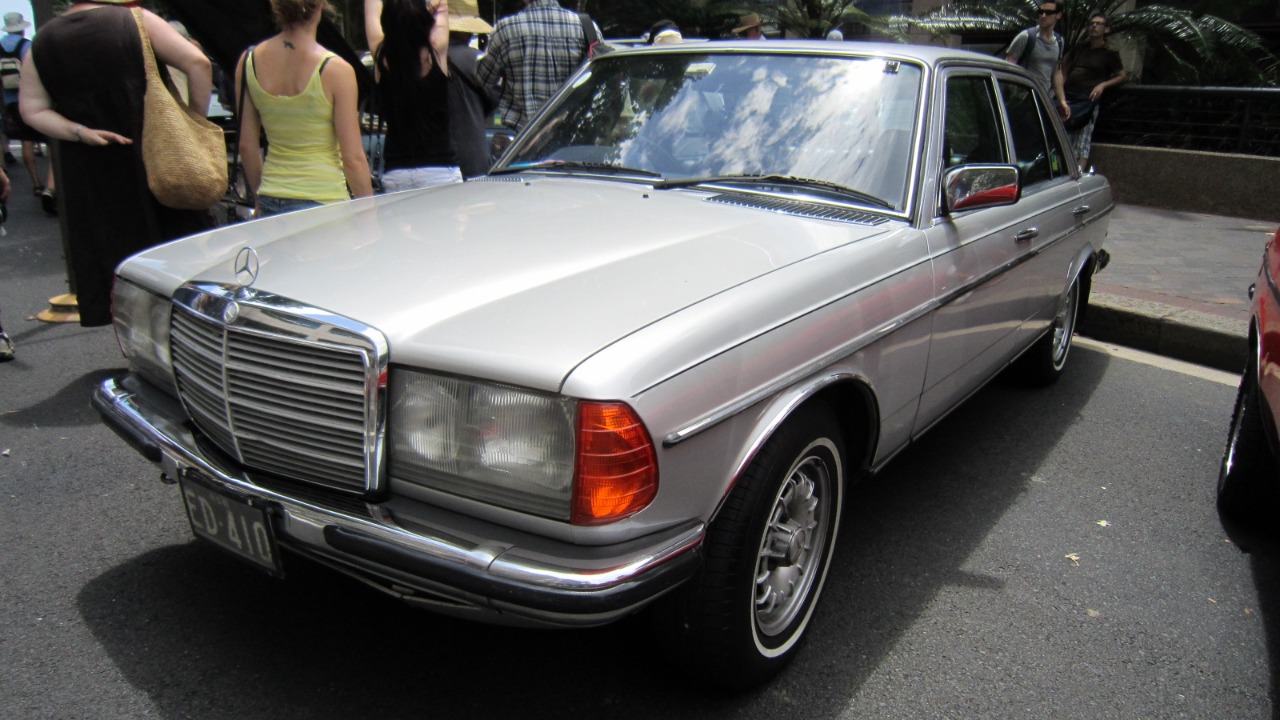
The W123 combined traditional Mercedes-Benz engineering with a reputation for extraordinary durability. Diesel versions became especially famous as taxis and high-mileage daily drivers, accumulating huge distances in demanding service. The car’s sturdy body, durable engines, and generally conservative mechanical design allowed it to survive decades of use. Many examples have far exceeded 300,000 miles, with some traveling much farther. Even today, a well-preserved W123 has a sense of solidity that is difficult to reproduce with a modern car.
Toyota Tacoma

The Tacoma became a favorite among drivers who wanted a compact pickup that could handle both daily transportation and hard work. Earlier generations developed particularly strong reputations for durability, with simple engines and sturdy chassis components helping them survive years of demanding use. High-mileage examples are common enough that 300,000 miles does not automatically mean the end of the truck’s useful life. Rust and neglected maintenance can eventually become bigger concerns than the basic drivetrain. A cared-for Tacoma can remain remarkably useful deep into old age.
Ford Crown Victoria
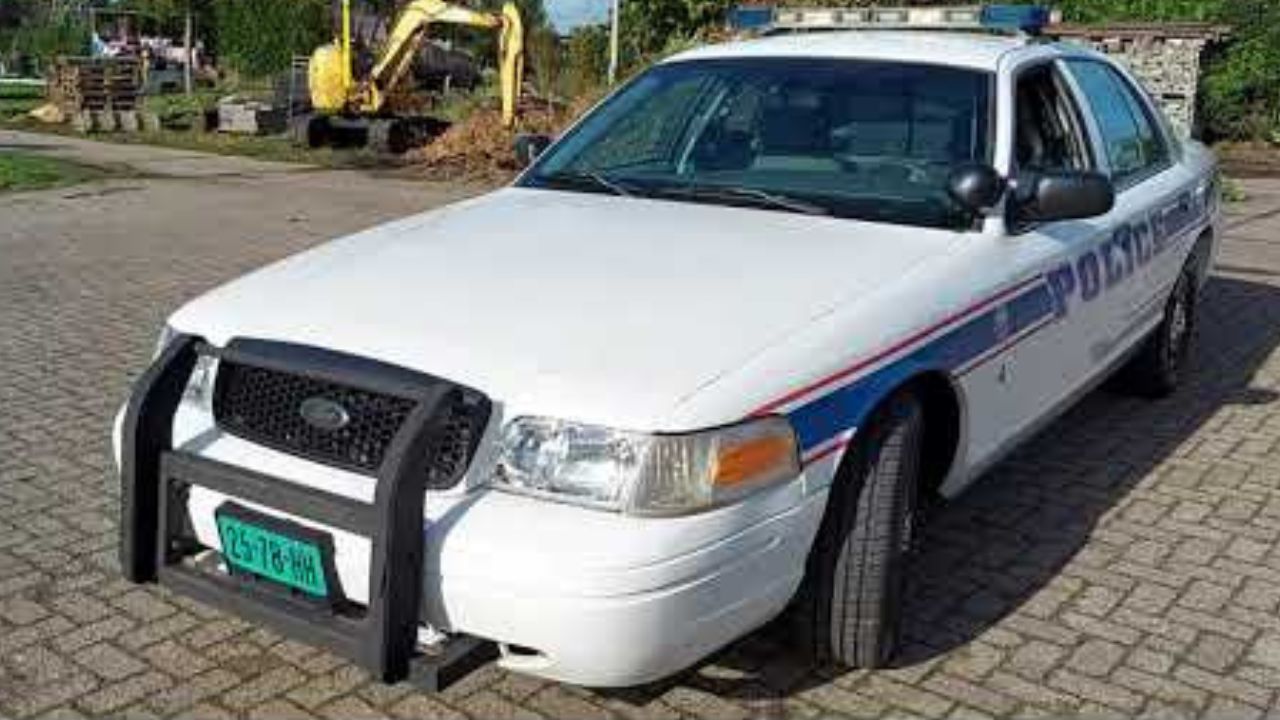
The Crown Victoria was built for some of the hardest forms of automotive service imaginable. Police departments, taxi companies, fleets, and private owners all put enormous mileage on these rear-wheel-drive sedans. Its body-on-frame construction and 4.6-liter V8 were not exotic, but that simplicity was a major advantage. Fleet experience demonstrated that the platform could withstand years of heavy use. Civilian examples benefited from the same basic engineering, and well-maintained Crown Victorias can still be found with odometers deep into six-figure territory.
Toyota Prius
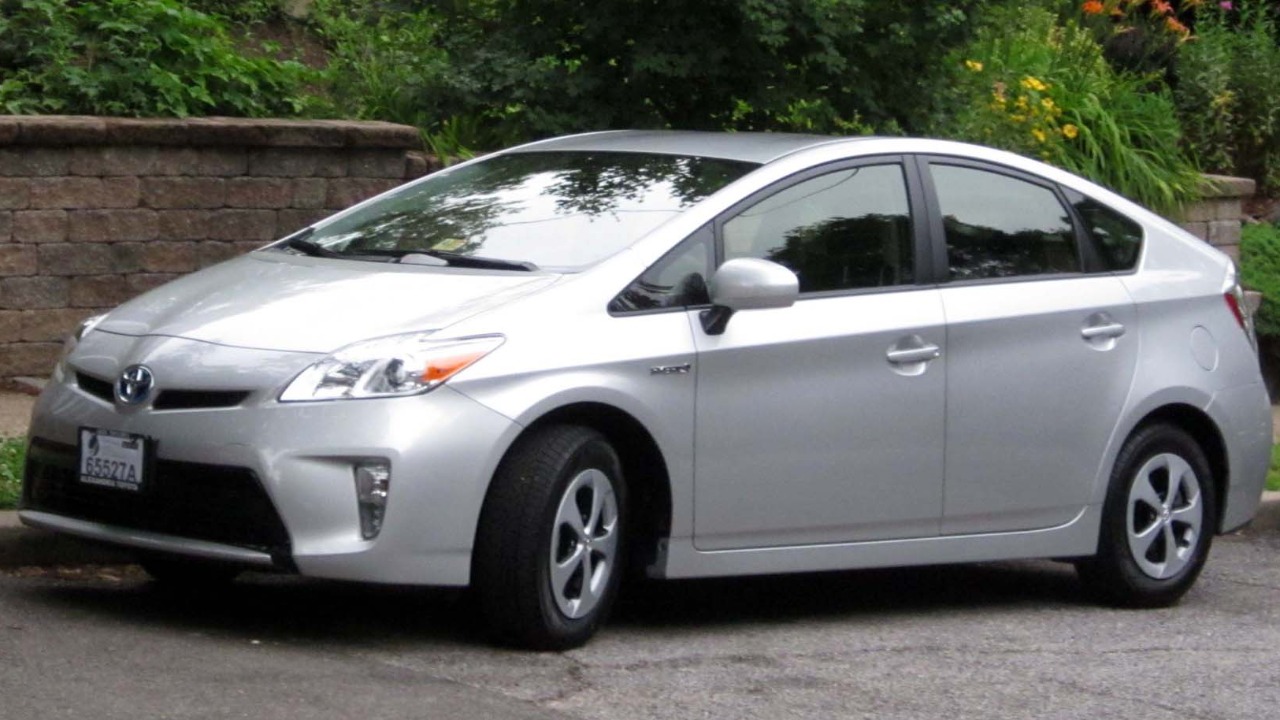
The Prius proved that hybrid technology did not have to mean short service life. Taxi fleets and high-mileage drivers have provided enormous real-world evidence of the model’s ability to accumulate mileage. The hybrid system was engineered around frequent operation, while the gasoline engine spends much of its life avoiding the most demanding operating conditions. Batteries and other hybrid components can eventually require expensive attention, but the model has repeatedly demonstrated that 300,000 miles is possible with proper maintenance. Its longevity is particularly impressive given its unconventional drivetrain.
Chevrolet Suburban
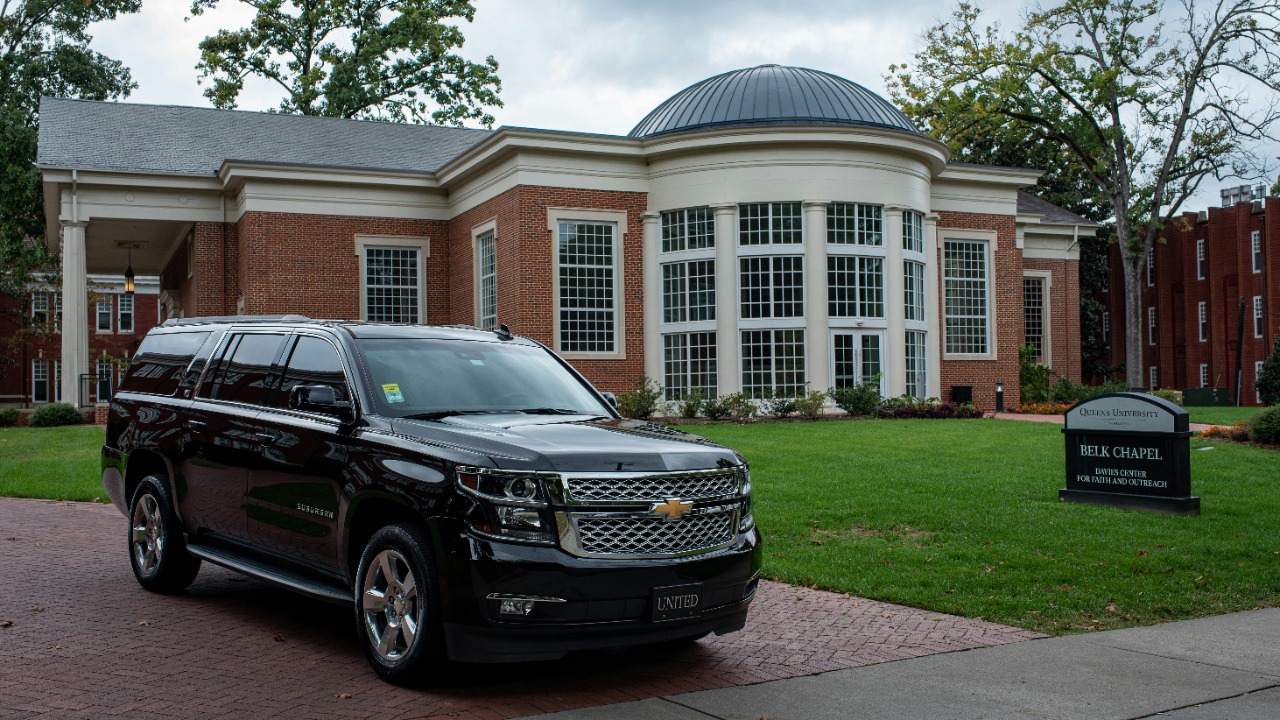
The Suburban has spent generations doing work that would destroy a less substantial vehicle. Families, contractors, fleets, and towing owners have used these large SUVs for hauling people and equipment over long distances. The traditional body-on-frame design provides a sturdy foundation, while Chevrolet has offered a wide range of proven V8 engines and heavy-duty drivetrains. Older Suburbans with enormous mileage are not unusual in regions where trucks are expected to work for decades. Their sheer size and straightforward construction help explain the longevity.
Toyota Corolla
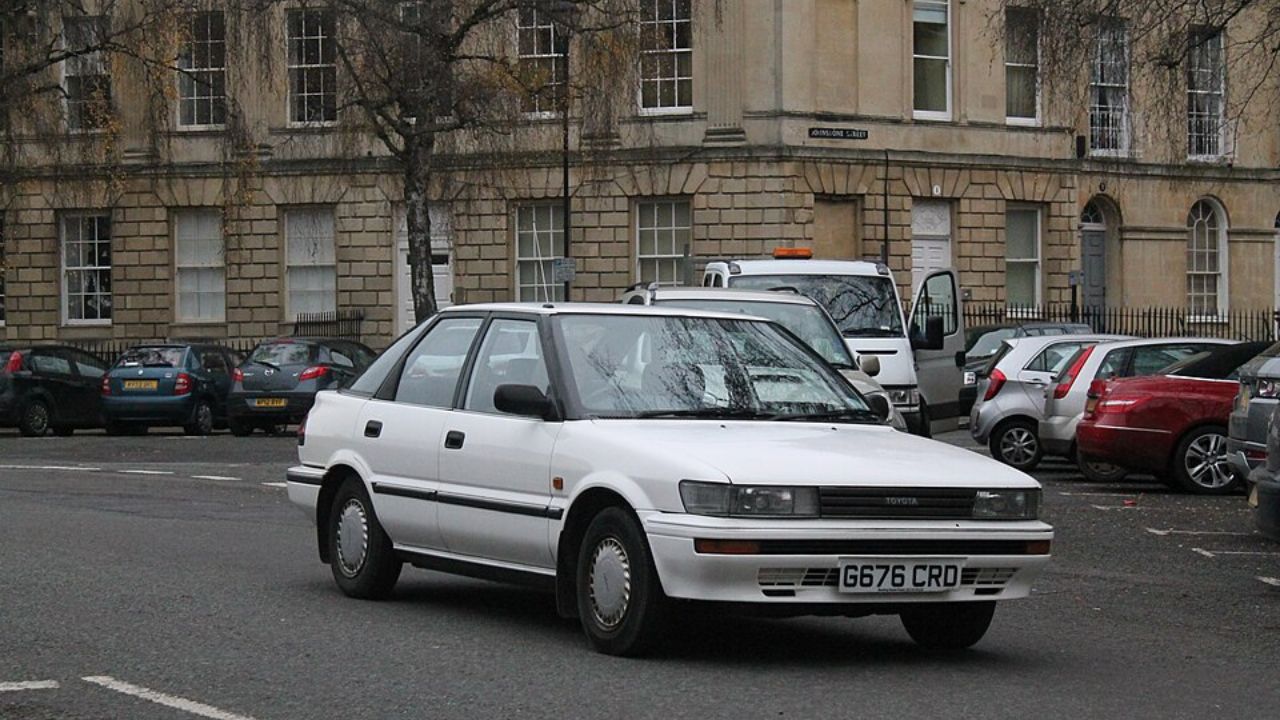
The Corolla’s formula has always been straightforward transportation with minimal drama. That conservative approach has produced millions of cars capable of surviving long periods of daily use. Older Corollas are particularly respected for simple engines, inexpensive maintenance, and readily available parts. A 300,000-mile Corolla is still dependent on regular servicing, but the model has enough high-mileage examples to support its reputation. Few cars demonstrate the benefits of doing a simple job consistently as effectively as the Corolla.
Mercedes-Benz W124
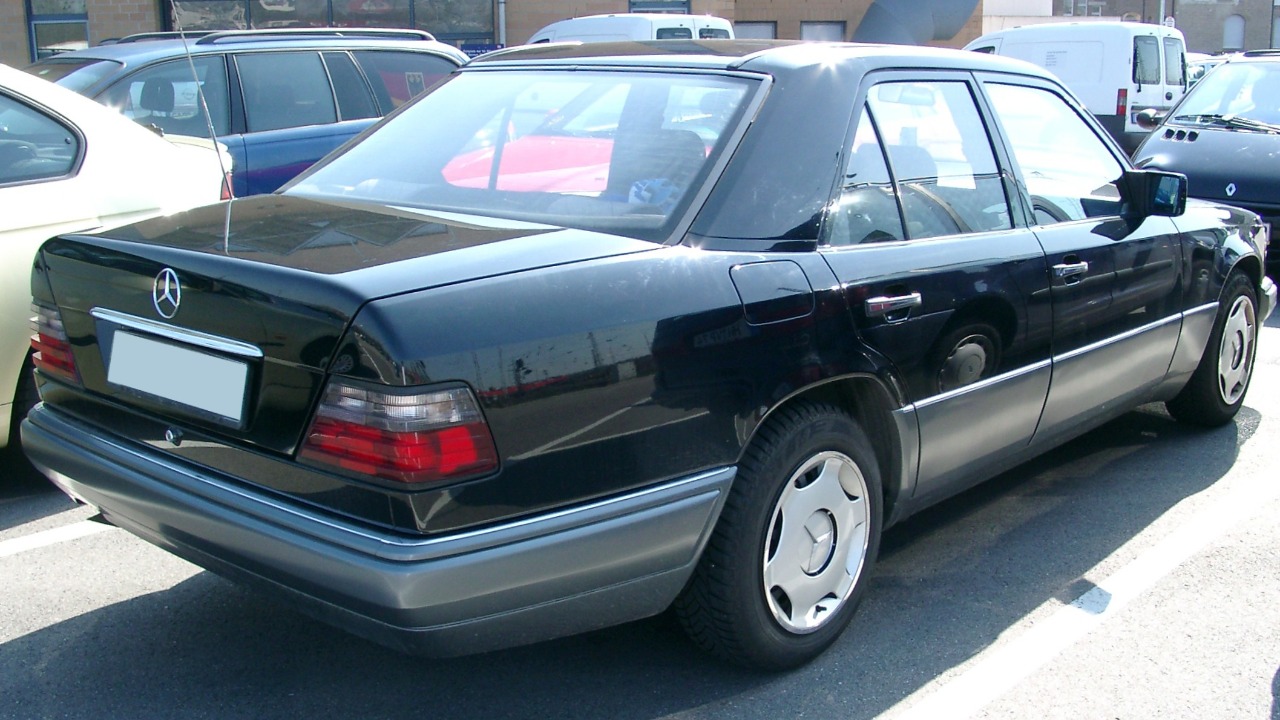
The W124 represented a particularly durable chapter in Mercedes-Benz engineering. Its engines, transmissions, suspension components, and body structure were designed with substantial long-term use in mind. Diesel versions became especially respected for high-mileage service, while gasoline models also developed strong longevity reputations. Age-related electrical, suspension, and climate-control repairs can become expensive today, but the fundamental platform is exceptionally tough. A properly maintained W124 can cross 300,000 miles while still retaining the solid, substantial character that defined Mercedes-Benz during the period.
Jeep Cherokee XJ
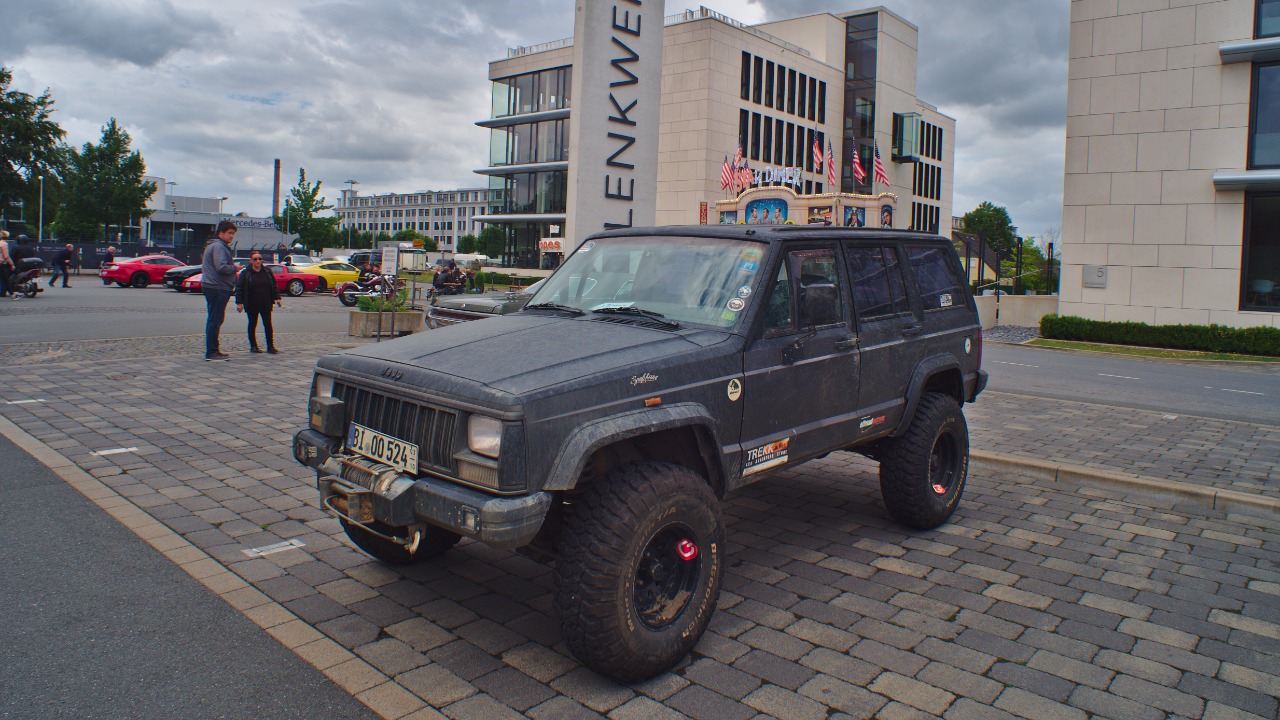
The Cherokee XJ became legendary partly because of its simple, compact design. Its unibody construction was unusual for a vehicle with such strong off-road capability, while the available 4.0-liter inline-six developed an enormous reputation for durability. The drivetrain was relatively straightforward and supported by a huge parts supply. Many XJs were used hard, modified, taken off-road, and kept running long after their original owners expected to replace them. Rust can be a bigger enemy than the basic engine, but properly maintained examples can rack up extraordinary mileage.
Toyota Avalon
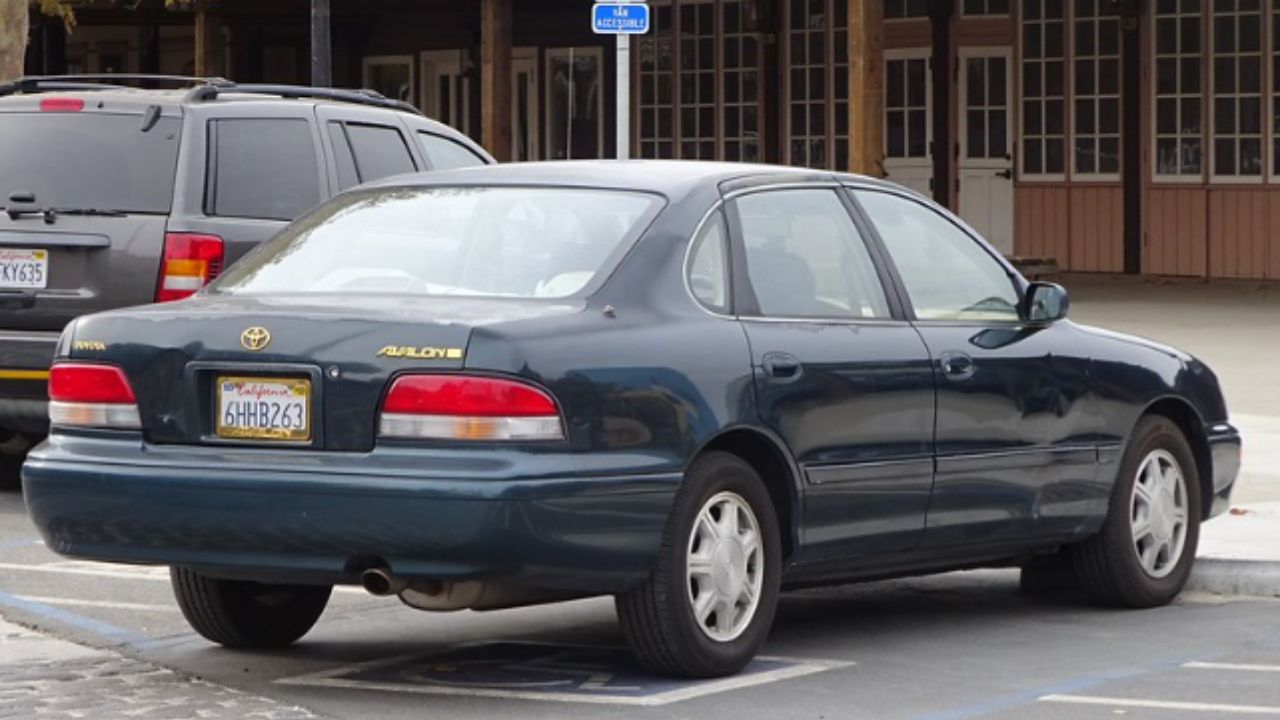
The Avalon offered a more comfortable and spacious alternative to the Camry while retaining much of Toyota’s conservative engineering philosophy. Its larger size and V6 engine made it particularly attractive to drivers who wanted a relaxed highway car. The model never received the attention given to Toyota’s SUVs and pickups, but its durability has quietly become one of its strongest attributes. High-mileage Avalons can continue providing quiet, comfortable transportation for decades, making them an overlooked choice among long-term ownership enthusiasts.
Buick LeSabre
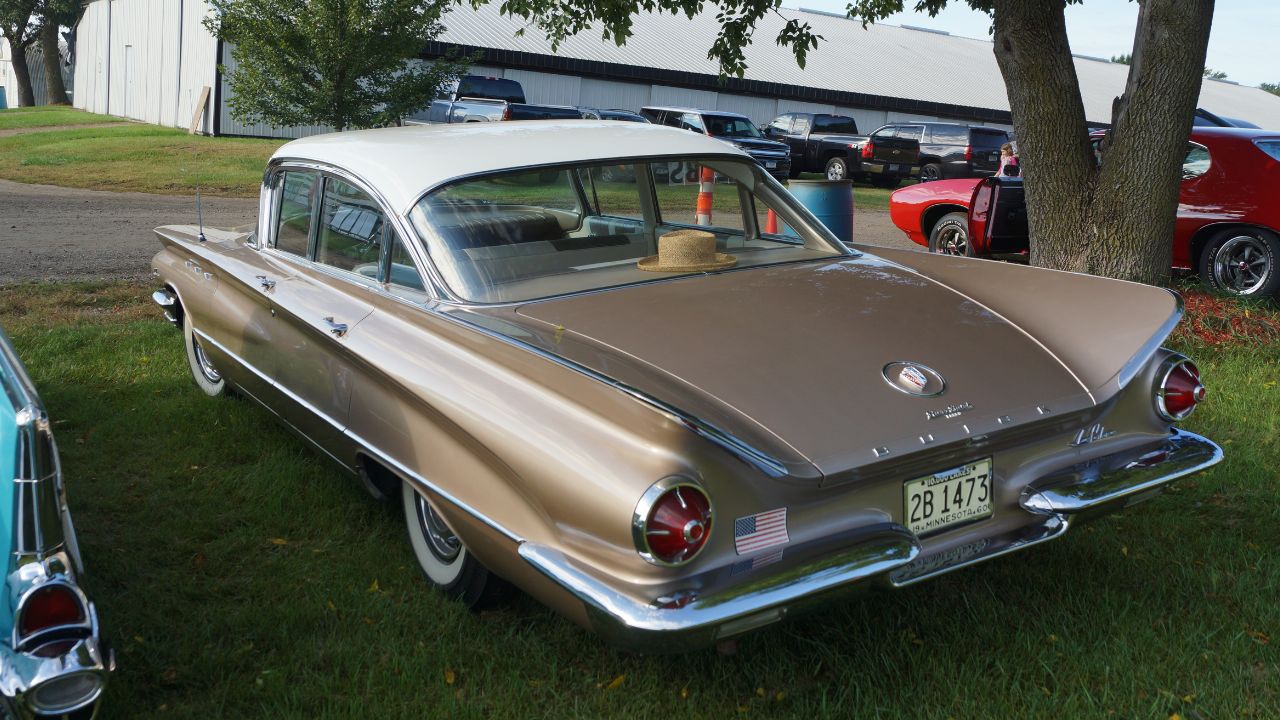
The LeSabre became a favorite among drivers who wanted a comfortable American sedan without unnecessary complexity. Later examples paired the model’s roomy interior with GM’s widely used 3.8-liter V6, an engine that developed an especially strong reputation for longevity. These cars were often purchased for practical reasons and kept for years because they were inexpensive to operate. A well-maintained LeSabre reaching 300,000 miles is a reminder that durability was not limited to Japanese brands.
Nissan Hardbody
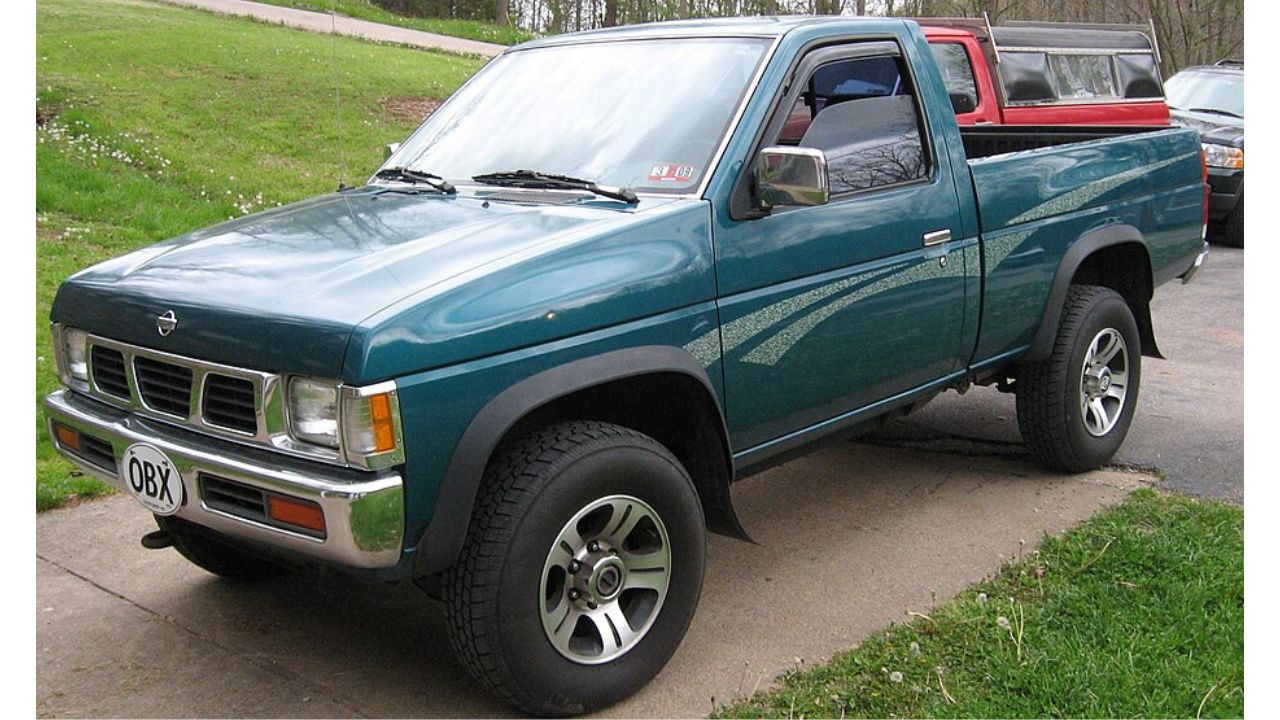
The Nissan Hardbody earned its reputation through straightforward construction and a willingness to work. These compact pickups were commonly used as daily drivers, utility vehicles, and work trucks, often under conditions that would quickly expose weaknesses in a lesser vehicle. Their simple mechanical layout made them relatively easy to maintain, while the compact dimensions kept them useful in places where full-size pickups were inconvenient. Surviving examples with extremely high mileage are increasingly appreciated because the formula was durable without being unnecessarily complicated.
Toyota Hilux
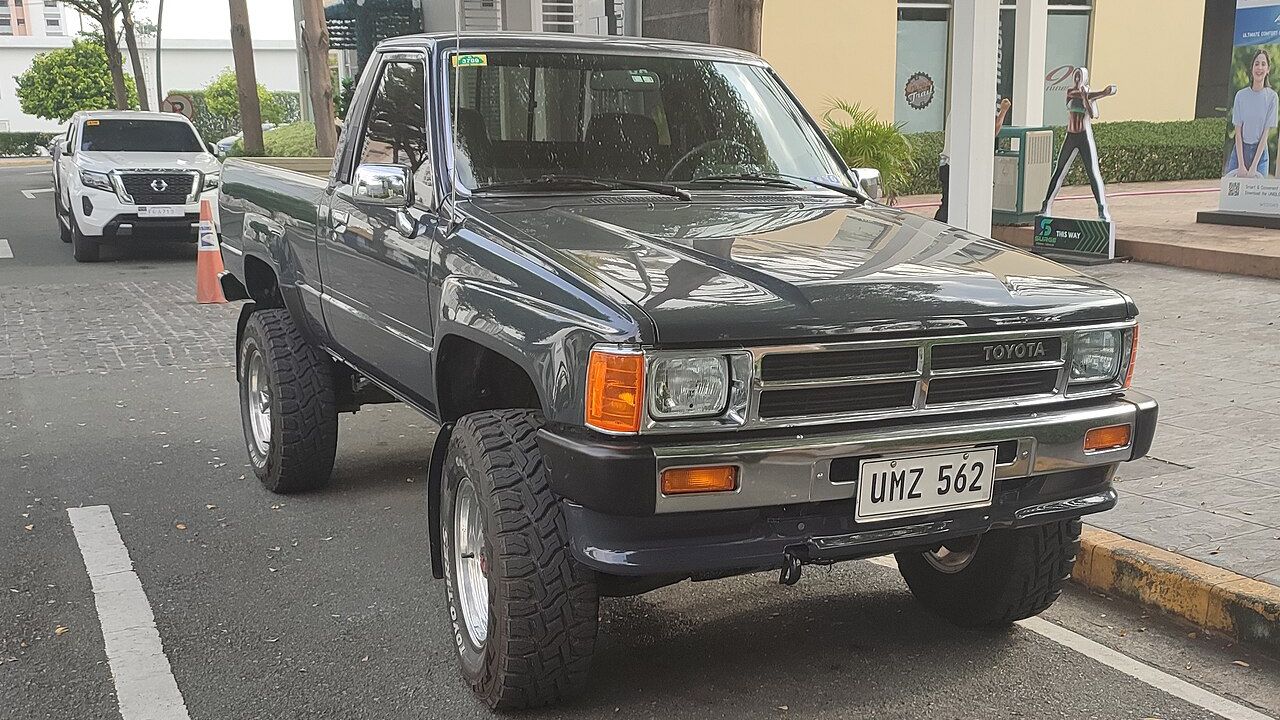
The Hilux has built a worldwide reputation for surviving demanding conditions. Its reputation comes from decades of use as a work truck in markets where vehicles are expected to remain functional despite rough roads, heavy loads, and limited access to sophisticated repairs. Earlier generations emphasized simplicity and durability, helping them accumulate enormous mileage. The Hilux is one of the strongest examples of an overbuilt vehicle because its reputation was earned through years of actual work rather than simply through marketing. Well-kept examples can remain useful long after 300,000 miles.
More from Fast Lane Only
- Unboxing the WWII Jeep in a Crate
- 15 rare Chevys collectors are quietly buying
- 10 underrated V8s still worth hunting down
- Police notice this before you even roll window down
*Research for this article included AI assistance, with all final content reviewed by human editors.