Few American brands embraced the chrome era quite like Cadillac. Huge grilles, sweeping fenders, tail fins, and polished trim turned many of its cars into rolling statements. Even decades later, these Cadillacs can command attention at a car show or on the street. Some became icons, while others remain surprisingly overlooked.
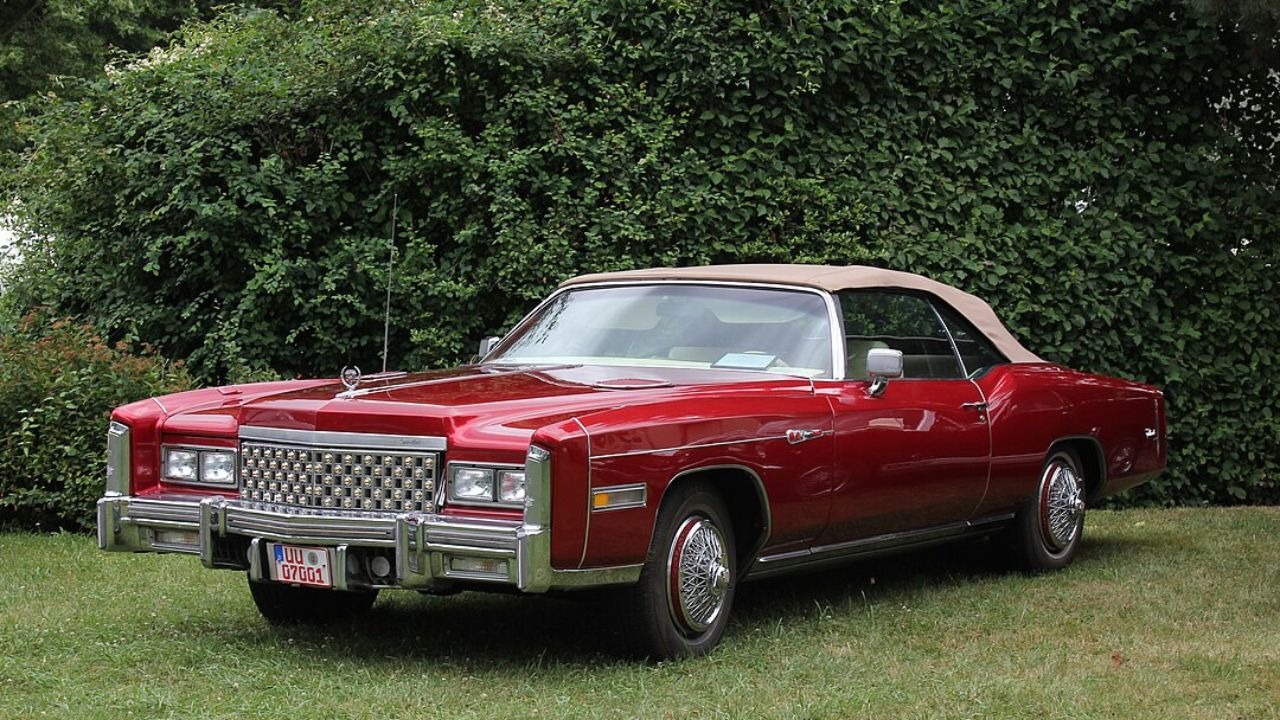
Cadillac Eldorado
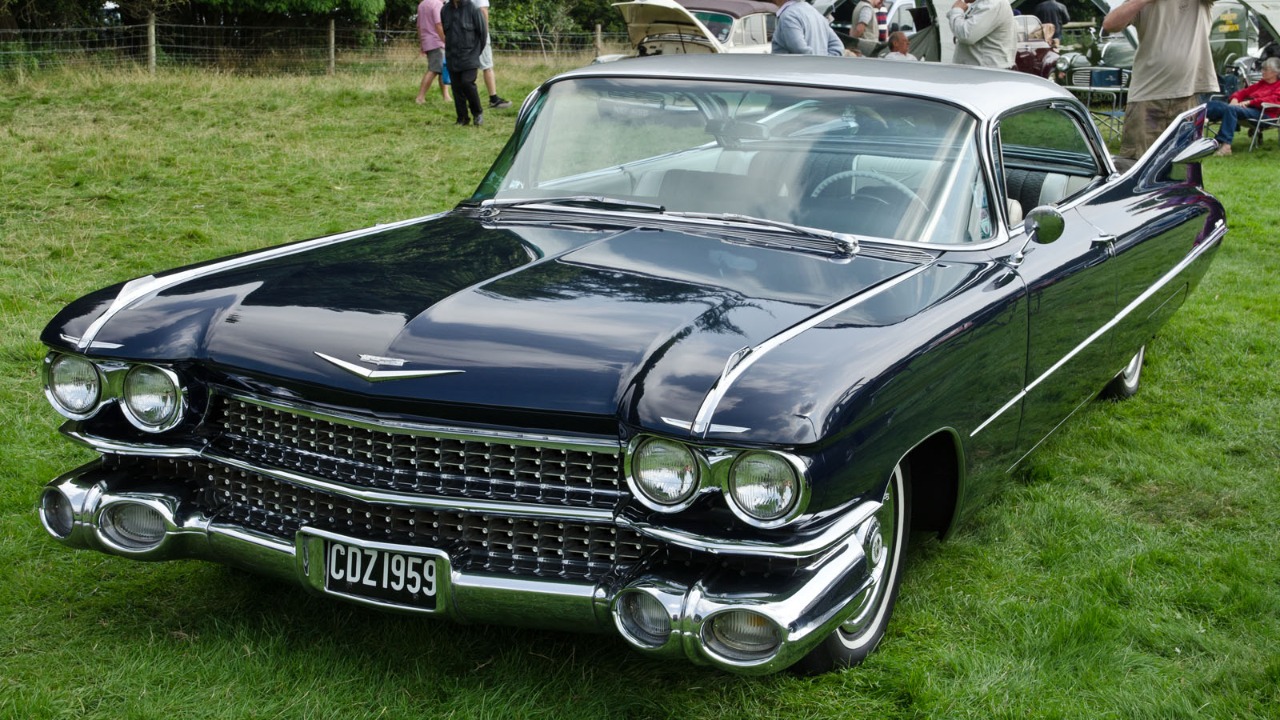
The Eldorado became one of Cadillac’s most recognizable names, combining enormous proportions with luxury and dramatic styling. Its early versions were especially extravagant, featuring elaborate trim and distinctive bodywork. Later generations pushed the chrome-era look even further with larger fins and more elaborate details. The Eldorado represented the idea that a luxury car did not need to be restrained. It could be spectacular, excessive, and designed to make sure everyone noticed when it arrived.
Cadillac Series 62
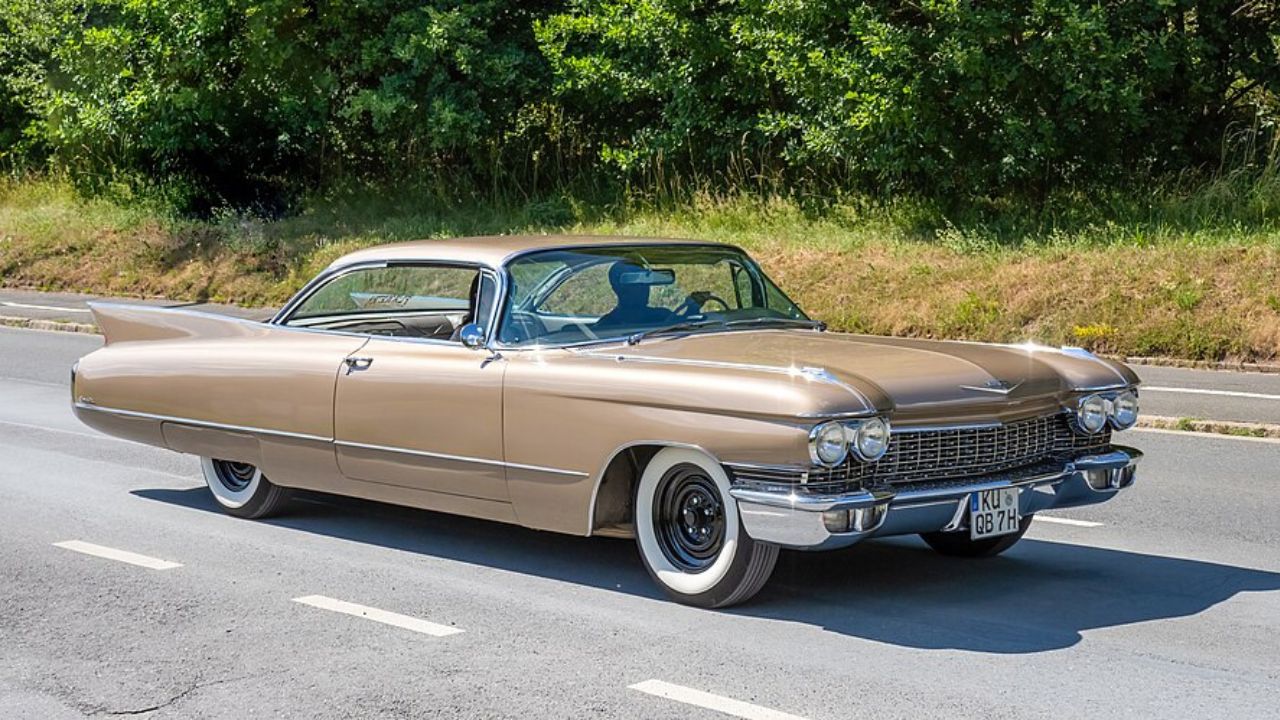
The Series 62 was one of Cadillac’s most important models during the chrome era. It offered the long, low proportions and substantial grille that became closely associated with the brand. Convertible versions were particularly striking, with expansive bodies and plenty of polished trim. The Series 62 helped define what Americans expected a Cadillac to look like during the postwar boom, and well-preserved examples still have the visual presence to dominate a lineup.
Cadillac Coupe de Ville
![1970 Cadillac Coupe de Ville V8 [1972]](https://fastlaneonly.com/wp-content/uploads/2025/07/1970-Cadillac-Coupe-DeVille-3.jpg)
The Coupe de Ville became one of Cadillac’s signature personal luxury cars. Its large two-door body provided an ideal canvas for the styling excesses of the period, including broad chrome accents, sculpted bodywork, and increasingly dramatic tail treatments. It was designed to look expensive from almost every angle. Even today, a clean Coupe de Ville can attract attention simply because modern cars rarely have anything close to its sheer size or visual ornamentation.
Cadillac Fleetwood
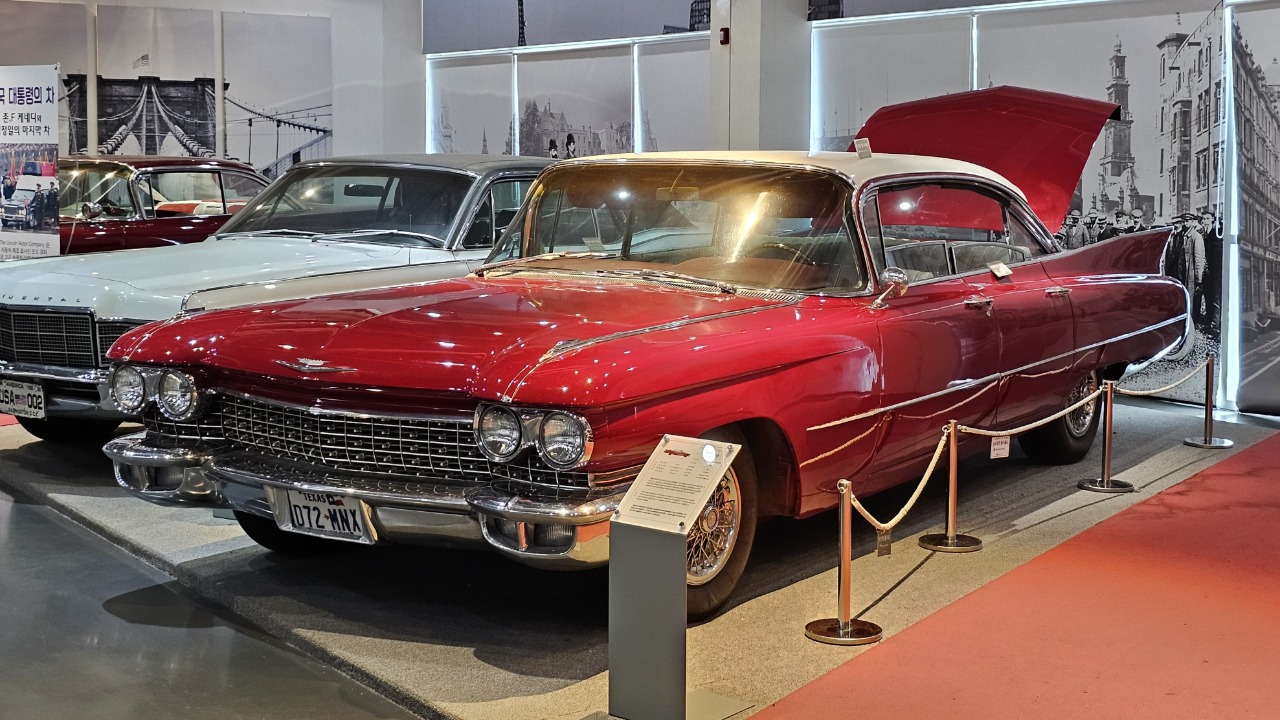
The Fleetwood name represented the upper levels of Cadillac luxury and was associated with some of the company’s most impressive body styles. Large proportions, formal rooflines, and extensive brightwork gave these cars an unmistakable presence. Fleetwood models were often purchased by buyers who wanted more than transportation. They wanted status. That mission remains easy to understand today, which helps explain why a well-preserved Fleetwood can still command attention wherever it appears.
Cadillac Series 60 Special
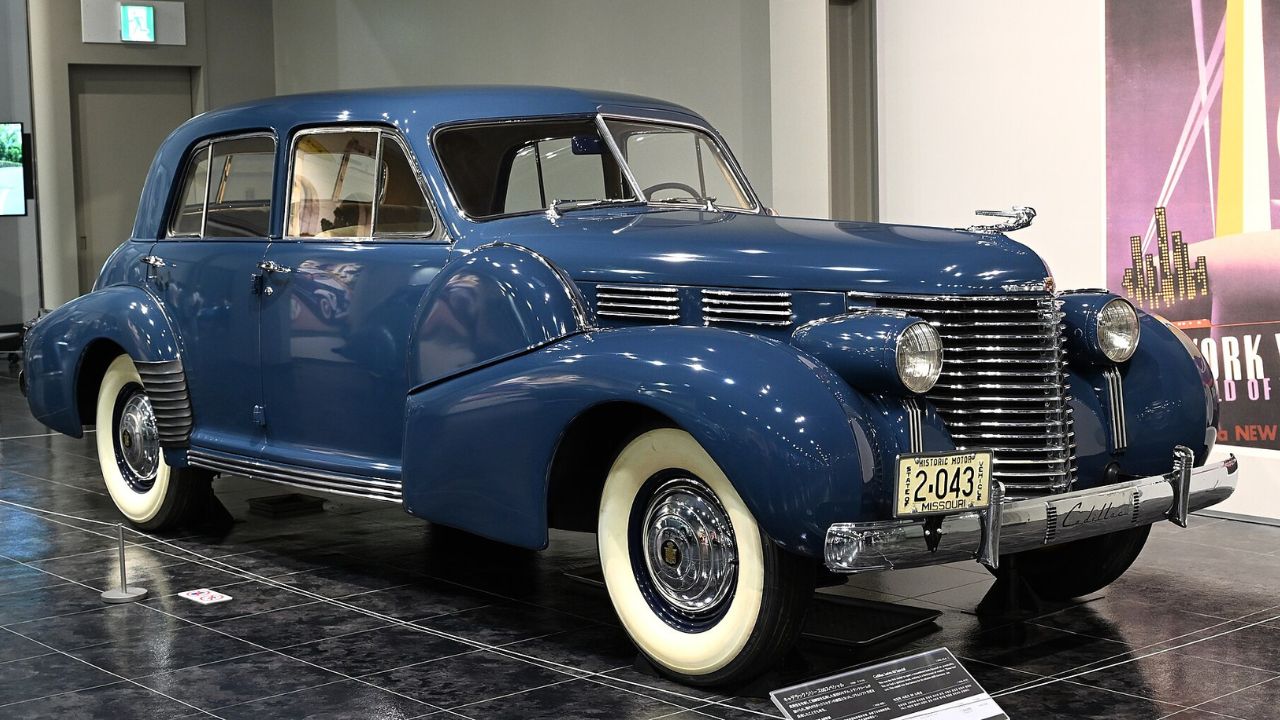
The Series 60 Special was one of Cadillac’s more distinctive luxury offerings, particularly because of its elegant proportions and carefully integrated styling. It combined a substantial body with details that made it appear more sophisticated than an ordinary full-size sedan. During the chrome era, the model evolved into an impressive showcase of Cadillac design. Its combination of size, formal styling, and polished trim still gives surviving examples considerable presence.
Cadillac DeVille Convertible
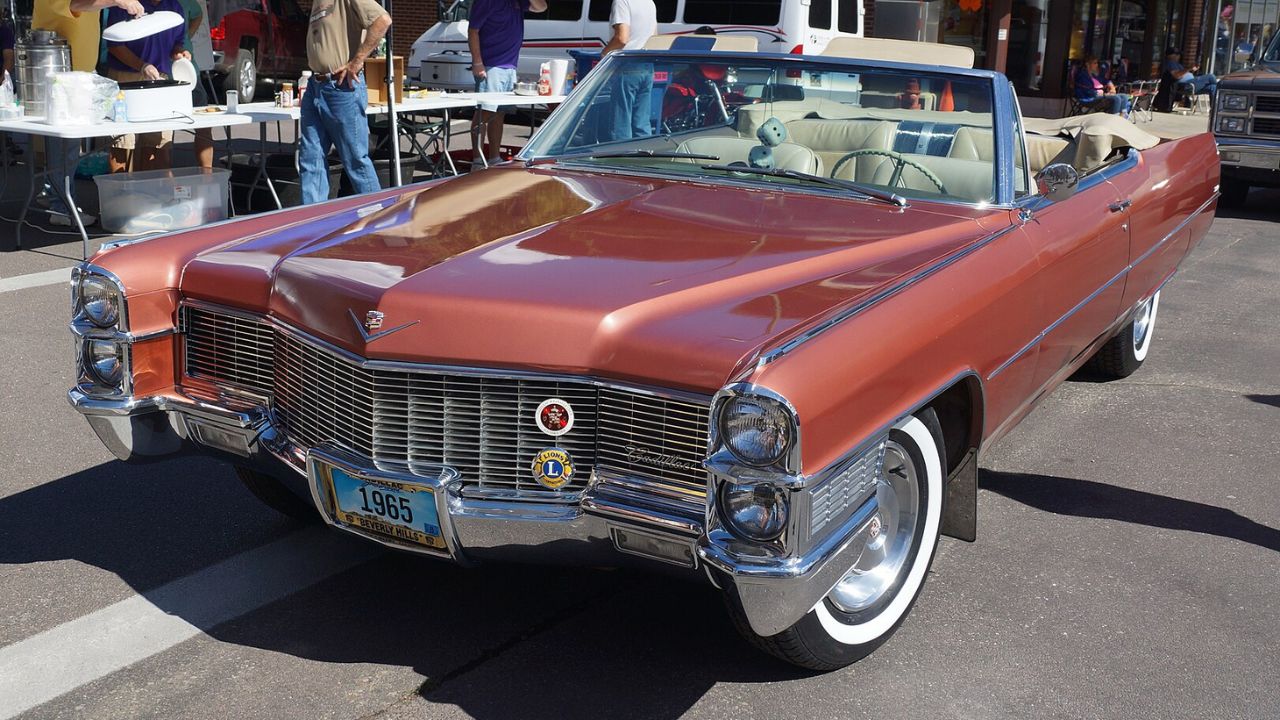
The DeVille Convertible combined the drama of a large open-air American car with Cadillac’s luxury image. Its long hood, wide body, and extensive chrome made it difficult to overlook. The convertible configuration also emphasized the visual scale of the car, especially with the top lowered. These cars captured the optimistic side of postwar American motoring, when manufacturers were willing to build enormous vehicles simply because buyers wanted them.
Cadillac Eldorado Biarritz
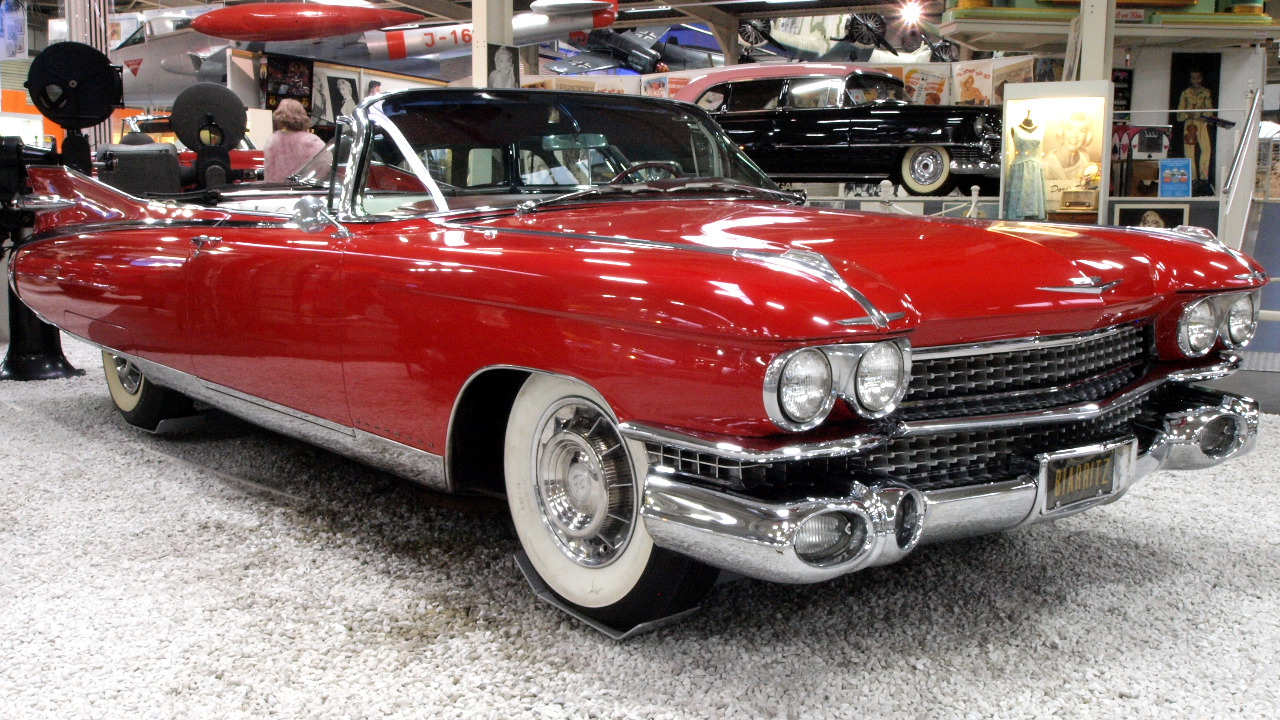
The Eldorado Biarritz represented the glamorous end of Cadillac’s lineup. Its convertible body, distinctive trim, and carefully styled details made it one of the most recognizable luxury cars of its time. Cadillac treated the Biarritz almost like a rolling design statement, giving it features that separated it from ordinary models. Today, its combination of rarity, chrome, and dramatic proportions makes it particularly difficult to ignore at classic-car events.
Cadillac Fleetwood Sixty Special
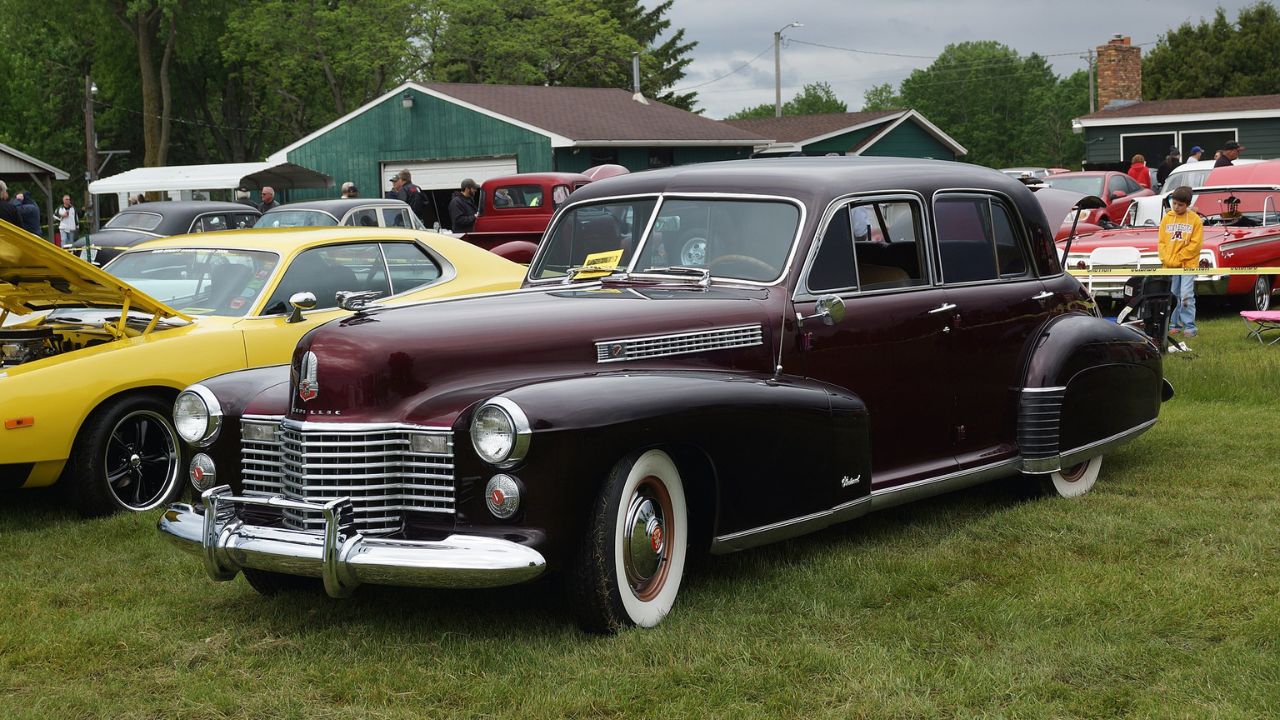
The Fleetwood Sixty Special combined Cadillac’s large-car presence with a more formal and upscale character. Its long body and carefully finished exterior made it immediately recognizable among other American cars. During the height of the chrome era, Cadillac used the model to demonstrate how much visual presence a luxury sedan could have. A restored example still attracts attention because its proportions and brightwork are almost impossible to reproduce with today’s smaller, cleaner designs.
Cadillac Series 75

The Series 75 was among Cadillac’s largest and most formal automobiles. It was available in configurations designed to carry passengers comfortably while projecting an unmistakable sense of importance. Long bodies, extensive chrome, and imposing grilles gave these cars a presence that smaller Cadillacs could not match. The Series 75 was never meant to disappear into traffic, and that remains true today. A properly restored example can make nearly every modern vehicle around it look small.
Cadillac Sedan de Ville
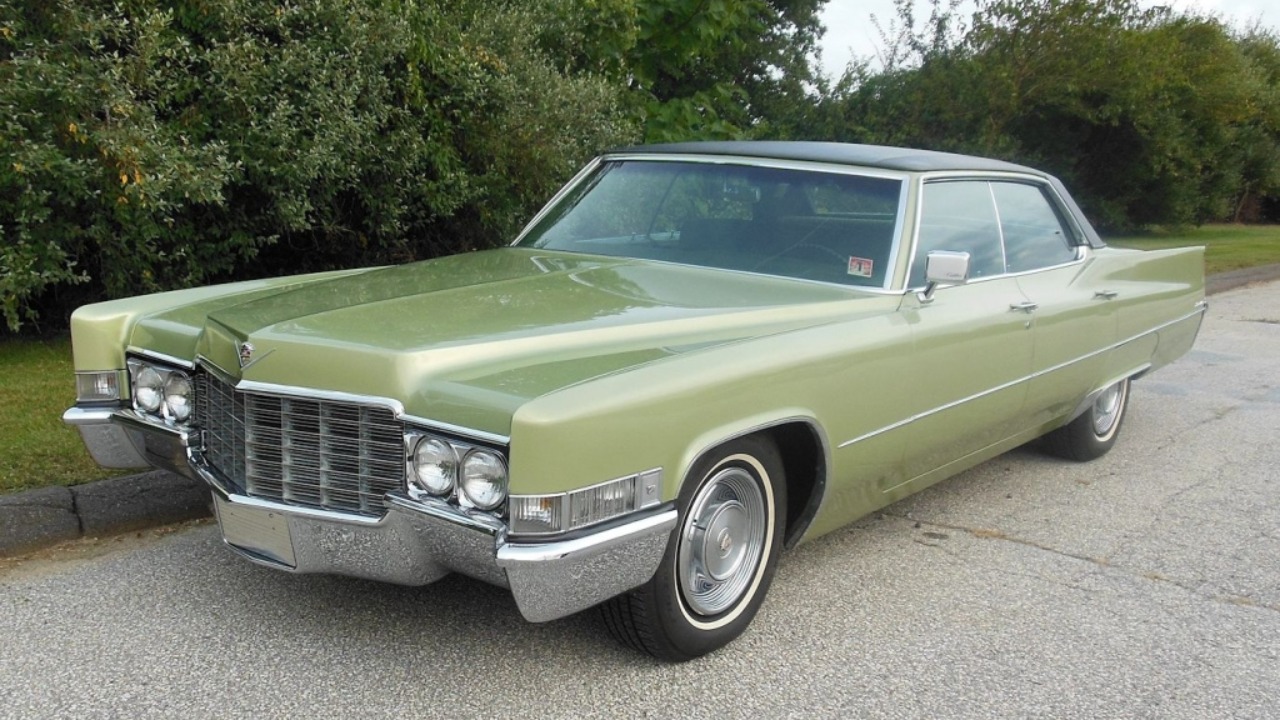
The Sedan de Ville brought Cadillac’s dramatic styling into a practical four-door format. It offered generous passenger space while retaining the broad bodywork and chrome-heavy appearance expected from the brand. As Cadillac’s styling became more extravagant, the Sedan de Ville became an important part of that transformation. Its combination of practicality and visual excess makes it particularly interesting today, especially when compared with the relatively restrained proportions of modern luxury sedans.
Cadillac Series 61
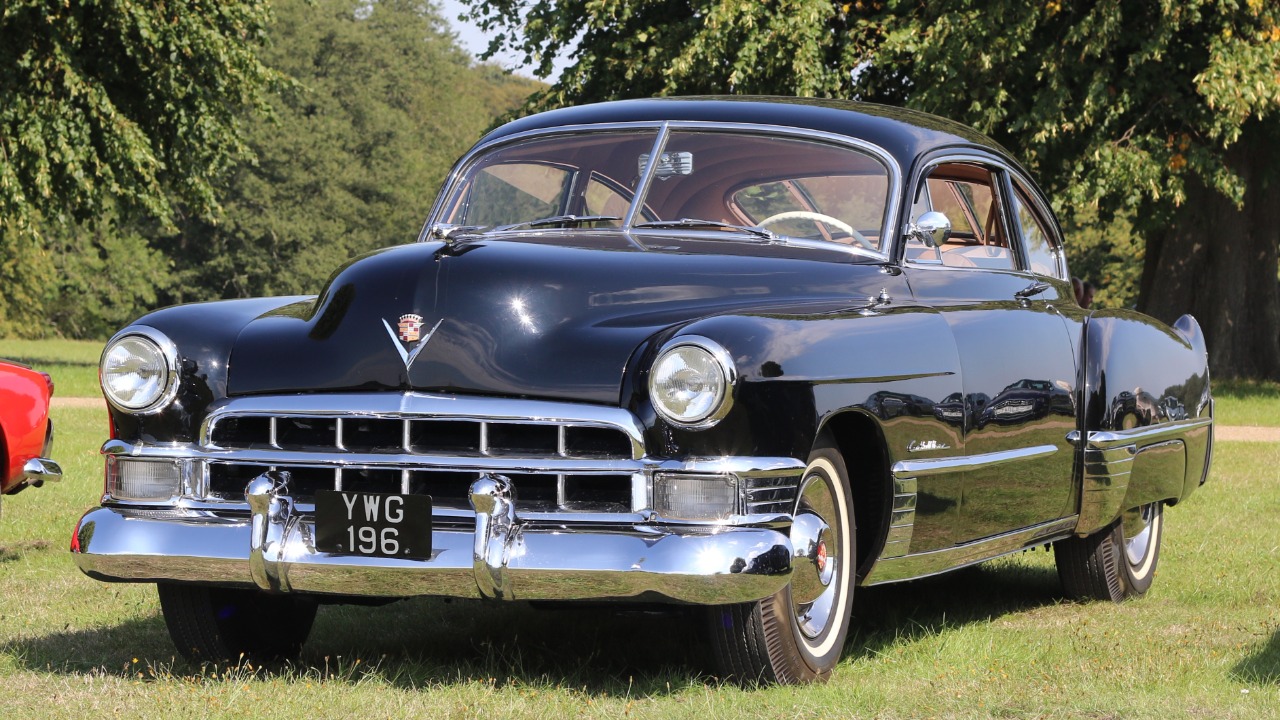
The Series 61 occupied a more accessible position in Cadillac’s lineup, but it still carried much of the brand’s distinctive styling. Its large grille, broad body, and polished trim gave it an unmistakable identity. The model demonstrates that Cadillac did not reserve its dramatic design language exclusively for its most expensive cars. A surviving Series 61 can still stand out because its proportions and chrome details belong to an era when American automobiles were designed to be noticed.
Cadillac Fleetwood 75 Limousine
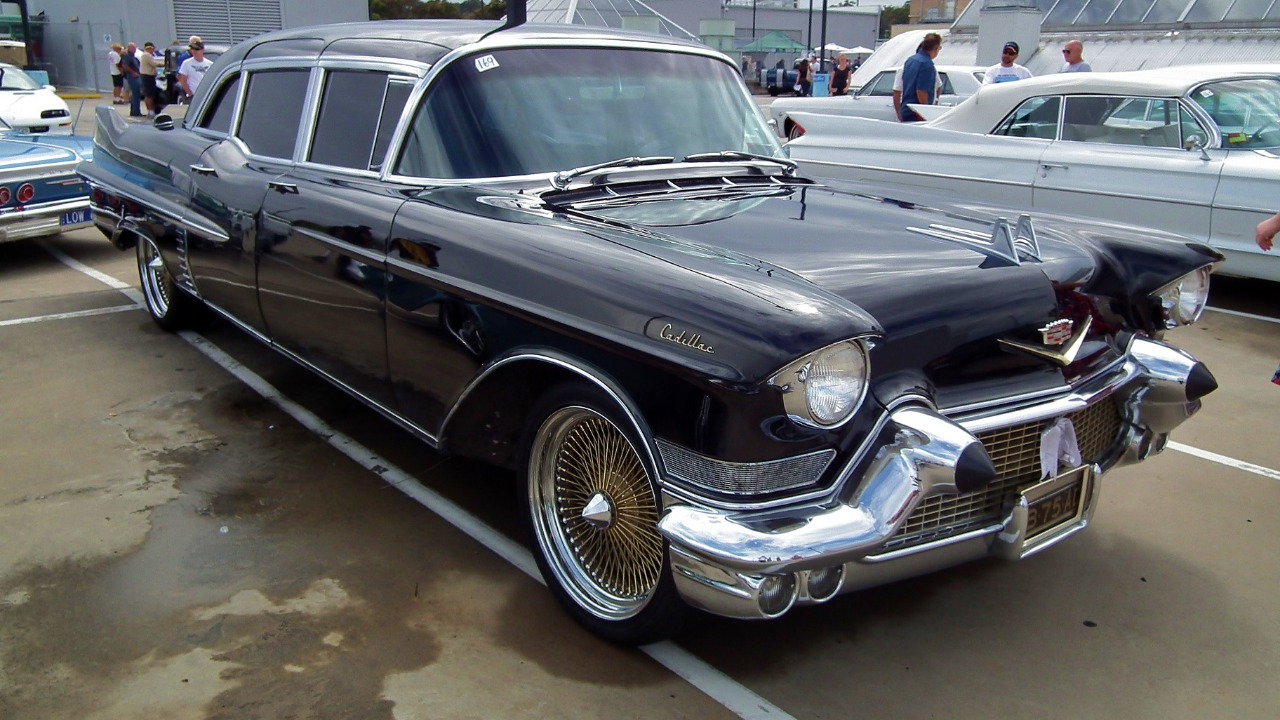
The Fleetwood 75 Limousine took Cadillac’s chrome-era excess to an even more formal level. Its extended body and limousine configuration emphasized space and prestige above everything else. These cars were built for owners who wanted the back seat to feel as important as the front. Today, their size alone is enough to attract attention. Add the formal styling, extensive brightwork, and classic Cadillac grille, and the result is almost impossible to overlook.
Cadillac Eldorado Seville
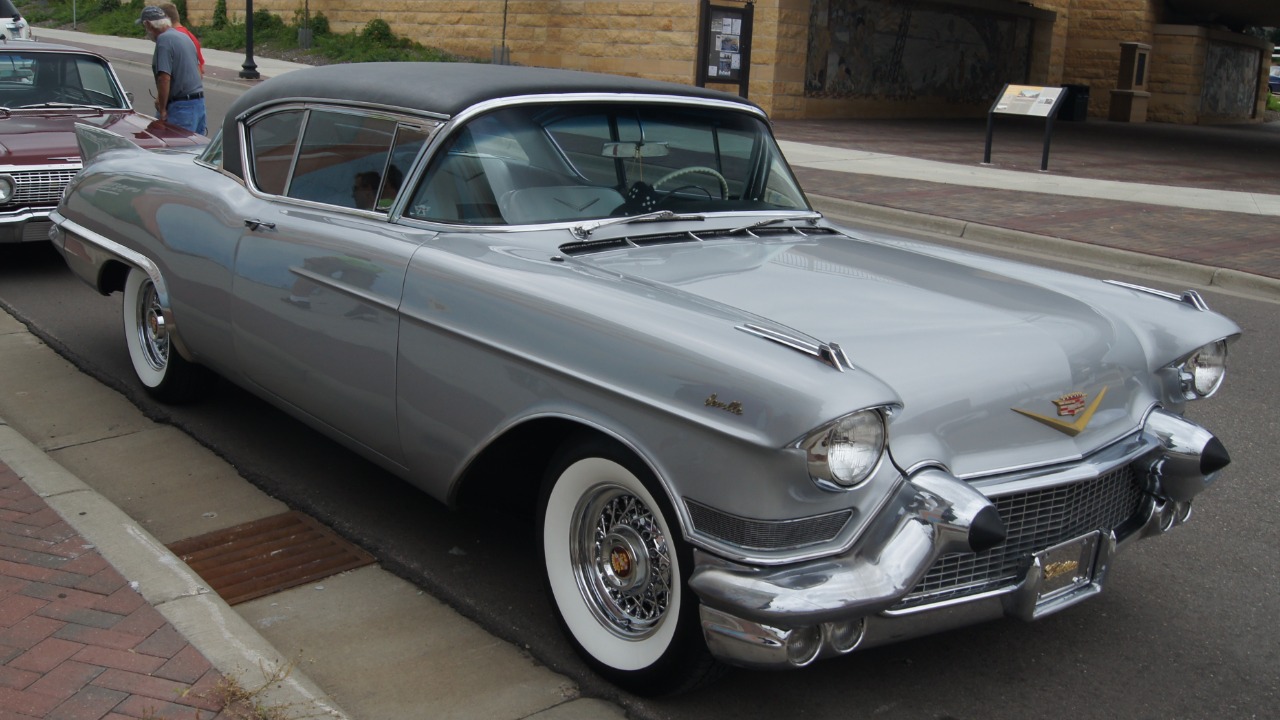
The Eldorado Seville was a more formal interpretation of the Eldorado concept, giving buyers a distinctive luxury coupe with a strong visual identity. Its roofline and exterior details helped separate it from ordinary Cadillac models. The car demonstrated Cadillac’s willingness to experiment within the luxury segment while maintaining its trademark presence. Today, the Seville name may not immediately evoke the chrome era, but the right example can still draw plenty of attention.
Cadillac Series 62 Convertible
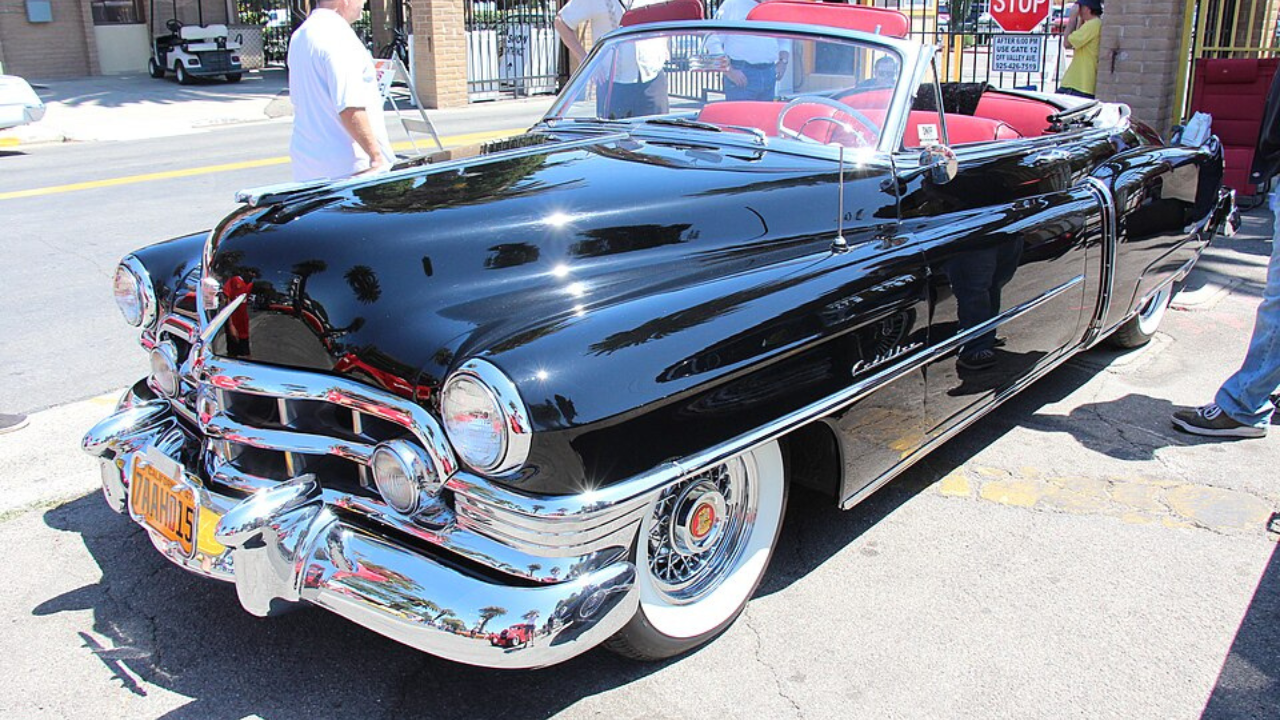
The Series 62 Convertible deserves attention as one of the clearest expressions of Cadillac’s postwar design philosophy. Its open body allowed the long hood, broad fenders, and bright trim to become even more noticeable. The convertible also emphasized the enormous dimensions of these cars. With the top down, the Series 62 looks less like an ordinary automobile and more like a piece of rolling American design history.
Cadillac DeVille Hardtop
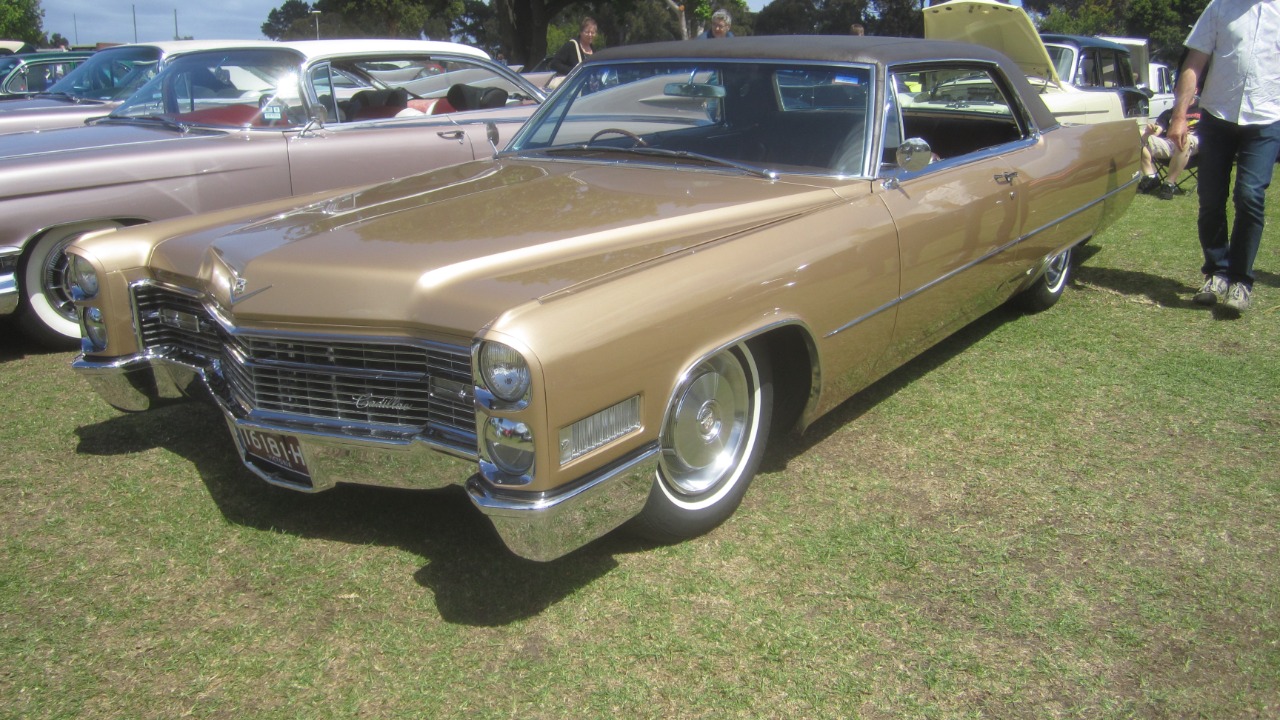
The DeVille Hardtop offered the clean roofline of a pillarless coupe while retaining the passenger capacity of a full-size Cadillac. That combination became extremely popular during the chrome era. The absence of traditional center pillars gave the car a wide, open appearance, while the large body provided plenty of room inside. Its proportions, chrome accents, and sweeping glass still give the DeVille Hardtop a distinctive presence that modern sedans rarely approach.
Cadillac Fleetwood Brougham
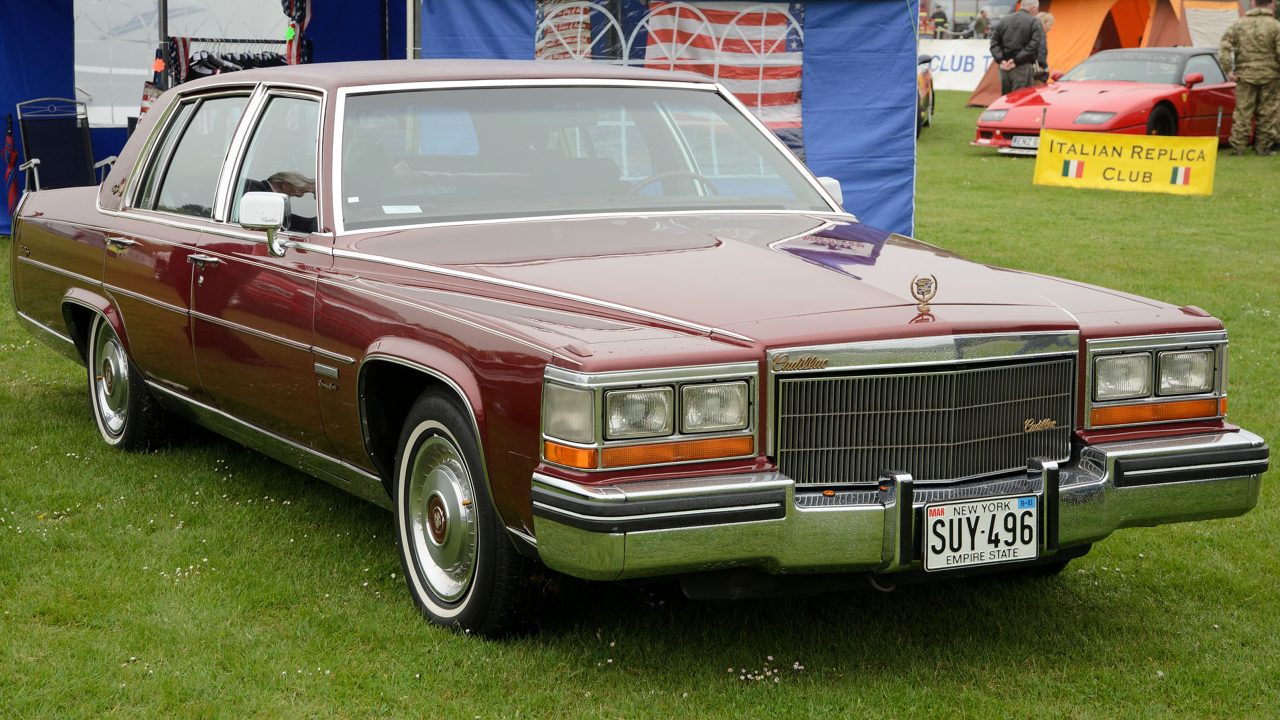
The Fleetwood Brougham became one of Cadillac’s most recognizable luxury names. Although the model continued well beyond the height of the chrome era, its roots are firmly connected to Cadillac’s tradition of large, formal automobiles. The Brougham emphasized comfort, prestige, and substantial road presence. Its broad body and prominent grille still make it easy to identify from a distance, particularly when finished in the traditional colors and brightwork associated with classic Cadillacs.
Cadillac Series 62 Sedan
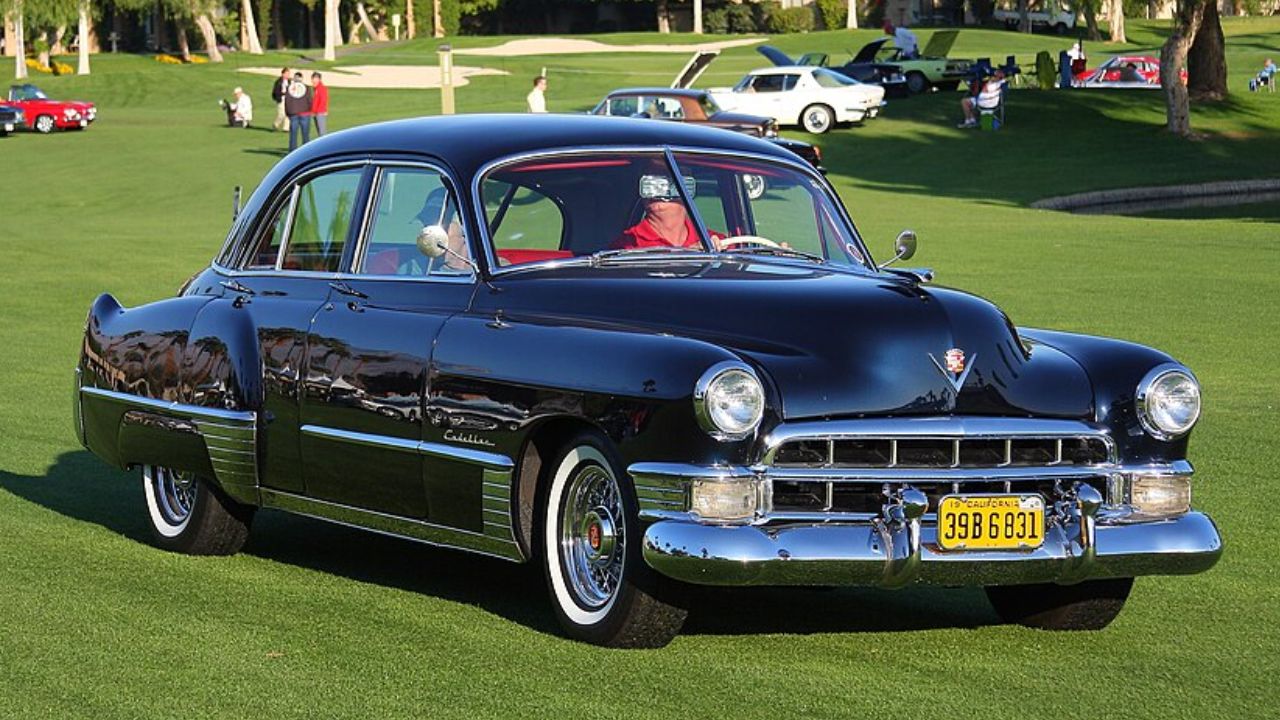
The Series 62 Sedan offered the same basic Cadillac visual language in a practical four-door configuration. Its large cabin, substantial body, and generous use of chrome reflected an era when exterior size was closely associated with luxury. The sedan could carry a family comfortably while still looking imposing. Today, its proportions provide an immediate contrast with modern vehicles, making a well-restored example stand out at shows and cruise nights.
Cadillac Eldorado Seville Hardtop
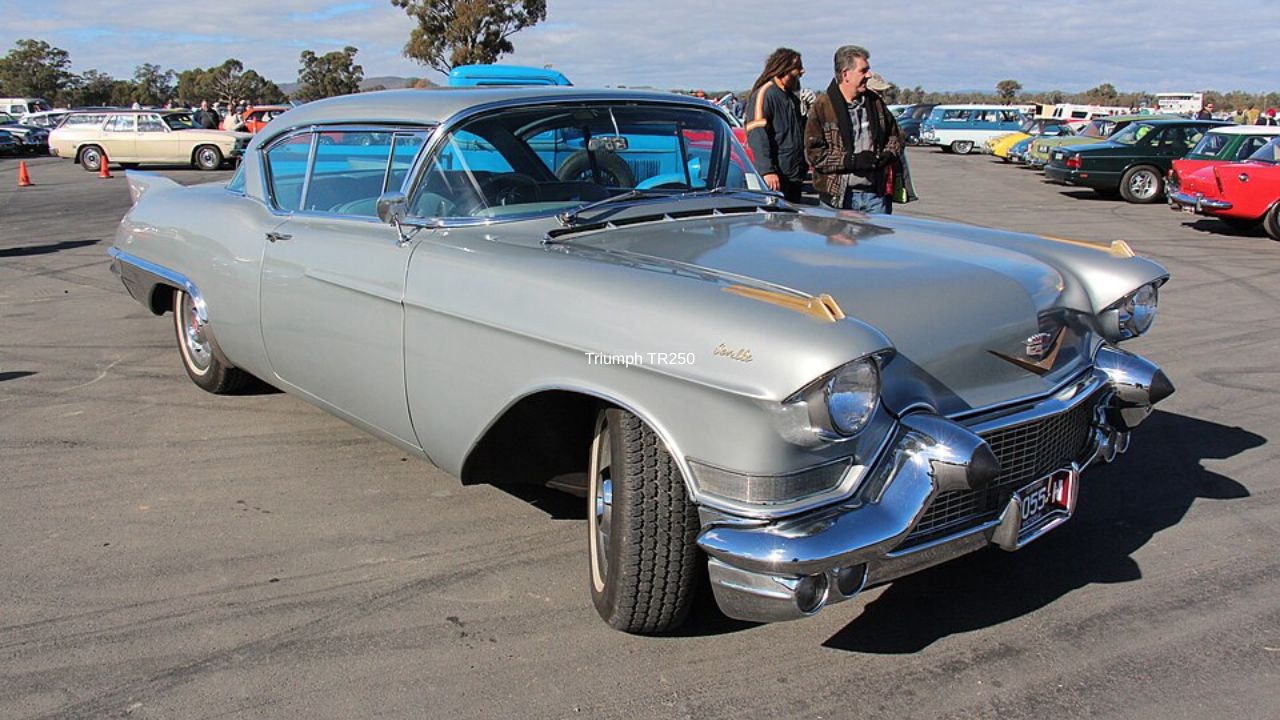
The Eldorado Seville Hardtop brought a formal two-door character to Cadillac’s luxury lineup. Its elegant roofline and carefully styled exterior gave it a different personality from the brand’s larger four-door models. The combination of long bodywork, chrome trim, and distinctive Cadillac detailing makes surviving examples visually memorable. It is the kind of car that attracts attention not because it is loud or aggressive, but because almost nothing on today’s roads looks remotely similar.
Cadillac Series 75 Sedan
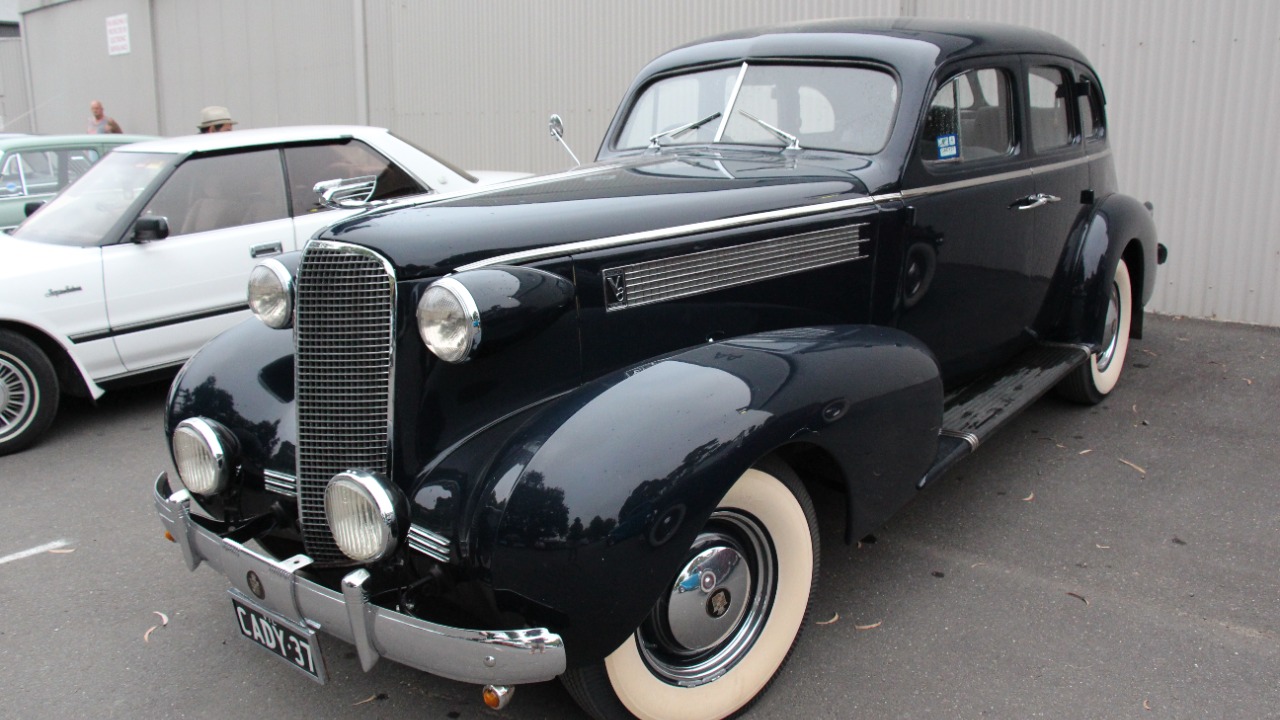
The Series 75 Sedan delivered the same imposing presence associated with Cadillac’s larger formal models without requiring a limousine configuration. Its long body, spacious cabin, and substantial chrome treatment made it a clear symbol of American luxury. These cars were designed for a time when manufacturers were comfortable using enormous amounts of sheet metal and brightwork. That visual confidence is exactly what makes the Series 75 so noticeable today.
Cadillac Fleetwood Eldorado
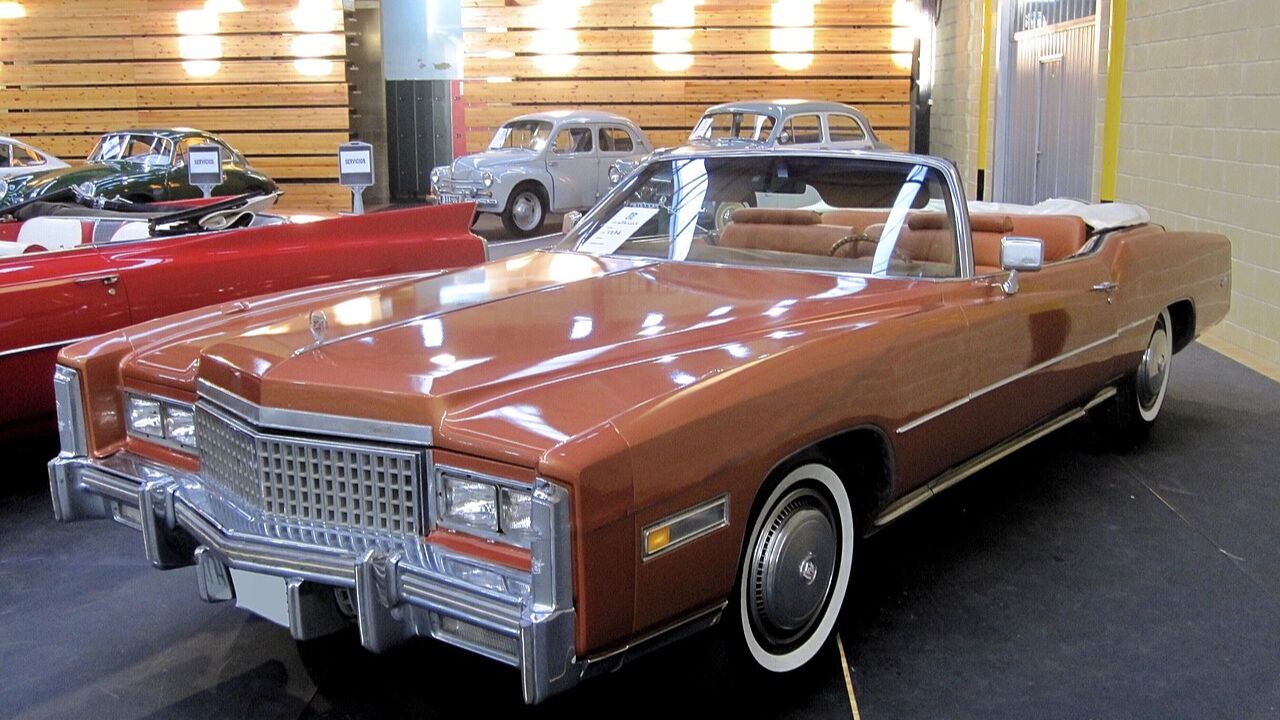
The Fleetwood Eldorado combined two of Cadillac’s most prestigious names into one especially distinctive luxury package. Fleetwood’s reputation for upscale craftsmanship complemented the Eldorado’s status as a flagship model. The result was a car that emphasized both exclusivity and visual drama. Its large dimensions, elaborate trim, and unmistakable grille make it particularly effective at stopping traffic, especially when compared with the increasingly conservative styling of modern luxury cars.
More from Fast Lane Only
- Unboxing the WWII Jeep in a Crate
- 15 rare Chevys collectors are quietly buying
- 10 underrated V8s still worth hunting down
- Police notice this before you even roll window down
*Research for this article included AI assistance, with all final content reviewed by human editors.