Some trucks were built with a simple goal: keep working long after newer vehicles had come and gone. Strong engines, sturdy frames, straightforward mechanicals, and useful payload capacity helped these pickups earn loyal owners. From old farm trucks to dependable workhorses, these are the trucks that developed reputations for staying useful year after year.
Ford F-1
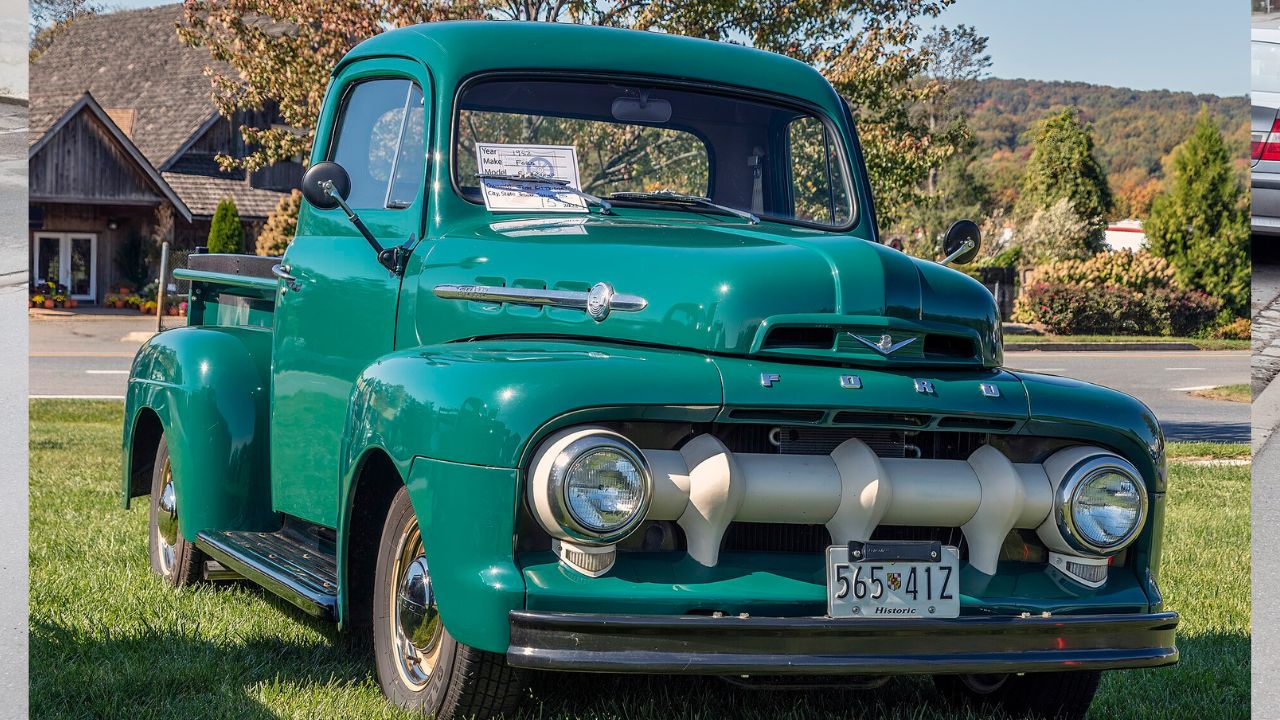
The Ford F-1 helped establish the foundation for Ford’s long-running F-Series. Its simple construction and sturdy chassis made it well suited to farms, businesses, and everyday hauling. Buyers could choose from several engine configurations, giving the truck useful flexibility. Surviving examples remain popular with collectors because they represent an early stage of the American pickup truck’s development.
Chevrolet 3100

The Chevrolet 3100 became one of the defining light-duty pickups of the postwar era. Its rounded bodywork, sturdy frame, and straightforward mechanical layout made it useful for everything from farm work to local deliveries. The truck also became a major part of Chevrolet’s identity. Today, restored 3100s remain popular because they combine genuine work-truck history with highly recognizable styling.
Ford F-100

The F-100 became a benchmark for American pickup trucks, offering a strong combination of capability, comfort, and durability. Its many generations gave buyers increasingly refined interiors while maintaining the rugged mechanical foundation expected from a work truck. Older F-100s remain especially popular because they are easy to recognize, relatively straightforward to maintain, and deeply connected to American truck culture.
Chevrolet C20
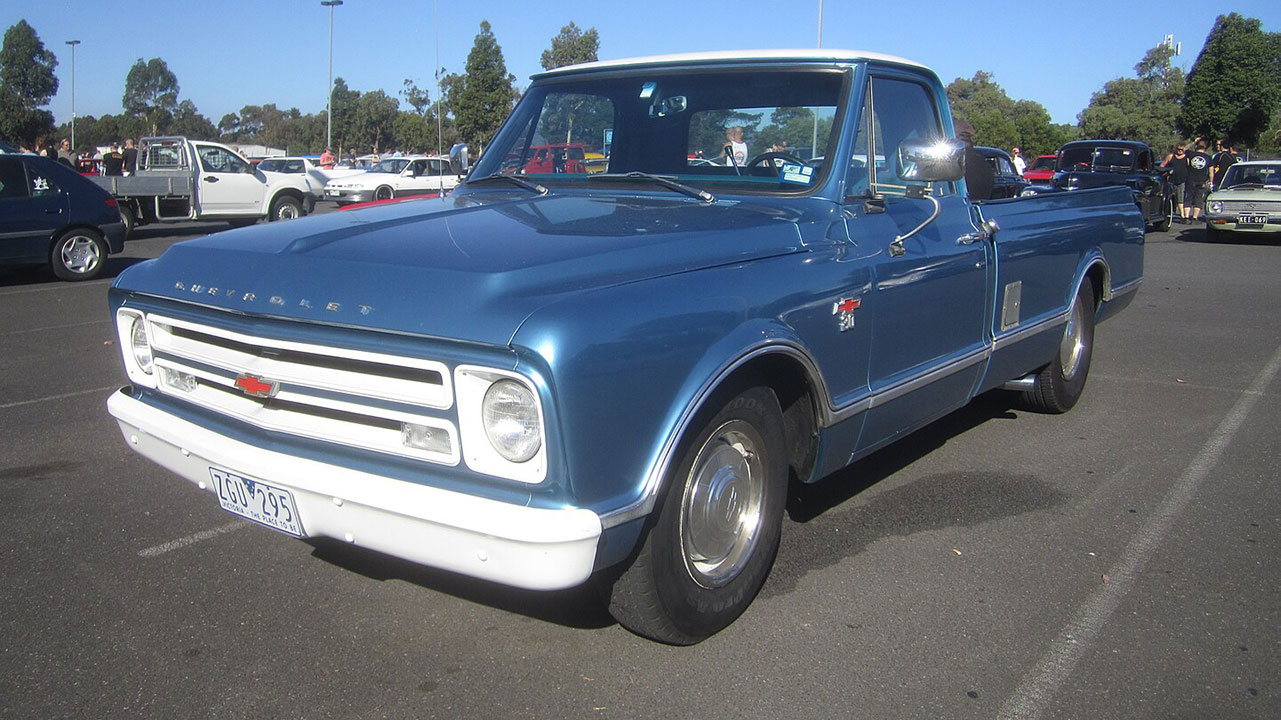
The C20 occupied an important position between light-duty pickups and heavier work trucks. Its stronger suspension and frame allowed owners to handle substantial loads without stepping into the largest commercial models. Available V8 engines also gave it plenty of capability. Well-preserved examples remain appealing because they provide genuine work-truck strength without the size and complexity of modern heavy-duty pickups.
Ford F-250
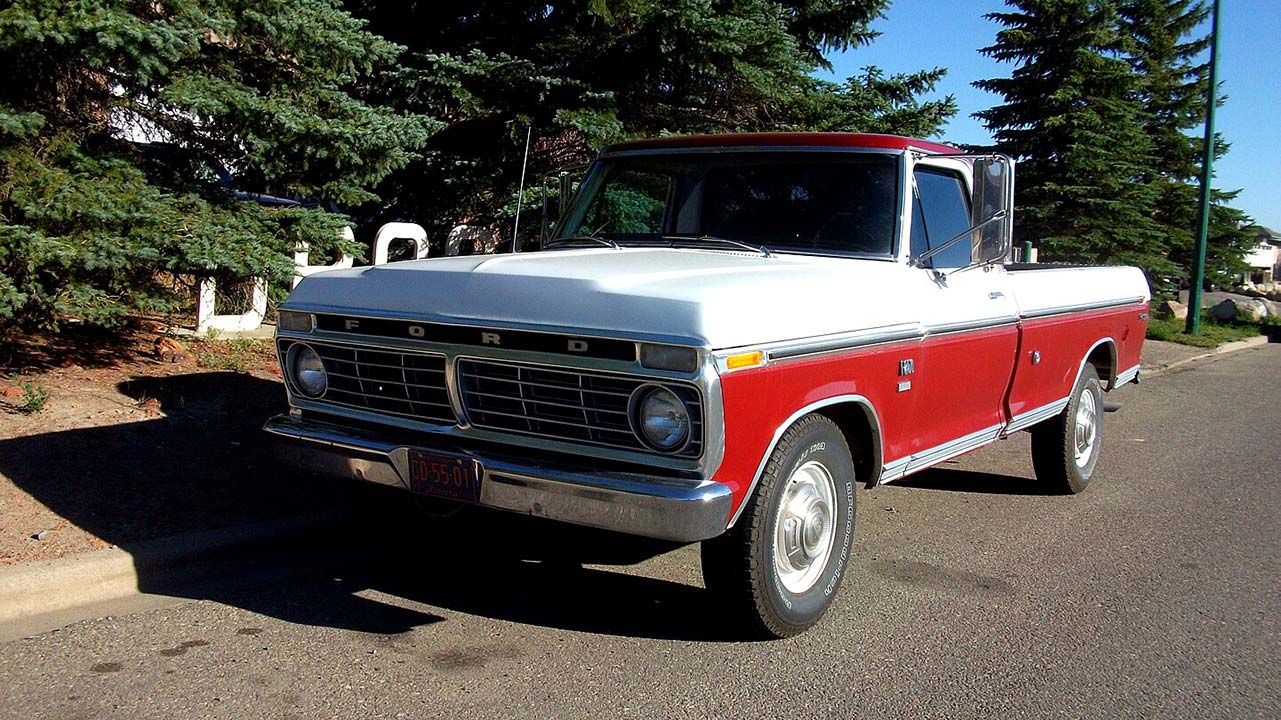
The F-250 became a favorite among owners who needed more capability than a half-ton pickup could provide. Its stronger chassis, suspension, and available engines made it useful for towing, hauling, and demanding work. Older examples often had relatively simple mechanical systems, making them easier to keep running. The F-250 remains one of the most recognizable names in the heavy-duty pickup world.
Chevrolet K10
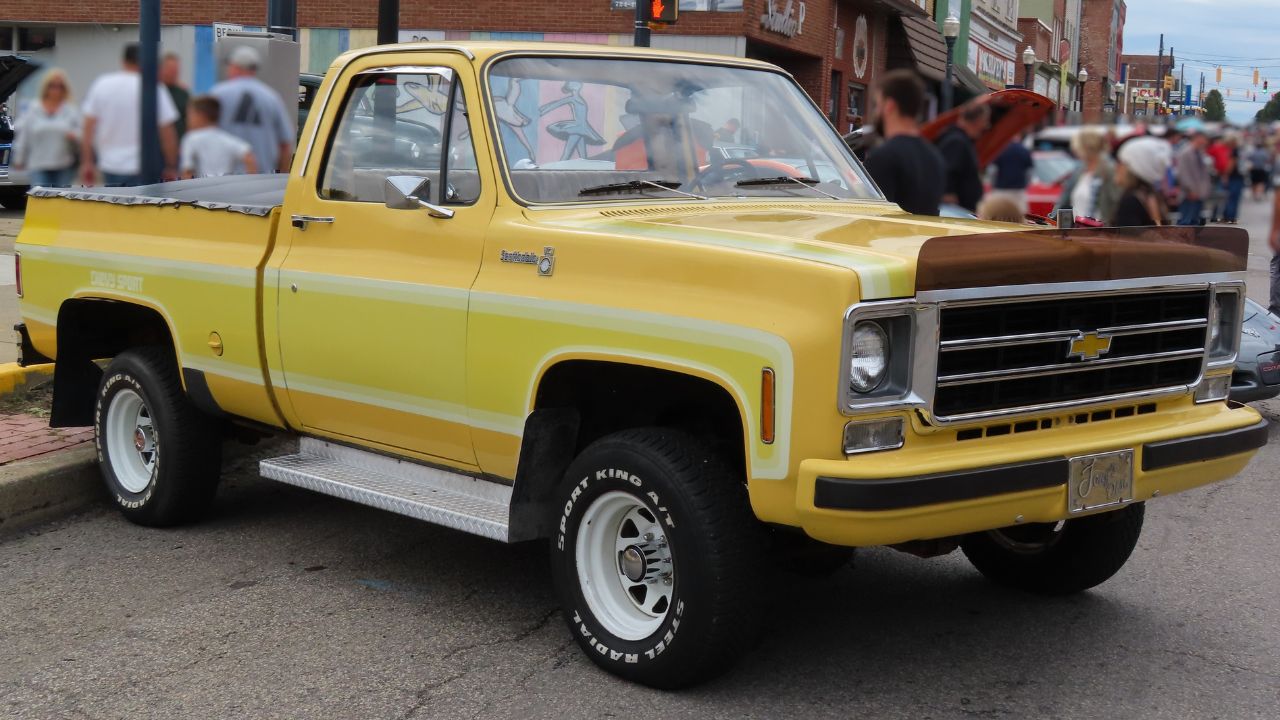
The K10 added four-wheel drive to Chevrolet’s traditional pickup formula, creating a truck that could work on rough terrain as well as paved roads. Its combination of sturdy construction and relatively simple mechanical components made it popular with farmers, contractors, and outdoor enthusiasts. Today, classic K10s remain highly desirable because they combine genuine utility with the unmistakable appearance of a vintage Chevrolet truck.
Ford F-350
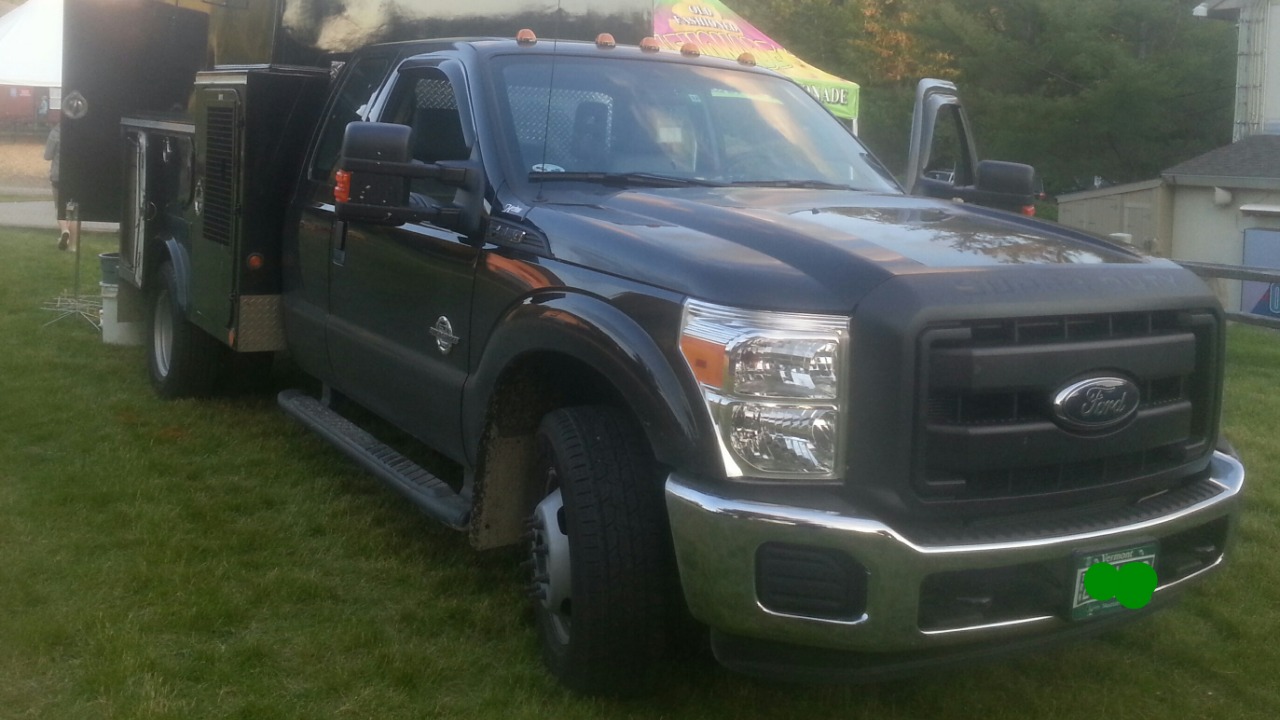
The F-350 was designed for owners who demanded serious hauling and towing ability. Its heavier-duty construction allowed it to handle workloads that would overwhelm lighter pickups. Many generations were built around straightforward mechanical systems that could be repaired without excessive electronic complexity. That work-oriented character has helped older F-350s survive long after many ordinary trucks from the same periods disappeared.
GMC 1500
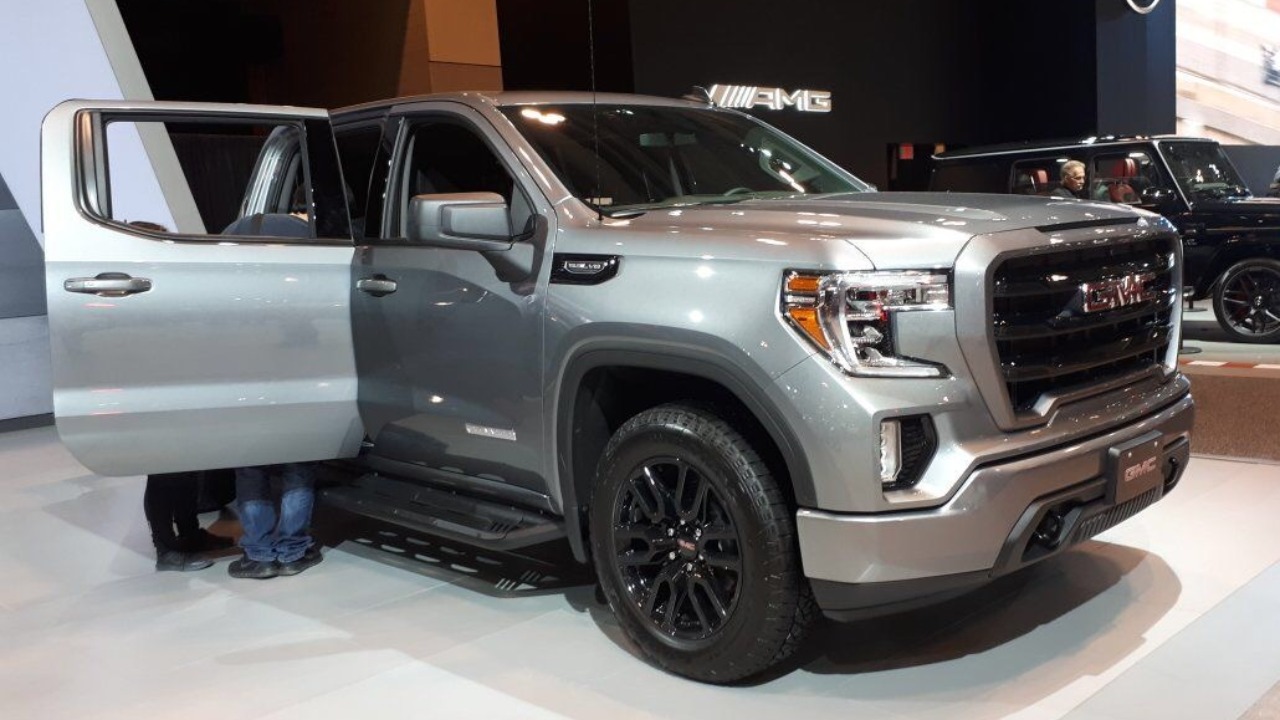
GMC’s 1500 series has long provided an alternative to Chevrolet’s full-size pickups while sharing much of the same underlying engineering. Strong frames, dependable drivetrains, and practical configurations made these trucks popular with both workers and private owners. Older GMC pickups are especially attractive today because their distinctive grilles and trim give them a character that separates them from their Chevrolet relatives.
Dodge D150
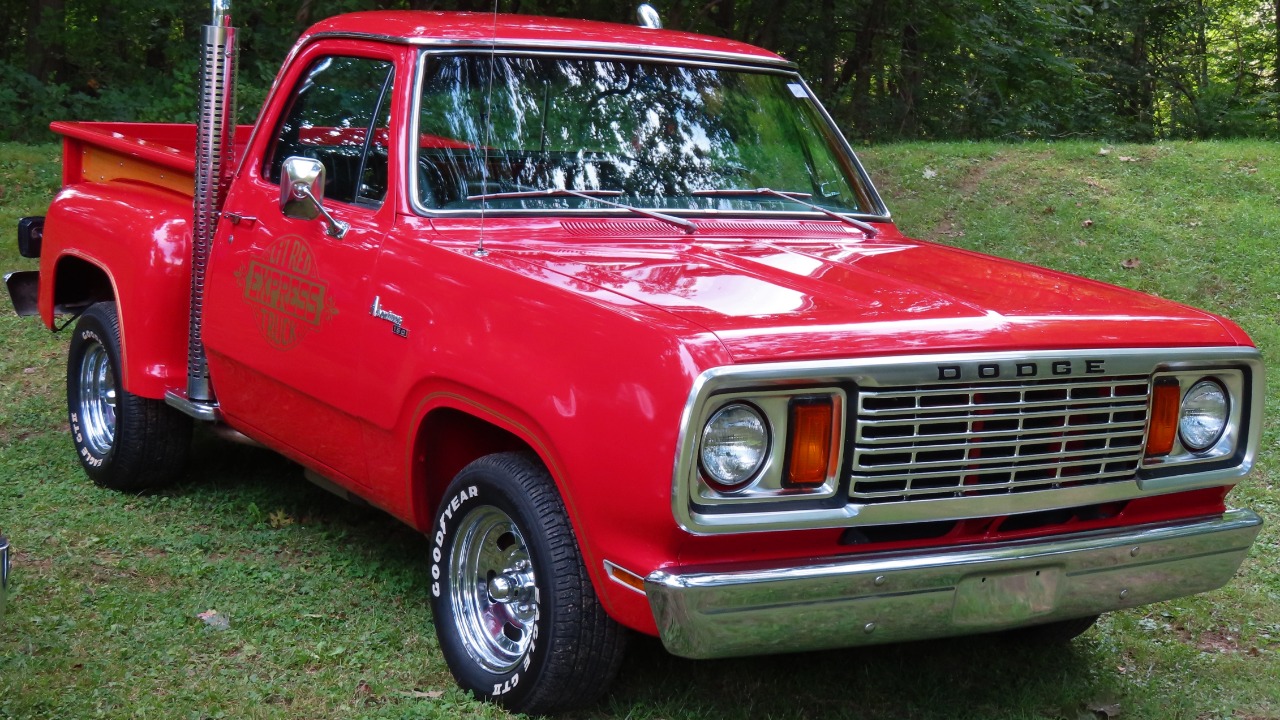
The D150 represented Dodge’s approach to the half-ton pickup market and developed a loyal following for its rugged styling and available V8 power. Its straightforward mechanical layout made it practical for owners who wanted a truck they could maintain without excessive complication. Clean examples have become increasingly interesting to collectors because the model is less frequently seen today than Ford and Chevrolet rivals.
Dodge D250
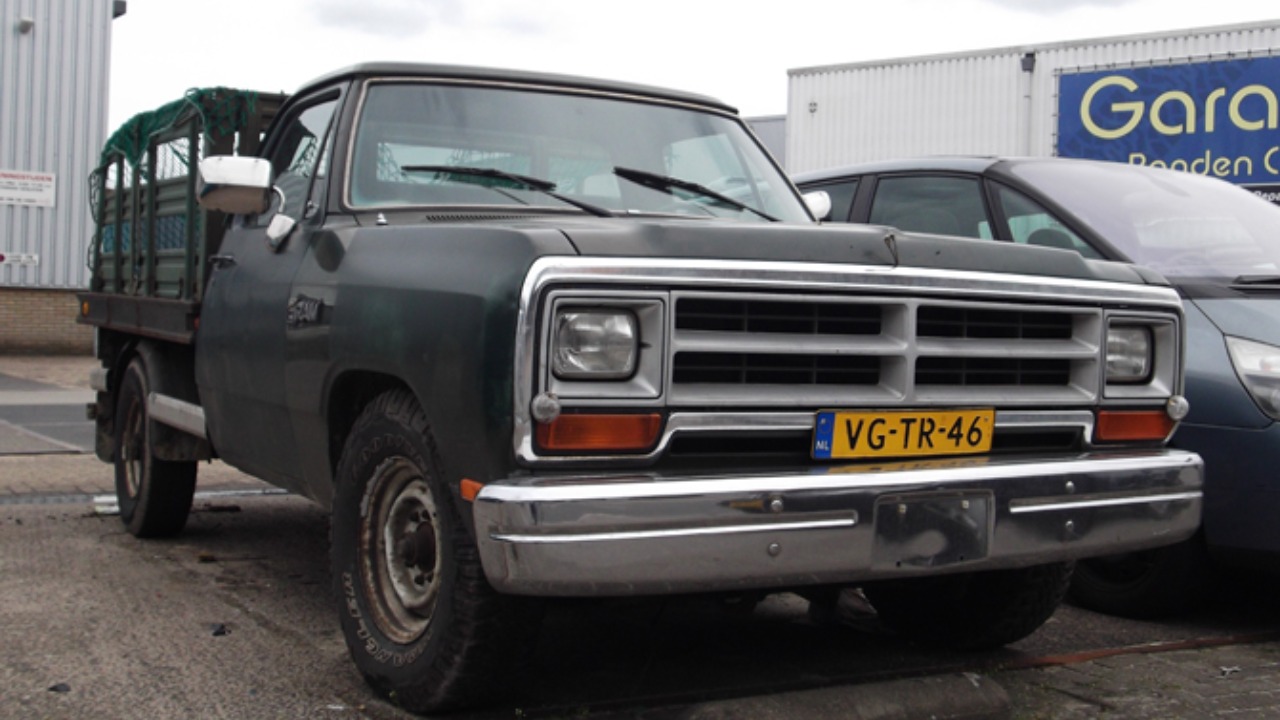
The D250 stepped up to heavier-duty work while retaining the traditional pickup format. Its stronger chassis and suspension made it useful for hauling equipment, trailers, and other demanding loads. Depending on configuration, buyers could choose from several engines and drivetrains. The D250’s combination of capability and relatively uncomplicated engineering makes surviving examples appealing to enthusiasts who appreciate old-school work trucks.
Chevrolet C30
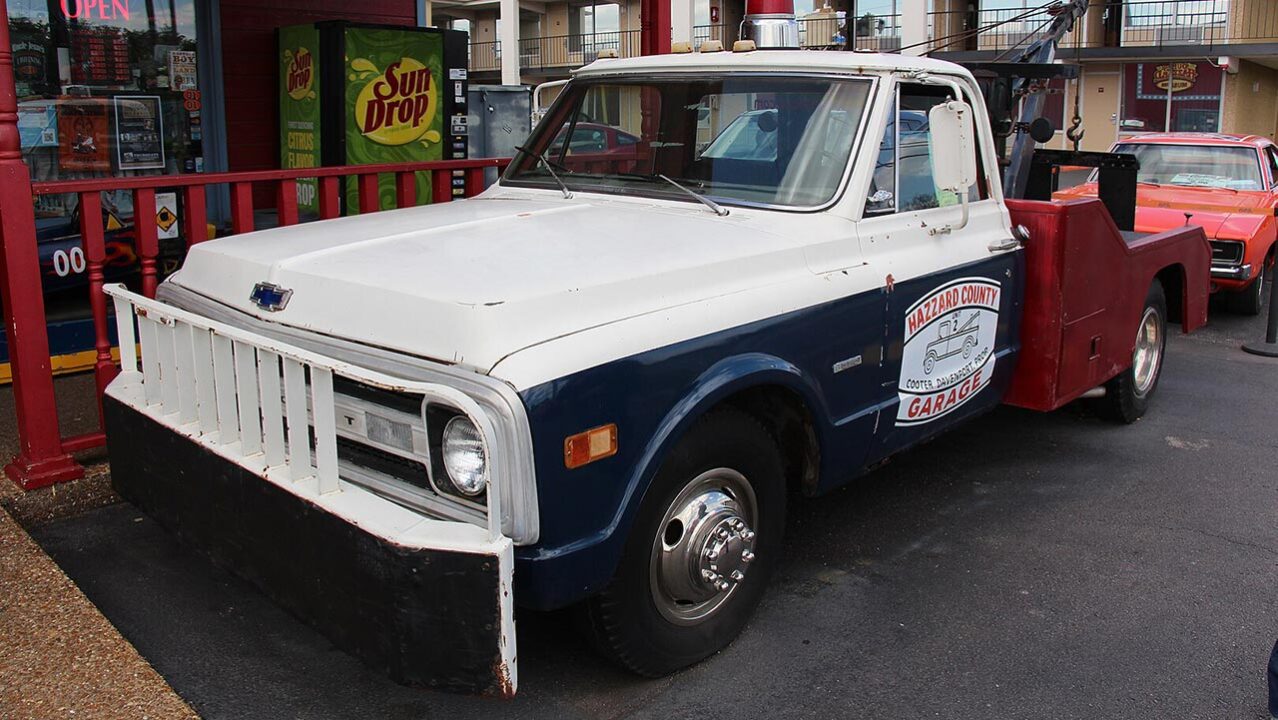
The C30 was built for owners who needed more than a conventional half-ton pickup could provide. Its heavy-duty construction gave it substantial payload capability, while Chevrolet’s available V8 engines provided useful pulling power. These trucks were often used hard, which makes well-preserved examples increasingly difficult to find. Today, they are valued as authentic examples of traditional American work-truck engineering.
Ford F-150 Ranger
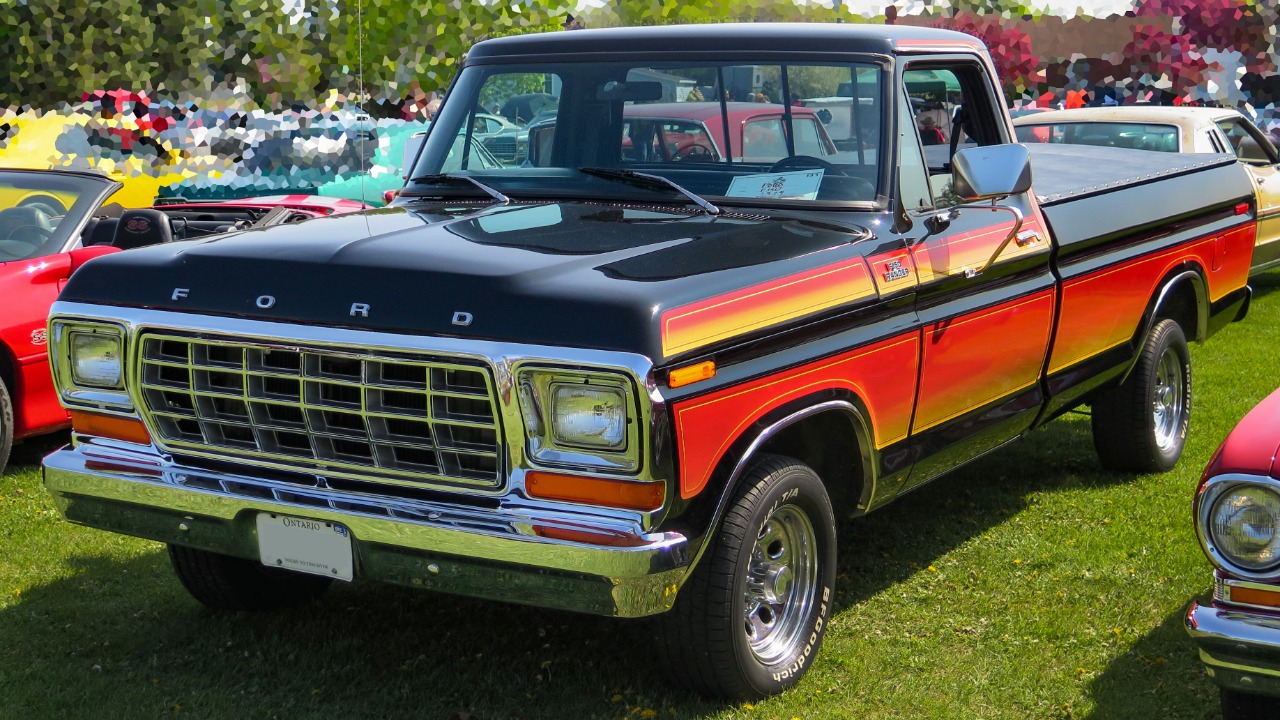
The Ranger package added extra equipment and a more distinctive appearance to the F-150, helping make the pickup more comfortable without abandoning its work-oriented roots. Depending on generation, buyers could get useful upgrades while retaining a durable chassis and traditional truck drivetrain. Clean examples are now appealing to collectors who remember when a pickup could serve as both a work tool and everyday transportation.
GMC Sierra Classic
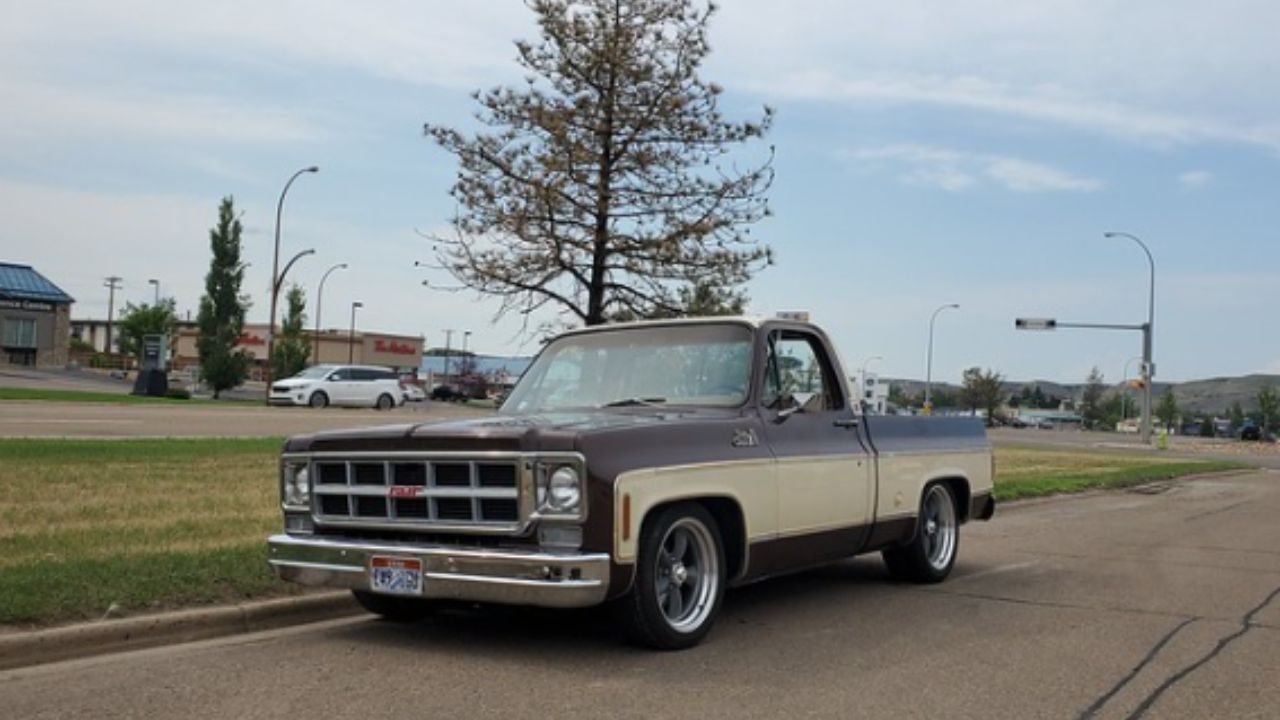
The Sierra Classic represented GMC’s more upscale approach to the traditional pickup while retaining serious truck capability. Its broad body, available V8 engines, and substantial frame made it useful for demanding work. The interior could also be considerably more comfortable than older work trucks. Today, surviving examples appeal to collectors who want a classic pickup with a little more refinement.
Dodge Ramcharger
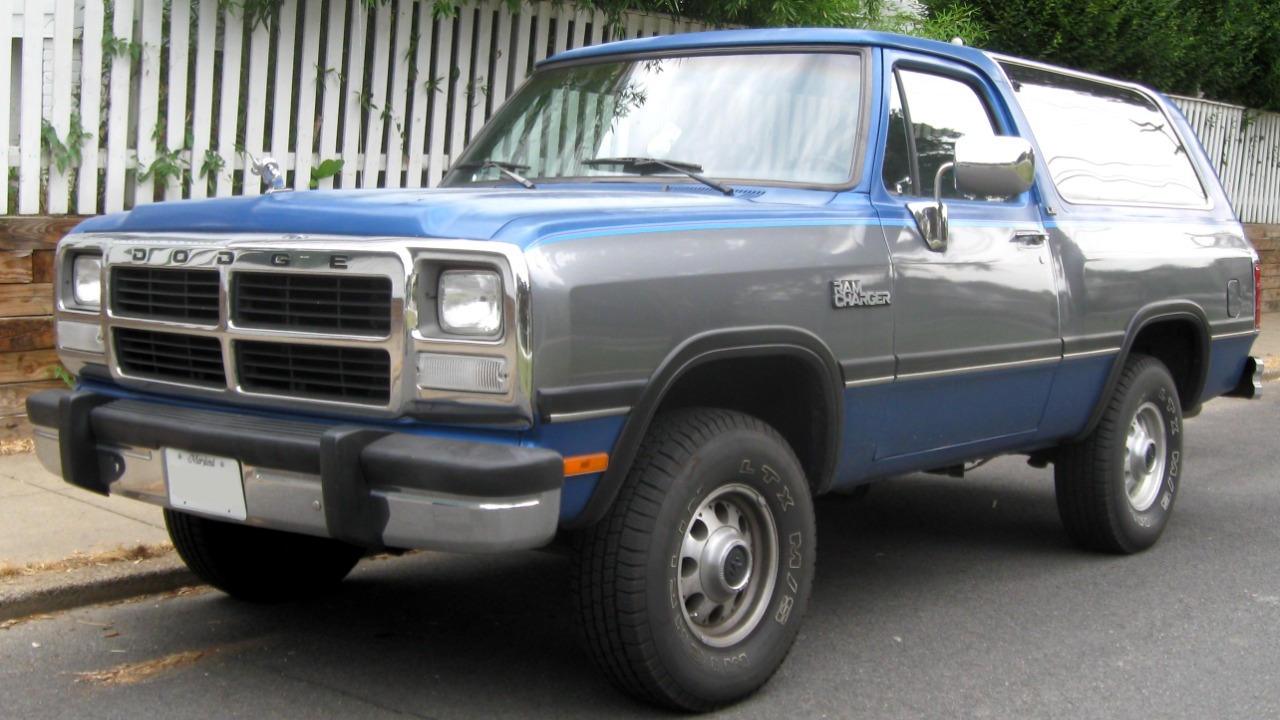
The Ramcharger combined pickup-truck mechanical strength with a two-door SUV body, making it useful for towing, hauling, and off-road driving. Its rugged chassis and available four-wheel drive helped it develop a strong reputation among outdoor enthusiasts. Although it was not a conventional pickup, it shared much of the tough engineering associated with Dodge’s truck lineup and remains a distinctive long-term workhorse.
Chevrolet Suburban
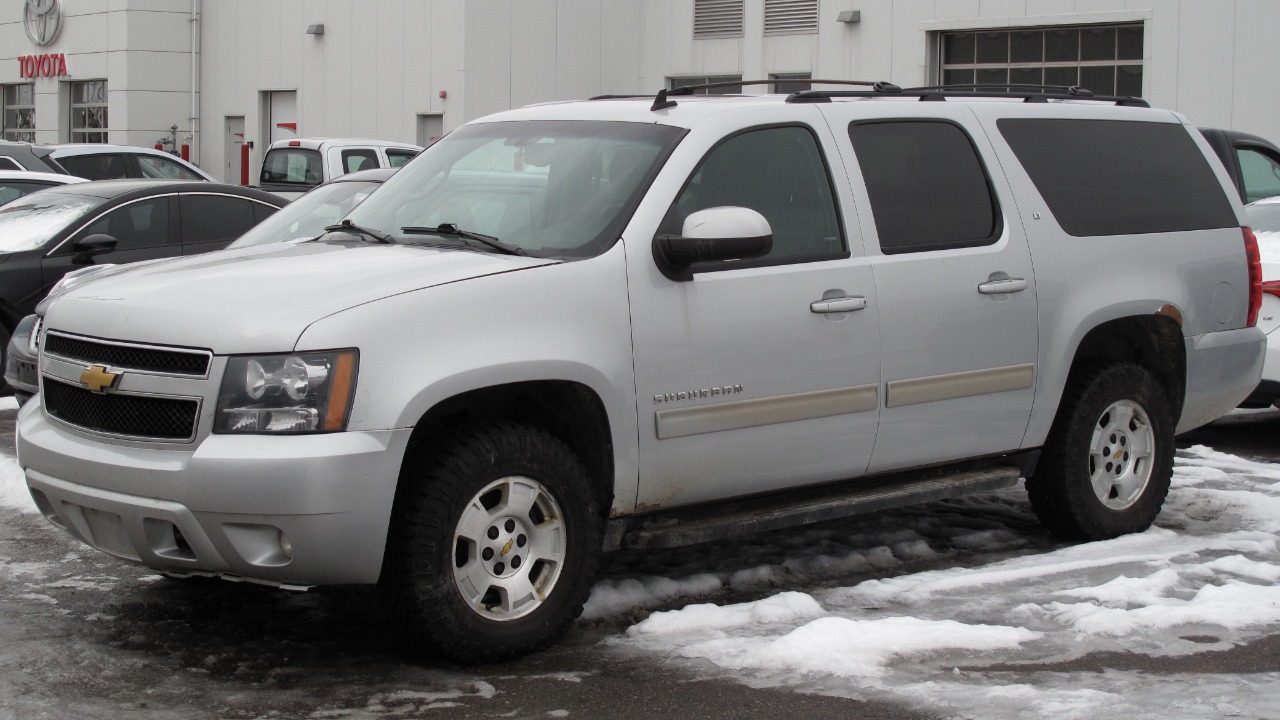
The Suburban has one of the longest histories of any American utility vehicle. Its truck-based construction, spacious interior, and substantial towing capability allowed it to serve families, businesses, and work crews. Earlier generations were especially straightforward mechanically. The Suburban’s ability to combine passenger capacity with genuine truck capability has helped the nameplate remain relevant for generations.
Ford Bronco
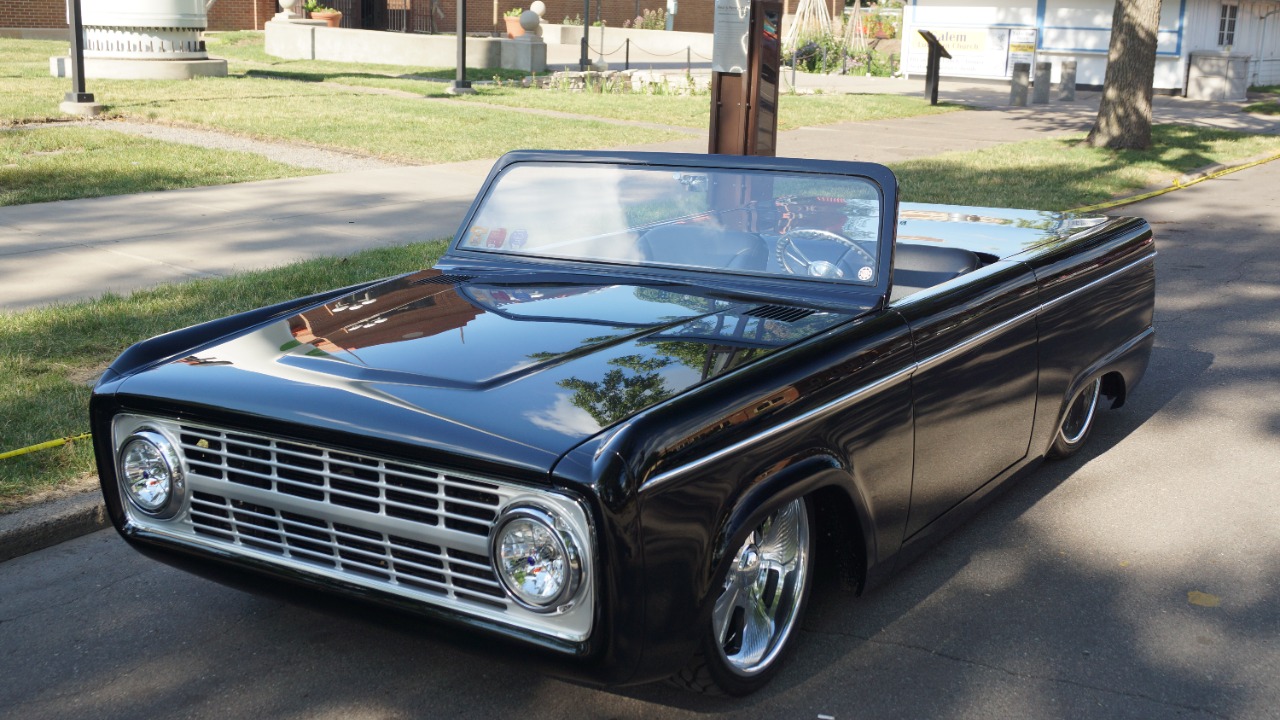
The classic Bronco was designed as a compact utility vehicle but developed a reputation for toughness that far exceeded its size. Its body-on-frame construction, available four-wheel drive, and straightforward mechanical layout made it useful on farms, trails, and job sites. Restored examples are now highly desirable, but their appeal goes beyond nostalgia. The Bronco demonstrated how simple engineering could create a remarkably versatile vehicle.
Jeep CJ-7
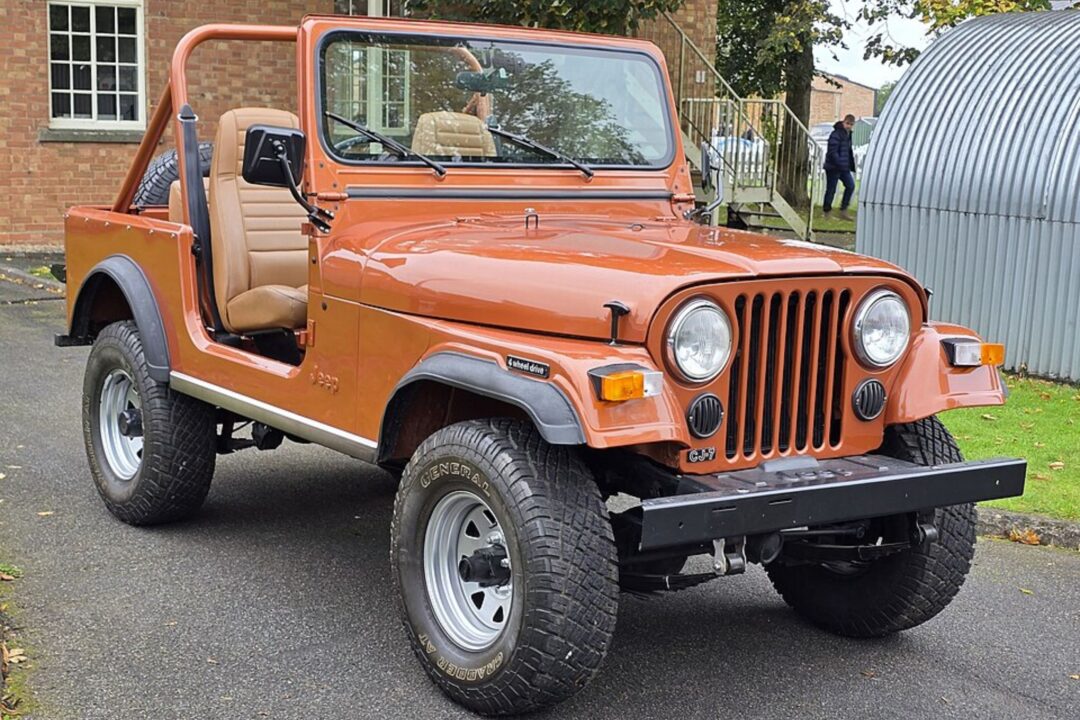
The CJ-7 offered a rugged combination of four-wheel drive, compact dimensions, and simple mechanical components. It could serve as a farm vehicle, recreational machine, or basic workhorse depending on how it was equipped. Its relatively uncomplicated design also made repairs easier than on many modern off-road vehicles. That practicality continues to make the CJ-7 popular with enthusiasts who value mechanical simplicity.
International Harvester Scout II
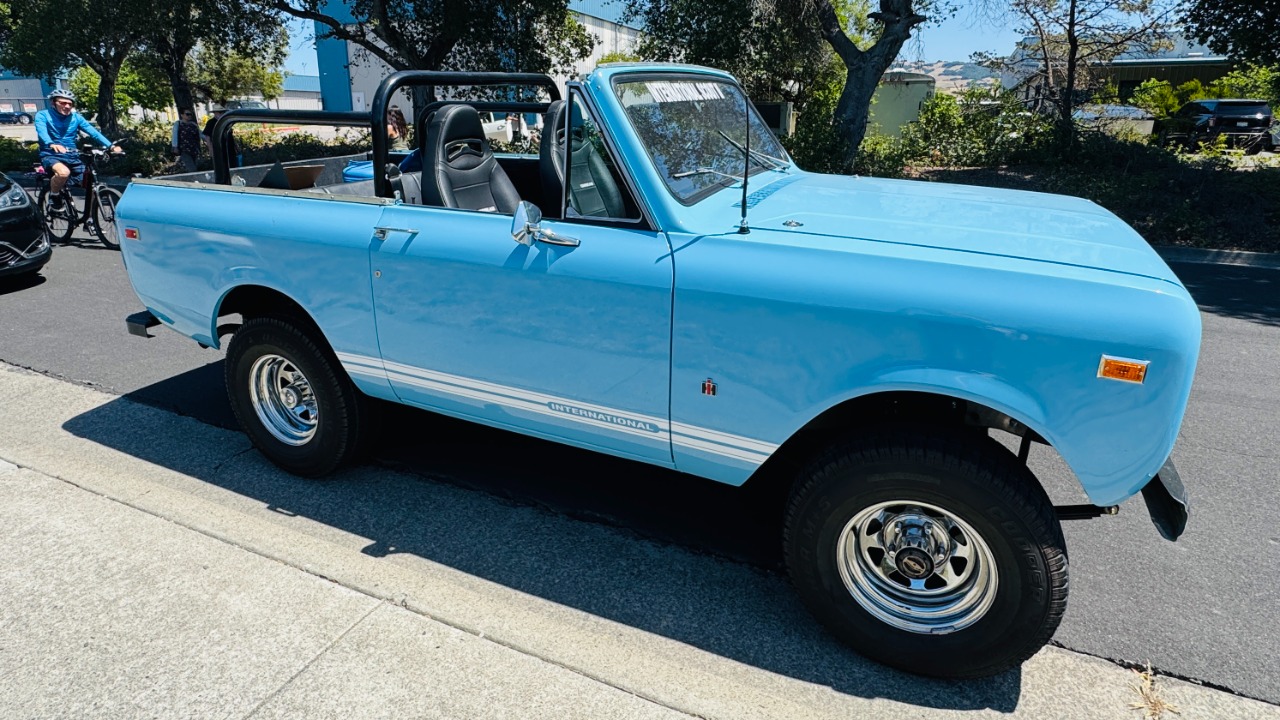
The Scout II was built as a serious utility vehicle rather than a polished family SUV. Its sturdy construction, available four-wheel drive, and practical body made it useful for farms, trails, and industrial work. International Harvester’s reputation for building equipment designed for demanding conditions carried over into the Scout. Today, surviving examples are prized for their rugged character and unmistakable styling.
Toyota Land Cruiser
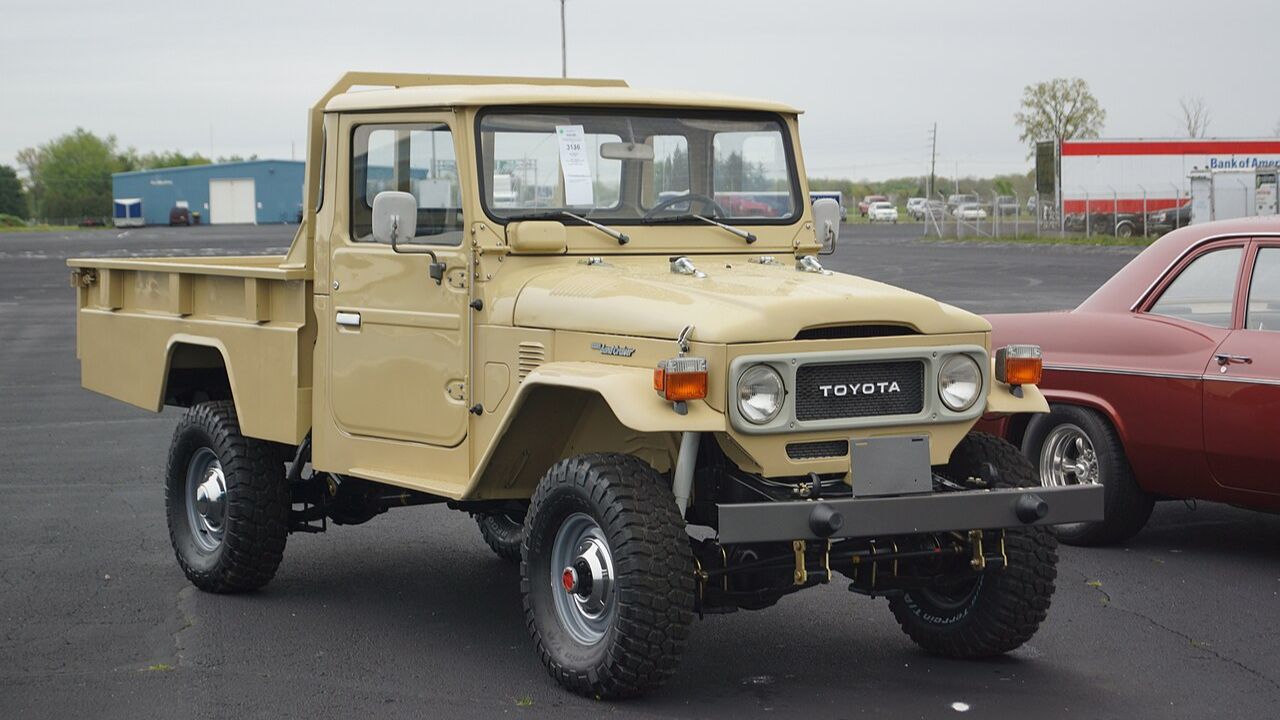
The Land Cruiser earned a global reputation for durability by working in some of the toughest environments imaginable. Its robust four-wheel-drive system, strong chassis, and dependable engines made it valuable far beyond ordinary recreational use. Older American-market examples have become increasingly collectible, but their appeal comes from more than nostalgia. These trucks were engineered to remain useful when roads, service facilities, and conditions were far from ideal.
Toyota Hilux
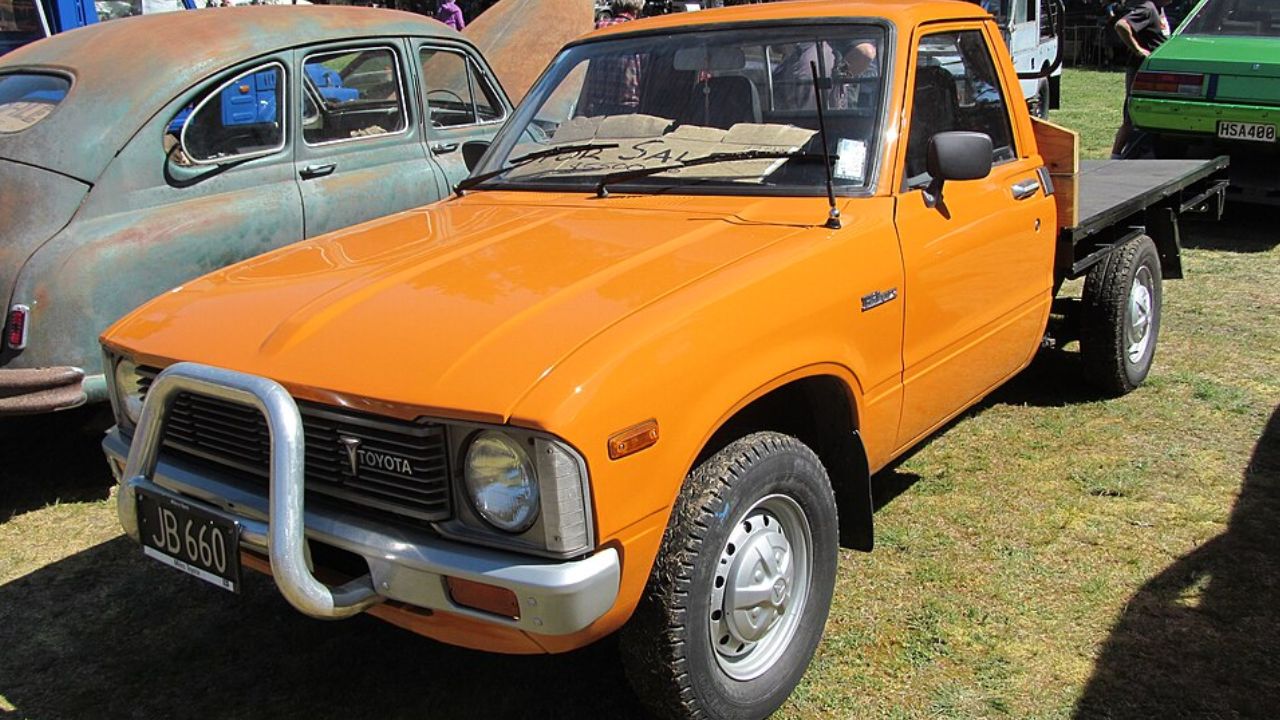
The Hilux became famous worldwide for its ability to handle demanding work with relatively little drama. Its compact dimensions, durable chassis, and straightforward mechanical design made it useful in everything from construction to agriculture. Older examples have developed legendary reputations for longevity. The Hilux remains one of the clearest examples of a pickup designed around the idea that reliability matters more than unnecessary complexity.
More from Fast Lane Only
- Unboxing the WWII Jeep in a Crate
- 15 rare Chevys collectors are quietly buying
- 10 underrated V8s still worth hunting down
- Police notice this before you even roll window down
*Research for this article included AI assistance, with all final content reviewed by human editors.