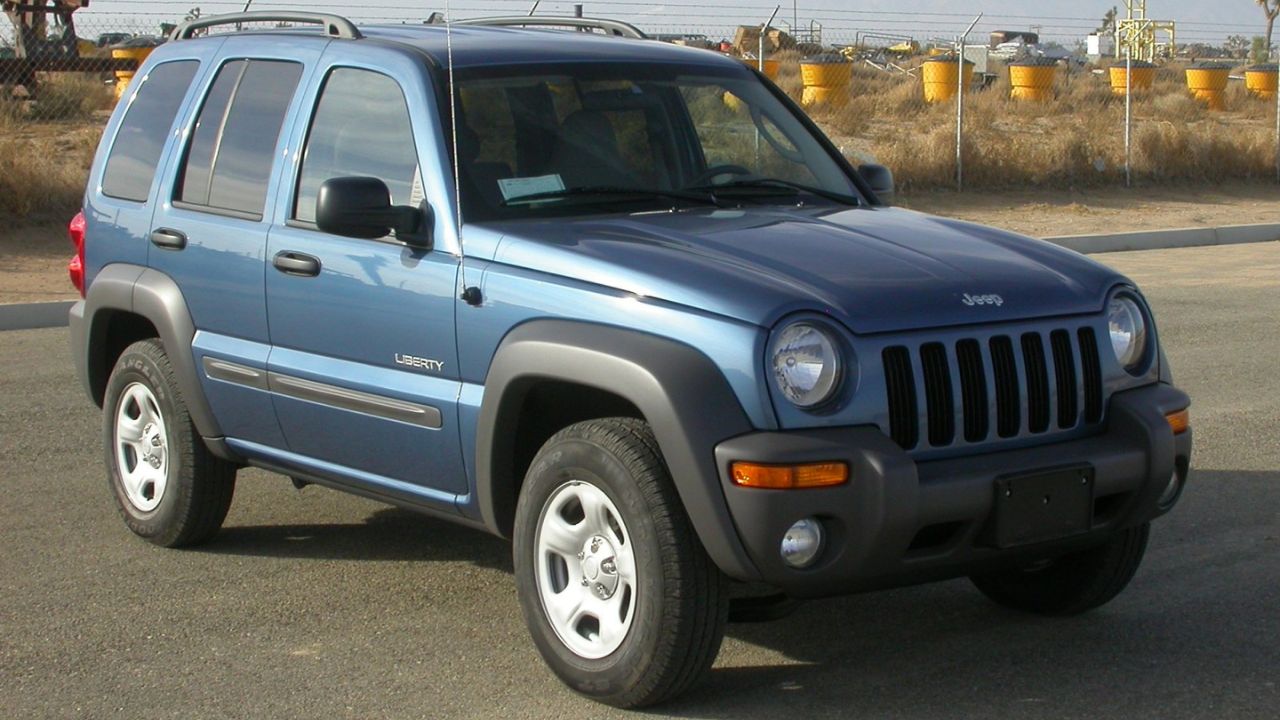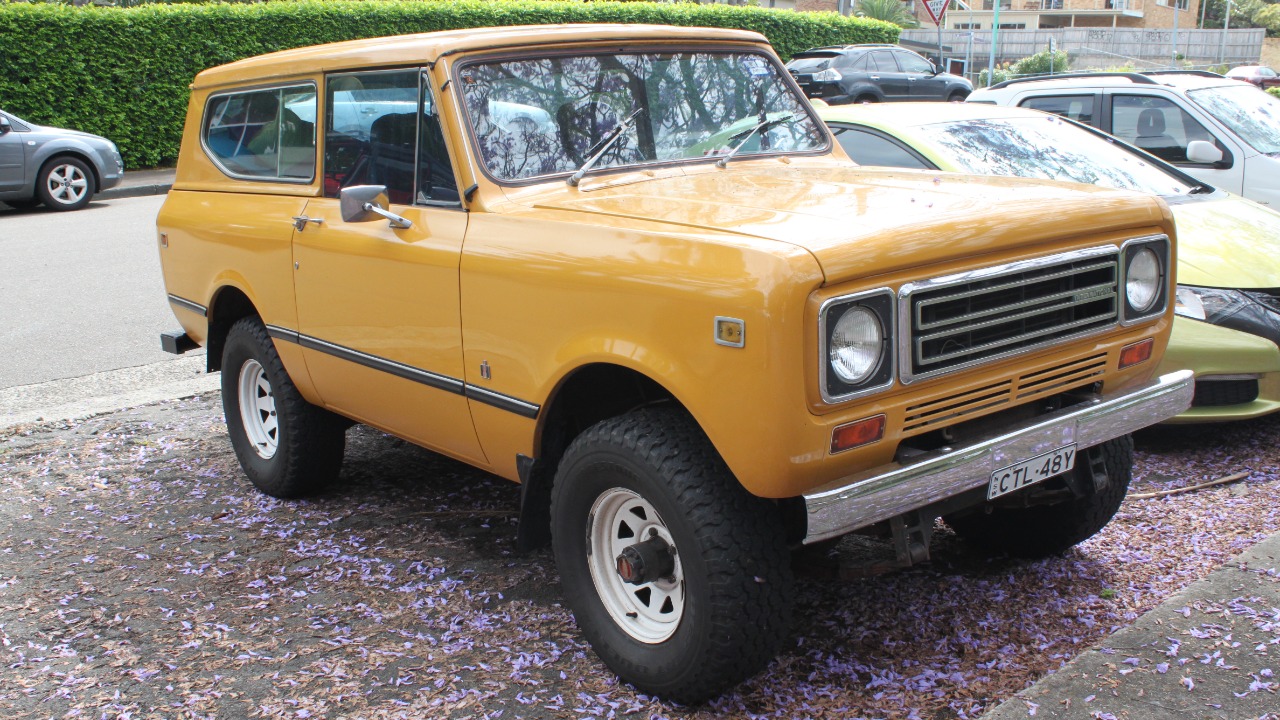
Some old trucks become valuable, while others become something even harder to replace: family treasures. Their appeal isn’t always about horsepower or auction prices. For many owners, these trucks represent dependable work, childhood memories, road trips, and a simpler time when a pickup was expected to earn its keep. These are the classics that often stay in the driveway for generations.
Ford F-100
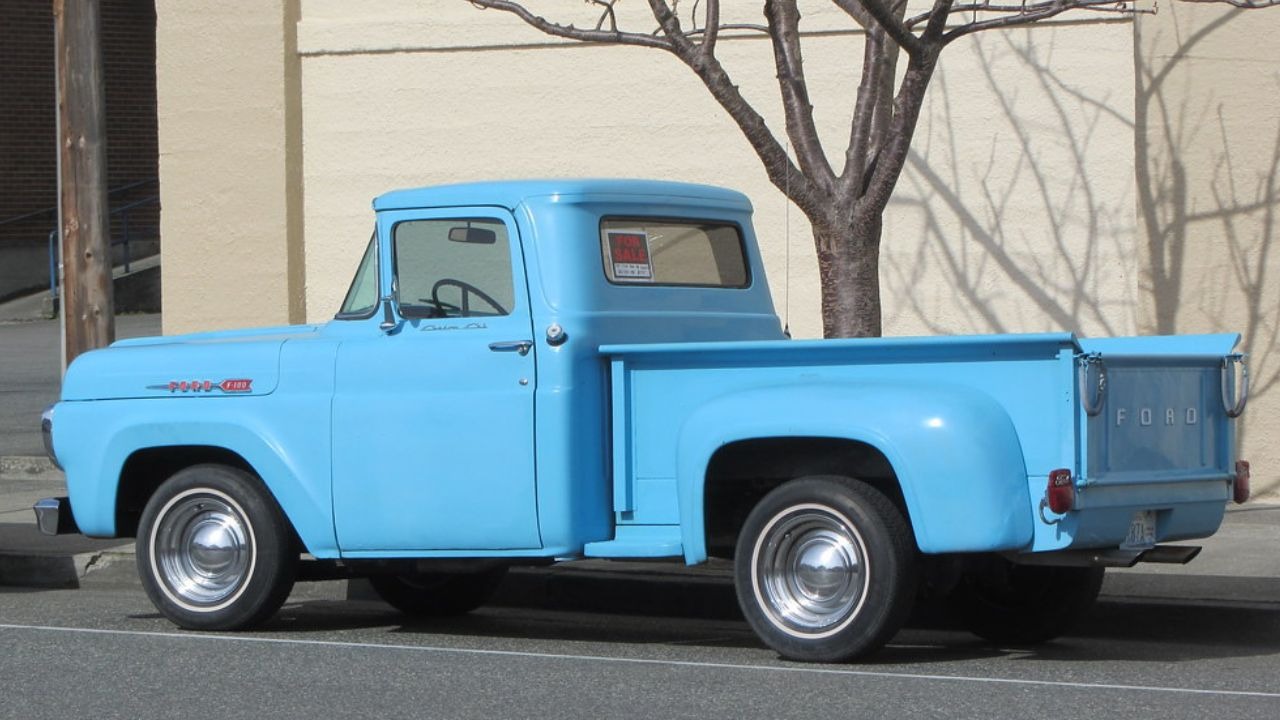
The Ford F-100 has become one of the most beloved classic American pickups, and owners rarely need much convincing to keep one. Its simple construction, unmistakable styling, and enormous aftermarket make it easy to understand the attachment. A clean F-100 can be restored, modified, or simply enjoyed as it is, giving owners plenty of reasons to hold onto one.
Chevrolet C10
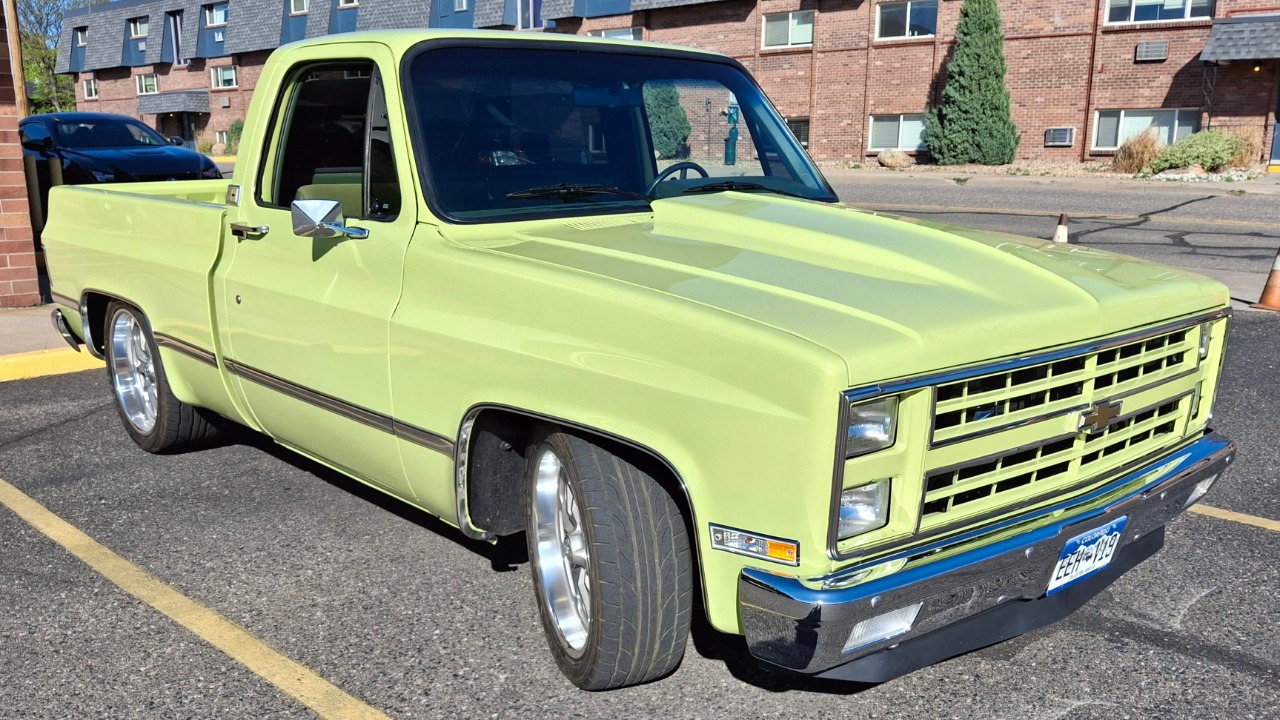
The Chevrolet C10 has become a favorite among classic-truck enthusiasts for good reason. Its clean proportions, comfortable driving position, and straightforward mechanical layout make it an excellent candidate for restoration. Whether kept completely original or turned into a custom cruiser, a well-kept C10 has the kind of personality that makes owners reluctant to let it go.
Ford F-150
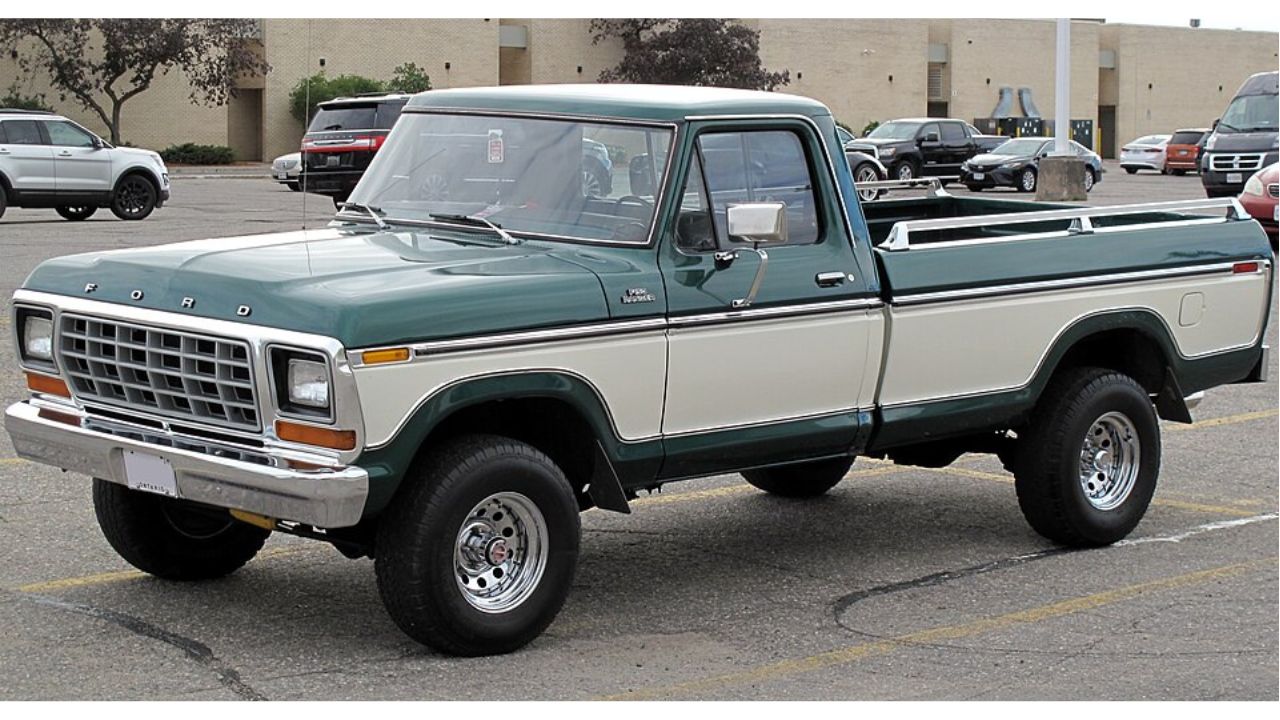
Early generations of the F-150 helped turn Ford’s half-ton pickup into an American institution. These trucks were built to work, but their simple mechanical designs also made them appealing to generations of owners. A solid older F-150 can still be useful today, and that combination of practicality and nostalgia makes many examples difficult to replace.
Chevrolet C/K

The Chevrolet C/K series covers a huge range of classic pickups, but the appeal is remarkably consistent. These trucks combined sturdy frames, straightforward engines, and unmistakable styling. Many spent decades working on farms, construction sites, and family properties before becoming cherished classics. Owners often have stories attached to them that make selling almost impossible.
Dodge D-Series
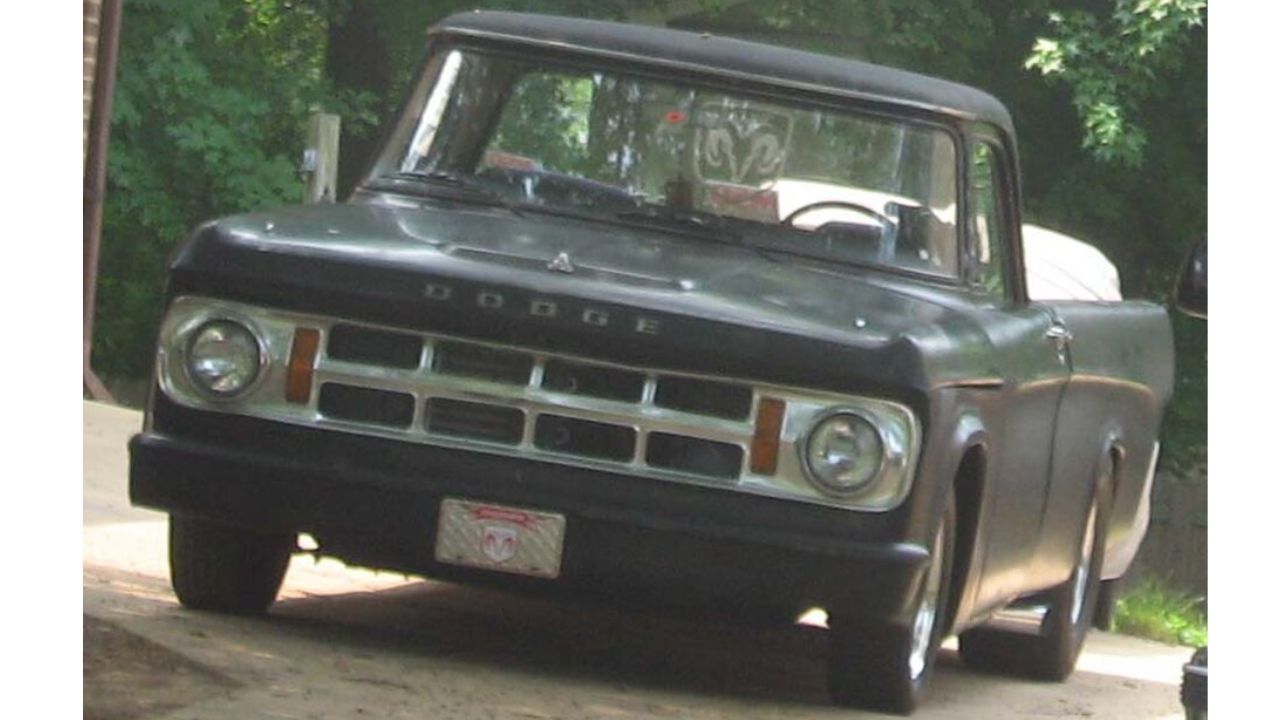
The Dodge D-Series never received quite the same attention as Ford and Chevrolet pickups, which makes surviving examples particularly interesting. Their chunky styling and tough mechanical character have aged surprisingly well. For owners who remember these trucks from childhood, a clean D-Series can carry far more sentimental value than its market price suggests.
Ford Bronco
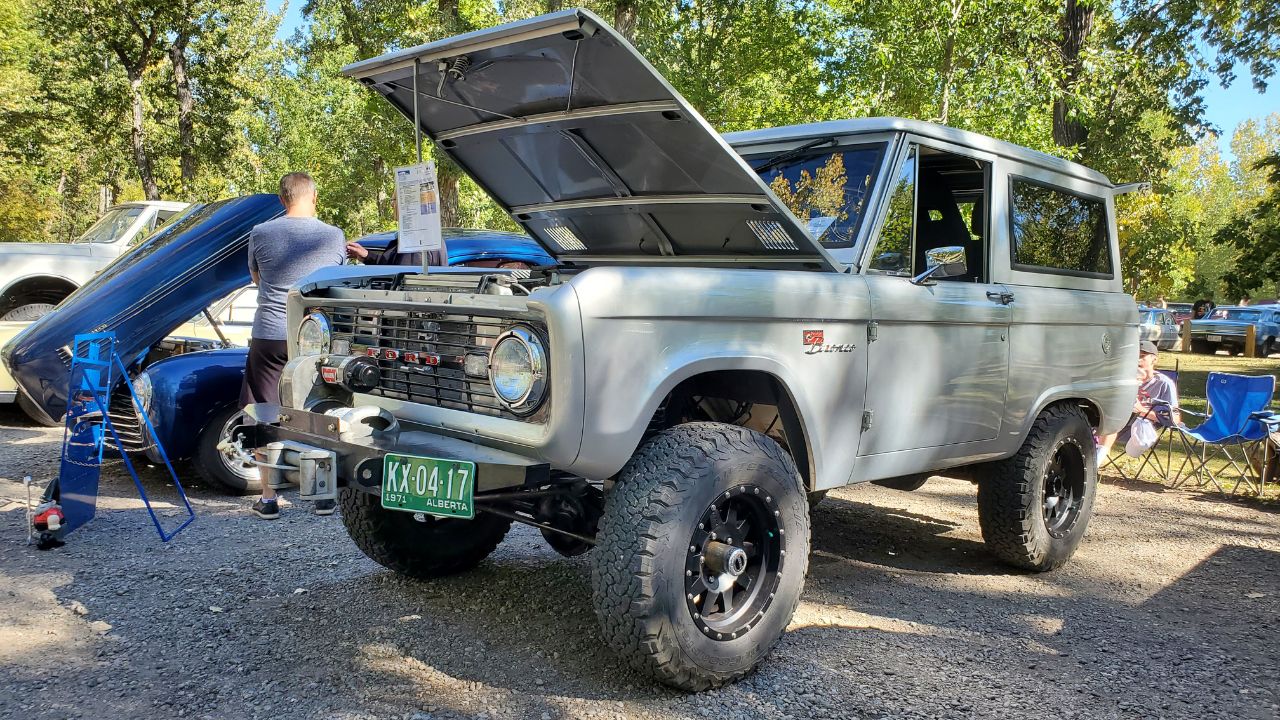
The original Ford Bronco wasn’t technically a conventional pickup, but its truck-based character and removable body made it an American classic. Early Broncos have become extremely desirable, yet many owners aren’t interested in selling regardless of price. Their compact dimensions, rugged appearance, and unmistakable connection to America’s off-road culture give them lasting appeal.
Chevrolet K5 Blazer

The K5 Blazer combined pickup-truck toughness with an enclosed passenger area, creating one of Chevrolet’s most memorable utility vehicles. Early examples have become highly sought after, especially when they retain their original character. Owners often love them for their versatility and nostalgic styling, making a good K5 Blazer one of those vehicles that tends to stay in the family.
Jeep Gladiator
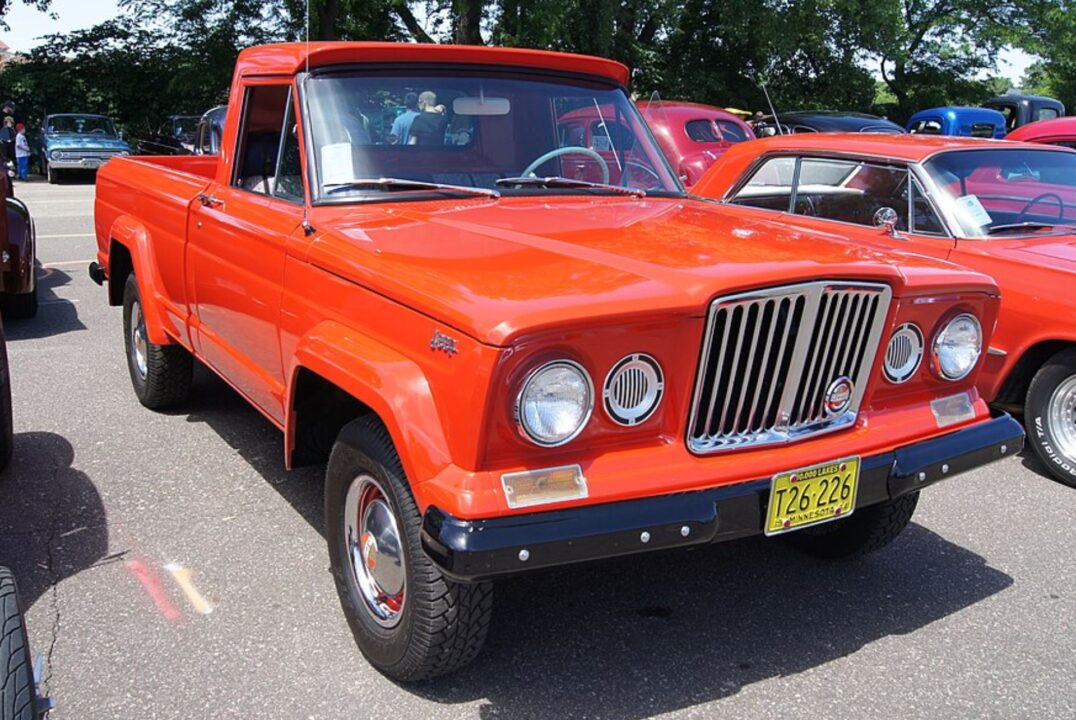
The original Jeep Gladiator brought Jeep’s rugged image into the pickup market. Its unusual styling and capable chassis made it different from conventional American pickups, while its rarity today gives surviving examples plenty of character. Owners who find a solid Gladiator often treat it as a piece of Jeep history rather than simply another old truck.
International Harvester Scout
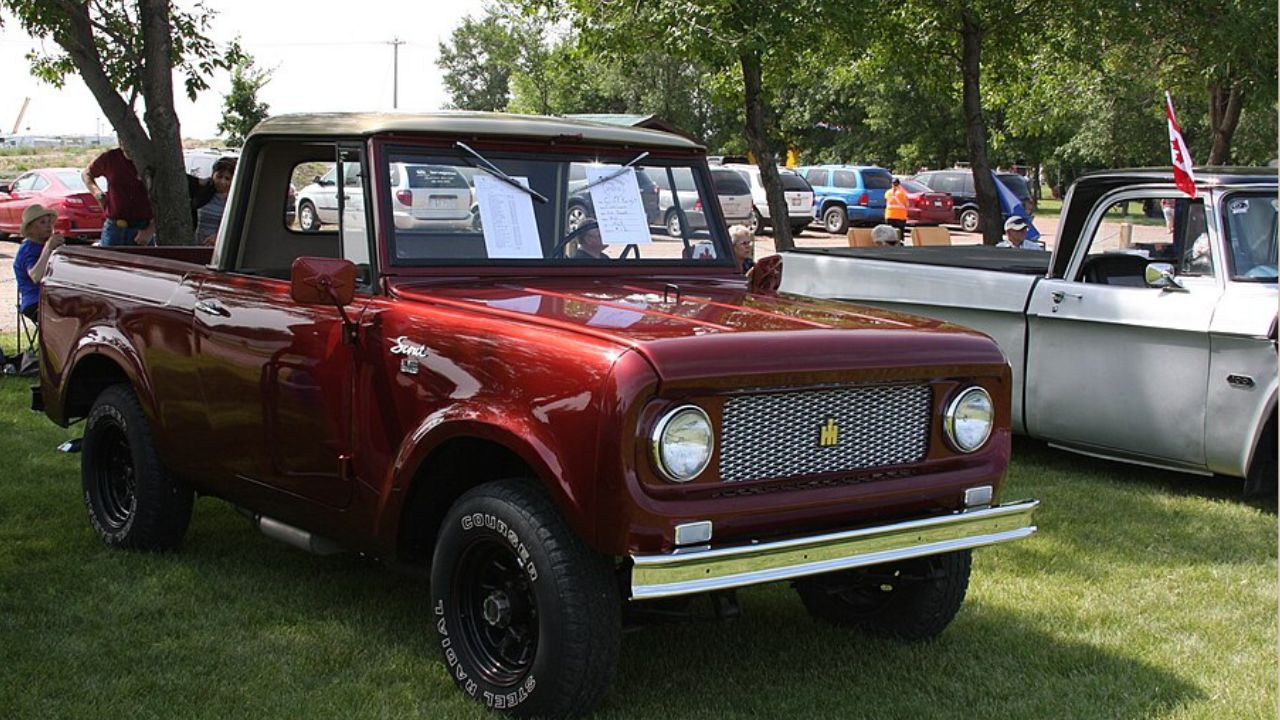
The International Harvester Scout became an icon of America’s early sport-utility market. Its simple construction and rugged appearance helped it develop a loyal following long after production ended. A well-preserved Scout can now be difficult to replace, especially for owners who grew up seeing them on trails, farms, and rural roads.
Toyota Hilux
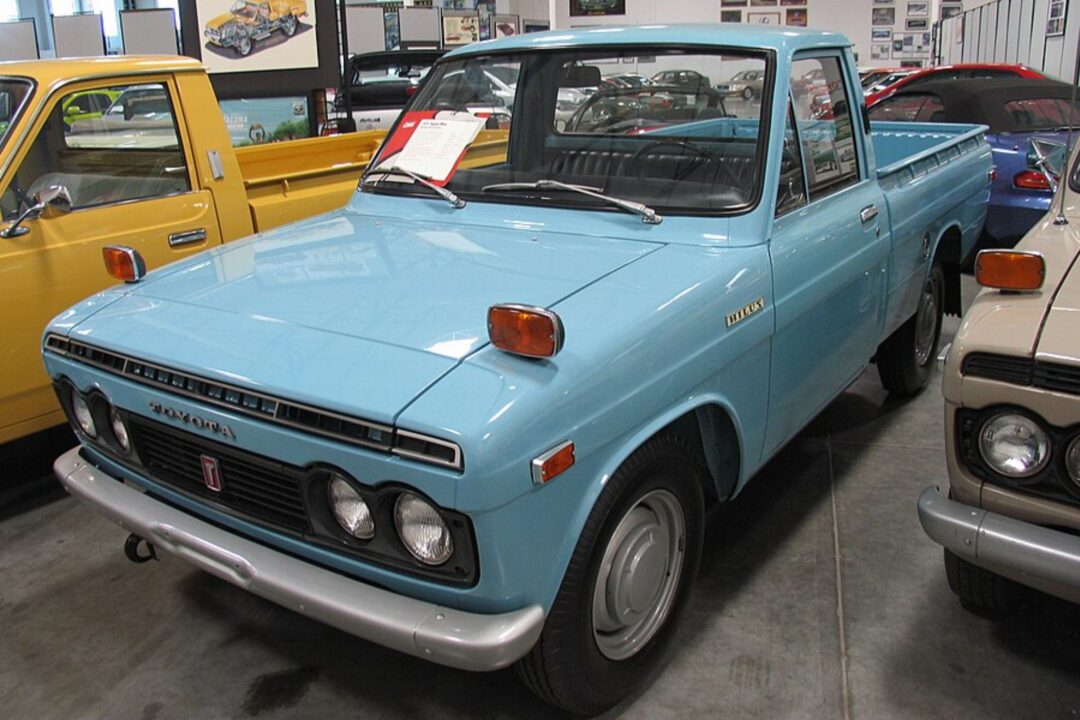
The Toyota Hilux isn’t American-built, but it became an important part of the classic pickup landscape in the United States. Its reputation for durability has made older examples particularly desirable. Owners who have spent years relying on one often know exactly what they have, and many would rather keep an old Hilux running than replace it with something newer.
Chevrolet El Camino
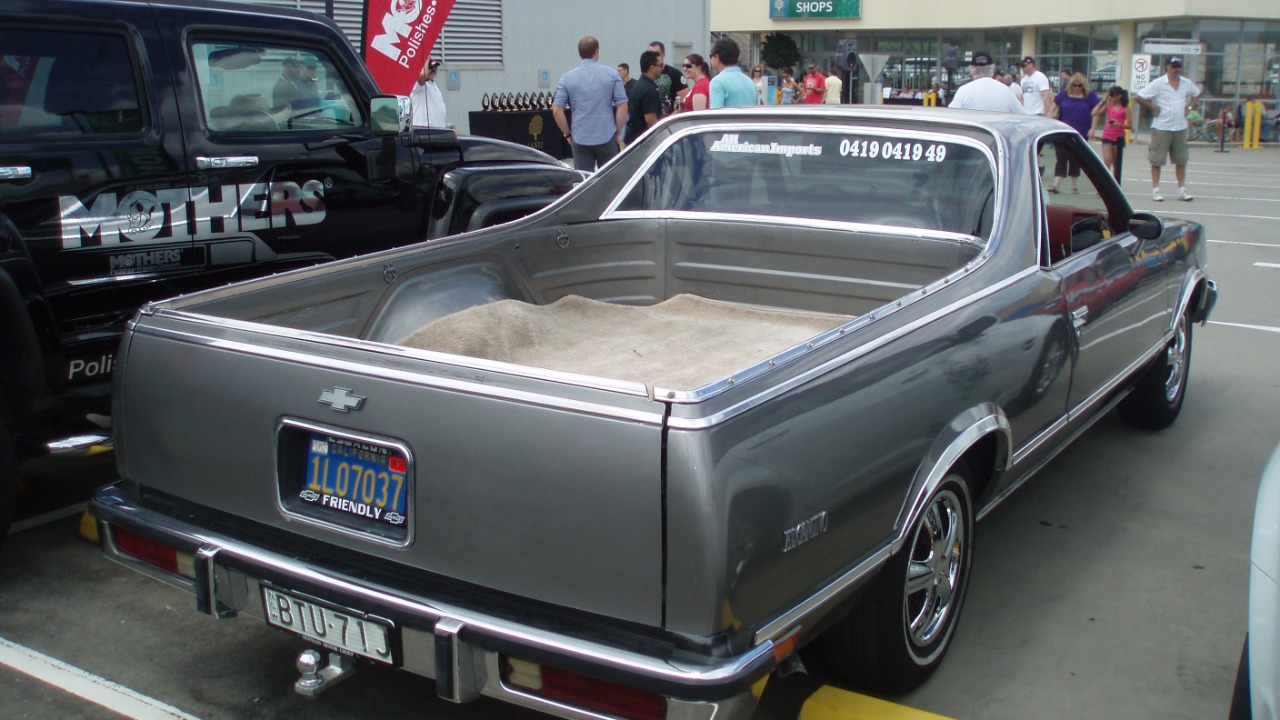
The Chevrolet El Camino blurred the line between passenger car and pickup, creating one of the most recognizable American vehicles ever made. Its combination of car-like driving manners and a useful bed gave it a personality that ordinary trucks couldn’t match. Clean examples have become increasingly desirable, and longtime owners often have little interest in parting with them.
Ford Ranchero
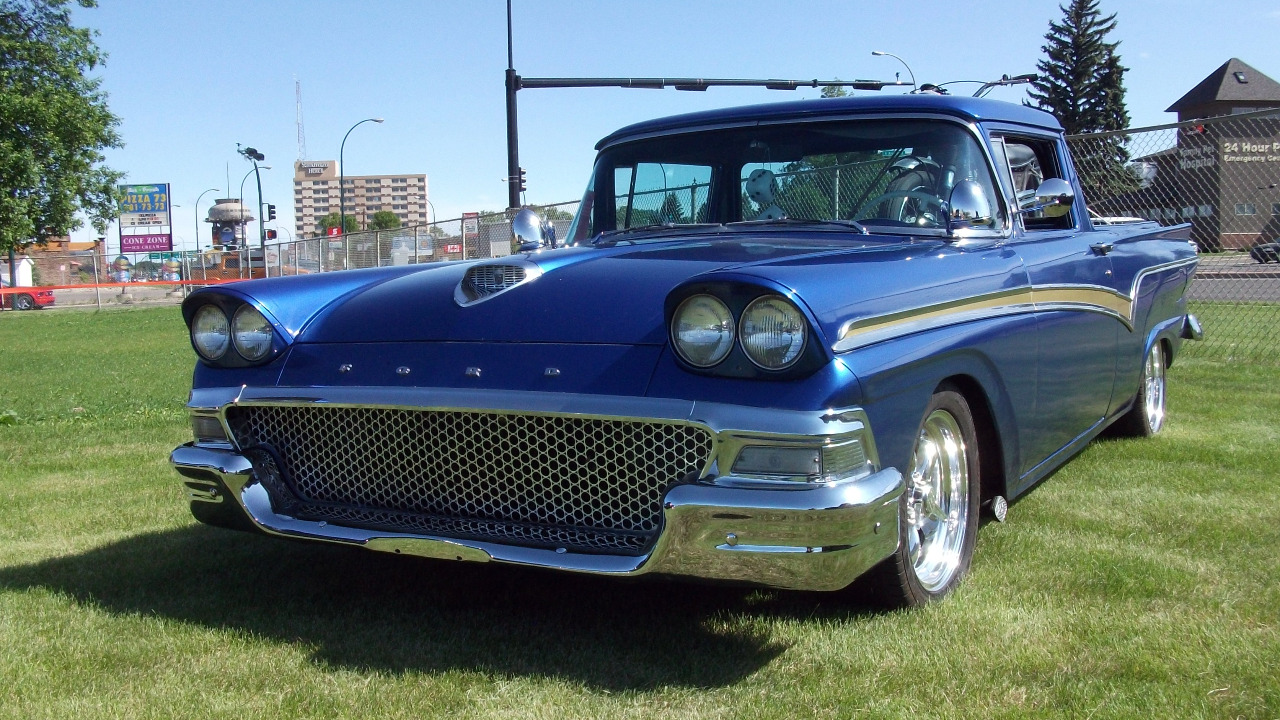
The Ford Ranchero was Ford’s answer to the unusual car-pickup formula, and it developed a loyal following of its own. Different generations offered very different personalities, from stylish cruisers to more muscular versions. Their distinctive shape makes them instantly recognizable, while their relative rarity ensures that owners with good examples have plenty of incentive to keep them.
GMC Sierra
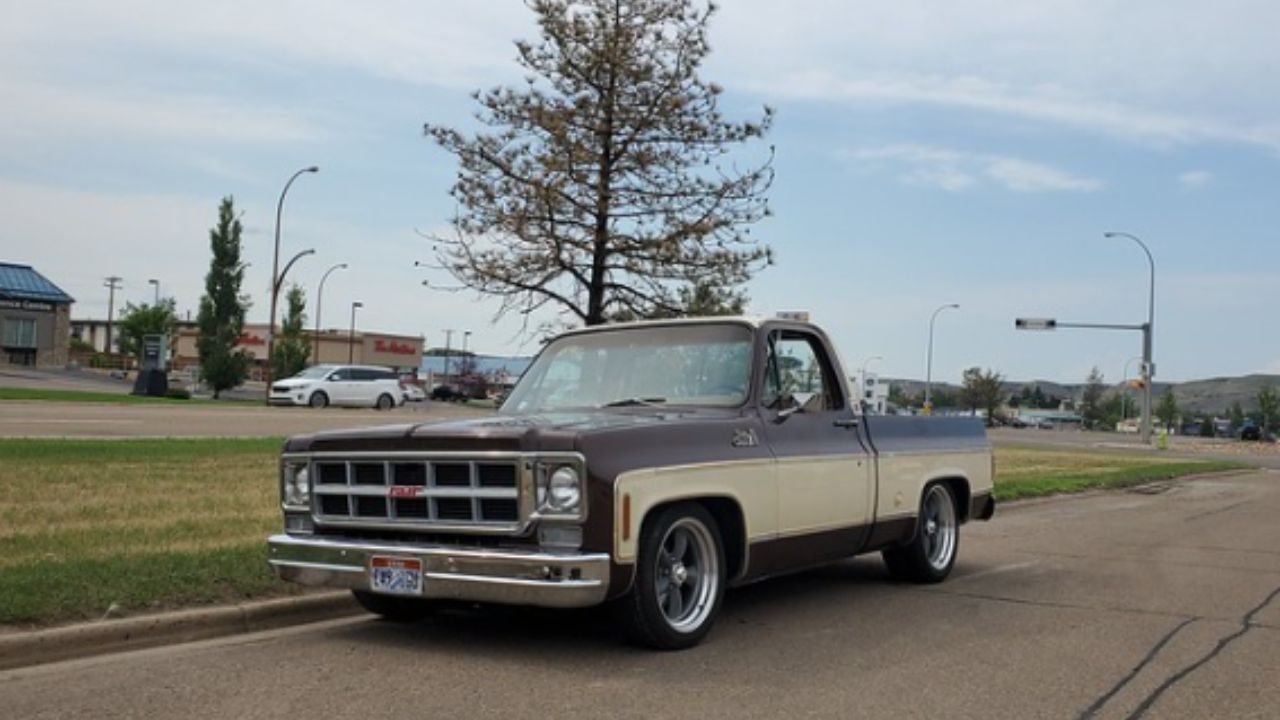
Older GMC Sierras share much of their mechanical heritage with Chevrolet trucks, but their distinct styling gives them their own following. Square-body examples in particular have become favorites among enthusiasts. Their simple construction and rugged appearance make them easy to appreciate, while a clean survivor can have enough personality to make selling feel like a mistake.
GMC Jimmy
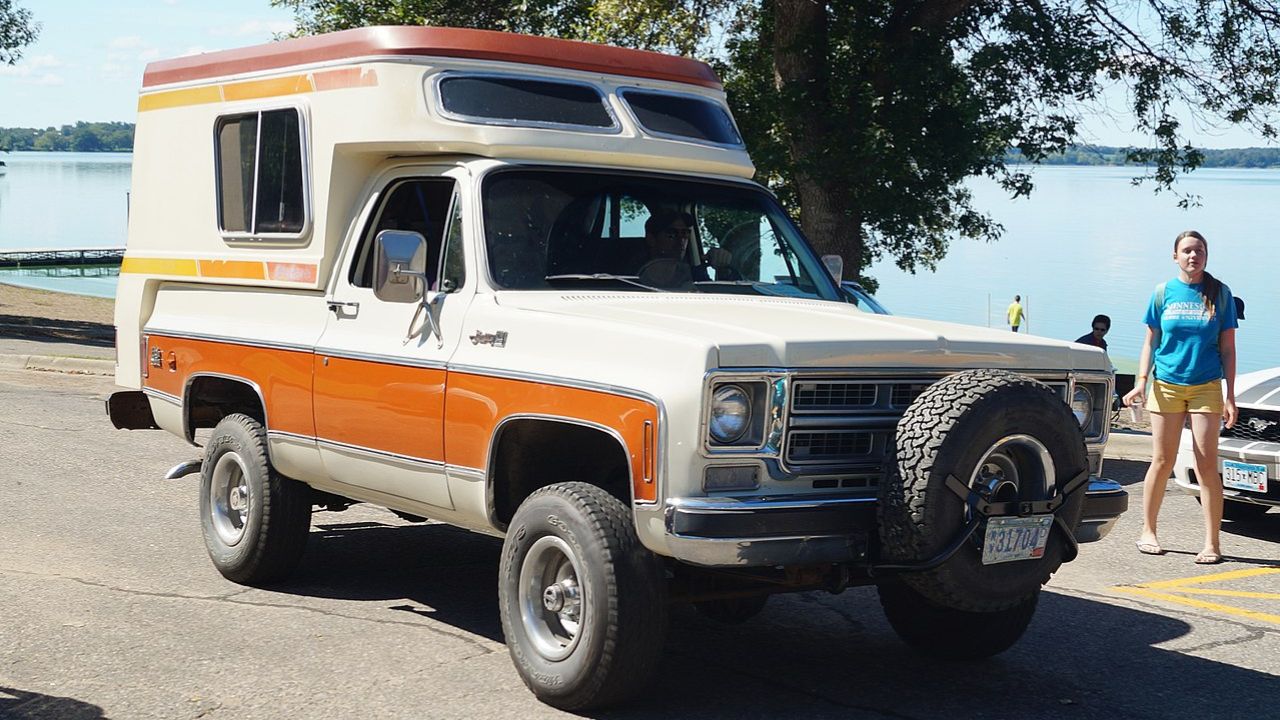
The GMC Jimmy gave buyers a truck-based SUV with plenty of rugged American character. Early examples have become increasingly collectible, especially when equipped with desirable four-wheel-drive hardware. Owners appreciate their combination of utility and old-school styling. Once someone has restored one, the amount of time and money invested can make the idea of selling particularly difficult.
Dodge Power Wagon
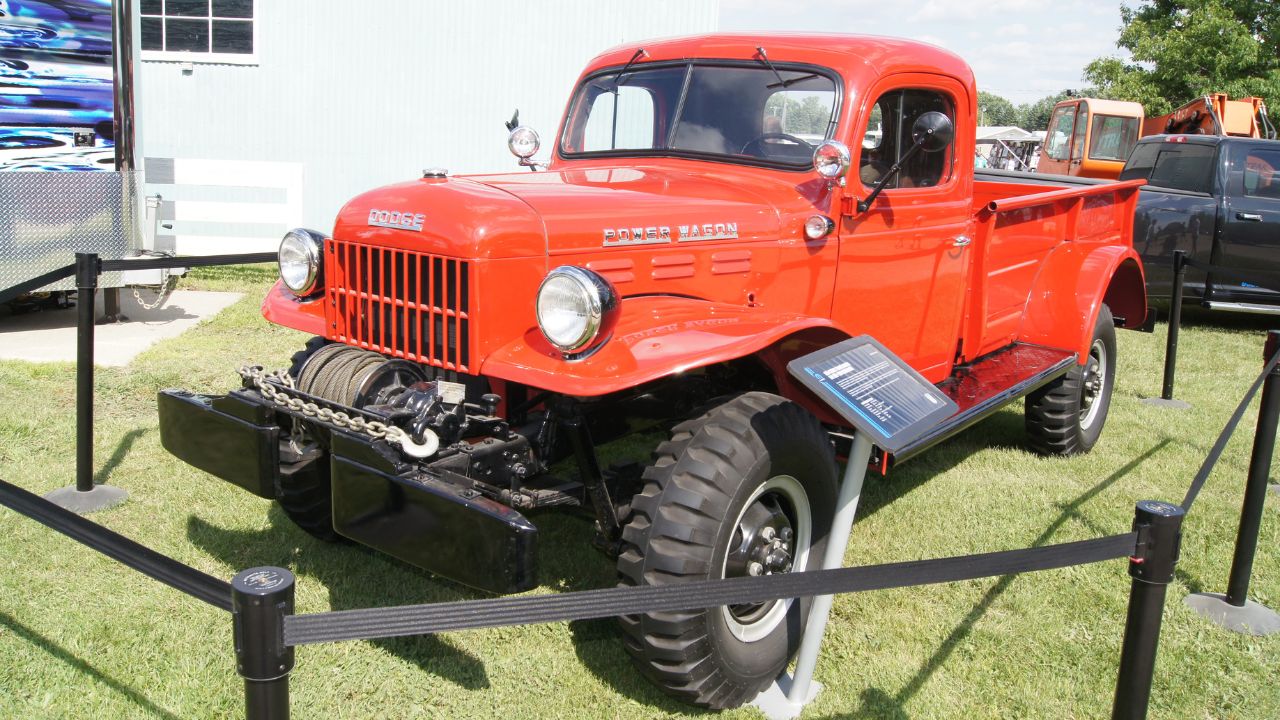
The Dodge Power Wagon earned its reputation through hard work rather than flashy styling. Its military-inspired roots and four-wheel-drive capability made it exceptionally useful in difficult conditions. Today, surviving examples attract collectors who appreciate their history as much as their mechanical toughness. A properly restored Power Wagon is the kind of truck many owners consider a keeper for life.
Chevrolet Apache
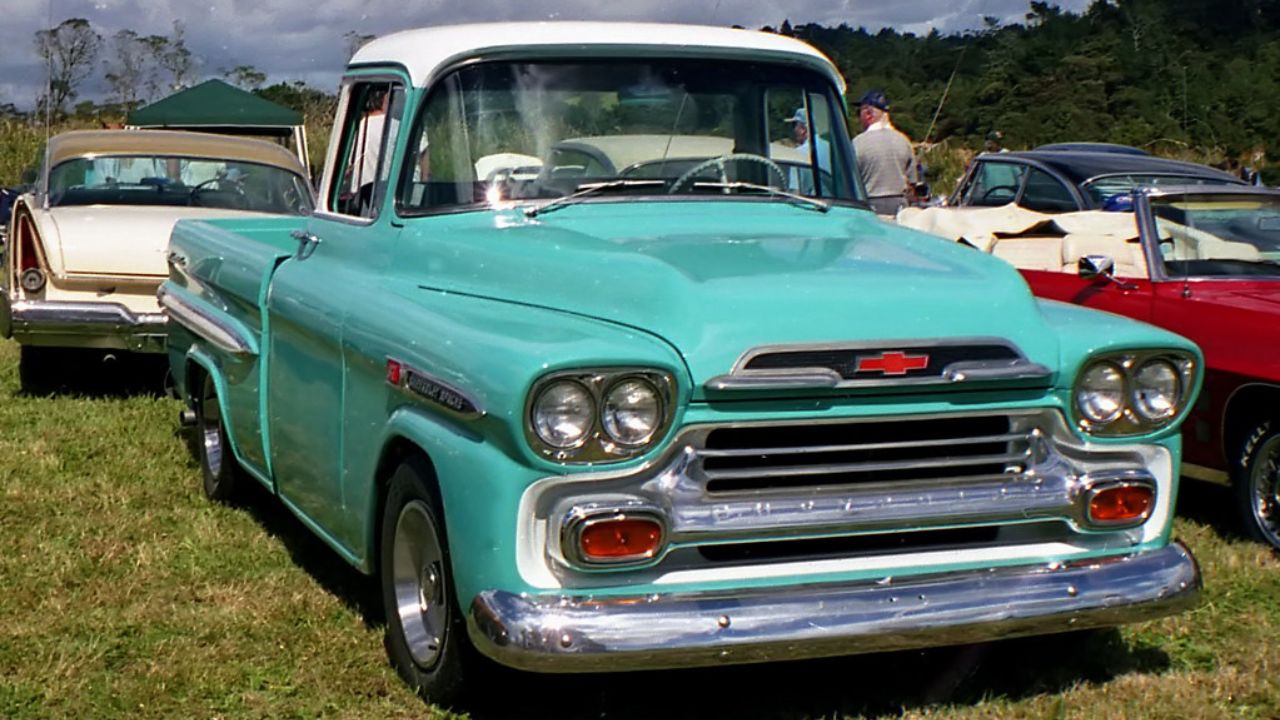
The Chevrolet Apache name is closely associated with the stylish pickups of the late 1950s and early 1960s. Their rounded bodywork and distinctive grilles give them enormous visual appeal today. Many examples have been restored into show trucks, but even rougher survivors can inspire strong loyalty because they capture a particularly memorable period in American pickup design.
Ford F-250
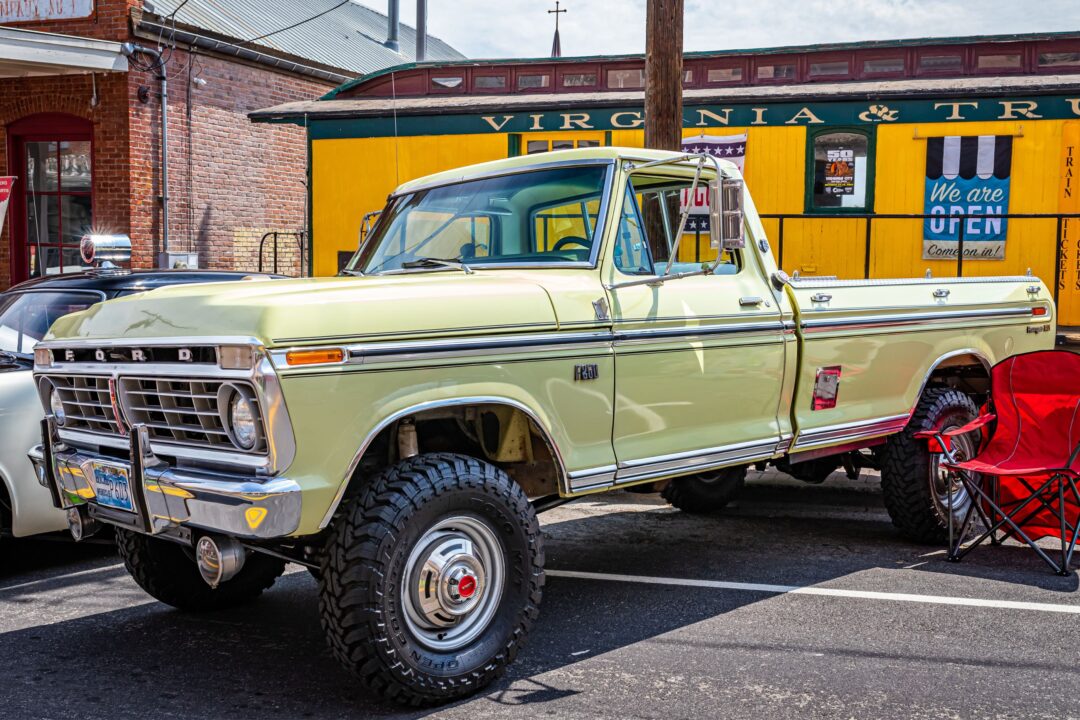
The F-250 brought heavier-duty capability without losing the basic character that made Ford pickups popular. Older examples were built around straightforward mechanical components and sturdy construction. That simplicity is especially attractive today, when modern trucks have become increasingly complicated. Owners who have a clean vintage F-250 often see little reason to trade it for something newer.
Chevrolet Suburban
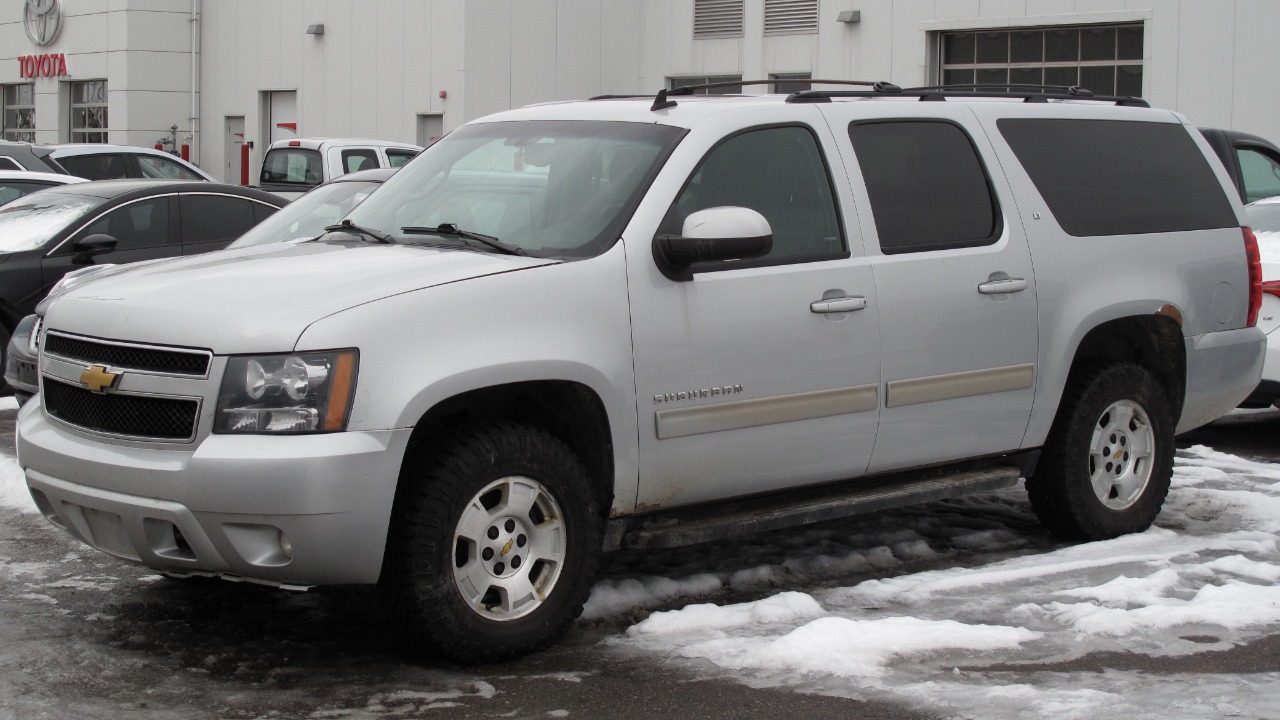
The Chevrolet Suburban isn’t a pickup, but it belongs in any conversation about classic American truck-based vehicles. Its body-on-frame construction and enormous cargo capacity made it incredibly useful for families and businesses. Older Suburbans have also become nostalgia machines, reminding owners of road trips, camping adventures, and family vacations. That emotional connection can be hard to put a price on.
Jeep CJ-5
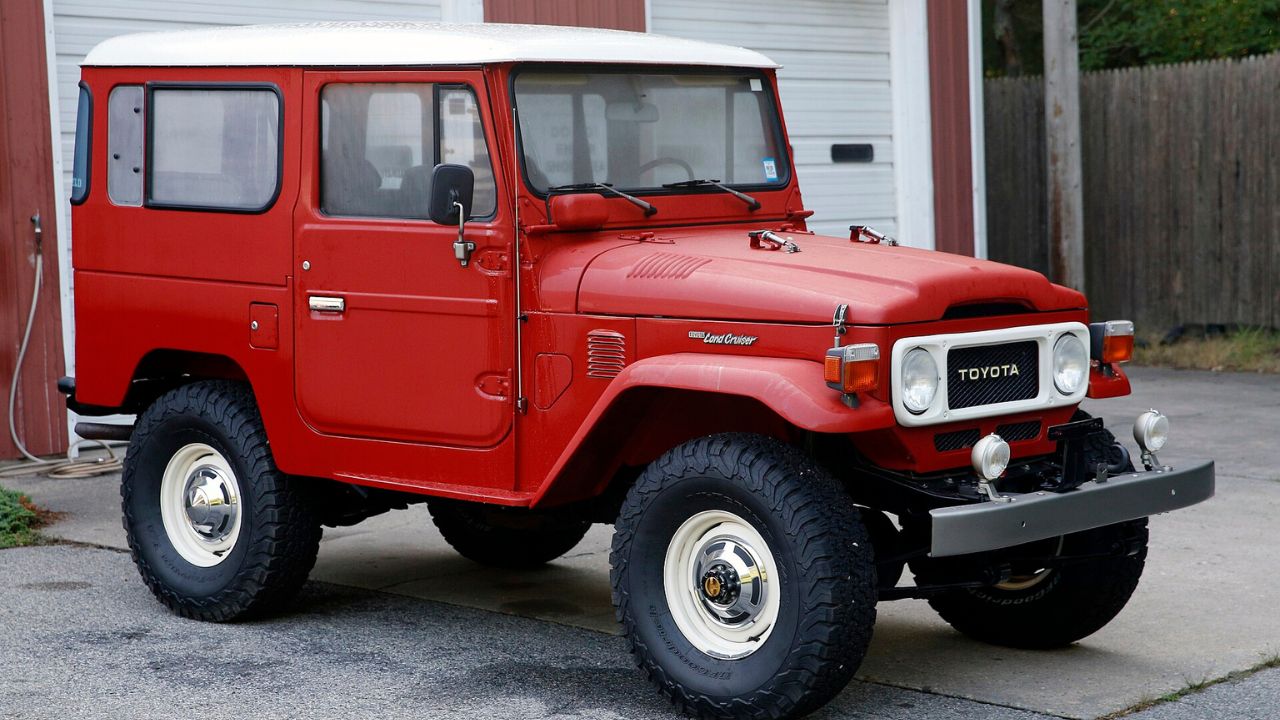
The CJ-5 may be small compared with full-size American pickups, but its influence is enormous. Its compact size, open-air design, and simple mechanical layout made it one of America’s most recognizable off-road vehicles. Owners often develop a particularly strong attachment because these Jeeps are fun to drive, easy to personalize, and closely tied to memories of outdoor adventures.
Ford Bronco II
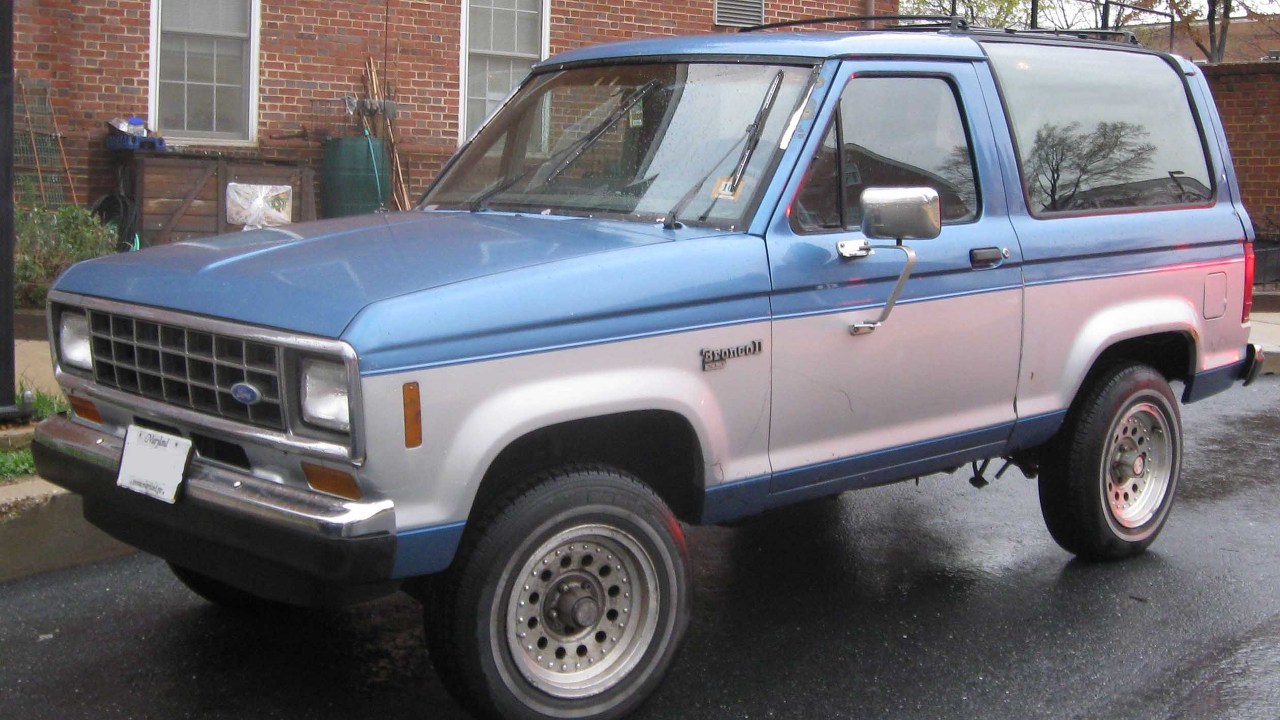
The Bronco II brought the Bronco name to a smaller, more practical package. Today, surviving examples attract enthusiasts who appreciate its boxy styling and distinctly 1980s character. It was never as celebrated as the original Bronco, which has helped make clean examples feel special. For owners who grew up around one, selling can be surprisingly difficult.
More from Fast Lane Only
- Unboxing the WWII Jeep in a Crate
- 15 rare Chevys collectors are quietly buying
- 10 underrated V8s still worth hunting down
- Police notice this before you even roll window down
*Research for this article included AI assistance, with all final content reviewed by human editors.