There was a period when American automakers discovered that you didn’t necessarily need a six-figure sports car to get genuinely intimidating acceleration. A relatively ordinary-looking coupe, a family sedan, or even a full-size cruiser could be ordered with an enormous V8 and enough torque to make much more expensive machinery look surprisingly ordinary when the road straightened out.
That was the magic of the big-block era. Chevrolet, Ford, Chrysler, Pontiac, Buick, Oldsmobile, Mercury, and AMC were willing to put huge engines into cars that cost a fraction of what European performance machines demanded. Some of these cars were obvious muscle cars, while others were sleepers that could leave unsuspecting owners of expensive sports cars wondering what just happened.
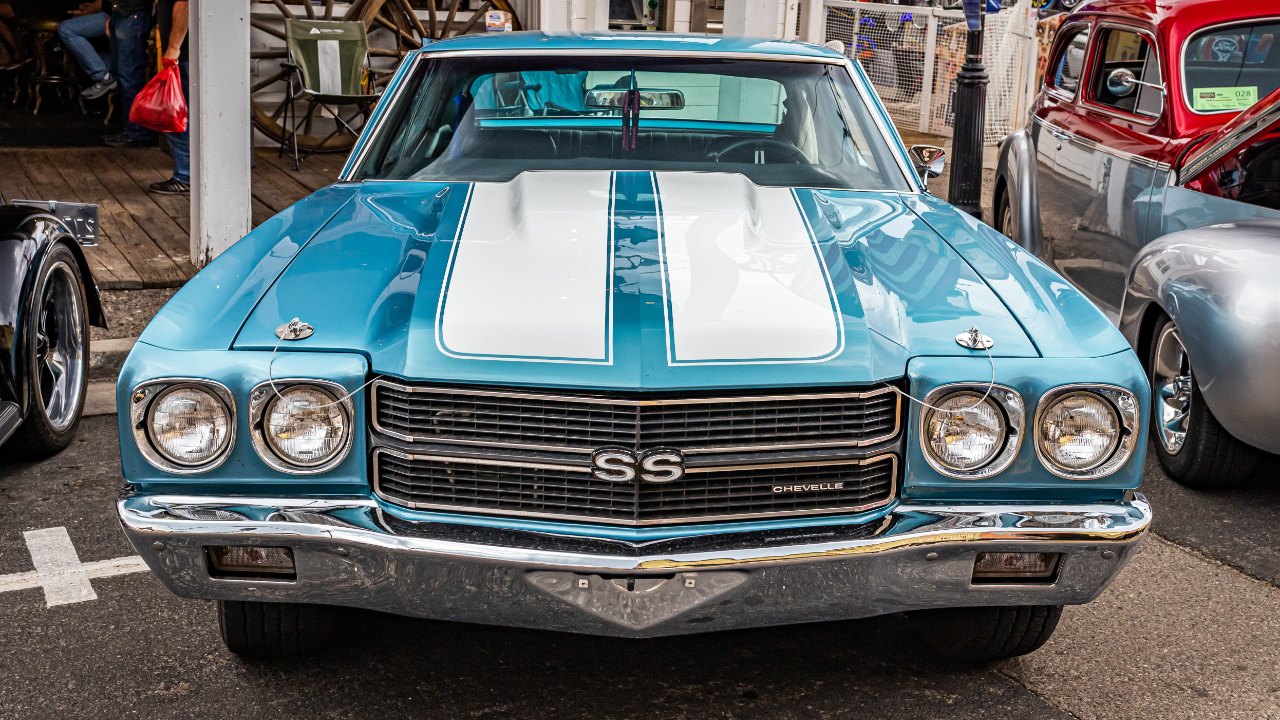
1970 Chevrolet Chevelle SS 454 LS6
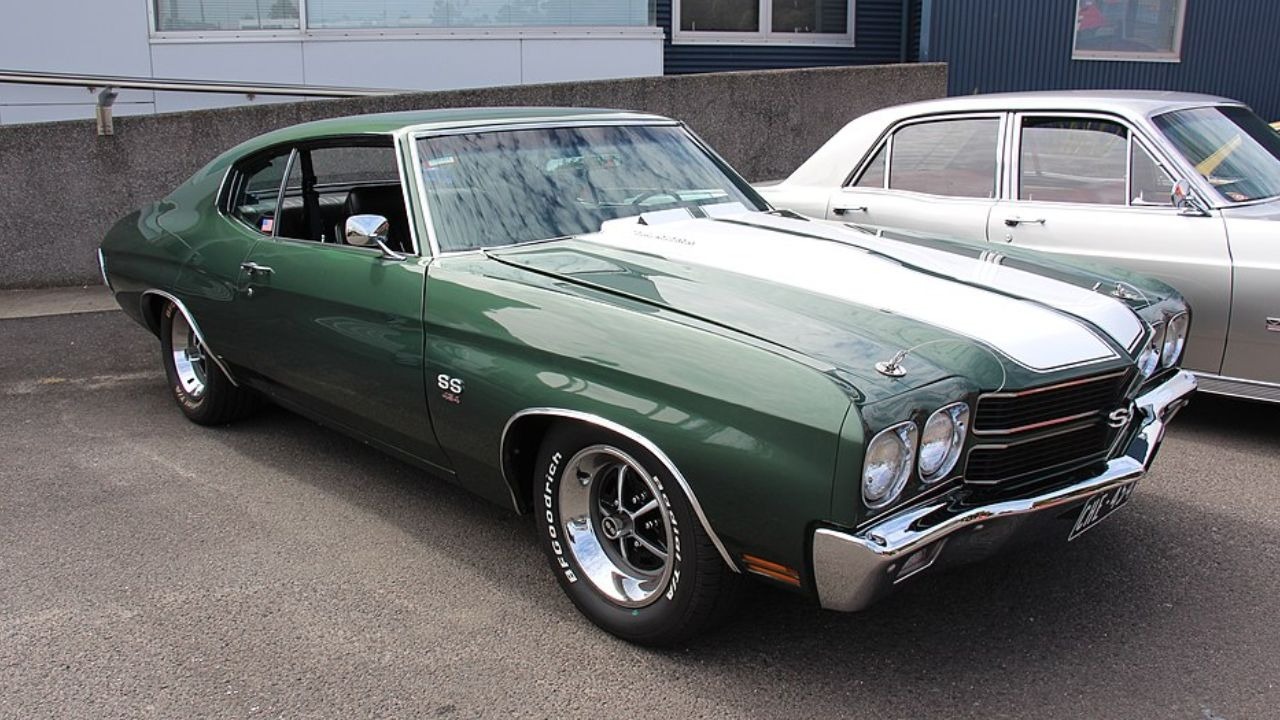
The 1970 Chevrolet Chevelle SS 454 LS6 is one of the clearest examples of a relatively affordable American car delivering performance that belonged in a much more expensive category. Chevrolet gave the LS6 a 454-cubic-inch V8 rated at 450 horsepower and 500 lb-ft of torque, and period testing showed just how serious the combination was. MotorTrend’s archived test data records a best quarter-mile time of 13.44 seconds at 108.17 mph, an astonishing figure for a heavy production coupe riding on the technology of the period. The Chevelle wasn’t pretending to be an exotic European sports car, either. It was a practical American intermediate with room for passengers, a conventional interior, and plenty of street manners. Yet when the throttle went down, its huge torque delivery could make considerably more expensive cars look very ordinary.
1970 Buick GSX Stage 1
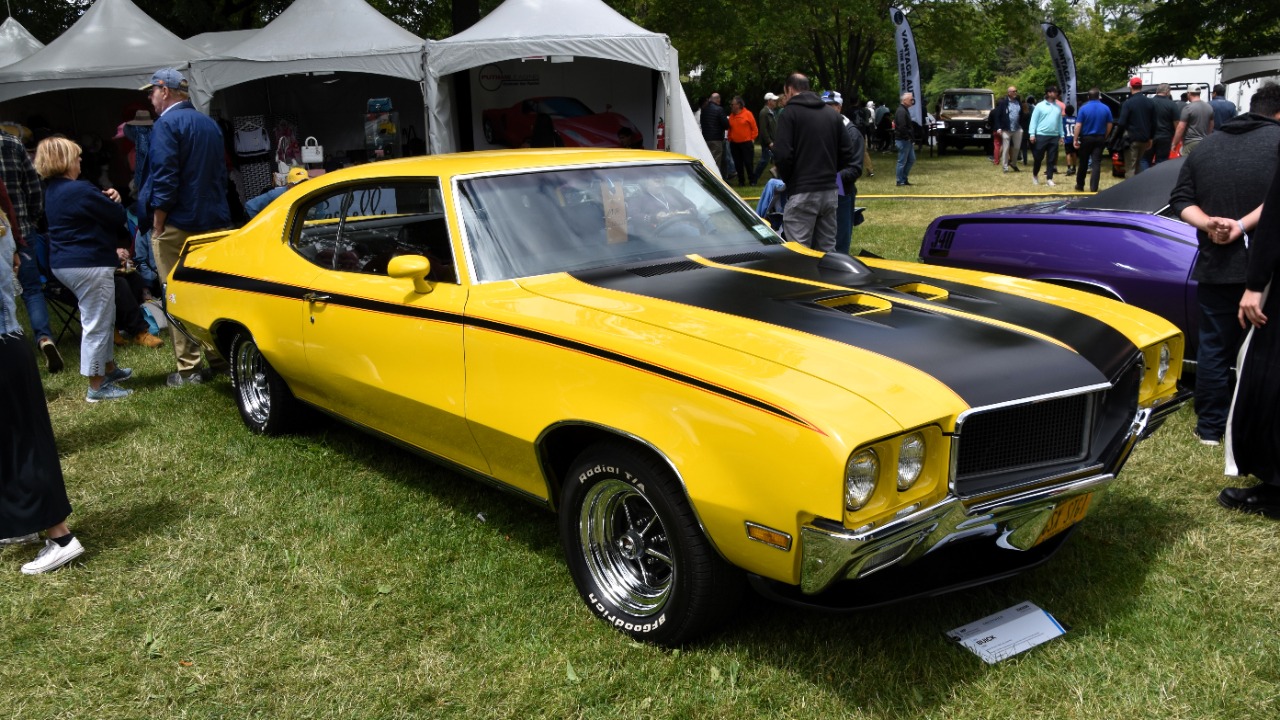
The Buick GSX Stage 1 had an unusual advantage over many performance cars of its time: people could easily underestimate it. Buick’s image leaned toward comfort and refinement, but the GSX packed a 455-cubic-inch V8 with enormous torque and enough performance to make its luxury-oriented personality seem almost misleading. Motor Trend testing in 1970 reportedly recorded 0-60 mph in 5.8 seconds and a quarter-mile pass of 13.38 seconds at 105.5 mph. That was serious territory even among the best American muscle cars of the day. The Stage 1 package added a higher-lift camshaft and tuning changes to the already potent 455, turning the GSX into something far more aggressive than its Buick badge suggested. A driver arriving in a more prestigious European coupe could easily assume the Buick was just another comfortable American cruiser. That assumption could become expensive at the next stoplight.
1965 Pontiac GTO Tri-Power
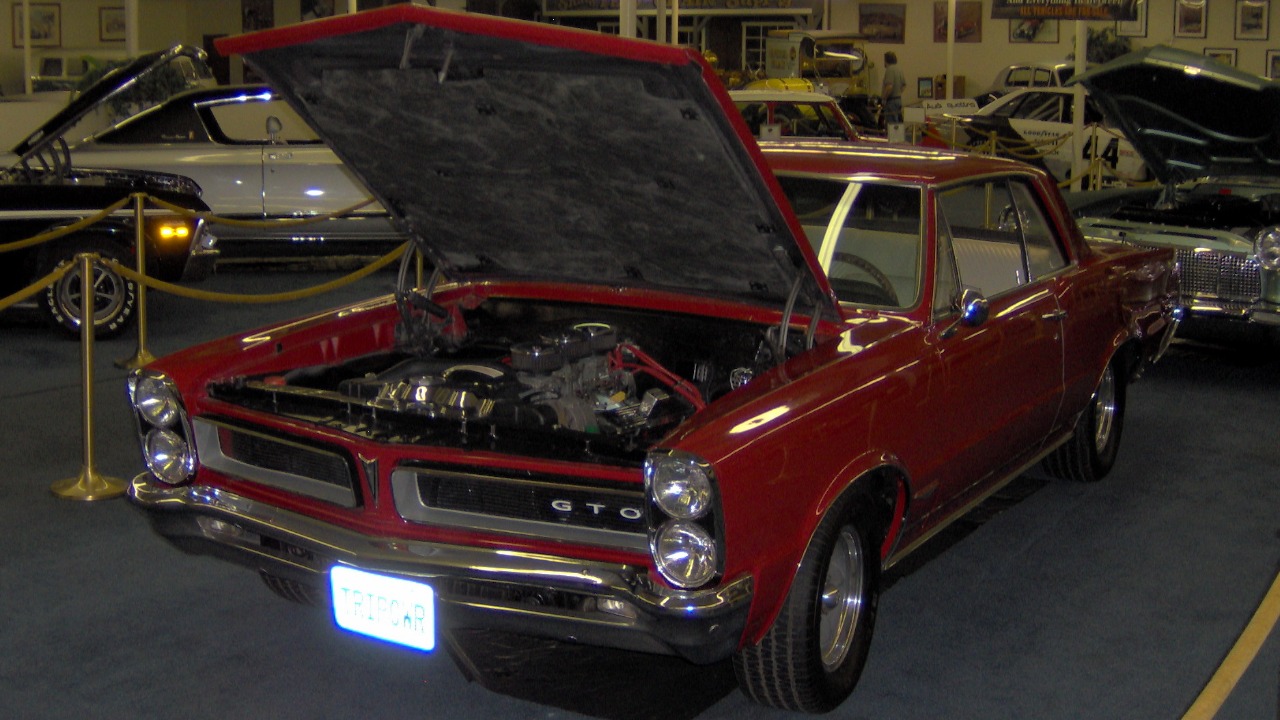
The Pontiac GTO helped create the muscle-car formula in the first place, and the 1965 Tri-Power version showed just how far that formula could go. Pontiac put three two-barrel carburetors on the 389-cubic-inch V8, producing a factory-rated 360 horsepower, then installed the engine in a relatively straightforward midsize car. Car and Driver’s period testing recorded a 5.8-second 0-60 mph run and a 14.5-second quarter-mile at 100 mph. That was enough to make the GTO a genuine threat to machinery costing dramatically more. The comparison became particularly entertaining because the Pontiac carried the same three-letter name as Ferrari’s legendary 250 GTO. Car and Driver famously noted that the Pontiac would beat the Ferrari in a drag race, while the Ferrari was the superior road-course machine. That distinction says everything about the GTO’s straight-line character.
1963 Ford Galaxie 500 R-Code
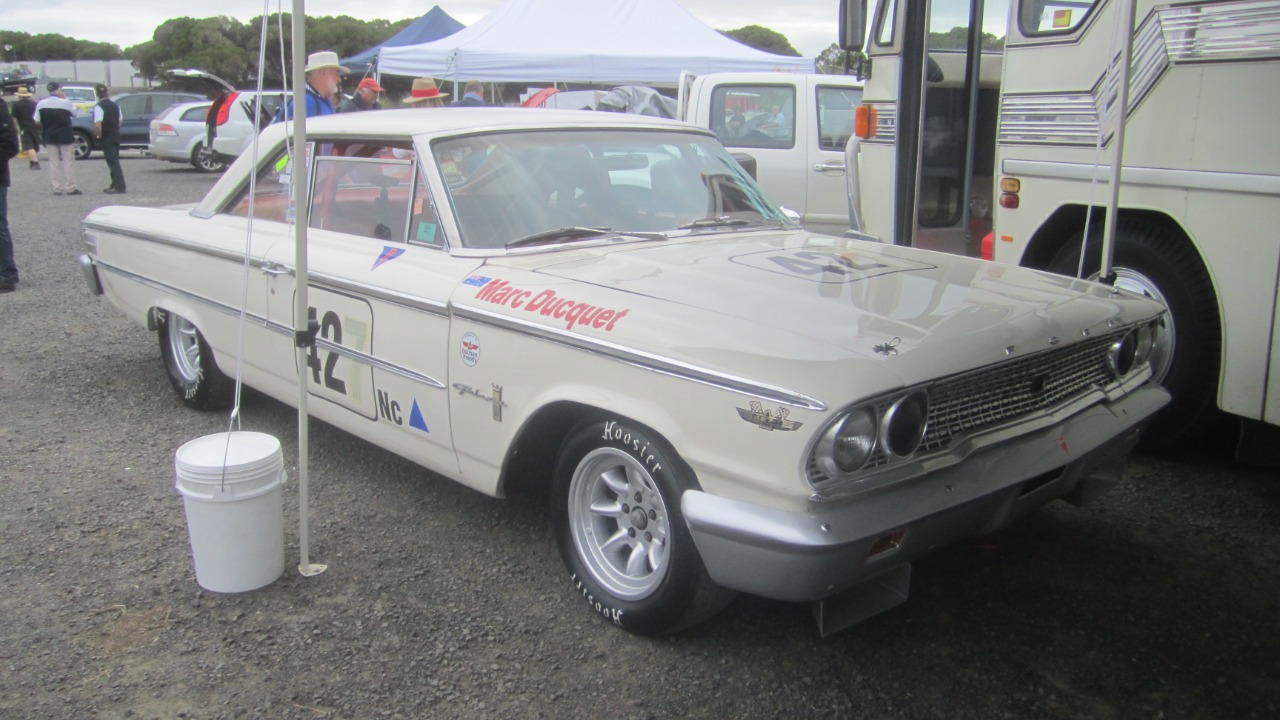
A full-size Ford Galaxie was not the sort of car most people expected to see hunting expensive sports cars, but the R-Code version changed that equation. Ford installed a 427 FE V8 with dual four-barrel carburetors, producing a factory-rated 425 horsepower and 480 lb-ft of torque. The really interesting cars were the factory lightweights built for NHRA competition. Ford stripped weight wherever possible, using fiberglass body panels, aluminum bumpers, simplified interiors, and other weight-saving measures. Roughly 212 were produced, and period performance figures put these cars into the low 12-second quarter-mile range at around 117 mph. Suddenly, a huge Ford that looked more like a family car had the straight-line ability of purpose-built performance machinery. The Galaxie didn’t need exotic bodywork or European engineering to create a scene. It simply needed a big FE, a lightened body, and enough road ahead.
1966 Ford Fairlane 427
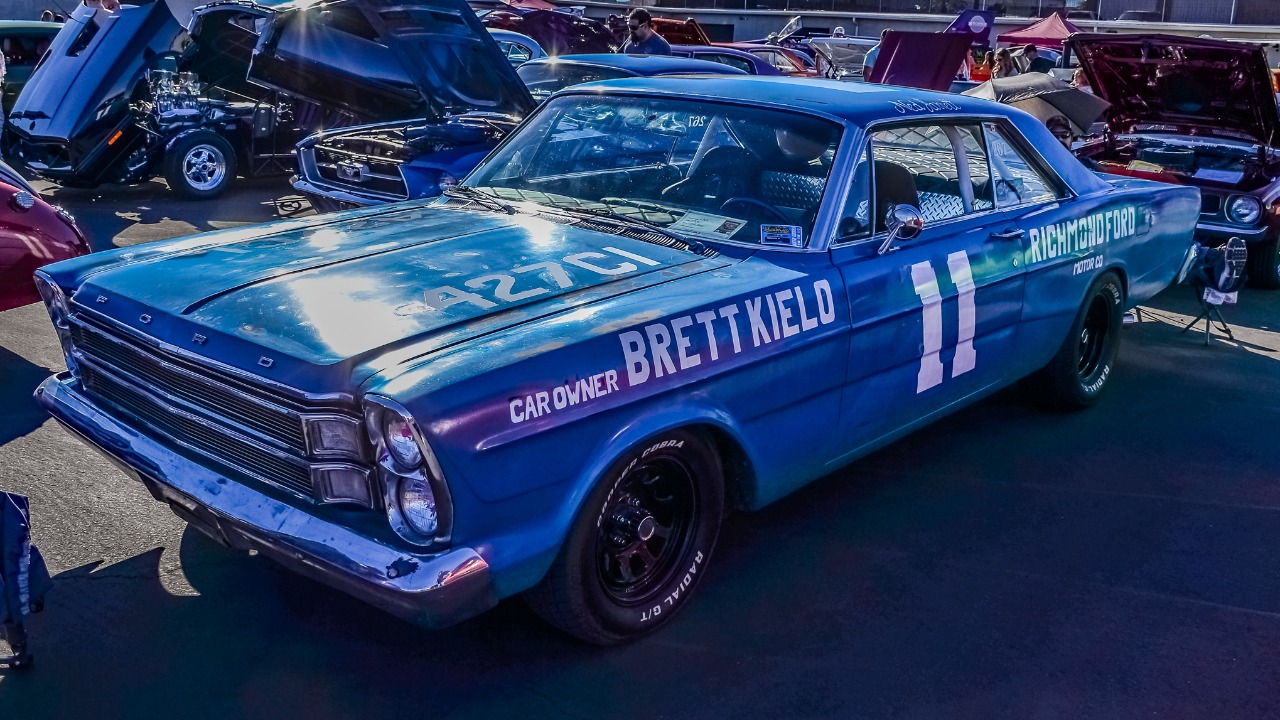
The Ford Fairlane was smaller and lighter than the Galaxie, which made the 427 combination particularly interesting. Ford’s FE big-block already had an intimidating reputation from NASCAR and drag racing, but putting it into the Fairlane created a machine with an unusually strong power-to-weight ratio. The Fairlane could be ordered in serious performance configurations, and the 427 cars were among the most extreme examples of Ford’s willingness to put racing hardware into a street machine. Compared with an expensive European grand tourer, the Fairlane looked almost crude, but that was precisely the point. There was no need for delicate styling or exotic materials when Ford could drop a giant V8 into a relatively compact American chassis. On a straight road, the Fairlane’s combination of displacement, gearing, and relatively modest weight could produce the kind of acceleration that made much more expensive cars feel like they had brought the wrong engine to the fight.
1969 Chevrolet Nova SS 396
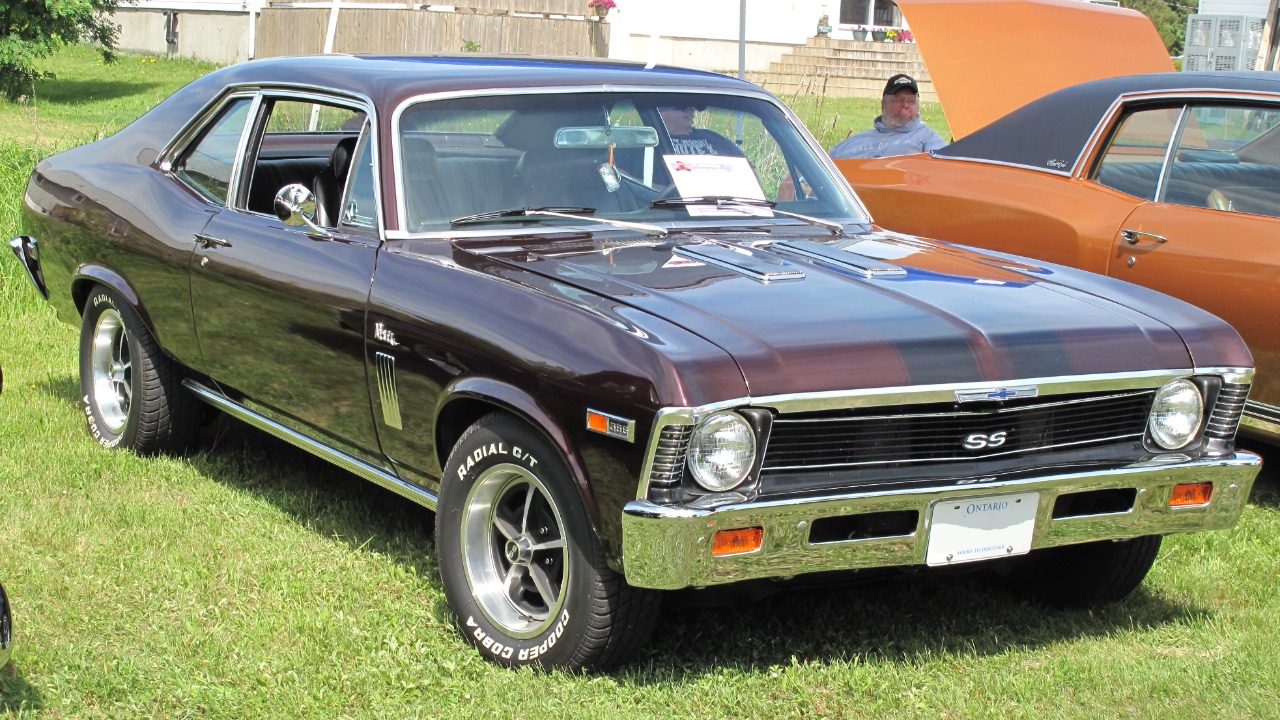
The Chevrolet Nova SS 396 was one of the ultimate sleeper combinations of the classic muscle era. The Nova itself was much smaller and less glamorous than the Chevelle, yet Chevrolet managed to put its 396-cubic-inch big-block into the compact platform. With versions producing up to 375 horsepower, the little Chevy had a serious advantage in weight. Contemporary testing highlighted the Nova’s roughly 500-pound weight advantage over a comparable Chevelle, and Hot Rod magazine famously produced a 13.87-second quarter-mile run with a 396 Nova after applying its more aggressive test preparation. That meant a car that could look almost ordinary in traffic was capable of extremely serious acceleration. Compared with a costly sports coupe, the Nova didn’t need exotic suspension geometry or a sophisticated engine. It simply had less weight and a lot of cubic inches.
1969 Chevrolet Camaro SS 396
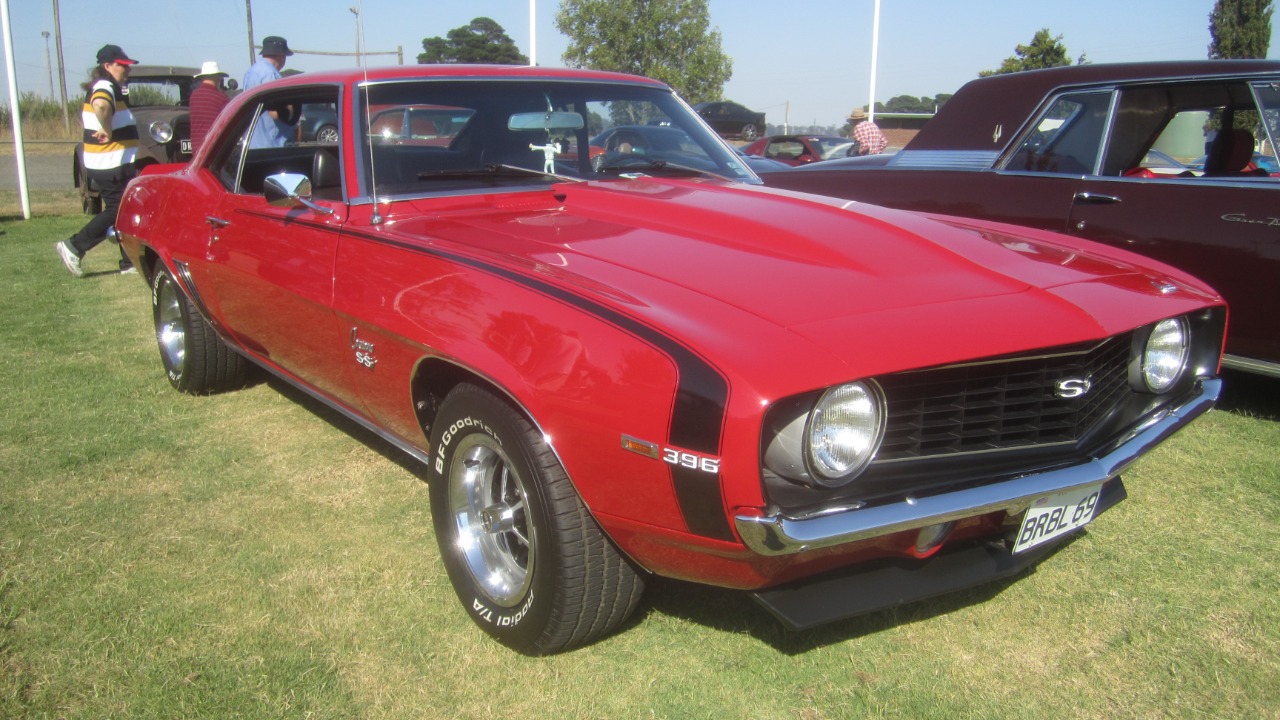
The Camaro SS 396 was Chevrolet’s answer for buyers who wanted big-block power in a smaller and sportier package. The combination was simple but effective: compact rear-wheel-drive body, large-displacement V8, manual transmission, and enough traction to turn torque into acceleration. The Camaro also had an important advantage over many larger muscle cars because its dimensions and weight allowed the 396 to feel especially forceful. Expensive European coupes could offer better handling, more sophisticated interiors, and higher levels of craftsmanship, but the Camaro wasn’t trying to win that contest. Its battlefield was acceleration, and the big-block gave it exactly what it needed. The SS 396 also had the visual advantage of looking like a genuine performance car without necessarily revealing how much engine was sitting behind the front axle. A well-optioned example could turn a routine stoplight encounter into a very short lesson in displacement.
1969 Plymouth Road Runner 440 Six Pack
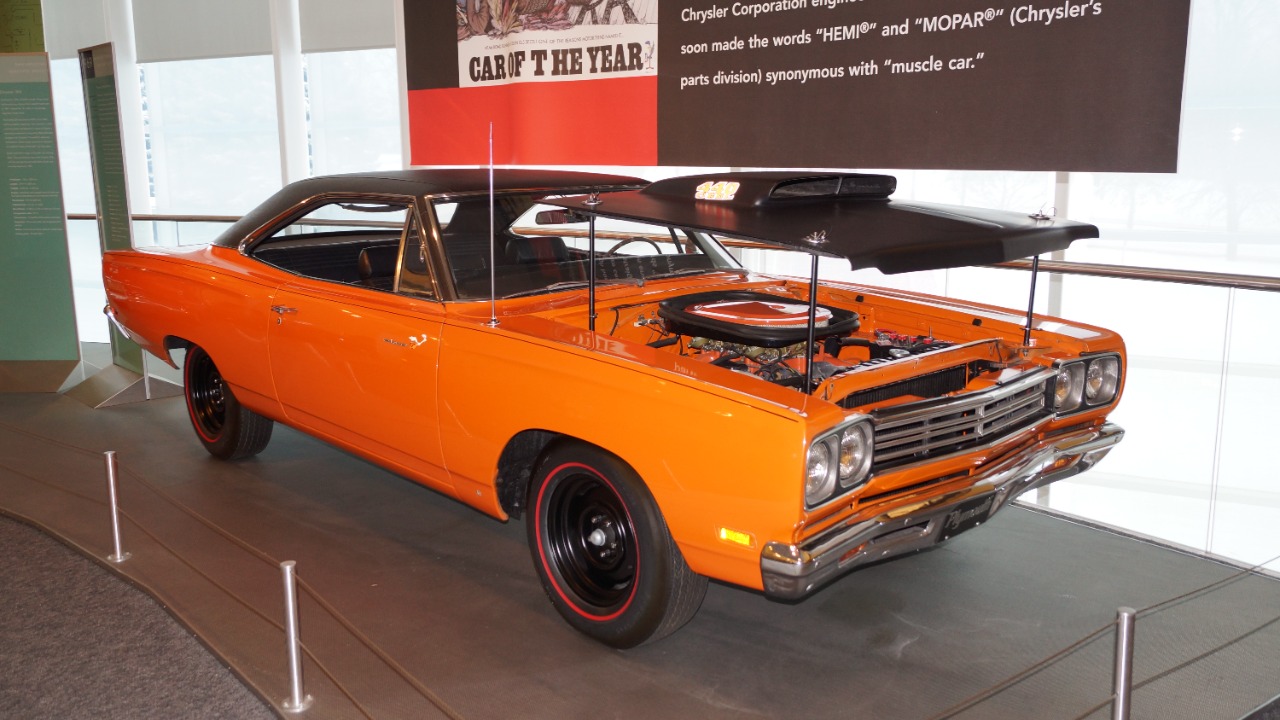
The 1969 Plymouth Road Runner 440 Six Pack was almost comically direct about what it wanted to accomplish. Plymouth took an inexpensive, stripped-down muscle car and installed a 440-cubic-inch big-block topped by three two-barrel carburetors. The result was a combination with enormous torque and enough straight-line performance to make considerably more expensive cars uncomfortable. Period testing recorded a 12.91-second quarter-mile at 111.8 mph for a 440 Six Pack Road Runner, which is remarkable even by the standards of the muscle-car era. The Road Runner also avoided unnecessary luxury equipment, keeping the car relatively focused on performance. That meant buyers weren’t paying for a prestigious badge or a lavish cabin. They were paying for a big engine, a simple chassis, and the ability to turn gasoline into forward motion at an alarming rate. Against an expensive sports car, that simplicity could be exactly what made the Road Runner so effective.
1970 Ford Torino Cobra 429 Super Cobra Jet
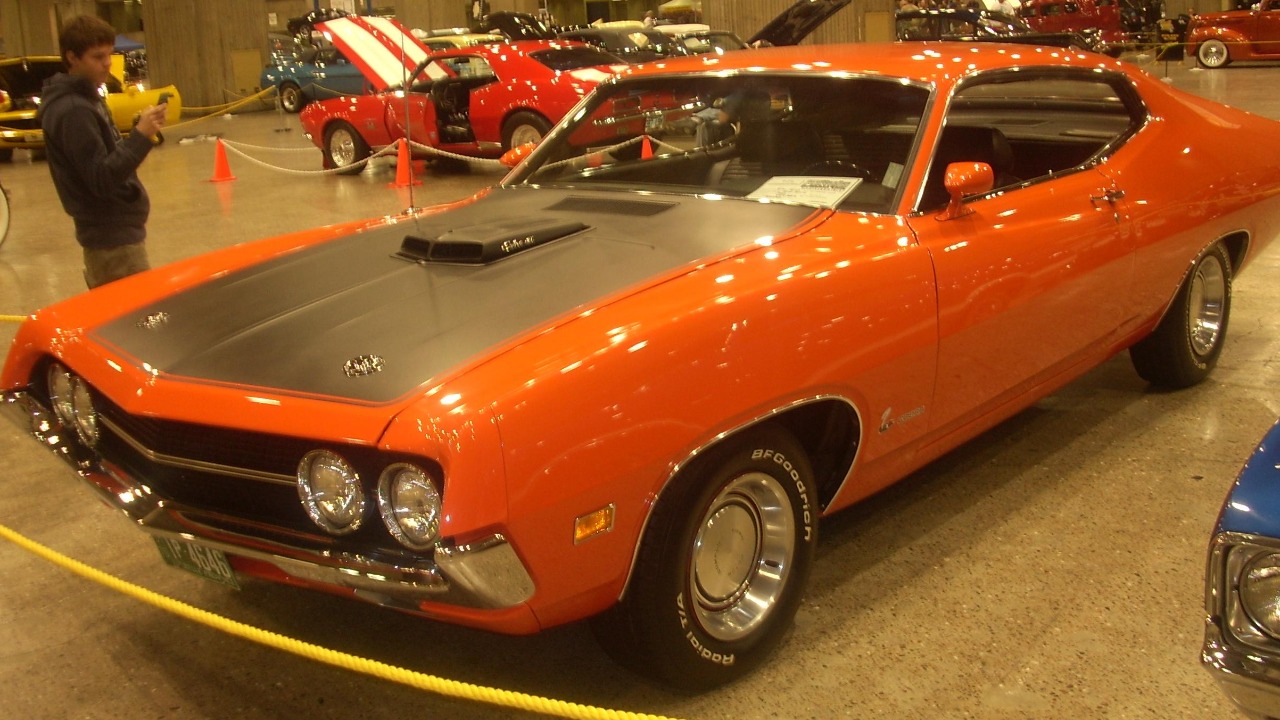
The 1970 Ford Torino Cobra 429 Super Cobra Jet was one of Ford’s most serious attempts to turn a regular intermediate into a straight-line weapon. The 429 Super Cobra Jet was rated at 375 horsepower and was backed by heavy-duty drivetrain components, aggressive gearing, and the kind of hardware normally associated with racing. Motor Trend tested a four-speed example with 3.91 gears and recorded 0-60 mph in 5.8 seconds with a 13.99-second quarter-mile at 101 mph. Another period test with a modified carburetor and slicks pushed the same basic combination into the 13.39-second range. The Torino wasn’t cheap by ordinary standards, but it remained far removed from the price of exotic European machinery. Its biggest advantage was that it didn’t need to look sophisticated. Ford gave it a giant engine and let the numbers speak.
1970 Oldsmobile 442 W-30
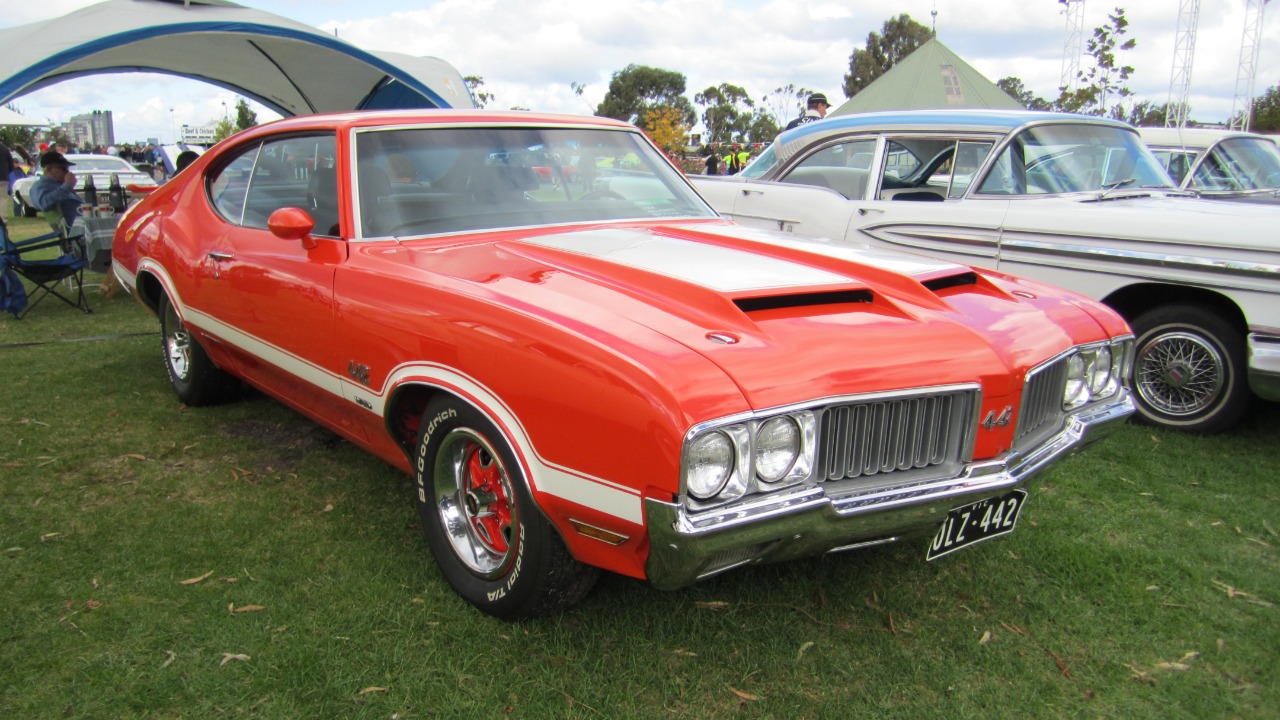
The 1970 Oldsmobile 442 W-30 represented the point where Oldsmobile’s traditionally comfortable personality collided head-on with the muscle-car wars. The 455-cubic-inch V8 produced 370 horsepower and 500 lb-ft of torque with the W-30 package, giving the midsize Oldsmobile an enormous reserve of low-end force. Motor Trend testing recorded a 14.2-second quarter-mile at 102 mph with a four-speed and 3.91 gears, while Oldsmobile engineers had reportedly achieved an even quicker 13.7-second run during their own testing. The 442 also retained much of the comfort expected from an Oldsmobile, which made the performance more surprising. It wasn’t a bare-bones drag car disguised as a street vehicle. It could carry passengers, cruise comfortably, and still produce acceleration that was deeply serious for its era. Against a more expensive luxury coupe, the W-30 could deliver a very different kind of status.
1967 Dodge Coronet R/T 440 Magnum
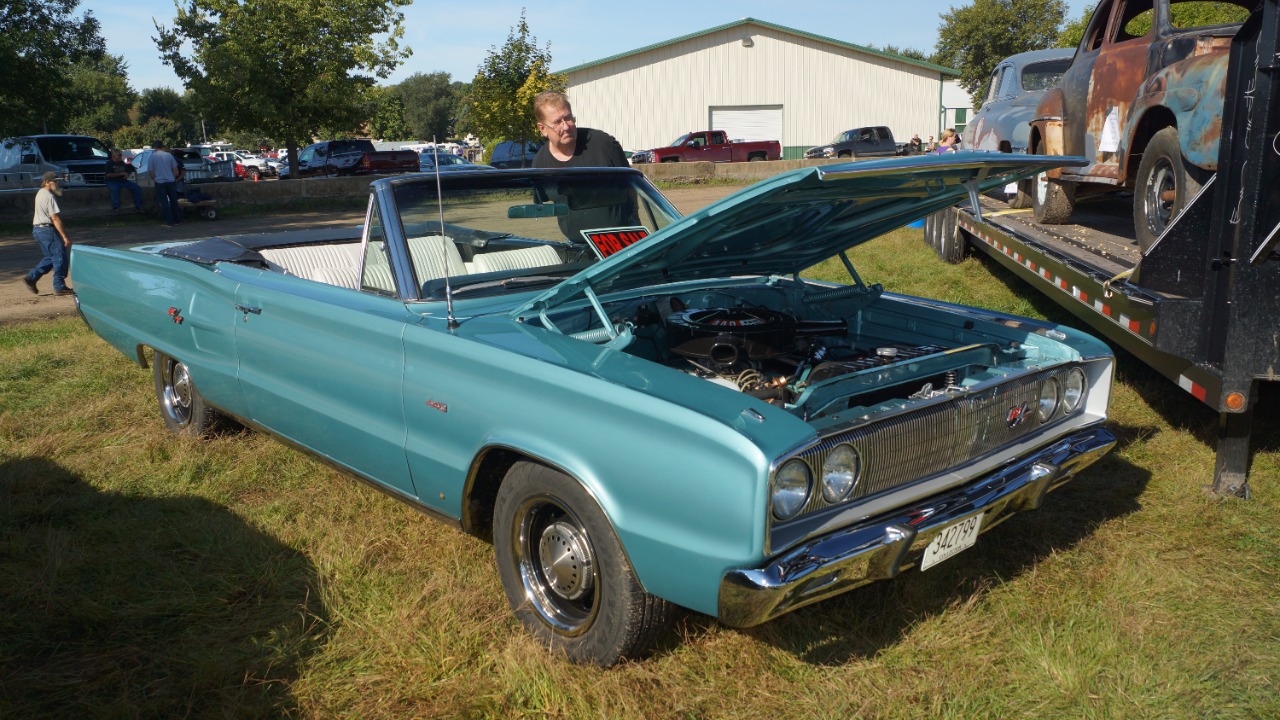
The Dodge Coronet R/T 440 Magnum proved that you didn’t need the famous 426 Hemi to have a genuinely fast Mopar. The 440-cubic-inch Magnum used a single four-barrel carburetor and produced up to 375 horsepower in the R/T, while the car itself remained considerably more accessible than the exotic machinery that enthusiasts sometimes associate with high performance. Motor Trend even compared the 440 Magnum directly with the Street Hemi in period testing. On street tires, the Magnum could jump ahead initially, with the Hemi only catching it near the end of the quarter-mile. A road test of a Coronet R/T 440 recorded 0-60 mph in 7.2 seconds and a 15.4-second quarter-mile with a passenger and street tires, showing how dependent these cars were on traction and configuration. Still, the 440 had enough torque to make the less expensive alternative surprisingly formidable.
1970 Dodge Challenger R/T 440 Six Pack
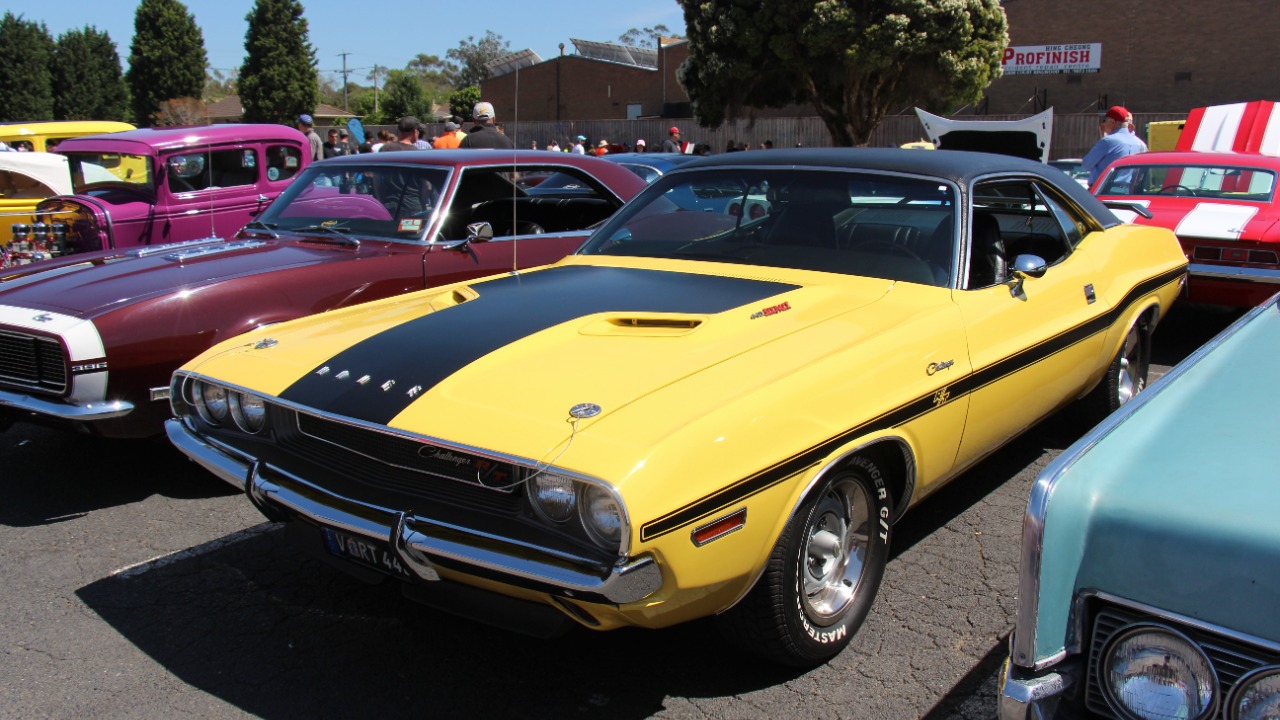
The Dodge Challenger R/T 440 Six Pack was one of the most visually dramatic ways to get big-block performance, but its performance credentials were just as serious as the styling. The 440 Six Pack was rated at 390 horsepower and 490 lb-ft of torque, with three two-barrel carburetors feeding the engine. Period testing reported a 13.62-second quarter-mile at 104.3 mph, which put the Challenger firmly into serious performance territory. What made the car especially interesting was the price relationship. Buyers didn’t need to step into a rare European exotic or a high-dollar grand tourer to experience this kind of acceleration. They could order a Chrysler E-body with a huge V8 and drive it home from a normal dealership. The Challenger had enough visual drama to attract attention, but the big-block was what gave it the ability to back up the appearance.
1967 Plymouth GTX 440
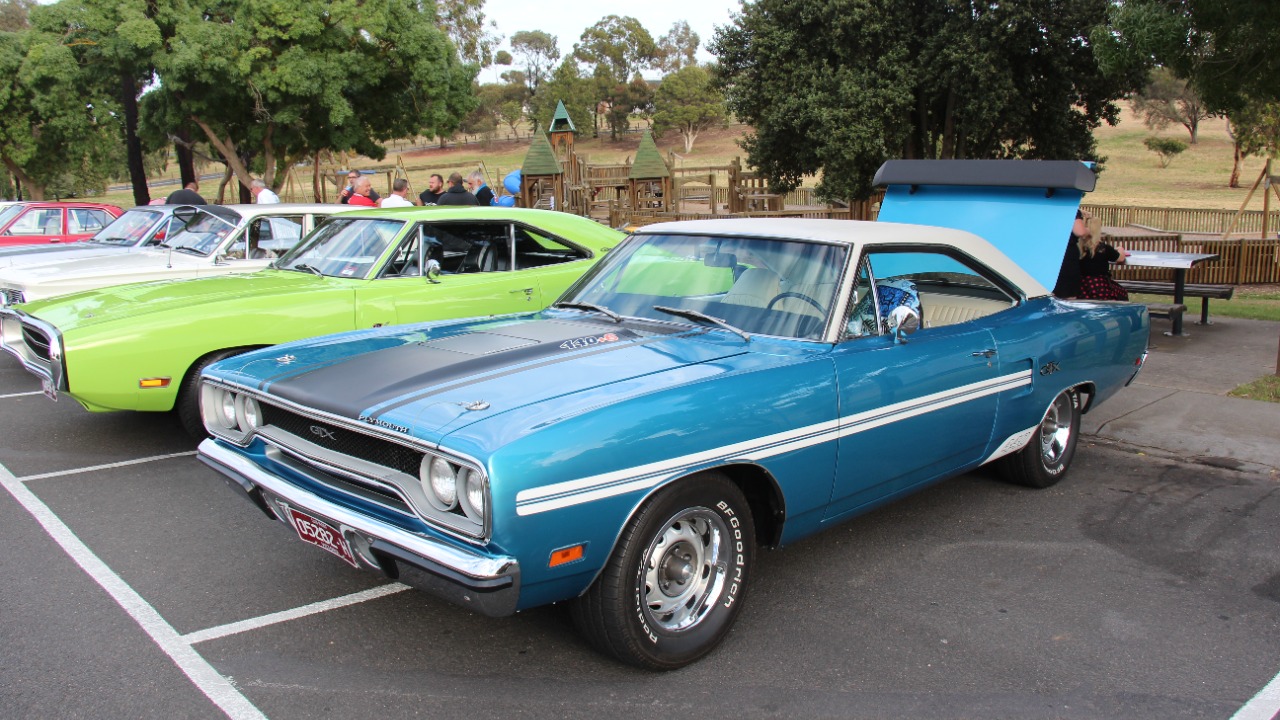
The Plymouth GTX was sometimes overshadowed by the Road Runner and the Hemi-powered cars, but the 440 version was no gentle cruiser. Plymouth designed the GTX as a more upscale performance model, combining a comfortable interior with a big-block engine and heavy-duty drivetrain. That made it particularly interesting against more expensive cars because the GTX could deliver genuine muscle without being stripped down to the basics. The 440’s abundant torque suited the relatively substantial Plymouth perfectly, giving the car strong acceleration without requiring exotic engineering. It also had the advantage of looking like a serious performance car without carrying the price or prestige of European machinery. The GTX was essentially proof that American manufacturers could combine comfort and brute force in the same package. A driver who expected a plush Plymouth to behave like a cruiser could be in for a very different experience once the accelerator reached the floor.
1968 AMC AMX 390
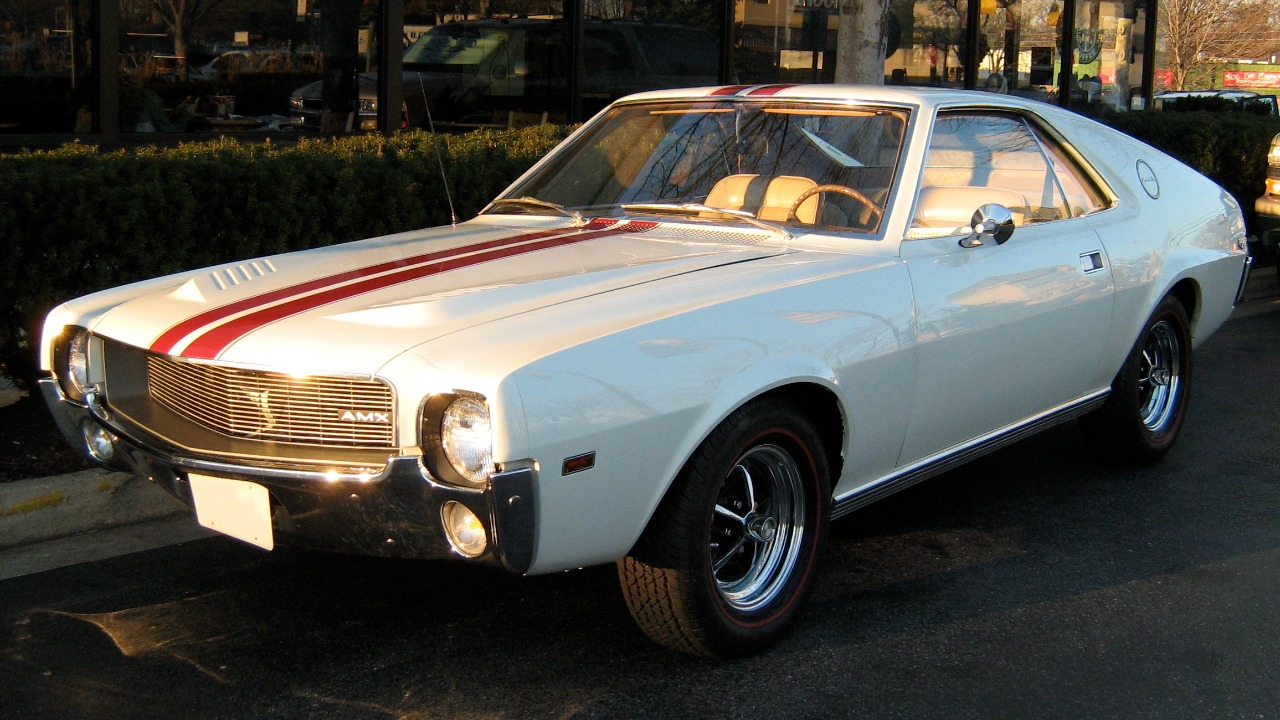
The AMC AMX 390 was small, unusual, and seriously quick for its day. Unlike the big intermediates from Detroit, the AMX was a short two-seat sports car, giving its 390-cubic-inch V8 a relatively light platform to move. That created a very different kind of threat from the larger muscle cars. The AMX didn’t need enormous dimensions to house its engine, and it didn’t have to carry four or five passengers. It could put the available power into a compact package that looked more like a conventional sports car. That made comparisons with expensive European machinery especially entertaining. The AMC didn’t have the same refinement or pedigree, but it had American displacement and a straightforward rear-wheel-drive layout. For buyers who wanted something genuinely fast without paying for an exotic badge, the AMX offered a compelling alternative. Its short wheelbase and big engine gave it a personality that few other cars could duplicate.
1969 Mercury Cougar Eliminator 428 Cobra Jet
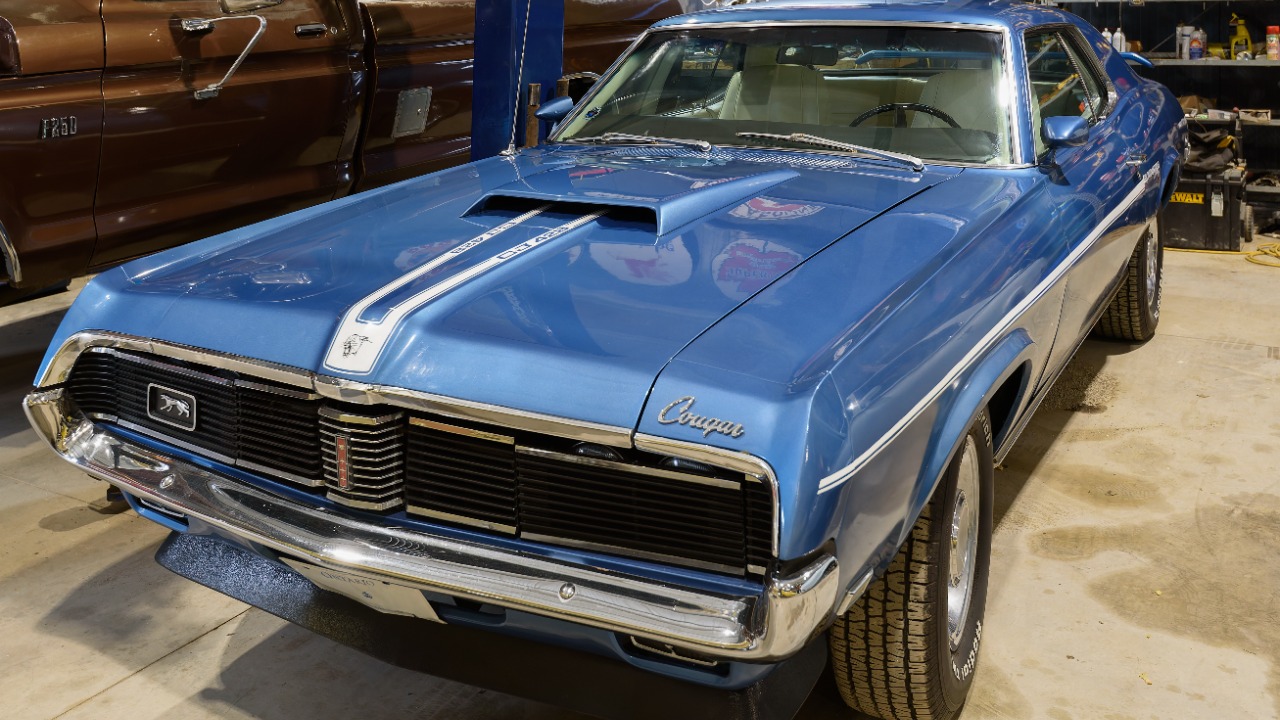
The Mercury Cougar Eliminator 428 Cobra Jet was one of those cars that could hide its seriousness behind a more civilized image. Mercury positioned the Cougar slightly above the Mustang in its lineup, giving it a more refined interior and a more upscale personality. The Eliminator package changed the mood, especially when paired with the 428 Cobra Jet. That combination gave the Cougar serious big-block muscle while retaining the comfort and refinement that Mercury buyers expected. The car also had the advantage of being less obvious than some of the most famous muscle cars. Someone looking for the loudest possible performance machine might overlook a Cougar in favor of a Mustang or Charger. That was precisely what made the Eliminator interesting. It offered the ingredients for a very fast street car without demanding the same visual attention, and its combination of comfort and big-block power could make considerably more expensive cars look unnecessary.
1970 Pontiac GTO Judge 455
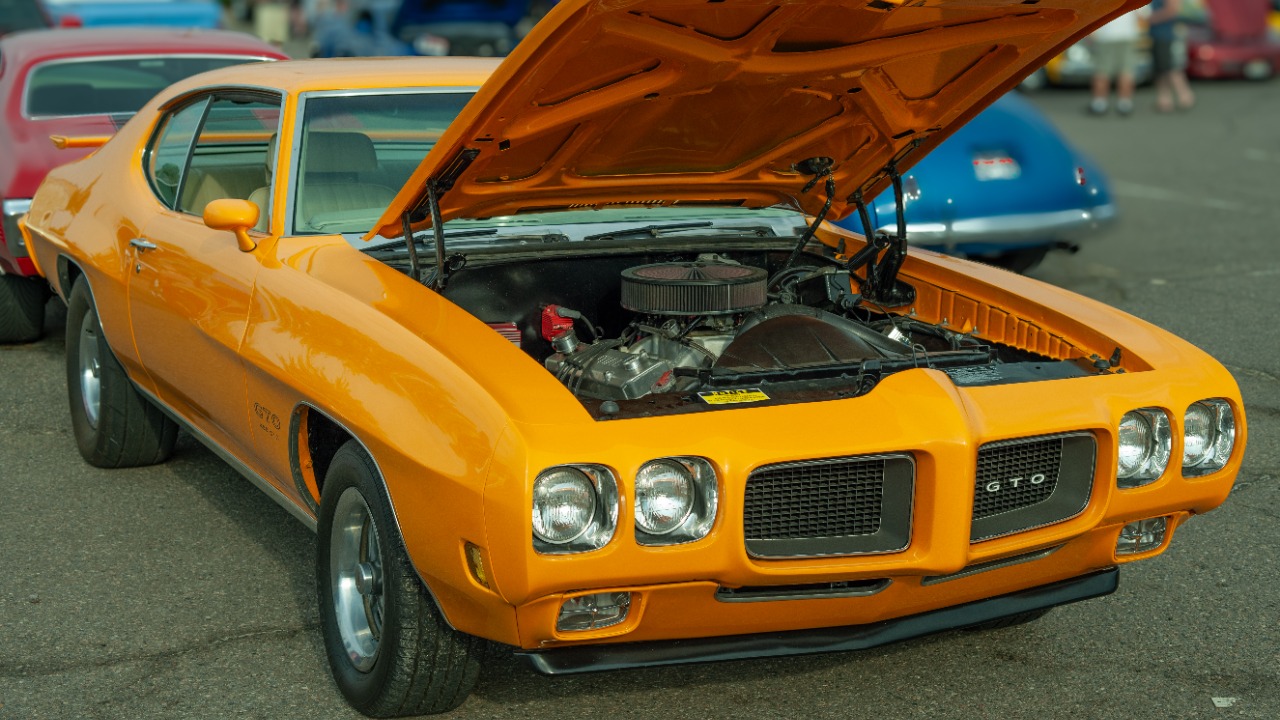
The 1970 Pontiac GTO Judge is another example of why displacement alone doesn’t tell the entire story. Pontiac made the 455 available in the GTO that year, giving the midsize Pontiac a massive amount of torque. Yet the 455 wasn’t necessarily the fastest GTO configuration. Contemporary testing showed a 400-powered GTO could actually beat the 455 car through the quarter-mile, while a 455 GTO tested by Car and Driver ran 15.0 seconds at 96.5 mph. The Judge with the Ram Air IV 400 was considerably quicker, with period testing showing a 13.60-second quarter-mile at 104.5 mph. That makes the GTO especially interesting for this list because it demonstrates that the biggest engine wasn’t always the quickest option. Either way, the GTO’s performance came wrapped in a mainstream Pontiac body that cost nowhere near the money demanded by exotic sports cars.
1970 Chevrolet Monte Carlo SS 454
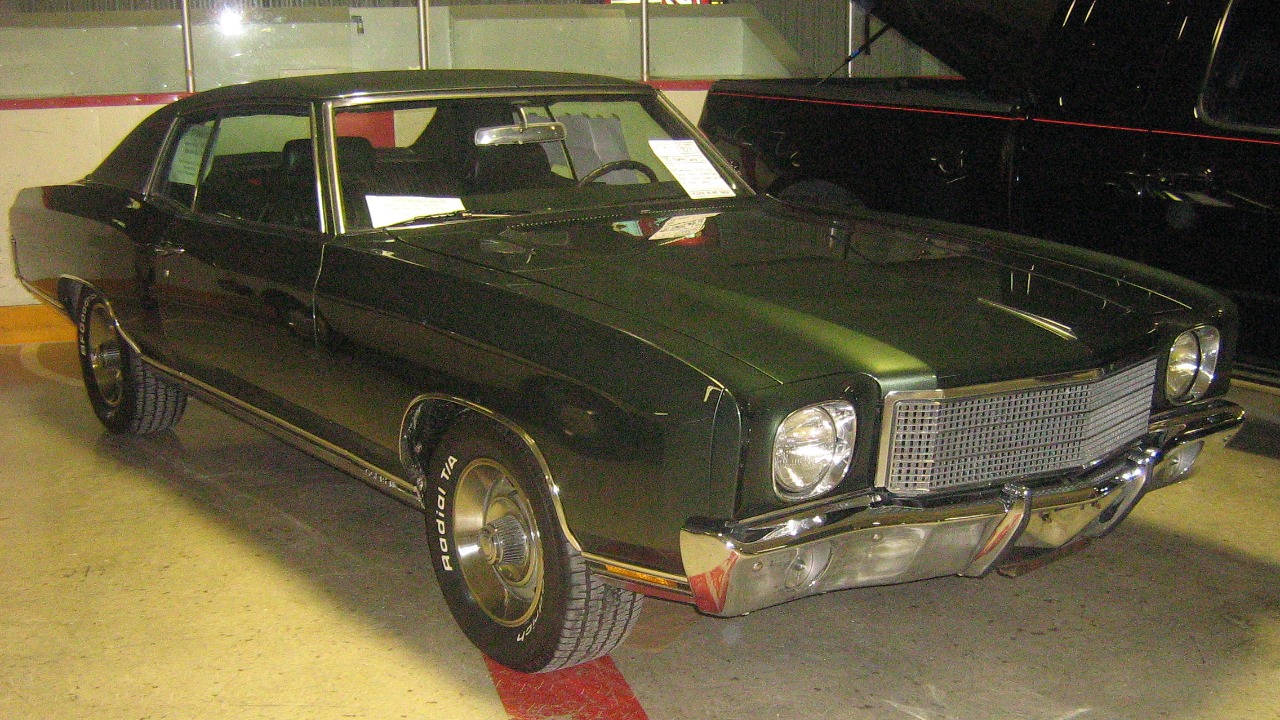
The Chevrolet Monte Carlo SS 454 took the idea of a sleeper in a slightly different direction. Rather than putting a big engine into a stripped-down muscle car, Chevrolet placed serious displacement inside a personal luxury coupe. The Monte Carlo had the long hood, roomy cabin, and softer personality associated with comfortable American cruisers, but the 454 gave it the ability to move with considerably more urgency than its image suggested. That combination was especially entertaining when expensive European coupes were involved. The Monte Carlo didn’t pretend to have the same cornering ability or delicate engineering. Instead, it offered a massive V8, rear-wheel drive, and a lot of torque in a comfortable package. It was the kind of car that could spend most of the day quietly cruising before surprising someone who assumed the luxury-oriented Chevrolet was incapable of serious acceleration.
1965 Oldsmobile 442
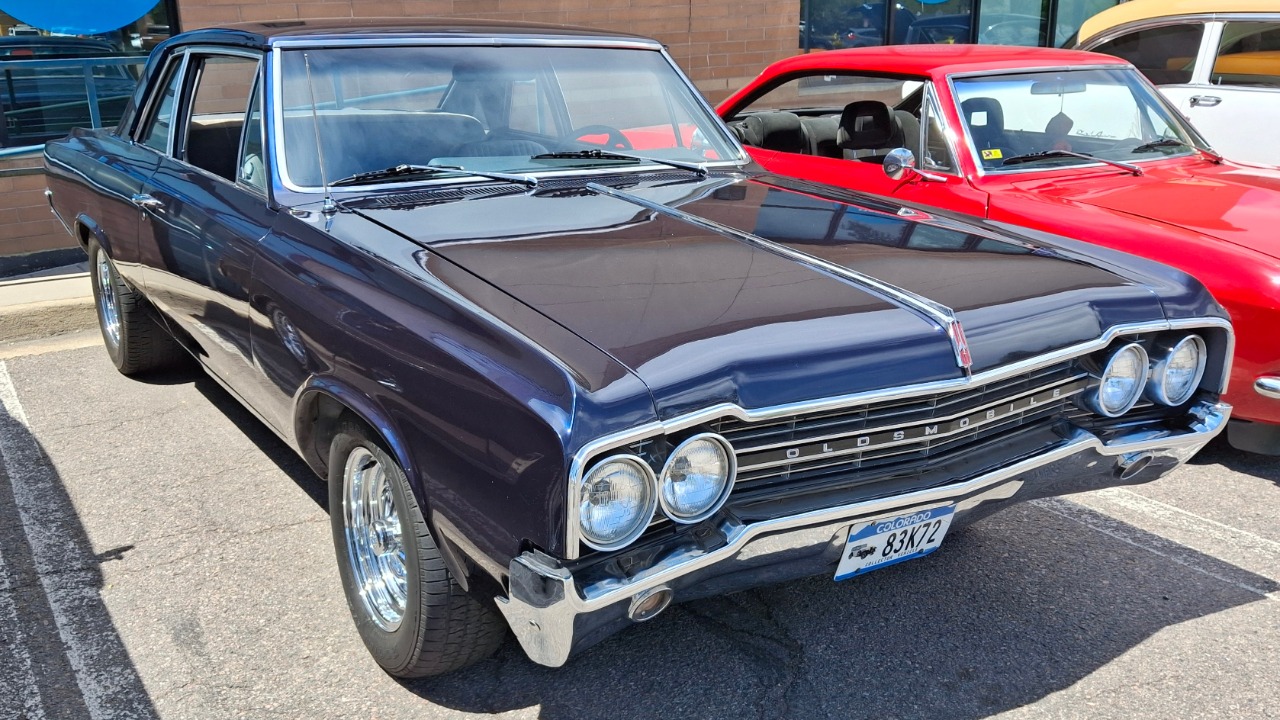
Before the 442 became associated with the legendary 455, the original Oldsmobile performance formula was already proving how effective a big V8 could be in a midsize car. The early 442 used a 400-cubic-inch V8 and paired it with a relatively compact body, creating a strong combination of torque and weight. Contemporary performance estimates put the 1965 car into the mid-14-second quarter-mile range in some configurations, which placed it among serious American performance machines of the period. What made the Oldsmobile especially interesting was its personality. It wasn’t as raw-looking as some Mopar offerings, and Oldsmobile had a reputation for comfort rather than outright aggression. That gave the 442 a subtle advantage when it came to surprising people. An expensive grand tourer might attract attention before the race even started. The Oldsmobile could simply sit there looking respectable until the throttle was opened.
Chevrolet Corvette 427
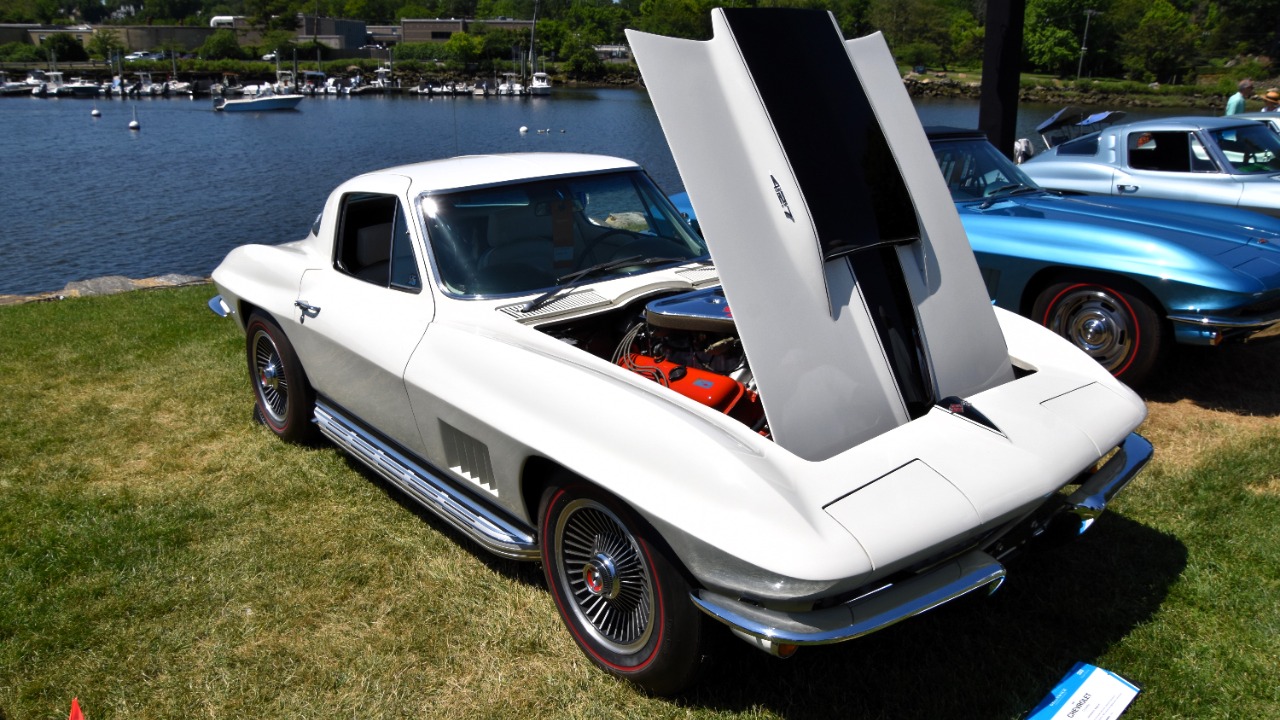
The Chevrolet Corvette was already an expensive American performance car, but the 427 versions pushed it into territory where even considerably pricier sports cars had to be taken seriously. The big-block Corvette offered combinations such as the L68, L71 and L88, with the latter becoming particularly legendary for its competition-oriented hardware. Chevrolet’s official L88 horsepower figure was famously conservative, and the engine was built with serious cylinder heads, a solid-lifter camshaft and other equipment that made it far more aggressive than the brochure numbers suggested. The L88 was not really intended to be a comfortable daily driver, which is part of what made it so remarkable. It represented the point where Chevrolet’s production Corvette came dangerously close to being a race car that happened to be street legal. Even the less extreme 427 combinations gave the Corvette a performance advantage that was difficult for many expensive sports cars to ignore.
1969 Chevrolet Chevelle SS 396
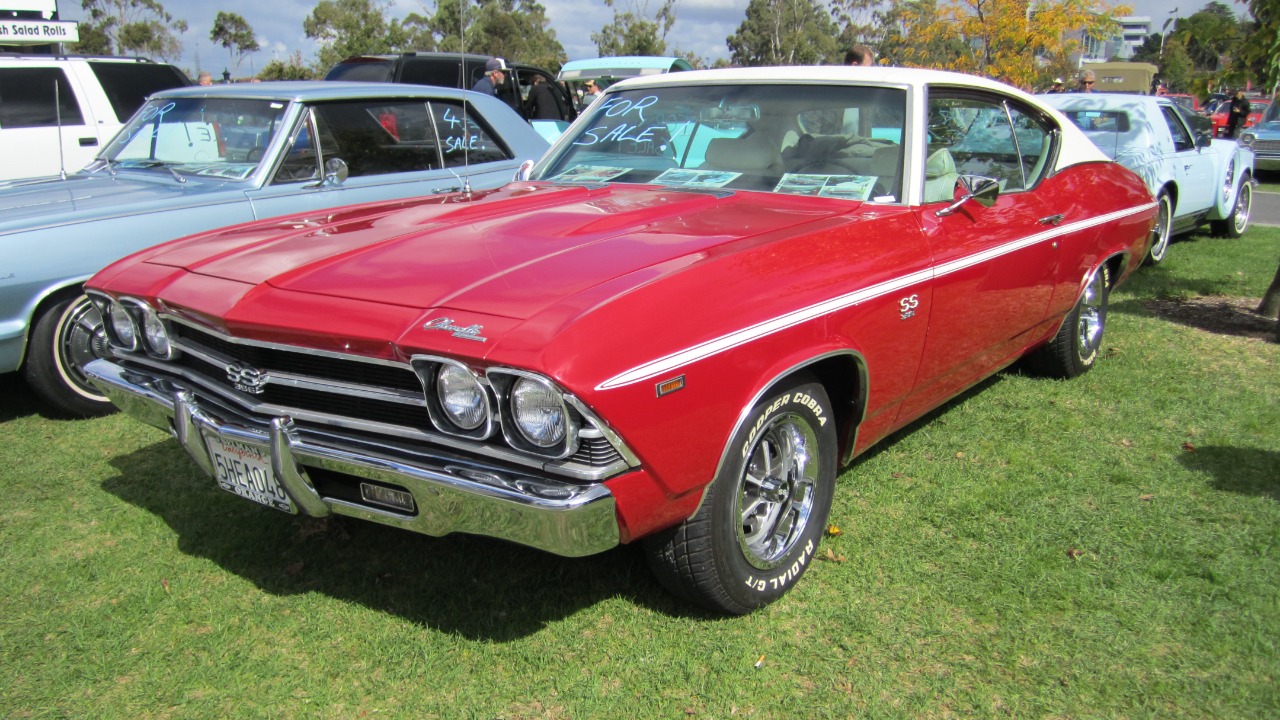
The Chevrolet Chevelle SS 396 deserves a place here because it represented the point where big-block performance became accessible to a much wider group of buyers. The 396 was available in different states of tune, with the most powerful versions rated at 375 horsepower, and the Chevelle’s midsize dimensions gave it an excellent balance between weight and engine size. It was more expensive than some economy-oriented muscle cars, but it remained far removed from the cost of an exotic sports car. The Chevelle also had a reputation that was easy to understand once you experienced one. There was plenty of torque, a simple rear-wheel-drive layout, and enough traction hardware to make the car genuinely quick. It didn’t need to be exotic to be intimidating. In the right configuration, a Chevelle SS could deliver the kind of straight-line performance that forced owners of much more expensive cars to take American muscle seriously.
More from Fast Lane Only
- Unboxing the WWII Jeep in a Crate
- 15 rare Chevys collectors are quietly buying
- 10 underrated V8s still worth hunting down
- Police notice this before you even roll window down
*Research for this article included AI assistance, with all final content reviewed by human editors.