The 1960s produced some of the most famous cars ever built, from the Ford Mustang and Chevrolet Corvette to the Jaguar E-Type and Porsche 911. Those are easy to recognize, even for people who only have a passing interest in old cars. But the decade was also packed with strange, ambitious and surprisingly advanced machines that never achieved the same level of fame.
Some came from tiny manufacturers, others were sold in limited numbers, and a few simply disappeared beneath the shadow of better-known rivals. These are the cars that can stop a serious enthusiast at a show because they are unusual enough to demand a second look. If you can identify all 20 without reaching for your phone, you probably know your 1960s cars better than most.
Glas 1700
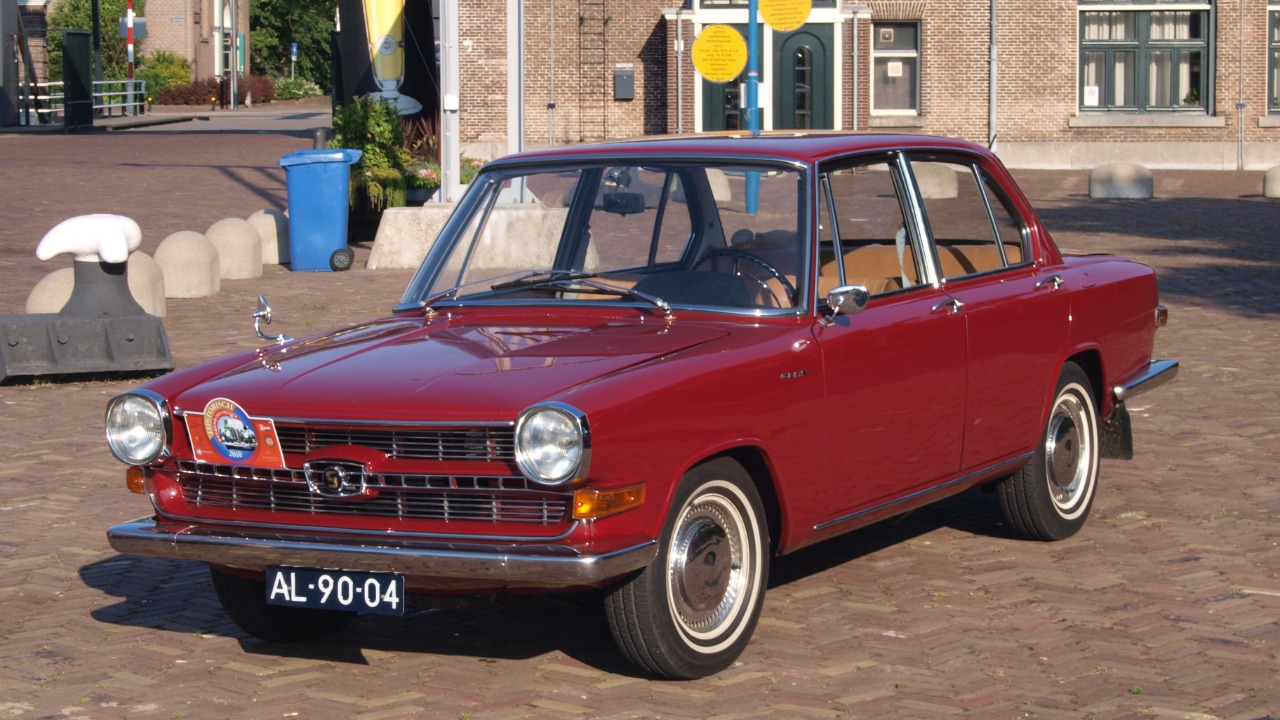
The Glas 1700 is exactly the kind of car that can make a knowledgeable enthusiast pause at a classic-car gathering. Built by Hans Glas in West Germany from 1964, the four-door sedan was styled by Pietro Frua and used a 1.7-liter overhead-camshaft four-cylinder. It was intended to compete in the same general territory as cars like the BMW 1800, but Glas never had the financial resources or production scale to make the 1700 a major success. BMW eventually acquired Glas, and production ended in 1967 after fewer than 14,000 examples had been built. The 1700 TS was particularly interesting, using twin carburetors and more power than the standard version. Today, the Glas badge alone is enough to separate a serious European-car enthusiast from someone who simply knows the famous German marques.
Iso Rivolta GT
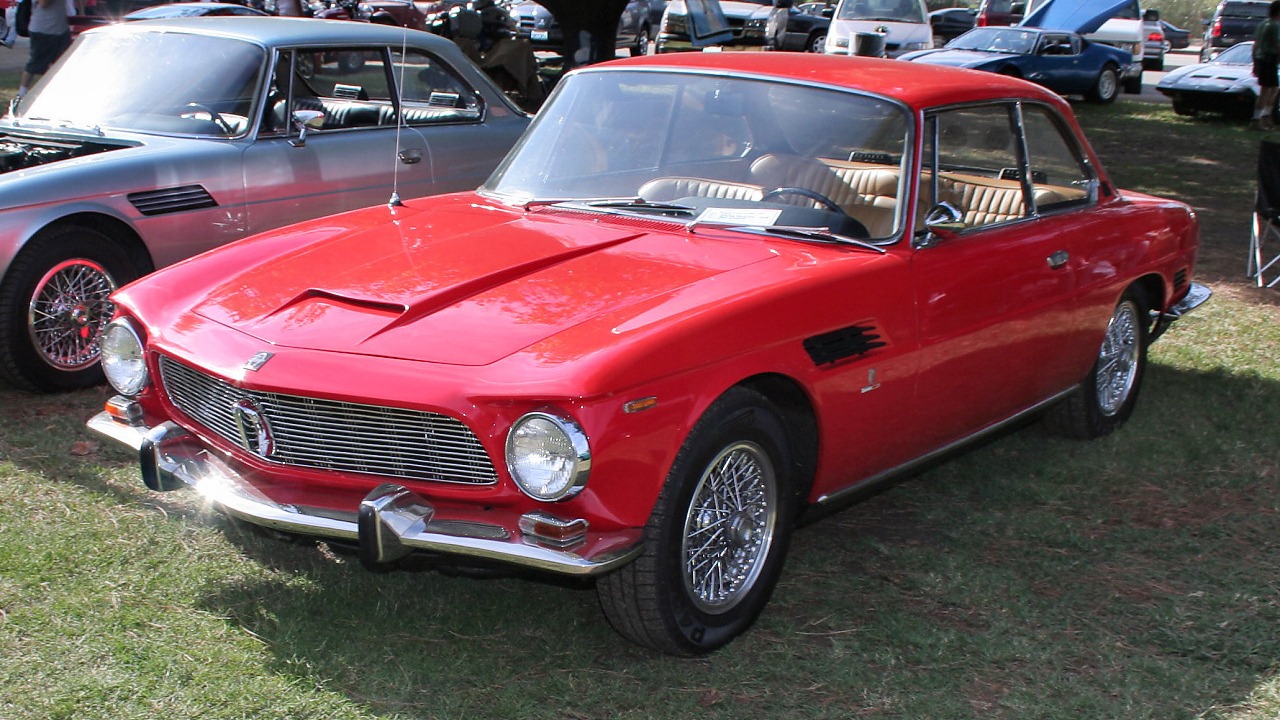
Before Iso became associated with exotic V8-powered GTs, the company introduced the Rivolta GT, a car that combined Italian styling with American muscle and sophisticated chassis engineering. Giorgetto Giugiaro shaped the body, while former Ferrari engineer Giotto Bizzarrini was involved in developing the chassis. Under the hood was an American V8, giving the four-seat GT serious performance while keeping it more practical than many European exotics of the period. Production began in 1962 and continued into 1970, but only 799 were sold. That combination of rarity, Italian design and Chevrolet V8 power makes the Rivolta particularly memorable to people who know their obscure 1960s machinery. To everyone else, it can look like some mysterious Italian grand tourer that somehow never became famous.
Glas 2600 V8
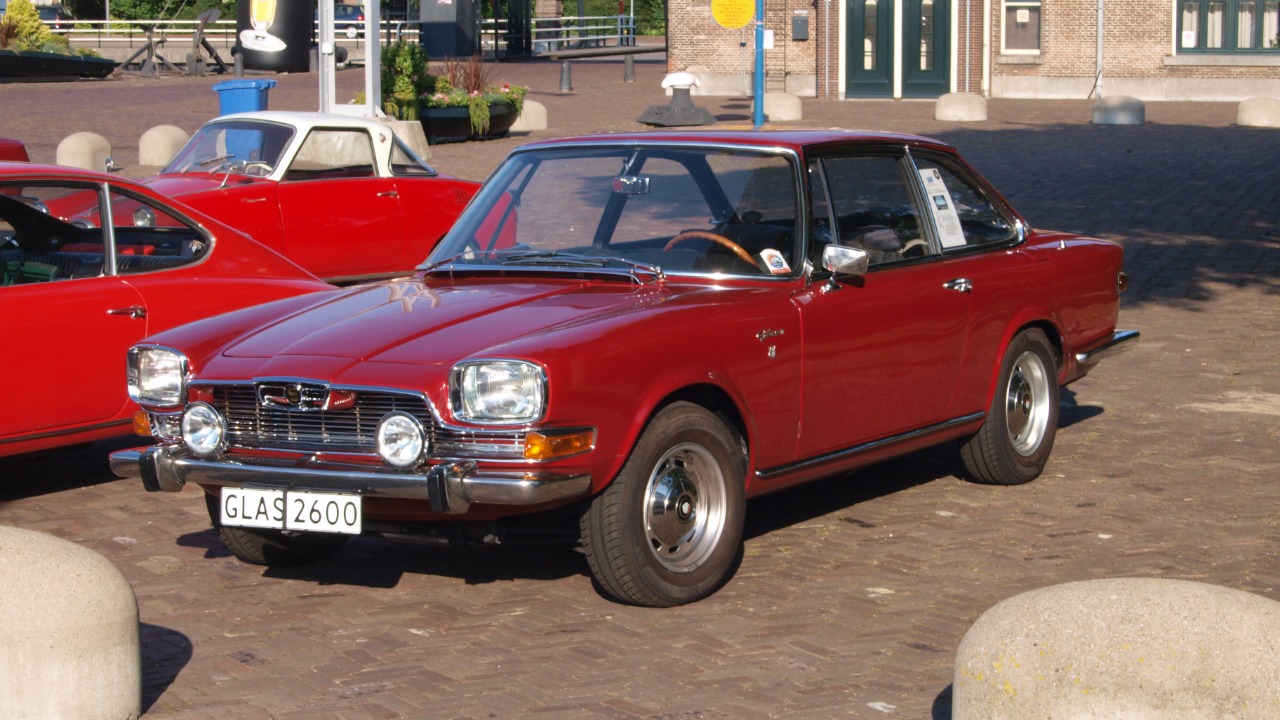
The Glas 2600 V8, later known as the BMW-Glas V8, is one of those cars that sounds almost fictional until you see one. Introduced in the middle of the 1960s, it used a striking Frua-designed body and a compact V8 engine, with the larger 3.0-liter version arriving later. The car had an unusual place in automotive history because BMW acquired Glas while the V8 was still in production and subsequently added BMW badging to some versions. Only 666 Glas V8s were built, making it dramatically rarer than almost any BMW of the same era. The long hood, low roof and elegant Italian-influenced styling give it an appearance that does not immediately suggest its German origins. Even experienced BMW fans can overlook the Glas connection, which is exactly why spotting one today feels like discovering a secret chapter in BMW history.
Gordon-Keeble GT
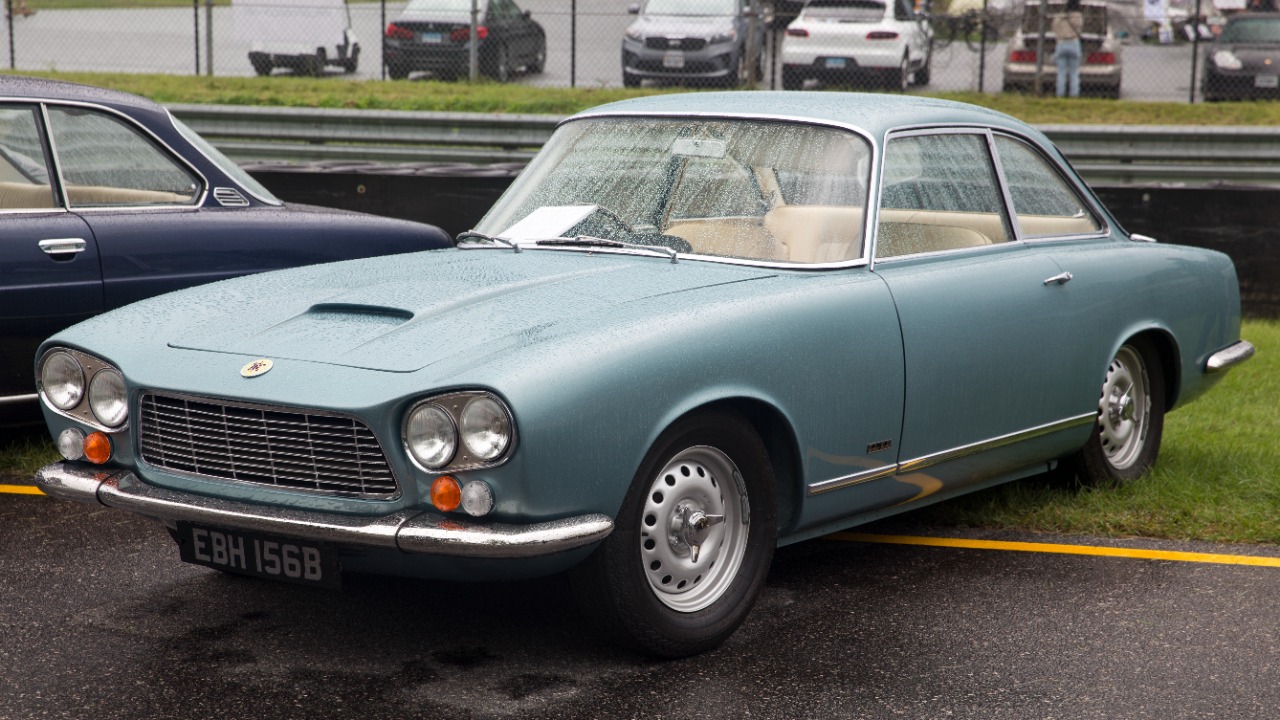
The Gordon-Keeble GT was an Anglo-American-Italian experiment that somehow made it into production. Its story involved British engineering, Italian styling and a Chevrolet V8, creating a four-seat grand tourer with an unusual mixture of influences. The production car used a fiberglass body and went into production in 1963, following earlier development work and a prototype that had attracted attention for its sophisticated design. Giorgetto Giugiaro was responsible for the original styling, while the engineering included features that were unusually serious for such a small manufacturer. The Gordon-Keeble never had the production numbers or dealer network needed to become a mainstream success, but that is part of its appeal today. Seeing the four-headlight nose and distinctive badge at a show is a good way to tell whether someone has spent time digging into the stranger corners of 1960s British motoring history.
Jensen C-V8
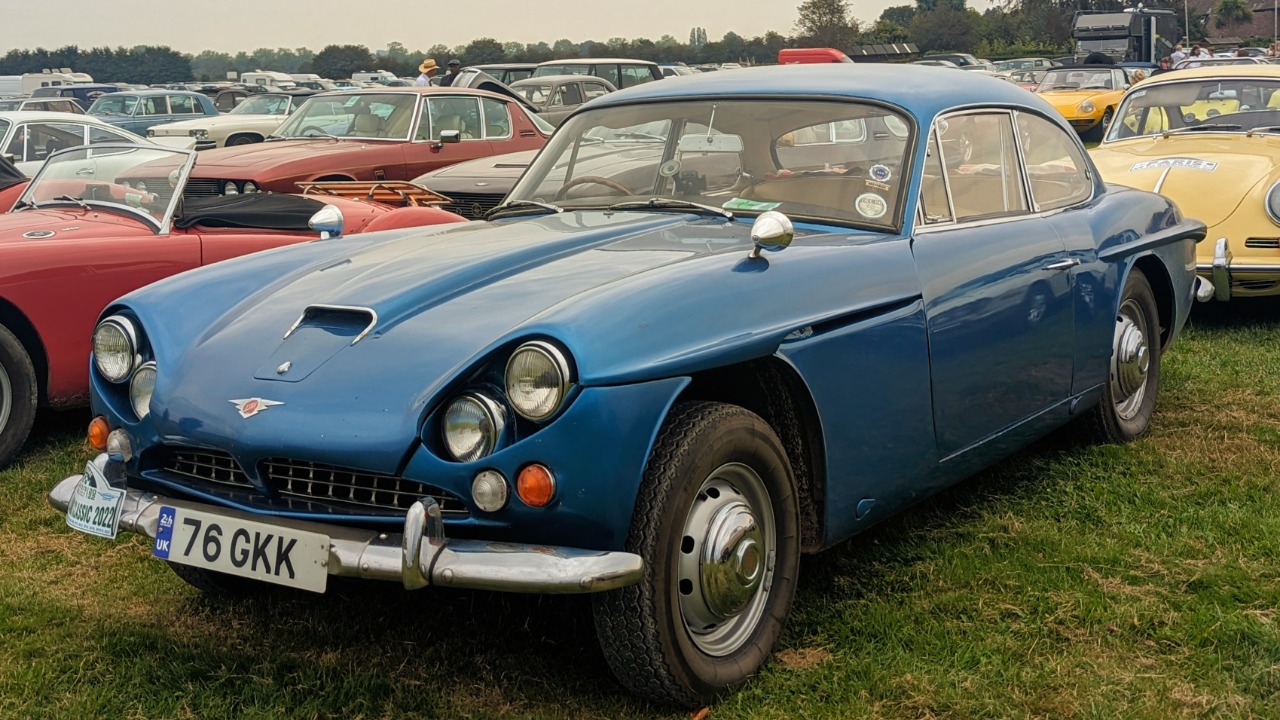
Jensen was already building interesting cars before the Interceptor made the company famous, and the C-V8 is one of the best examples. Introduced in 1962, it was a large British grand tourer powered by Chrysler V8 engines and wrapped in distinctive fiberglass bodywork. The styling was dramatically different from the chrome-heavy sports cars that surrounded it, with a long nose, compact cabin and unusual headlights giving it a look all its own. It was quick, comfortable and unmistakably built for covering long distances at speed rather than attacking corners like a lightweight British roadster. The C-V8 also sits in an interesting place in Jensen history because it helped establish the company’s reputation for combining British craftsmanship with big American power. It is not the first Jensen most people remember, which makes recognizing one a reliable sign of deeper classic-car knowledge.
Alfa Romeo 2600
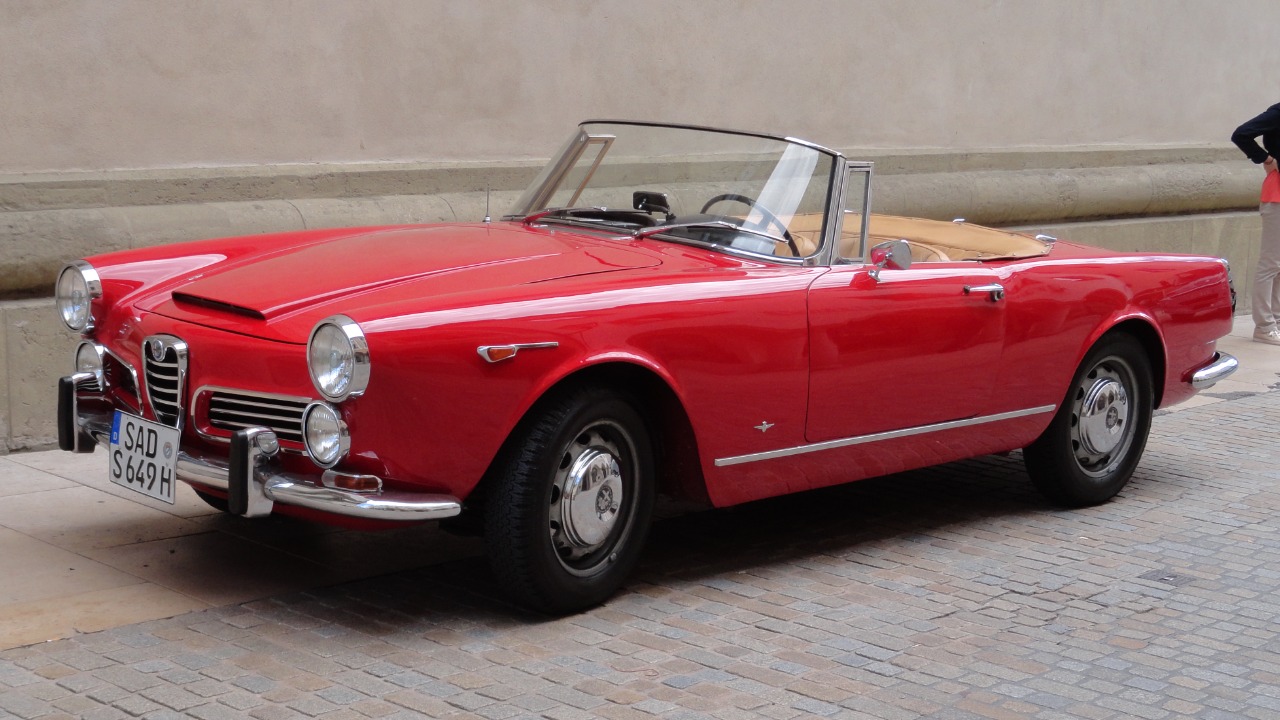
The Alfa Romeo 2600 is one of those cars that enthusiasts appreciate partly because it represents the end of an era. Introduced in 1962, the 2600 was Alfa Romeo’s flagship and used a 2.6-liter twin-cam inline-six, continuing a traditional Alfa engine layout that would soon disappear from the company’s lineup. It was offered as a Berlina sedan, Sprint coupe and Spider, with the Sprint becoming the most familiar version among collectors. The car was sophisticated and fast for its time, but it never sold in anything close to the numbers of Alfa’s smaller four-cylinder models. The limited-production Sprint Zagato is even more obscure. For a casual observer, an Alfa Romeo from the 1960s might simply look like an old Italian coupe. A knowledgeable enthusiast, however, can usually spot the 2600’s larger proportions and six-cylinder identity almost immediately.
NSU Sport Prinz
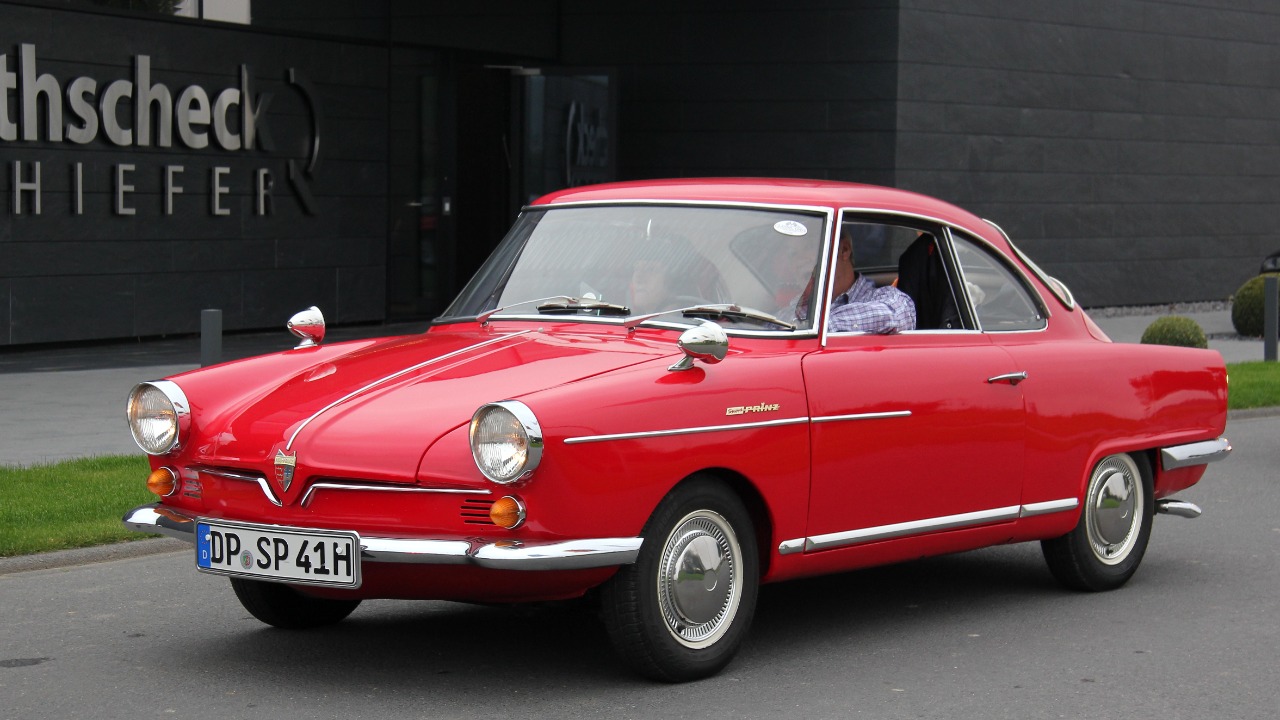
The NSU Sport Prinz is one of the tiny cars that becomes increasingly interesting the more you learn about it. Introduced around the start of the 1960s, it was a small two-seat coupe based on the Prinz but given a completely different appearance. The body was styled by Bertone, with a fastback profile, wraparound glass and small rear fins that made it look much more exotic than its modest mechanical specification suggested. The car was rear-engined and compact, fitting perfectly into the European small-car landscape of the period. NSU would later become famous among enthusiasts for its advanced rotary-engine work and the NSU Ro80, but the Sport Prinz came from an earlier and much smaller chapter of the company’s history. Finding one today is difficult enough, and knowing exactly what it is requires considerably more than a basic knowledge of classic European cars.
Saab Sonett II
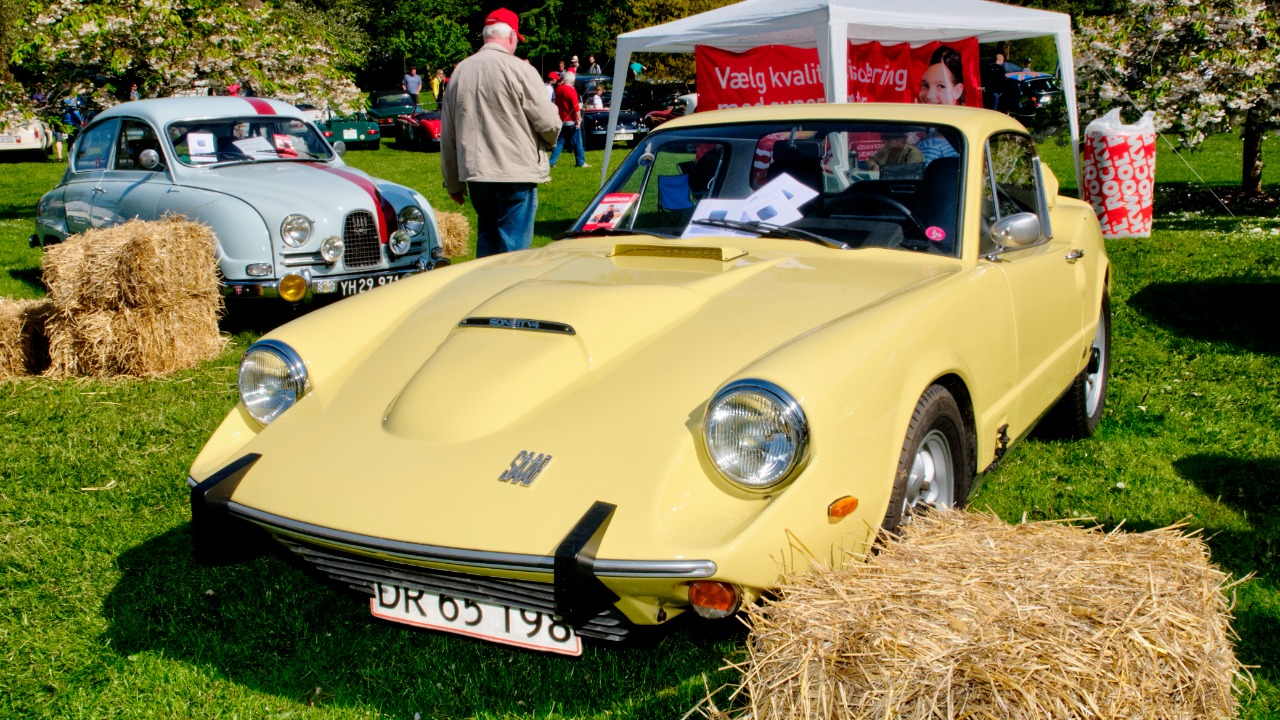
The Saab Sonett II looks like something designed by people who refused to follow the normal rules for sports cars. Introduced in 1966, it featured a lightweight fiberglass body, front-wheel drive and a compact two-stroke engine before later cars adopted a Ford V4. The unusual engineering made it very different from contemporary British and Italian sports cars, while its origins were connected to Saab’s earlier ambitions in motorsport. Only a small number of Sonett IIs were produced, and the car was aimed heavily at the American market. Its odd proportions and unusual details, including the rear-opening hood, make it one of those cars that enthusiasts tend to recognize instantly. Most people who encounter one at a show will probably have no idea what it is. The knowledgeable observer is much more likely to know the Saab badge, the Sonett name and the story behind this strange little Swedish sports car.
Lancia Fulvia
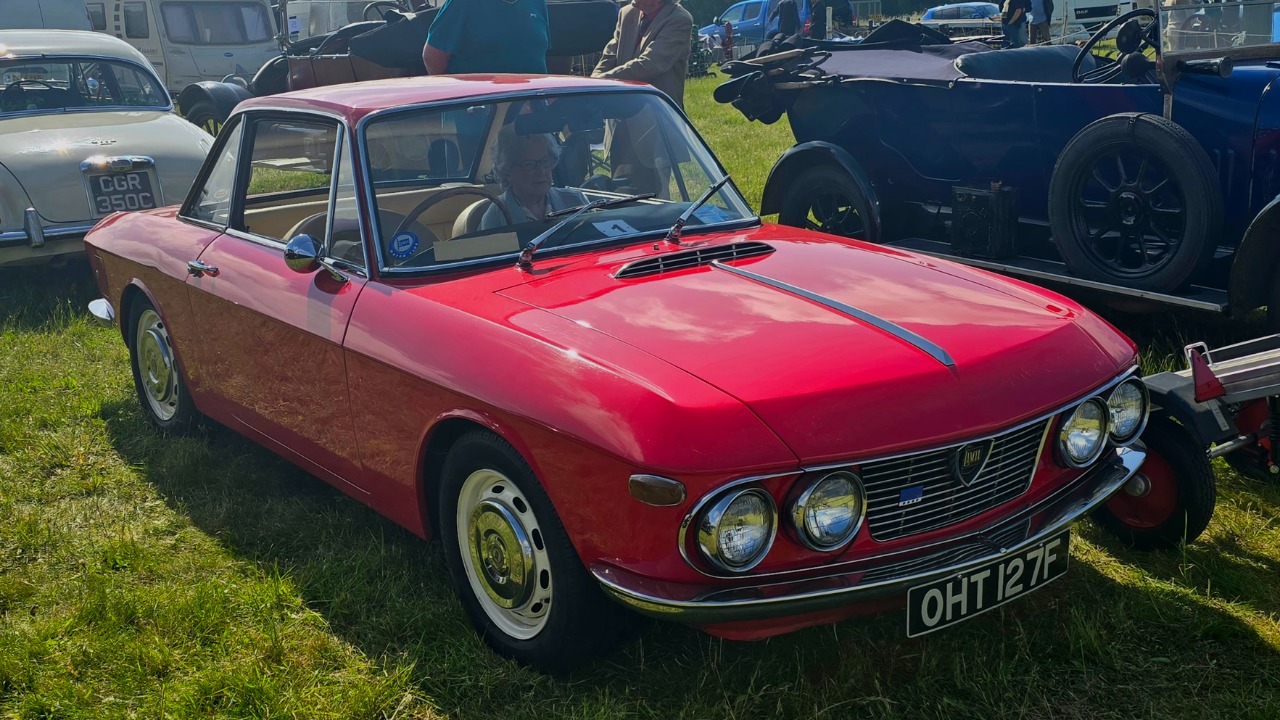
The Lancia Fulvia never received the global attention of the Ferrari or Lamborghini models that defined Italian performance in the 1960s, but its engineering deserves serious respect. Introduced in 1963, the Fulvia used front-wheel drive and a narrow-angle V4 engine, an unusual combination that helped give the car a distinctive character. The coupe became particularly important in competition, where its compact dimensions, capable chassis and front-wheel-drive layout helped establish Lancia’s reputation for building technically sophisticated rally cars. The road-going versions were beautifully styled without being excessively dramatic, which may be one reason they are sometimes overlooked outside enthusiast circles. A Fulvia at a car show can easily be mistaken for another elegant European coupe by someone unfamiliar with the marque. Someone who knows 1960s Italian engineering will usually recognize it immediately.
Matra Djet
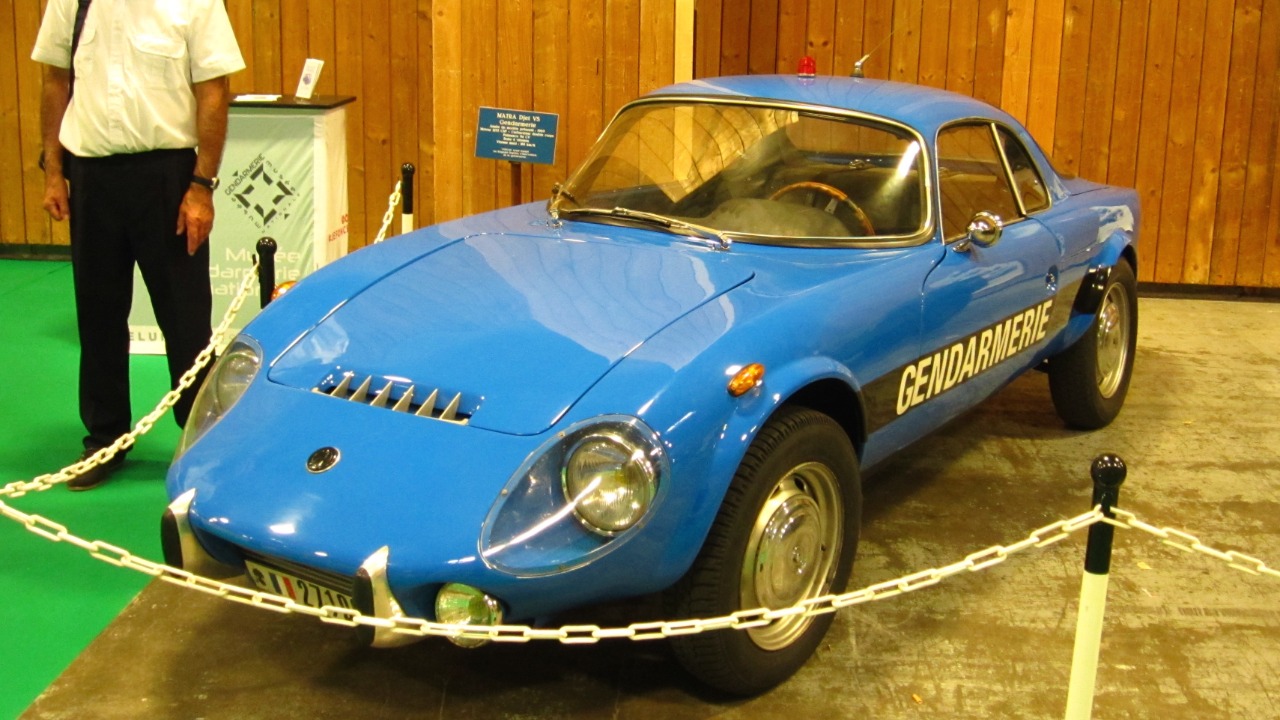
The Matra Djet was one of the most unconventional sports cars of the 1960s, particularly because its mid-engine layout arrived at a time when most affordable European sports cars still put their engines in front. Matra developed the car from René Bonnet’s earlier design, and production eventually continued under the Matra name. Its compact fiberglass body gave it a distinctly lightweight appearance, while the mid-mounted engine contributed to the car’s serious handling abilities. The Djet also became part of Matra’s transition from a company involved heavily in motorsport into a manufacturer of road cars. Its name changed through different stages of production, adding another layer of confusion for anyone who does not know the history. Today, the Djet is exactly the sort of machine that makes a classic-car conversation more interesting because there is far more going on beneath its small, simple-looking body than most people expect.
Fiat 2300 S Coupe
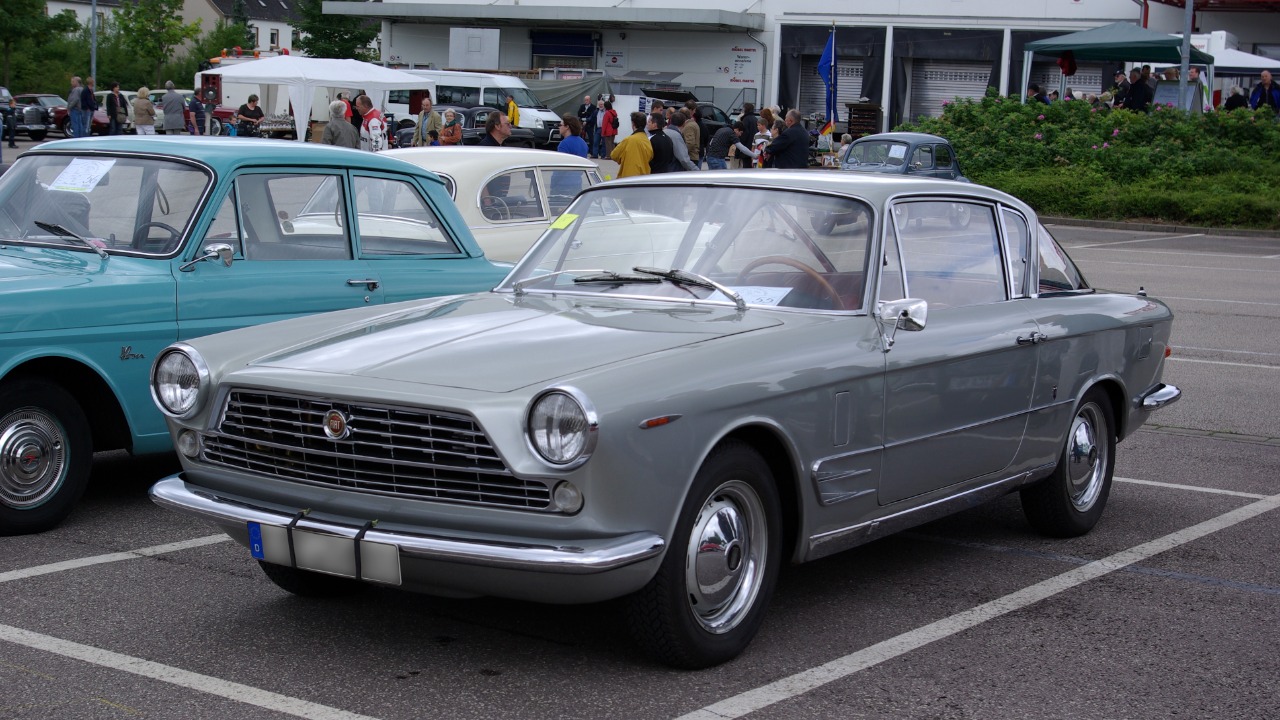
The Fiat 2300 S Coupe is an excellent example of a car that could be impressive without becoming famous. Introduced in the early 1960s, the coupe was based on Fiat’s larger 2300 and received elegant bodywork from Ghia. The S version used a more powerful twin-carburetor version of Fiat’s inline-six, turning what might have been an ordinary large family car into a surprisingly capable grand tourer. It offered room for passengers and luggage while still providing the sort of performance that made long-distance European driving enjoyable. Compared with the better-known sports cars of the era, the 2300 S Coupe had a much more understated presence. That is precisely why it appeals to enthusiasts who enjoy discovering cars that fell through the cracks of automotive history. Recognizing one today requires a pretty good memory for Italian cars that existed beyond the usual Ferrari, Alfa Romeo and Fiat 500 conversation.
Renault Caravelle

The Renault Caravelle occupies an interesting place in 1960s French automotive history because it combined a stylish rear-engine layout with a body that looked far more glamorous than its mechanical origins suggested. Developed with styling assistance from Pietro Frua, the car began life as the Renault Floride before becoming known as the Caravelle in many markets. It was closely related mechanically to the Dauphine family and used rear-mounted four-cylinder engines. The result was a compact convertible and coupe with a distinctly European character. It was never intended to compete directly with large American muscle cars or exotic Italian machinery, and that modest mission is part of what makes it so easy to overlook today. Enthusiasts who know Renault’s history, however, recognize the Caravelle as an important link between the company’s economical rear-engine cars and its later performance-oriented models.
Toyota Sports 800
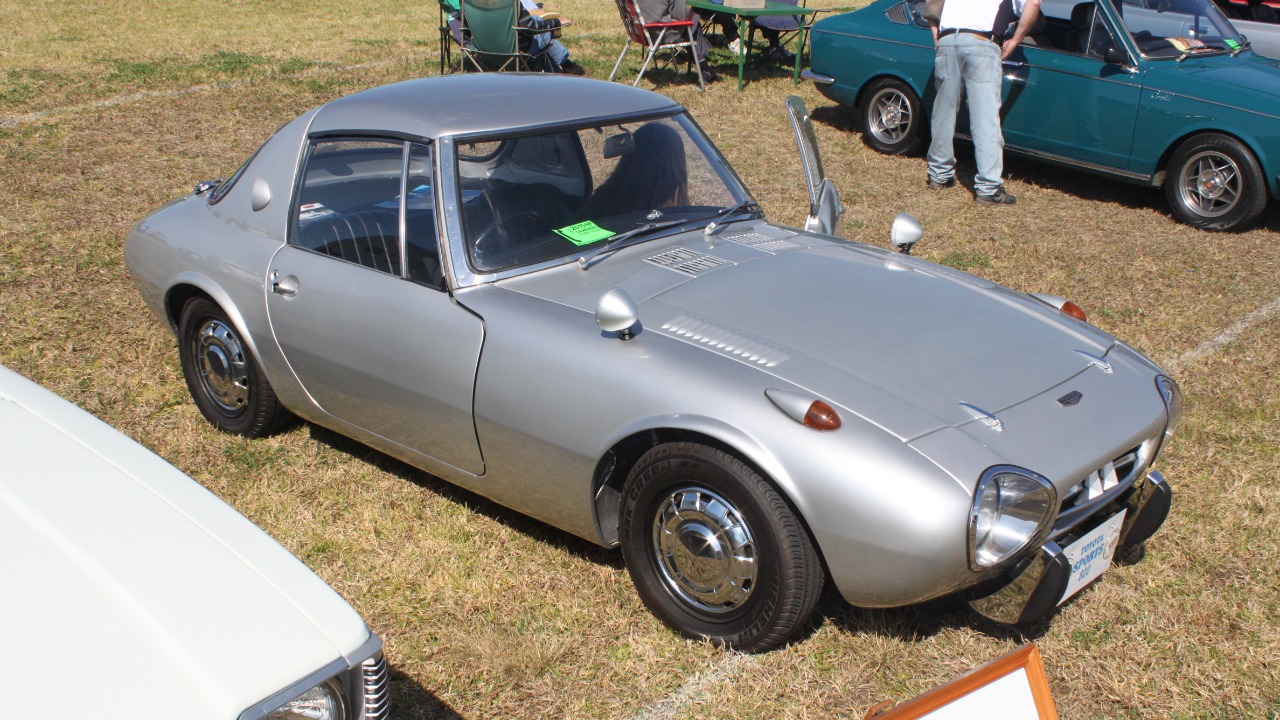
Long before Toyota became associated with the Supra, Celica and other performance legends, the company produced the tiny Sports 800. Introduced in 1965, it was a lightweight two-seat sports car designed around a small air-cooled two-cylinder engine. The car’s greatest weapon was not horsepower but weight, with its compact dimensions and lightweight construction allowing it to make surprisingly good use of limited power. Its distinctive roof design also helped give the Sports 800 a personality that was completely different from larger European and American sports cars. It was primarily a Japanese-market machine, which explains why many Western enthusiasts have never encountered one in person. Today, it has become an important piece of Toyota history and an early example of the company’s ability to build an entertaining sports car without relying on a large engine.
Datsun Sports 1600
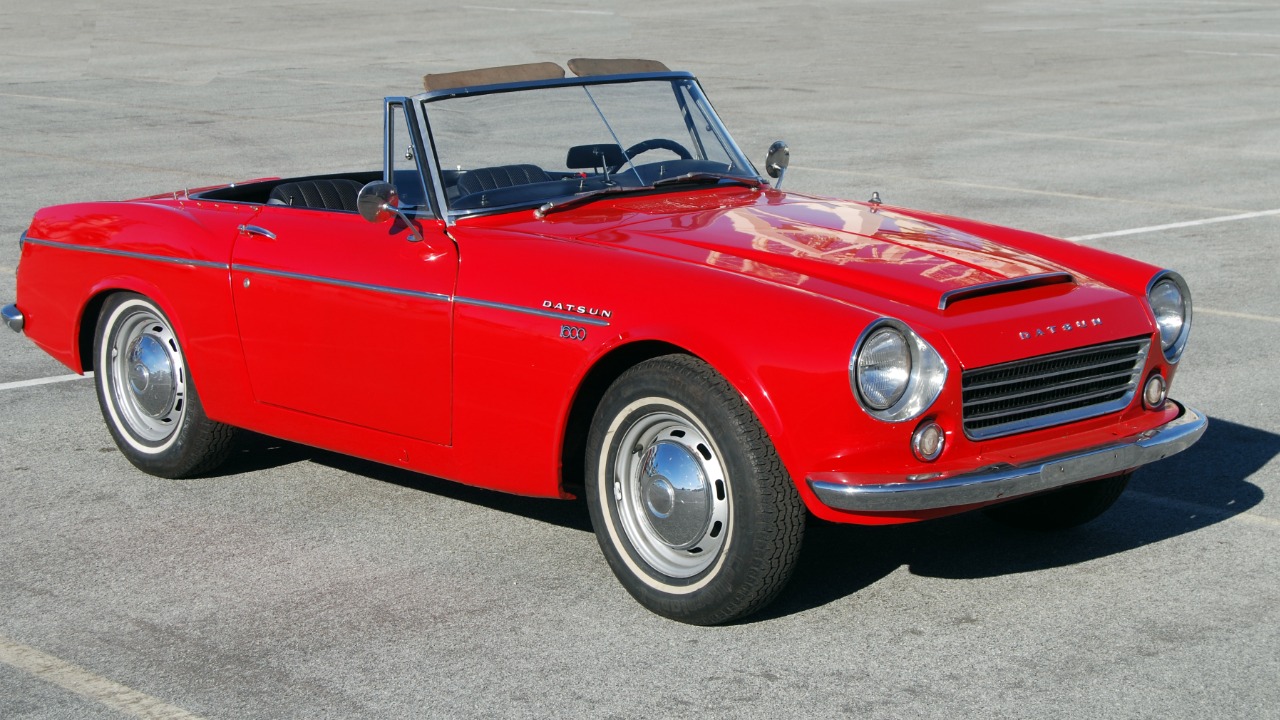
The Datsun Sports 1600 is one of the cars that helped establish Japan as a serious producer of affordable sports cars long before the country became synonymous with high-performance machinery. Known in various markets as the Fairlady, the car evolved through several versions during the 1960s, with the 1600 becoming especially significant. It used a four-cylinder engine, rear-wheel drive and a traditional roadster layout, giving buyers an alternative to increasingly expensive British sports cars. The Datsun was not as glamorous as a Jaguar or as established as an MG, but its straightforward engineering and reliability helped build a loyal following. Enthusiasts who know the history of Japanese performance cars understand why the 1600 matters. It represents one of the early steps toward the wave of Japanese sports cars that would eventually transform the enthusiast market.
Hillman Imp
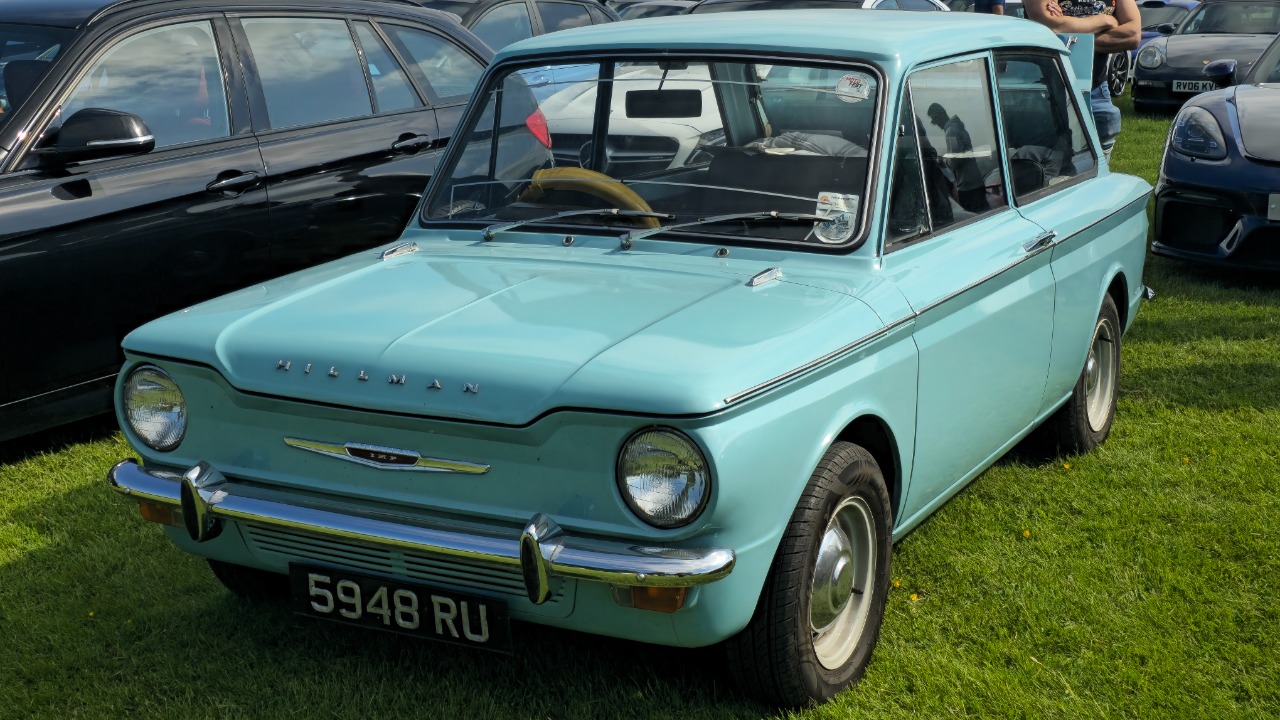
The Hillman Imp is one of the most interesting small British cars of the 1960s because its engineering was far more ambitious than its appearance suggested. Introduced in 1963, it used a rear-mounted aluminum four-cylinder engine and rear-wheel drive, giving it a layout that immediately separated it from many conventional family cars. The compact engine was related to Coventry Climax designs, adding an unexpected motorsport connection to a car primarily intended to compete in the small-car market. The Imp’s lightweight construction and unusual layout also made it popular with competition enthusiasts, who found plenty of potential in the little machine. It never became a cultural icon on the level of the Mini, but serious British-car fans know that the Imp was much more than another economy car. Its combination of compact size, clever engineering and competition potential makes it one of the decade’s most interesting underdogs.
BMW 700
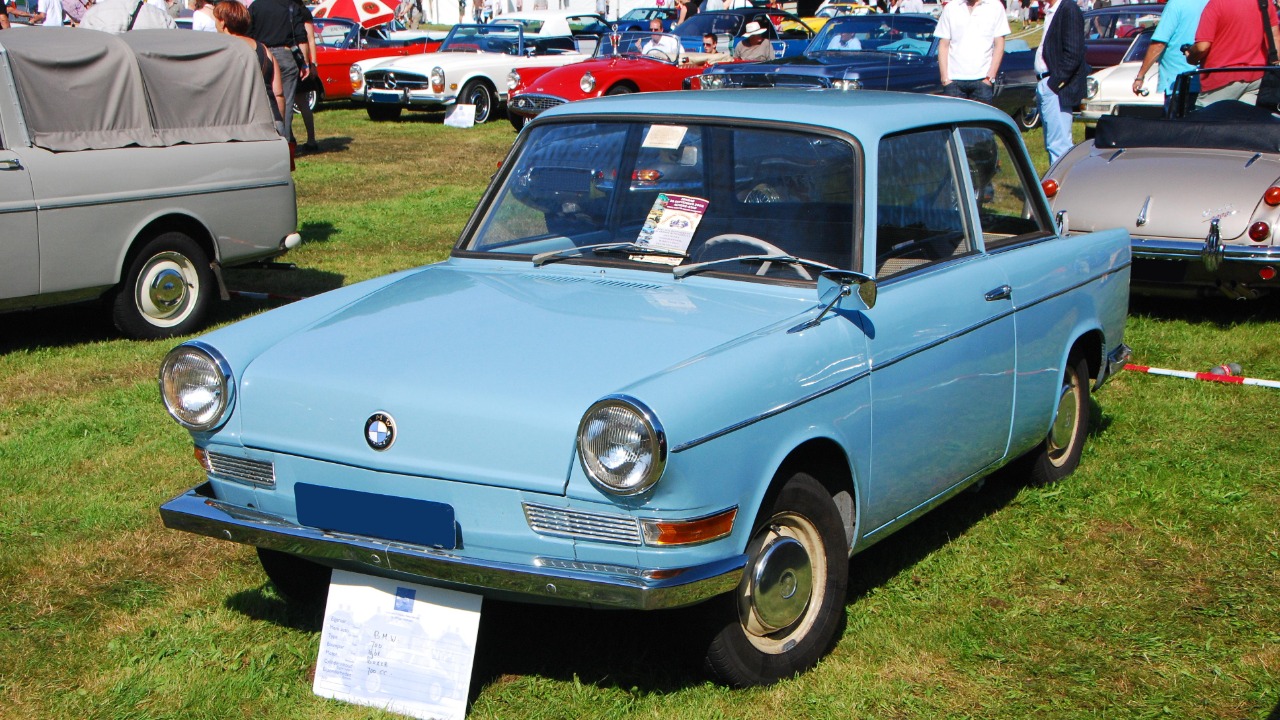
The BMW 700 is easy to overlook because it predates the era of BMW performance cars that most enthusiasts associate with the brand. Yet it played an important role in keeping BMW alive during a difficult period. Introduced at the end of the 1950s and continuing through the early 1960s, the 700 used a small rear-mounted flat-twin engine derived from BMW motorcycle technology. It was offered in several body styles, including a stylish coupe and a compact sedan. The lightweight design also gave the 700 genuine sporting potential, and racing versions demonstrated that modest power could be surprisingly effective when combined with low weight. Long before BMW built the famous 02-series and established itself as a dominant sports-sedan manufacturer, the 700 was helping the company find its direction. Knowing that history makes the little BMW considerably more interesting than its diminutive size suggests.
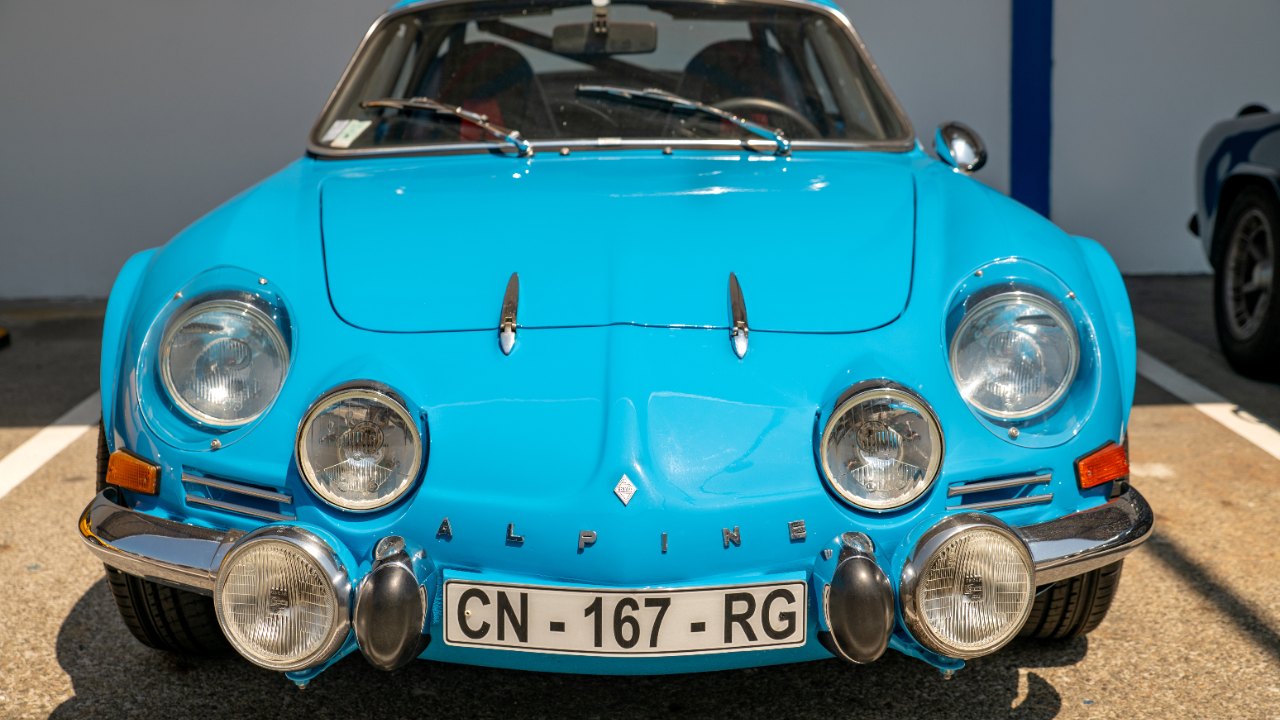
Alpine A110
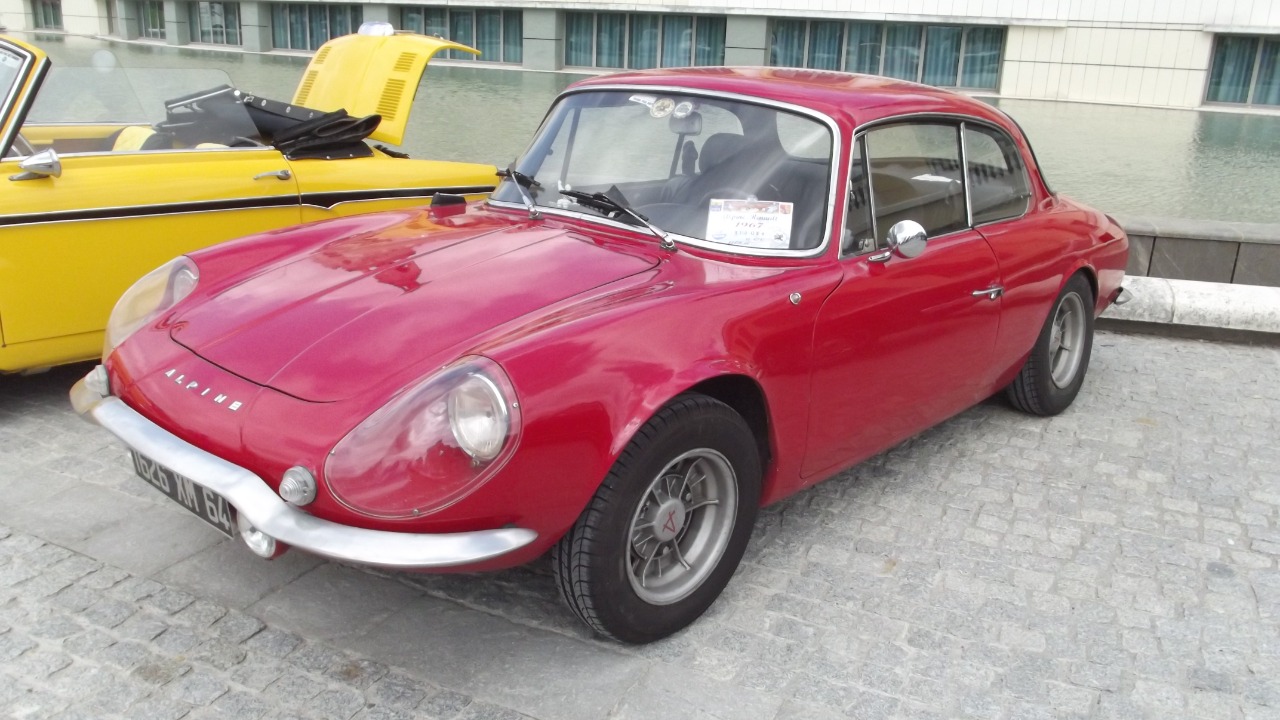
The Alpine A110 became famous later through its rally achievements, but the original car was already an intriguing sports machine during the 1960s. Introduced in 1962, it used a lightweight fiberglass body over a backbone chassis and a rear-mounted Renault engine. Its compact dimensions and low weight gave it a very different character from the heavier sports cars coming from Britain, Italy and Germany. The A110 evolved through the decade, gradually receiving more powerful engines while retaining the basic philosophy that made the car so effective. Its eventual competition success turned it into a legend, but even the earlier road cars deserve attention because they show how much performance could be extracted from a relatively simple package. Today, the A110 is well known among rally fans, but outside enthusiast circles its name still does not carry anything like the recognition of a Porsche 911 or Jaguar E-Type.
Subaru 1000
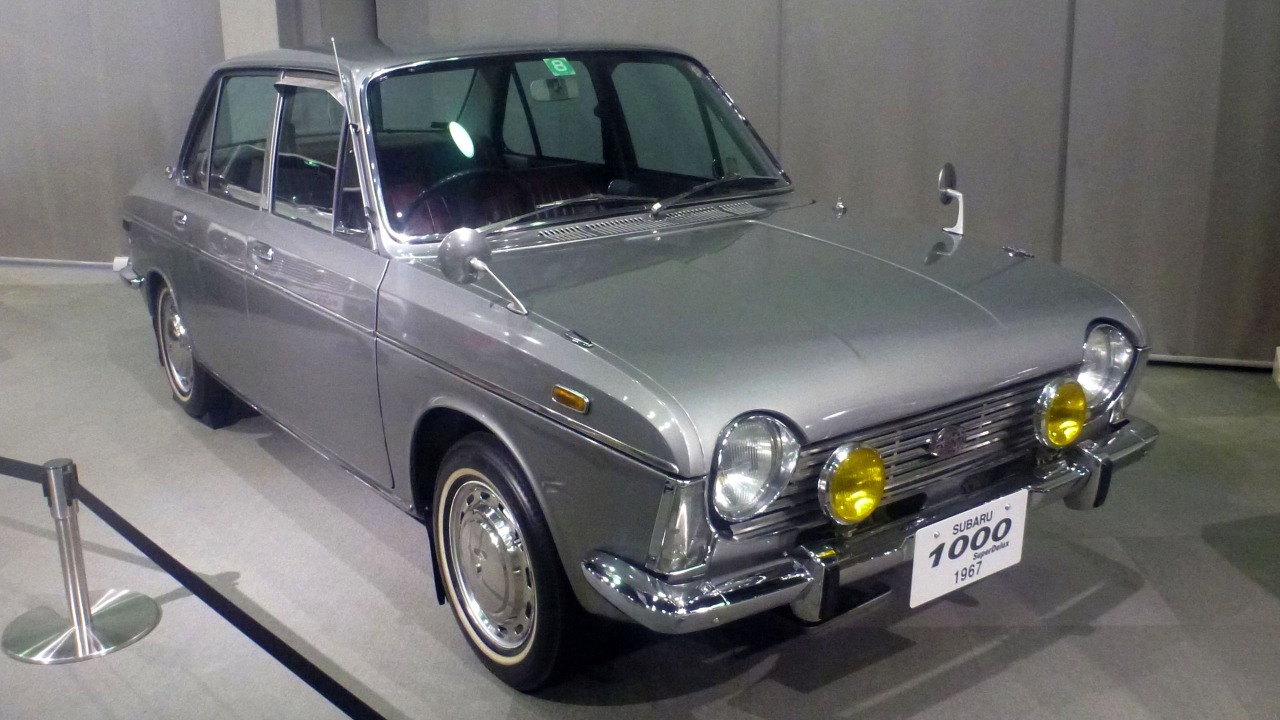
The Subaru 1000 was a landmark for a company that was still finding its identity in the 1960s. Introduced in 1966, it used a front-mounted, air-cooled flat-four engine and front-wheel drive, establishing a mechanical layout that would become closely associated with Subaru in later decades. At the time, this was a remarkably distinctive approach for a small Japanese manufacturer. The horizontally opposed engine helped keep the center of gravity low, while front-wheel drive made efficient use of the compact chassis. It was not a sports car and never received the same attention as Japan’s more glamorous performance models, but that is precisely why it belongs on this list. Enthusiasts familiar with Subaru’s history recognize the 1000 as an important early step toward the engineering philosophy that eventually produced everything from the Leone to the WRX.
Rover P5B
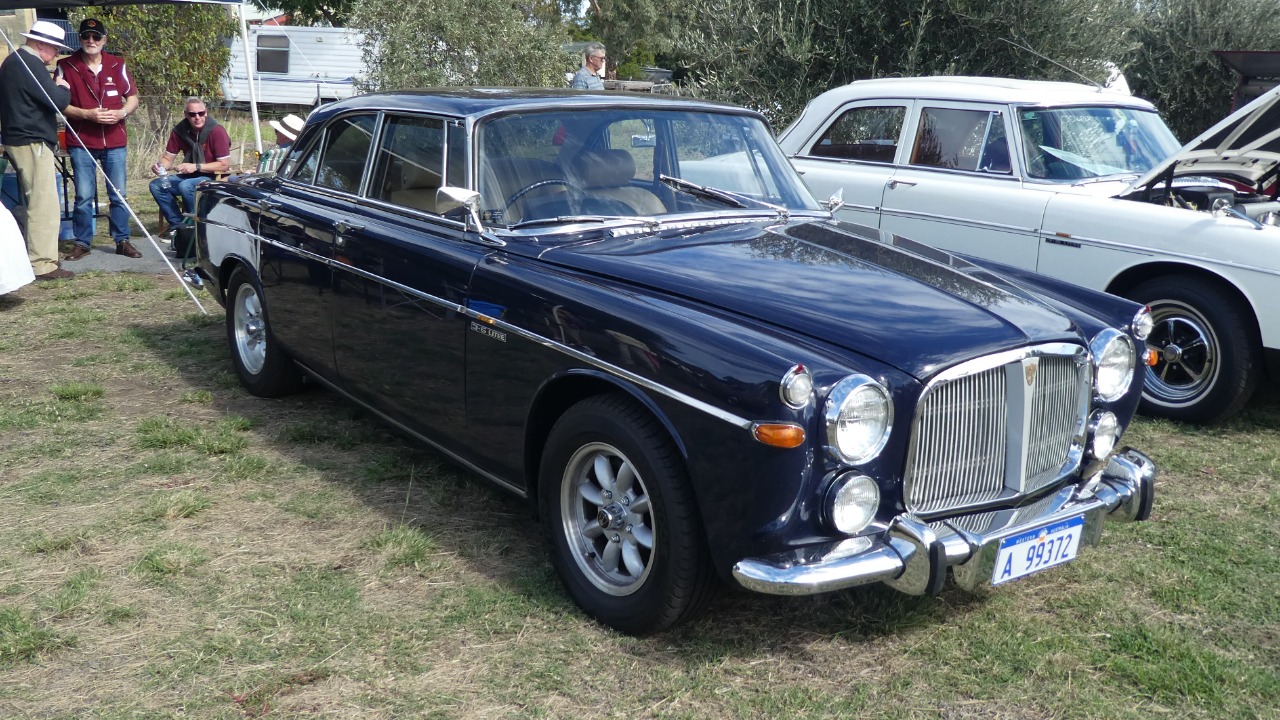
The Rover P5B is not obscure in the same way as a Glas or Gordon-Keeble, but the version enthusiasts really know is much easier to miss. The P5B arrived in 1967 with Rover’s 3.5-liter V8, giving the dignified British sedan and coupe considerably more performance than its restrained appearance suggested. The engine was the famous lightweight aluminum V8 that Rover acquired from Buick, and its arrival transformed the character of the car. The P5B became associated with British government and official use, but underneath its conservative styling was a genuinely interesting combination of luxury, smoothness and V8 power. It was never designed to shout about its performance, which is precisely why it has such a strong enthusiast following today. Spotting the V8 version rather than an earlier P5 requires a little more knowledge than simply recognizing the Rover badge.
Facel II

The Facel II was one of the last great grand tourers produced by Facel Vega, a French manufacturer that combined elegant European styling with large American engines. Introduced in the early 1960s, the Facel II featured a dramatic body, luxurious interior and Chrysler V8 power, creating a car that occupied a strange space between French craftsmanship and American mechanical muscle. It was expensive, rare and aimed at wealthy buyers who wanted something considerably less predictable than the usual luxury brands. The design is unmistakable once you know it, but very few casual car fans could identify one correctly. Facel Vega itself disappeared before the decade was over, leaving behind a small number of cars that have become highly prized by collectors. The Facel II is therefore not just an obscure classic. It is one of the clearest examples of how unusual the international luxury-car market could be during the 1960s.
More from Fast Lane Only
- Unboxing the WWII Jeep in a Crate
- 15 rare Chevys collectors are quietly buying
- 10 underrated V8s still worth hunting down
- Police notice this before you even roll window down
*Research for this article included AI assistance, with all final content reviewed by human editors.