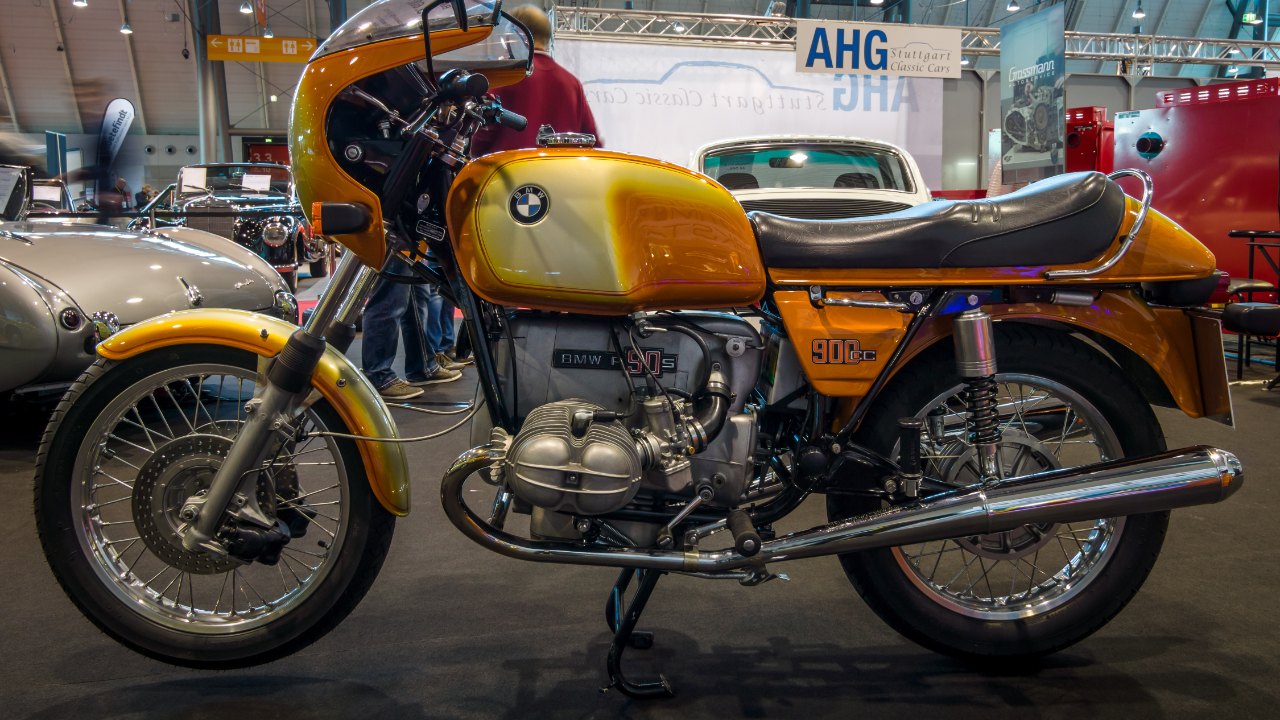
Some motorcycles are bought, ridden for a few years, and eventually replaced by something newer. Others become part of the family. They may not be the fastest bikes in the garage or even the most expensive, but something about the way they look, sound, and ride makes owners unusually reluctant to let them go. A great motorcycle can become tied to road trips, first rides, racing memories, restoration projects, or simply decades of ownership.
The motorcycles on this list come from very different eras and countries, but they share one important trait. Once enthusiasts become attached to them, selling can be much harder than buying. Some are historically important, some are increasingly rare, and others simply deliver a riding experience that modern motorcycles cannot quite reproduce.
Honda CB750 Four
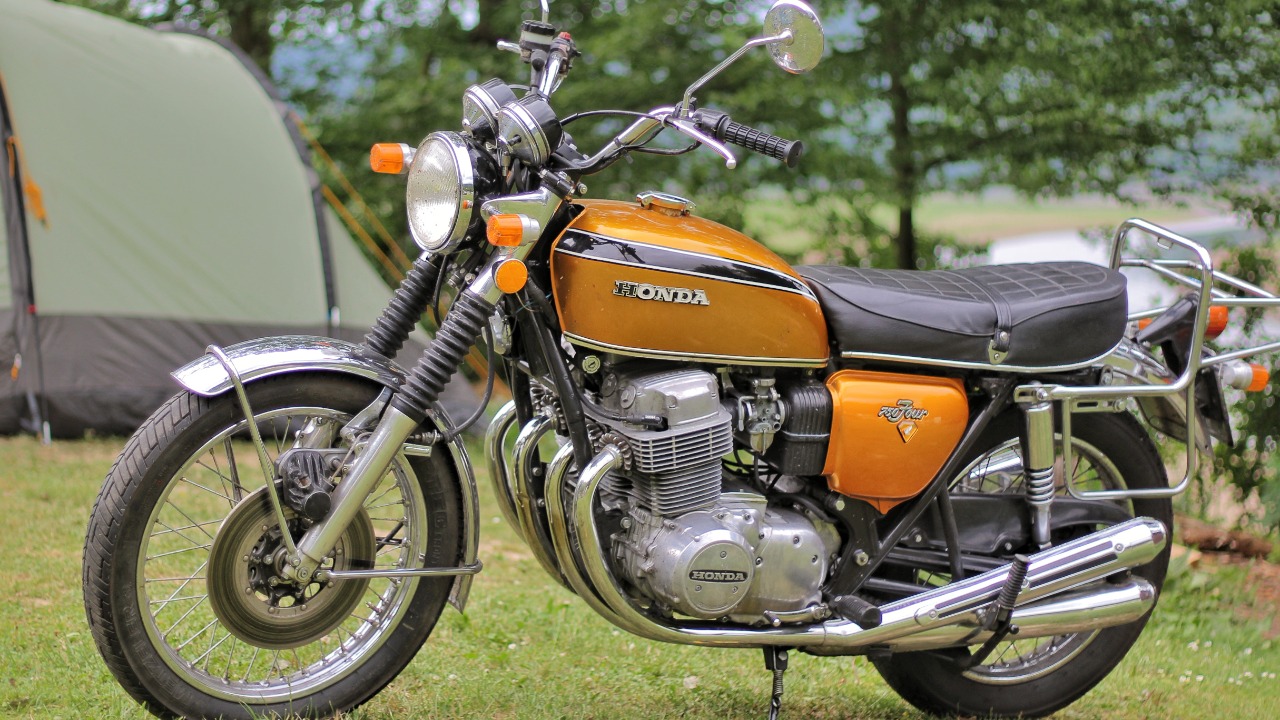
The Honda CB750 Four changed the motorcycle world when it arrived in 1969, combining a smooth 736cc inline-four with electric starting, a front disc brake, and performance that was remarkable for a street motorcycle. It also proved that a large Japanese motorcycle could compete directly with established European and American machines. That combination of engineering, practicality, and performance turned the CB750 into one of the defining motorcycles of the era. For owners today, however, its appeal goes beyond its place in history. The familiar four-cylinder exhaust note, simple proportions, and mechanical character make an original or carefully restored CB750 feel like a piece of motorcycling history that can still be ridden.
Harley-Davidson Sportster
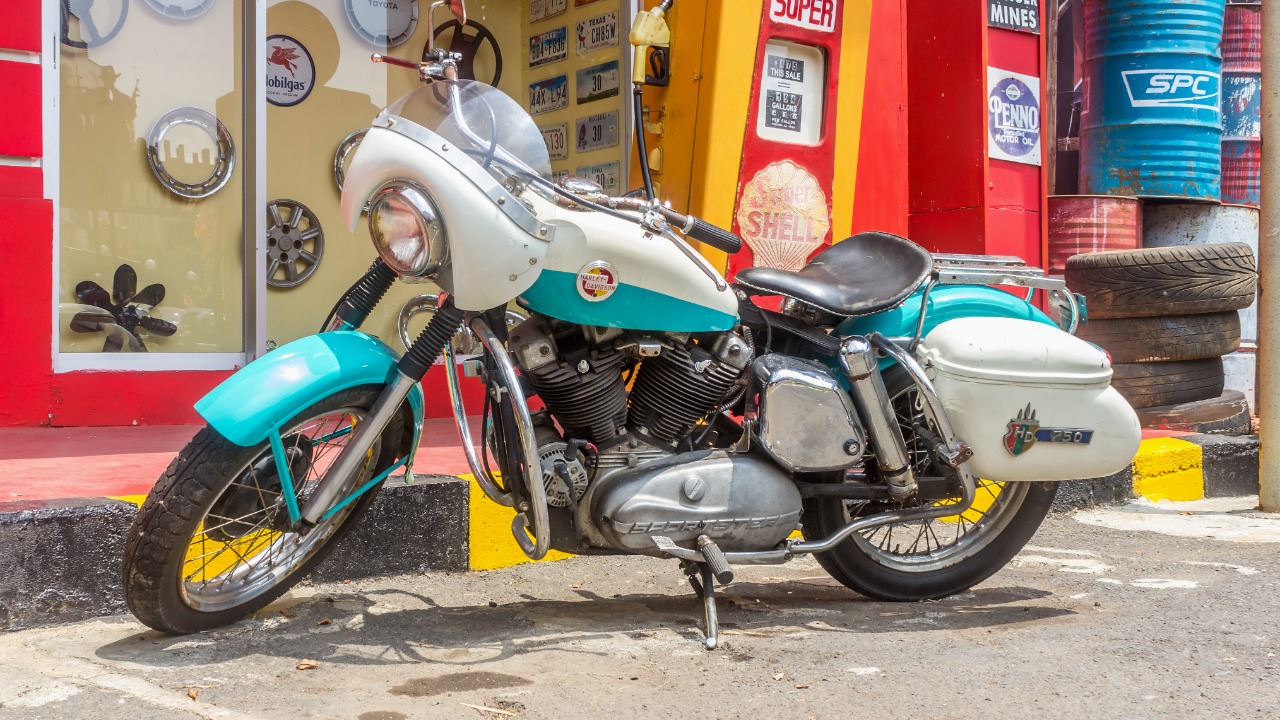
The Harley-Davidson Sportster has been around long enough to become almost a category of its own. Introduced in 1957, the Sportster evolved through numerous generations while maintaining its basic identity as a compact American V-twin with a strong connection to customization and everyday riding. Older Sportsters in particular can become surprisingly personal motorcycles because owners often modify them gradually over many years. A seat gets changed, the suspension gets upgraded, the paint gets refreshed, and eventually the motorcycle reflects the person who has owned it. That history can make selling difficult. Even when a Sportster is not especially rare, an owner who has spent years riding and modifying one may have no interest in starting over with another bike.
Vincent Black Shadow

The Vincent Black Shadow occupies a different level of motorcycle history. Introduced in 1948, it combined a large 998cc V-twin with an advanced chassis and impressive performance for its time. Its reputation was built partly on speed, but the engineering behind the motorcycle is just as important. Vincent used unusual frame and suspension ideas, and the company paid close attention to weight and performance at a time when many motorcycles were still relatively basic. Production numbers were limited, and surviving examples are now highly prized. An owner fortunate enough to possess a genuine Black Shadow is not simply keeping an old motorcycle in the garage. They are looking after one of the most significant performance motorcycles of the postwar era, which makes letting it go an especially difficult decision.
BMW R90S
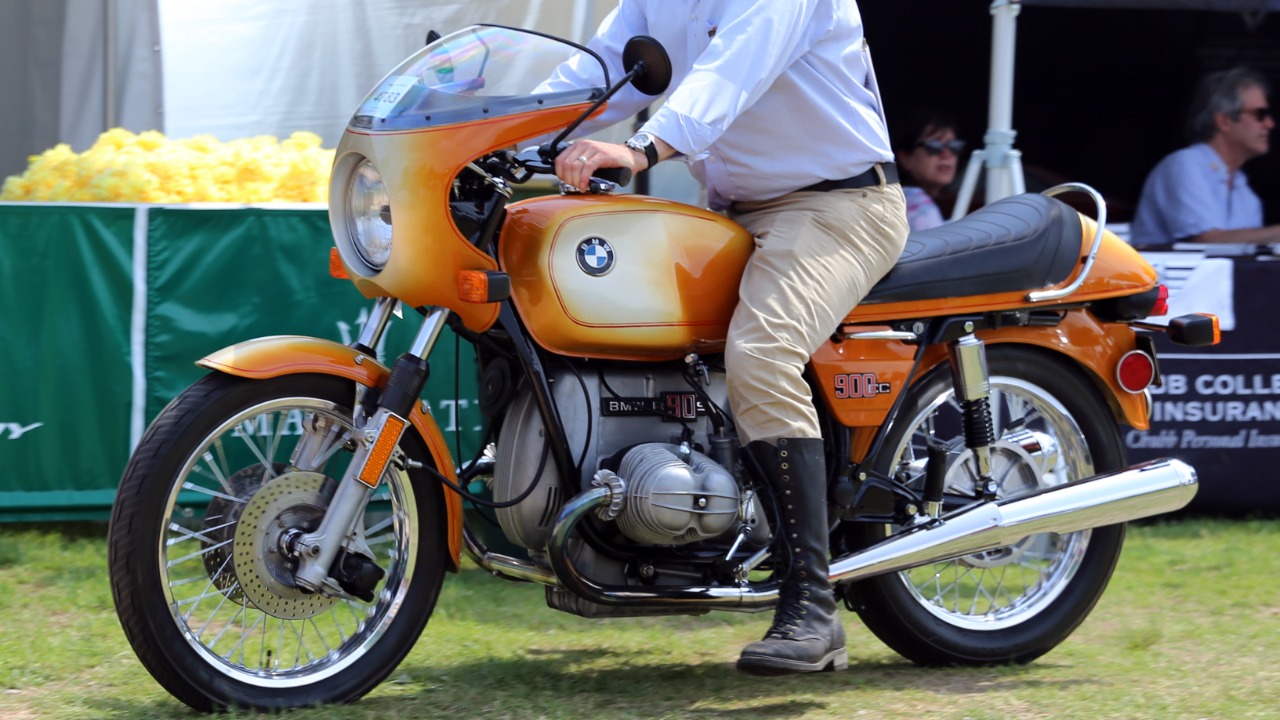
The BMW R90S brought a distinctly different personality to the superbike world of the 1970s. Its 898cc air-cooled boxer twin was smooth and durable, while the half fairing, twin front disc brakes, and distinctive two-tone paint gave it an appearance unlike most contemporary motorcycles. The R90S was also much more than a styling exercise. It delivered strong road performance while retaining the long-distance character associated with BMW. Today, owners often appreciate that combination even more than they did when the bike was new. An R90S can be ridden, maintained, and enjoyed without feeling like a fragile museum piece. For enthusiasts who have spent years with one, the combination of history, practicality, and unmistakable styling can make it a very difficult motorcycle to replace.
Honda CBX
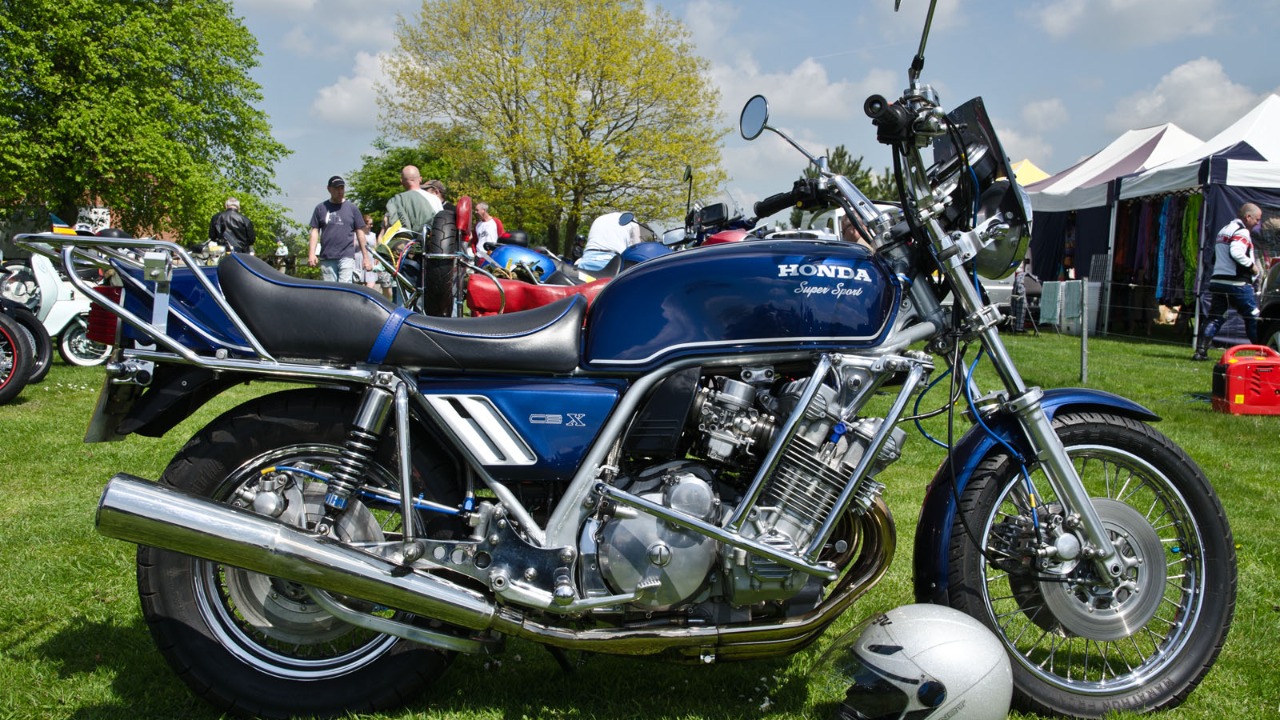
Few motorcycles sound quite like a Honda CBX. Introduced in 1978, it used a 1,047cc inline-six engine with six individual cylinders packed into a relatively compact motorcycle. The engine’s mechanical presence is the main attraction, but the CBX also has the visual drama to match it. Six exhaust headers, six cylinders, and the unmistakable sound of a high-revving Honda make it immediately recognizable. Later versions became more touring-oriented, but the original CBX remains particularly desirable among enthusiasts who want the full experience of Honda’s ambitious six-cylinder experiment. Owners often develop a strong attachment to these motorcycles because there simply are not many other production bikes that deliver the same combination of sound, engineering, and historical significance.
Kawasaki H2 750
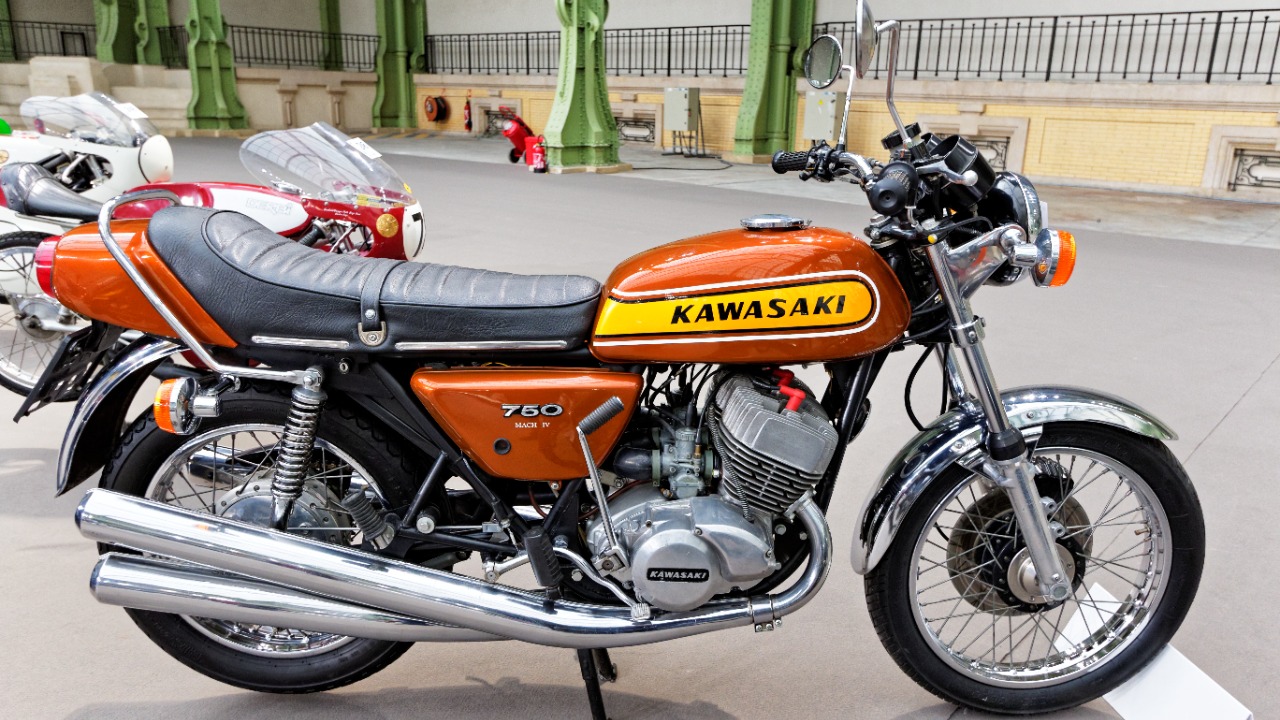
The Kawasaki H2 750 earned a reputation that still follows it today. Its 748cc two-stroke triple arrived during an era when manufacturers were pushing increasingly powerful two-strokes onto public roads, and the H2 quickly became known for its strong acceleration and distinctive mechanical personality. The lightweight chassis and aggressive engine made the motorcycle exciting, but also demanding compared with more forgiving modern bikes. That is part of the attraction for collectors. An original H2 is not simply another old Kawasaki. It represents a brief period when manufacturers could build remarkably powerful two-stroke street motorcycles with relatively little concern for how intimidating they might feel. Owners who preserve one often value that raw character as much as the motorcycle’s growing collector status.
Yamaha RD350
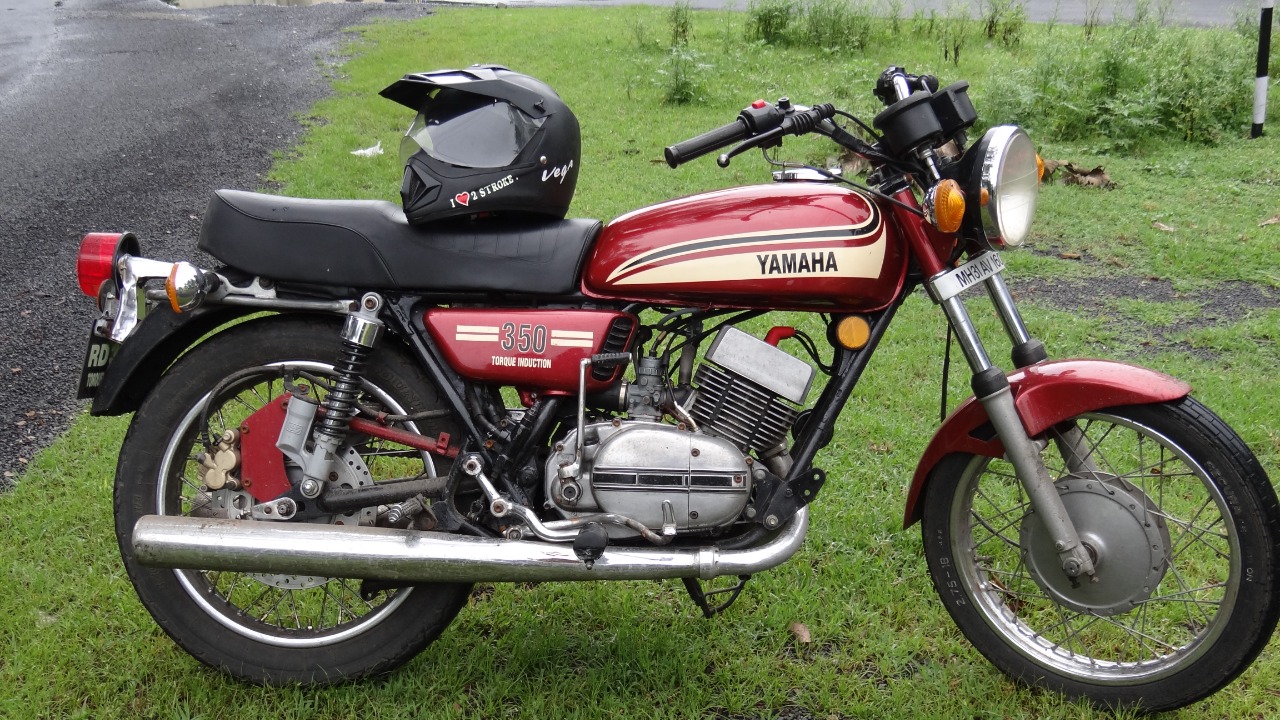
The Yamaha RD350 became one of the most loved lightweight performance motorcycles of its generation because it delivered serious entertainment without requiring a massive engine. Its air-cooled two-stroke twin was compact, responsive, and relatively simple, while the lightweight chassis allowed riders to exploit its performance on real roads. The RD formula became especially important because it rewarded skill rather than simply overwhelming the rider with horsepower. Clean surviving examples are increasingly appreciated today, particularly by enthusiasts who remember riding two-strokes when they were still common. Owners can become attached to an RD350 for reasons that have little to do with investment value. It is small, noisy, lively, and mechanically distinctive, which makes replacing the experience with a modern motorcycle surprisingly difficult.
Ducati 900 SuperSport
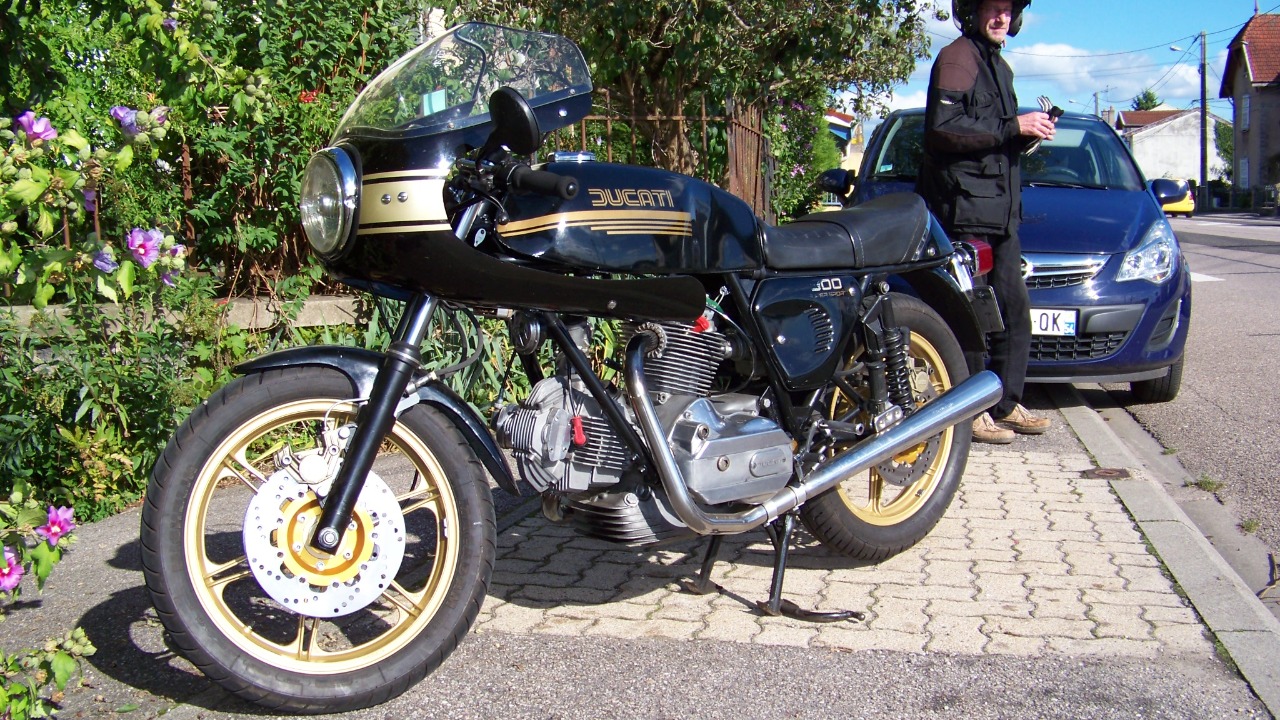
The Ducati 900 SuperSport became an icon by combining Italian styling with Ducati’s air-cooled 90-degree V-twin engine and sporting chassis. The early versions have a particularly strong following because of their minimalist appearance, distinctive engine design, and connection to Ducati’s racing heritage. They were not designed to be anonymous transportation. Everything about the motorcycle emphasizes mechanical character, from the exposed engine to the riding position and distinctive exhaust note. Owners who restore an early 900 SuperSport can spend enormous amounts of time tracking down correct components and getting the motorcycle back into proper condition. Once that work is complete, selling it can feel like giving away years of effort along with the motorcycle itself.
Suzuki GSX-R750
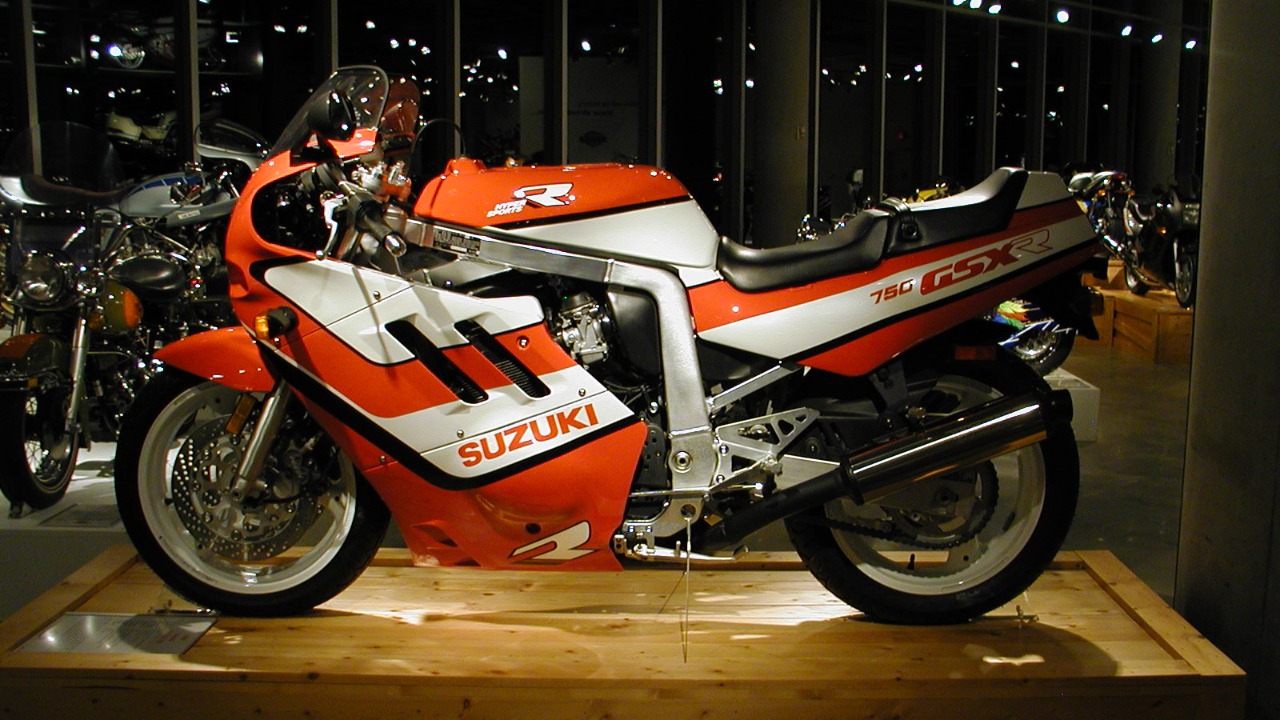
The first-generation Suzuki GSX-R750 changed expectations for a production sportbike. Introduced in 1985, it brought a lightweight chassis, air-and-oil-cooled four-cylinder engine, and race-inspired styling together in a package that was far more focused than the typical street motorcycle of the period. Suzuki’s use of lightweight construction helped the GSX-R750 establish the formula that would influence sportbikes for years. Original examples are now particularly interesting because so many were modified, crashed, raced, or simply ridden hard. A clean early GSX-R750 therefore represents more than an old Japanese motorcycle. It captures the moment when production sportbikes began moving rapidly toward the race-bred machines enthusiasts recognize today.
Honda RC30
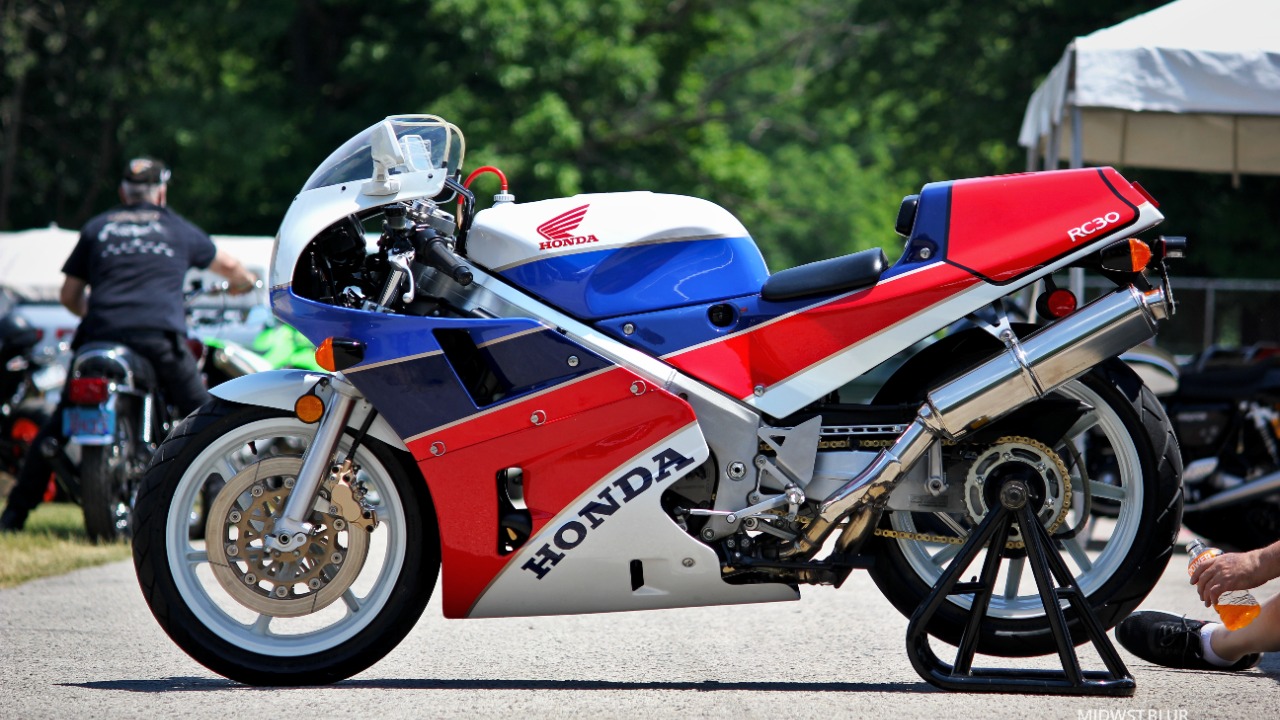
The Honda RC30 was built for a very specific purpose, and that purpose is part of what makes it so difficult to let go. Officially known as the VFR750R, it was created as a homologation motorcycle for Honda’s racing efforts and featured a 748cc V4, gear-driven camshafts, a lightweight chassis, and a single-sided swingarm. Honda did not build the RC30 in anything resembling ordinary mass-market numbers. Many were also used as intended, meaning surviving original motorcycles have become increasingly important to collectors. The RC30 has the rare quality of being technically fascinating even when parked. Owners can spend hours examining its engineering details, but the motorcycle was also designed to be ridden hard, making a well-preserved example an especially compelling possession.
Yamaha VMAX
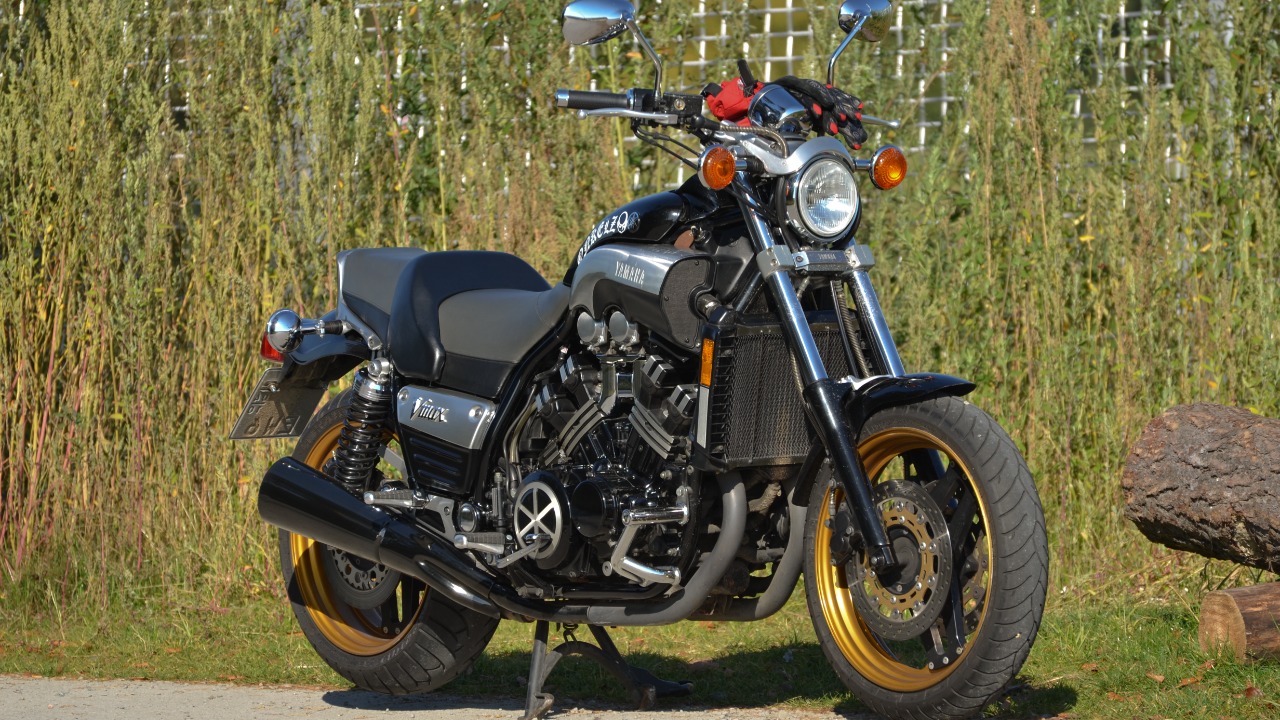
The Yamaha VMAX took the muscle-bike idea and pushed it into a very different direction. Introduced for the 1985 model year, the VMAX combined a large 1,198cc V4 with dramatic styling and a reputation for straight-line performance. Its enormous engine, distinctive air scoops, low riding position, and unusual proportions made it instantly recognizable. Unlike a traditional sportbike, the VMAX was as much about attitude as outright handling. That personality is exactly why many owners become attached to them. Modern motorcycles can easily surpass the original VMAX in braking, handling, electronics, and outright performance, but they cannot reproduce the specific experience of sitting behind that huge V4 and feeling the motorcycle’s unmistakable mechanical presence.
Triumph Bonneville T120
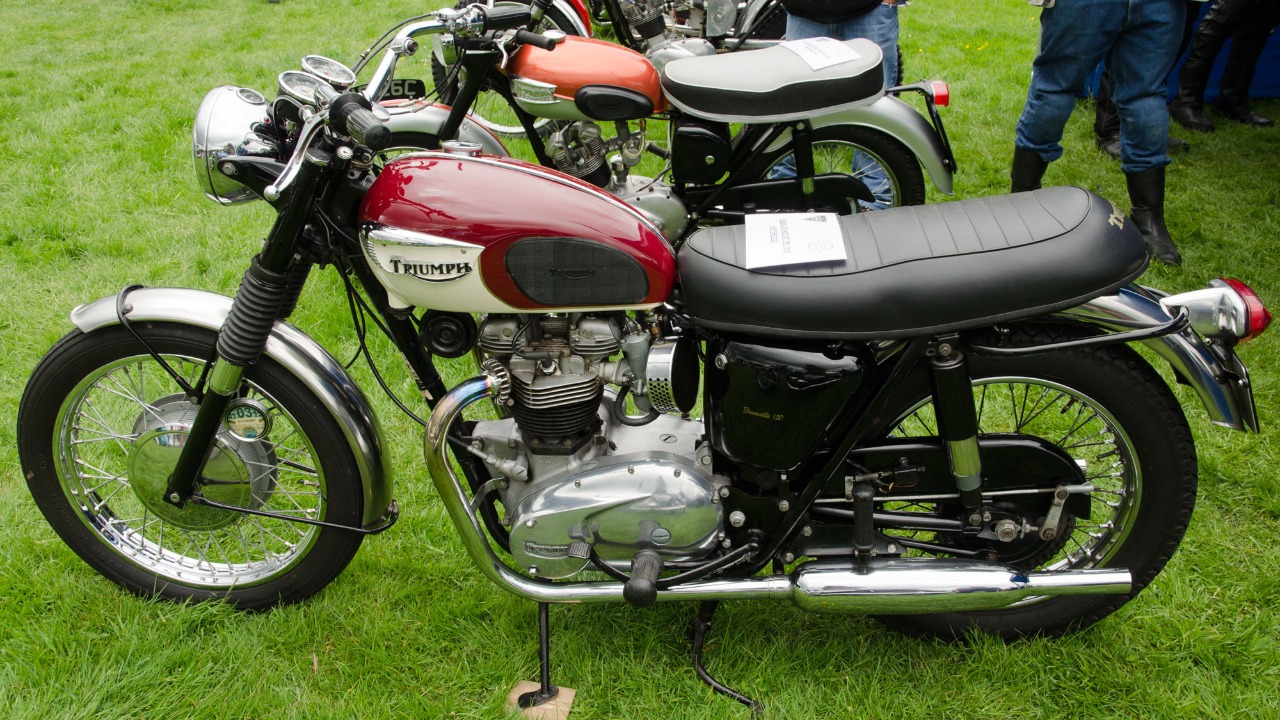
The Triumph Bonneville T120 became one of the defining British motorcycles of the 1960s. Its 650cc parallel-twin engine offered a useful combination of performance and everyday usability, while the styling established the classic Bonneville appearance that would remain influential for decades. The T120 also became deeply connected with the American motorcycle scene, where Triumph twins developed a strong following among riders who wanted something lighter and sportier than the big American motorcycles of the period. Today, an original T120 can have tremendous sentimental value because it represents an era when motorcycles were relatively simple, mechanical, and visually distinctive. Owners who have restored one often keep it because riding it provides a direct connection to that period that a modern reproduction cannot completely duplicate.
Norton Commando 750
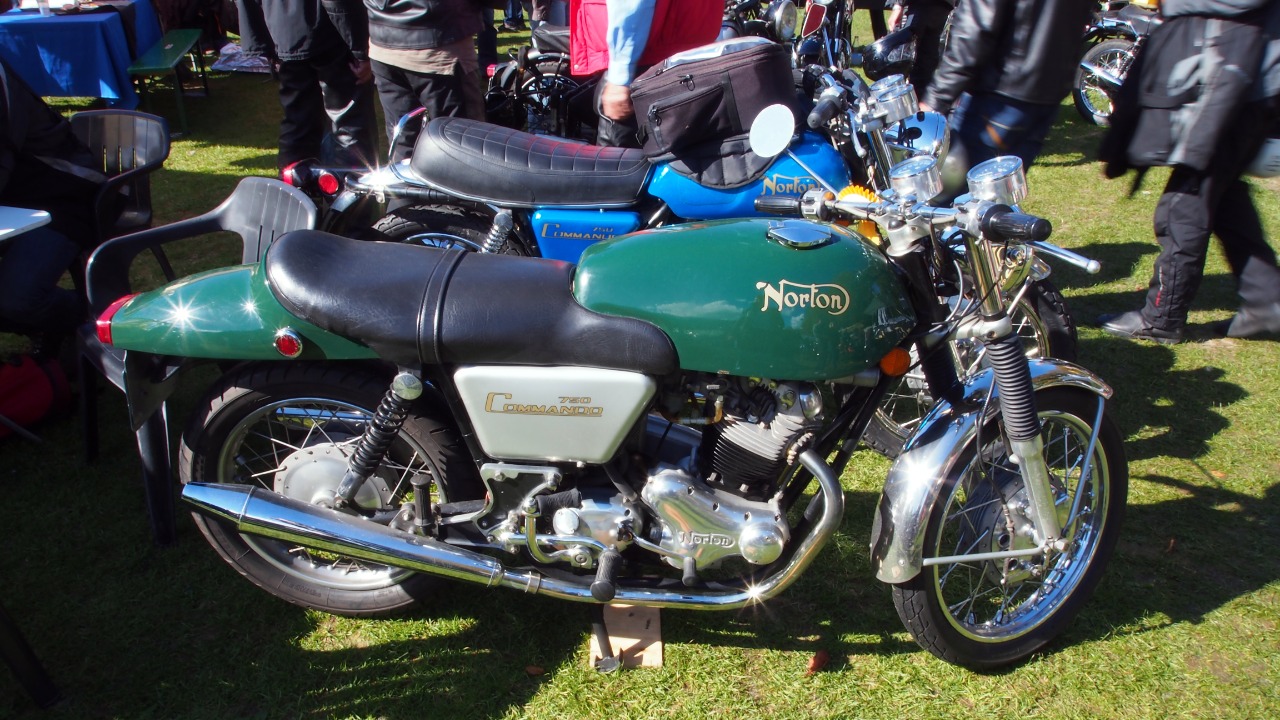
The Norton Commando 750 developed its reputation around a combination of strong parallel-twin performance and an innovative approach to vibration control. Its Isolastic mounting system separated the engine and other components from the frame in an effort to reduce the vibration reaching the rider, while the overall package retained the traditional character of a British twin. The Commando became one of Norton’s best-known motorcycles and remains an important part of British motorcycle history. Owners also appreciate the fact that these motorcycles have an identity all their own. The engine, exhaust note, styling, and riding position create an experience that feels very different from a modern motorcycle. For someone who has spent years maintaining a Commando, that character can be worth far more than its market value.
Moto Guzzi Le Mans
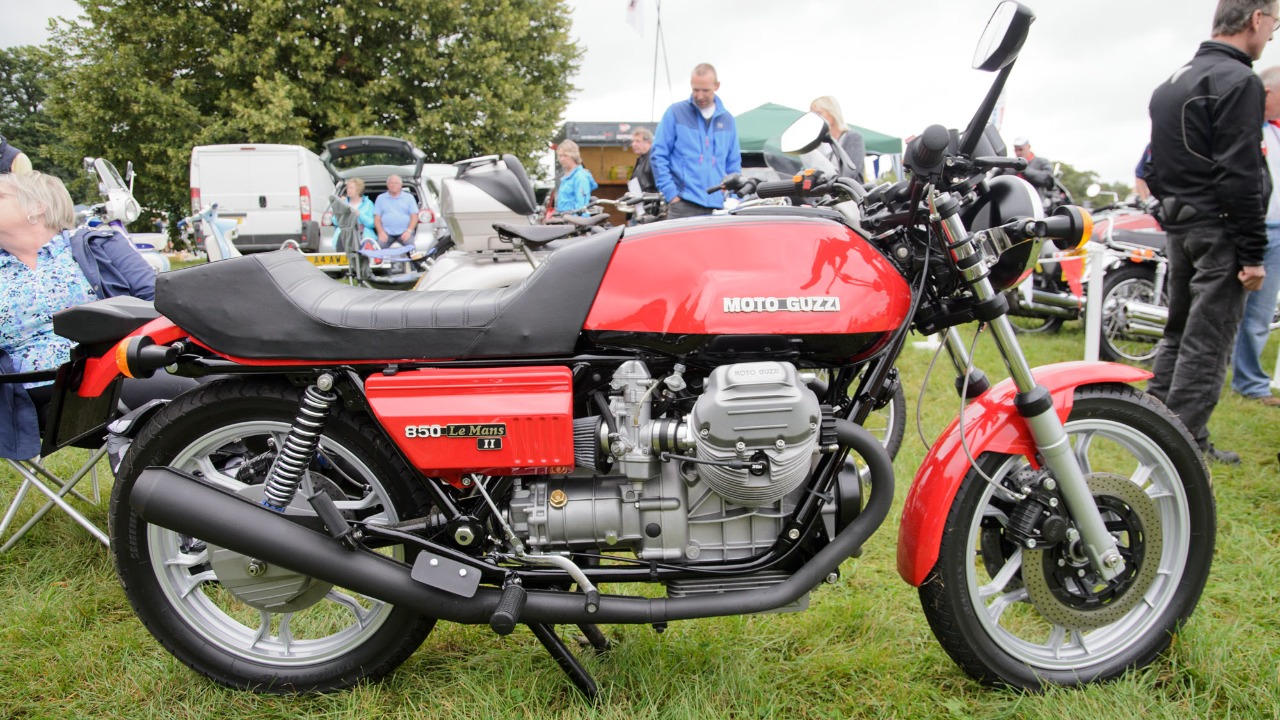
The Moto Guzzi Le Mans took the company’s unusual transverse V-twin formula and turned it into a serious sporting motorcycle. Its longitudinally mounted engine, shaft drive, distinctive cylinder heads, and unmistakable Italian styling gave the bike an identity that was completely different from the inline-four Japanese superbikes dominating the market. Early Le Mans models are especially sought after because of their combination of minimalist styling and strong performance. The motorcycle also rewards owners who appreciate mechanical individuality. You do not mistake a Guzzi V-twin for anything else, whether it is sitting in the garage or pulling away from a stop. That sense of identity is a major reason an owner who has lived with one for years may have little interest in selling it.
Harley-Davidson XR-750
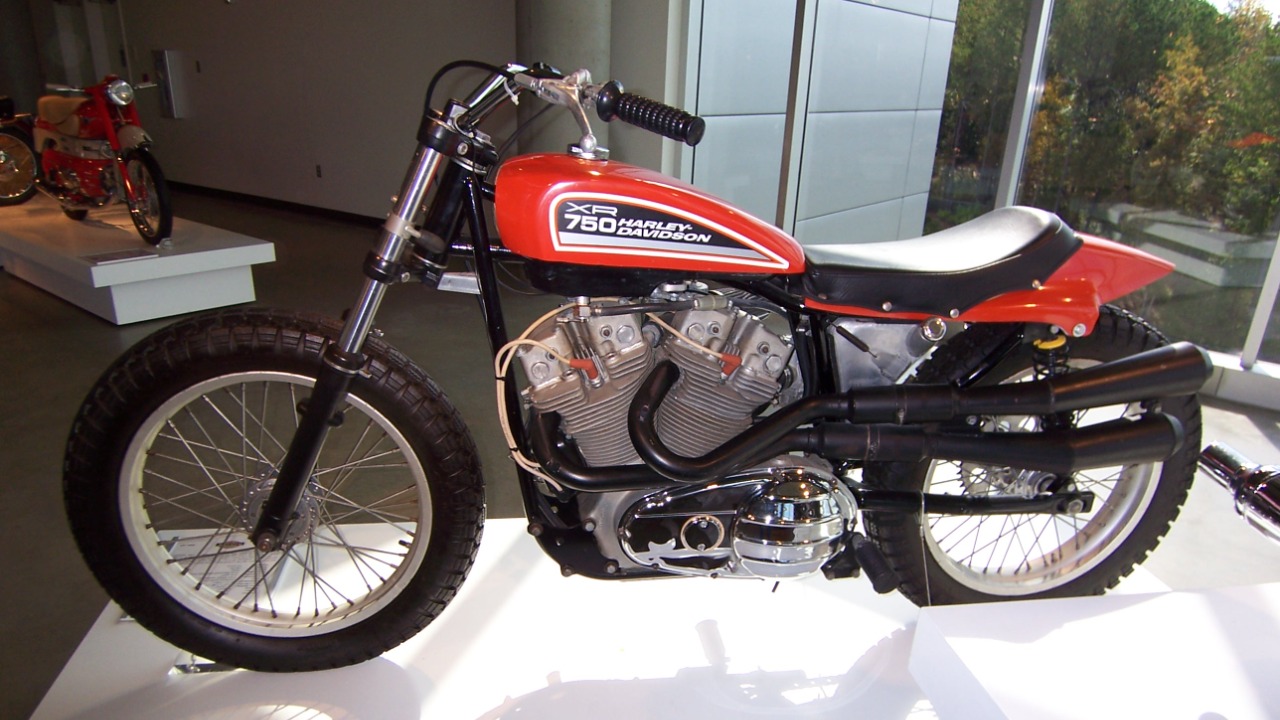
The Harley-Davidson XR-750 is one of the most important American racing motorcycles ever produced. Developed for flat-track competition, it became closely associated with Harley-Davidson’s dominance in American dirt-track racing and remained a competitive machine for decades. Unlike a conventional street motorcycle, the XR-750 was built around a very specific racing purpose, which gives surviving examples enormous historical character. Collectors and former racers value these motorcycles not simply because they are old, but because they represent a major part of American racing culture. An XR-750 that has genuine competition history is particularly difficult to replace. Even an example without famous provenance can have enormous appeal to someone who grew up watching or participating in flat-track racing.
Indian Chief
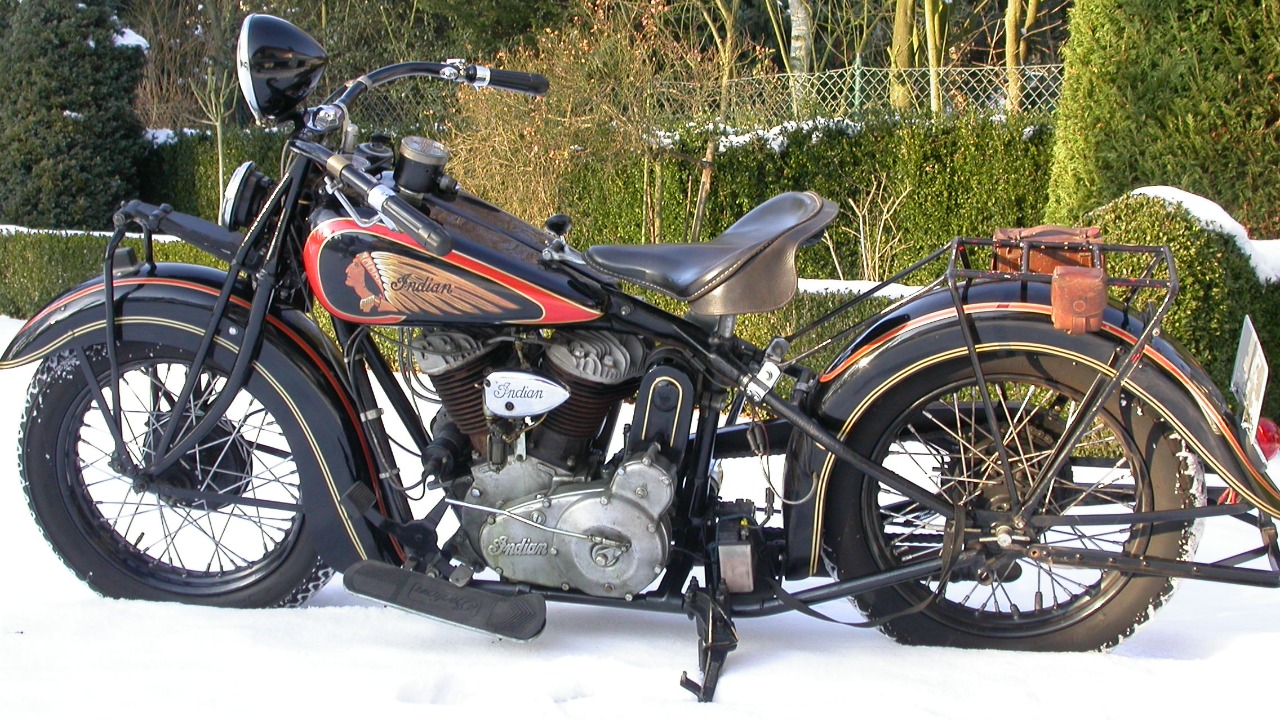
The Indian Chief carries a different kind of significance because it represents one of America’s most historic motorcycle names. Classic Chiefs were large, substantial motorcycles built around Indian’s V-twin architecture and became closely associated with long-distance American riding. Their distinctive valanced fenders, large fuel tank, and substantial proportions give them an unmistakable presence. Surviving prewar Chiefs are now important pieces of American motorcycle history, particularly because Indian’s original motorcycle operation eventually disappeared. Owners who preserve one are looking after a machine from a company that helped define early American motorcycling. That historical connection can make a Chief deeply personal, especially for collectors who have spent years restoring the motorcycle and tracking down the correct period components.
Brough Superior SS100
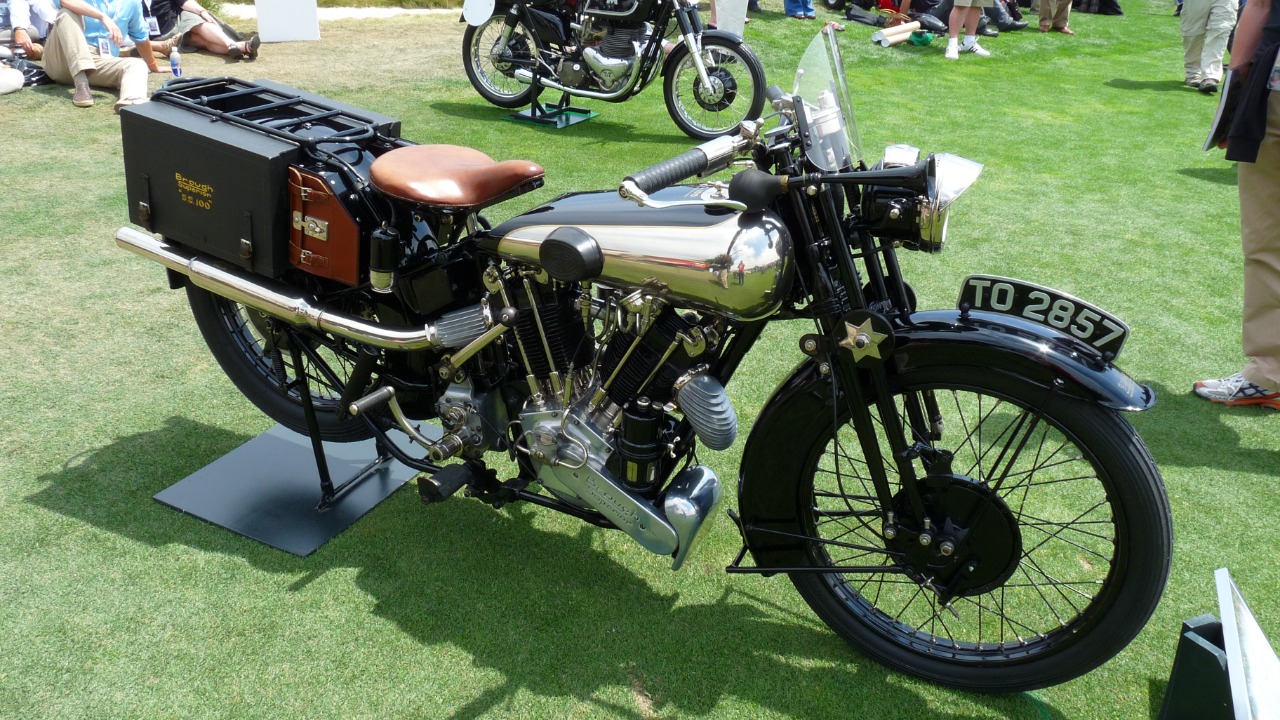
The Brough Superior SS100 was expensive and exclusive even when it was new. Built in Britain during the 1920s and 1930s, it combined powerful engines from suppliers such as JAP and Matchless with carefully selected components and meticulous construction. The motorcycle quickly developed a reputation as one of the finest high-performance machines available to wealthy riders. George Brough himself positioned the brand at the luxury end of motorcycling, and the SS100 became the company’s most famous model. Surviving examples are now exceptionally valuable, but monetary worth is only part of the story. An original SS100 carries an extraordinary amount of motorcycle history in its frame, engine, and components. An owner who has managed to preserve one is unlikely to view it as an ordinary collectible.
Suzuki Hayabusa
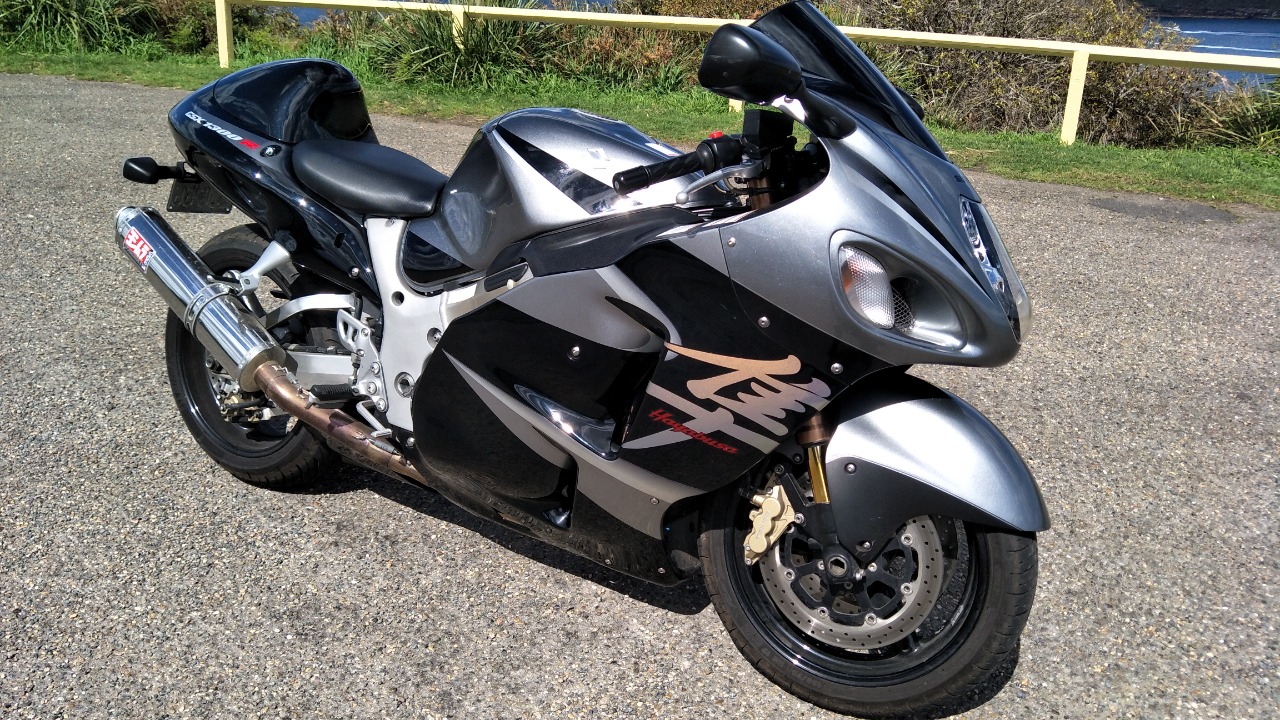
The Suzuki Hayabusa became a legend almost immediately after its introduction in 1999. Its 1,298cc inline-four and aerodynamic bodywork were designed around extreme high-speed performance, and the motorcycle quickly became one of the defining machines of the late 1990s superbike era. Yet the Hayabusa developed a following beyond outright speed. Its unusual styling, smooth engine, comfortable riding position, and enormous tuning potential gave it a personality that owners could make their own. Early first-generation examples are especially interesting today because they capture the original design before later generations evolved the formula. For many owners, selling a Hayabusa would mean giving up a motorcycle that represents a particular moment in performance-bike history.
Honda Gold Wing GL1000
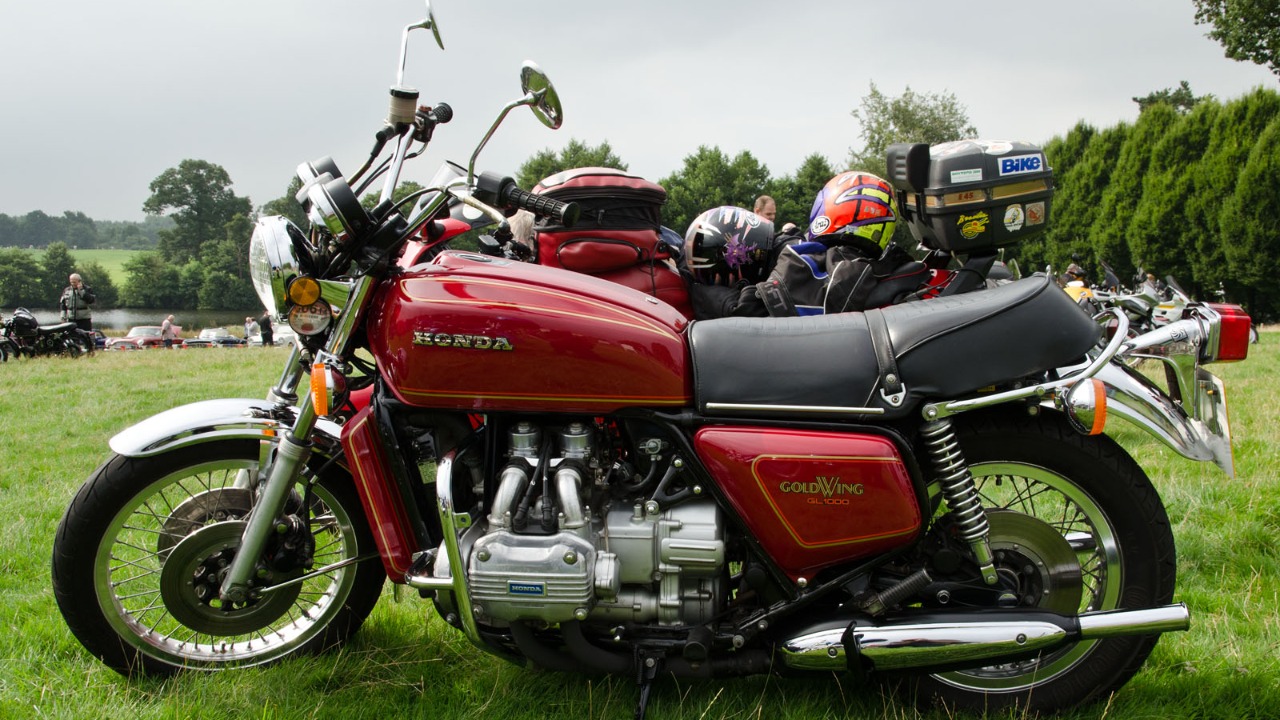
The original Honda Gold Wing was a very different motorcycle from the enormous touring machines the name would eventually become associated with. Introduced in 1975, the GL1000 used a smooth 999cc flat-four engine, shaft drive, and a relatively clean design without the massive fairings and luggage systems of later Gold Wings. Honda created a motorcycle capable of covering long distances while offering a level of smoothness and refinement that stood out among contemporary machines. Surviving GL1000s have become attractive to enthusiasts because they represent the beginning of a motorcycle family that would become enormously influential. Owners also appreciate the engineering simplicity of the early bike, which makes it possible to experience the Gold Wing concept without the size and complexity of later generations.
Triumph Speed Triple
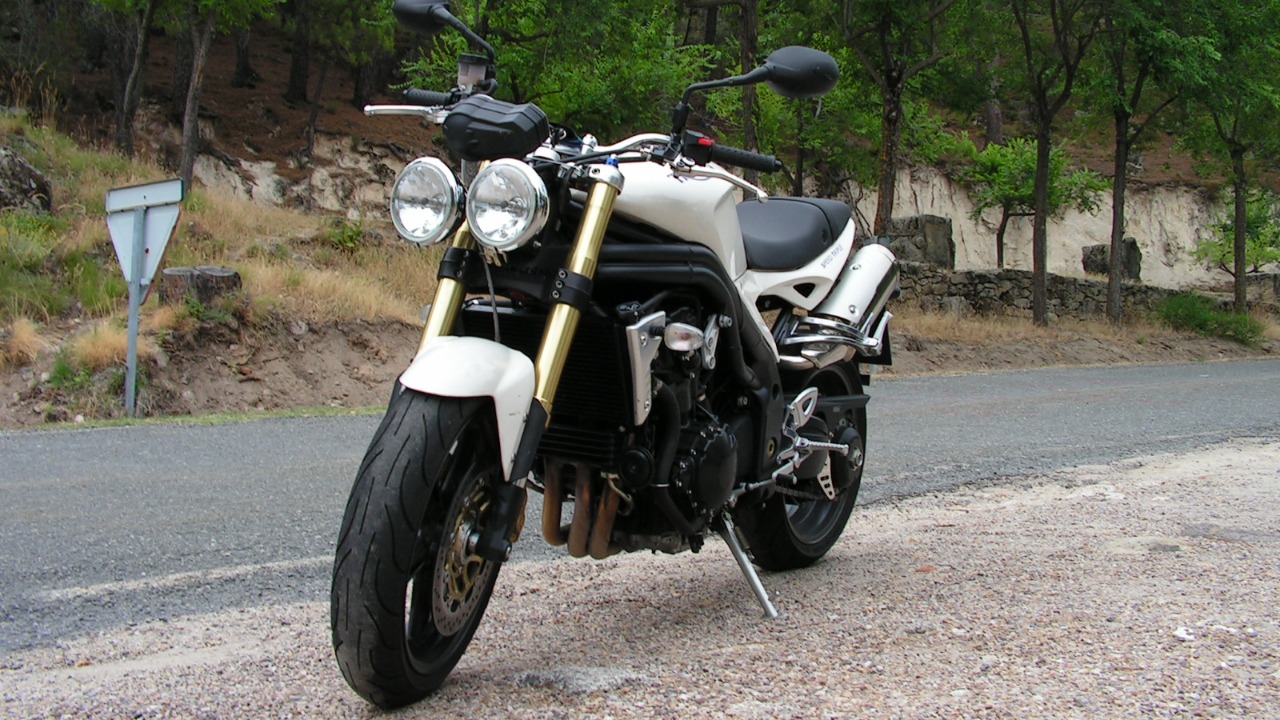
The Triumph Speed Triple helped define the modern naked performance motorcycle when it emerged in the 1990s. Instead of hiding its engine behind a full fairing, the Speed Triple exposed its mechanical hardware and combined it with an aggressive riding position and strong three-cylinder performance. The early bikes developed a particularly loyal following because they felt different from both conventional sportbikes and traditional British motorcycles. That distinctive identity has allowed the Speed Triple name to remain important through multiple generations. Owners often become attached to specific examples because the motorcycle can serve as both a practical road bike and a characterful performance machine. A good older Speed Triple has enough personality to become a bike that stays in the garage even after newer motorcycles arrive.
More from Fast Lane Only
- Unboxing the WWII Jeep in a Crate
- 15 rare Chevys collectors are quietly buying
- 10 underrated V8s still worth hunting down
- Police notice this before you even roll window down
*Research for this article included AI assistance, with all final content reviewed by human editors.