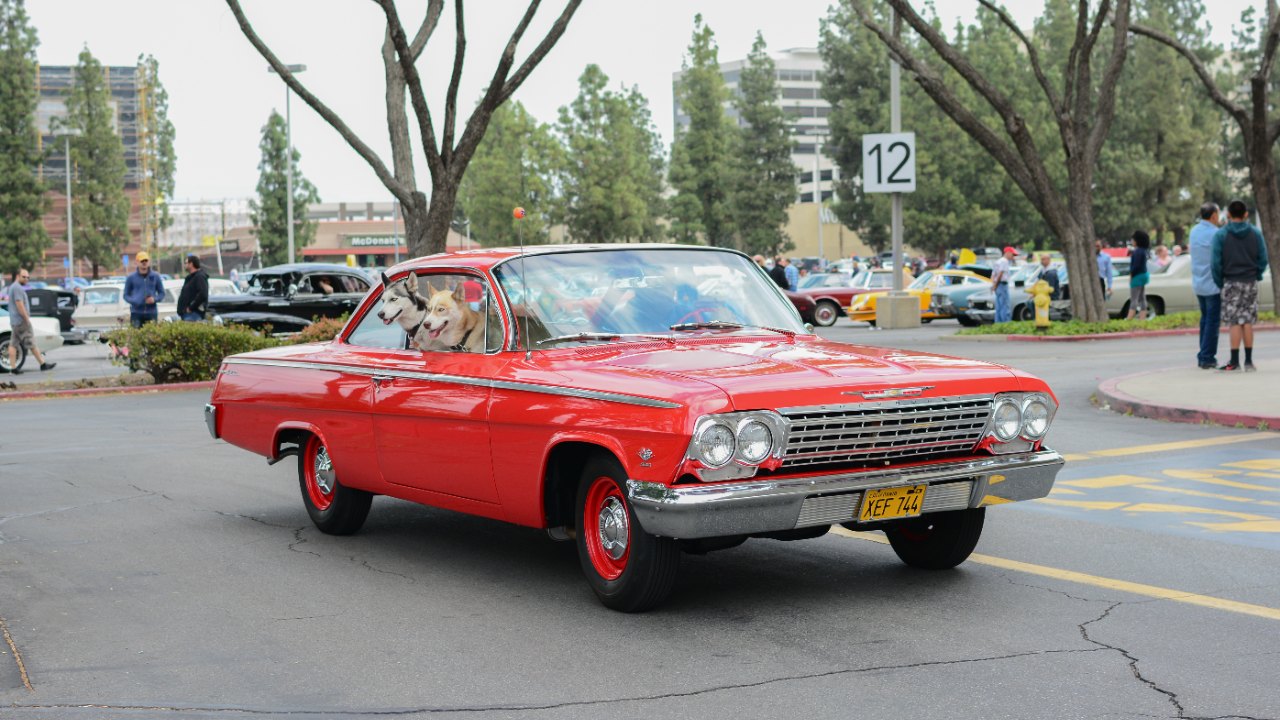
There has always been a point where an engine stops feeling like something designed for ordinary road use and starts feeling like a race motor that somehow escaped onto the street. The muscle car era was full of them, with manufacturers building engines around racing programs, drag strips and horsepower wars before figuring out how to make them work in something you could actually drive to work.
Some of these engines were brutally powerful by the standards of their day, while others were simply so highly strung, heavily modified or excessive that their street manners became almost an afterthought. From giant naturally aspirated V8s to modern supercharged monsters, these are 20 engines that came remarkably close to being too much for an ordinary road car.
426 Hemi
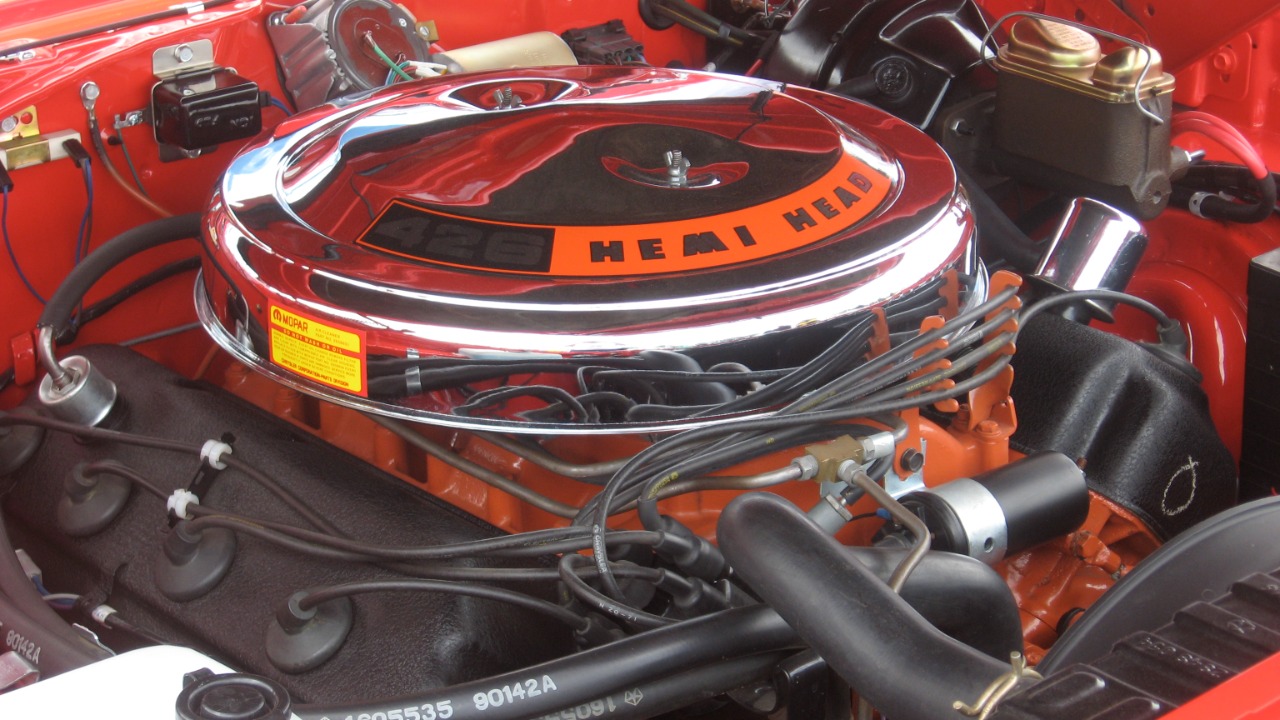
Chrysler’s 426 Hemi is probably the clearest example of a race-bred engine being adapted for street duty without losing much of its attitude. The original Hemi had been developed for competition, and the street version that arrived in the mid-1960s still carried the hardware and breathing ability that made the design so formidable. By 1970, the Street Hemi was officially rated at 425 horsepower and 490 lb-ft of torque, figures that were enormous for a production car at the time. The engine used hemispherical combustion chambers, large valves, dual four-barrel carburetors and a heavy-duty bottom end. Chrysler itself described the racing 426 as an ultimate competition engine before the Street Hemi brought that reputation to public roads. It was powerful, expensive and demanding enough that only a small percentage of buyers were willing to live with one.
Chevrolet 427 L88
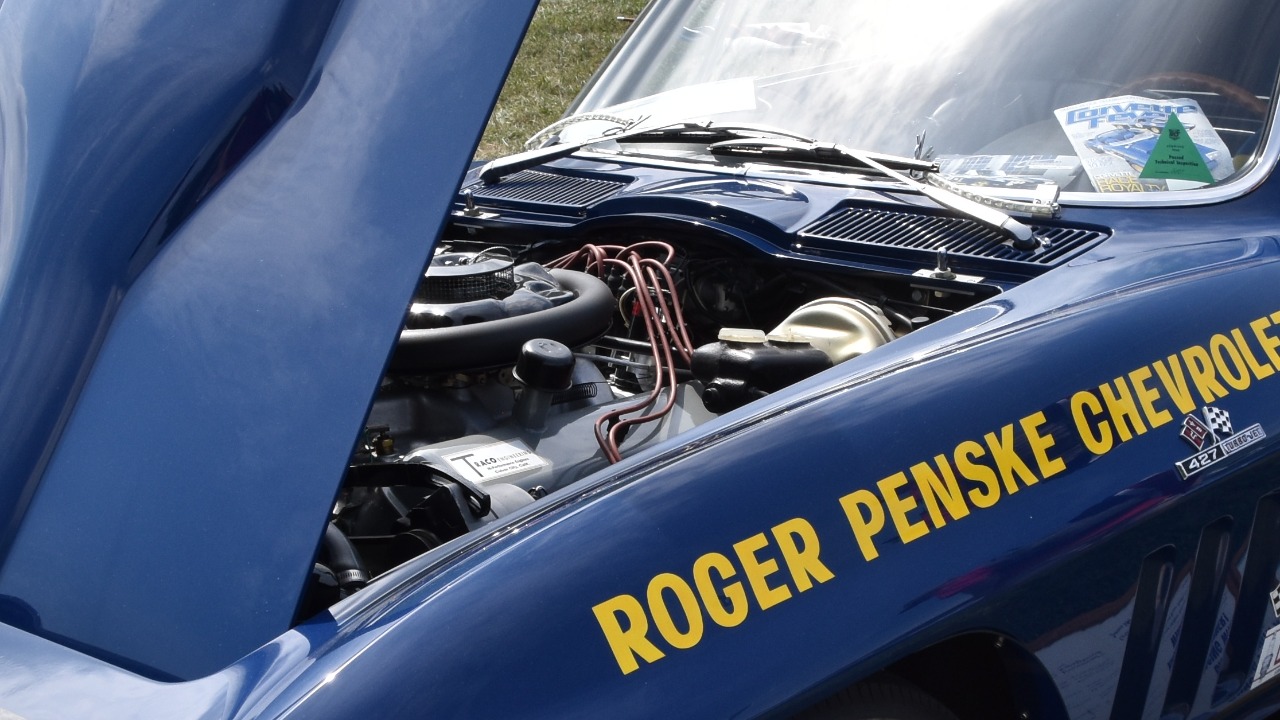
The Chevrolet 427 L88 was not really interested in being a comfortable street engine. Chevrolet offered it in the Corvette as an extremely serious performance option, but its design philosophy was much closer to a competition engine than an everyday powerplant. The L88 used high-flow cylinder heads, a solid-lifter camshaft, high compression and a large Holley carburetor, while requiring very high-octane fuel. Chevrolet’s official rating was deliberately conservative, with the engine advertised at 430 horsepower, but period testing and later research have shown why enthusiasts have always regarded the number with suspicion. The real issue was not simply peak horsepower. The L88 demanded the right fuel, gearing, cooling and driver commitment, and it gave up some of the civility expected from a normal road engine in exchange for serious high-rpm performance. It was street legal, but calling it relaxed would be a stretch.
Chevrolet 427 ZL1
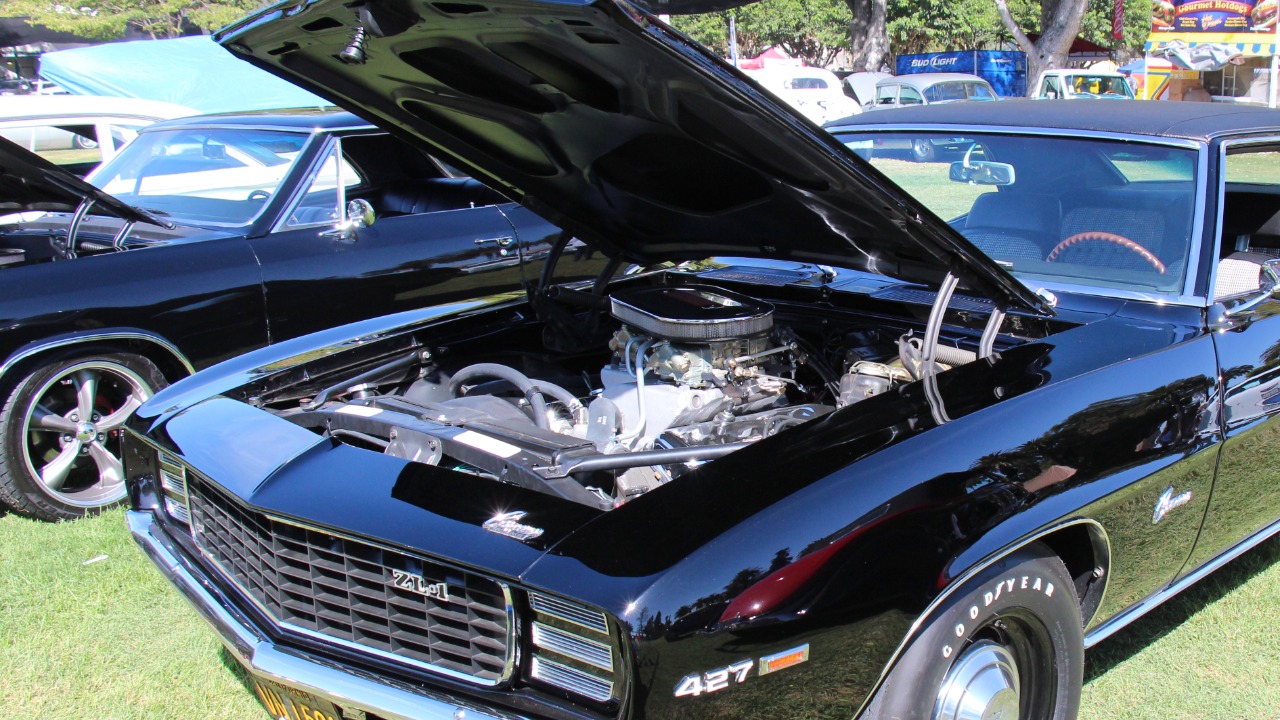
If the L88 was extreme, the ZL1 took the same basic idea and made it even more unusual. Chevrolet’s 427 ZL1 used an all-aluminum block and heads, helping bring engine weight down dramatically while retaining the big-block’s enormous performance potential. It was developed from Chevrolet’s racing experience and eventually became available through the COPO program in the 1969 Camaro. Only 69 ZL1 Camaros were built, making the engine extraordinarily rare from the beginning. Chevrolet officially rated it at 430 horsepower and 450 lb-ft of torque, but factory examples were capable of substantially more under less restrictive conditions. The cars were emissions-certified and street legal, yet the engine’s racing origins were obvious. Even Chevrolet’s own historical material describes the ZL1 as an aluminum 427 capable of producing upwards of 425 horsepower, while contemporary accounts describe considerably higher output in properly prepared form.
Ford 427 SOHC
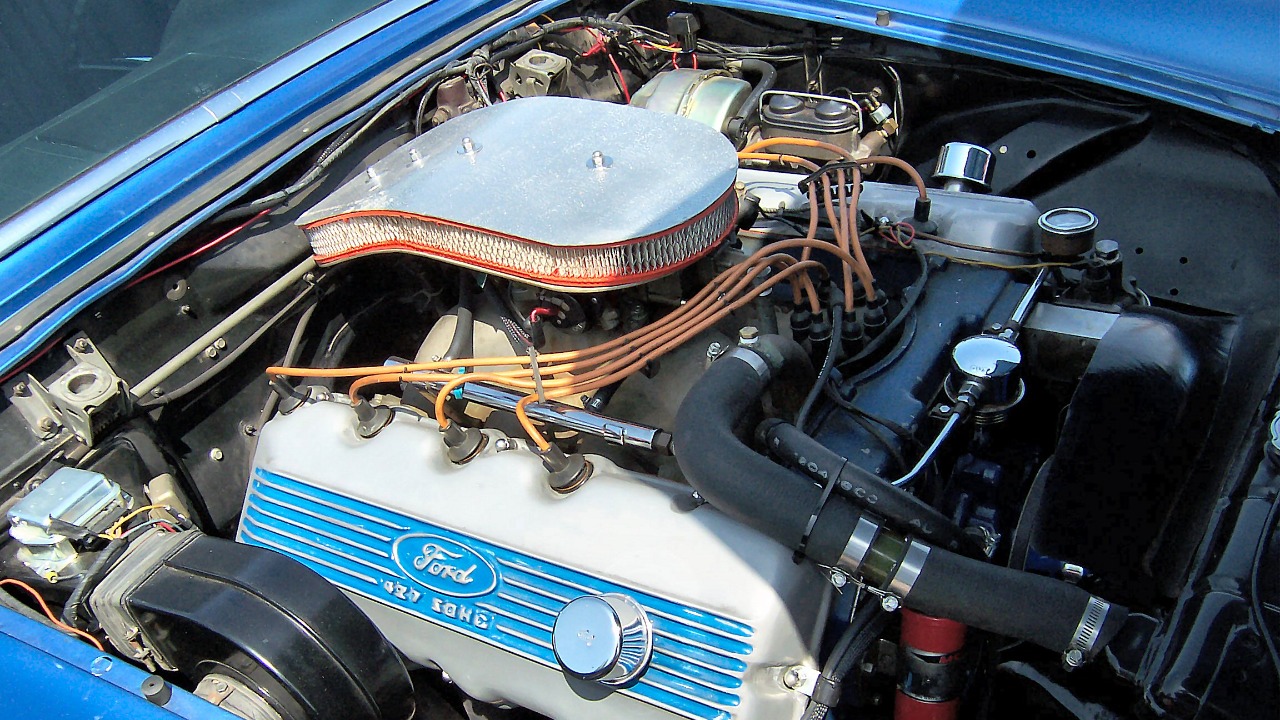
Ford’s 427 SOHC, better known as the Cammer, was one of those engines that seemed to belong on a race track rather than between the fenders of a road car. Instead of relying on a conventional pushrod arrangement, Ford gave the big FE block overhead camshafts, allowing the engine to breathe and rev in a way that made it particularly suited to competition. The design was created largely with NASCAR and drag racing in mind, and its complexity was extraordinary compared with the normal engines being installed in family sedans and muscle cars. Huge displacement, high-rpm breathing and a sophisticated valvetrain made the Cammer one of Ford’s most intimidating engines of the 1960s. It never became a normal mass-production street engine, which is part of what makes it so fascinating. The fact that Ford developed a 427 with overhead cams at all shows just how far the horsepower wars had gone.
Ford 429 Boss
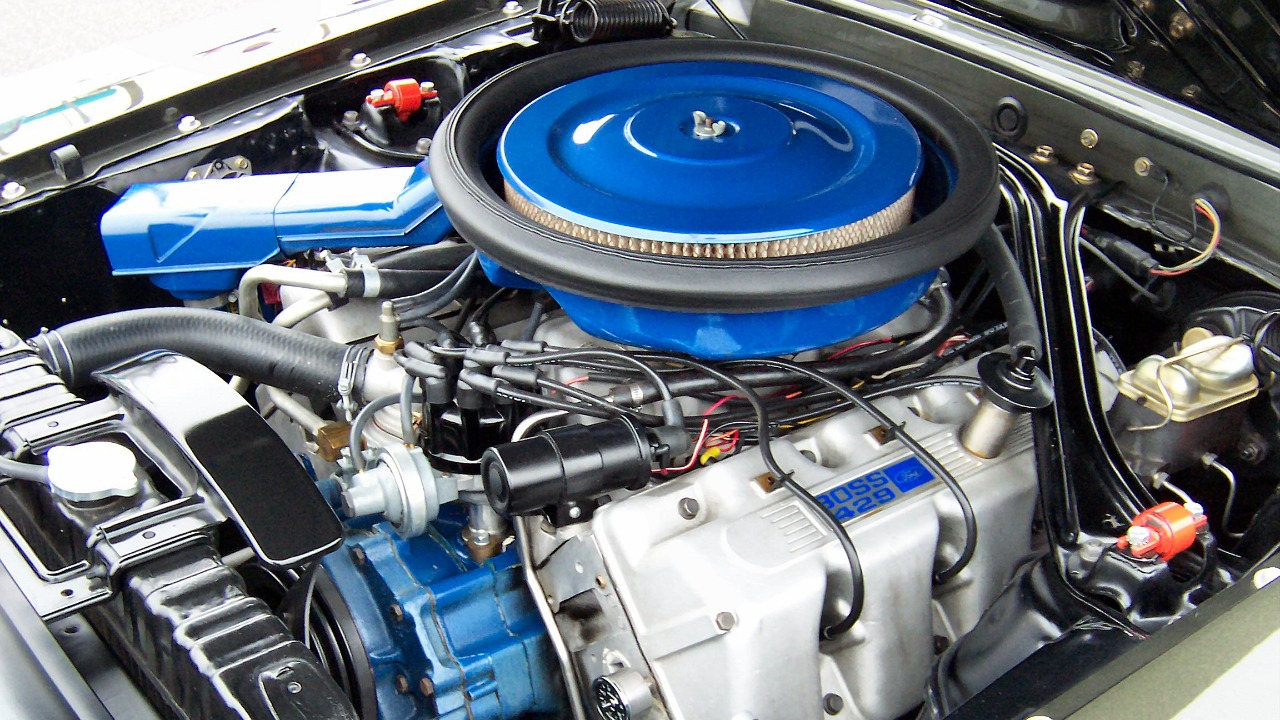
The Boss 429 was essentially Ford’s answer to the NASCAR problem, but instead of hiding the engine in a race car, Ford had to install it in production Mustangs for homologation purposes. The resulting 429-cubic-inch V8 was enormous, physically demanding and unusually specialized. Ford advertised the engine at 375 horsepower and 450 lb-ft of torque, but the real attraction was its architecture. The Boss 429 featured enormous cylinder heads, large valves and a combustion chamber design aimed at serious high-performance breathing rather than relaxed street manners. The Mustang’s engine bay had to be modified extensively to accommodate it, and production involved specialized work that made the cars expensive to build. Ford eventually refined the engine for street use, but it remained a remarkable example of a manufacturer putting a NASCAR-inspired powerplant into something that could technically be driven to the grocery store.
440 Six Pack
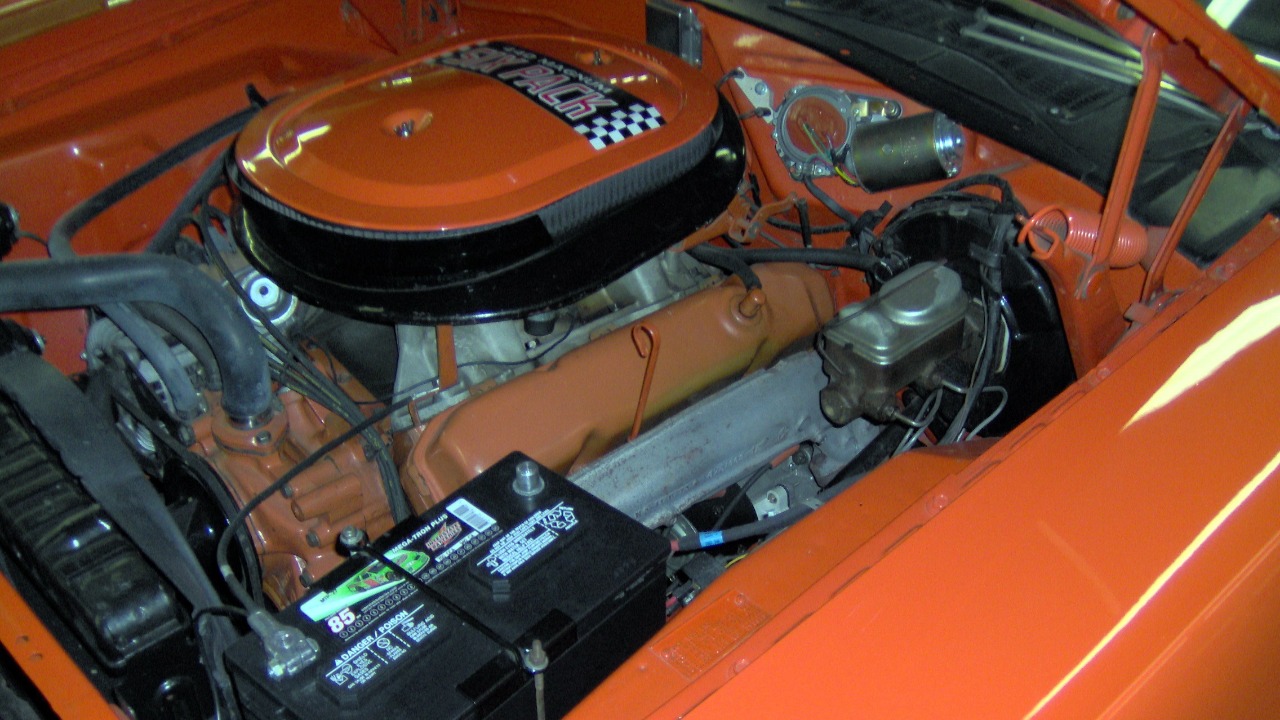
The 440 Six Pack was the engine Chrysler built for buyers who wanted something nastier than a conventional big-block without paying for the complexity of a 426 Hemi. The recipe was straightforward but effective: 440 cubic inches, three two-barrel Holley carburetors, stronger internal components and a performance-oriented camshaft. In 1969 and 1970, the combination was officially rated at 390 horsepower and 490 lb-ft of torque. That torque figure tells much of the story. The 440 did not need enormous rpm to make a street car feel violent, and burying the throttle brought the outer carburetors into play with a dramatic rush of airflow and fuel. Chrysler even equipped some versions with aggressive gearing and other hardware intended for sanctioned competition. It was technically a street engine, but with three carburetors sitting on top of a 7.2-liter V8, it was hardly pretending to be ordinary.
Chevrolet 454 LS6

The 454 LS6 arrived right at the peak of the American muscle car horsepower war, and its numbers were almost absurd for a production engine. Chevrolet rated the 7.4-liter V8 at 450 horsepower for 1970, making it one of the highest-output factory engines of the era. More important was the way the engine delivered that power. The LS6 combined huge displacement with high compression, a performance camshaft and serious cylinder heads, producing a mountain of torque that could overwhelm the rear tires with surprisingly little effort. Chevrolet installed it in cars such as the Chevelle SS, turning an ordinary-looking midsize coupe into something capable of competing with purpose-built performance machinery. The LS6 represented the point where big-block displacement, compression and aggressive tuning had reached the practical limits of what manufacturers could reasonably sell to the public before insurance costs, emissions rules and changing regulations began putting the brakes on the muscle car era.
Buick 455 Stage 1
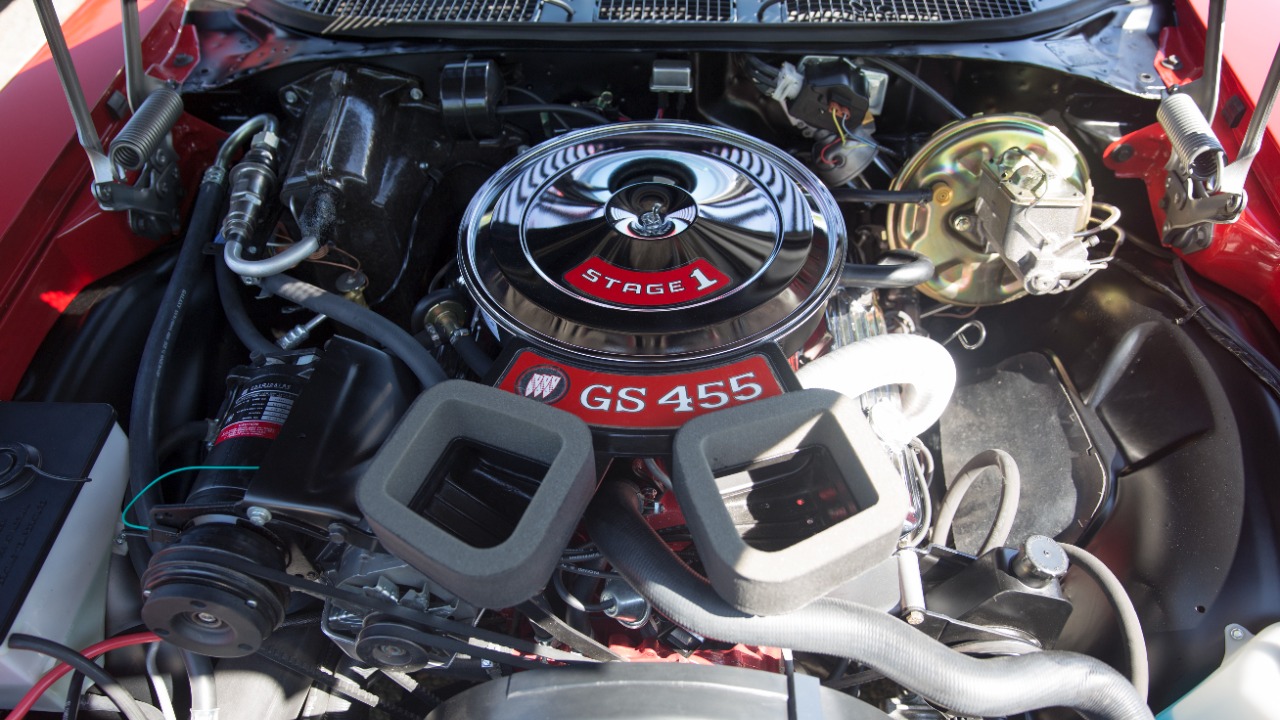
Buick’s 455 Stage 1 took a different approach to excessive performance. Instead of chasing spectacular rpm figures, Buick built a huge torque-producing V8 that could move a heavy car with startling authority. The 455-cubic-inch engine became particularly famous in the GSX Stage 1, where factory ratings reached 360 horsepower and approximately 510 lb-ft of torque. That torque figure was the real weapon. The engine could produce enormous thrust without needing the driver to keep the tachometer near the redline, making the car deceptively quick on the street. Buick was also building cars with a reputation for comfort and refinement, so putting this much engine behind the front wheels created an unusual combination. The Stage 1 did not have the exotic appearance of a race engine, but its huge displacement and mountain of low-end torque made it one of the era’s engines that could turn a normal road into a very short piece of pavement.
Oldsmobile 455 W-30
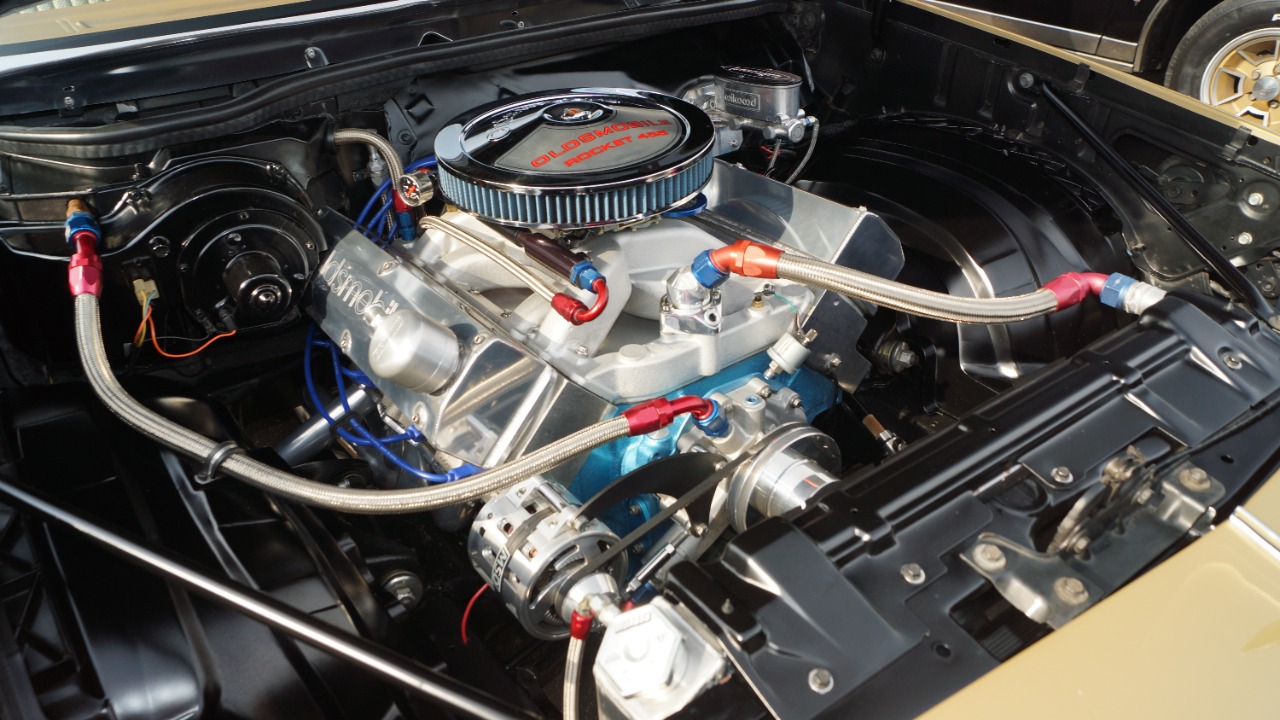
Oldsmobile’s 455 W-30 is another example of an engine that looked more civilized than it really was. In 1970, the 4-4-2 W-30 received a specially prepared 455 with a performance camshaft, improved induction and functional outside-air intake. The factory rating was 370 horsepower, but the more impressive number was 500 lb-ft of torque. General Motors’ own historical information confirms the W-30’s 455 and 370-horsepower rating, while period-oriented documentation shows just how much engineering went into the package. The W-30 was not a high-revving exotic engine like the Ford Cammer. It was something arguably more useful on public roads: a giant torque machine that could deliver tremendous acceleration without needing extreme rpm. That combination made the 4-4-2 W-30 brutally effective while still looking like an Oldsmobile, which arguably made its performance even more surprising.
Pontiac 455 Super Duty
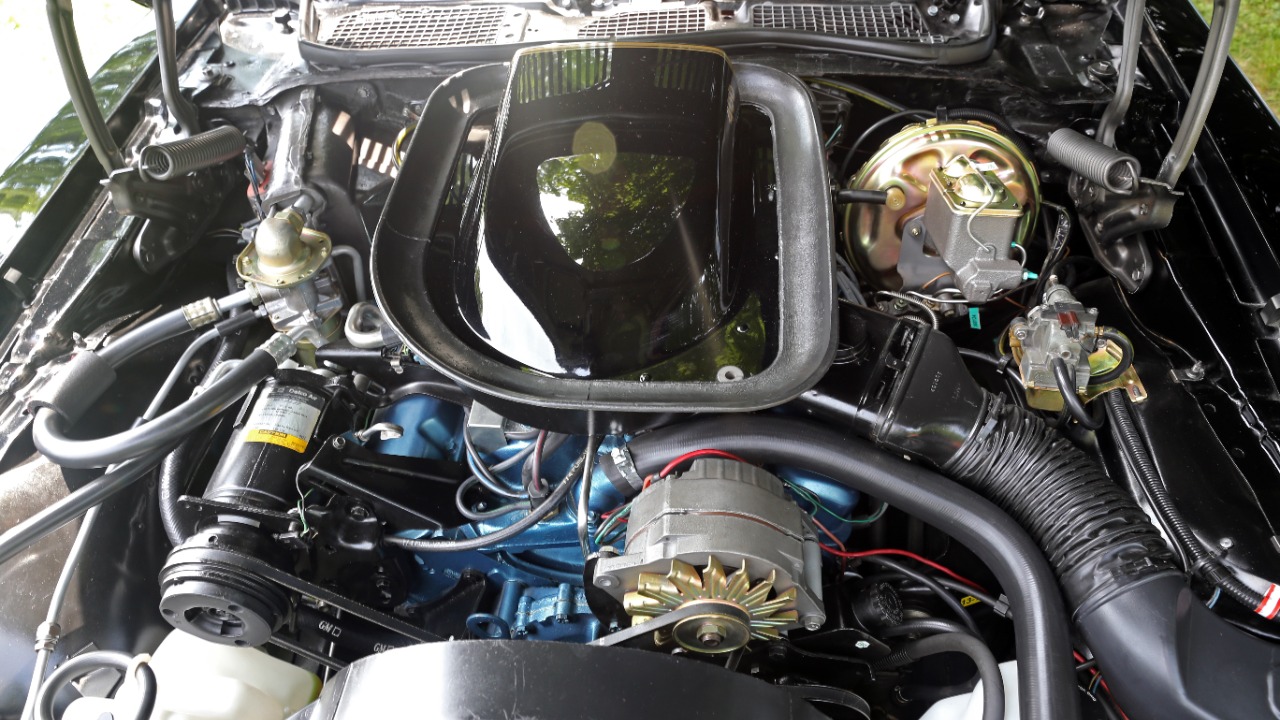
The 455 Super Duty arrived when the traditional muscle car era was already fading, which makes its existence even more remarkable. Pontiac engineers developed the engine with a reinforced block, four-bolt main caps, forged connecting rods, special pistons and high-flow cylinder heads. It was designed to survive serious rpm and abuse even as emissions regulations were making high-performance engines increasingly difficult to produce. Early development and published information pointed toward a 310-horsepower configuration, but the production engine was eventually rated at 290 horsepower. Those figures do not sound outrageous today, but they miss the point. The Super Duty was built with hardware far more serious than its official rating suggested, and its enormous 455-cubic-inch displacement gave it plenty of potential. Pontiac was essentially developing a heavy-duty performance engine at the moment when the rest of the industry was backing away from that kind of hardware.
Ford 428 Cobra Jet
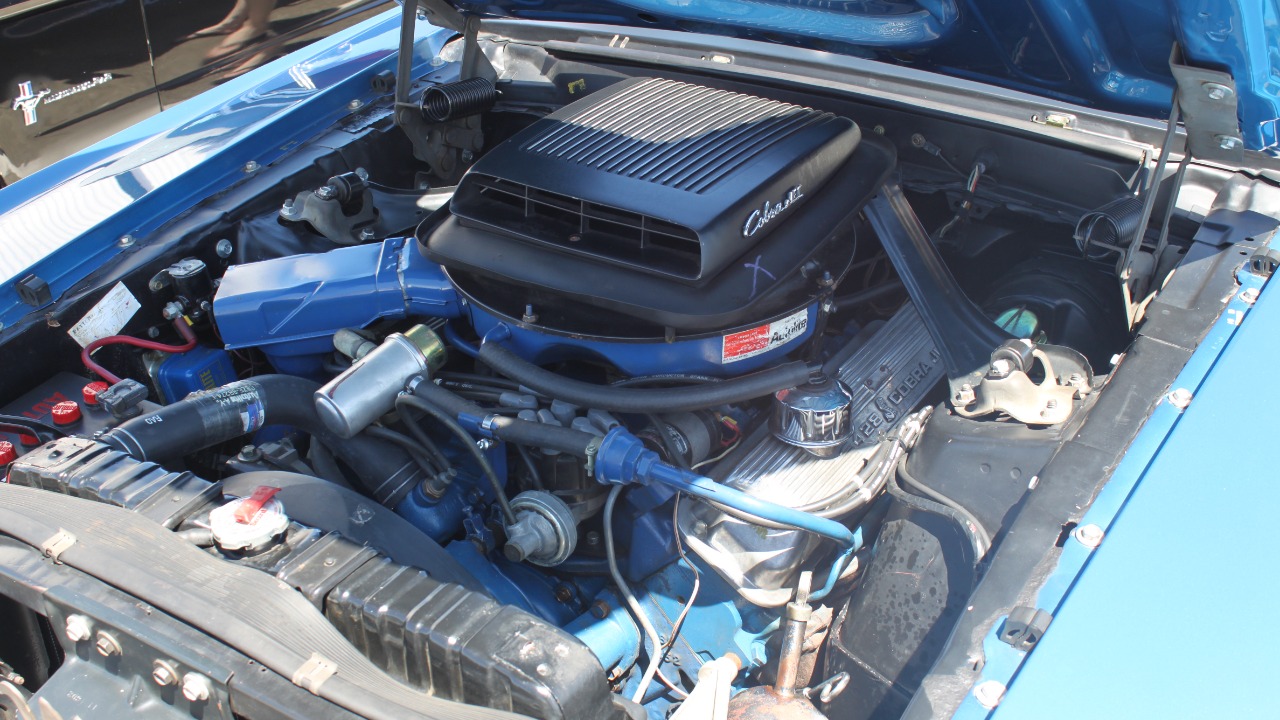
Ford’s 428 Cobra Jet brought big-block performance to the Mustang in a package that was much easier to live with than the exotic Boss 429. That did not make it mild. The Cobra Jet used a 428-cubic-inch V8 with high-performance cylinder heads, a larger carburetor, stronger internal components and a tune designed to make serious power across a broad rpm range. Its official horsepower rating was 335, but the engine’s reputation at the drag strip quickly became much larger than the number suggested. Ford’s decision to put the Cobra Jet into relatively ordinary Mustangs made the combination especially potent. Buyers could walk into a dealership and order a car that looked much like other Mustangs but contained an engine designed to compete with the strongest offerings from Chevrolet, Pontiac and Chrysler. It was one of the engines that helped turn the muscle car into a genuine performance arms race.
Chrysler 426 Max Wedge
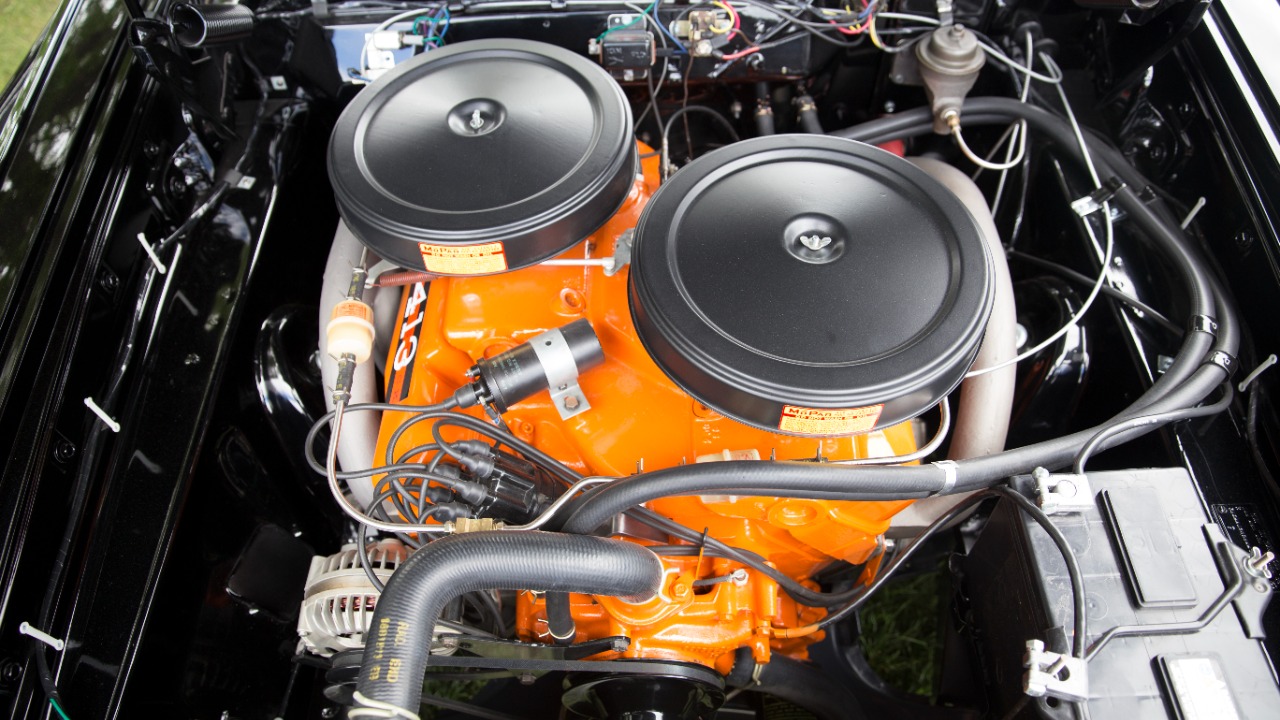
Before the Street Hemi became famous, Chrysler had already developed an engine that could make a street-going car feel like a drag racer. The 426 Max Wedge used huge ports, aggressive camshaft timing, specialized exhaust manifolds and a dual-quad intake arrangement designed to move enormous amounts of air. Chrysler built the engine around drag-strip performance, and the street versions were not exactly known for gentle manners. The combination of large displacement and aggressive breathing produced a power curve that made the engine feel very different from a normal family-car V8. These engines also required the supporting hardware to match, which is why Max Wedge cars received upgraded components elsewhere in the drivetrain. The Max Wedge was one of the engines that demonstrated how quickly Detroit’s production powerplants were moving toward race-car territory. The 426 Hemi would eventually overshadow it, but the Max Wedge deserves credit for showing just how far Chrysler was willing to go before the Hemi arrived.
Chevrolet 409
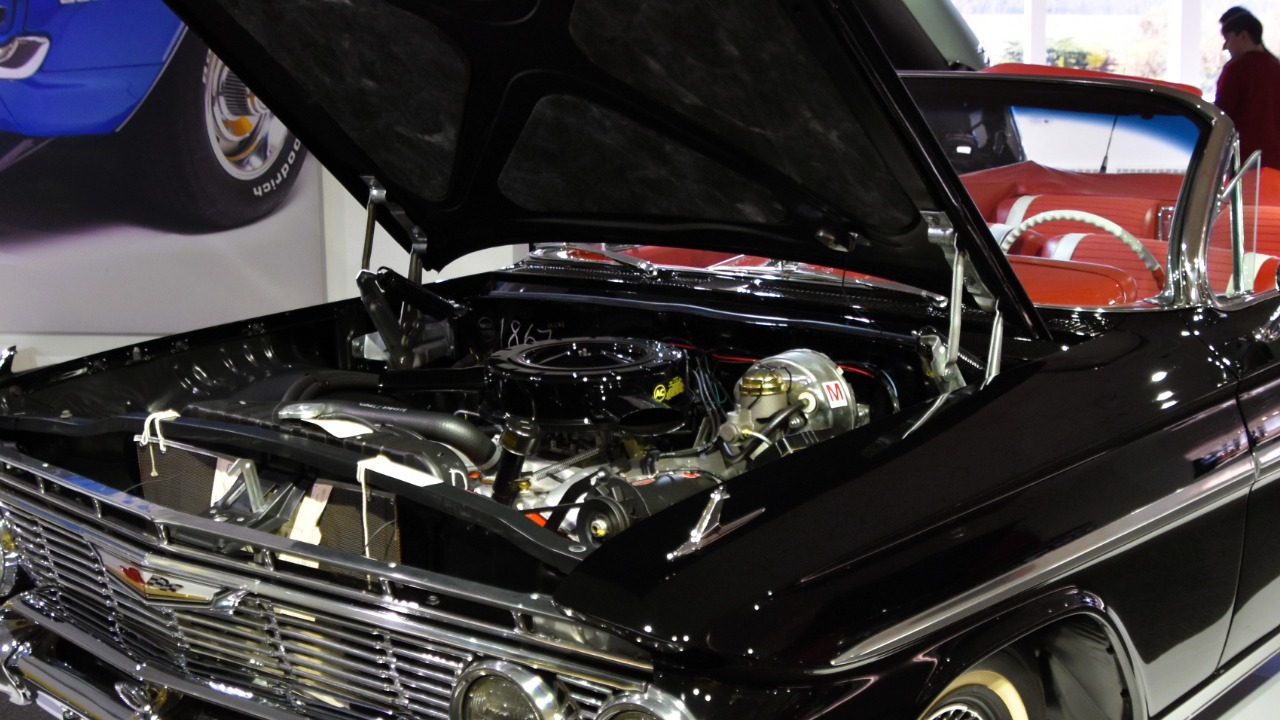
The Chevrolet 409 became famous long before the peak of the muscle car era, and its importance was partly due to how outrageous it seemed in a full-size American car. The engine gained its reputation through large displacement, high compression and increasingly serious performance versions, culminating in the dual-quad 409 that was rated at 409 horsepower. That gave Chevrolet a remarkable one-horsepower-per-cubic-inch headline figure at a time when most family cars were nowhere close to that kind of output. The 409 also became a favorite in drag racing, where its ability to make strong power from a relatively simple big-block design made it especially attractive. Chevrolet eventually moved toward the 427 and 454 engines, but the 409 established an important precedent. A car that could carry the family on Sunday could also have enough engine under the hood to embarrass serious performance machinery at the local strip.
Ford 427 FE
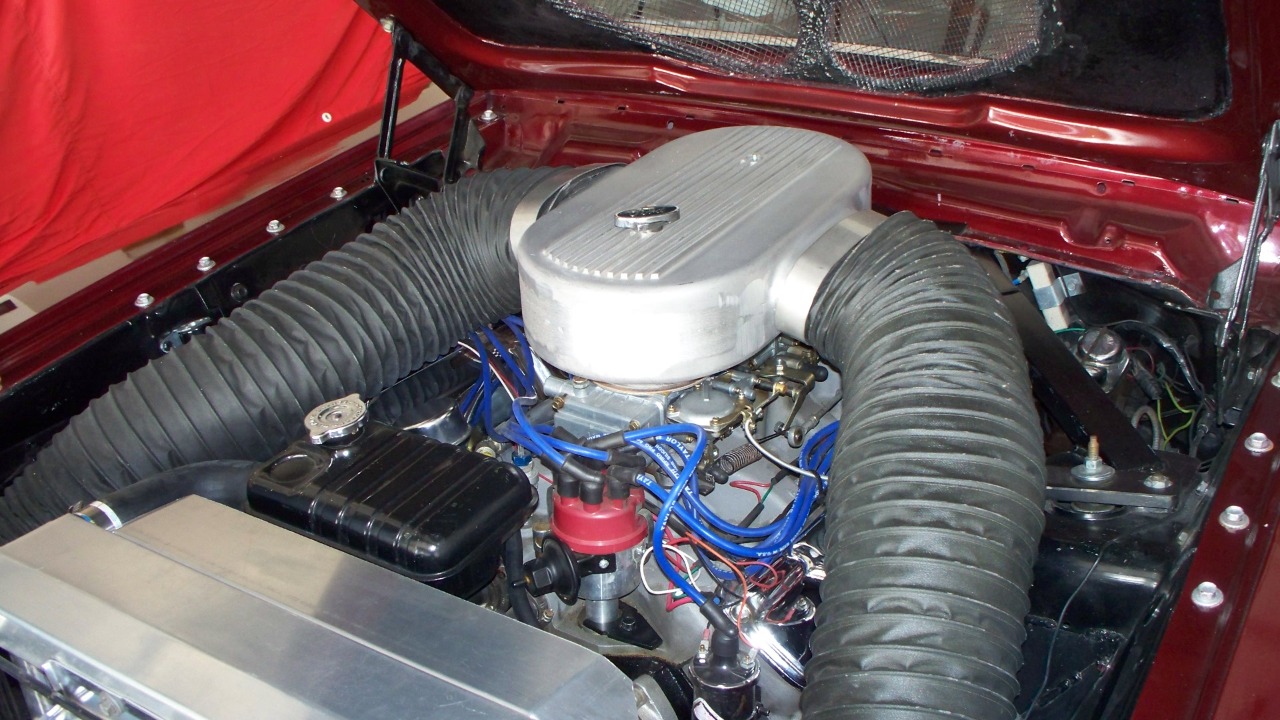
Ford’s conventional 427 FE was already an intimidating engine before the overhead-cam Cammer version appeared. Developed from the FE big-block family, the 427 gained a reputation for strong high-rpm performance and became a major part of Ford’s racing program. It was used in competition machinery including the GT40, where Ford eventually developed a 7.0-liter 427 version for endurance racing. The road-going versions were much more civilized than the race engines, but they still represented the kind of displacement and hardware that was becoming difficult to justify in ordinary passenger cars. High-performance 427s found their way into vehicles such as the Galaxie and Fairlane, giving buyers access to an engine with a serious racing pedigree. The fact that Ford could sell a 427 to a street customer while simultaneously using the same basic engine family in major racing programs tells you a lot about the era.
Viper 8.4-Liter V10
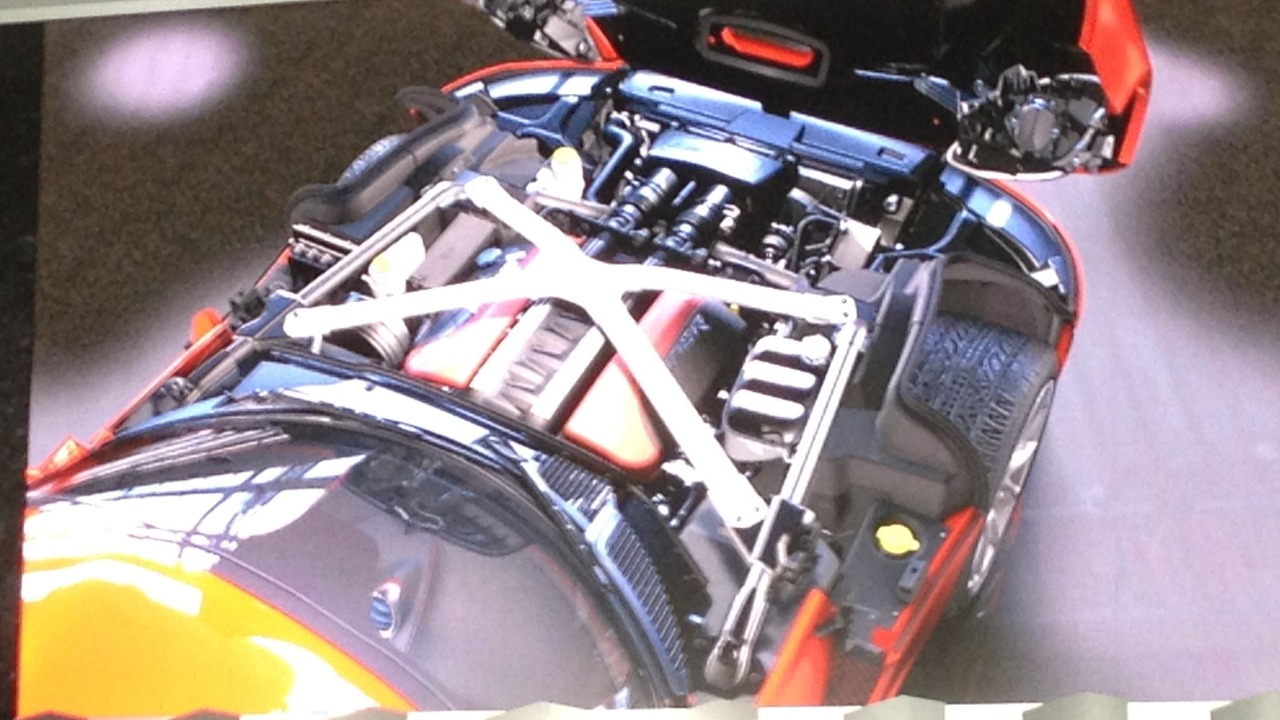
The Dodge Viper never really subscribed to the idea that a road car needed to be sensible. That attitude was most obvious in its enormous V10. By 2008, the Viper’s engine had grown to 8.4 liters and produced 600 horsepower and 560 lb-ft of torque. Those numbers came without turbochargers or superchargers, making the engine’s scale even more remarkable. The V10’s sheer displacement gave it a huge torque curve, while the Viper itself remained relatively uncompromising compared with more polished European sports cars. There was no shortage of electronic assistance to make the power feel manageable, either. The driver was left to understand what the accelerator pedal could do. The later Viper became more sophisticated, but its basic character never changed: enormous naturally aspirated displacement, huge torque and a lightweight sports car wrapped around it.
Chevrolet LS9
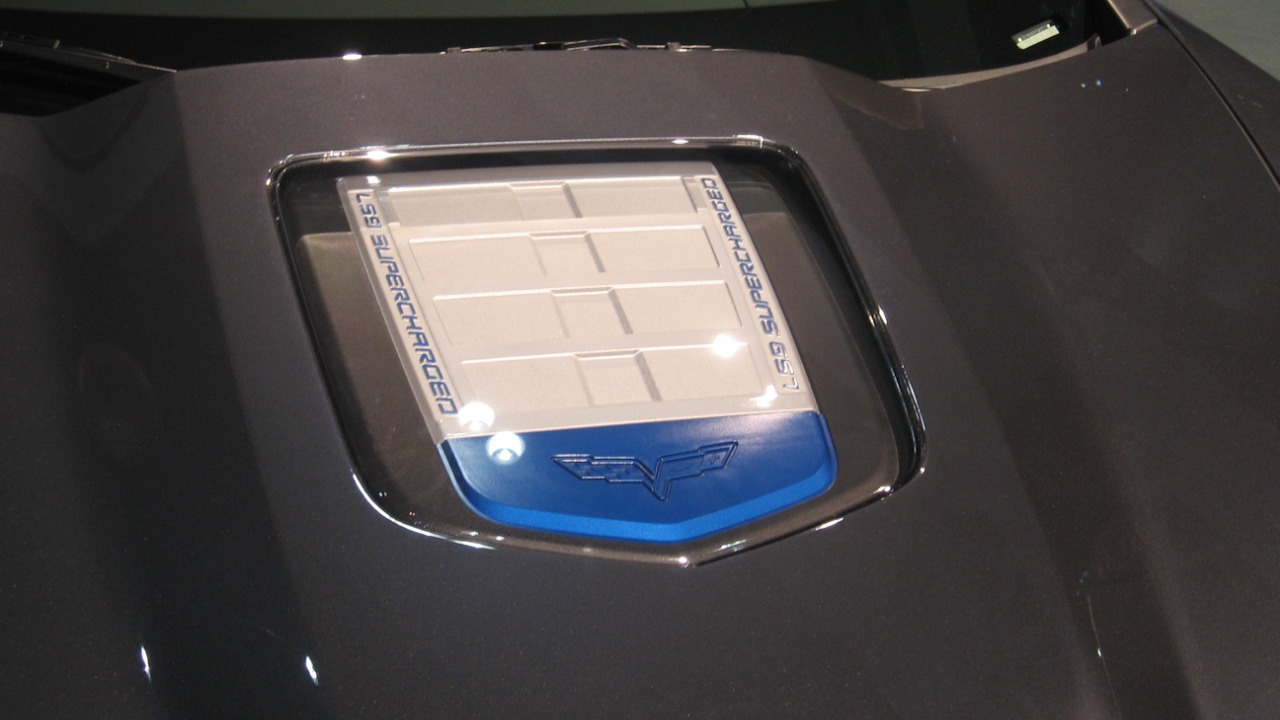
The supercharged LS9 took the Corvette ZR1 into a completely different performance category. Chevrolet developed the 6.2-liter LS9 specifically for the C6 ZR1, giving it a supercharger, forged internal components and the kind of cooling and lubrication systems necessary to survive sustained high output. The factory rating reached 638 horsepower and 604 lb-ft of torque, making it the most powerful factory-installed Chevrolet small-block at the time. What made the LS9 so interesting was how much power it produced from a relatively compact engine. The Corvette remained a road-legal sports car, yet its engine output was entering territory that had previously belonged to exotic machinery. The LS9 also demonstrated how modern engine management and forced induction could make huge horsepower far more usable than the old muscle car monsters. It was still ferocious, but it no longer required the driver to tolerate the rough manners of a 1960s race-bred V8.
Ford 5.4 Supercharged V8
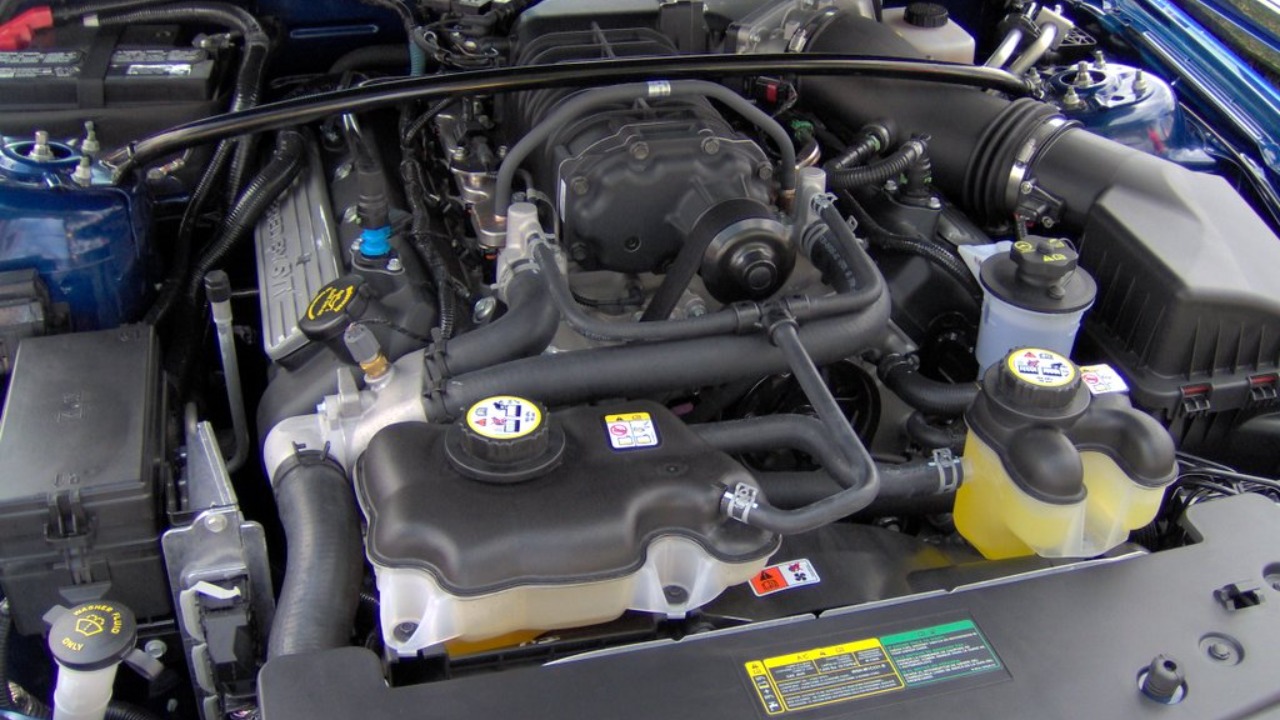
The supercharged 5.4-liter V8 used in the Ford GT showed what happened when Ford took a modern production engine and turned it into something worthy of a supercar. Producing 550 horsepower in the 2005-2006 Ford GT, the engine combined an aluminum block with a supercharger and a sophisticated four-valve cylinder head design. It had to deliver enormous performance while also remaining reliable enough for a road car that customers could actually use. The Ford GT’s engine was not the biggest or most powerful engine on this list, but its combination of output, compact packaging and supercar performance made it a serious piece of hardware. It also represented an important transition from the crude horsepower wars of the 1960s to the electronically controlled, forced-induction engines that would eventually make 600, 700 and even 800 horsepower seem almost normal in production cars.
Chevrolet LT5
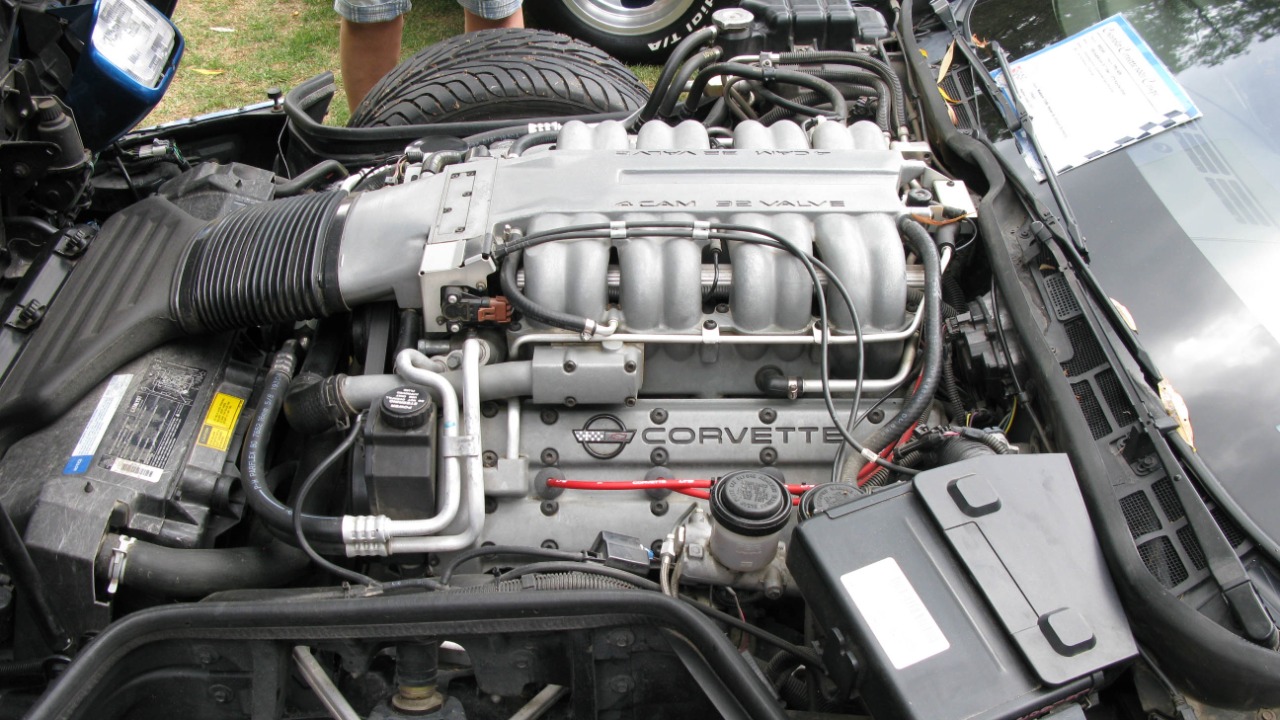
The 6.2-liter supercharged LT5 in the 2019 Corvette ZR1 was another moment when Chevrolet seemed determined to make the definition of a street car increasingly difficult to understand. The LT5 produced 755 horsepower and 715 lb-ft of torque, using a 2.65-liter supercharger and a charge-cooling system substantially larger than the one used on the LT4. Chevrolet also gave the engine heavy-duty main bearings and other components designed to handle the extreme cylinder pressures created by the boost. The result was a Corvette engine with power figures that would have sounded almost impossible only a generation earlier. Yet the ZR1 could be driven on public roads, complete with modern emissions equipment and electronic engine management. It was a reminder that by the late 2010s, factory engineers had learned how to make supercar-level horsepower surprisingly usable.
Dodge Hellephant 426
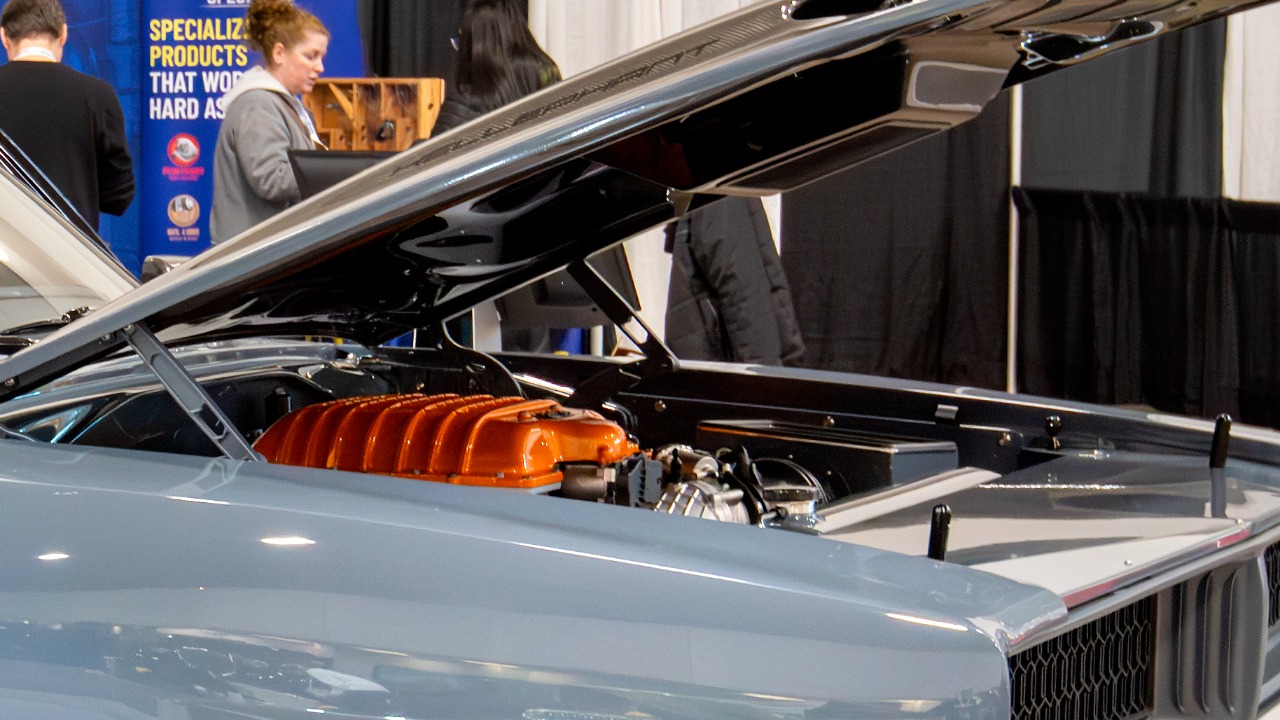
The Hellephant takes the idea of an excessive street engine to an entirely different level. Mopar introduced the supercharged 426 Hemi-based crate engine with a factory-rated 1,000 horsepower, making it one of the most outrageous engines ever offered by an OEM. The engine used a 426-cubic-inch configuration, a supercharger, forged pistons and a high-lift camshaft, while drawing on hardware from modern Hellcat and Demon programs. It was not intended to turn an ordinary modern family sedan into a 1,000-horsepower commuter, but Mopar specifically designed the package for installation into pre-1976 street and off-road vehicles. That distinction makes it particularly interesting. The Hellephant effectively took the legendary 426 Hemi concept from the 1960s and gave it modern forced induction, electronic controls and enough power to overwhelm almost any conventional street chassis. It is difficult to imagine a clearer example of an engine being almost comically excessive for ordinary road use.
Chevrolet LS7
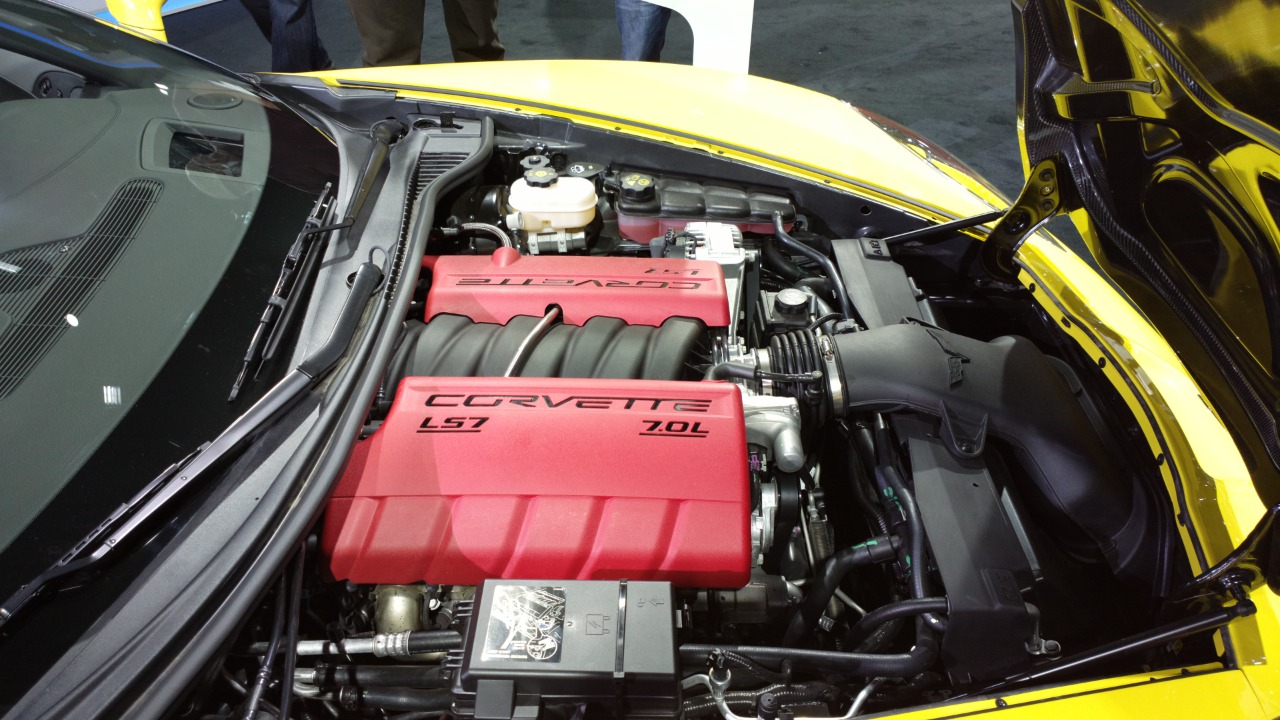
The LS7 demonstrated that naturally aspirated engines could still produce remarkable power even after the old muscle car era had disappeared. Introduced for the C6 Corvette Z06, the 7.0-liter V8 produced 505 horsepower, making it the most powerful naturally aspirated small-block Chevrolet had installed from the factory at the time. Chevrolet’s own engine history notes both its 7.0-liter displacement and 505-horsepower output. The LS7 used a lightweight aluminum block, large titanium intake valves and a dry-sump lubrication system, reflecting its intended performance role. Unlike the old 427s and 454s, however, the LS7 delivered its power with modern fuel injection, emissions equipment and everyday drivability. It was a sophisticated engine rather than a crude brute. Still, putting a 505-horsepower naturally aspirated 7.0-liter V8 into a two-seat road car was a pretty clear sign that the definition of a “street engine” had changed dramatically.
More from Fast Lane Only
- Unboxing the WWII Jeep in a Crate
- 15 rare Chevys collectors are quietly buying
- 10 underrated V8s still worth hunting down
- Police notice this before you even roll window down
*Research for this article included AI assistance, with all final content reviewed by human editors.