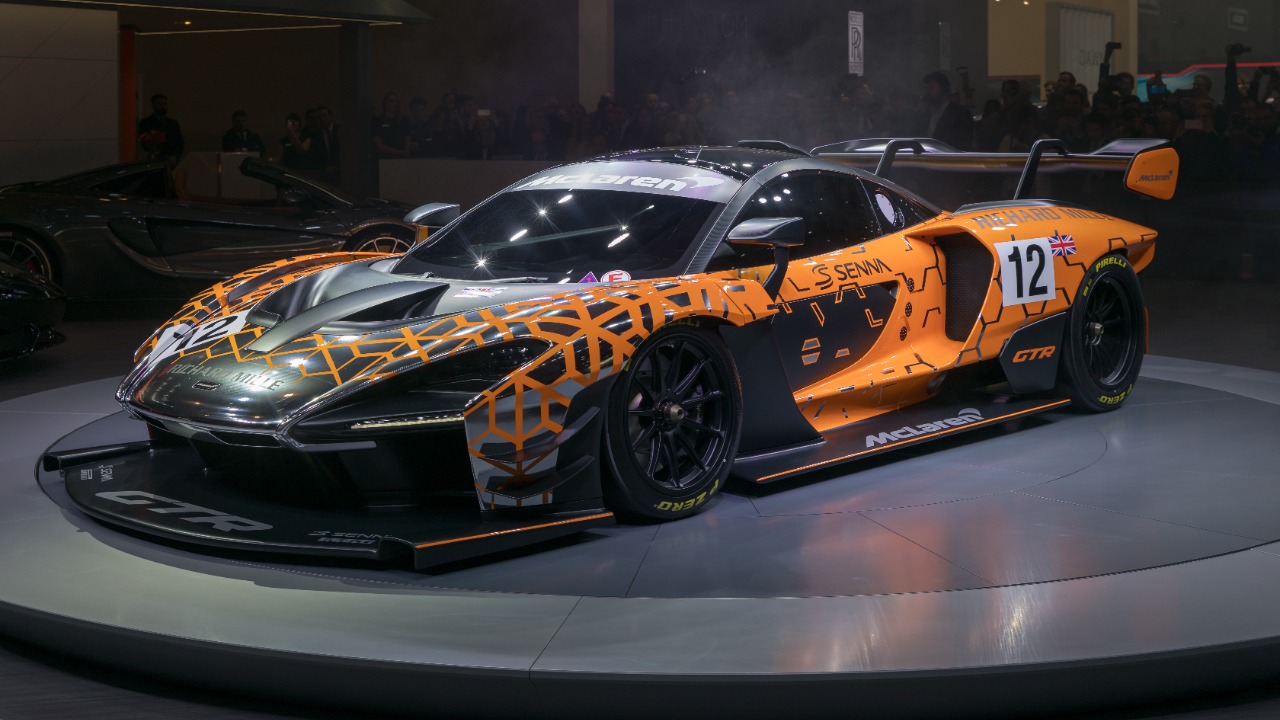
The 2018 McLaren Senna arrived as something rare in the age of all-rounder supercars, a road‑legal machine created with a single, unapologetic priority: downforce. Rather than chase beauty, comfort or even top speed bragging rights, McLaren built a car that treats every surface, vent and screw as a tool to pin itself harder into the tarmac. I see it as the moment McLaren stopped trying to please everyone and instead built a hypercar that speaks directly to drivers who care most about lap times and feel.
The Senna’s place in McLaren’s Ultimate Series story
To understand why the Senna is so extreme, I start with where it sits in McLaren’s own hierarchy. The company separates its road cars into the Super Series and the Ultimate Series, and the Senna belongs firmly in that latter group of halo machines that push technology as far as regulations and physics will allow. Along with the development of their Super Series cars, McLaren also went to work in the hypercar space with their Ultimate Series, and the Senna followed the P1 as a next step in that more obsessive, track‑driven branch of the family tree, rather than as a replacement for a daily‑usable supercar like the 720S, which sits in the Super Series.
That context matters because it explains why the Senna could afford to ignore some of the compromises that shape more mainstream models. McLaren’s own history notes that, along with the Super Series, the Ultimate Series was conceived to showcase the most advanced materials, aerodynamics and chassis ideas the company could put on the road, and the Senna is a textbook example of that philosophy in action. When I look at the car through that lens, the wild bodywork and sparse cabin feel less like shock tactics and more like a logical extension of the Ultimate Series brief that grew out of projects described in McLaren’s own Along history.
Inspired by Ayrton Senna and the spirit of racing
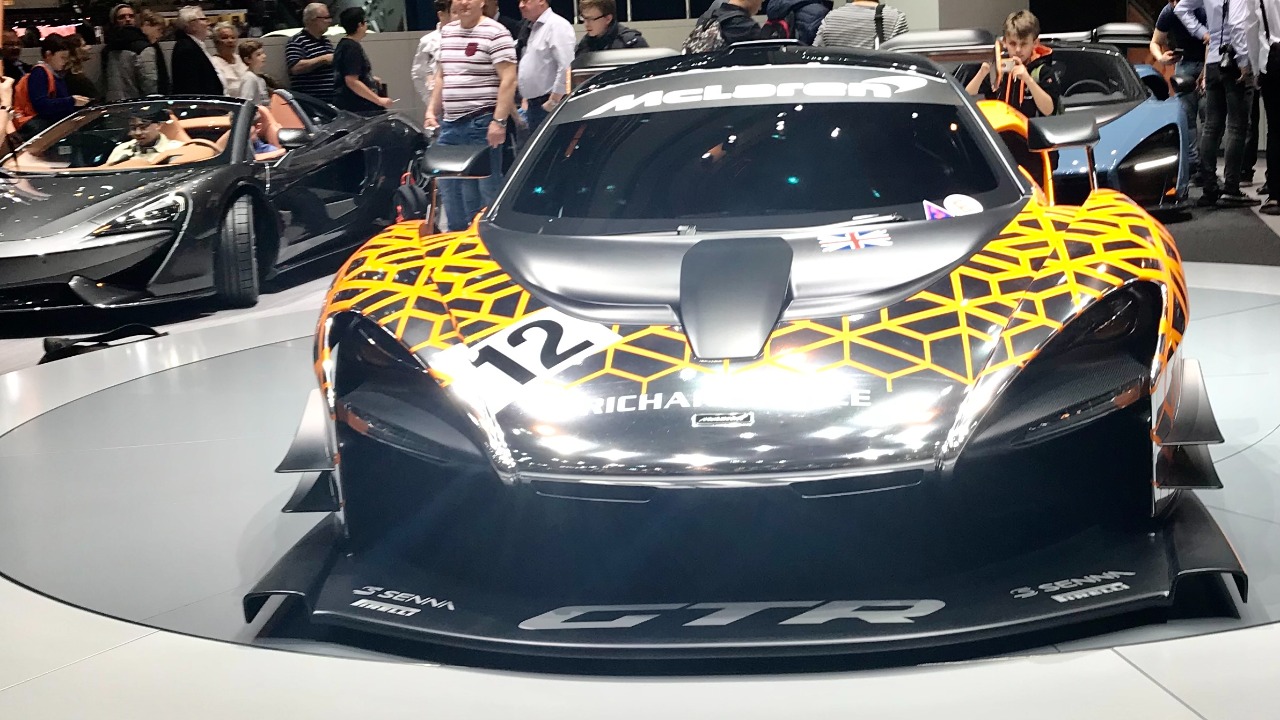
McLaren did not pick the Senna name lightly, and as a writer and enthusiast I feel that weight every time I type it. The car is explicitly Inspired by McLaren’s greatest driver and Formula 1 icon Ayrton Senna, and that connection sets expectations about focus and intensity that few road cars could hope to meet. In official material, McLaren describes the SENNA as a road‑legal track car engineered to deliver pure driver engagement, and that language mirrors the way Ayrton approached qualifying laps, treating every corner as a problem to be solved with commitment rather than caution.
What I find compelling is how consistently the car’s details echo that ethos. McLaren’s own OVERVIEW of the model stresses that it was Inspired by Ayrton Senna not as a styling tribute but as a performance benchmark, a car that should feel at home circulating a circuit flat‑out for lap after lap. The company even positions it as their fastest track‑focused road hypercar, sitting above other Ultimate Series models in terms of circuit intent, which is why the official OVERVIEW leans so heavily on that Formula 1 lineage and the idea of GTR‑level engagement for drivers who want something they can still register for the road.
Brutal, beautiful, purposeful design for downforce
Stand next to a Senna and the first impression is not elegance, it is aggression. The body is a collage of vents, channels and towering wings that look almost unfinished, and that is exactly the point. One detailed profile describes the McLaren Senna as Brutal, Beautiful and Purposeful, and I think that trio of words captures how the design team prioritized function over conventional prettiness. Every surface is shaped to manage air, from the deep front splitter to the sculpted side intakes and the huge rear wing that seems to hover above the engine cover, all working together to glue the car to the tarmac at speed.
That obsession with airflow is not unique in the hypercar world, but the Senna takes it further than most. Where some rivals hide their Aerodynamic tricks under smoother bodywork, McLaren leaves the hardware exposed, turning the car into a rolling demonstration of how to turn pressure and velocity into grip. The result is a machine that looks almost alien on a public road yet makes perfect sense when you remember that its shapes were honed to keep the car stable and responsive at the kinds of speeds where a prominent rear wing, front splitter and active elements, similar in spirit to the Aerodynamic enhancements used on cars like the Aventador SVJ, can dramatically improve stability and cornering grip, as highlighted in descriptions of those Aerodynamic solutions.
Engineering the ultimate track‑concentrated road car
Underneath that dramatic bodywork, the Senna is built around a clear engineering mission that I find refreshingly single‑minded. McLaren states that the McLaren Senna has been designed, engineered and developed with single‑minded purpose, to be the ultimate McLaren track‑concentrated road car, and that phrase is not marketing fluff when you look at the hardware. The car uses a carbon fibre Monocage III structure that is lighter and stiffer than the tubs in earlier models, and the suspension, brakes and powertrain are all tuned to prioritise lap time and feedback over ride comfort or long‑distance refinement.
Independent technical breakdowns back up that impression of ruthless focus. One detailed specification review explains that the Senna is built around Monocage III, McLaren’s latest carbon architecture, and notes that the car’s aero package generates enormous downforce through features like its vast rear wing, which offers a 6,500 square centimetre surface area, and a complex front splitter and diffuser arrangement that work together to balance the car at speed. When I read that all told, the Senna generates levels of downforce that dwarf those of a 720S, it reinforces the idea that this is not just another fast McLaren but a machine engineered from the ground up to exploit every kilogram of vertical load its body can create, as laid out in the technical What the Senna offers.
How the Senna feels from behind the wheel
All of that engineering would be academic if the car felt numb, and this is where the Senna’s character really comes alive for me. Reports from those who have driven it describe a car that is brutally fast yet surprisingly communicative, with steering and chassis responses that give the driver an unusually clear sense of what the tyres are doing. One in‑depth overview characterises the McLaren Senna as Brutal, Beautiful and Purposeful, and notes that the way it translates grip and load into the driver’s hands and seat is central to its appeal, turning what could have been an intimidating track weapon into something that invites you to explore its limits rather than shy away from them.
That impression lines up neatly with McLaren’s own description of the car’s dynamics. The company emphasises that the Senna was tuned to give the purest feedback, with a focus on how the chassis, brakes and aero work together to keep the driver informed and in control. In official material, McLaren describes how the Senna’s suspension and steering are calibrated so that every change in surface, load or grip is communicated clearly, which is why the car is often framed as the ultimate expression of their driver‑first philosophy. When I read that the Senna was engineered to be the ultimate McLaren track‑concentrated road car and gives the purest feedback, as detailed in the comprehensive Senna profile, it reinforces my sense that this is not just a numbers car but a conversation between driver and machine.
Why the Senna still matters in a changing hypercar world
Looking back from today, with electric hypercars rewriting performance benchmarks, the 2018 McLaren Senna might seem like a snapshot from the end of the combustion era. Yet I would argue it still matters because of how clearly it articulates a philosophy of performance. Rather than chase every metric at once, McLaren chose to prioritise downforce, feel and lap time, and in doing so created a car that stands out even as power figures and acceleration times continue to climb elsewhere. The Senna shows what can happen when a manufacturer commits to a single idea and follows it through every nut and bolt.
It also serves as a bridge between McLaren’s racing heritage and whatever comes next in its Ultimate Series. The car’s direct link to Ayrton Senna, its role as a road‑legal track car Inspired by Formula 1 thinking, and its place alongside other Ultimate Series projects described in McLaren’s global Inspired overview all underline how central it is to the brand’s identity. For me, that is why the Senna remains fascinating: it is not the most versatile McLaren, or the most comfortable, but it might be the clearest expression of what the company believes a driver’s car should be when every decision is made in service of downforce and control.
More from Fast Lane Only: