The 2019 Chevrolet Camaro has become shorthand in some circles for everything that went wrong with Chevy’s modern muscle car, from awkward styling to sliding sales. That reputation misses how pivotal this model year actually was, both as a highly capable performance car and as a case study in how design and marketing choices can overshadow engineering progress. By looking closely at what the 2019 Camaro did well, and why it was criticized so loudly, I can show why this year is far more misunderstood than its meme status suggests.
The facelift that became a lightning rod
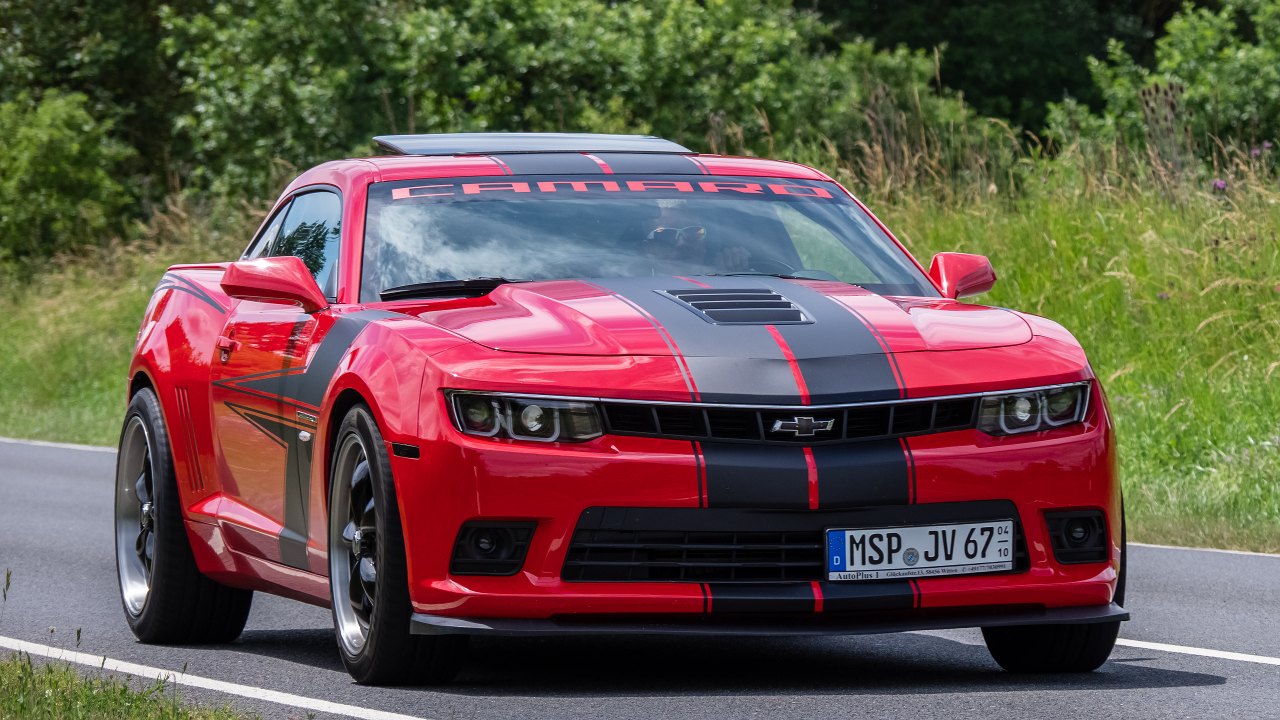
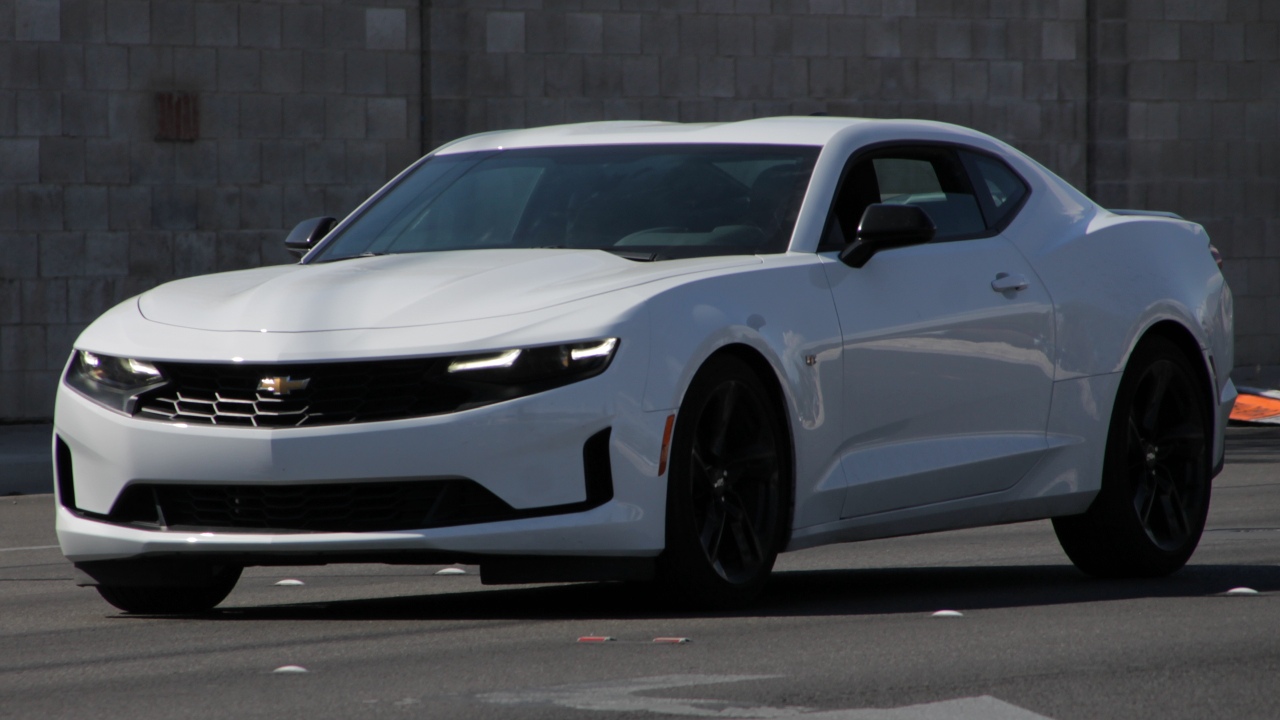
The 2019 Camaro arrived as the fourth model year of the sixth-generation car, which meant it was due for a visual refresh that could keep showroom interest high. Instead of a subtle evolution, Chevrolet pushed a bolder front-end design that moved key elements around the nose and changed the car’s face in a way that split opinion almost instantly. The result was a model year that enthusiasts now shorthand as “the ugly one,” even though the underlying platform, powertrains, and chassis tuning remained fundamentally the same as the well-regarded versions that came before it, as coverage of the sixth-generation Camaro makes clear.
Criticism focused heavily on the 2019 Camaro SS, which was faulted for its front-end looks, a conservative overall update, and visibility that many drivers already considered a weak point. Reporting on the Camaro SS captured how the new fascia became a symbol of broader frustrations with the car’s design direction, even though the rest of the package changed very little. That disconnect, between a largely familiar driving experience and a dramatically reworked face, is at the heart of why this model year is remembered more for how it looked than for how it drove.
How 2020 rewrote the story of 2019
The speed with which Chevrolet reacted to the backlash helped cement the idea that 2019 was a misstep, even as it showed how responsive the company could be. For 2020, the brand introduced another front-end redesign, particularly for the SS, effectively admitting that the previous year’s experiment had gone too far. The updated 2020 Chevrolet Camaro arrived with a New SS Face and a revised V8 lineup, a rare case of a manufacturer publicly pivoting on styling within a single generation.
Technical descriptions of the 2020 model year note that this facelift specifically addressed the stylistic criticisms of 2019 by reshaping the front grille, moving the bowtie emblem to the upper grille, and reworking the headlights. The 2020 model year facelift is often framed as a fix, which unintentionally freezes the 2019 car in the public imagination as the “wrong” version. In reality, the rapid redesign shows how narrow the gap was between controversial and accepted styling, and how a few inches of plastic and lighting can overshadow an otherwise consistent performance story.
A performance peak hiding behind a grille
Strip away the styling debate and the 2019 Camaro stands out as one of the most capable iterations of Chevrolet’s modern pony car. Contemporary testing described the 2019 Camaro as the most powerful and most comfortable version yet, a car that benefited from years of incremental improvements in chassis tuning, powertrain refinement, and cabin technology. Reviews of the Chevrolet Camaro at the time emphasized how far it had come as both a track-capable machine and a daily driver, even as the market conversation fixated on its face.
That duality, a car praised for its dynamics yet mocked for its looks, is part of why I see 2019 as misunderstood. The same basic package that enthusiasts now celebrate in later years was already present, from the strong engine lineup to the sophisticated suspension and improved comfort. When later commentary describes Chevy’s sports car as an Affordable Sports Car Is Missed, it implicitly includes the 2019 model in that lost era of accessible performance, even if the styling controversy still dominates the memory.
Visibility, usability and the daily-driver reality
One of the most persistent knocks on the sixth-generation Camaro, and on the 2019 car in particular, is visibility. The low roofline, high beltline, and thick pillars create a bunker-like feel that some drivers find intimidating in traffic or tight spaces. Earlier reviews of The Camaro described how the large size could make it feel like it might knock over a building and how the small windows contributed to that sensation, and those impressions carried forward into perceptions of the 2019 update.
Critics of the 2019 Camaro SS pointed to poor visibility alongside the controversial front-end as evidence that the refresh had not solved the car’s everyday usability concerns. Reporting on the Camaro SS noted that the styling update was seen as too conservative overall, yet still failed to address the practical issues that some buyers cared about most. That combination, a polarizing new face on a car that still demanded compromises in sightlines, helped fuel the narrative that 2019 was a low point, even though the fundamental packaging had not changed dramatically from earlier, better-loved years.
Marketing misfires and a fading presence
Beyond sheet metal and sightlines, the 2019 Camaro also suffered from a softer kind of problem: it struggled to stay in the cultural foreground. Enthusiasts have argued that GM marketed the fifth-generation cars aggressively, then allowed the sixth-generation, including the 2019 model, to drift without the same level of storytelling or identity. One Camaro owner on Mar described how the company seemed to blame the car for poor sales rather than examining its own outreach, echoing a broader pattern seen with other under-promoted models.
That critique lines up with analysis of other cars that faded from view not because they were fundamentally flawed, but because they were not given a clear story or consistent support. Commentary on the MG6, for example, argued that its main failing, Over absolutely everything else, was Marketing, and that Even late in its life the messaging never really clicked. The Camaro’s situation was not identical, but the parallels are hard to ignore: a technically strong car, a controversial design choice, and a brand that did not fully capitalize on its strengths before deciding to walk away.
End of the line and the nostalgia effect
The decision to end Camaro production turned what had been a polarizing car into an object of nostalgia almost overnight. Reporting on the end of the line noted that production would cease in January, closing the book on a nameplate that had defined Chevrolet’s performance image for decades. Coverage of the Camaro emphasized how the sixth-generation car, including the 2019 model year, represented the final evolution of a traditional front-engine, rear-drive muscle coupe in Chevy’s lineup.
As the car disappeared from showrooms, its reputation began to soften, especially among enthusiasts who had dismissed it when new. Discussions of Chevy’s sports car as an Affordable Sports Car Is Missed now highlight its blend of performance and daily usability, qualities that were already present in 2019 but were harder to see through the noise around its styling. That shift in tone is part of why I view the 2019 year as misunderstood: once the car became something people could no longer buy new, its controversial face mattered less than the experience it delivered.
Why the 2019 Camaro deserves a second look
Seen in hindsight, the 2019 Camaro reads less like a failure and more like an inflection point that exposed how fragile a performance car’s image can be. A single design decision on the front fascia, combined with existing concerns about visibility and a marketing strategy that never quite clicked, overshadowed a chassis and powertrain package that was objectively among the best Chevrolet had ever offered in this segment. Evaluations that praised the 2019 Camaro as the most powerful and most comfortable yet show that the car itself did not suddenly lose its edge; the conversation around it simply shifted.
As talk of future trademarks and potential returns for Chevy’s performance coupe circulates, references to an Affordable Sports Car Is Missed underline how quickly perceptions can change once a model is gone. If a new Camaro does arrive, it will do so in the shadow of a generation that ended on a high note dynamically but a complicated one visually, with 2019 sitting at the center of that tension. That is precisely why I see this year as misunderstood today: it became a symbol of what enthusiasts disliked, when it might be better remembered as the moment Chevy pushed too far on style while quietly perfecting the substance underneath.
More from Fast Lane Only: