The 1959 Dodge Royal did not just arrive in showrooms as another flashy full-size sedan. It landed at the end of the tailfin decade, right as American drivers were starting to ask for more comfort, more engineering substance, and a different kind of glamour from their cars. By pushing styling to its limits while quietly debuting serious chassis technology, the Royal captured that pivot in taste as the 1950s gave way to a more nuanced automotive era.
When I look at the 1959 Dodge Royal today, I see a car that tried to satisfy two impulses at once: the appetite for chrome and spectacle that had defined the decade, and a growing desire for refinement that would shape the 1960s. Its mix of extravagant surfaces, advanced suspension, and richly trimmed cabins shows how quickly expectations were changing, even for buyers who still wanted their daily driver to look like it had just rolled off a show stand.
From Forward Look drama to “perhaps” too much chrome
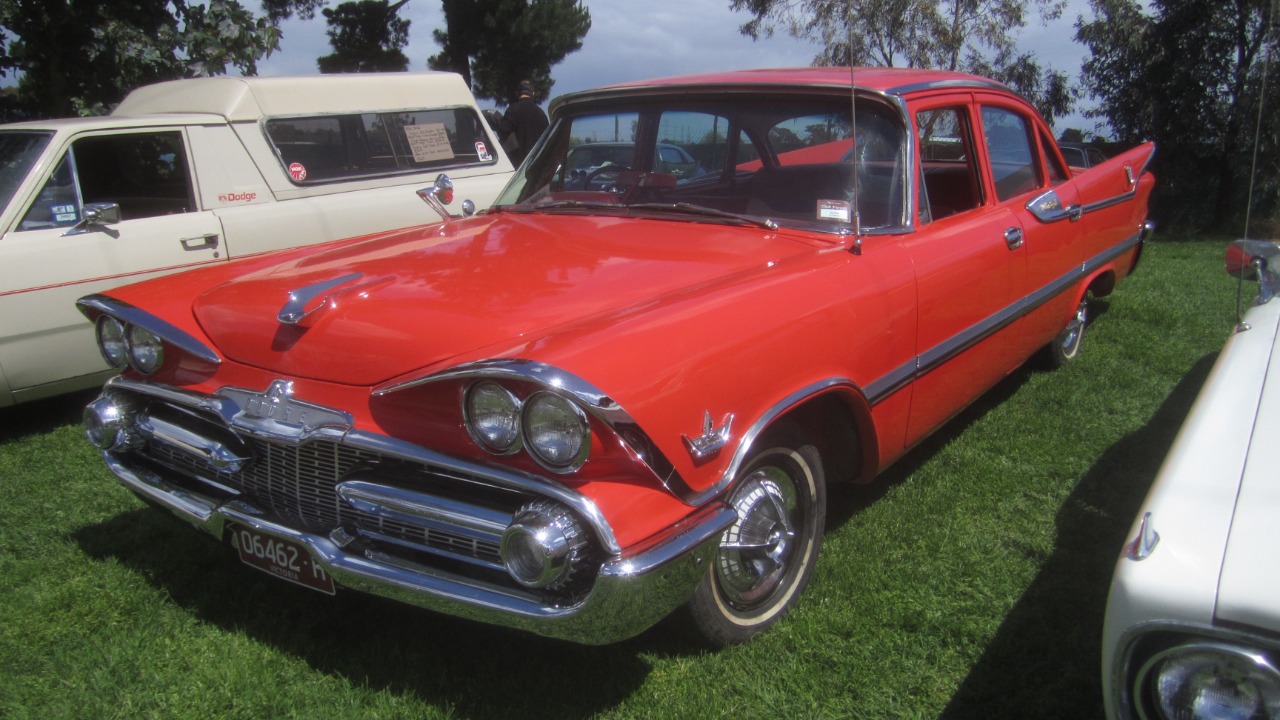
By 1959, Dodge was working with the basic “Forward Look” body that had stunned buyers when it appeared for 1957, but the market’s appetite for visual drama had only grown. The Royal shared its basic proportions with the Coronet and Custom Royal, yet the brand kept piling on brightwork, sculpted panels, and taller fins to keep pace with the late‑fifties styling race. The result was a car that could dominate a parking lot, with a stance and profile that made no attempt to blend into traffic.
That escalation came at a moment when some observers were already wondering if the look had gone too far. One period‑style critique notes that by 1959 the Dodge Coronet sedan’s styling was “over the top,” with more chrome layered on top of Mopar’s already chromy original 1957 Forward Look bodies, and the Royal followed that same visual script. The word “perhaps” does a lot of work there, hinting that what thrilled some buyers was starting to feel excessive to others, a sign that tastes were shifting away from pure ornament and toward a more balanced mix of style and restraint.
Inside, The Custom Royals showed how luxury expectations were rising
If the exterior of the 1959 Dodge Royal shouted for attention, the interior spoke to a quieter change in what buyers wanted from a family car. Shoppers were no longer satisfied with basic vinyl benches and a few bright trim rings; they were starting to expect a sense of occasion every time they opened the door. Dodge responded by turning the upper‑trim cars into rolling lounges, with layered textures, bold color combinations, and dashboards that looked more like control centers than simple instrument panels.
The best evidence of that shift sits in the way The Custom Royals were positioned as the top dogs in the Dodge lineup. Outside, these cars were slathered in chrome, but inside they were no less ornate, with elaborate upholstery patterns and carefully coordinated color arrangements that went far beyond utilitarian transport. That approach filtered down to the Royal, which shared the same philosophy of turning the cabin into a statement space, reflecting a broader consumer shift toward treating even mainstream sedans as personal luxury environments rather than simple appliances.
Torsion bars and the quiet revolution under the sheetmetal
While the styling grabbed the headlines, the 1959 Dodge Royal was also part of a mechanical turning point that mattered just as much to changing tastes. Drivers who had grown up with softly sprung, wallowing sedans were beginning to value a car that could track straight at highway speeds and feel composed over rough pavement. Dodge leaned into that expectation by promoting its front suspension as a genuine breakthrough rather than a hidden engineering detail.
In period materials, the company highlighted what it called Dodge Torsion, a torsion‑bar front suspension that promised a flatter ride and more precise control than the coil‑spring setups many buyers were used to. Advertising framed this as “the ride that started a revolution in suspension design” and emphasized that it had stayed ahead of the field, language that spoke directly to customers who were beginning to judge cars on how they felt from behind the wheel, not just how they looked at the curb. In the Royal, that technology helped bridge the gap between the flamboyant 1950s and the more road‑focused expectations that would define the next decade.
Tailfins, D500 performance, and the last blast of the fin era
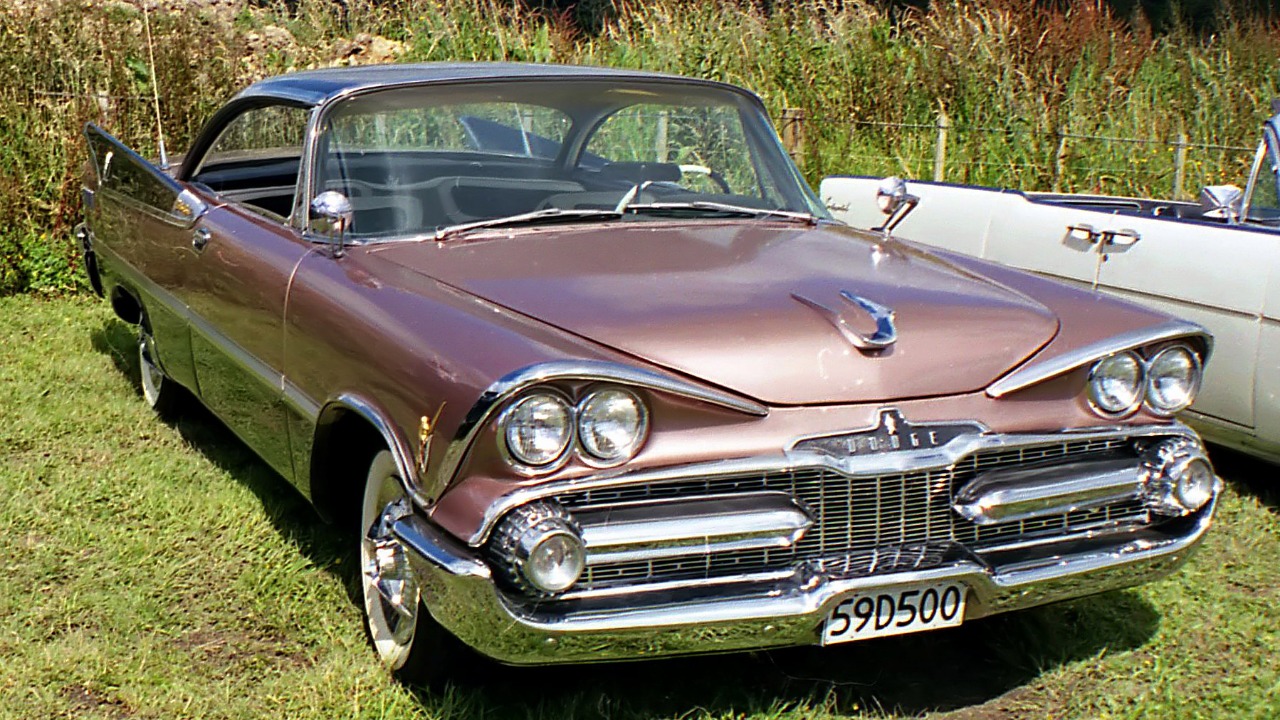
The 1959 model year also marked a symbolic end point for one of the decade’s most visible obsessions: the tailfin. Dodge had built its identity around those soaring rear fenders, and the Royal shared the same basic finned silhouette as its siblings. Yet instead of easing off, the brand treated this final year of the look as an opportunity to go all in, creating some of the most dramatic shapes it would ever put into production.
That attitude is captured in accounts of the final year for the tailfinned Dodges, when Dodge’s top model, the Custo‑badged Custom Royal D500, arrived with some of the most outlandish styling of the era. The Royal shared that same spirit, pairing its towering fins and heavy chrome with serious performance hardware in D500 form, a combination that appealed to buyers who still wanted visual drama but were increasingly interested in how quickly and confidently their cars could move. In that sense, the 1959 Royal stands at the crossroads between the fin‑era showboat and the performance‑oriented full‑size sedans that would follow.
A polarizing shape that hinted at future design priorities
Not everyone loved what they saw. Contemporary and modern reactions alike describe the 1959 Dodge as a polarizing car, a machine that could look either thrilling or overwrought depending on where you stood. The Royal’s sweeping side trim, complex grille, and stacked rear details made it impossible to ignore, but they also revealed how close the industry was to a course correction toward cleaner lines and less visual clutter.
One description of the 1959 Dodge Royal Lancer calls the 1959 Dodge a polarizing car with over‑the‑top styling and excessive chrome, yet still urges readers to check its unique features, a neat summary of how the Royal straddles admiration and critique. That tension mirrors a broader shift in taste: buyers were starting to see value in restraint, even as they remained fascinated by bold design. The Royal’s ability to provoke strong reactions is exactly what makes it such a clear marker of the moment when American car design began to pivot toward a new set of priorities.
From Early exotic glamour to a new idea of sleek
To understand why the 1959 Dodge Royal felt both of its time and slightly out of step, it helps to look at what was happening in the wider world of aspirational cars. Early in the postwar period, exotic and luxury models leaned heavily on classic, elegant lines and generous chrome accents to signal status. That vocabulary filtered down to mainstream brands, which used brightwork and dramatic silhouettes to give everyday buyers a taste of the same glamour.
By the end of the 1950s, however, designers of high‑end machinery were beginning to shift their focus toward sleeker, more aerodynamic shapes and cutting‑edge materials, a trend captured in accounts of how Early exotic cars evolved from chrome‑laden showpieces to cleaner, speed‑suggesting forms. The 1959 Royal sits right in the middle of that transition: its surfaces and trim still speak the language of the early decade, but its low roofline, long hood, and emphasis on performance and suspension hint at the sleeker, more purposeful cars that would soon follow. In that blend of old glamour and emerging modernity, you can see exactly how changing tastes were reshaping what American drivers wanted from a full‑size sedan.
More from Fast Lane Only: