Longevity in an engine rarely comes from complexity or cutting-edge output figures. More often, it’s the result of conservative engineering, accessible service design, and components built to tolerate real-world neglect. The following engines have earned reputations not through hype, but through decades of high-mileage examples that continue running with little more than routine care.
Toyota 22R / 22RE Inline-Four
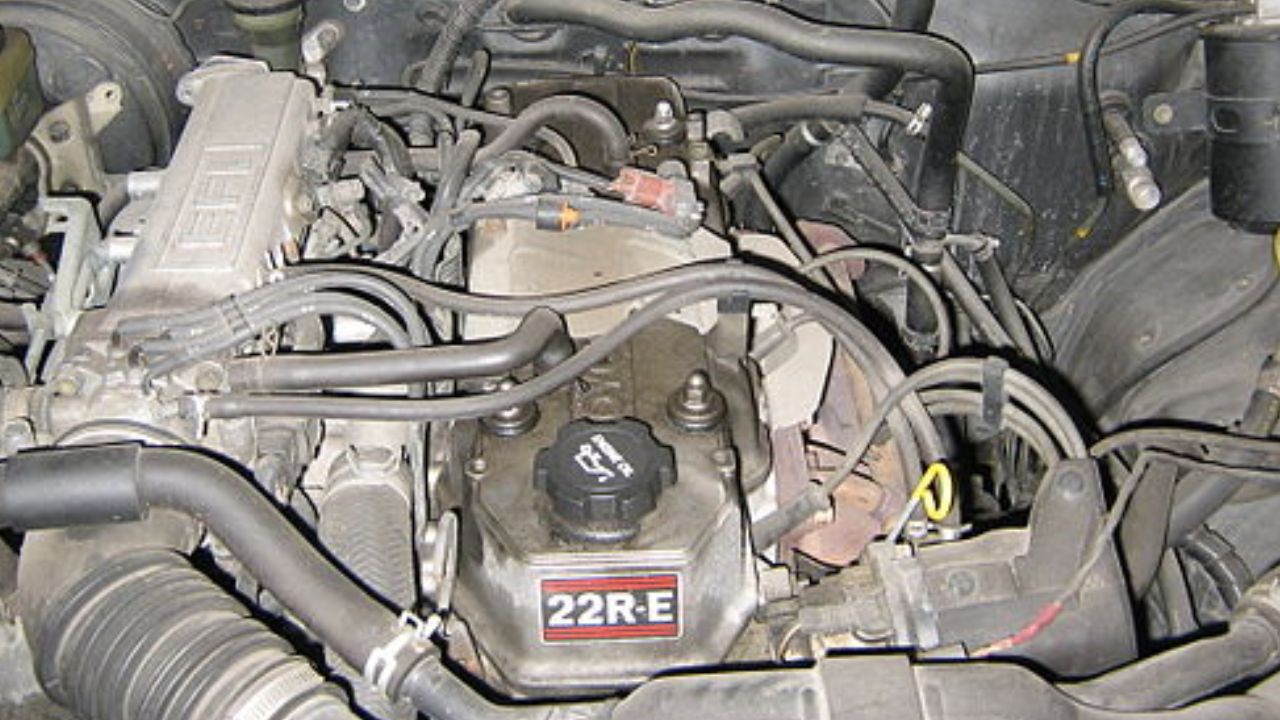
Few engines have earned a reputation for longevity quite like Toyota’s 22R and fuel-injected 22RE inline-four. Designed with durability rather than outright output in mind, these engines relied on sturdy iron construction, conservative tuning, and uncomplicated layouts that welcomed routine service. Found in pickups and early sport-utility models, they were often subjected to hard work in remote environments where reliability mattered more than refinement.
Owners quickly discovered that regular oil changes and cooling system attention were usually enough to keep them operating indefinitely. Their straightforward mechanical design also made repairs approachable for independent technicians and enthusiasts alike. Decades after production, parts support and technical familiarity remain strong. As a result, these engines continue to symbolize the practical, endurance-focused philosophy that defined many Toyota powerplants of their era.
Honda K-Series Engine
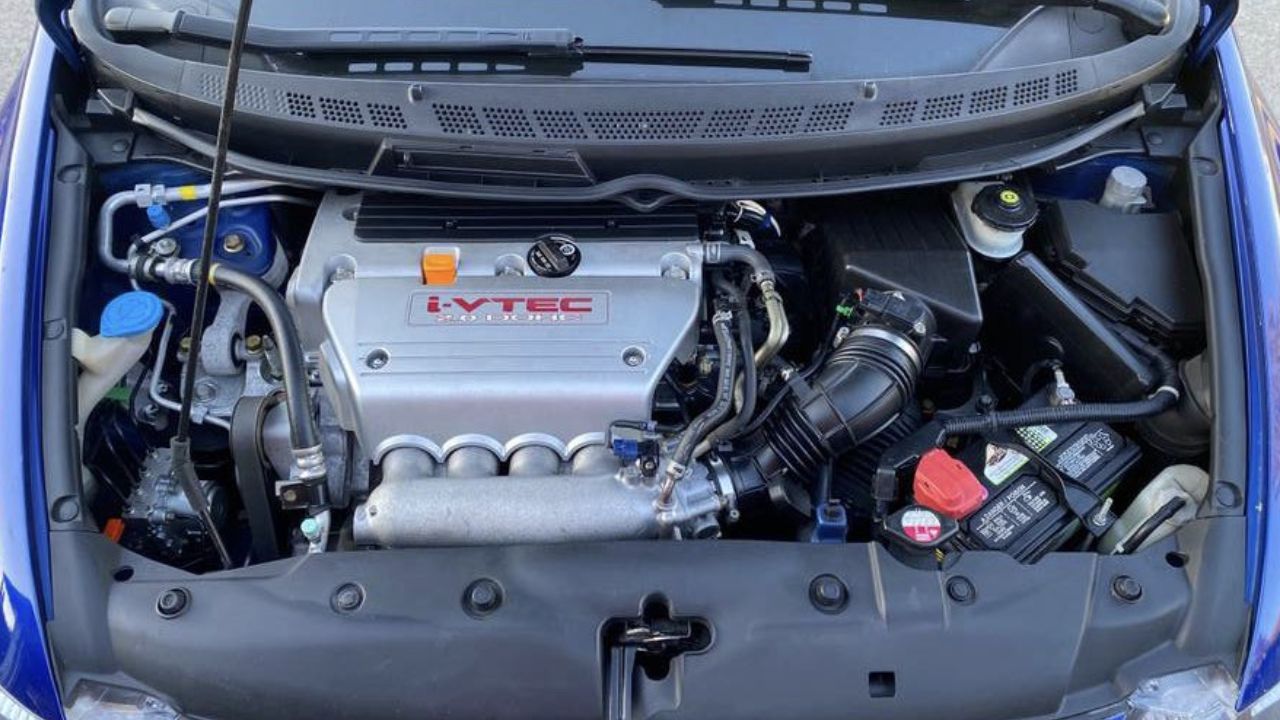
The Honda K-Series engine expanded on the durability formula established by earlier Honda four-cylinders while introducing stronger architecture and improved efficiency. Featuring an aluminum block with a rigid bottom end design and modern valvetrain control, it balances refinement with structural integrity. Unlike some high-strung performance engines, the K-Series is known for tolerating daily use, extended mileage, and even moderate modifications without compromising reliability.
Proper oil changes and cooling system maintenance typically prove sufficient to keep it operating smoothly well past average ownership timelines. Its widespread application across sedans, coupes, and crossovers has ensured deep parts availability and broad technician familiarity. Many high-mileage examples remain in service today, reinforcing its reputation through consistent real-world performance. In discussions of modern four-cylinder longevity, the K-Series is often cited as one of the most durable engines of its generation.
Ford 300 (4.9L) Inline-Six
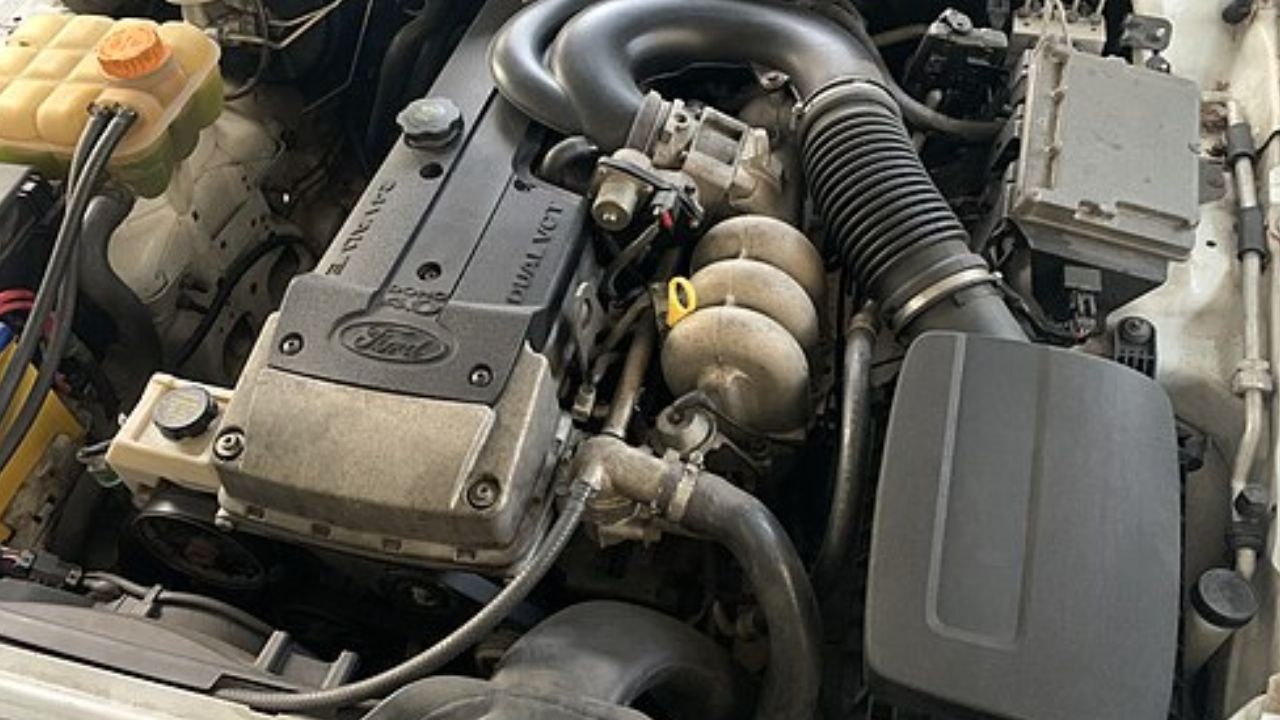
The Ford 300 cubic-inch inline-six became synonymous with workhorse dependability through years of service in trucks, vans, and industrial equipment. Engineered with a long stroke and low-revving character, it delivered torque where it mattered while keeping internal stresses modest. Its rugged bottom end and simple overhead-valve layout encouraged longevity even under sustained heavy use. Maintenance tasks were typically uncomplicated thanks to accessible component placement and a forgiving design philosophy.
Fleet operators valued the engine for its ability to continue performing reliably despite demanding schedules and environments. Many examples accumulated remarkable mileage totals without major overhaul, reinforcing its standing among technicians. Even today, restorers and classic truck owners seek it out for projects emphasizing authenticity and durability. In longevity conversations, it remains a frequent reference point for straightforward, hard-wearing American engineering.
Chevrolet Small-Block V8 (350)

The Chevrolet small-block 350 achieved lasting recognition not only for performance versatility but also for its durable simplicity. Used across countless cars, trucks, and industrial applications, it benefited from continuous refinement and broad mechanical familiarity. The pushrod architecture kept moving parts manageable, supporting straightforward service and rebuild procedures. Abundant parts supply and technical documentation ensured maintenance remained accessible across generations.
When maintained with routine fluid changes and proper cooling system care, many examples delivered long operational lives. Enthusiasts valued the balance between reliability and adaptability, as the engine responded well to both stock and modified configurations. Its ubiquity reinforced confidence among mechanics who understood its characteristics intimately. Today, it endures as a cultural and mechanical touchstone, representing an era when practical engineering and widespread support combined to sustain longevity.
Mercedes-Benz OM617 Diesel Engine
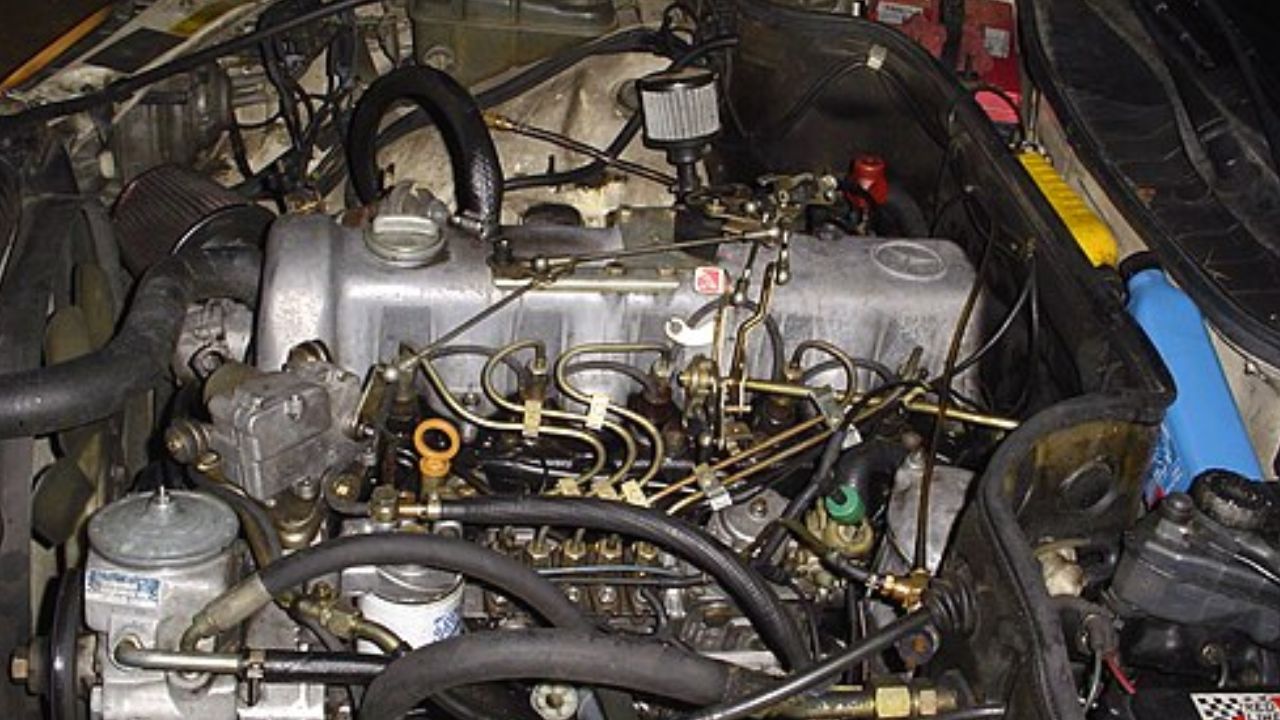
The Mercedes-Benz OM617 diesel stands as a global benchmark for passenger-car engine endurance. This five-cylinder unit gained widespread recognition through taxi fleets and export markets where sustained operation under varied conditions was routine. Mechanical fuel injection and robust internal construction minimized complexity and supported consistent performance over time. Owners willing to follow basic service intervals often found the engine capable of extraordinary mileage accumulation.
Its measured operating characteristics reduced stress on components, encouraging longevity beyond typical expectations. Technicians appreciated the logical layout and service documentation that supported ongoing upkeep. Even decades later, examples remain in operation, reinforcing its reputation through real-world evidence rather than mythology. Among diesel enthusiasts and professionals alike, the OM617 continues to represent a disciplined engineering approach that prioritized durability as a defining objective.
More from Fast Lane Only