You probably think of blue-chip collectibles as obvious poster cars, yet some of the safest long-term bets started life as used bargains. If you want to spot the next Hagerty Blue Chip star before everyone else, you need to look where other buyers are not paying attention. These six classics quietly shifted from overlooked to essential, and they show you how to read the market before the crowd catches up.
Ford Mustang (1965)
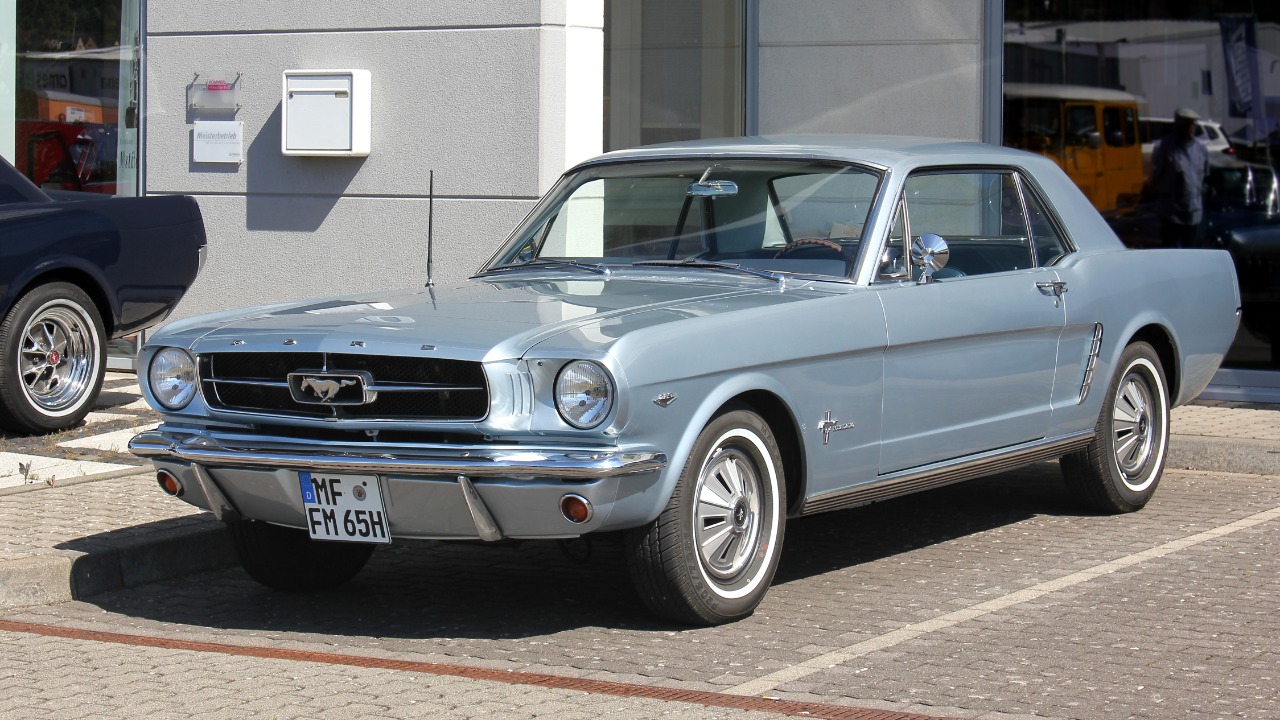
The 1965 Ford Mustang is the template for a blue-chip classic that you might still underestimate. When you Learn which icons collectors treat as default investments, the original pony car sits right at the front of the grid. The first-year shape, simple V8 power and massive parts support make it easy for you to own and restore, which keeps liquidity strong. You are not just buying nostalgia, you are buying a car that defined the start of the muscle car era and still anchors many collections.
Because the 1965 Ford Mustang appeals to several generations at once, you benefit from a wide buyer pool when it is time to sell. Baby boomers remember them new, while younger enthusiasts grew up seeing them in games and films. That cross-generational pull is exactly what you want in a blue-chip collectible, since it cushions you against short-term fashion and keeps demand steady even when broader markets wobble.
Datsun 280ZX (1978–1983)

The Datsun 280ZX from 1978 to 1983 is a textbook example of a car that quietly moved from used sports coupe to investment grade. On the Hagerty Bull Market List, the 280ZX is pegged at $32,800 in condition 2, which signals that serious collectors already treat it as more than a nostalgic toy. When you see a car that once lived in the shadow of earlier Z models suddenly singled out like this, you are looking at a stealth blue-chip in the making.
What makes the Datsun 280ZX so attractive is the mix of comfort, period styling and Japanese reliability that you can actually use. You get the long-hood silhouette and straight-six charm without the fragile feel of some older classics. As more enthusiasts chase analog Japanese performance, you benefit from a car that still feels usable on modern roads yet has already crossed into curated territory, which is exactly where you want your money parked.
Toyota Land Cruiser 100 Series

The Toyota Land Cruiser 100 Series proves that you should not ignore SUVs when you hunt for blue-chip classics. Here, the 100 generation is singled out as one of the key models quietly turning into a future collectible, and that kind of focused attention tends to harden prices. You get legendary durability, global parts support and genuine off-road pedigree, which means you are not just buying an old truck, you are buying a tool that still works hard.
Because the Toyota Land Cruiser has a reputation for surviving abuse that would kill lesser 4x4s, you see strong demand from both overlanding fans and collectors. That dual audience is powerful for you as an investor, since it keeps values supported even if one group cools off. When a vehicle can still cross continents yet is already being described as tomorrow’s collectible, you are looking at a quiet blue-chip that rewards patience.
Porsche 996 911

The Porsche 996 911 spent years as the unloved water-cooled outlier, which is exactly why it turned into a stealth investment. When Cars like the Porsche 996 are highlighted as smart buys backed by data, you know sentiment has shifted from skepticism to acceptance. You benefit from classic 911 proportions, modern performance and that flat-six soundtrack, yet you are still ahead of the curve compared with air-cooled prices.
As you watch auction results, you can see how special variants and clean manuals are already separating from the pack. Once a model starts to build a track record of appreciation, it often graduates into blue-chip territory for a new generation of buyers. For you, the Porsche 996 offers a way to tap into that movement while the car is still young enough to drive hard without feeling fragile, which strengthens its long-term case.
Dodge Viper GTS (2000)
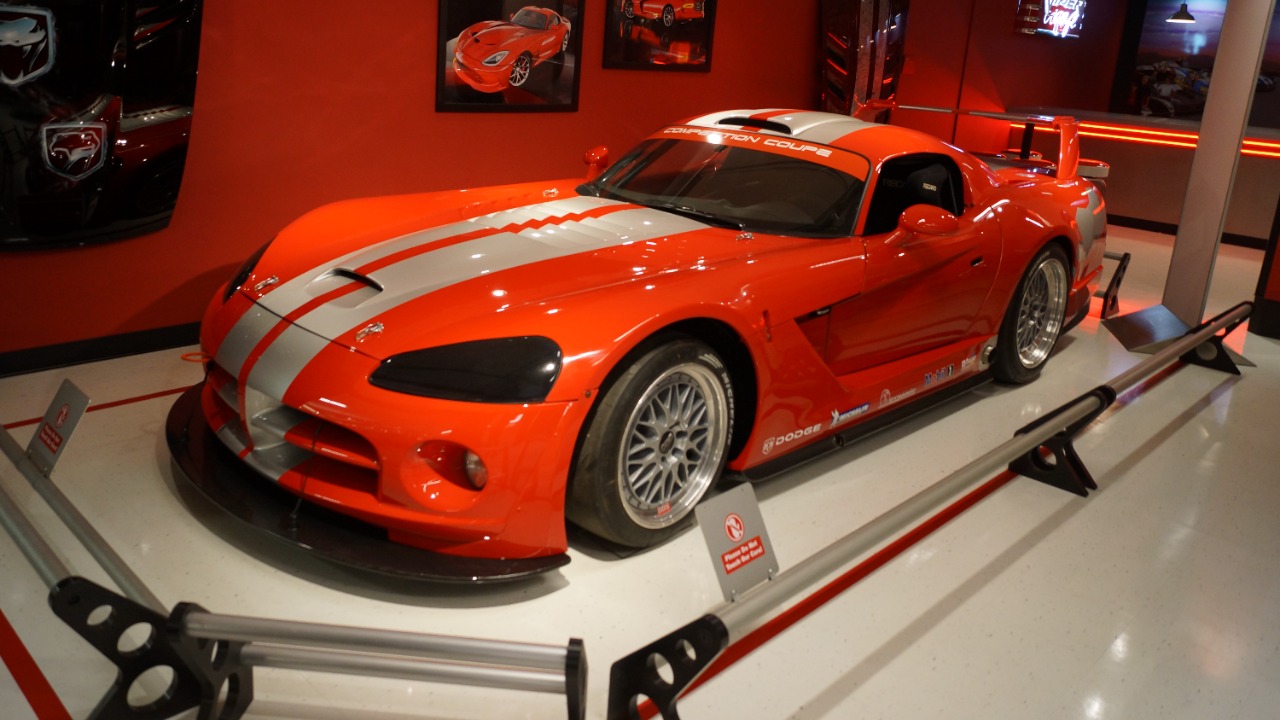
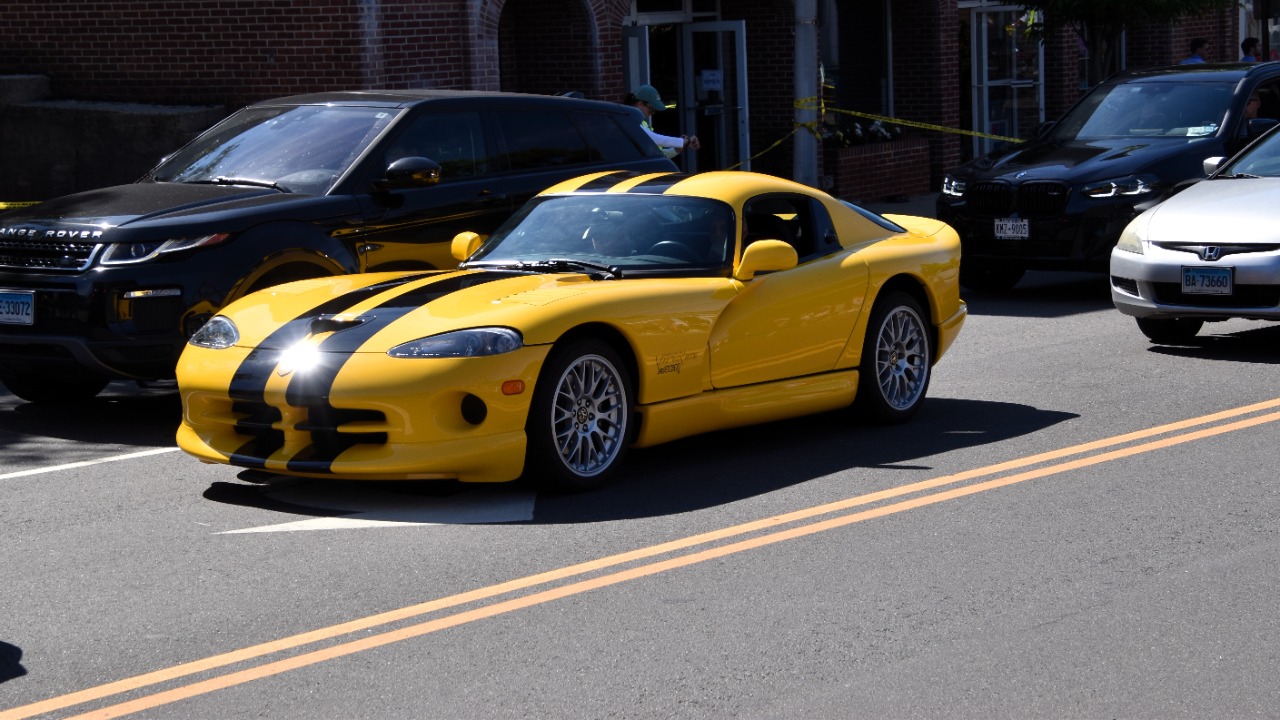
The 2000 Dodge Viper GTS is the kind of American brute that quietly turned into a serious asset. In guides to Sports Cars and Performance Models that are crossing into classic status, the Dodge Viper GTS is singled out as a true American supercar, and that label matters for long-term value. You get a massive V10, outrageous styling and a raw driving experience that modern electronics will never replicate.
For you as a collector, the appeal lies in how analog the Viper GTS feels. There is no filter between your right foot and the rear tires, which is exactly what Generation X and younger enthusiasts increasingly seek as they move into higher income brackets. As demand from those buyers grows, the limited production and motorsport image of the Dodge Viper GTS give it the ingredients of a blue-chip that you can still enjoy on track days.
BMW M3 (E30)
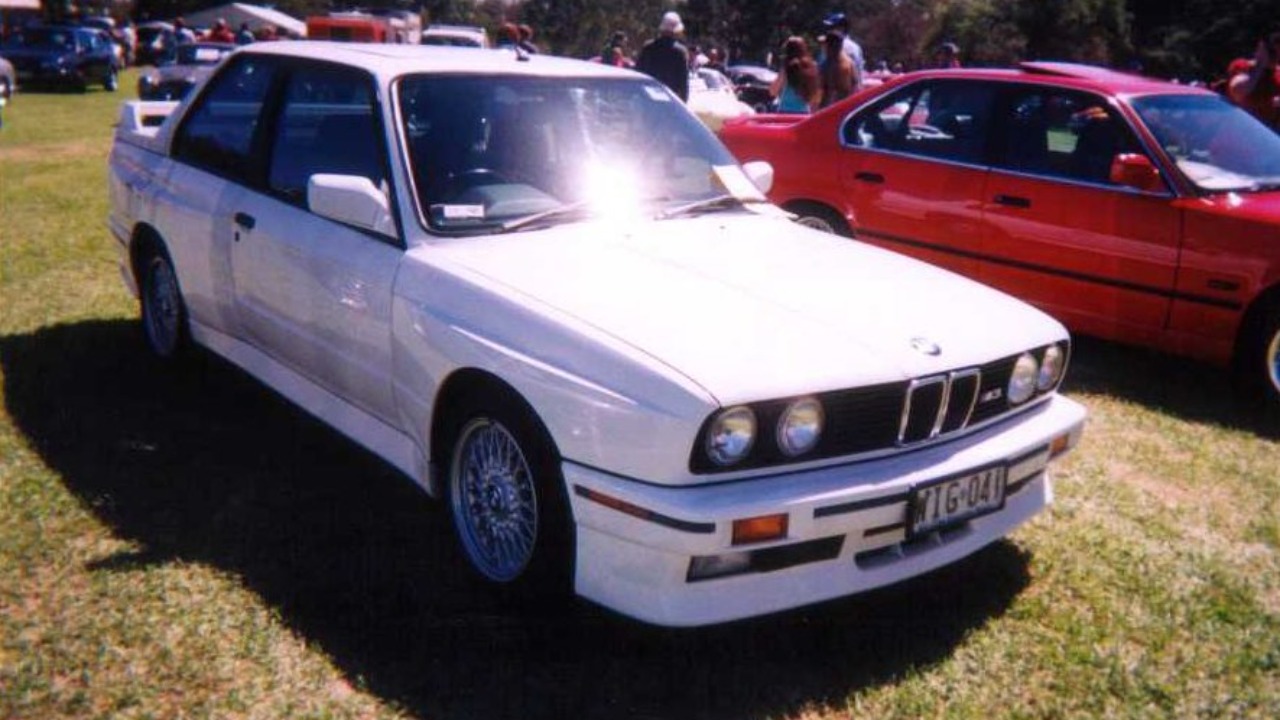
The BMW M3 E30 might not feel “quiet” anymore, yet its journey from slow seller to blue-chip icon holds a lesson you can still apply. When you read that Who knew the initially very slow-selling BMW M3 from the late ’80s would now be worth more than its original MSRP, you see how market perception can flip. If you had bought when they sat unloved in classifieds, you would be sitting on a serious gain today.
For your own strategy, the BMW M3 story shows why you should track homologation specials and niche performance models that initially struggle. Once enthusiasts realize how focused and analog these cars are, demand often spikes and supply cannot respond. By studying how the E30 moved from dealer lot leftover to auction darling, you can better spot the next quiet climber before it joins the established blue-chip club.
More from Fast Lane Only