The roar of a classic V8 engine is a sound that resonates deeply with car enthusiasts. While modern exhaust systems strive for efficiency and compliance with noise regulations, they often lack the character and raw power that defined earlier muscle cars. Here’s a look at ten classic V8s that still sound incredible, evoking nostalgia and admiration from fans of all ages.
Ford Mustang GT (1969)
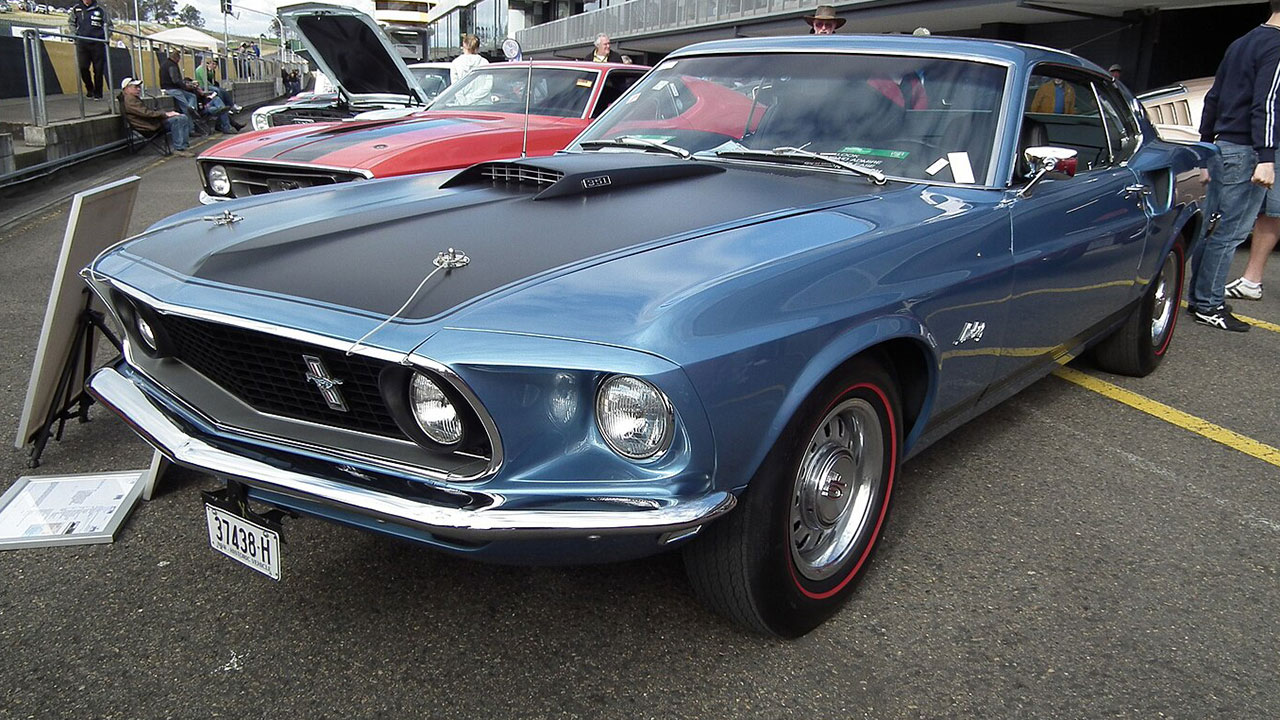
The 1969 Ford Mustang GT is iconic not just for its design but for the growl of its V8 engine. Equipped with a 351 cubic inch Windsor or a 390 cubic inch FE V8, this muscle car delivers a throaty roar that turns heads. The distinctive sound is produced by a combination of its dual exhaust system and the engine’s unique firing order, creating a symphony that modern engines often struggle to replicate.
Many enthusiasts argue that the Mustang’s exhaust note is a critical part of its appeal. The deep rumble at idle transitions into a powerful growl as you accelerate, a sound that evokes memories of American muscle at its finest. If you’re looking for a modern equivalent, you might find that newer models, while powerful, often lack the raw emotional connection that the ’69 Mustang GT offers. For more on classic V8s, check out this list of performance cars.
Chevrolet Camaro Z28 (1970)
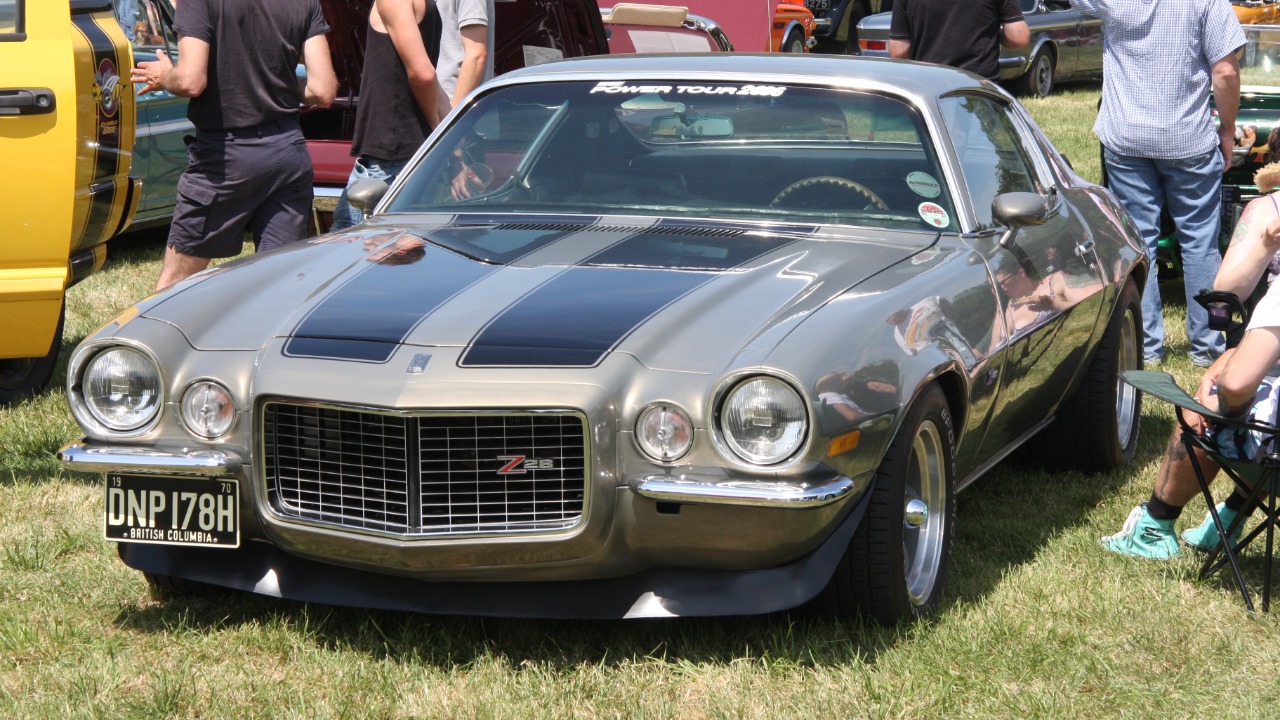
The 1970 Chevrolet Camaro Z28 is another classic that delivers an exhilarating auditory experience. With a high-revving 350 cubic inch V8, the Z28 produces a distinctive growl that many modern cars can’t match. The exhaust note is aggressive, especially when the engine is pushed to its limits. This muscle car was designed for performance, and its sound reflects that heritage.
Driving a Z28, you can feel the power coursing through your veins as the engine responds to your every command. The unmistakable rumble of the dual exhaust beckons you to unleash its full potential. Compared to the quieter, more refined sounds of today’s vehicles, the Camaro’s V8 is a reminder of a time when driving was about the visceral experience. For more insights on V8 performance, see this study on V8 engines.
Dodge Charger R/T (1970)

The 1970 Dodge Charger R/T is synonymous with power and performance, and its V8 engine offers one of the most recognizable exhaust notes in automotive history. With options for either a 440 cubic inch big block or the legendary 426 HEMI, the Charger R/T delivers a sound that is both aggressive and commanding. This muscle car’s deep rumble at idle quickly transforms into a thunderous roar under acceleration, making it a true crowd-pleaser.
What sets the Charger R/T apart is its ability to convey raw power through sound alone. The engine’s design allows for a unique exhaust note, rich with character and history. While modern cars may focus on efficiency and noise reduction, the Charger R/T remains unrepentant in its roaring legacy. If you appreciate the art of engine sound, you’ll find it hard to ignore this classic’s appeal.
Pontiac GTO (1966)

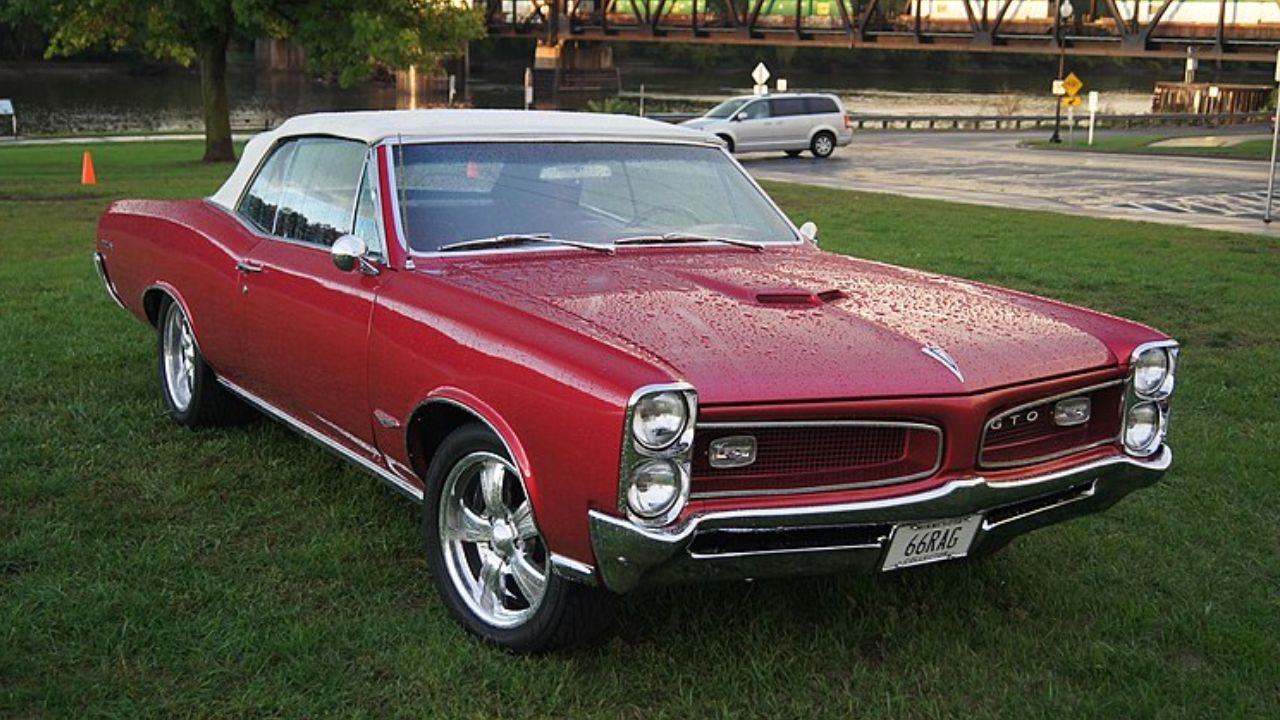
The 1966 Pontiac GTO is often hailed as the original muscle car, and its V8 engine is a major reason why. Featuring a 389 cubic inch engine, the GTO produces a deep, throaty sound that perfectly complements its aggressive styling. The combination of a well-tuned exhaust system and the engine’s robust power delivery creates an auditory experience that resonates with enthusiasts.
The GTO’s sound is more than just noise; it’s a promise of performance and speed. When you push the accelerator, the engine roars to life, delivering a symphony of power that is both thrilling and nostalgic. In a world where modern engines prioritize quiet efficiency, the GTO reminds us of a time when the sound of a car was as important as its speed. For a deeper look at muscle car history, check out this article on classic engines.
Chevrolet Corvette Stingray (1970)
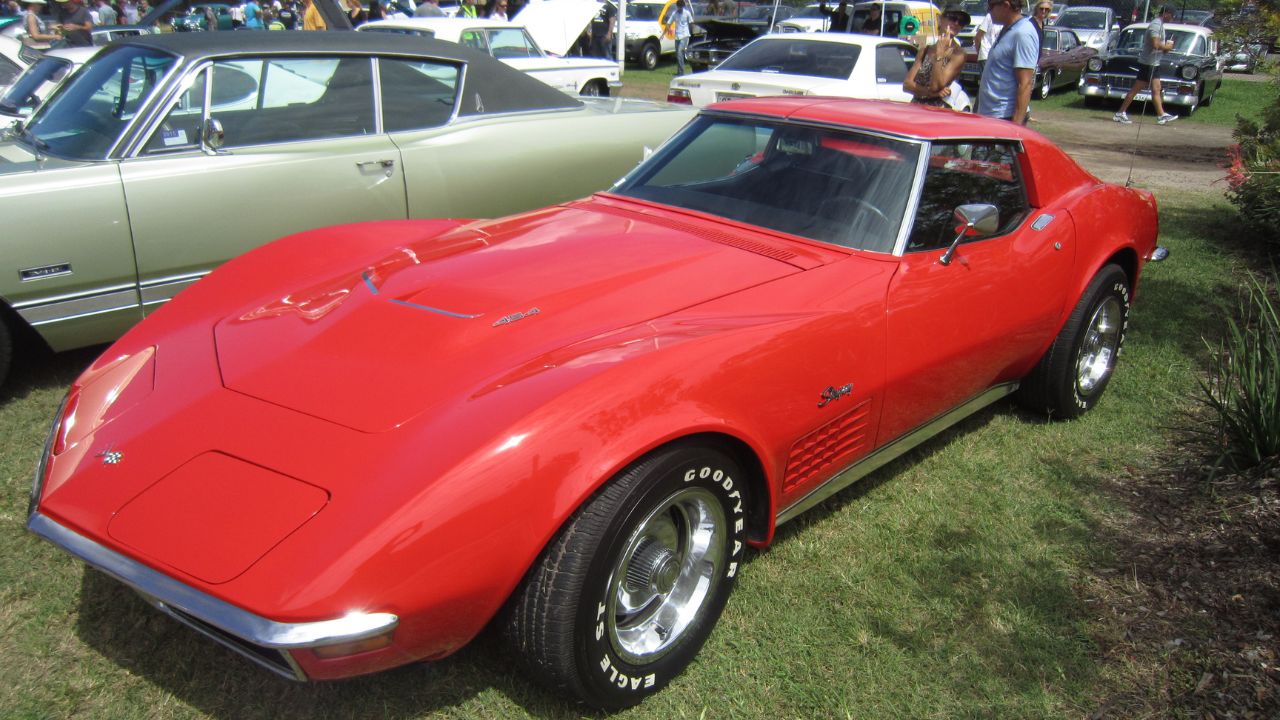
The 1970 Chevrolet Corvette Stingray is a legendary sports car that combines stunning design with a powerful V8 engine. Available with either a 350 cubic inch or a 454 cubic inch big block, the Stingray offers an exhaust note that is both rich and aggressive. The low rumble at idle transitions into a high-pitched wail as the engine revs, making it a favorite among car enthusiasts.
The Stingray’s sound is a defining characteristic, evoking images of racetracks and open roads. Unlike many modern cars, which often feature muffled exhausts for comfort, the Corvette embraces its performance roots. The roar of the V8 is a testament to American engineering and performance. For more about the evolution of engines, consider this SAE paper that discusses engine characteristics.
Plymouth Road Runner (1970)
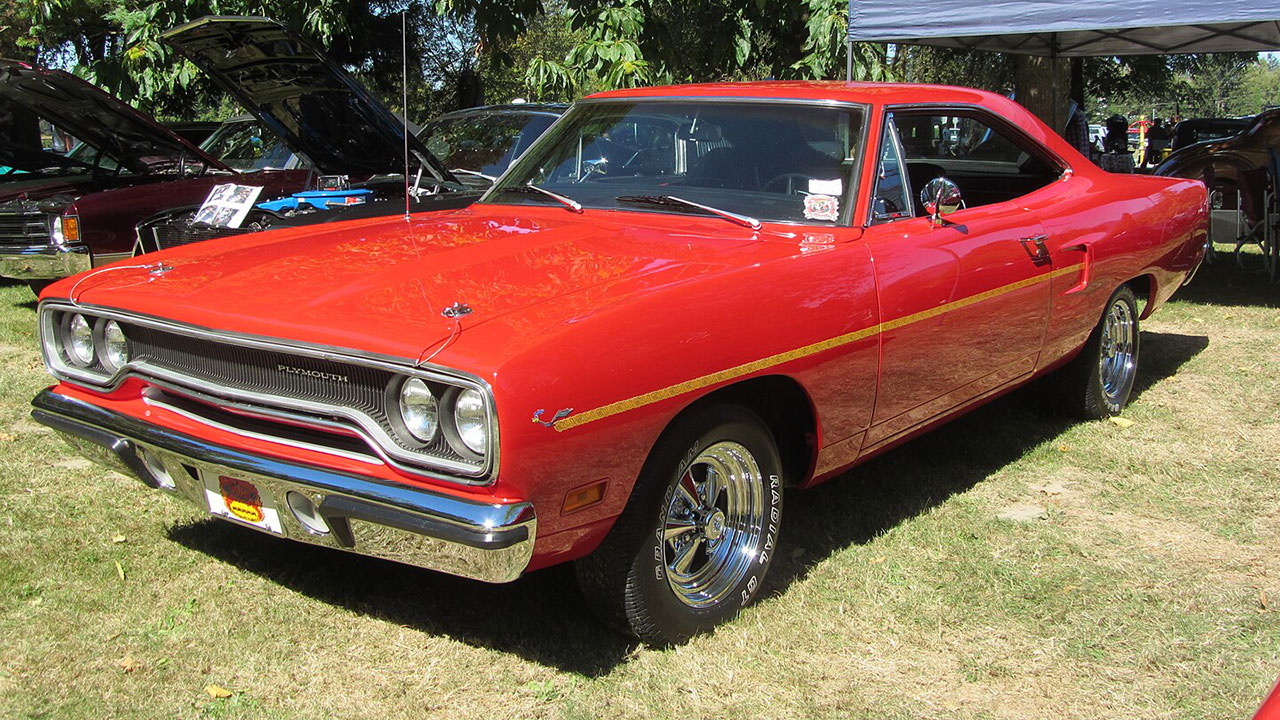
The 1970 Plymouth Road Runner is a classic American muscle car that leaves a lasting impression with its powerful V8 engine. Featuring a 383 cubic inch or the thrilling 426 HEMI, the Road Runner delivers an unmistakable exhaust note that is both aggressive and melodic. It was built with performance in mind, offering a raw driving experience that modern cars often lack.
The Road Runner’s exhaust sound is iconic, with a throaty growl that commands attention. This car was designed for speed and power, and its audio signature perfectly complements its performance. The combination of its aggressive styling and roaring V8 makes it a standout in any lineup. If you appreciate the sound of a classic muscle car, the Road Runner won’t disappoint.
Buick GSX (1970)

The 1970 Buick GSX is a lesser-known contender in the classic muscle car scene, yet it boasts an impressive V8 engine that delivers an unforgettable sound. With a 455 cubic inch engine, the GSX produces a powerful rumble that is both deep and resonant. The dual exhaust system allows for an aggressive tone that makes it stand out among its peers.
The GSX’s exhaust note is a perfect blend of power and character, reflecting the muscle car era’s spirit. As you accelerate, the engine’s growl becomes more pronounced, creating a thrilling experience for the driver and onlookers alike. In a world dominated by quieter vehicles, the GSX is a reminder of what true muscle sounds like, and it’s a must-see for any enthusiast.
Ford F-250 (1970)
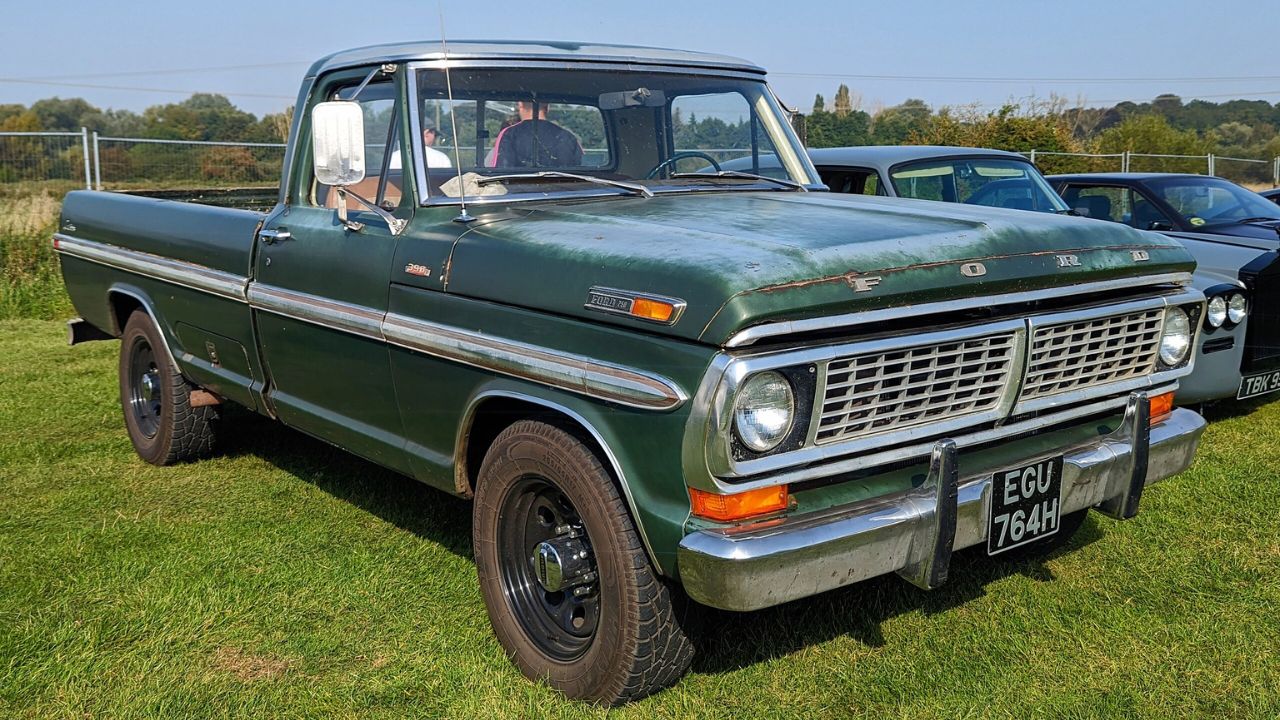
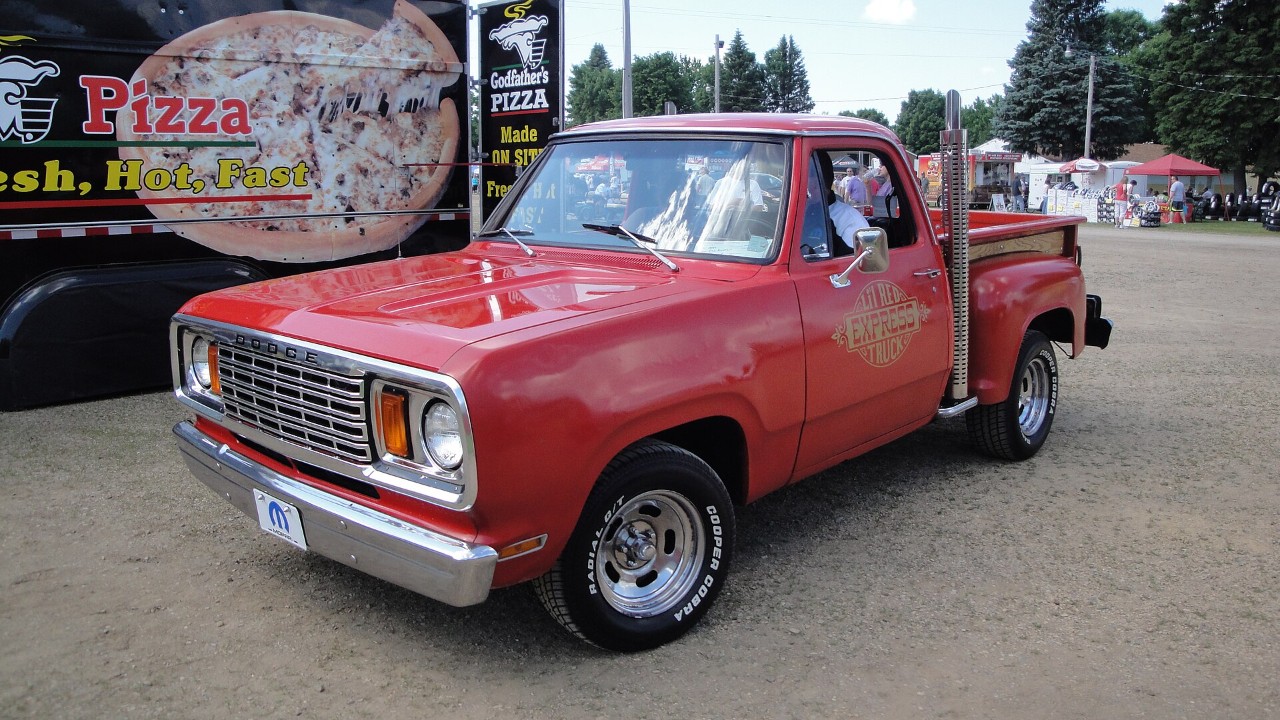
The 1970 Ford F-250 is a classic pickup that showcases the power of the V8 engine in a different light. Equipped with a 360 cubic inch V8, this truck emits a strong, deep roar that is both commanding and nostalgic. Unlike modern trucks that prioritize quiet operation, the F-250 embraces its rugged roots with an exhaust note that resonates with power and strength.
Driving the F-250, you can feel the engine’s might as it pulls through any task you throw at it. The sound of the V8 is integral to the driving experience, providing a sense of confidence and capability. While modern trucks may offer more comfort and technology, the F-250’s exhaust note is a reminder of the days when trucks were built for work and play.
Oldsmobile 442 (1970)
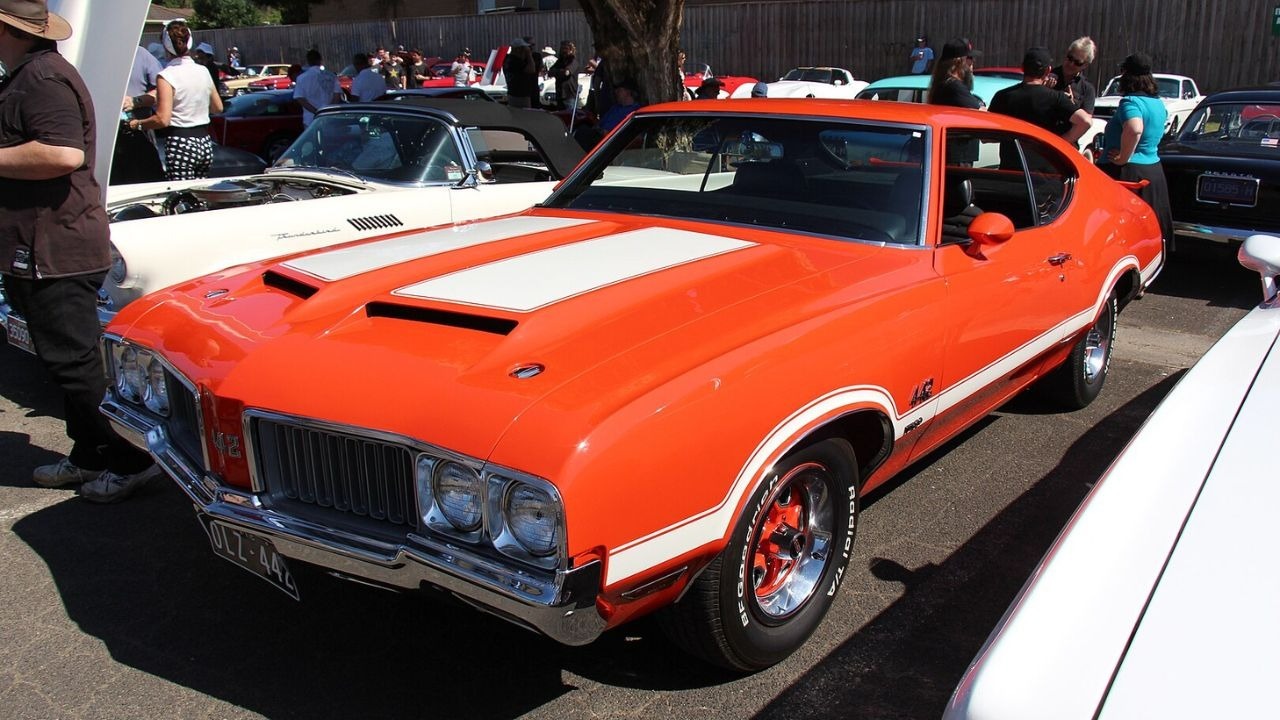
The 1970 Oldsmobile 442 is a classic muscle car that packs a punch with its powerful V8 engine. Featuring a 455 cubic inch big block, the 442 delivers a rich, throaty sound that is music to the ears of any performance enthusiast. Its aggressive exhaust note is a testament to its muscle car heritage, offering a blend of power and finesse that is hard to find in modern vehicles.
The 442’s roar becomes even more pronounced under heavy acceleration, providing an exhilarating driving experience. The distinct sound of the V8 is an essential part of its appeal, making it a joy to drive. While many modern cars prioritize noise reduction, the Oldsmobile 442 stands firm in its commitment to performance and sound. It remains a classic choice for those who appreciate the art of a well-tuned exhaust.
Dodge Challenger R/T (1970)

The 1970 Dodge Challenger R/T is a muscle car that embodies the spirit of American performance. With options for a 440 cubic inch or the legendary 426 HEMI, the Challenger R/T produces a menacing exhaust note that leaves a lasting impression. The combination of its powerful engine and dual exhaust system results in a deep growl that is both aggressive and intoxicating.
Driving the Challenger R/T is an experience like no other, as the unmistakable sound of the V8 commands attention. The roar of the engine complements its muscular design, making it a true icon of the muscle car era. While modern vehicles may offer advanced technology, the Challenger R/T persists as a powerful reminder of what a V8 should sound like. For more insights on performance engines, consider checking out this exploration of engine sound.
More from Fast Lane Only
- Unboxing the WWII Jeep in a Crate
- 15 rare Chevys collectors are quietly buying
- 10 underrated V8s still worth hunting down
- Police notice this before you even roll window down
*Research for this article included AI assistance, with all final content reviewed by human editors.