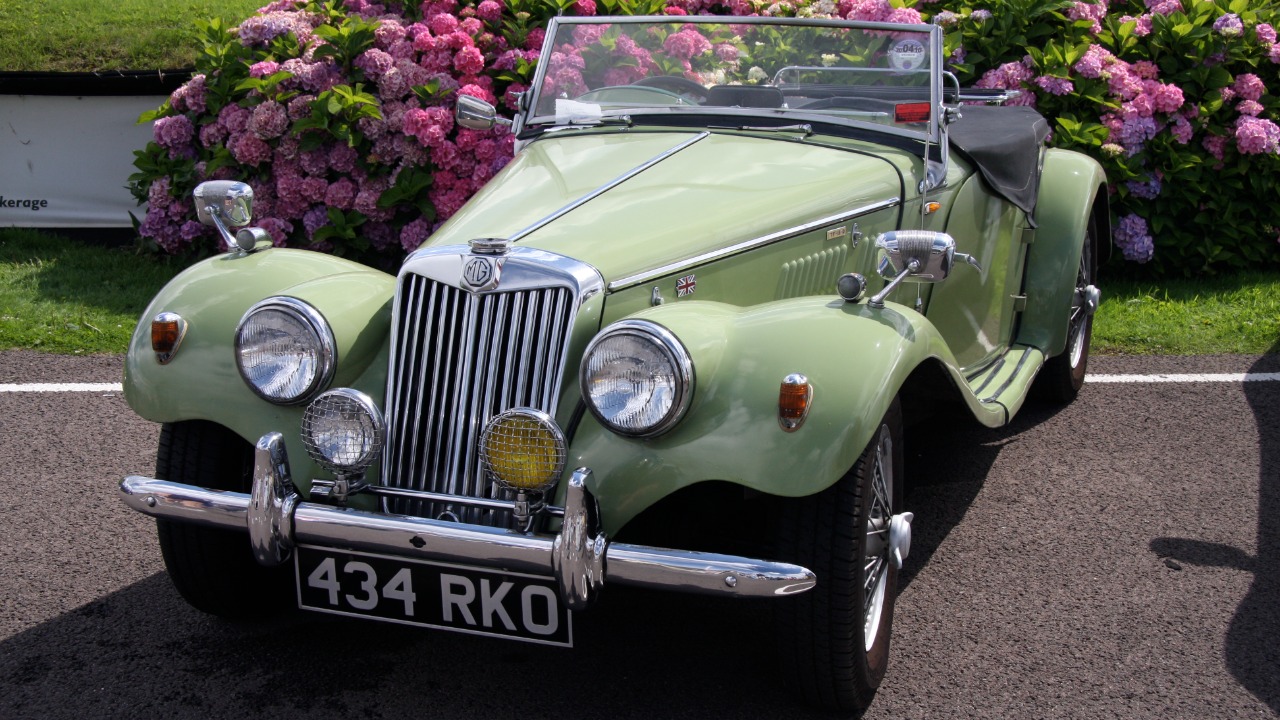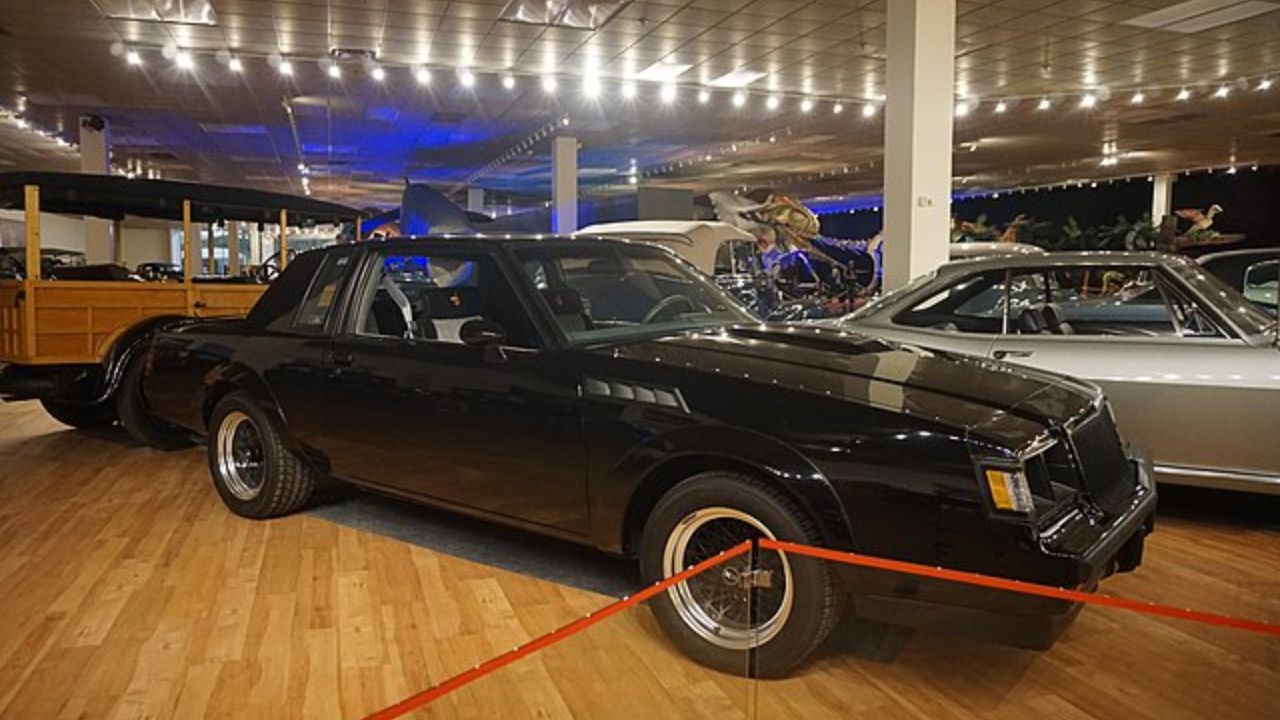
The 1980s were a weirdly fascinating decade for Buick. The brand was balancing comfort and tradition with front-wheel-drive packaging, turbocharging experiments, new electronics, and a shifting idea of what “American luxury” should feel like. Some of these cars were easy to overlook when they were new, but they’ve aged into genuinely interesting time capsules—especially if you enjoy the engineering oddities and styling tells of the era.
1987 Buick GNX
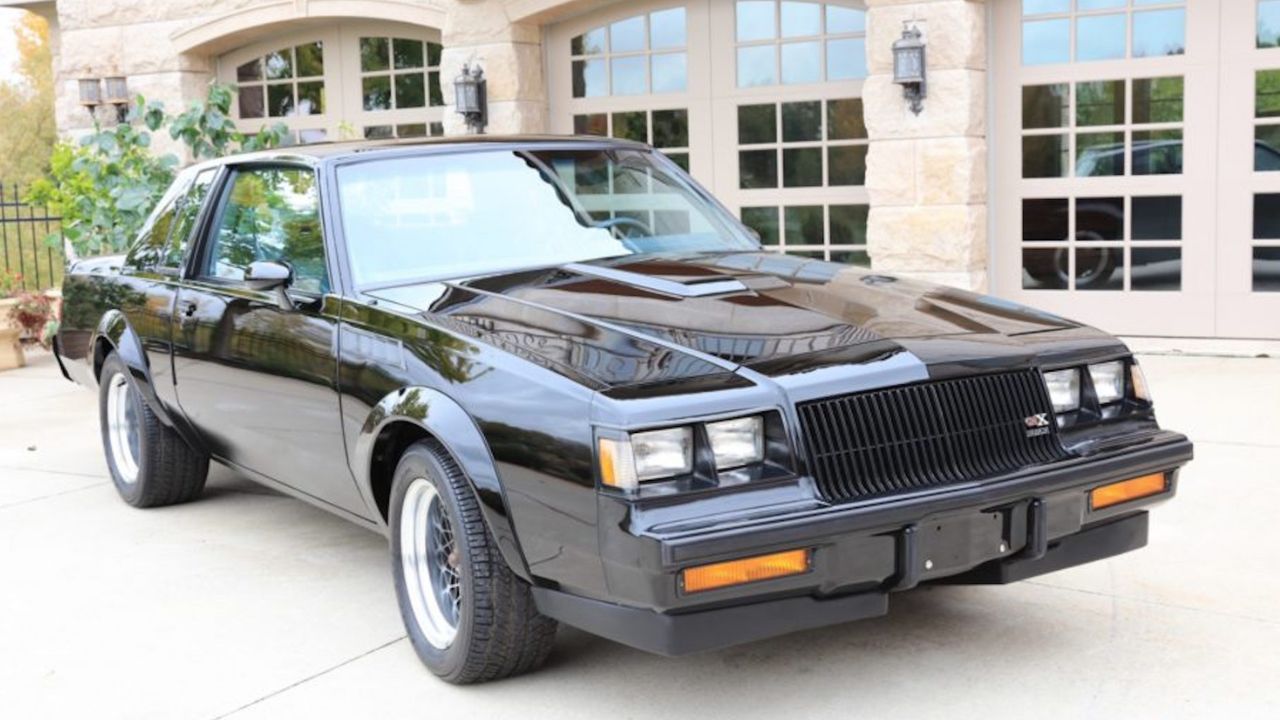
The GNX is the obvious halo car, but it’s also one of the most historically meaningful Buicks ever built. It was the ultimate evolution of the rear-wheel-drive Regal Grand National formula, built in limited numbers and developed with help from McLaren/ASC. Under the hood was Buick’s turbocharged 3.8-liter V6, and the whole package became a symbol of how strong (and how unconventional) American performance could be in the late ’80s.
What makes the GNX feel especially interesting today is how “anti-trend” it was: stealthy looks, lots of torque, and a drivetrain layout that was disappearing from most of GM’s mid-size lineup. It also helped cement the 3.8 turbo V6 as an icon, influencing the way enthusiasts look at factory turbo power in the pre-OBD-II era.
1986 Buick Regal T-Type

If you like the Grand National story but prefer a little subtlety (and more variety), the 1986 Regal T-Type is a great lens into Buick’s performance thinking. The T-Type name was used across multiple Buick lines, but on the Regal it became closely tied to the turbocharged 3.8-liter V6 and a sleeper vibe that didn’t require the all-black GN look. Depending on how it was optioned, a T-Type could be surprisingly quick while still reading as a normal personal coupe to everyone else.
Today, the T-Type is interesting because it captures the “choose your own adventure” nature of 1980s option sheets: different trims, appearances, and equipment levels could radically change the personality of what looked like the same car. It also shows how Buick was willing to let a comfort-focused brand identity coexist with serious boost.
1989 Buick Reatta
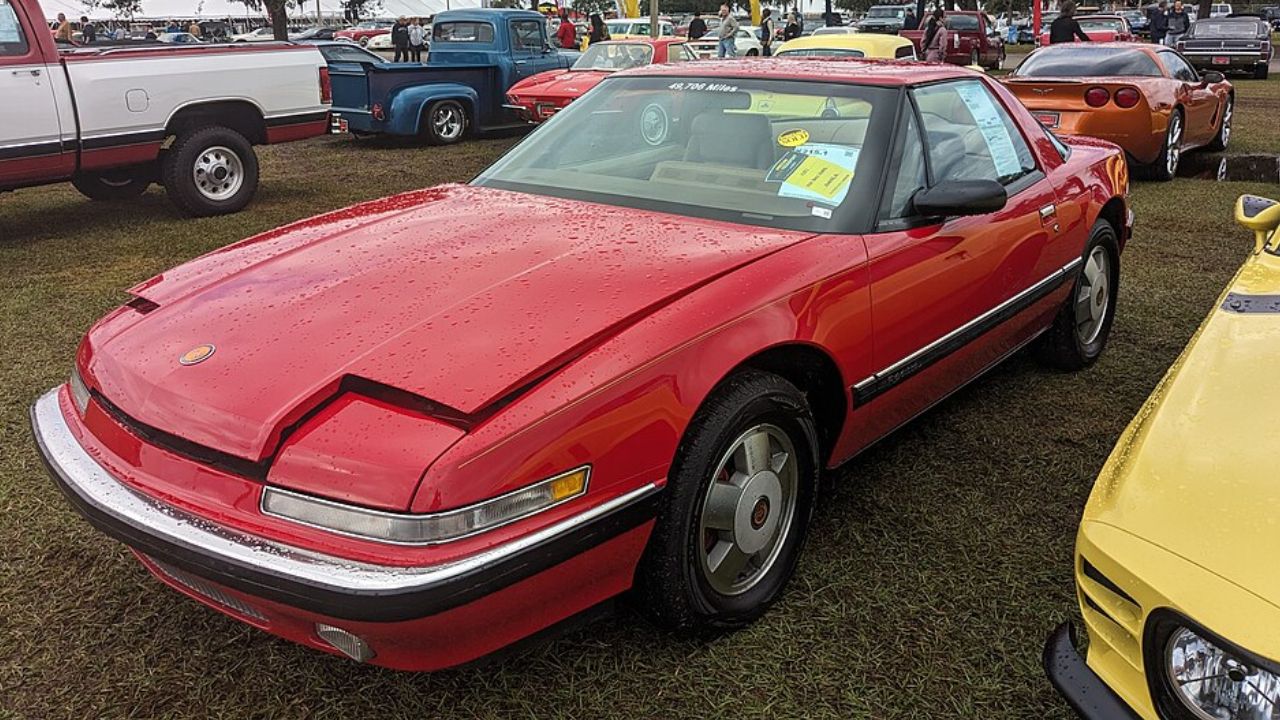
The Reatta was Buick experimenting with a two-seat (and optional four-seat) luxury specialty car at a time when that niche wasn’t an obvious fit for the brand. Built in Lansing, Michigan, the Reatta used front-wheel-drive GM hardware but wrapped it in distinctive styling and a more bespoke feel than most Buicks. Early Reattas are also remembered for their touchscreen-style interface, a very ’80s swing at bringing high-tech controls into a car cabin.
It’s more interesting now because it represents a transitional moment: digital displays and electronic interfaces were arriving, but they didn’t work like modern systems and were still novel enough to define the whole experience. The Reatta also stands out because Buick didn’t make many cars like it before or after, so it feels like a one-off idea that escaped into production.
1985 Buick Riviera (front-wheel-drive generation)
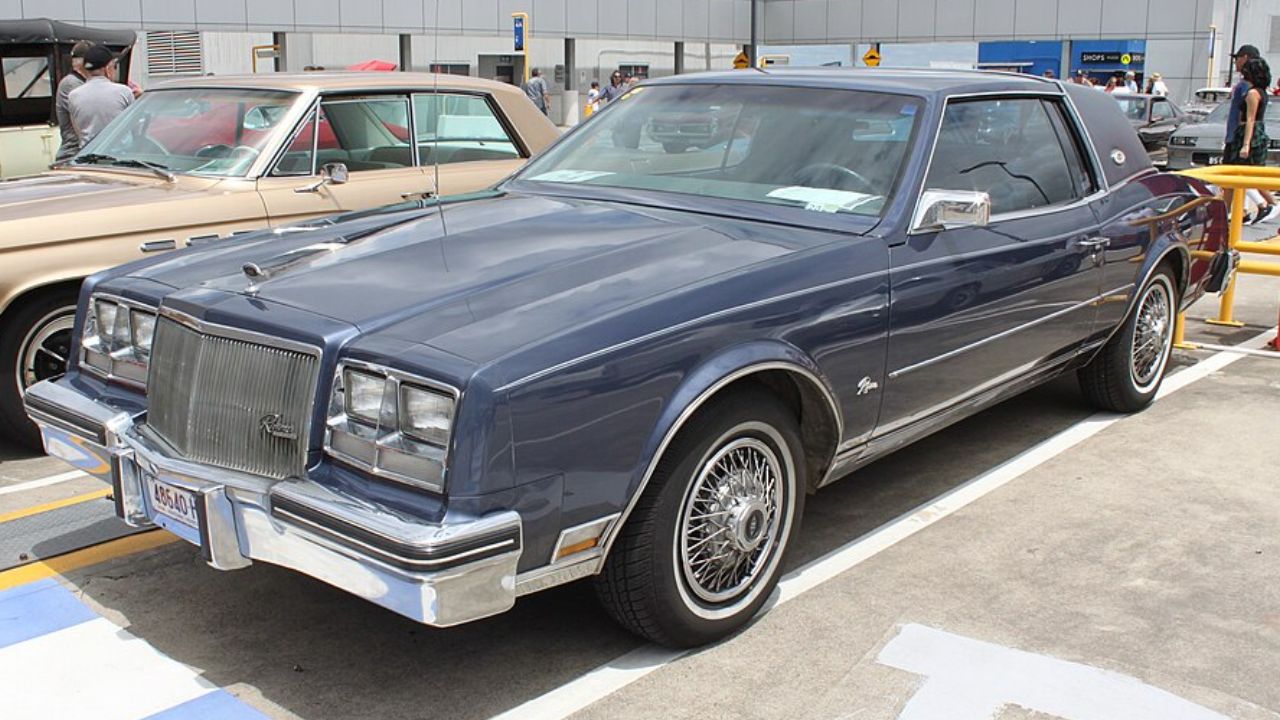
By the mid-1980s, the Riviera had fully embraced front-wheel drive, and that choice is a big reason the car is more compelling in hindsight. Buick was chasing efficiency and packaging advantages, and the Riviera became a high-profile example of GM’s shift away from the traditional big, rear-drive coupe formula. The styling of this generation is also very period-correct, with clean lines and an aerodynamic look that fit the decade’s design priorities.
From today’s perspective, this Riviera is interesting less as a muscle-luxury coupe and more as a case study in how quickly the American luxury coupe was being reinvented. It’s also an example of how Buick tried to keep a premium feel while using a drivetrain layout that was becoming the default across much of the industry.
1984 Buick Electra Park Avenue
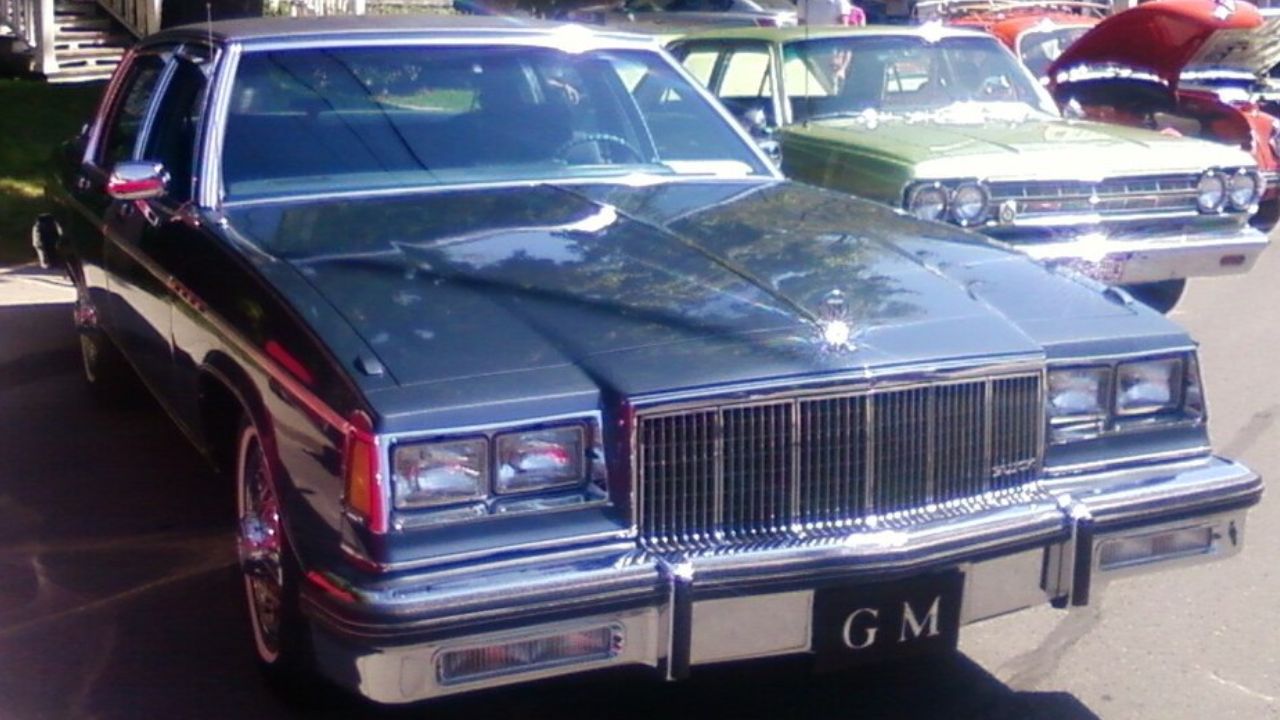
Before Park Avenue became its own model, it was a premium trim line associated with Buick’s larger cars, including the Electra. In the 1980s, an Electra Park Avenue was all about traditional American comfort: soft ride, quiet cabin, and an upscale look aimed at buyers who wanted something formal without jumping to a Cadillac. It’s a snapshot of the last era when full-size Buick luxury had a distinctly old-school flavor.
Today, it’s interesting because it captures the moment just before the big Buick sedan formula changed dramatically. It also shows how trim hierarchies and nameplates evolved—Park Avenue would soon have a separate identity, but here it’s still an expression of Buick’s classic top-tier positioning within a larger model line.
1986 Buick Century (front-wheel-drive generation)
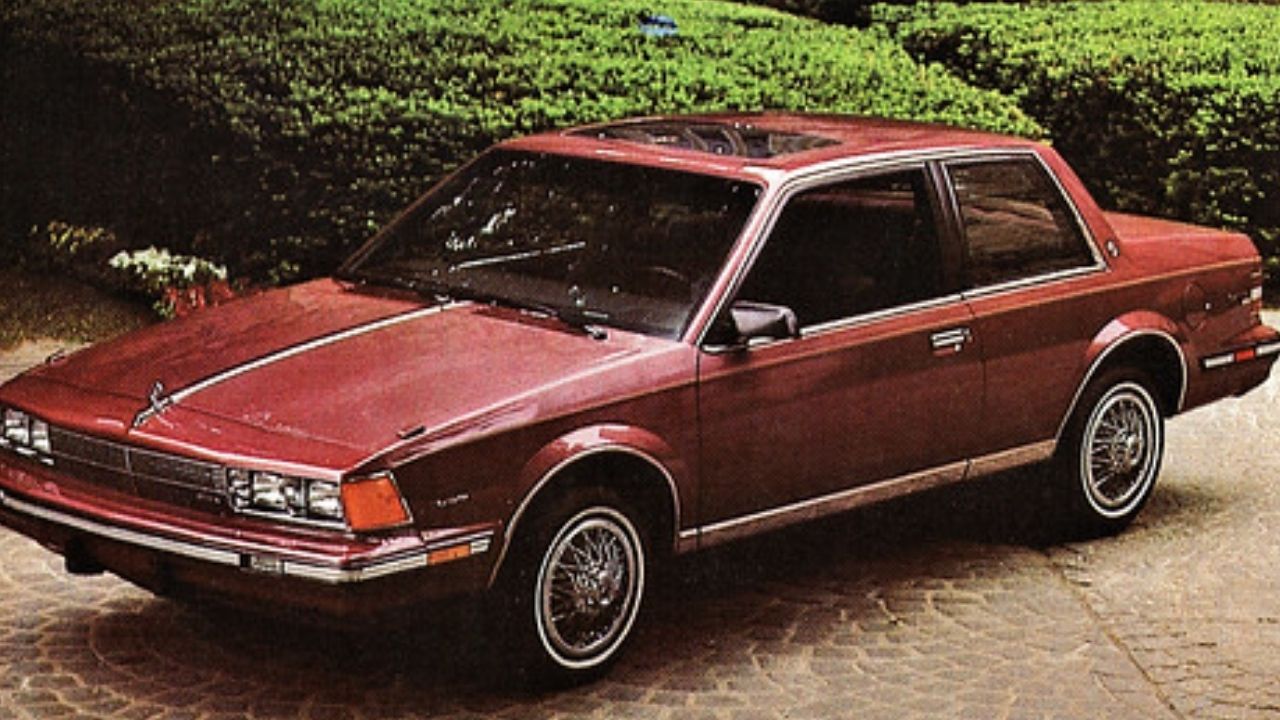
The 1980s Century was a mainstream family sedan and wagon that helped define Buick’s bread-and-butter appeal during the decade. With front-wheel drive and a more space-efficient layout than earlier generations, it fit the market’s pivot toward practicality without trying to be flashy. It was the kind of car that blended into traffic when new—exactly why it’s so telling as a historical artifact now.
Looking back, the Century is interesting because it shows how Buick leaned into everyday usability while still trying to preserve a step-up feel in materials and ride comfort. It’s also a reminder that the cars that shaped the era weren’t always the poster models—they were the ones families actually lived with.
1981 Buick LeSabre (downsized full-size era)
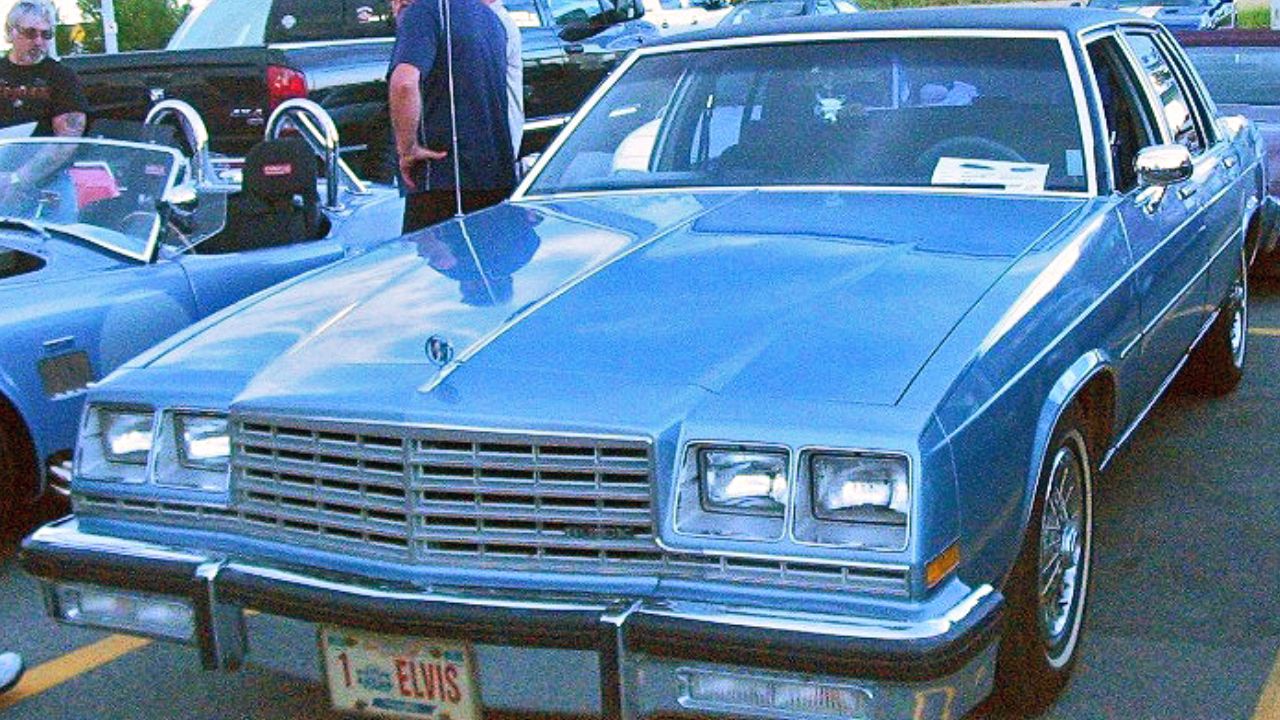
The early-’80s LeSabre sits firmly in Buick’s downsized full-size chapter, when GM reduced exterior dimensions compared to the land-yacht years while keeping a big-car mission. That balance—still roomy, still comfortable, but more manageable—was central to how American brands tried to modernize without losing their core customers. The LeSabre remained a familiar nameplate, but the underlying philosophy had shifted.
It’s more interesting today because it shows what “full-size” meant in a decade defined by recalibration. The design cues, packaging, and overall feel reflect a period when Buick was trying to hold onto tradition while acknowledging that the industry’s old assumptions weren’t coming back in the same form.
What ties these Buicks together isn’t just nostalgia—it’s the way they map out Buick’s identity crisis and creativity in real time. Some are performance outliers, some are tech experiments, and others are honest snapshots of how the average American luxury car was evolving. If you enjoy cars that tell a story about their era, the 1980s Buick catalog has more depth than it gets credit for.
More from Fast Lane Only
- Unboxing the WWII Jeep in a Crate
- 15 rare Chevys collectors are quietly buying
- 10 underrated V8s still worth hunting down
- Police notice this before you even roll window down
*Research for this article included AI assistance, with all final content reviewed by human editors.