Modern performance cars have reached a strange point where outrageous speed no longer feels like a fight. Power has climbed, electronics have grown smarter, and the best machines now cover ground with a calm that can feel almost surreal.
Look at the cars that make velocity feel casual and a common thread appears: they blend huge performance with an ease that flatters drivers instead of scaring them. Some are virtual, some are road legal, but all of them show how quickly speed has become something you manage with your fingertips instead of your nerves.
Porsche Taycan Turbo S
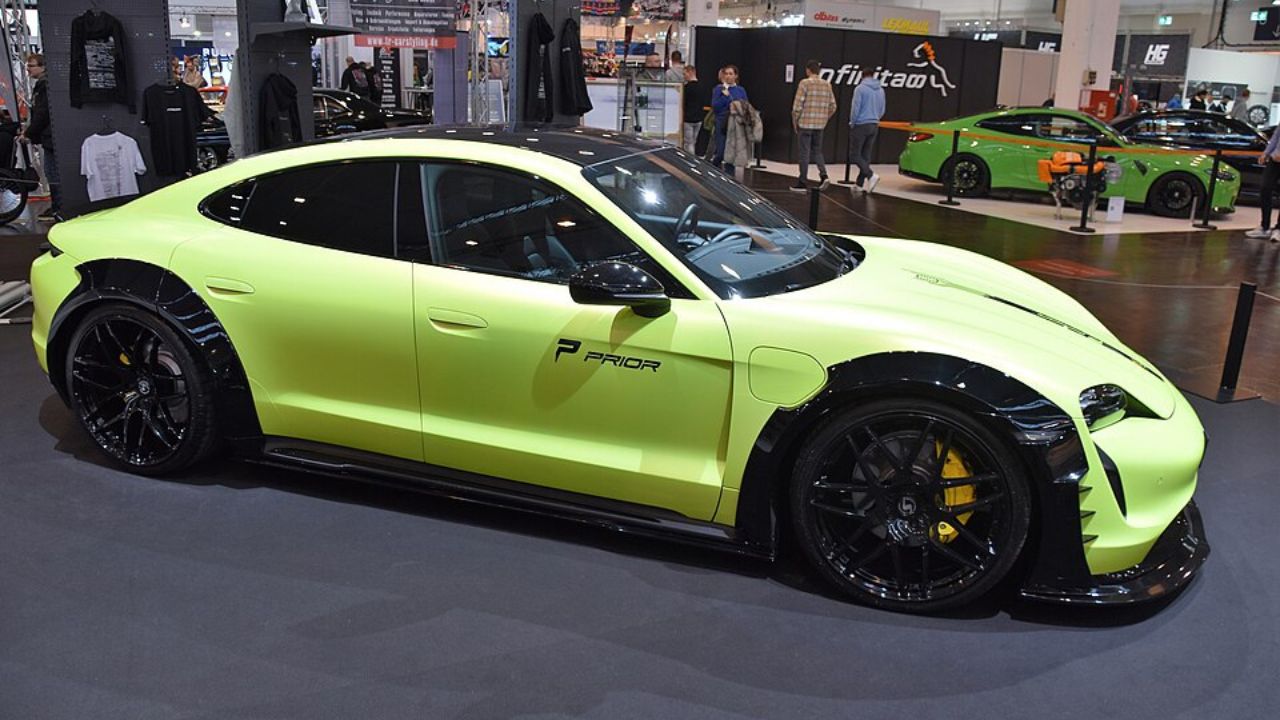
The Taycan Turbo S is one of the clearest examples of how electric power reshapes the feeling of speed. With dual motors, all-wheel drive, and launch control, it can blast to highway velocities in a handful of seconds, yet the cabin stays quiet and composed. There is no flare of revs or gearshift shock, just a single, relentless surge. The steering is precise, the body control is tight, and the car tracks straight even under brutal acceleration.
Its effortlessness comes from the layering of electronics. Traction control meters torque to each axle in milliseconds, torque-vectoring nudges the car into line in fast bends, and regenerative braking blends with friction brakes so the driver simply presses the pedal and the car slows hard and true. In daily use, that means you can join a short on-ramp, pass a line of traffic, and be back in your lane before you have really registered how quickly the Taycan has eaten the distance.
Tesla Model S Plaid
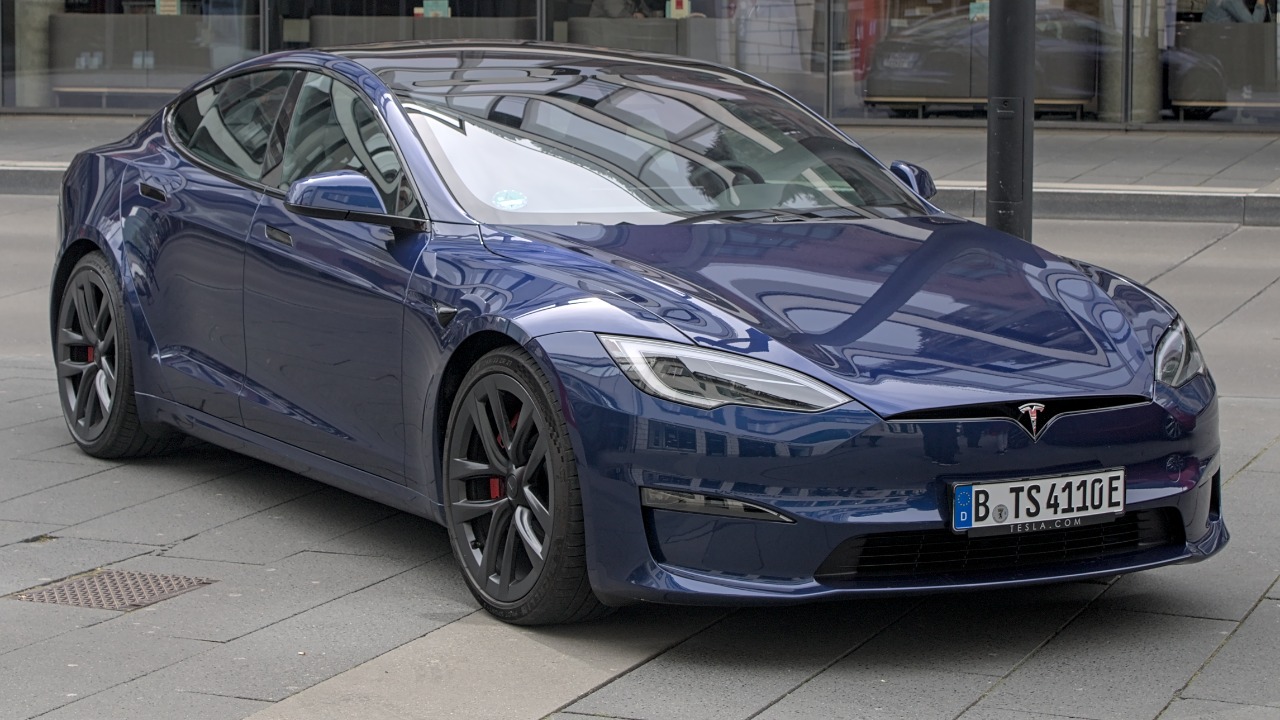
The Tesla Model S Plaid takes the same recipe and turns the dial further. Its tri-motor setup delivers towering power, and the all-wheel-drive system converts that into acceleration that used to belong to drag-strip specials. Yet the interior feels like a quiet lounge, and the car is happy to cruise gently until you ask for more.
What stands out is how little physical effort the Plaid demands. The steering is light, the pedals need only a small movement, and the car stays planted even as the scenery blurs. Adaptive air suspension softens impacts and then firms up in corners, so the body remains level. The result is a car that can cover long distances at high average speeds while leaving the driver feeling oddly fresh, which is both a testament to its engineering and a reminder that fatigue is no longer a reliable gauge of how fast you have been traveling.
Audi RS e-tron GT
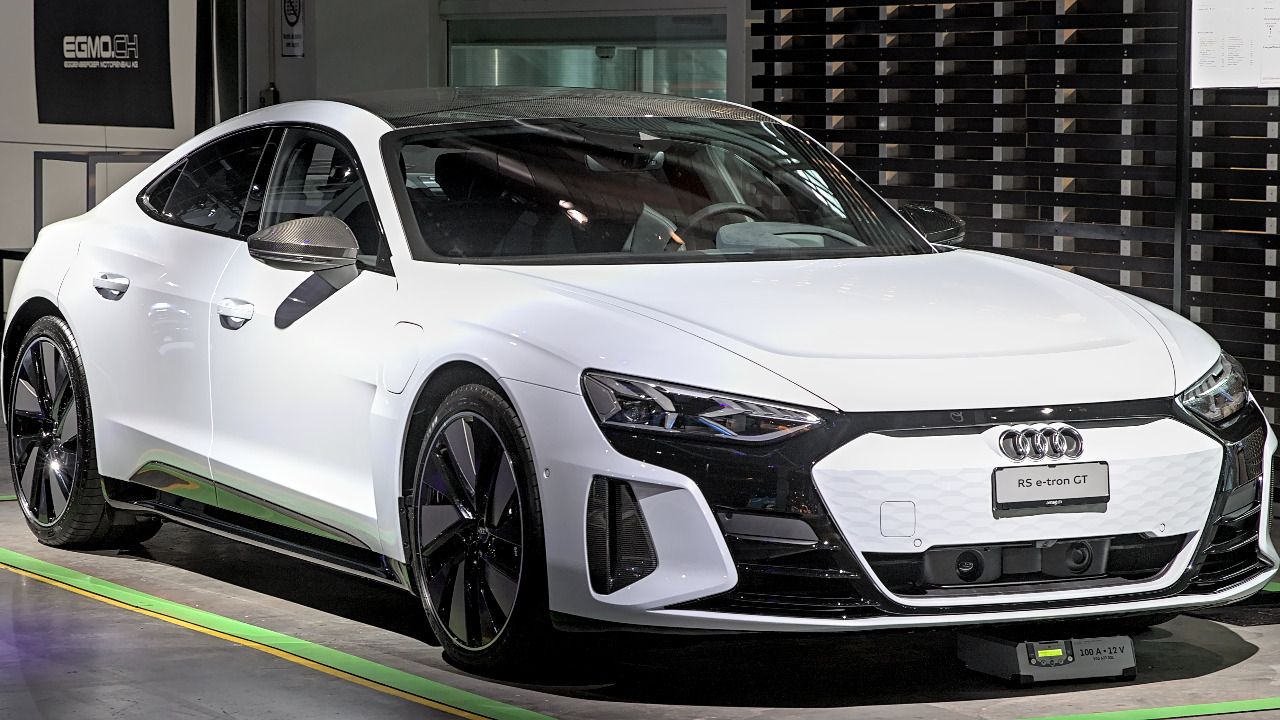
The Audi RS e-tron GT shares its basic architecture with the Taycan but wraps it in a different character. It feels heavier and more grand touring oriented, yet it still delivers intense acceleration and impressive stability. The all-wheel-drive system quietly shuffles torque, and rear-wheel steering (where fitted) shortens the car’s effective wheelbase at low speeds while adding stability at higher speeds.
Out on the road, the RS e-tron GT can scythe through a series of medium-speed bends with the kind of composure that used to demand a stiff, noisy sports car. The cabin insulation, the smooth powertrain, and the filtered steering all contribute to a sense that the car is barely working. You glance at the speedometer and realize the numbers are far higher than the sensations suggest.
Mercedes-AMG GT 63 S E Performance
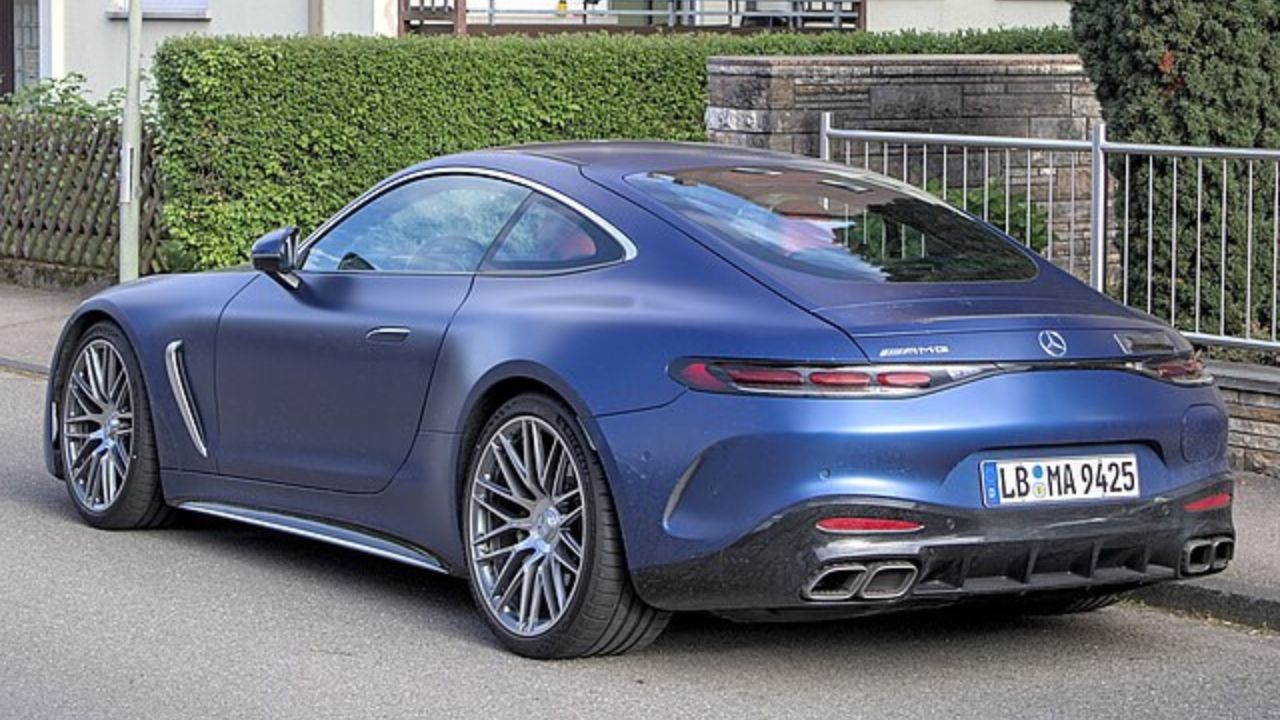
The Mercedes-AMG GT 63 S E Performance brings hybrid complexity to the same theme. Its combination of a twin-turbo V8 with an electric motor on the rear axle creates a system output that would have sounded absurd a decade ago. Yet the car presents itself as a refined four-door coupe with space for luggage and a full suite of comfort features.
The trick lies in how the hybrid system fills gaps. Electric torque smooths out turbo lag, the multi-clutch transmission fires through ratios with minimal interruption, and the active suspension constantly adjusts damping to keep the body flat. Rear-axle steering and an electronically controlled differential help the car rotate without drama. From the driver’s seat, the experience is one of unflustered thrust. You can surge out of a corner, feel the V8 and the electric motor combine, and the car simply hooks up and goes without a hint of wheelspin.
BMW M5
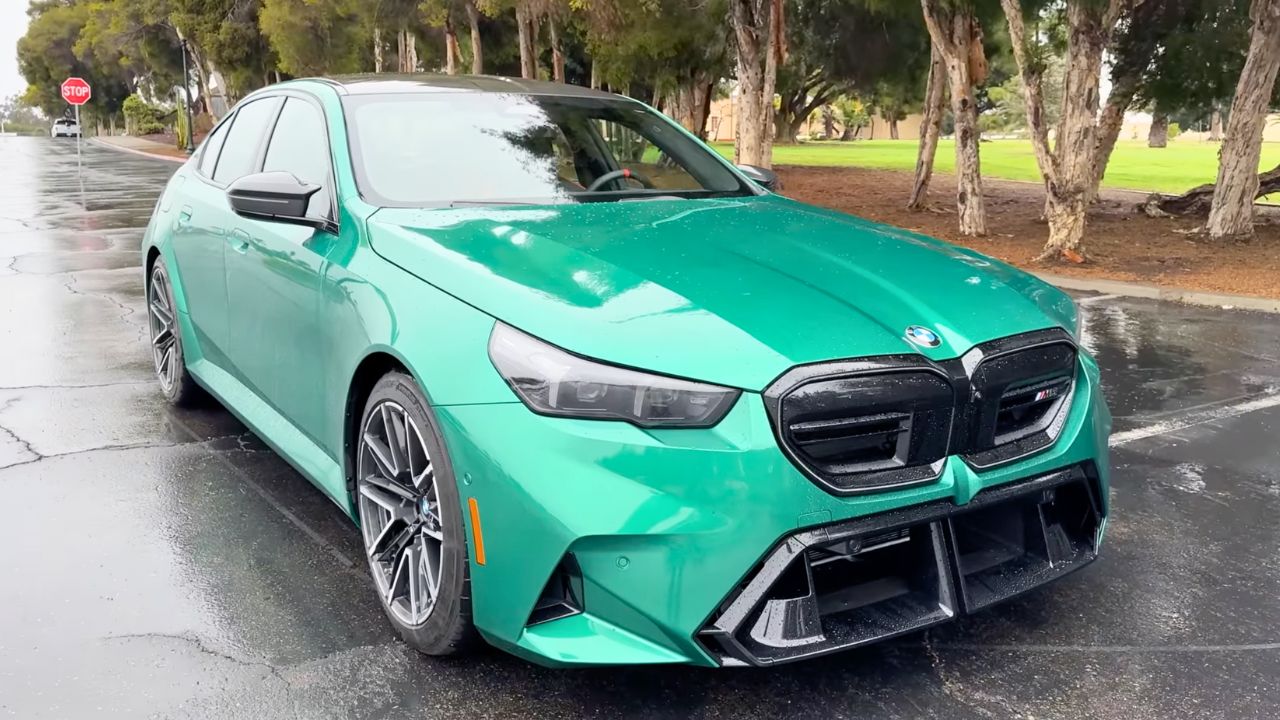
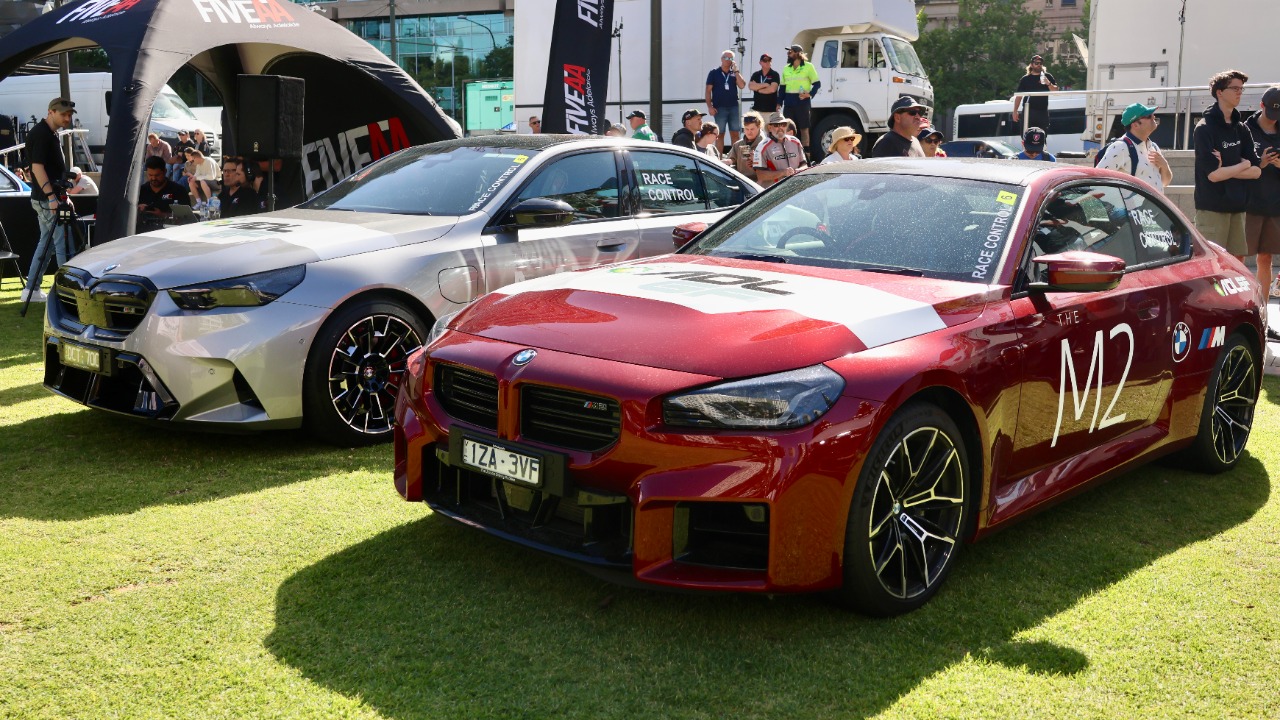
The latest BMW M5 shows how far the traditional super-sedan has come. Once a rear-drive specialist that demanded respect in the wet, it now uses all-wheel drive, adaptive suspension, and a suite of configurable driving modes to make its power accessible. In its default setup, it behaves like a secure, quiet executive car. Only when you press deeper into the accelerator does the full force of the twin-turbo V8 arrive.
The sense of stability is what really defines it. At autobahn speeds, the M5 tracks like a much larger luxury car, helped by careful aerodynamics and a long wheelbase. The steering is calm, the chassis filters out small imperfections, and the cabin noise stays low. The car can switch into rear-biased or even rear-drive modes for those who want more involvement, but in its most common configuration it turns very high speeds into something that feels routine.
Nissan GT-R Nismo

The Nissan GT-R Nismo is older in concept, yet it anticipated this whole era of accessible speed. Its twin-turbo V6, dual-clutch gearbox, and all-wheel drive were designed to let average drivers approach the pace of expert pilots. The car uses a complex mix of mechanical grip, aerodynamics, and electronic aids to stay glued to the road even when the numbers edge into territory that used to belong to dedicated race cars.
On a fast circuit, the GT-R’s character becomes clear. You brake later than your instincts suggest, turn in, and feel the car settle. The all-wheel-drive system pulls you out of the corner with such force and traction that the exit feels almost pre-programmed. The steering feedback is not as rich as in some purist sports cars, but the tradeoff is confidence. The GT-R lets you explore its limits without constant fear that a small mistake will bite.
McLaren 750S
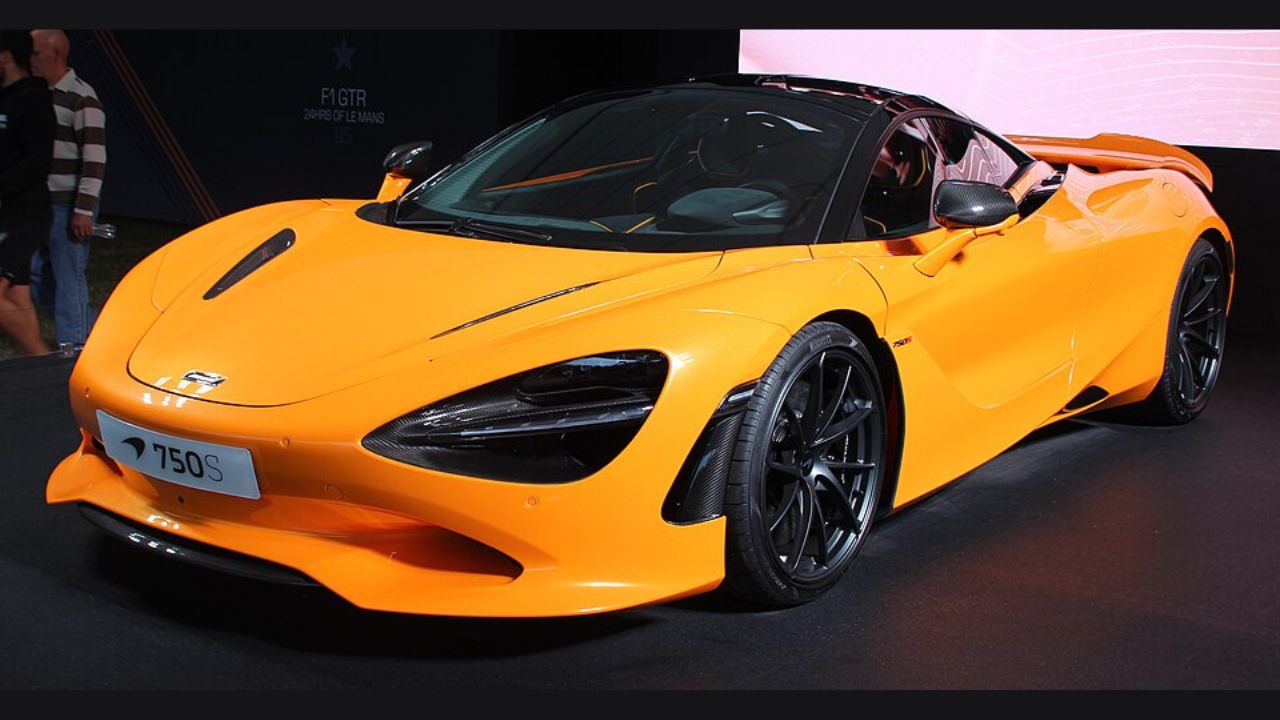
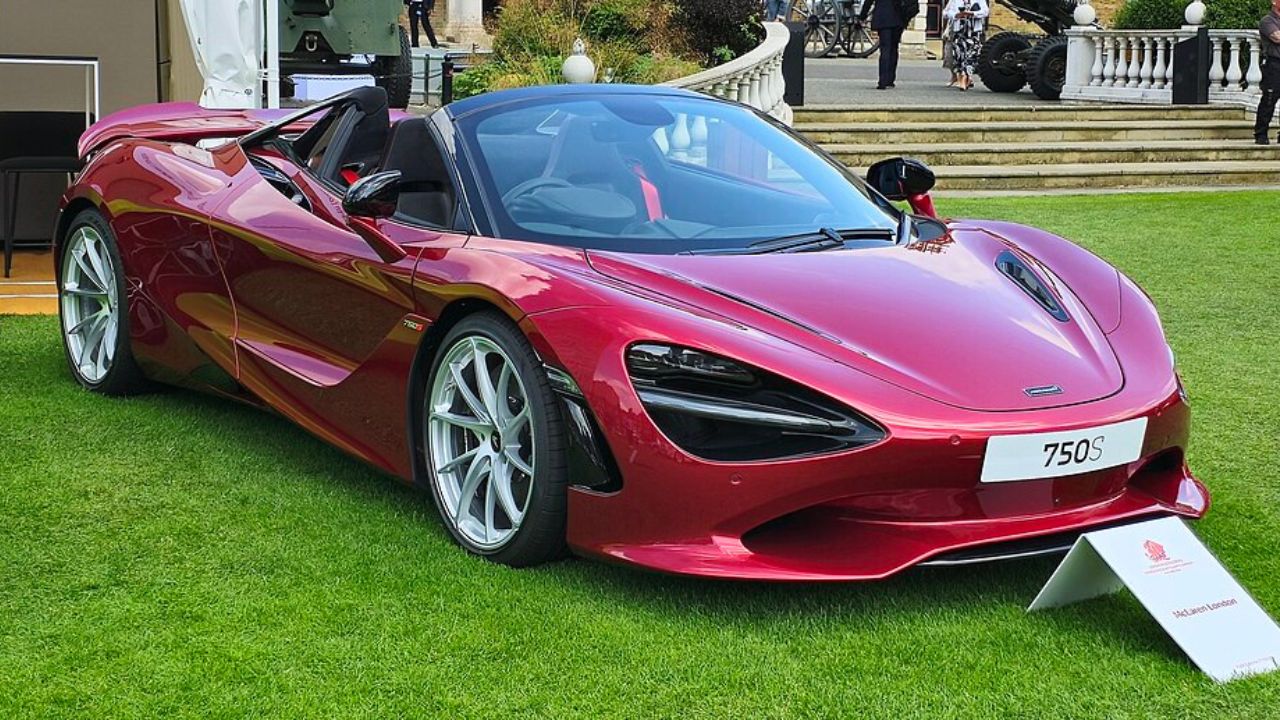
At the sharp end of the supercar world, the McLaren 750S shows how exotic machinery has also embraced this new ease. Its twin-turbo V8, carbon tub, and active aerodynamics deliver staggering performance, yet the car rides with surprising compliance and offers clear, consistent controls. Hydraulic cross-linked suspension allows the 750S to stay flat in corners while soaking up bumps on straights.
From the driver’s seat, the car feels light and responsive, but never twitchy. The brakes are strong and progressive, the steering is direct, and the power delivery can be finely modulated. That combination means you can carry huge speed through a fast bend, feel the aero load build, and still make small corrections without unsettling the car. The 750S rewards skill, yet it also lowers the intimidation factor that used to surround mid-engined supercars.
More from Fast Lane Only