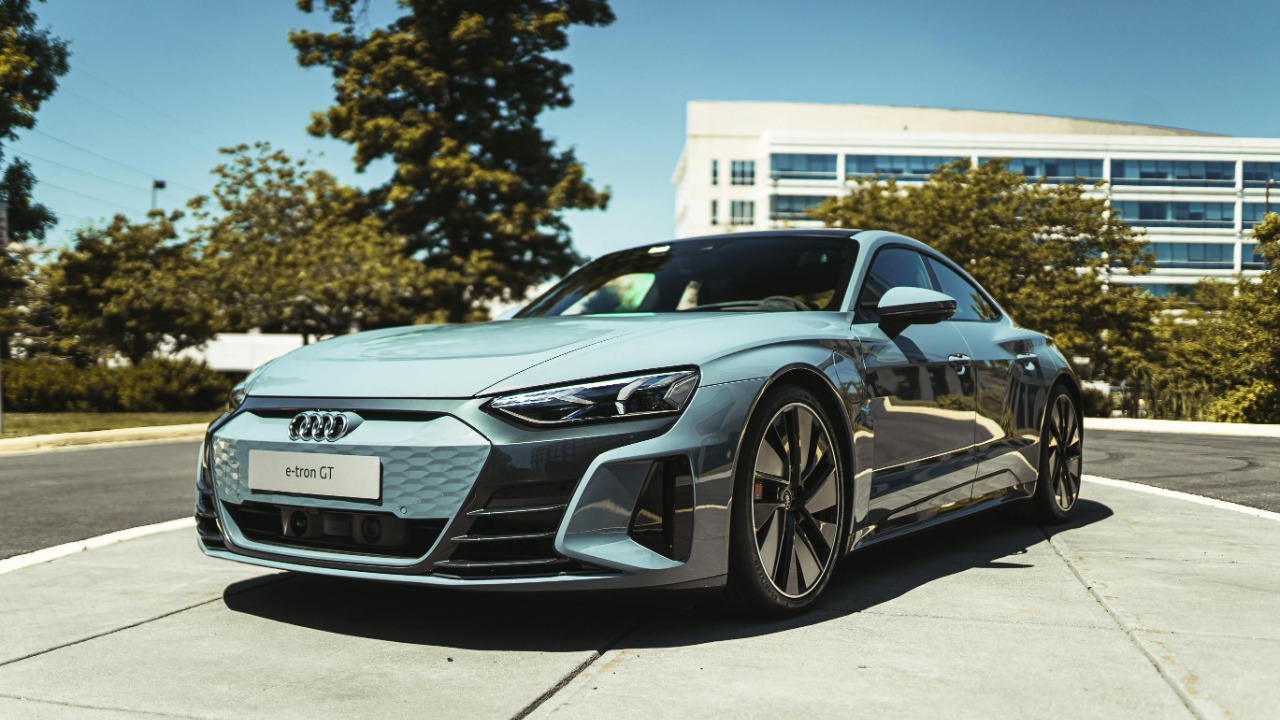
The Audi RS e-tron GT is one of those cars that recalibrates what your right foot expects from a performance sedan. Even in a world packed with fast EVs, its instant shove still feels like someone has grabbed the horizon and yanked it toward you. The secret is not just big power, but how ruthlessly and repeatably the car turns stored electrons into real-world, neck-tensing torque.
Why this RS still feels shocking in an EV-saturated world
Plenty of electric cars are quick in a straight line, but the RS e-tron GT has carved out a different kind of reputation: it feels engineered around that first half-second after you touch the accelerator. When I look at how the car is positioned among high-end EVs, it is clear Audi wants this to be the one that still surprises you even if you already know what instant torque feels like. A quick look at the broader Audi RS e-tron GT landscape shows it sitting at the sharp end of the brand’s electric lineup, with performance figures that put it squarely in super-sedan territory.
What keeps it fresh is how that performance is delivered. Instead of chasing novelty with wild bodywork or gimmicky drive modes, the RS e-tron GT leans on a deeply sorted powertrain and a chassis tuned to make that torque feel usable rather than just theatrical. The result is a car that can still catch you off guard on a familiar on-ramp, not because the numbers are shocking on paper, but because the response is so immediate and so consistent that your brain needs a moment to catch up.
Dual motors, overboost, and the raw numbers behind the hit
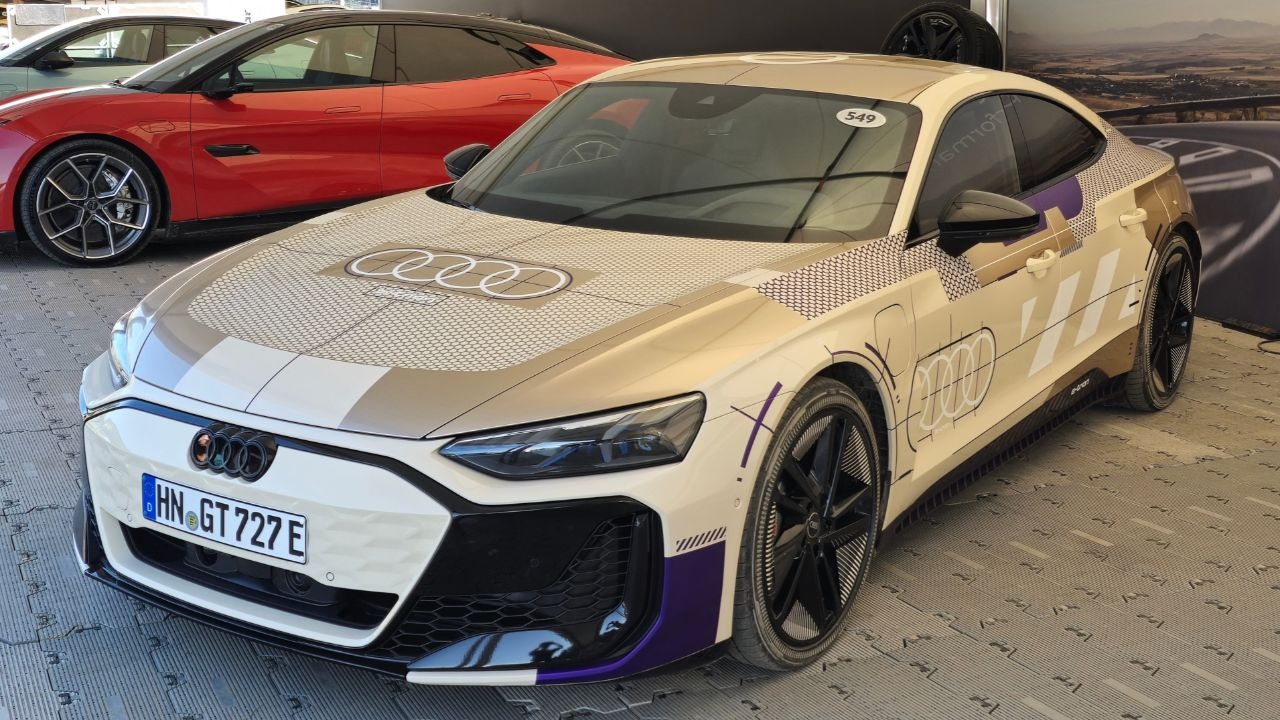
Underneath the sleek bodywork, the RS e-tron GT’s party trick starts with its twin-motor layout. Both the Audi e-tron GT and its hotter sibling use permanently excited synchronous motors at the front and rear axles, a setup that gives you all-wheel drive traction the instant you ask for it and helps the RS reach a top speed of 152 mph without feeling strained. That dual-motor configuration, shared across Both the Audi e-tron GT and RS e-tron GT, is the foundation for the car’s explosive launch feel.
Then there is the overboost effect, which is where the numbers start to sound almost absurd. In the latest RS e-tron GT performance models, overboost pushes the system to a maximum power of 680 k and 925 Nm, a figure that turns the throttle pedal into a kind of on-demand catapult. That 680 k, paired with 925 Nm, is not just a bragging point, it is what lets the car deliver that signature, pinned-to-the-seat surge again and again without feeling like it is running out of breath. The way the Audi RS e-tron GT performance deploys that overboost is a big part of why the torque still feels shocking, even to drivers who think they have been desensitized by other fast EVs.
How the RS e-tron GT turns power into feel
Raw output is only half the story, though. The way the RS e-tron GT translates those numbers into sensation is what keeps it interesting long after the first launch. The rear axle uses a two-speed transmission, a rare choice in the EV world where many rivals stick with a single gear. Not the Audi, which leans on that second ratio to keep the motor in its sweet spot and maintain a hard, continuous pull as speeds climb. That two-speed setup at the back is what lets the car hit like a hammer off the line, then keep building speed with the kind of relentless shove that a single-speed system would struggle to match, a point that becomes obvious once you dig into how Not the Audi follows the usual EV playbook.
There is also the way the latest RS e-tron GT performance variant refines its hardware to make that torque more exploitable. Earlier this year, updates to the powertrain sharpened response while also improving range, so The EV can hit harder without forcing you to baby the battery on longer drives. The big story in those revisions is how the Tron GT Performance keeps its dual-motor layout but optimizes cooling and control electronics, which lets you lean on full power more often without seeing the car pull back to protect itself. That balance between brutal acceleration and everyday usability is what stands out when you look at the Powertrain and Other Hardware changes in the latest RS e-tron GT Performance, and it is a big reason the torque still feels so immediate in real-world driving.
From e-tron GT to RS: where the extra violence comes from
To understand why the RS version feels so intense, it helps to look at the broader e-tron GT family. The standard e-tron GT is already a serious machine, with dual motors and a focus on long-distance comfort that still leaves room for strong acceleration. In that car, Audi talks about Electrified Performance in a way that blends everyday usability with genuine pace, and the pricing reflects that positioning, with a Starting figure of $125,500 M and $125,500 for well-equipped examples. Those numbers, laid out in the official Model Review that covers Prices, Photos, and Specs, show how Audi sees the e-tron GT as a gateway into its electric performance world.
The RS e-tron GT, and especially the latest RS e-tron GT performance, simply cranks that formula up. The Audi RS version is described as a powerhouse of Performance and Power, with a maximum output of 912 hp that turns the car into something far more aggressive than the base model. That 912 figure is not just a marketing flourish, it is what lets The Audi RS e-tron GT deliver the kind of instant, overwhelming torque that makes even seasoned drivers laugh out loud on a full-throttle run. When you look at how Performance and Power are framed in the RS guide, it is clear that Audi has deliberately separated this car from the regular e-tron GT, not just with badges and trim, but with a fundamentally more ferocious power delivery.
Comfort, control, and why the shock never gets old
What keeps the RS e-tron GT from feeling like a one-trick drag-strip toy is how it layers that torque on top of a surprisingly refined ride. Both the Audi e-tron GT and RS e-tron GT were engineered to aim for comfort and performance at the same time, which means adaptive suspension, careful sound insulation, and a cabin that feels more like a grand tourer than a stripped-out track special. That dual mission matters, because it lets the car lull you into a relaxed cruise before you dip into the throttle and wake up the full force of those motors. The contrast between the calm, almost understated interior and the violence available under your right foot is part of why the torque hit keeps catching people off guard, a balance that is baked into how Both the Audi e-tron GT and RS e-tron GT were conceived.
From behind the wheel, that means you can drive the RS e-tron GT like a quiet, all-electric A7 for most of your day, then tap into its overboosted 680 k and 925 Nm when the road opens up. The steering, braking, and chassis electronics are all tuned to keep that torque feeling controlled rather than chaotic, so you get the thrill without the sense that the car is about to overwhelm its own hardware. For me, that is the real reason the RS e-tron GT still shocks with its instant torque: not just because it hits hard, but because it does so in a way that feels endlessly repeatable, deeply engineered, and perfectly at home in a car you could happily drive every day.