Modern performance cars are faster, safer, and more technologically advanced than ever, yet many enthusiasts still gravitate toward older machines for one reason: character. Classic cars demanded attention, physical effort, and driver involvement in ways modern electronics often smooth out. These machines continue making today’s highly refined vehicles feel distant, filtered, and surprisingly sterile by comparison.
Jaguar E-Type
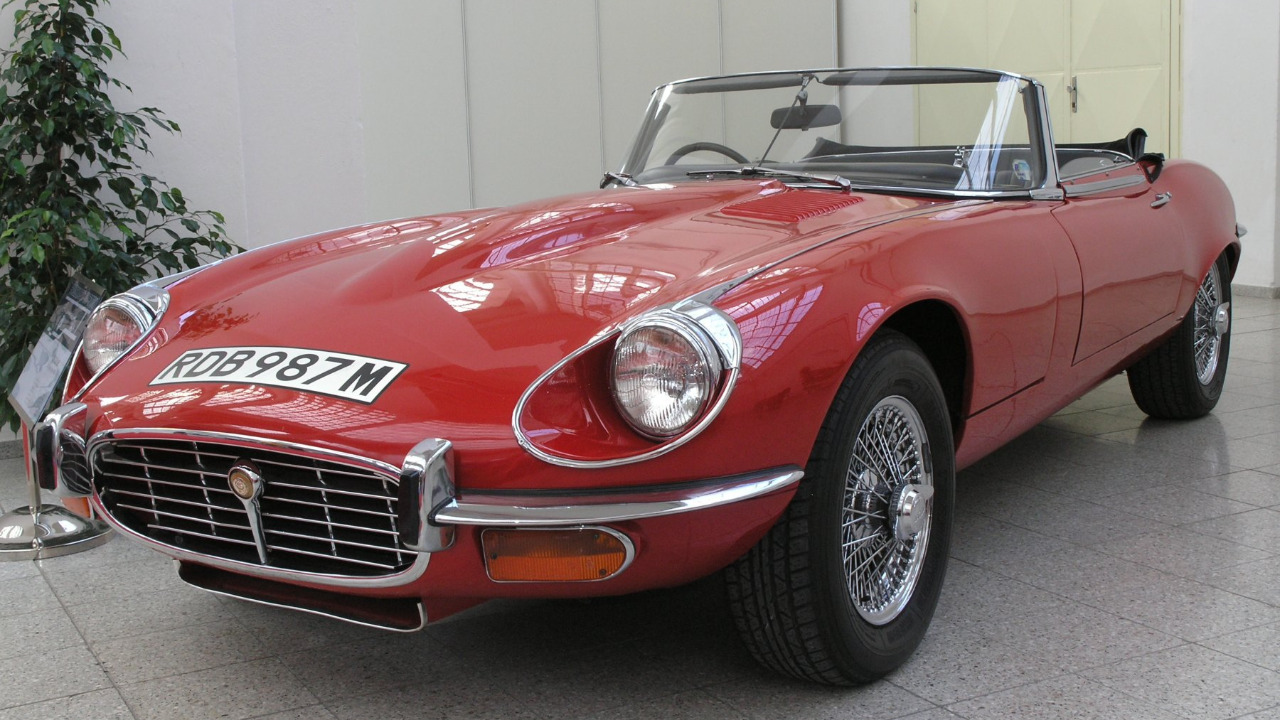
The Jaguar E-Type blended beauty and danger in a way few modern sports cars dare to attempt. Produced by Jaguar, it combined a long hood, lightweight construction, and a silky inline-six engine with handling that could feel thrillingly unpredictable near the limit. Manual steering and mechanical brakes demanded constant engagement from the driver. Every input felt connected directly to the road surface. The E-Type still overwhelms modern cars emotionally because it delivers performance without insulating the driver from consequence.
Shelby Cobra 427

The Shelby Cobra 427 remains one of the purest examples of unfiltered American performance. Created through collaboration between Shelby American and Ford, it paired a lightweight British roadster body with a massive big-block V8. Enormous torque and minimal electronic assistance made it both exhilarating and intimidating. Even moderate throttle inputs could upset the chassis instantly. Compared to modern traction-managed performance cars, the Cobra feels brutally alive and impossible to ignore.
Porsche 911 Carrera RS 2.7
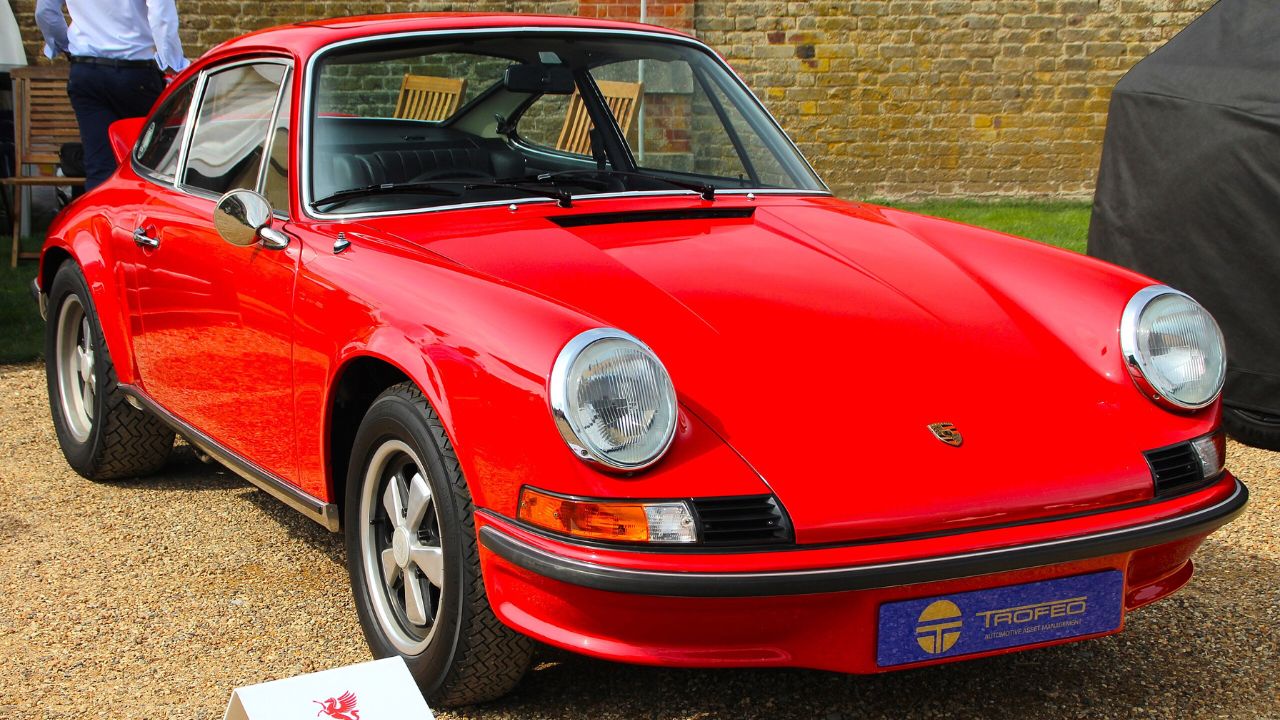
The Porsche 911 Carrera RS 2.7 turned lightweight engineering into an art form. Developed by Porsche, it stripped unnecessary weight while sharpening throttle response and steering precision. The rear-engine layout required skill and respect, rewarding experienced drivers with extraordinary balance when mastered. Mechanical feedback flowed constantly through the steering wheel and pedals. Modern sports cars may outperform it numerically, but few replicate its raw sense of communication and vulnerability.
Lamborghini Miura
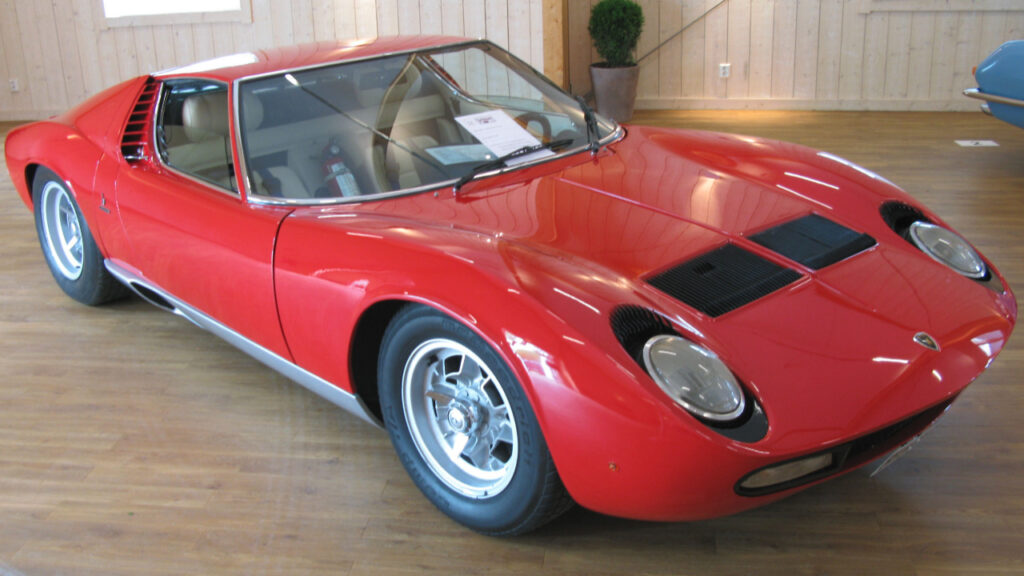
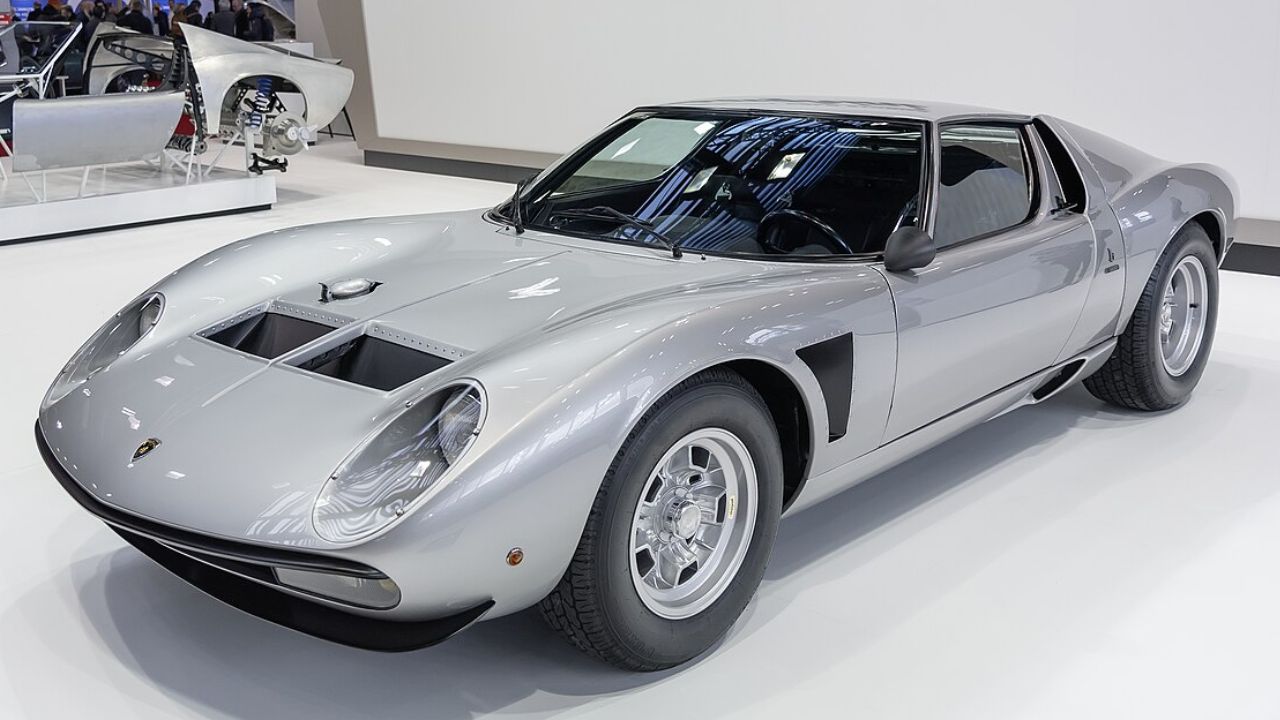
The Lamborghini Miura helped invent the modern supercar while retaining a sense of chaos that modern exotics rarely allow. Built by Lamborghini, it used a transversely mounted V12 behind the driver to create stunning speed and dramatic sound. Heat, noise, and imperfect ergonomics were part of the experience. Drivers felt every vibration and mechanical movement at speed. The Miura still feels intoxicating because it prioritizes emotion over refinement at every moment.
BMW 2002 Turbo
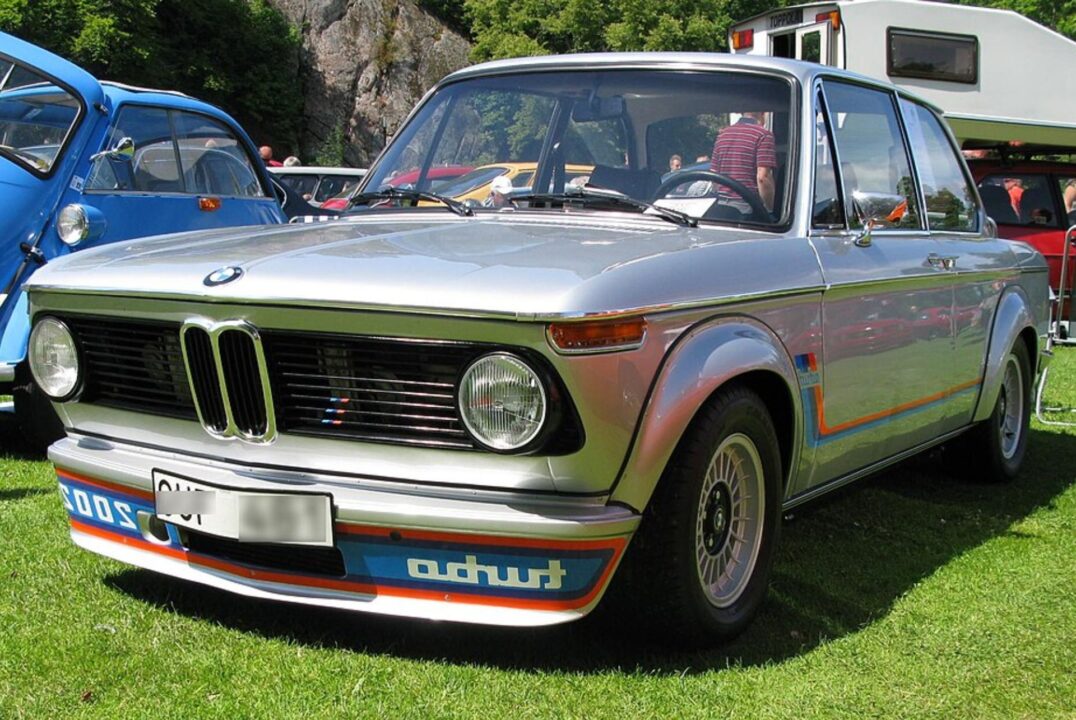
The BMW 2002 Turbo delivered performance with almost no electronic interference whatsoever. Produced by BMW, it used a turbocharged inline-four in a compact, lightweight chassis that demanded driver discipline. Sudden turbo boost created explosive acceleration characteristics unfamiliar to many drivers at the time. Steering feedback and chassis balance remained exceptionally direct. The 2002 Turbo continues making modern sport sedans feel overly polished and detached from the physical act of driving.
Ferrari F40
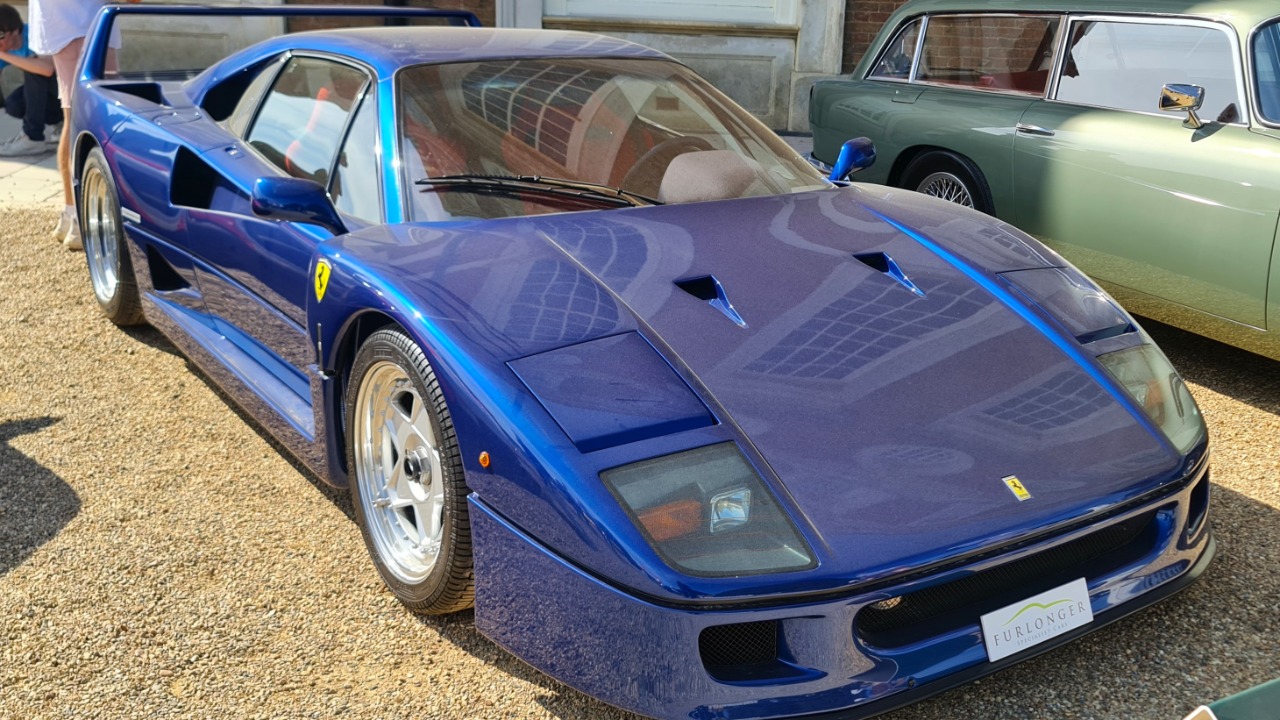
The Ferrari F40 represented the final era of analog supercar brutality before electronics softened the experience. Developed by Ferrari, it paired a twin-turbocharged V8 with lightweight composite construction and almost nonexistent luxury features. Turbo lag and explosive power delivery created a genuinely intimidating driving experience. Cabin noise, heavy controls, and minimal driver aids reinforced its race-bred identity. Modern supercars may be quicker, but the F40 still feels more visceral and emotionally overwhelming.
Dodge Charger R/T (1968)
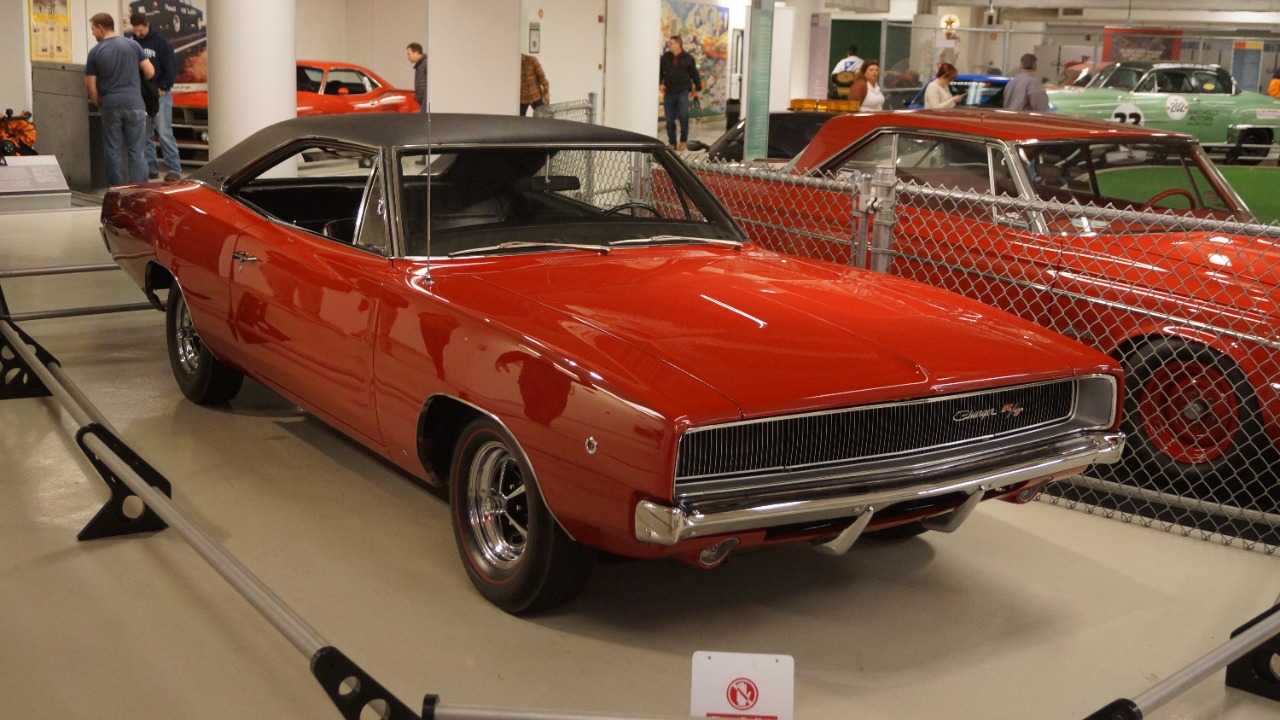
The 1968 Dodge Charger R/T delivered muscle-car aggression with absolutely no concern for subtlety. Produced by Dodge, it combined massive V8 torque with dramatic styling and a thunderous exhaust note. Steering precision and braking performance were secondary to raw acceleration and presence. Drivers managed the car physically rather than electronically. Compared to modern muscle cars loaded with stability systems and adaptive modes, the original Charger R/T feels unapologetically mechanical and intensely human.
More from Fast Lane Only