The 1980s transformed turbocharging from a niche experiment into a serious performance weapon across the American automotive landscape. Rising fuel concerns and emissions regulations forced manufacturers to rethink traditional big-displacement formulas. Instead of abandoning speed, engineers embraced boost, creating turbocharged performance cars that rewrote expectations for acceleration, tuning potential, and modern American performance culture.
Buick GNX

The Buick GNX shocked the performance world by outperforming many traditional V8 rivals with turbocharged power. Developed by Buick in partnership with ASC/McLaren, it used a heavily upgraded 3.8-liter turbocharged V6 producing far more power than official ratings suggested. Its stealthy black exterior hid brutal straight-line capability. Quarter-mile times embarrassed respected sports cars of the era. The GNX proved turbocharging could redefine American muscle without relying on massive displacement.
Ford Mustang SVO
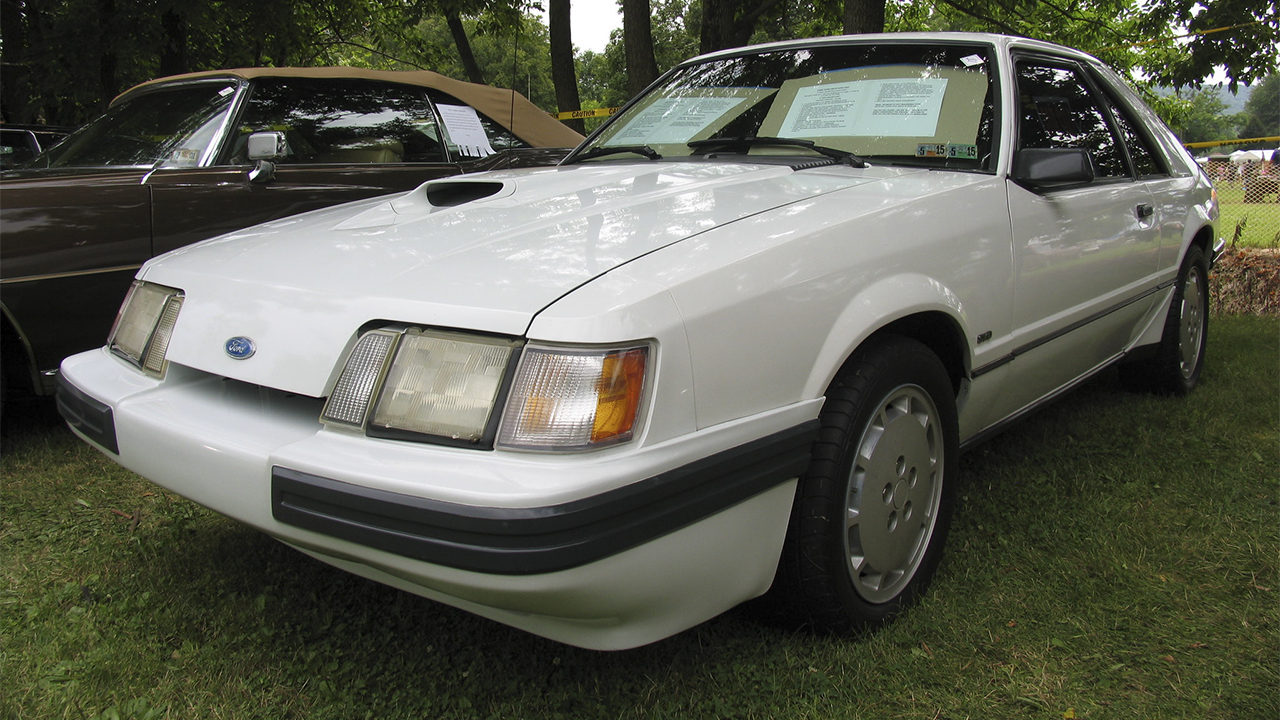
The Ford Mustang SVO represented one of the boldest departures from traditional Mustang philosophy. Produced by Ford Motor Company through its Special Vehicle Operations division, it used a turbocharged 2.3-liter inline-four instead of a V8. Advanced suspension tuning, four-wheel disc brakes, and improved aerodynamics gave it a distinctly European-inspired feel. Early buyers were skeptical of the smaller engine choice. Over time, the SVO became respected for proving that intelligent turbocharged engineering could modernize American performance.
Pontiac Trans Am Turbo Pace Car
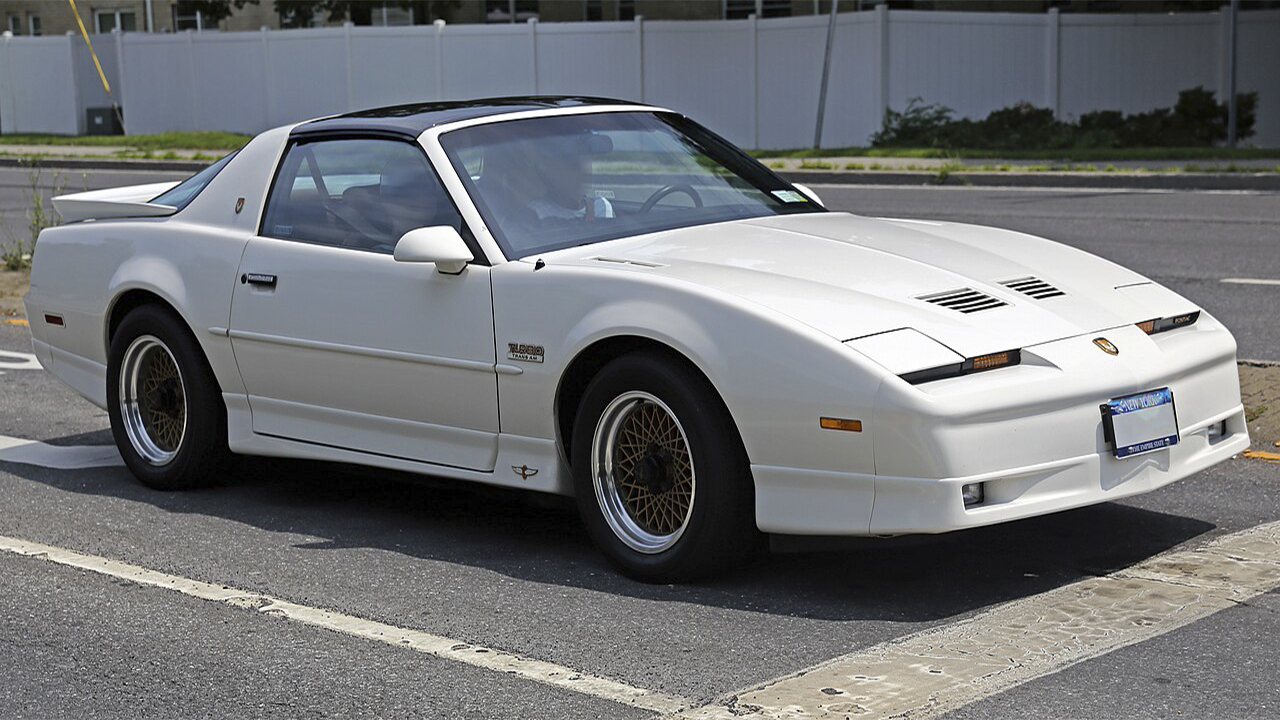
The Pontiac Trans Am Turbo Pace Car demonstrated that turbocharging had entered mainstream American performance culture. Built by Pontiac, it used a turbocharged 3.8-liter V6 sourced from Buick to pace the 1989 Indianapolis 500. This marked the first turbocharged pace car in the event’s history. Lightweight tuning and aggressive styling gave it real performance credibility. The Turbo Trans Am showed that forced induction could deliver modern speed while preserving muscle-era excitement.
Dodge Shelby Charger Turbo
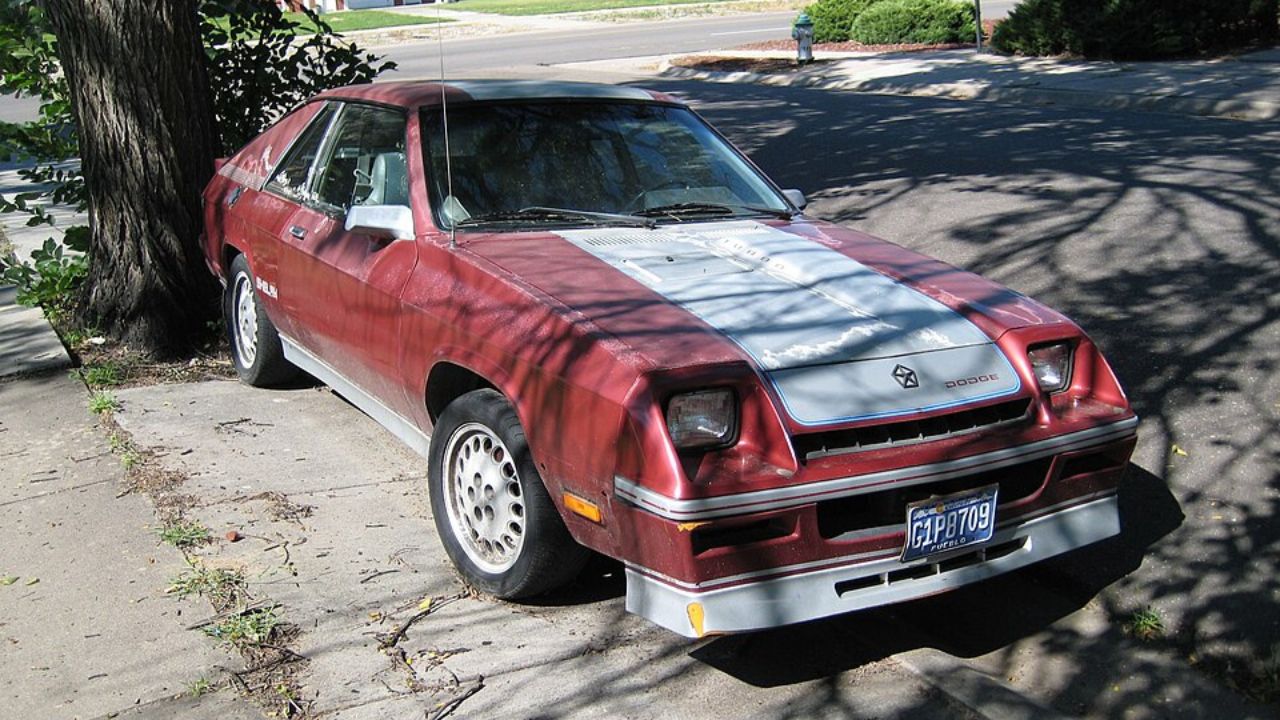
The Dodge Shelby Charger Turbo blended front-wheel-drive practicality with genuine turbocharged excitement. Developed by Dodge alongside Carroll Shelby, it used a turbocharged four-cylinder engine that delivered strong acceleration for its size and price. Revised suspension tuning sharpened handling considerably compared to standard economy models. Younger enthusiasts embraced its affordability and tuning potential. The Shelby Charger Turbo helped expand performance culture beyond traditional rear-wheel-drive V8 platforms.
Chrysler Laser XT Turbo
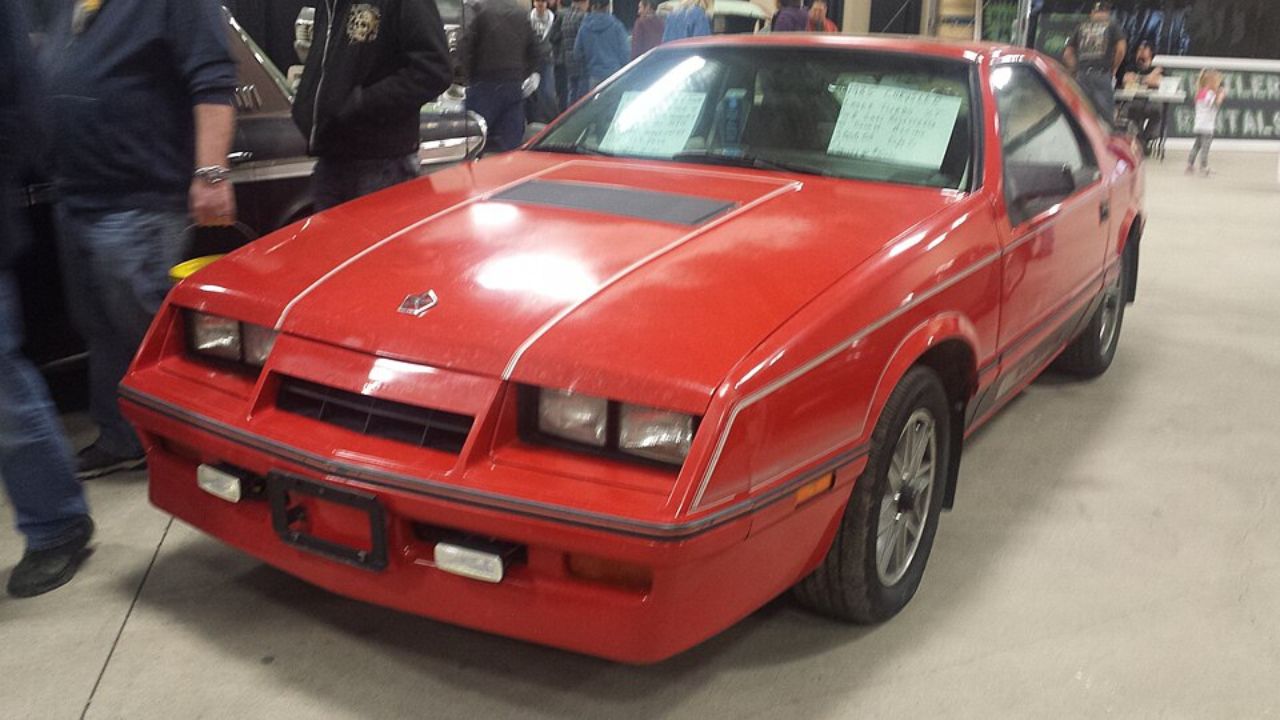
The Chrysler Laser XT Turbo represented the growing influence of turbocharging across American coupes during the decade. Produced by Chrysler, it combined futuristic styling with a turbocharged inline-four that delivered strong midrange performance. Digital dashboards and electronic features reflected the technology-focused atmosphere of the era. Front-wheel drive improved traction compared to some traditional muscle cars. The Laser XT Turbo helped normalize turbocharged performance for mainstream American buyers.
Merkur XR4Ti

The Merkur XR4Ti brought European turbocharged performance philosophy into the American market. Imported by Ford Motor Company under the Merkur brand, it featured a turbocharged 2.3-liter engine paired with rear-wheel drive. Its distinctive bi-plane rear spoiler and hatchback body stood out dramatically from domestic competitors. Enthusiasts appreciated its balanced handling and tuning flexibility. The XR4Ti introduced many American drivers to turbocharged sport sedan dynamics years before the segment became mainstream.
Chevrolet Corvette Indy Concept
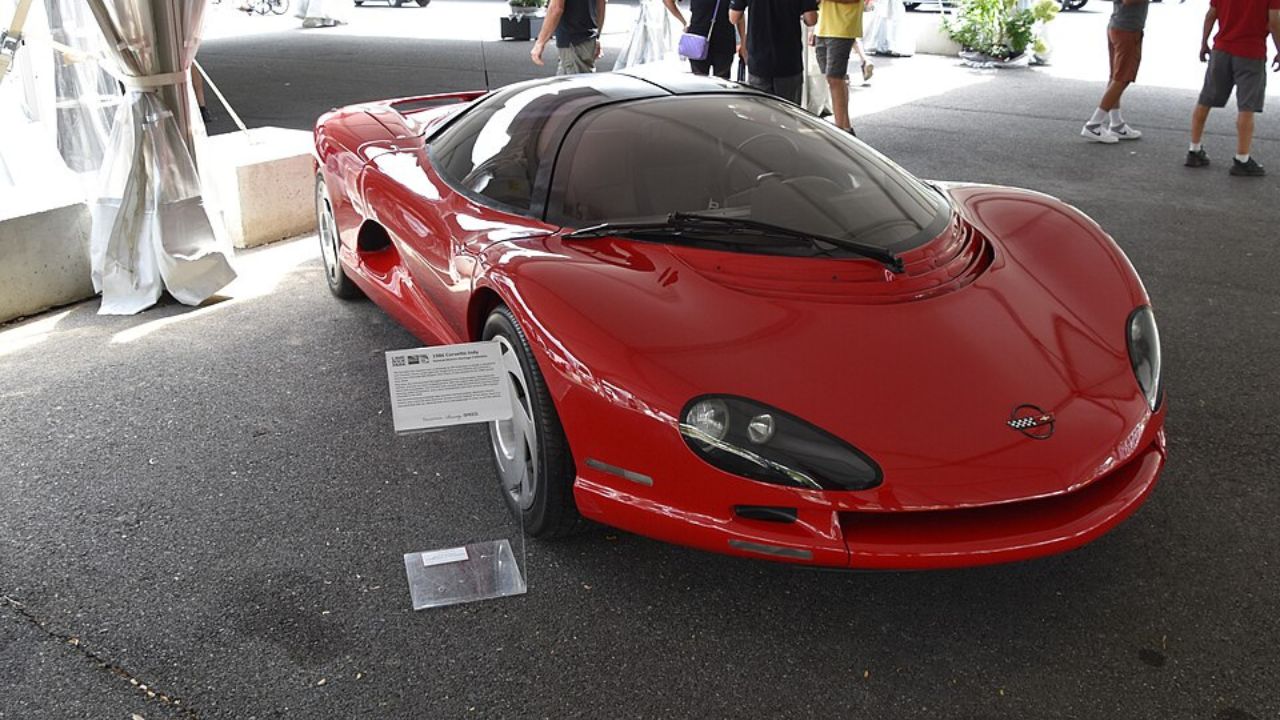
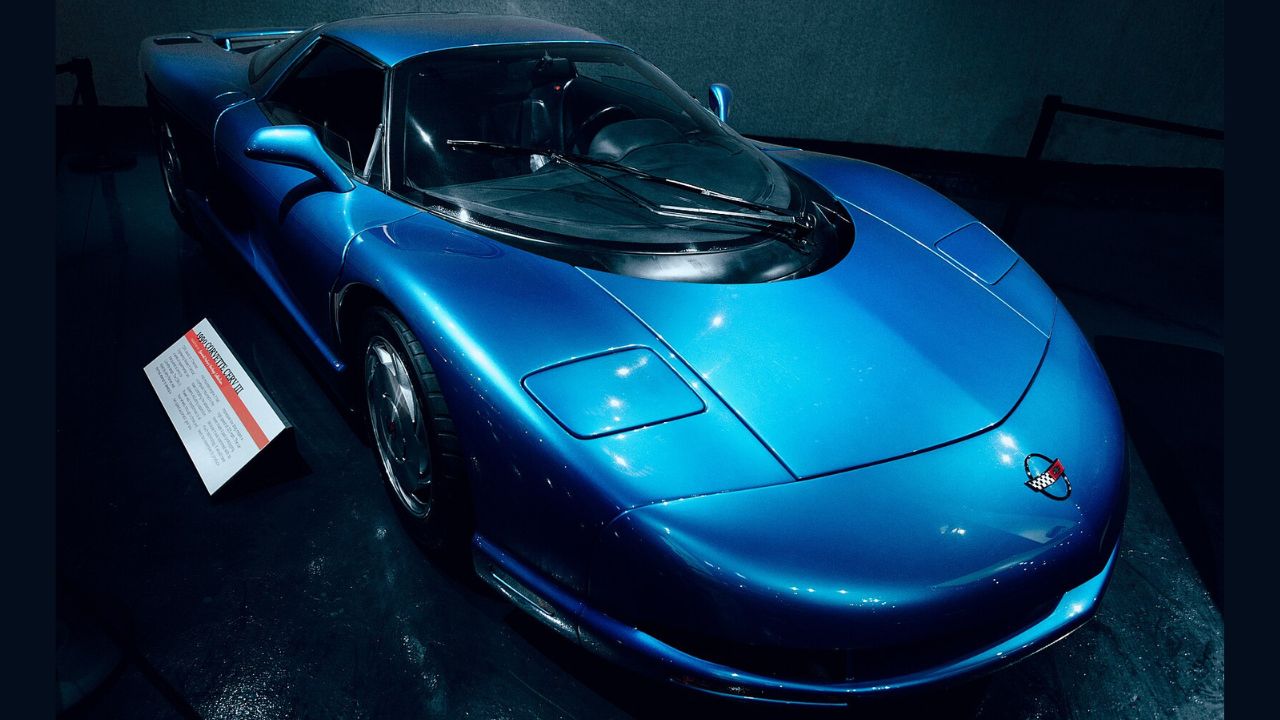
The Chevrolet Corvette Indy Concept hinted at a turbocharged future that American performance manufacturers were beginning to explore seriously. Developed by Chevrolet, it featured a twin-turbocharged V8 mounted behind the driver in true supercar fashion. Though never mass-produced, the concept showcased advanced aerodynamics and high-tech ambitions. Its appearance signaled that turbocharging was becoming central to future performance thinking. The Corvette Indy helped shift perceptions about what American speed could become.
Dodge Daytona Shelby Z Turbo
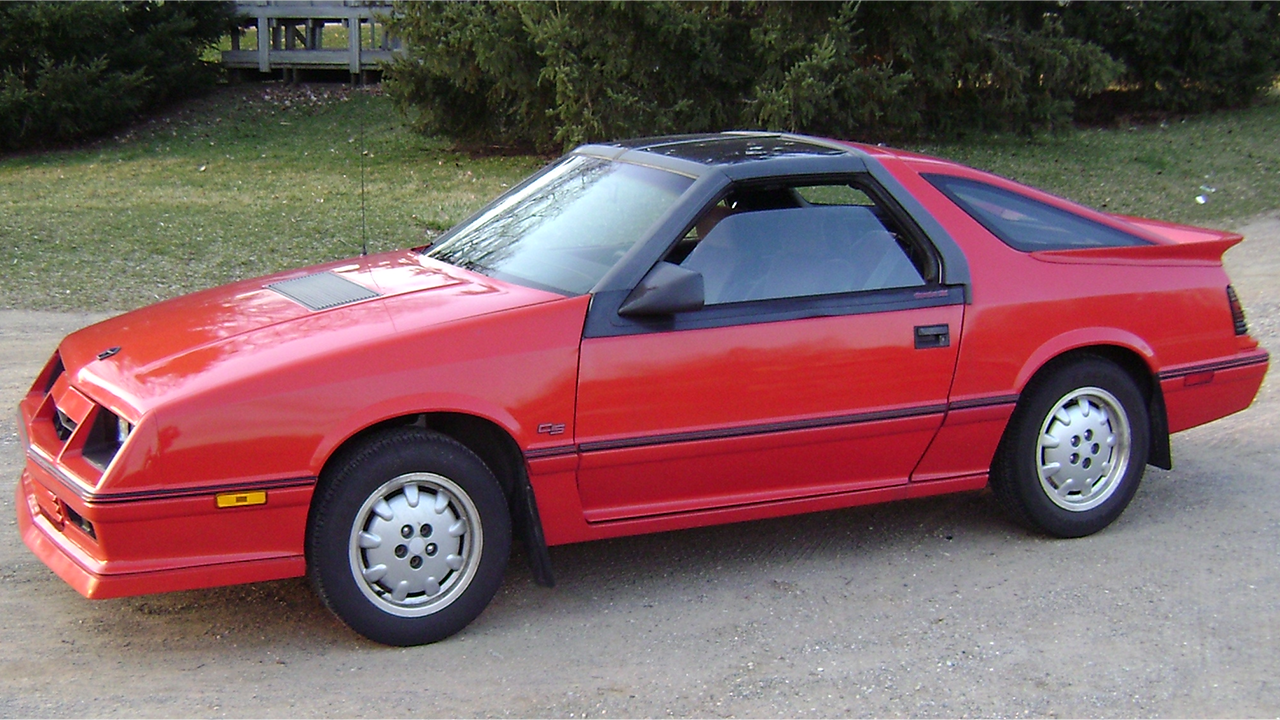
The Dodge Daytona Shelby Z Turbo combined aggressive styling with accessible boosted performance. Built by Dodge, it used a turbocharged four-cylinder engine tuned for strong acceleration and everyday drivability. Widebody styling and pop-up headlights captured the visual identity of the decade perfectly. Enthusiasts appreciated its tuning potential and affordable entry point into turbo performance. The Shelby Z Turbo helped create a broader grassroots culture around modified turbocharged American cars.
More from Fast Lane Only