The 1970s were a transformative decade for the automotive industry, characterized by the rise of muscle cars, the popularity of compact models, and the birth of iconic brands. This era introduced vehicles that not only represented speed and power but also reflected the cultural shifts and economic changes of the time. From high-performance classics to beloved compact cars, here are seven standout models that defined an entire generation.
Ford Mustang (1971-1973)
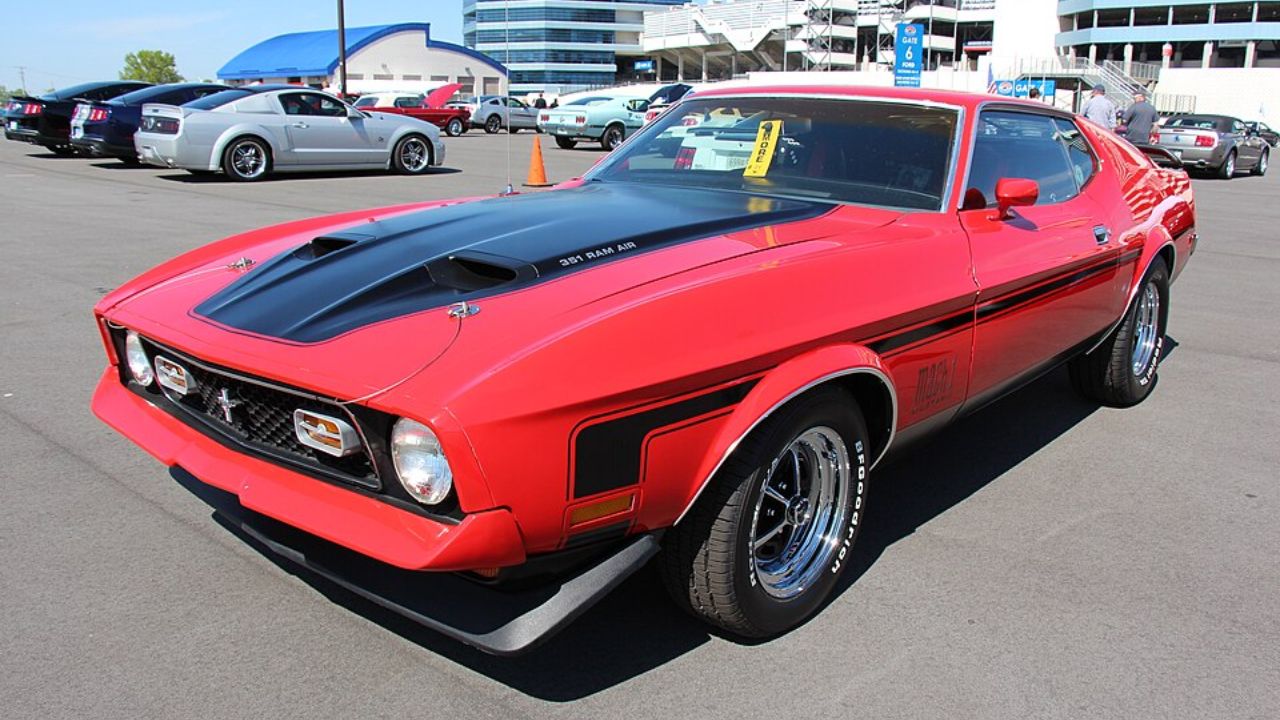
The Ford Mustang has long been synonymous with American muscle, and the early ’70s iterations are no exception. The 1971 model marked a significant redesign, showcasing a more aggressive stance and a larger body. With engines ranging from a 250-cubic-inch inline-six to a powerful 351-cubic-inch V8, the Mustang appealed to a broad audience. Enthusiasts appreciated the Mustang’s speed and style, finding it to be a thrilling ride on the open road. The introduction of the Mach 1 variant solidified its reputation as a performance machine. For a deeper dive into the allure of 1970s vehicles, check out this insightful article.
By 1973, the Mustang had evolved further, but concerns over fuel economy began to reshape its development. The oil crisis prompted Ford to focus on more efficient engines without sacrificing performance. Although these years faced challenges, the Mustang remained a cultural icon, cementing its place in automotive history and continuing to influence generations of car enthusiasts. Its legacy endures, inspiring modern iterations that pay homage to its roots.
Chevrolet Camaro (1970-1973)
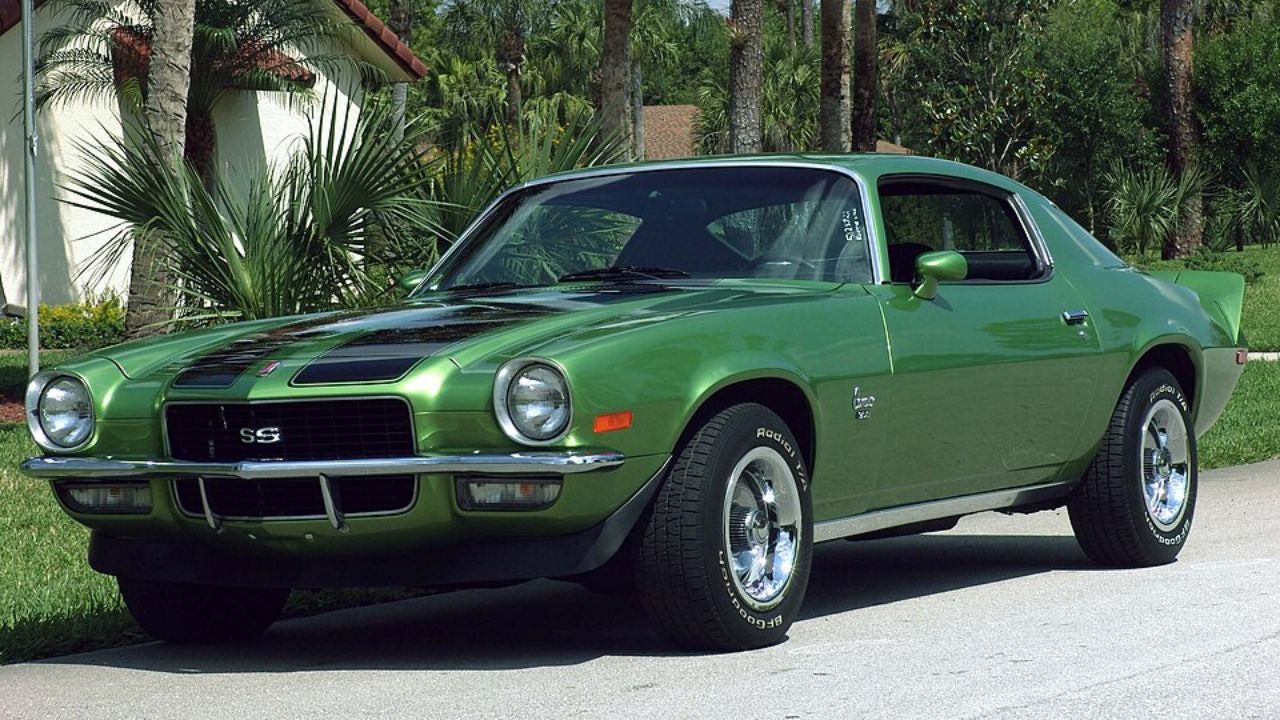
The Chevrolet Camaro debuted in 1967, but its early ’70s models truly showcased the muscle car spirit. From 1970 to 1973, the Camaro offered various trims and engine options that catered to performance seekers. The Z28 became a standout variant during this period, equipped with a 350-cubic-inch V8 engine that provided exhilarating speed and handling. The aggressive styling, with its distinctive split front grille and long hood, made it an unmistakable presence on the road.
As with the Mustang, the fuel crisis influenced the Camaro’s design and performance. By 1973, the introduction of emission controls and safety regulations led to a decrease in horsepower, but the Camaro still retained its sporty appeal. The popularity of these models endured through the years, solidifying the Camaro’s legacy as a classic American muscle car. For more on iconic automobiles from the 1970s, take a look at this detailed list.
Dodge Challenger (1970-1974)
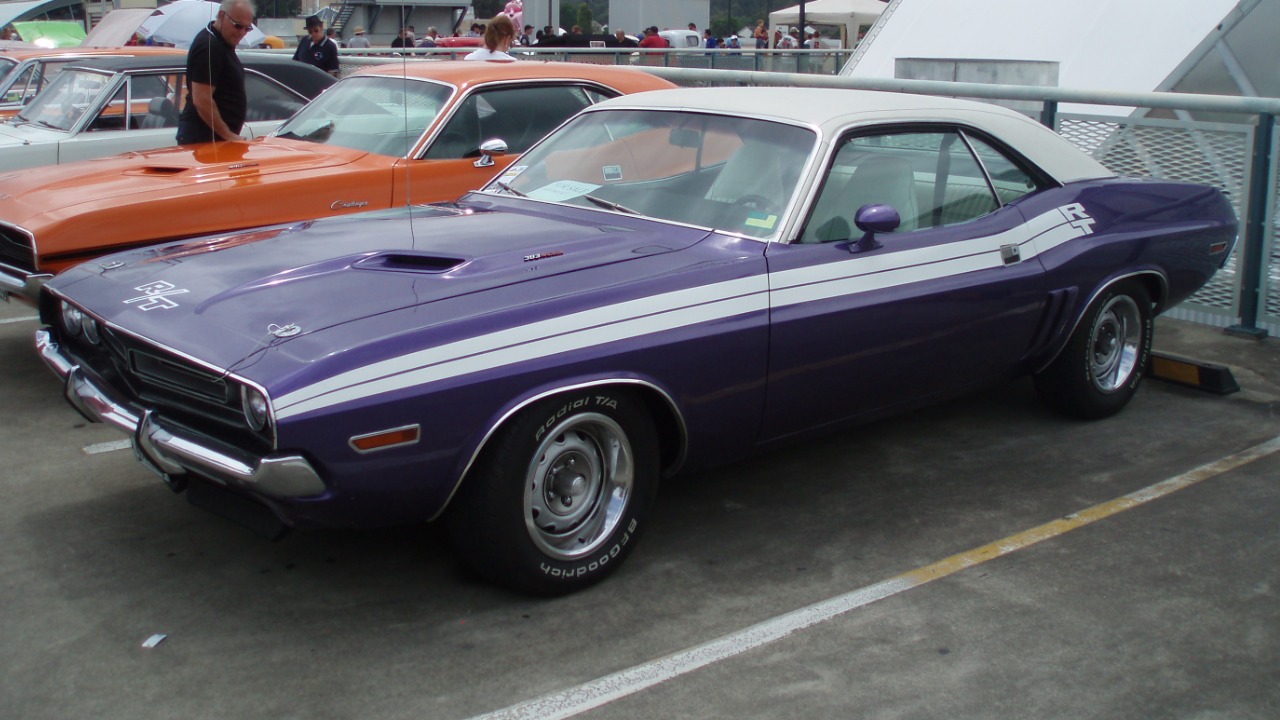
The Dodge Challenger burst onto the scene in 1970, quickly becoming a favorite among muscle car enthusiasts. With its bold styling and various engine options, including the legendary 426 HEMI, the Challenger represented raw power and performance. Its long hood and wide stance gave it an intimidating presence, attracting drivers looking for both speed and style. The 1971 model featured slight design tweaks, but the essence of the Challenger remained intact.
As the decade progressed, the automotive landscape began to shift due to economic pressures and changing consumer demands. By 1974, the Challenger’s production was significantly impacted by new safety regulations and fuel efficiency concerns. Despite these challenges, the Challenger remained a symbol of the muscle car era. Its recent resurgence in popularity is a testament to its enduring legacy, allowing a new generation to appreciate this classic. For a retrospective on unforgettable 1970s models, check out this interesting overview.
Volkswagen Beetle (1970s)
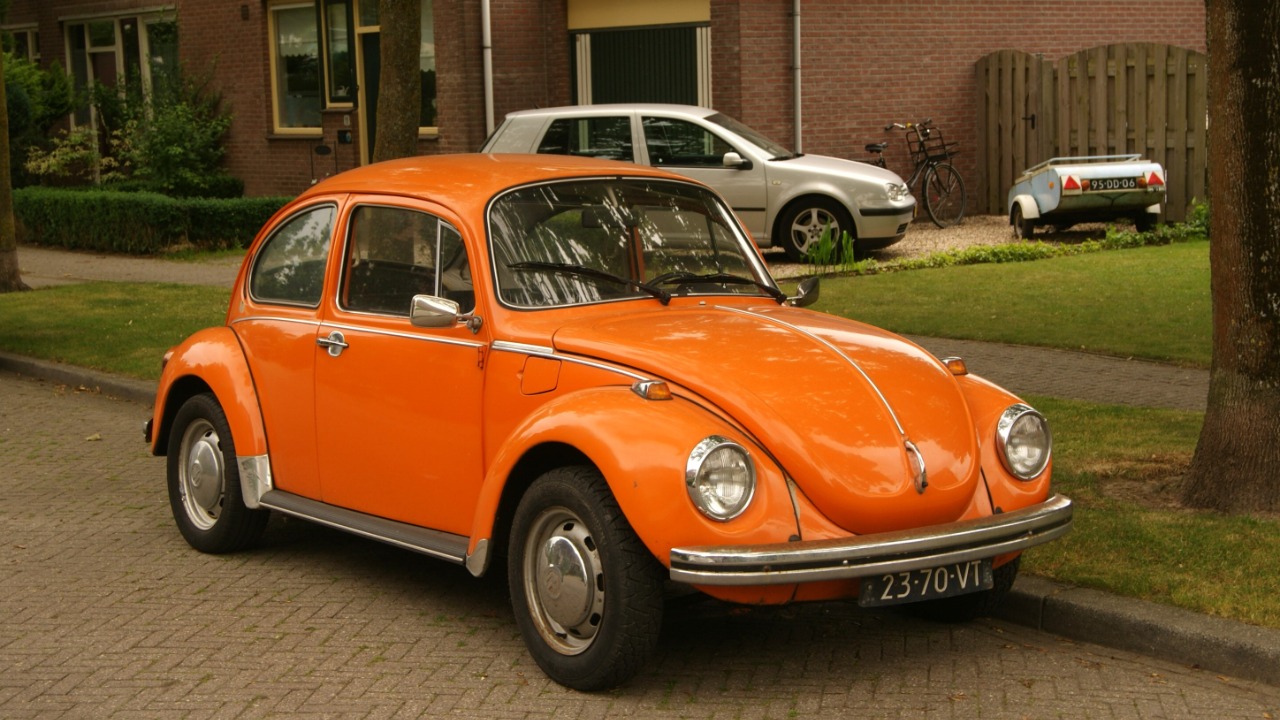
The Volkswagen Beetle, often referred to as the “people’s car,” enjoyed immense popularity during the 1970s. Its unique shape and reliable engineering made it a staple on roads worldwide. By this decade, the Beetle had evolved, featuring larger bumpers and more safety features, yet it maintained its iconic design. The 1970s models offered improved fuel efficiency, catering to the rising demand for economical cars amid the oil crisis.
Despite the competition from newer compact vehicles, the Beetle’s charm and practicality kept it in demand. It appealed to a diverse demographic, from families to young drivers seeking an affordable and stylish option. The Beetle’s influence extended beyond automotive design; it became a cultural icon, representing freedom and the counterculture movement of the time. For those interested in the Beetle’s journey, there are numerous resources, including books and documentaries exploring its legacy.
Pontiac Firebird Trans Am (1970-1979)
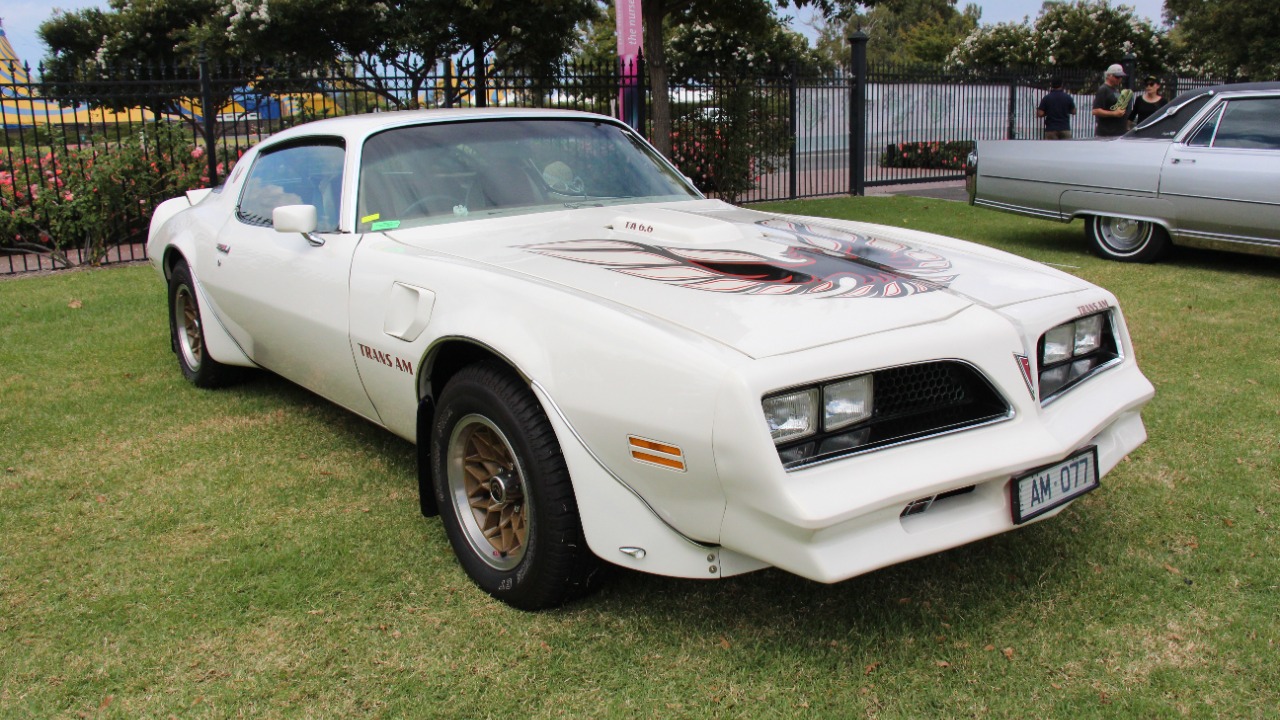
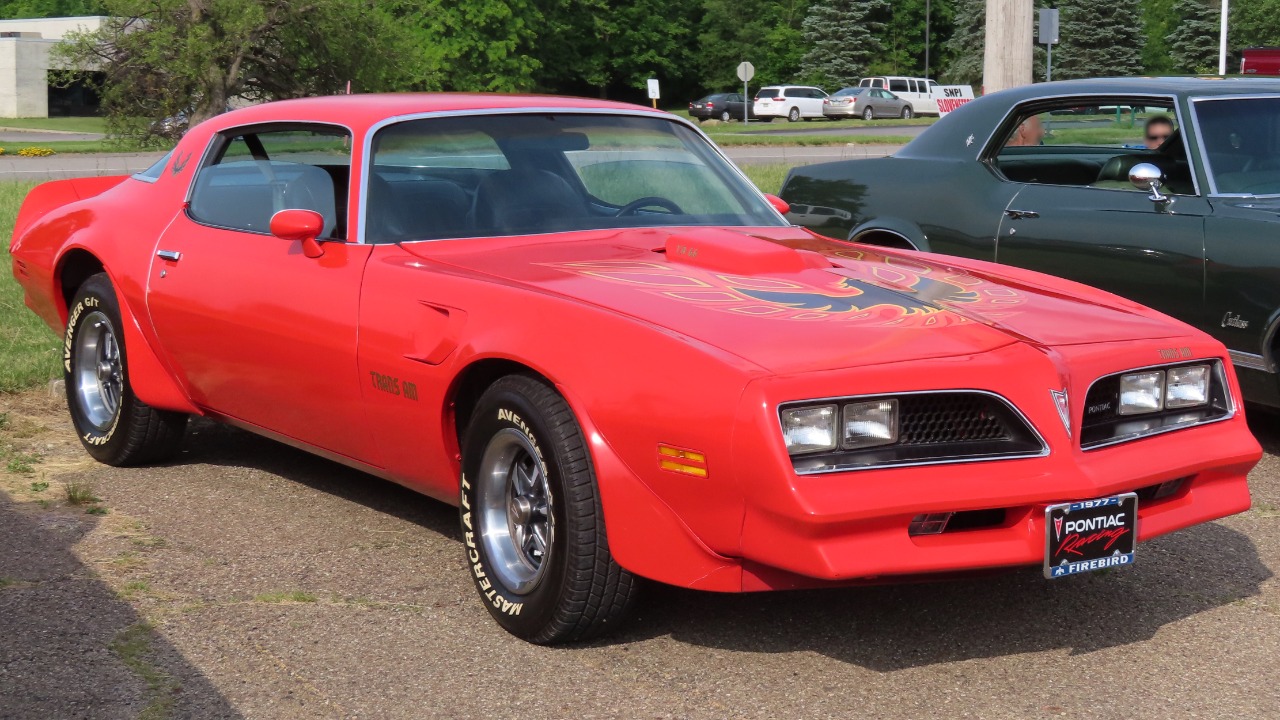
The Pontiac Firebird Trans Am was a standout performer in the muscle car market during the 1970s. Known for its sleek design and powerful engines, the Trans Am was often associated with high-speed pursuits and pop culture, particularly after appearing in films like “Smokey and the Bandit.” The 1977 model featured the iconic “screaming chicken” hood decal, which became a symbol of its fierce personality.
Throughout the decade, the Trans Am evolved, adapting to changing regulations while still delivering impressive performance. The availability of the 400-cubic-inch V8 engine allowed drivers to experience exhilarating power, making it a favorite among car enthusiasts. Despite the challenges posed by the fuel crisis, the Trans Am maintained its allure, proving that performance and style could coexist. For an in-depth look at its impact on automotive culture, visit this YouTube video that captures its essence.
BMW 3.0 CSL (1971-1975)
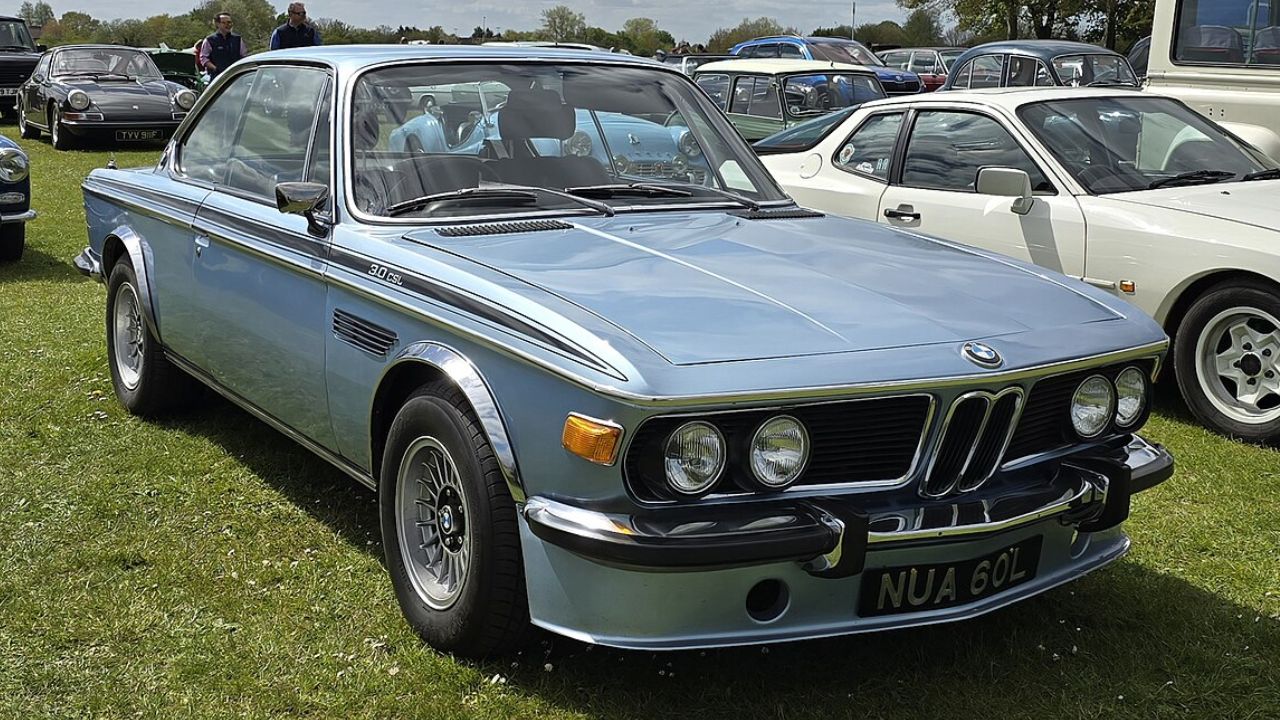
The BMW 3.0 CSL, often referred to as the “Batmobile,” signifies the pinnacle of BMW’s engineering in the 1970s. Launched in 1971, this lightweight coupe was designed for both road and track performance. With its distinctive aerodynamic styling and a 3.0-liter inline-six engine, the CSL became a symbol of the brand’s commitment to motorsport and innovation. It was particularly successful in racing, dominating events like the European Touring Car Championship.
Producing around 200 horsepower, the 3.0 CSL showcased impressive acceleration and handling, which set new standards for sports cars of its time. The use of lightweight materials contributed to its high performance, allowing it to compete effectively against rivals. Even today, the 3.0 CSL is revered among collectors and enthusiasts for its engineering excellence and racing pedigree, making it a timeless classic.
Mercedes-Benz 450SL (1973-1980)
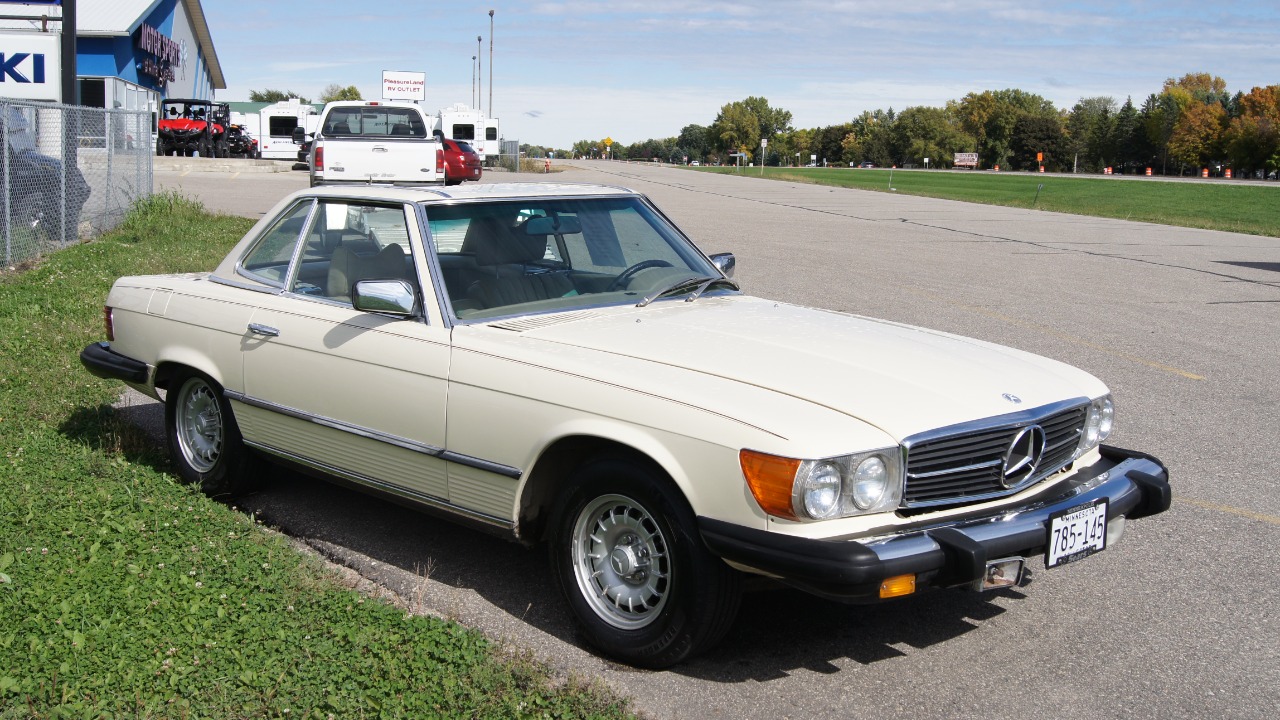
The Mercedes-Benz 450SL represents luxury and performance, seamlessly blending the two in a stylish roadster. Introduced in 1973, this model was part of the R107 generation, which became known for its durability and elegance. The 4.5-liter V8 engine provided ample power, allowing drivers to experience both comfort and speed on long drives or spirited outings. Its retractable hardtop offered versatility, making it suitable for various driving conditions.
Throughout the late ’70s, the 450SL gained a reputation for reliability and sophistication, appealing to affluent buyers seeking a prestigious vehicle. With its timeless design, the 450SL remains a sought-after classic, showcasing the brand’s commitment to quality and engineering excellence. For those looking to learn more about iconic cars from this era, there are countless resources available to explore their lasting impact on automotive history.
More from Fast Lane Only
- Unboxing the WWII Jeep in a Crate
- 15 rare Chevys collectors are quietly buying
- 10 underrated V8s still worth hunting down
- Police notice this before you even roll window down
*Research for this article included AI assistance, with all final content reviewed by human editors.