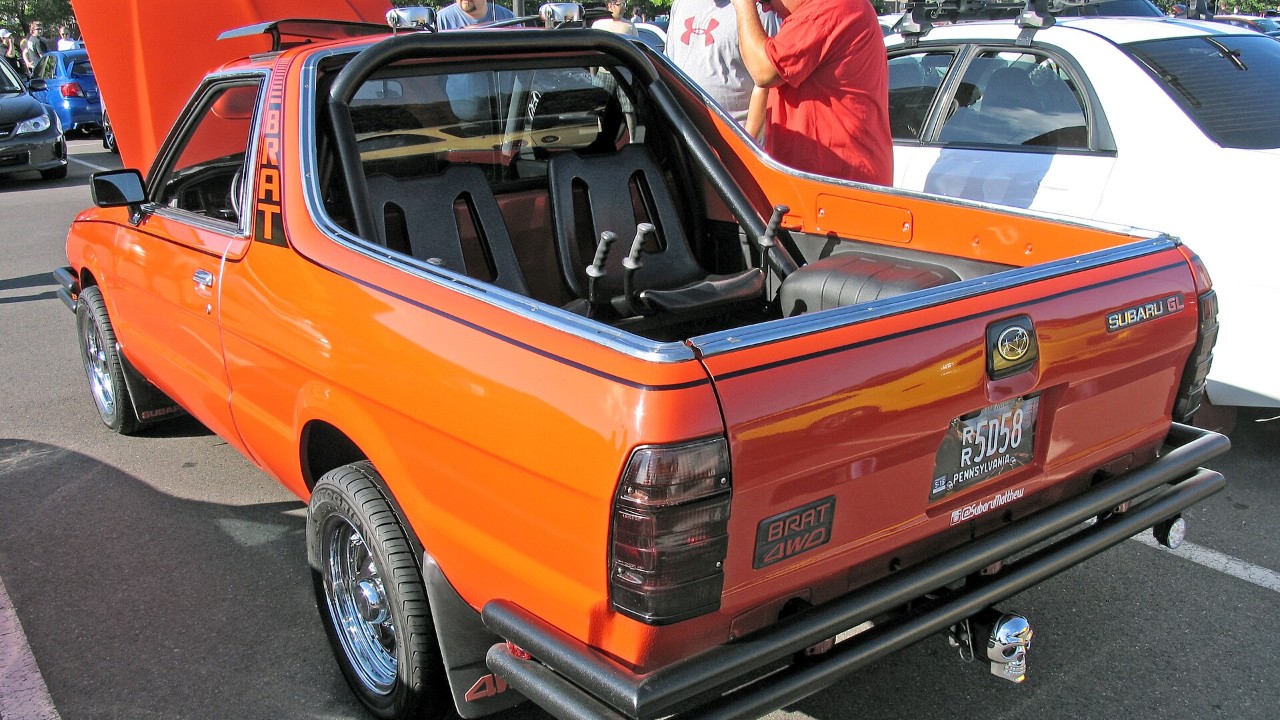
Nash never had the resources of Detroit’s biggest automakers, but its engineers were willing to try ideas that other companies often avoided. From aerodynamic bodies and compact packaging to clever seating arrangements and advanced heating systems, Nash produced some remarkably unconventional automobiles. Many have faded from memory, yet these seven models show just how willing the company was to rethink what an American car could be.
Nash Airflyte
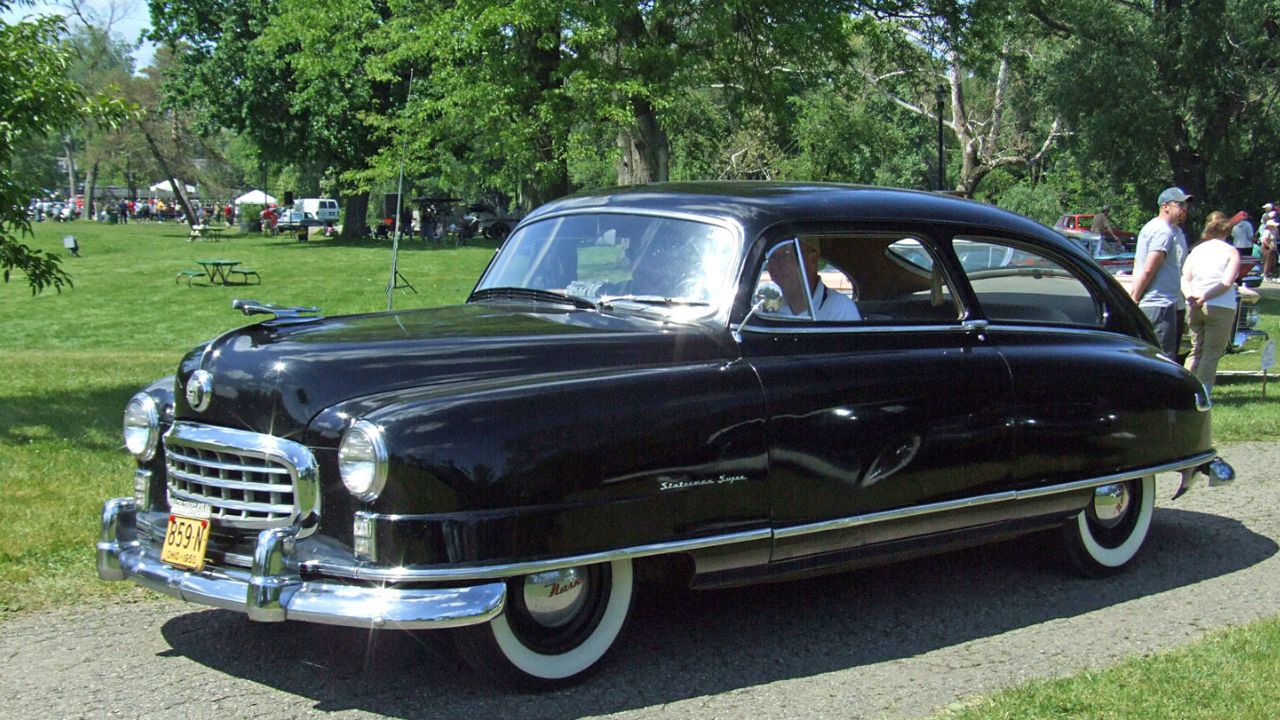
The Nash Airflyte looked dramatically different from many American cars of its era. Its rounded body reduced aerodynamic drag, while the enclosed wheel openings and integrated styling created a remarkably smooth profile. Nash also emphasized interior space through clever packaging. At a time when many manufacturers were still favoring separate fenders and upright shapes, the Airflyte looked like it had arrived from a different design philosophy.
Nash Ambassador
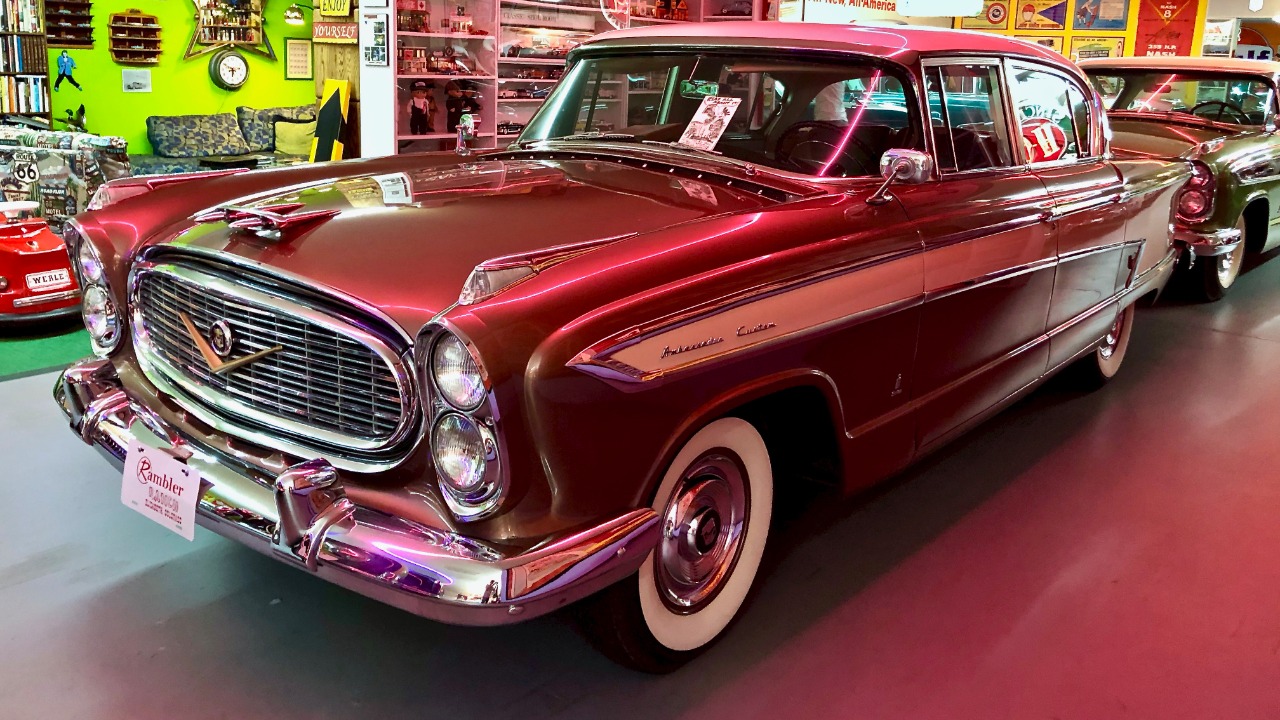
The Nash Ambassador combined a spacious interior with engineering ideas that set it apart from traditional American sedans. Its unitized construction reduced reliance on a conventional separate frame, while the aerodynamic body provided an unusually smooth appearance. Nash also fitted its cars with advanced heating and ventilation features. The Ambassador demonstrated that an American luxury car could prioritize efficiency and thoughtful engineering rather than simply adding size and chrome.
Nash-Healey
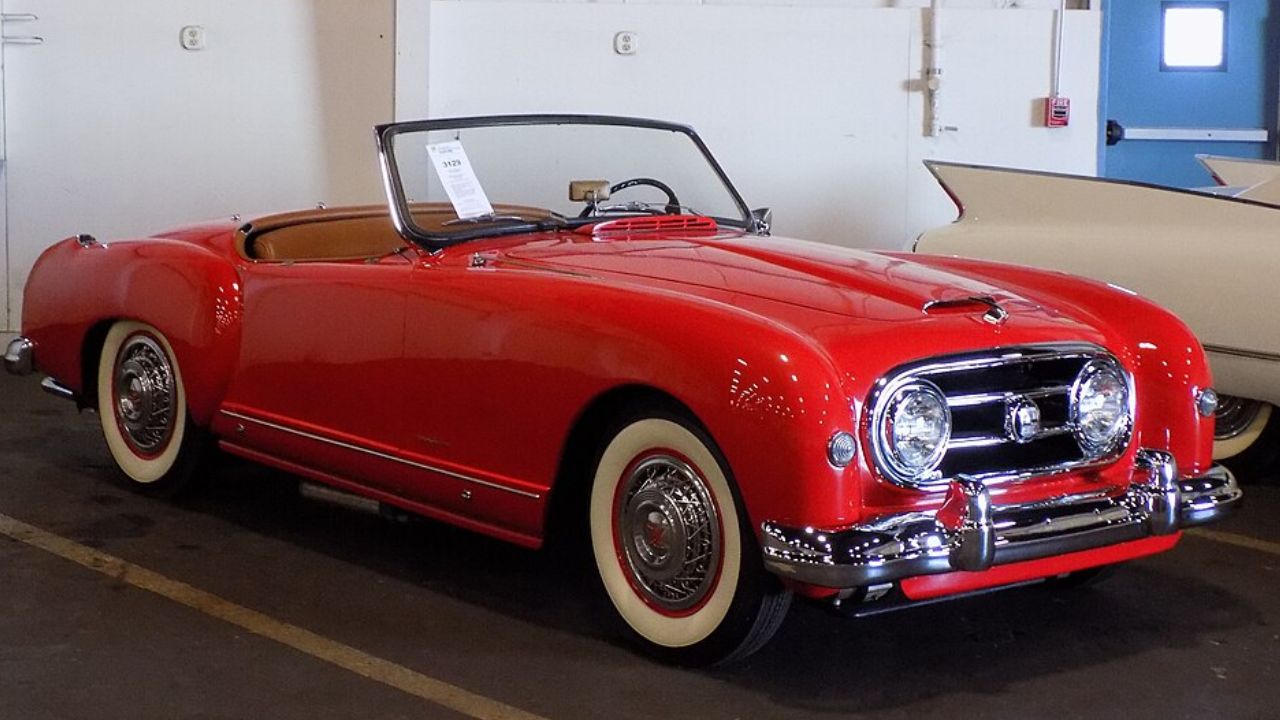
The Nash-Healey brought together American mechanical power and European sports-car design. Its lightweight body and two-seat configuration made it dramatically different from Nash’s family cars, while its Nash-supplied drivetrain provided dependable American power. The collaboration with British sports-car specialists gave it an international character unusual for an American manufacturer. Although production was limited, the Nash-Healey helped establish an important early bridge between American and European automotive design.
Nash Metropolitan
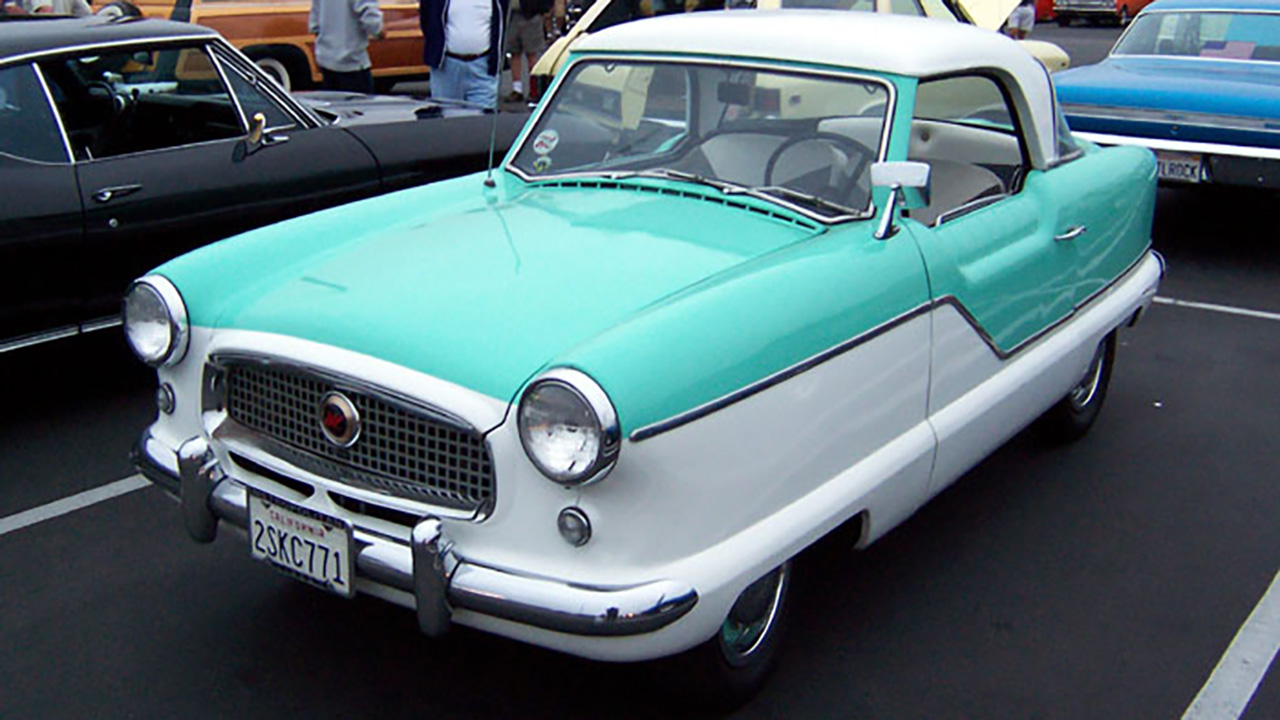
The Nash Metropolitan was remarkably small by American standards, making it an unusual sight among the enormous cars of the 1950s. Its compact dimensions, economical engine, and efficient use of interior space anticipated the growing demand for smaller automobiles. American buyers initially had limited interest, but the Metropolitan eventually found a niche. In retrospect, its size and efficiency look remarkably well suited to the automotive challenges that arrived decades later.
Nash Rambler
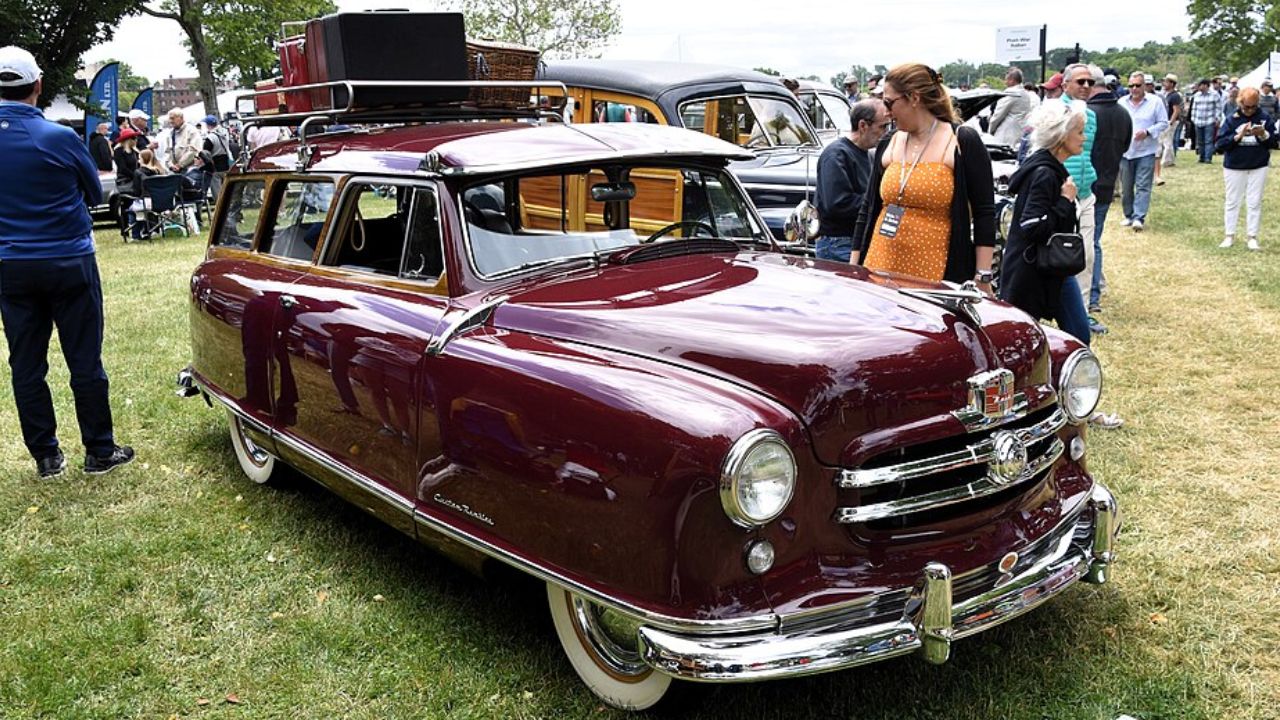
The Nash Rambler helped popularize the idea that an American buyer could choose a smaller car without giving up comfort or practicality. Its compact dimensions made it easier to maneuver and more economical than the giant sedans dominating American roads. Nash also used clever interior packaging to maximize usable space. The Rambler became an important early step toward the compact-car market that would eventually reshape the industry.
Nash Statesman
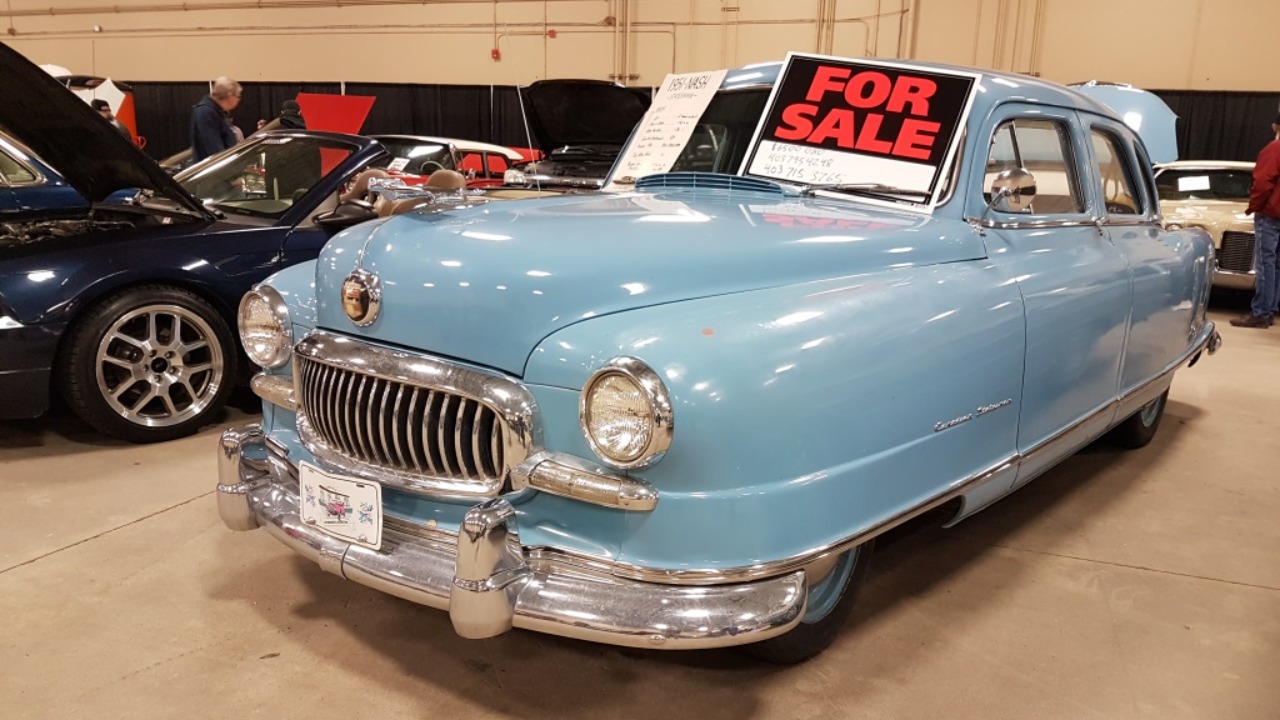
The Nash Statesman offered much of the company’s innovative thinking in a more accessible package. Its aerodynamic body, compact proportions, and efficient interior design challenged the assumption that American cars needed to become progressively larger. The Statesman also benefited from Nash’s emphasis on unitized construction and improved cabin comfort. It may look conventional compared with later Nash experiments, but its engineering philosophy was anything but ordinary.
Nash Rambler Cross Country
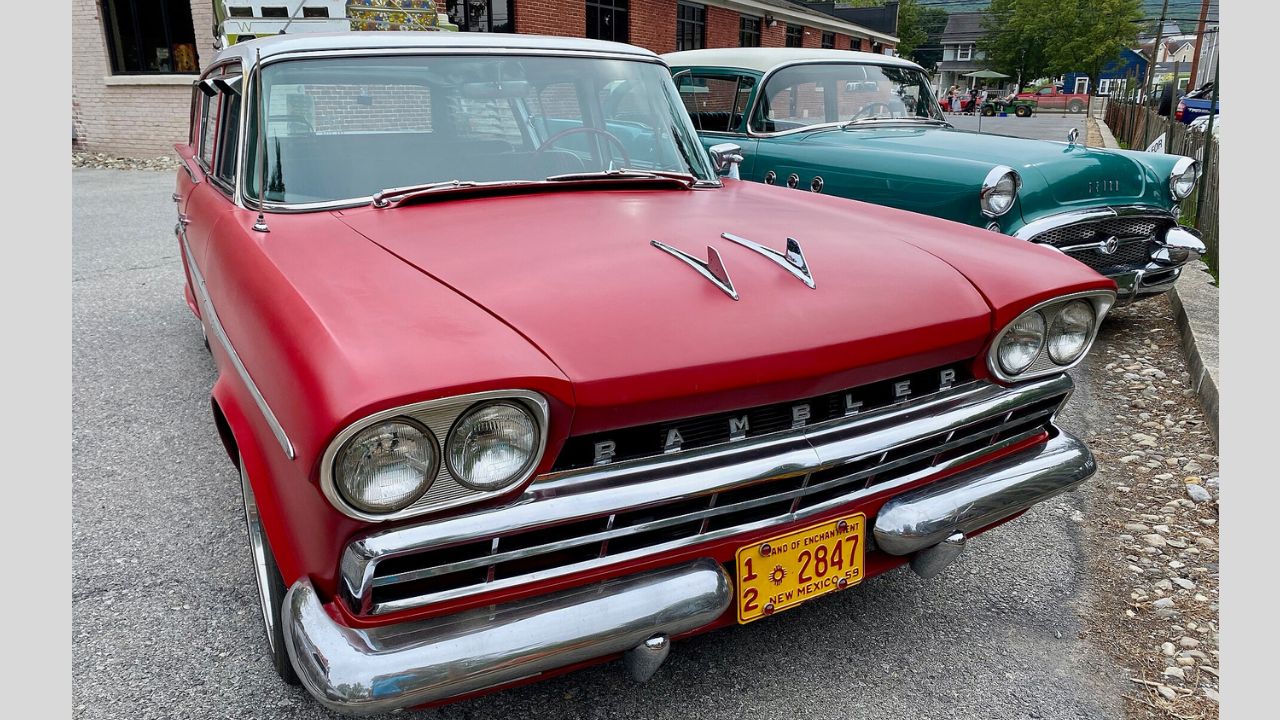
The Nash Rambler Cross Country brought compact-car thinking into the station-wagon market. Its smaller footprint made it easier to handle than the enormous wagons becoming common in America, while its practical body provided useful passenger and cargo space. The concept anticipated the appeal of smaller family vehicles long before compact wagons became commonplace. Today, it stands as another example of Nash thinking several steps ahead of mainstream Detroit.
More from Fast Lane Only
- Unboxing the WWII Jeep in a Crate
- 15 rare Chevys collectors are quietly buying
- 10 underrated V8s still worth hunting down
- Police notice this before you even roll window down
*Research for this article included AI assistance, with all final content reviewed by human editors