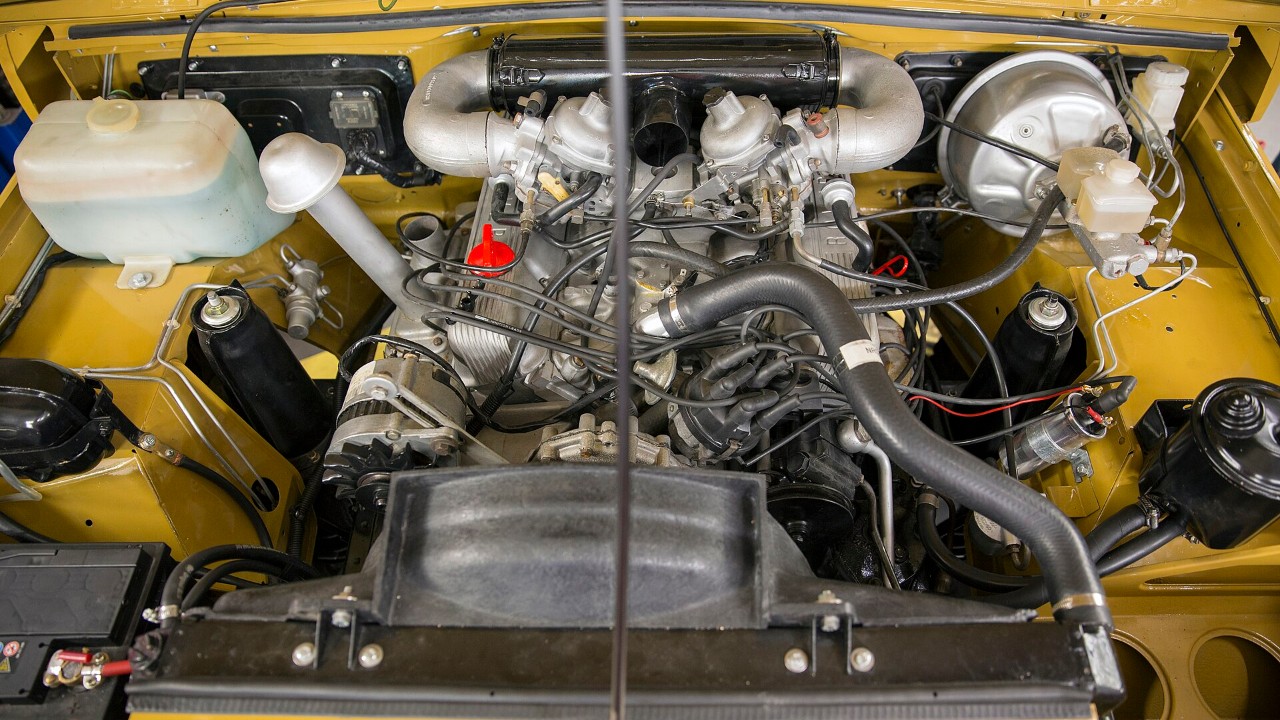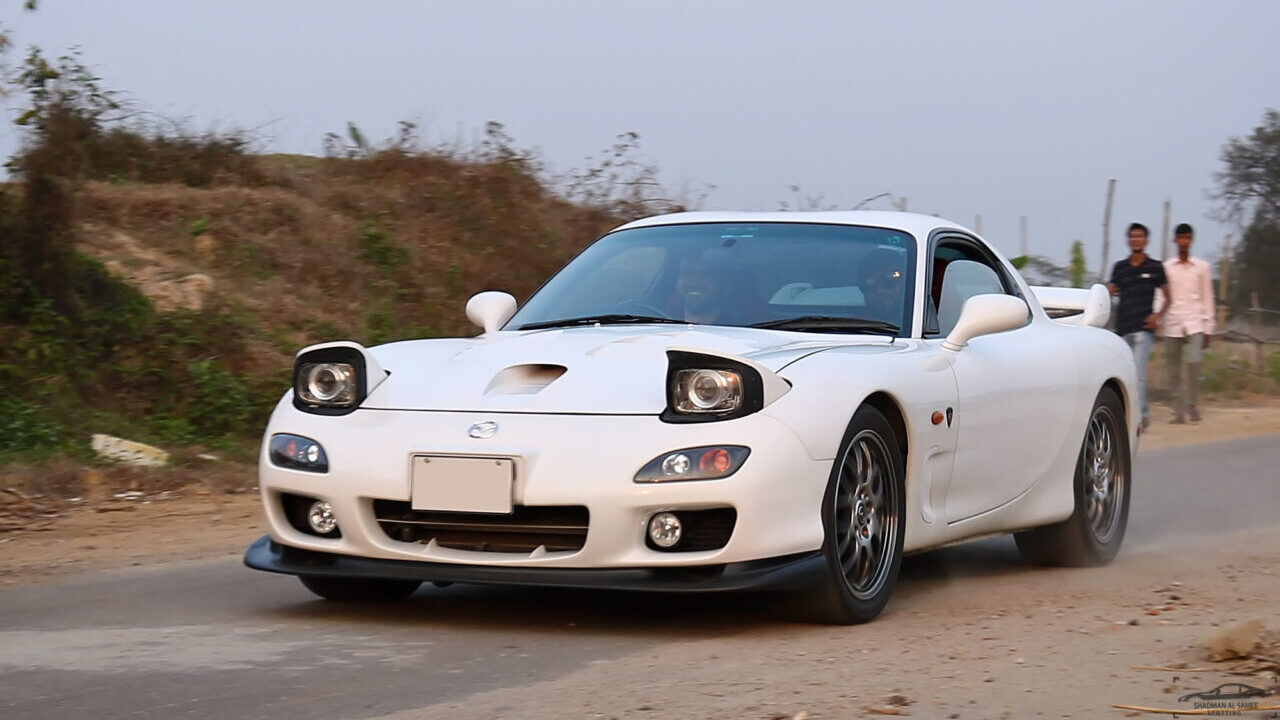
The Mazda RX-7 didn’t just represent a sports car—it represented Mazda’s long-term commitment to the rotary engine when almost no one else believed in it. Across multiple generations, the RX-7 evolved from a lightweight, simple coupe into a world-class turbocharged performance machine. Each version helped shape enthusiast culture in different ways, from grassroots tuning to international motorsport credibility. Together, they made rotary power one of the most distinctive ideas in automotive history.
Mazda First-Generation RX-7
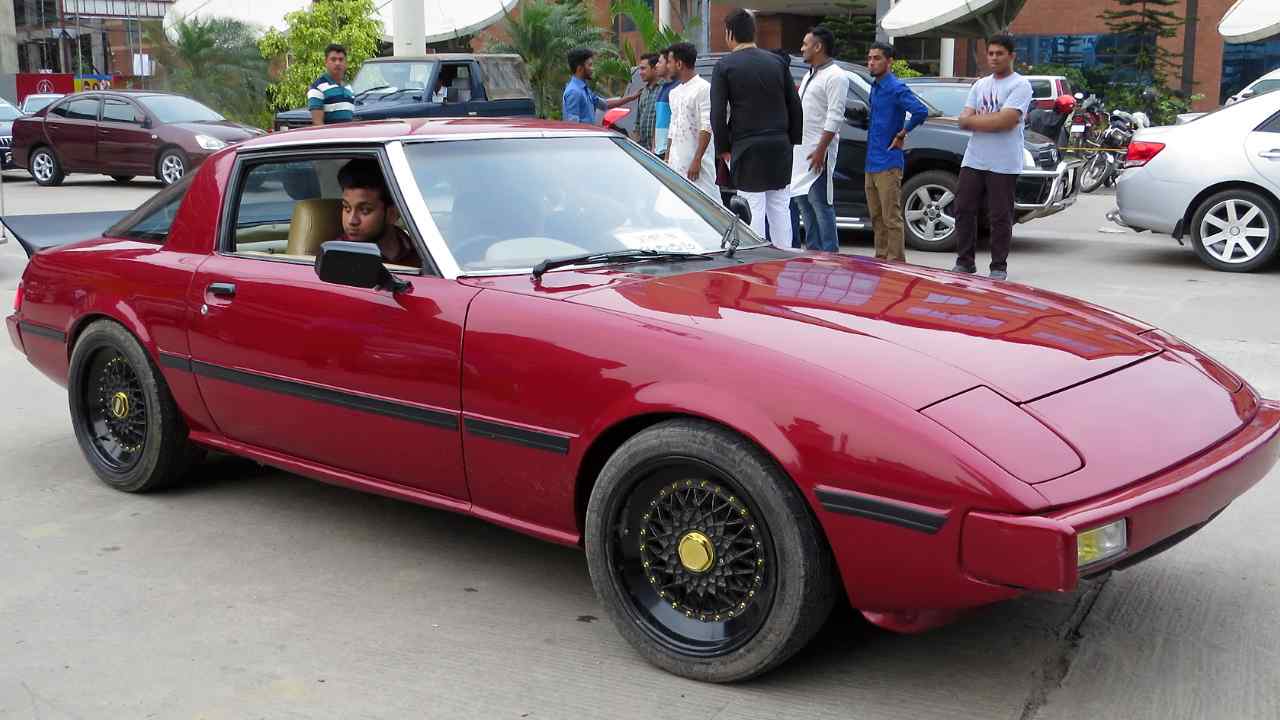
The first-generation RX-7, known as the SA22C or FB, introduced the world to Mazda’s lightweight rotary sports car philosophy. Its small chassis, near-perfect balance, and high-revving 12A rotary engine created a driving experience unlike traditional piston-powered rivals. Instead of brute force, it focused on momentum and responsiveness, making it incredibly engaging on winding roads. Its affordable pricing also helped it reach a wide audience quickly. This generation established the RX-7 identity and proved rotary power could succeed in a mainstream sports car.
Mazda GSL-SE RX-7
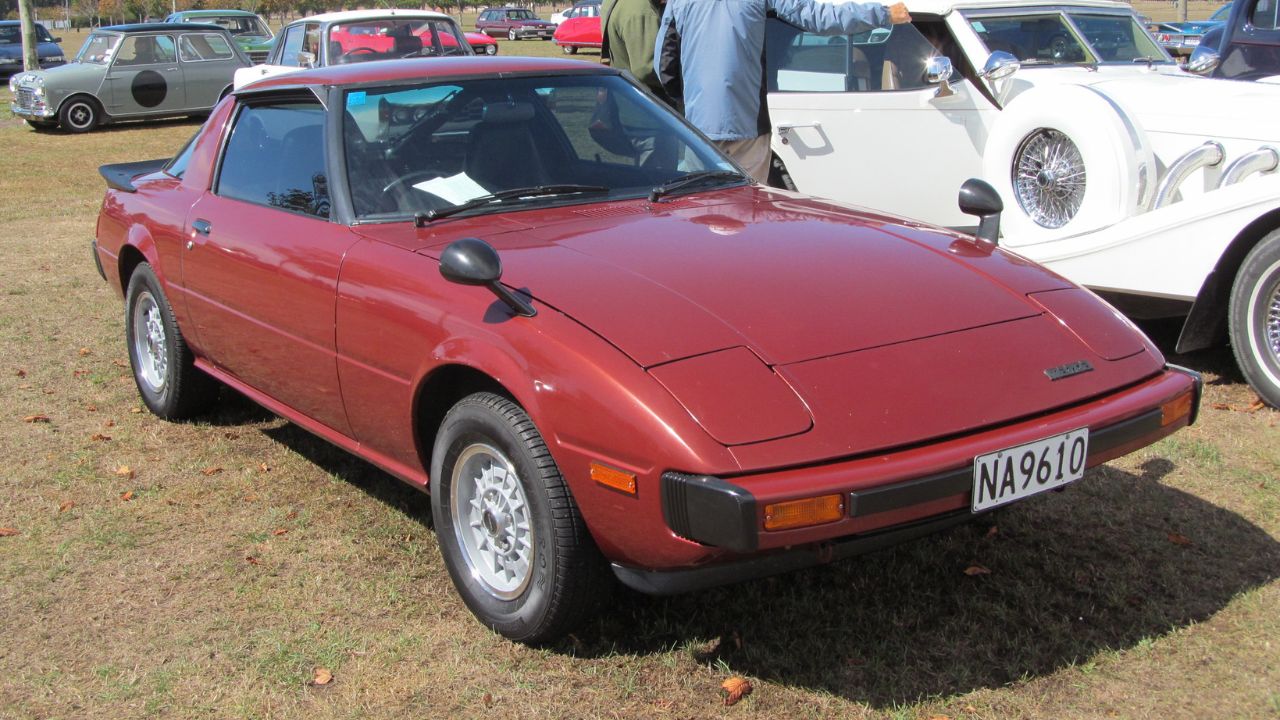
The GSL-SE variant of the first-generation RX-7 refined the formula with a larger 13B rotary engine and improved suspension tuning. The added torque made the car more usable in everyday driving while still preserving its lightweight character. Four-wheel disc brakes and upgraded handling components gave it more confidence at higher speeds. Enthusiasts appreciated it as a more mature evolution of the original concept. It helped bridge the gap between early rotary experimentation and more serious performance development, setting the stage for future RX-7 generations.
Mazda Second-Generation FC RX-7
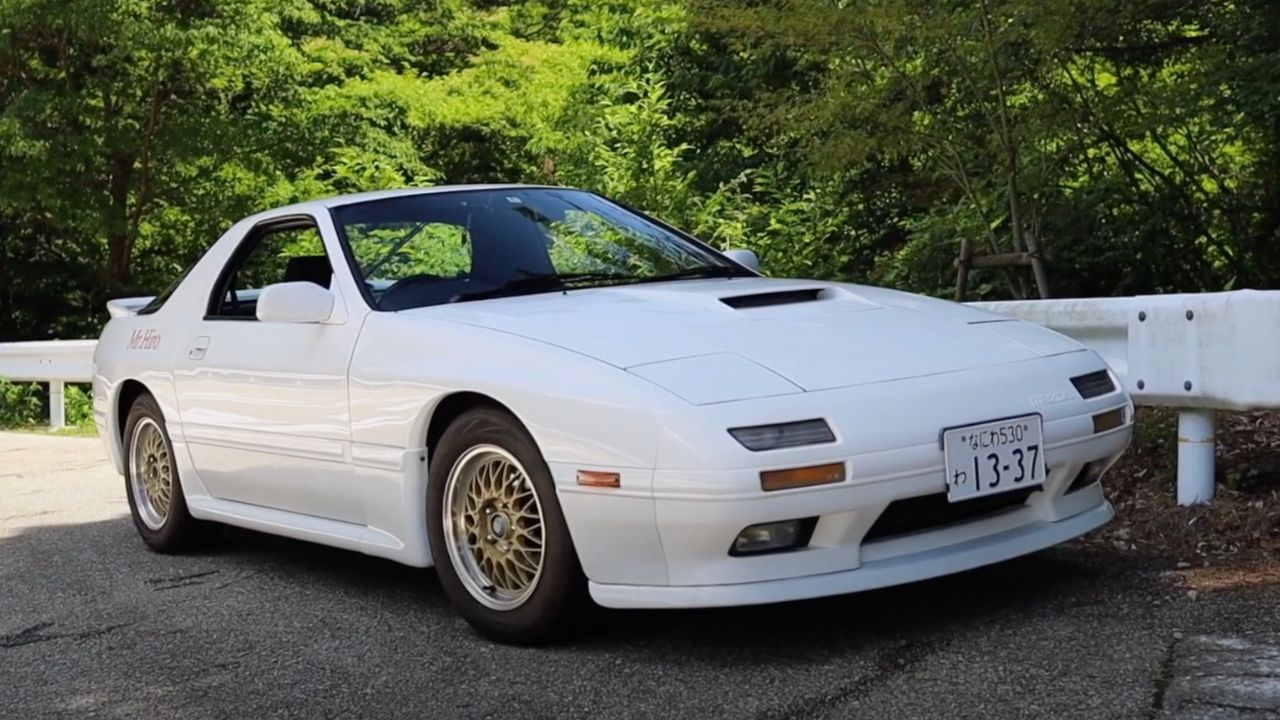
The second-generation FC RX-7 shifted the model closer to a true grand touring sports car. Influenced by European performance coupes, it featured softer suspension tuning, improved comfort, and turbocharged rotary options. While heavier than its predecessor, it gained stability and higher-speed capability. The turbocharged variants introduced many enthusiasts to forced induction rotary tuning for the first time. This generation also gained popularity in drifting and grassroots motorsport scenes later on, proving its versatility beyond initial expectations.
Mazda Turbo II RX-7
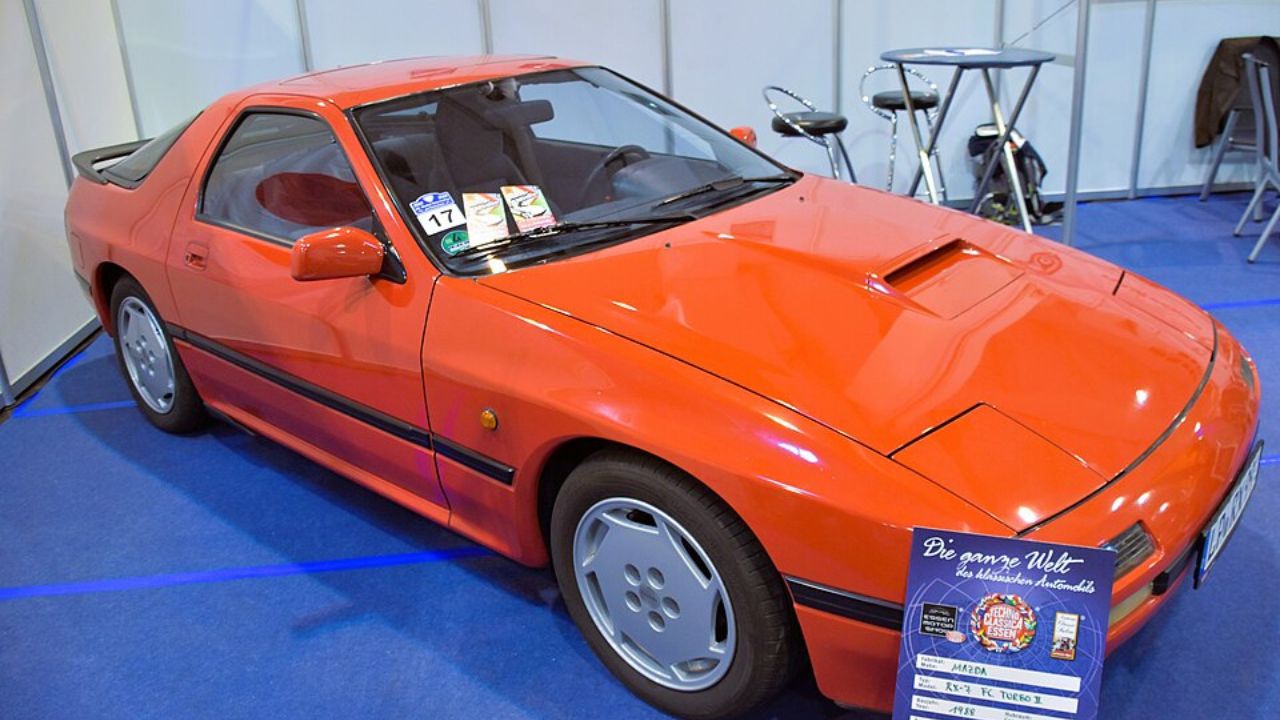
The Turbo II version of the FC RX-7 delivered a significant performance boost through improved turbocharging and engine management. It transformed the RX-7 from a balanced sports coupe into a genuinely fast straight-line and track-capable machine. Enthusiasts embraced its tuning potential, as modifications could unlock impressive power gains from the 13B rotary engine. The chassis responded well to upgrades, making it a favorite among early Japanese tuning communities. This version solidified the RX-7’s reputation as more than just a lightweight sports car—it was now a serious performance platform.
Mazda FD RX-7
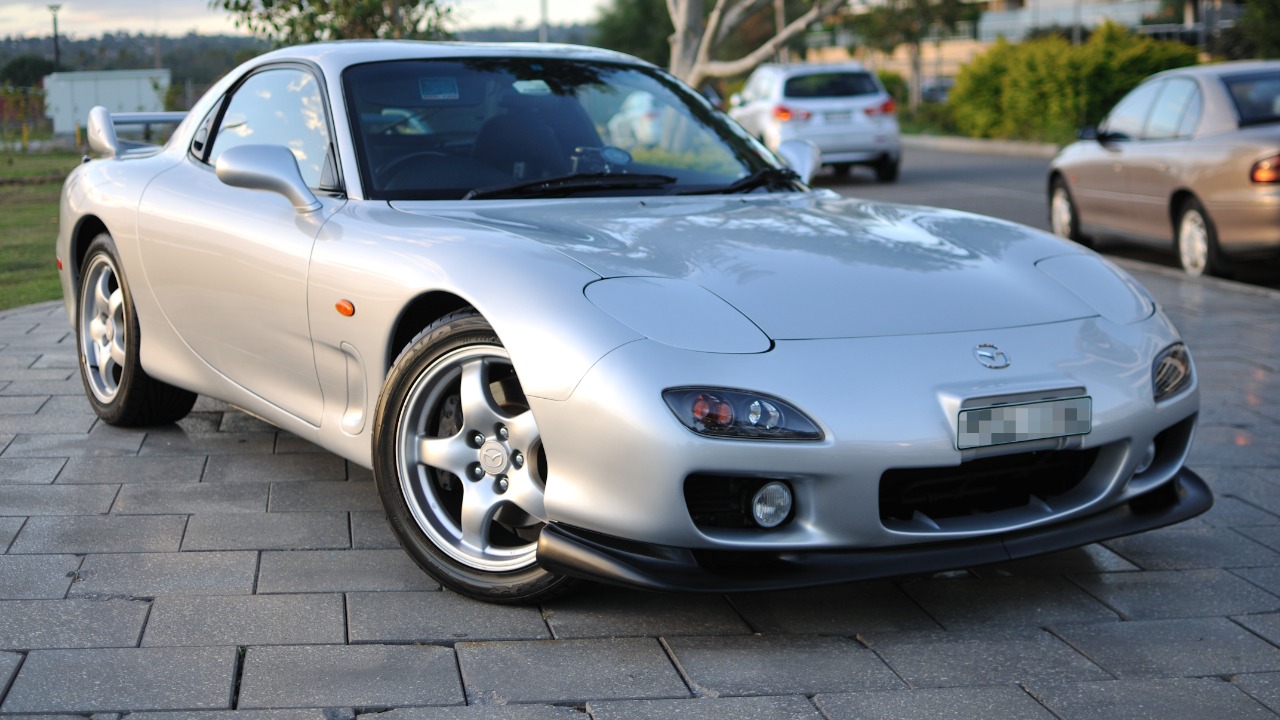
The FD RX-7 is widely considered the peak of rotary sports car engineering. Its twin-turbo 13B-REW engine, lightweight construction, and near-perfect weight distribution created world-class handling and acceleration balance. Designers focused heavily on aerodynamics and simplicity, resulting in one of the most elegant Japanese sports car designs ever produced. The sequential turbo system delivered smooth yet explosive performance when properly maintained. This generation became a global tuning icon and cemented the RX-7’s status in enthusiast culture worldwide.
Mazda Late-Production FD RX-7
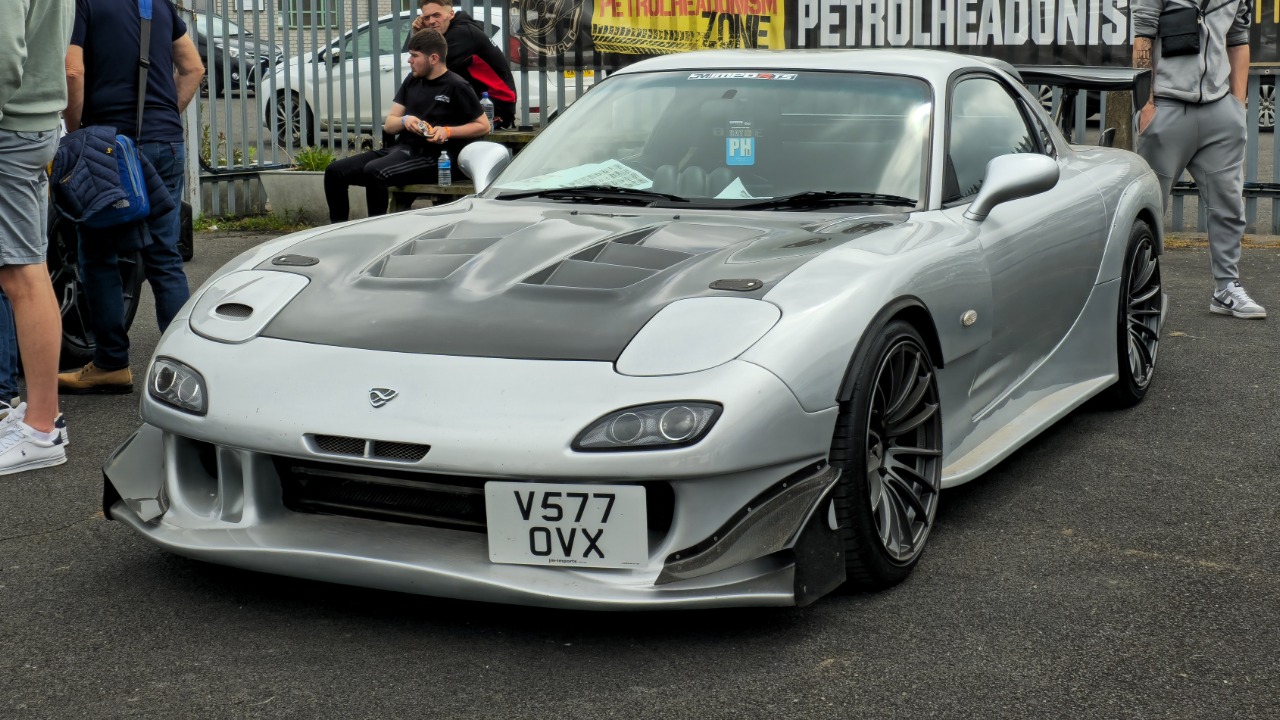
Late-production FD RX-7 models refined reliability and drivability improvements while maintaining the same core performance identity. Mazda continuously improved engine management and turbo response to make the car more consistent under real-world conditions. These updates helped extend the FD’s appeal into the early 2000s tuning boom. Enthusiasts discovered that even small modifications could yield significant performance gains. This version helped transition the RX-7 from a pure sports car into a long-term tuning legend with global aftermarket support.
Mazda RX-7 Spirit R
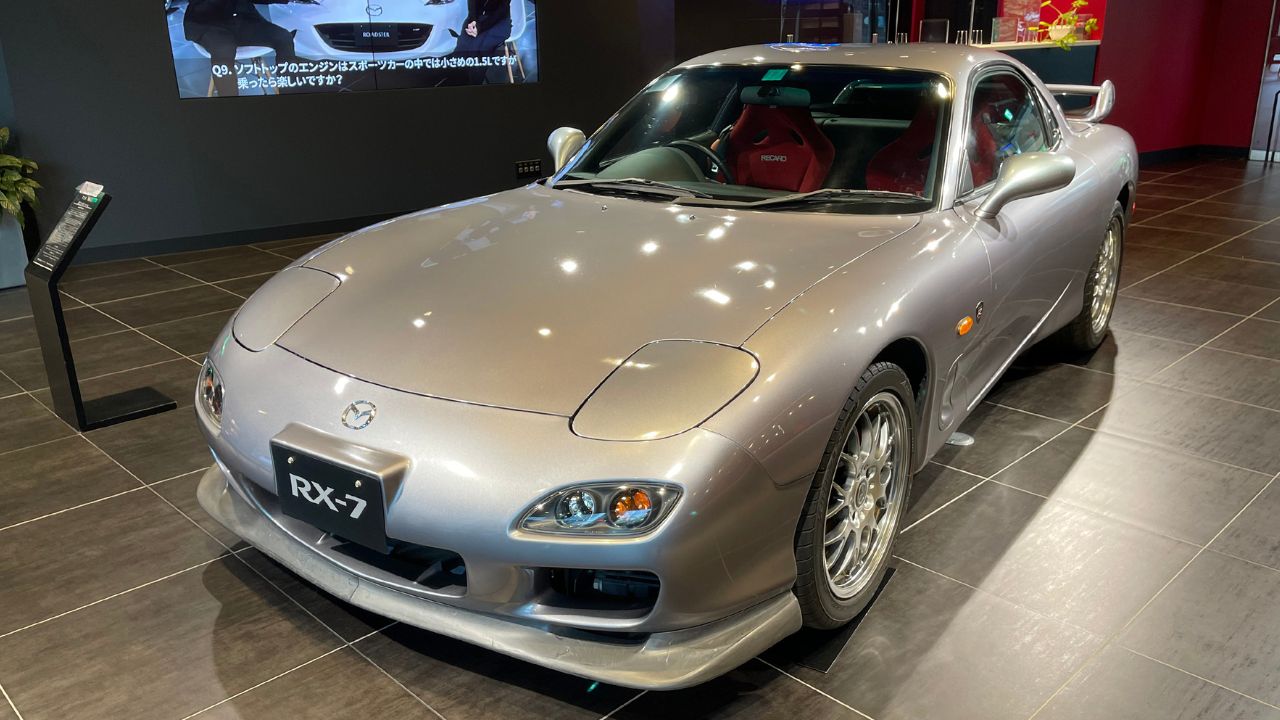
The RX-7 Spirit R marked the final evolution of Mazda’s rotary sports car before production ended. It combined the best components from earlier FD variants, including upgraded brakes, suspension, and lightweight interior options. Built in limited numbers, it became highly desirable among collectors and enthusiasts immediately. Its refined performance and improved reliability represented the ultimate expression of the RX-7 philosophy. The Spirit R closed the RX-7 legacy while reinforcing why rotary power remains one of the most distinctive concepts in sports car history.
More from Fast Lane Only