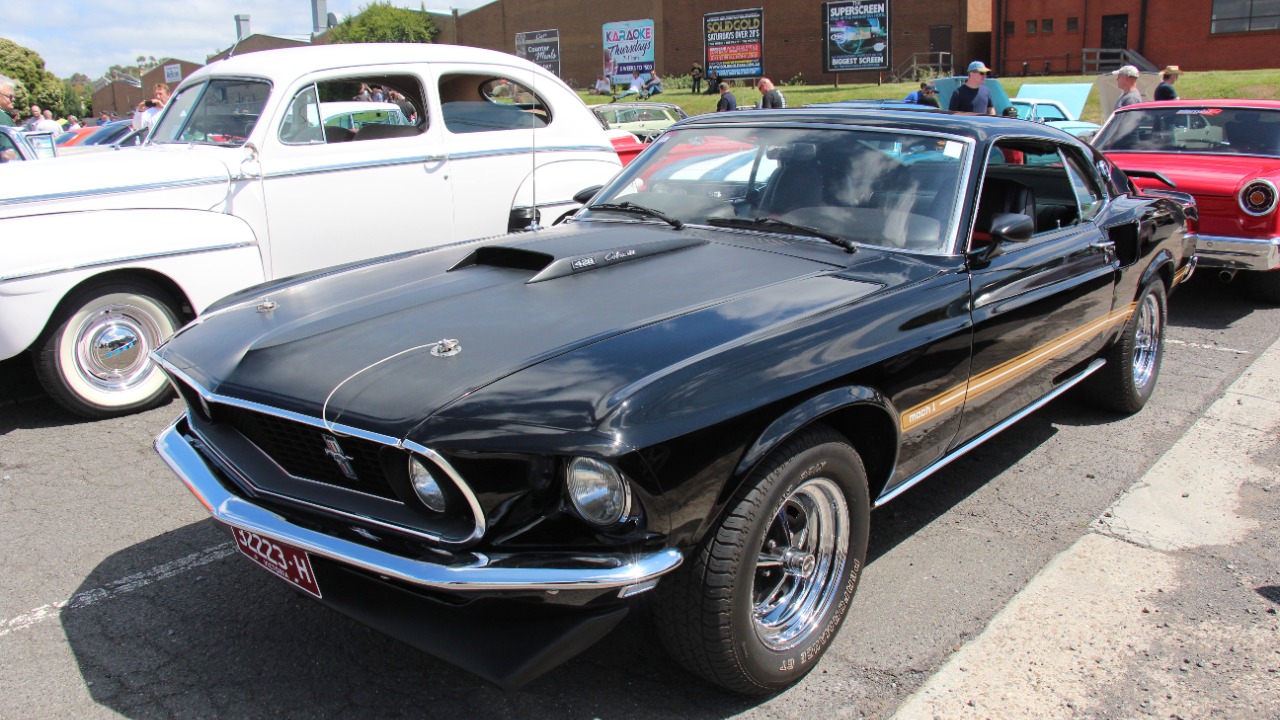
Drag racing has always been a laboratory for extreme performance. The search for quicker quarter-mile times pushed builders to experiment with superchargers, lightweight materials, aerodynamics, and engine combinations long before many ideas reached mainstream performance cars. Some drag machines became so influential that they permanently changed how racers approached horsepower and traction. These cars didn’t just win races—they altered the direction of the entire sport.
Swamp Rat 1
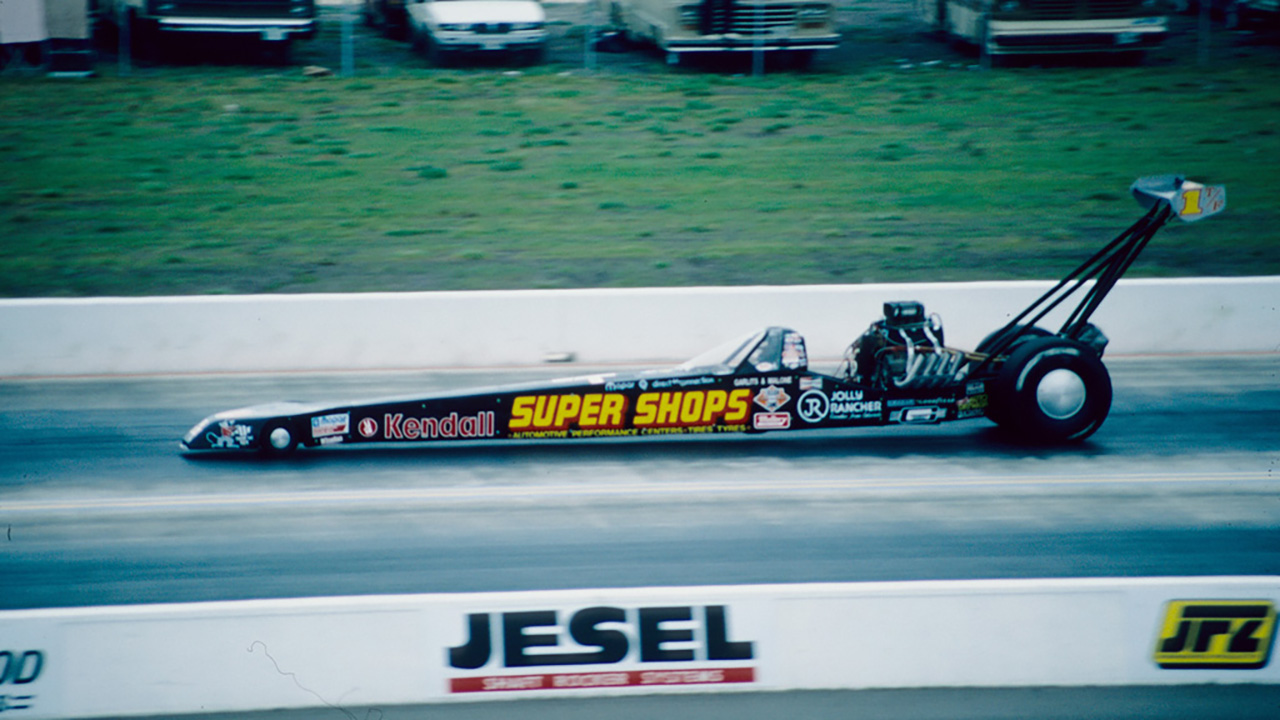
Don Garlits’ Swamp Rat 1 helped establish the modern rear-engine dragster philosophy during the formative years of professional drag racing. Early front-engine dragsters were terrifyingly unstable and dangerous at extreme speeds, but Garlits constantly experimented with chassis balance and power delivery. His innovations improved safety while allowing racers to handle increasing horsepower levels more effectively. The Swamp Rat name eventually became legendary throughout NHRA history because it represented relentless engineering development rather than simple brute force. Garlits’ work fundamentally changed how racers approached chassis design, weight transfer, and driver protection in high-horsepower drag competition.
Plymouth Barracuda Funny Car
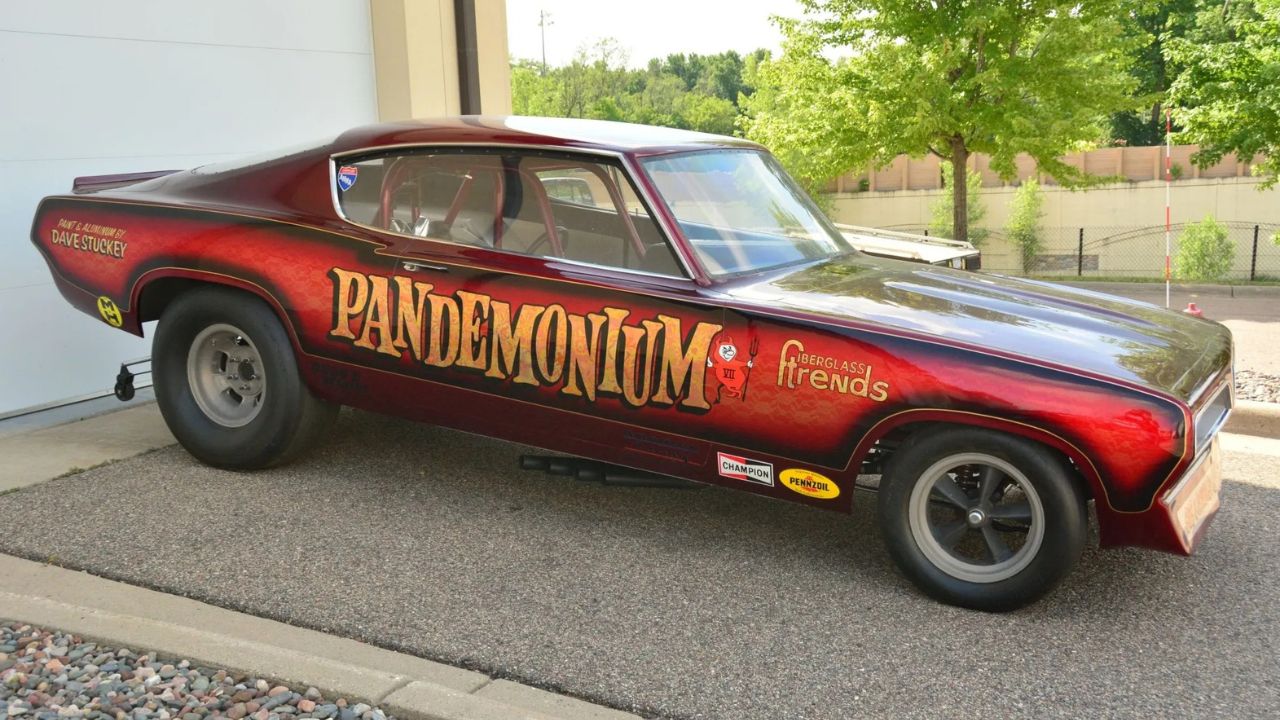
The Plymouth Barracuda Funny Cars of the 1970s transformed drag racing into a spectacle of massive supercharged horsepower and dramatic body designs. Lightweight fiberglass shells combined with nitromethane-burning Hemi engines created astonishing acceleration that captivated fans immediately. These machines pushed tire technology, clutch systems, and chassis tuning to entirely new levels. Racers realized managing horsepower became just as important as generating it. The Barracuda Funny Cars helped define the visual identity of professional drag racing and accelerated the evolution of modern Funny Car engineering throughout the sport’s most explosive era.
Chevrolet Camaro Pro Stock
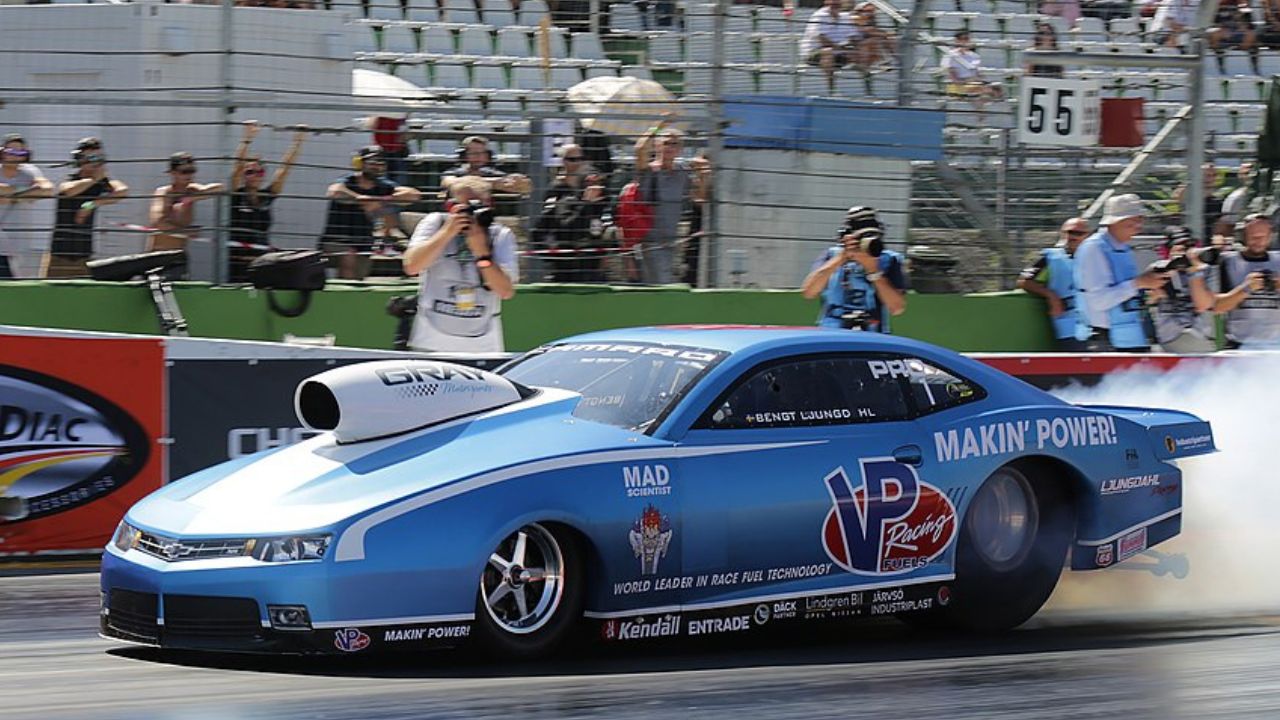
The Chevrolet Camaro became one of the defining shapes of NHRA Pro Stock racing during the 1980s as teams pursued naturally aspirated horsepower with extreme precision. Builders refined airflow, fuel delivery, and high-RPM engine durability to squeeze every possible advantage from tightly regulated combinations. The Camaro platform demonstrated how aerodynamics and chassis setup could matter enormously even in classes focused heavily on engine restrictions. Pro Stock competition during this era encouraged increasingly scientific approaches to performance development. These Camaros helped drag racing evolve beyond raw displacement toward highly optimized engineering and data-driven tuning strategies.
Mopar Hemi Dart
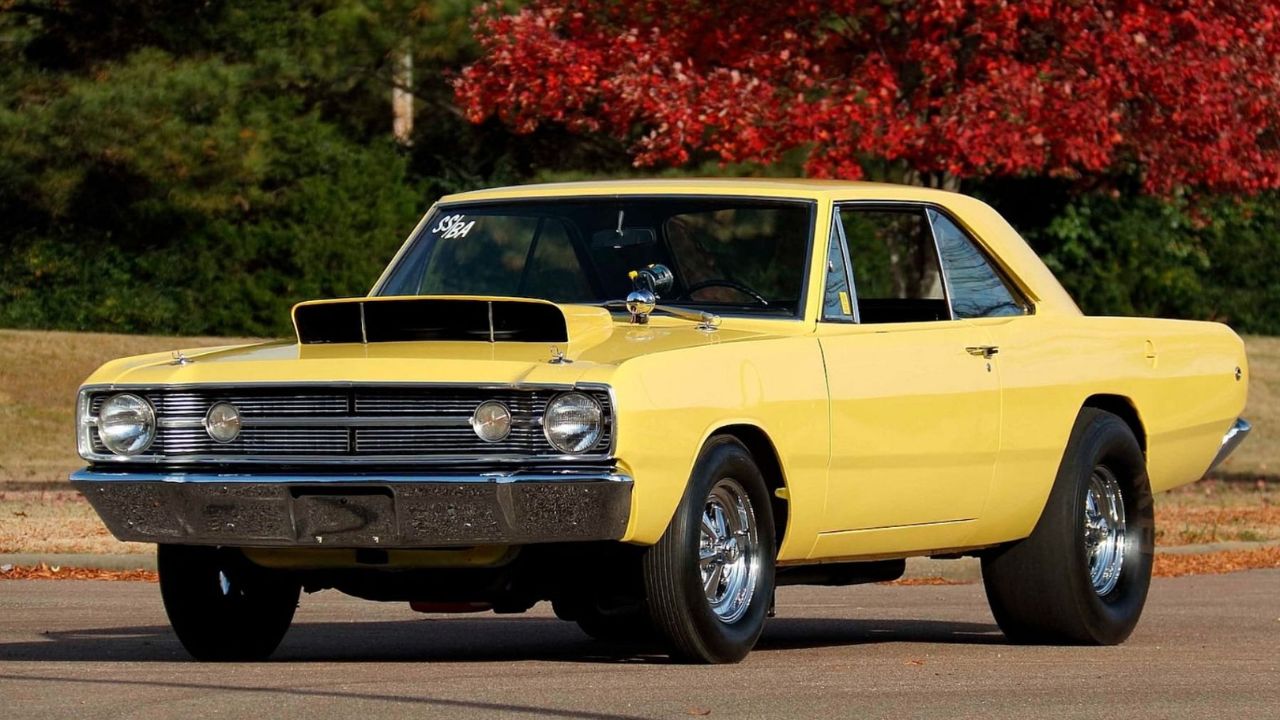
The factory-built Hemi Dart changed expectations for showroom-based drag performance by offering racers an almost ready-made quarter-mile weapon directly from Dodge. Lightweight construction and the monstrous 426 Hemi engine produced brutal acceleration rarely seen in factory-supported street cars. Although officially intended for Super Stock competition, the Hemi Dart quickly gained legendary status among drag racers nationwide. Its success reinforced the value of factory involvement in organized racing and encouraged manufacturers to pursue more aggressive high-performance programs. The car proved dedicated drag-focused engineering could create instant competitive advantages on strips across America.
Ford Mustang Cobra Jet
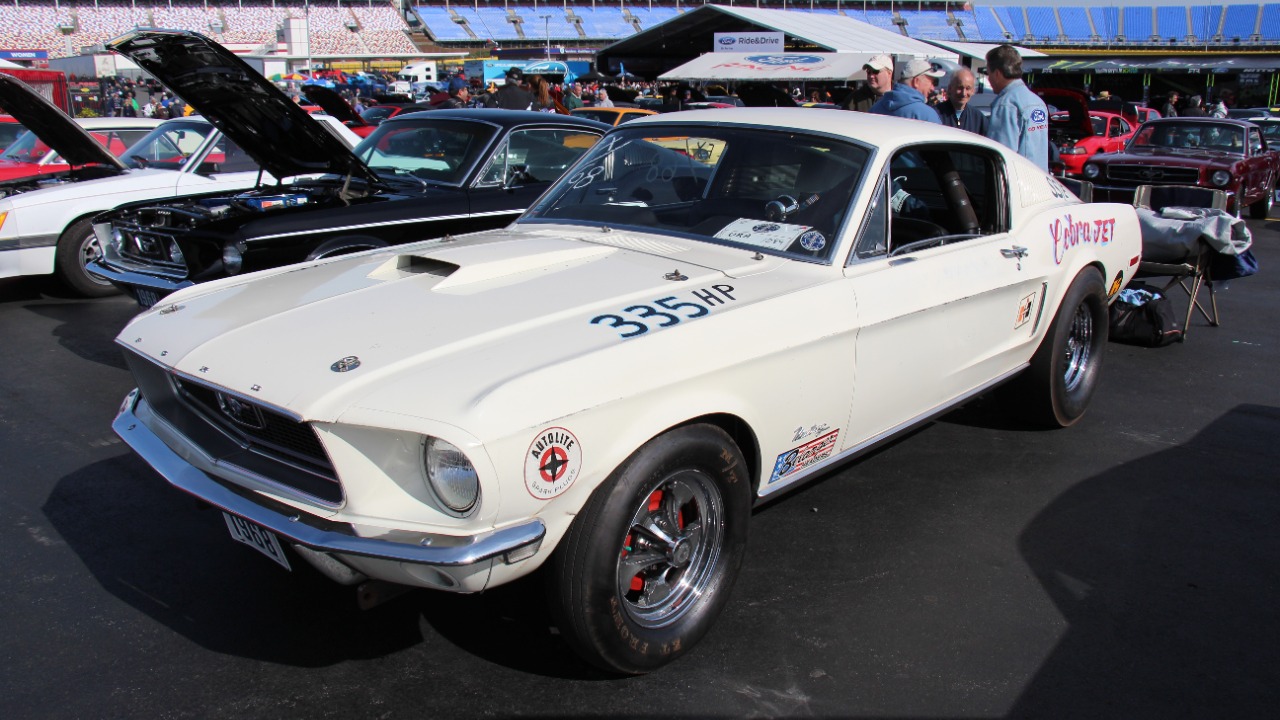
The Mustang Cobra Jet packages transformed Ford’s pony car into one of the most feared factory drag racers of the late 1960s. Massive torque output and carefully engineered performance upgrades gave racers a highly competitive platform straight from the showroom. Ford’s willingness to support drag racing directly intensified Detroit’s horsepower war dramatically. The Cobra Jet’s success demonstrated that traction, gearing, and launch consistency mattered as much as peak horsepower figures. Its influence helped shape future factory-backed drag programs and reinforced the importance of balancing power with effective chassis tuning.
John Force Castrol GTX Funny Car
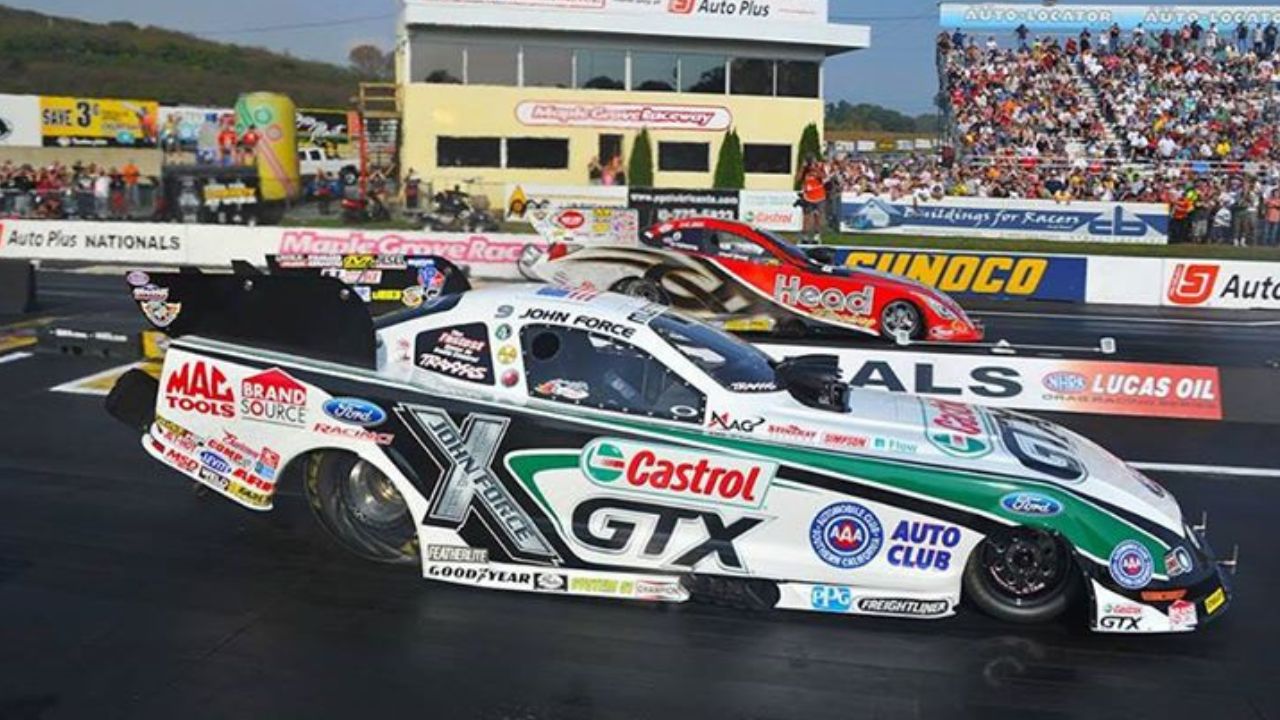
John Force’s Castrol Funny Cars became a symbol of dominance and development in modern Funny Car racing. His team constantly pushed supercharged Hemi power while refining chassis setups and clutch systems to manage it. Force’s success forced everyone else in the category to improve just to keep pace. It showed that managing horsepower over time—not just producing it—was the key to long-term success. His car helped define how modern Funny Car teams approach both engineering and competition strategy.
Oldsmobile Cutlass Pro Modified
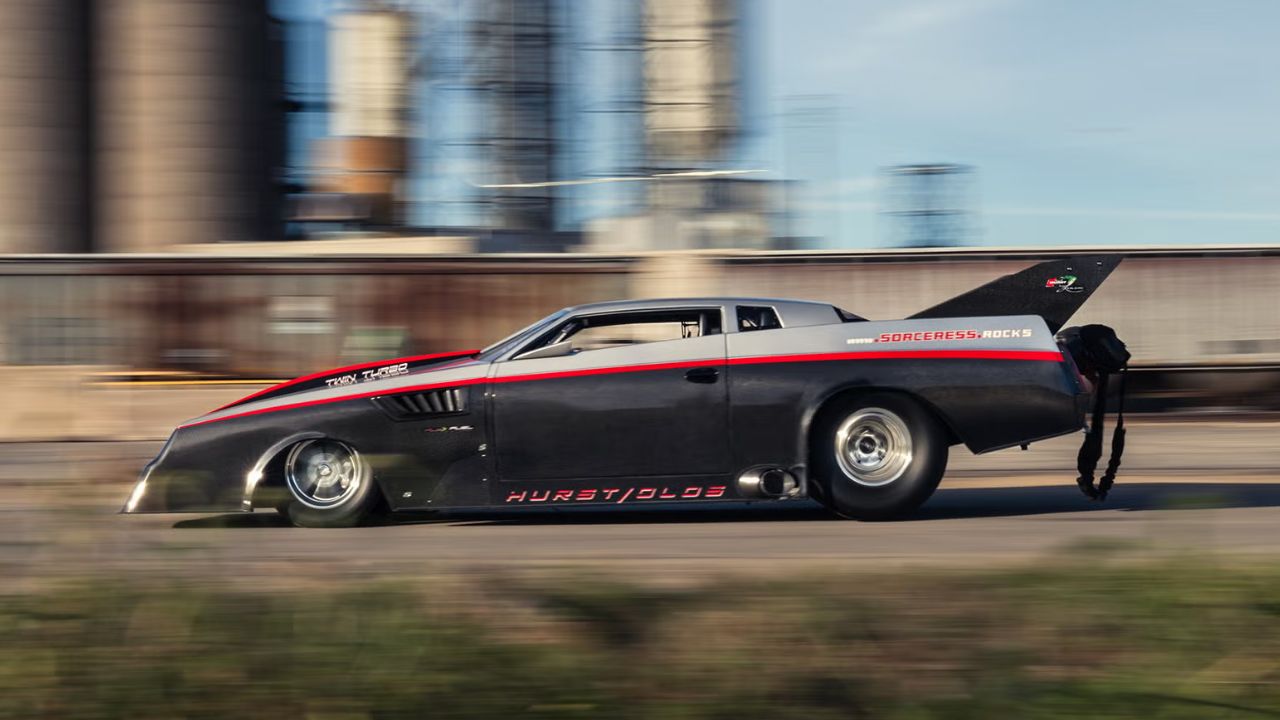
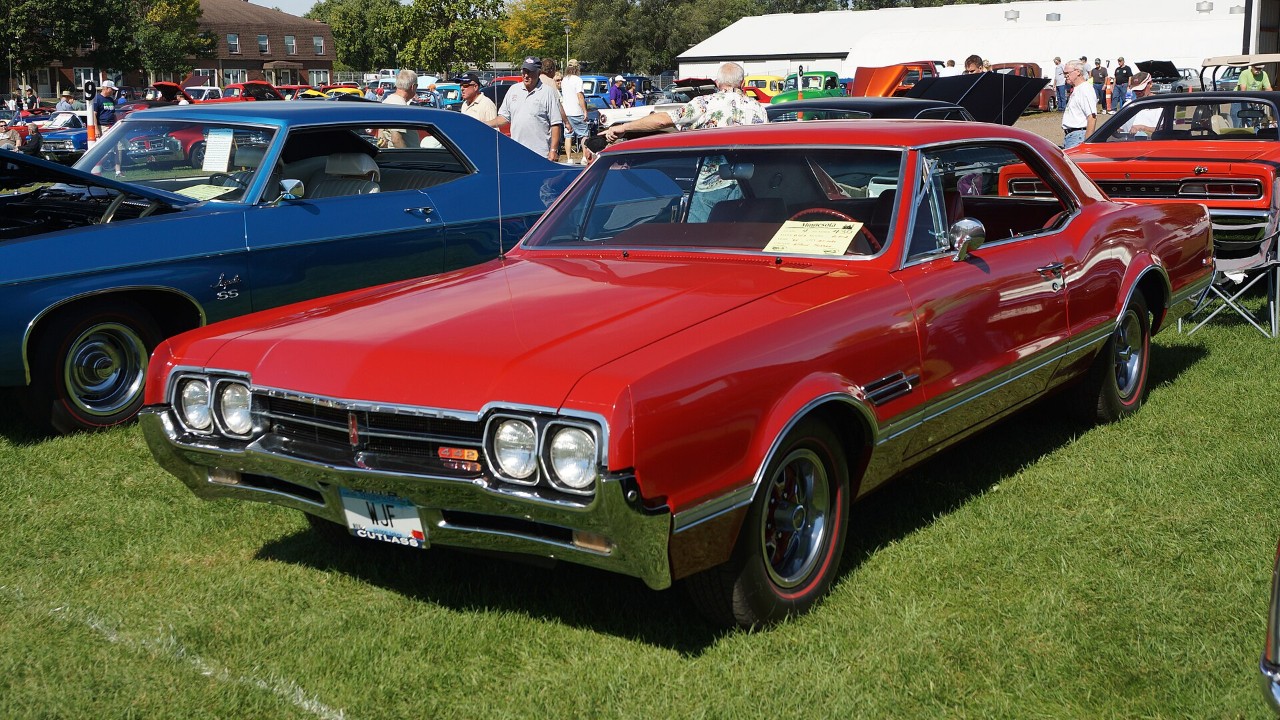
The Oldsmobile Cutlass became a defining shape in early Pro Modified drag racing as builders combined outrageous horsepower with radically altered bodywork and chassis construction. Turbochargers, superchargers, and nitrous systems pushed engine output to extraordinary levels, while tube-frame engineering improved rigidity and weight distribution. Pro Modified competition encouraged experimentation far beyond traditional class structures, accelerating innovation throughout drag racing. The Cutlass platform became especially popular because it balanced aerodynamic efficiency with visual aggression. These cars helped normalize extreme power-adder combinations and influenced how modern racers pursue massive horsepower across multiple drag racing categories.
More from Fast Lane Only