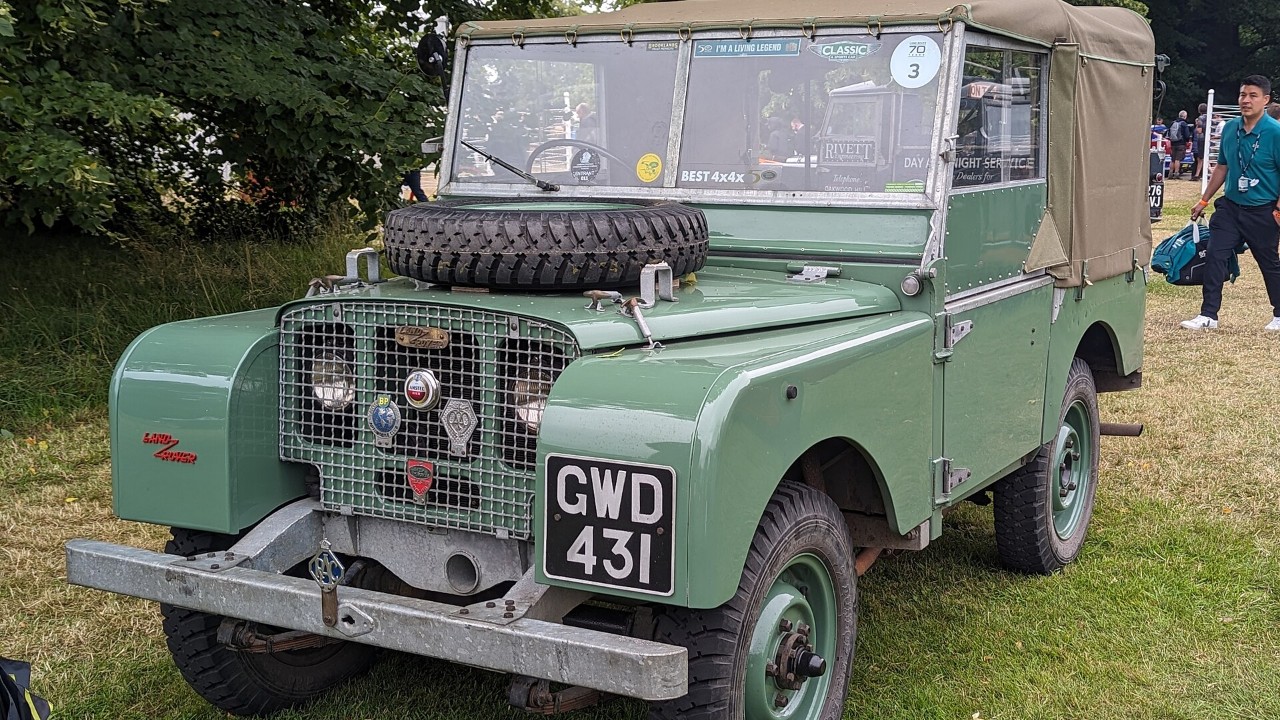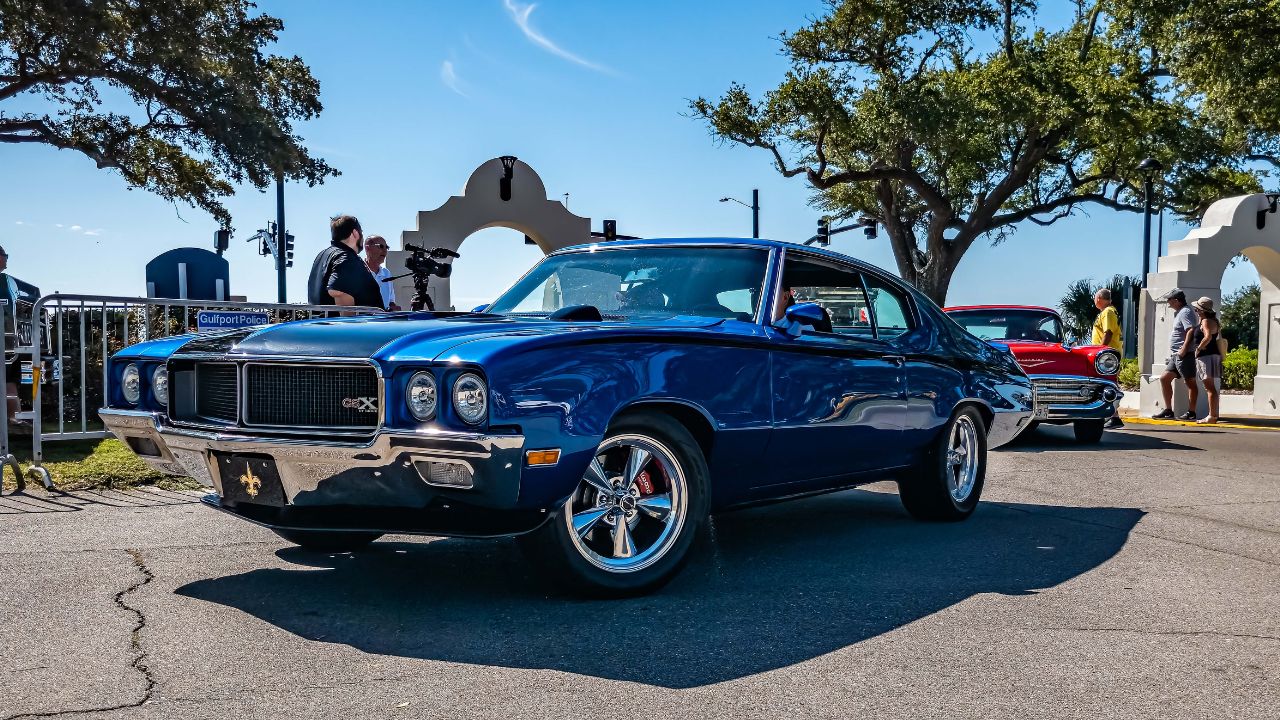
Before emissions rules tightened and insurance rates soared, the chrome era of American performance gave birth to machines that defined straight-line dominance. Between the mid-1960s and early 1970s, Detroit unleashed big-block V8s, bold styling, and factory horsepower wars that shaped car culture for decades. These muscle cars didn’t just win races; they created the legends that modern performance still chases.
Pontiac GTO
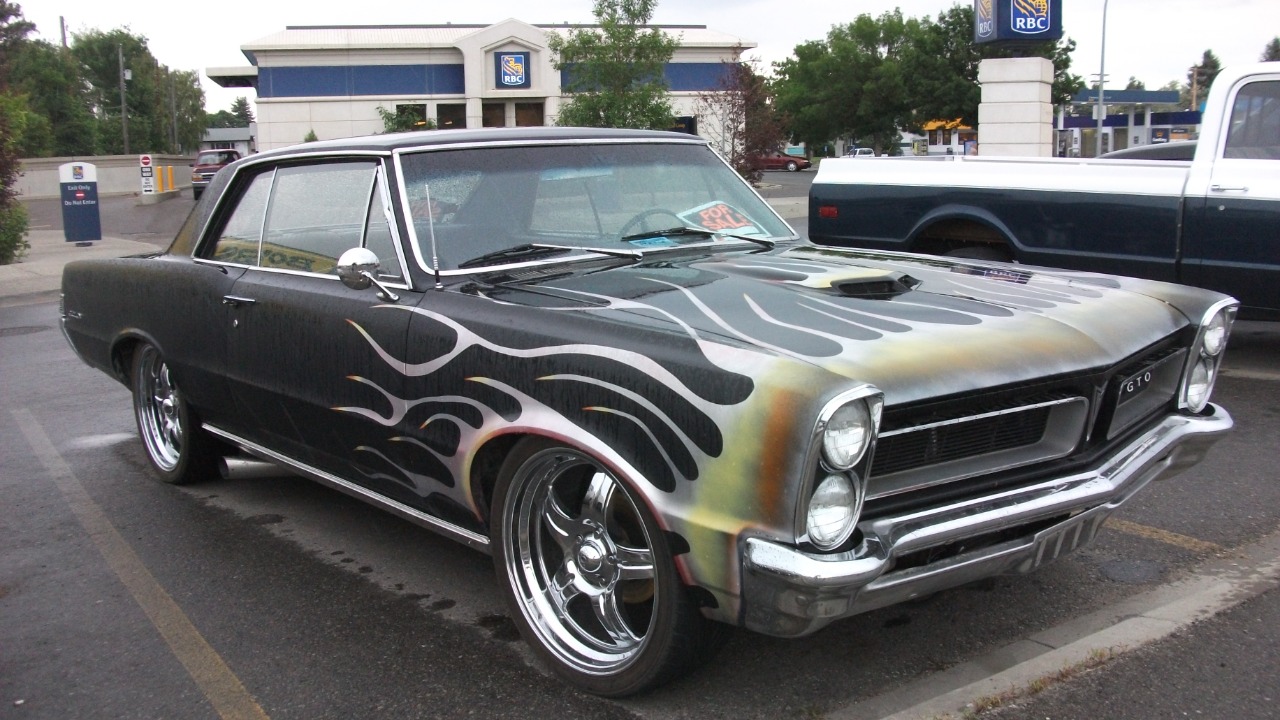
The Pontiac GTO is widely credited with igniting the muscle car revolution. Introduced by Pontiac in 1964, it stuffed a 389-cubic-inch V8 into a midsize body, breaking corporate rules and creating a new formula overnight. Tri-Power carburetion pushed output to 348 horsepower, delivering genuine street performance at an accessible price. Its clean chrome accents and aggressive stance defined mid-’60s style. The GTO proved that big power in a practical package could dominate both sales charts and stoplight showdowns.
Chevrolet Chevelle SS 454
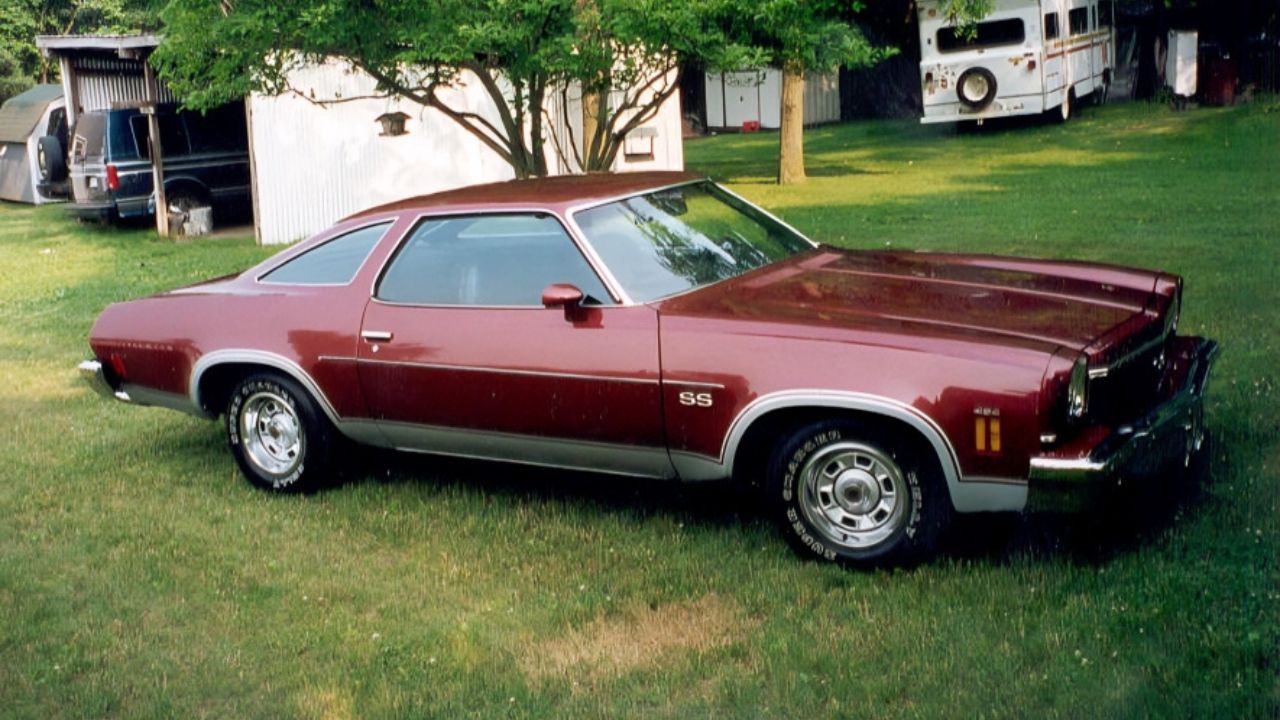
The Chevrolet Chevelle SS 454 became a symbol of excess during the peak of the horsepower wars. Built by Chevrolet, the LS6 version packed a 454-cubic-inch big-block officially rated at 450 horsepower, though real output was often higher. Massive torque made it a terror in quarter-mile runs, overwhelming rear tires with ease. Its squared-off body and generous chrome trim embodied late-’60s aggression. The Chevelle SS cemented the idea that factory-built muscle could rival purpose-built drag cars.
Dodge Charger R/T
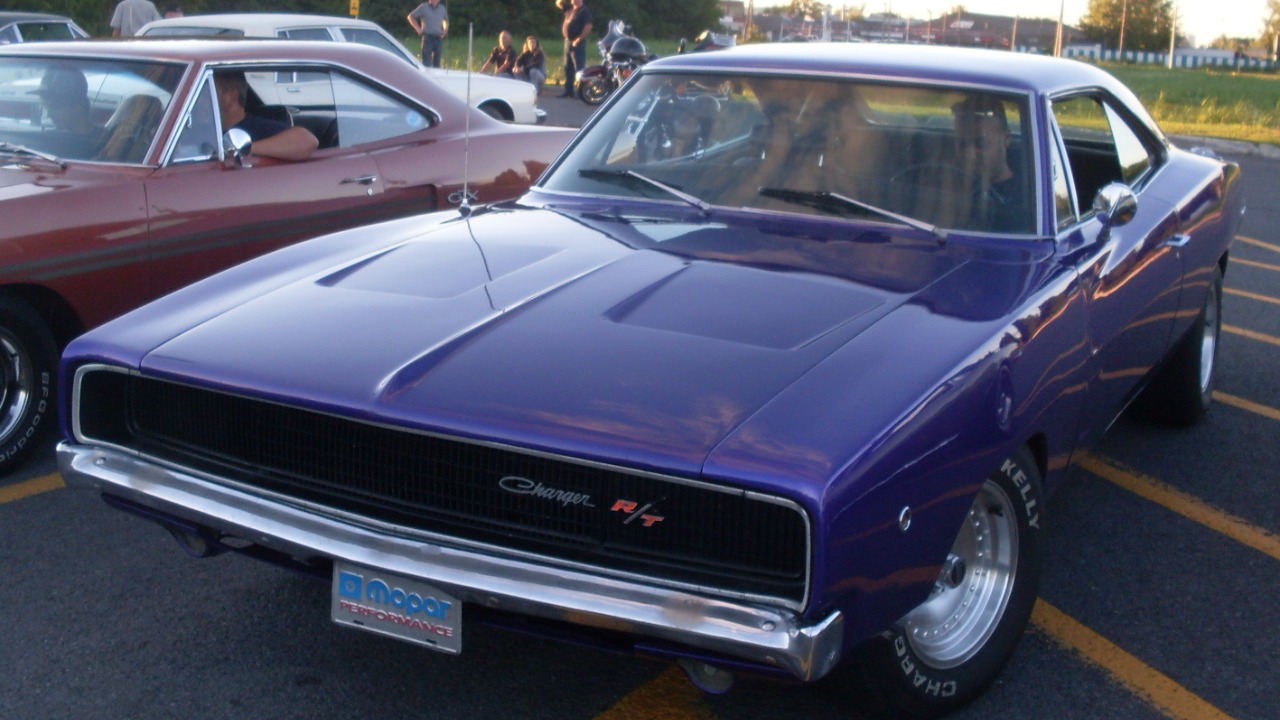
The Dodge Charger R/T blended cinematic presence with genuine performance credibility. Produced by Dodge, it offered the legendary 426 Hemi alongside potent 440 Magnum options. Coke-bottle curves, hidden headlights, and polished trim made it instantly recognizable on the street. On the drag strip, its big-block power delivered brutal acceleration that matched its bold styling. The Charger R/T became an icon of late-’60s American muscle attitude.
Plymouth Road Runner
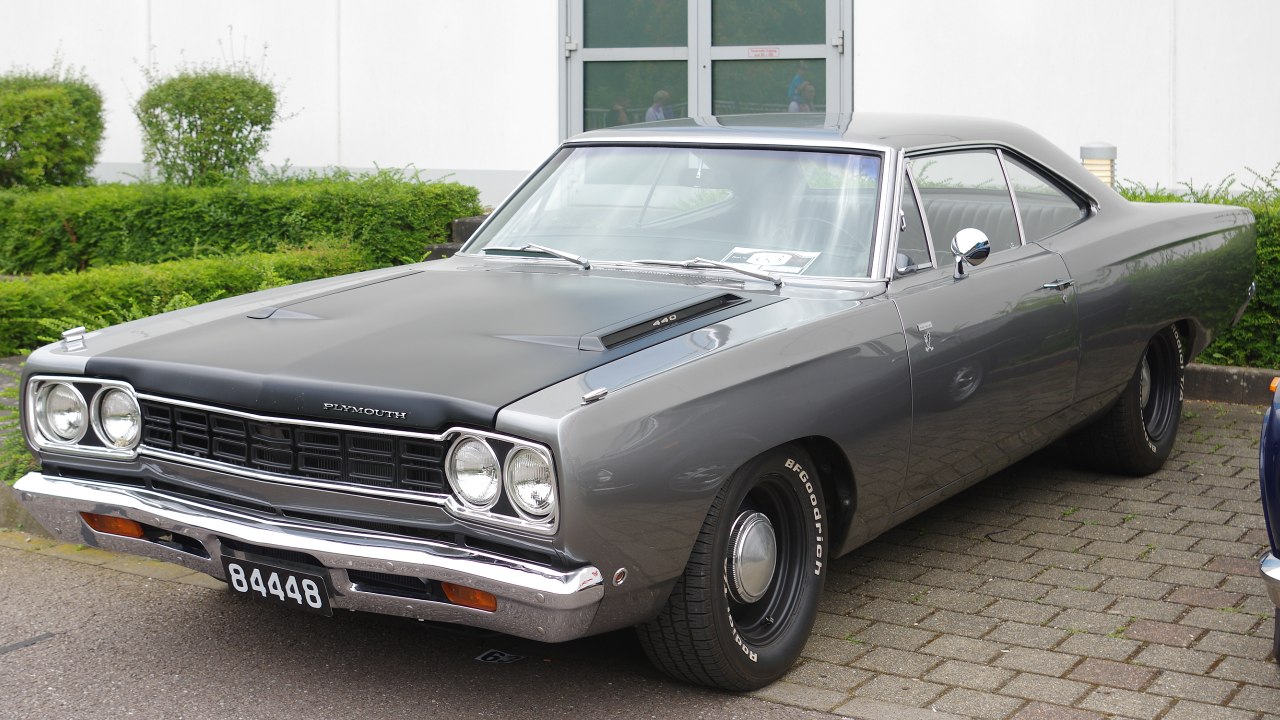
The Plymouth Road Runner stripped muscle down to its essentials. Developed by Plymouth, it focused on affordable performance, pairing lightweight construction with big-block 383 and optional 426 Hemi engines. Minimal luxury kept weight and price in check, while cartoon branding gave it unexpected personality. Chrome bumpers and simple lines reinforced its no-nonsense mission. The Road Runner proved that raw speed didn’t require premium trim, only cubic inches and intent.
Ford Mustang Boss 429
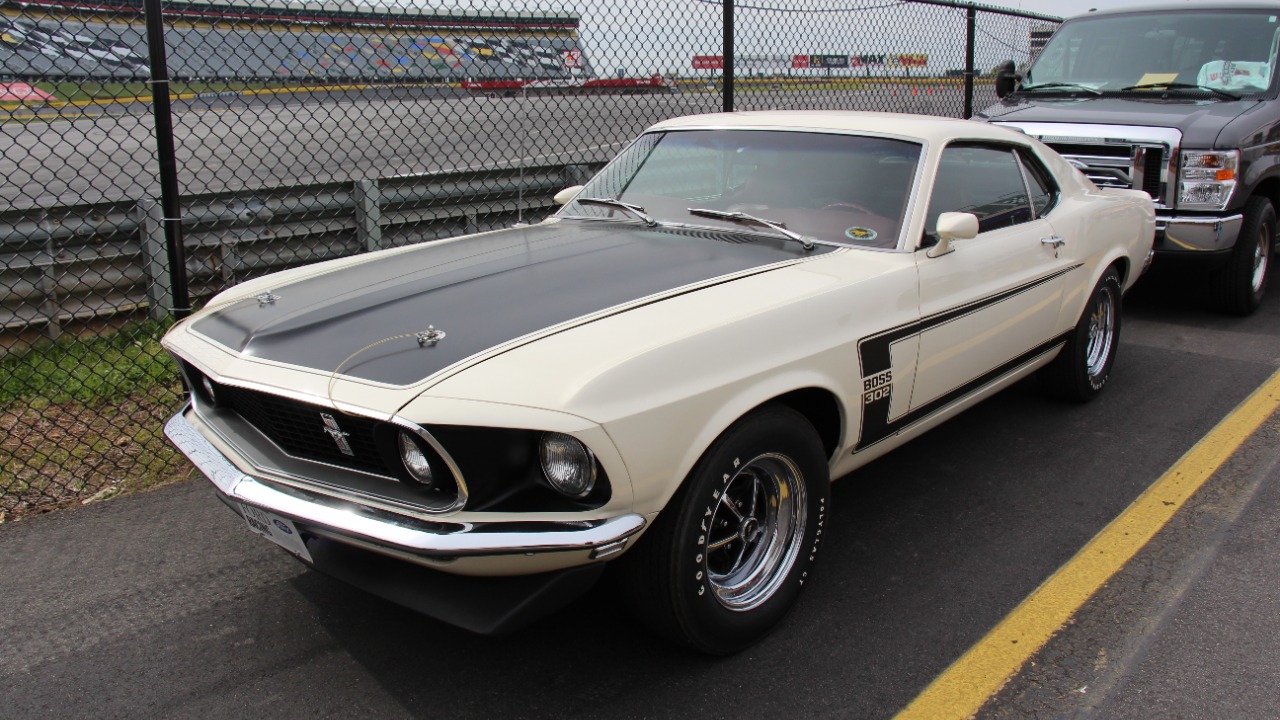
The Ford Mustang Boss 429 was born from NASCAR homologation requirements. Created by Ford Motor Company, it housed a massive semi-hemispherical 429-cubic-inch V8 designed for high-rpm breathing. Specially modified front suspension components were needed just to fit the engine inside the Mustang’s body. Subtle graphics and restrained chrome details hid serious racing pedigree beneath the surface. The Boss 429 helped elevate the Mustang from pony car to true muscle legend.
Buick GSX

The Buick GSX surprised rivals by combining refinement with outrageous torque. Produced by Buick, it featured the Stage 1 455 V8 delivering 510 lb-ft of torque, one of the highest ratings of its era. Bright paint colors and bold striping contrasted with Buick’s traditionally conservative image. Chrome accents framed a body that looked composed but concealed serious straight-line muscle. The GSX demonstrated that even comfort-oriented brands could dominate during the chrome era.
Oldsmobile 442
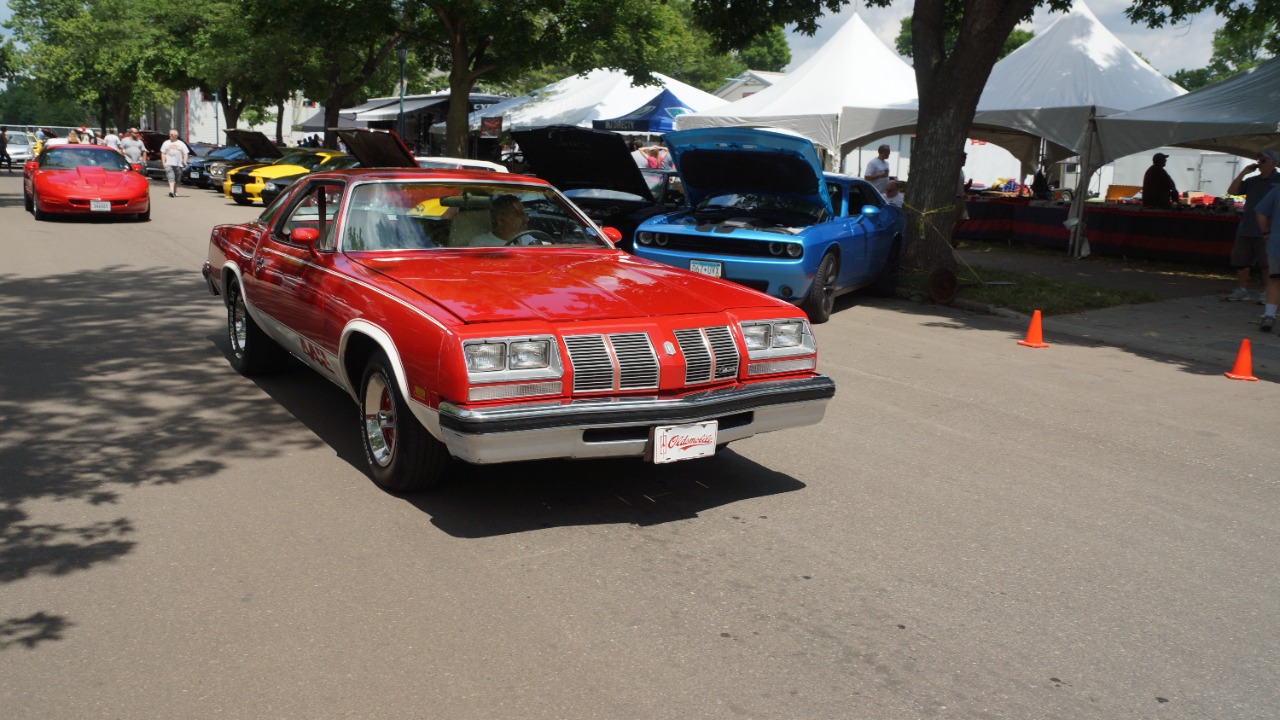
The Oldsmobile 442 carved its own identity within General Motors’ performance hierarchy. Built by Oldsmobile, early models referenced four-barrel carburetion, four-speed transmission, and dual exhaust, later evolving into full big-block power. The 455-cubic-inch V8 delivered formidable acceleration while maintaining a slightly upscale interior feel. Chrome trim highlighted crisp body lines without overwhelming the design. The 442 helped cement the idea that multiple brands could compete fiercely under one corporate umbrella during muscle’s golden age.
More from Fast Lane Only