Modern supercar culture was shaped not only by raw speed, but by bold engineering decisions and design risks that redefined what performance meant. Across Italy, Germany, France, Sweden, and the UK, certain European sports cars reset expectations and forced rivals to respond. These machines blended racing ambition, cutting-edge materials, and unmistakable style, creating the blueprint modern supercars still follow today.
Lamborghini Murciélago
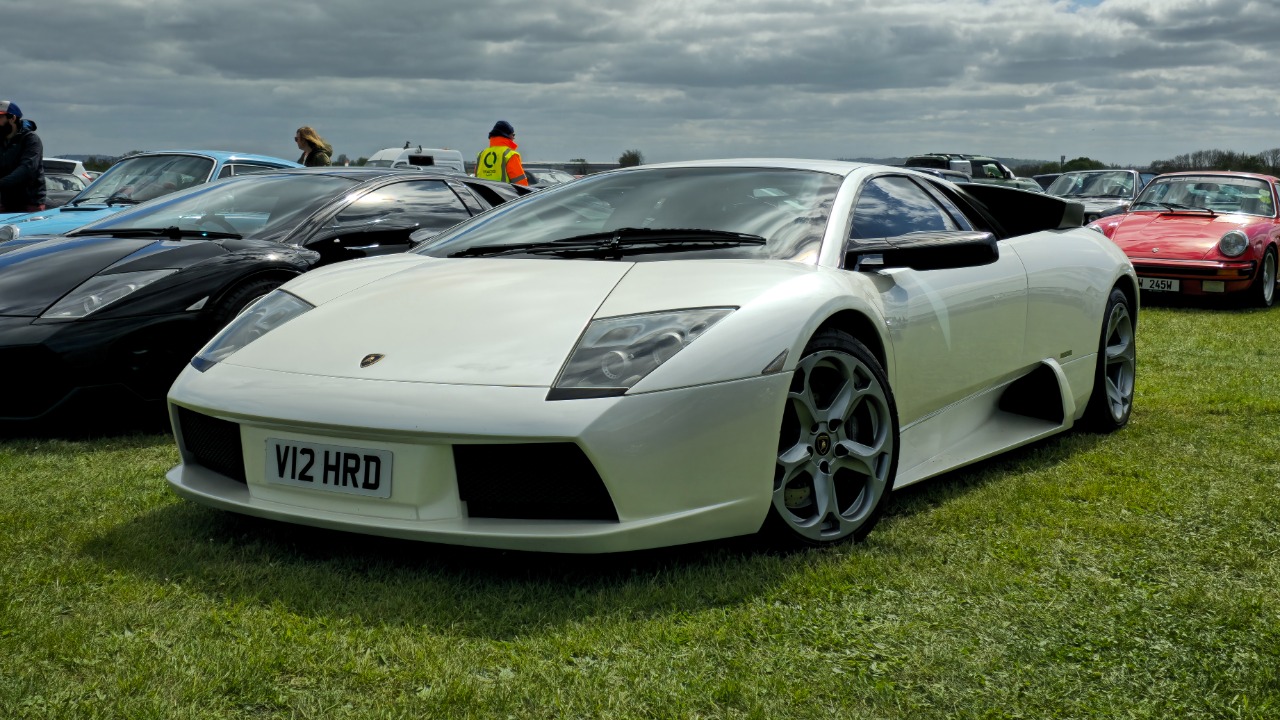
The Lamborghini Murciélago marked the first flagship developed under Audi ownership, blending Italian drama with newfound German precision. Built by Lamborghini, it retained a naturally aspirated 6.2- and later 6.5-liter V12 that delivered thunderous acceleration and a top speed beyond 205 mph. Its active rear spoiler and cooling intakes signaled a shift toward aerodynamics as visible theater, not hidden science. The Murciélago LP640 and SV variants sharpened handling while preserving the brand’s signature scissor-door spectacle. It proved that supercars could be both emotionally outrageous and structurally sophisticated in the modern era.
Ferrari 458 Italia
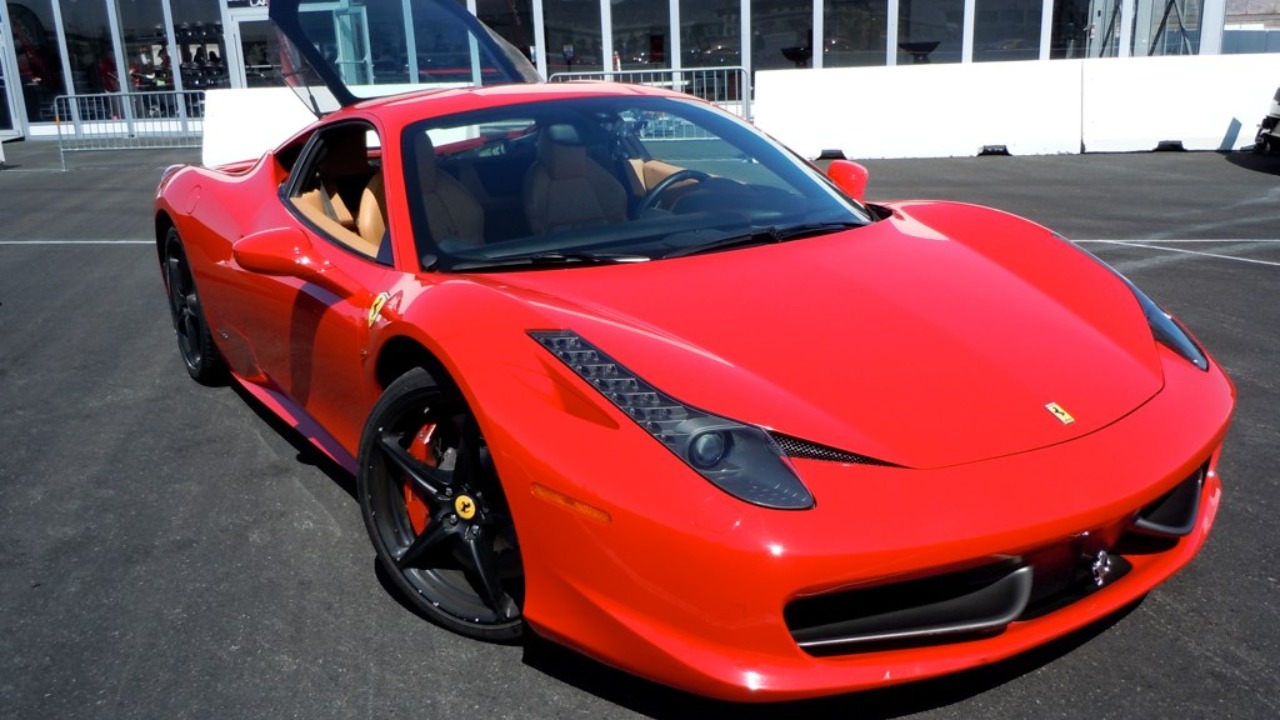
When the Ferrari 458 Italia debuted, it immediately reset the benchmark for mid-engine V8 performance. Developed by Ferrari, its 4.5-liter naturally aspirated V8 revved to 9,000 rpm and delivered razor-sharp throttle response that enthusiasts still revere. The dual-clutch transmission shifted faster than any manual could manage, cementing the paddle-shift era as permanent. Advanced aerodynamics, including a flexible front wing, demonstrated how Formula 1 knowledge filtered into road cars. The 458 balanced usability with explosive performance, influencing nearly every rival supercar that followed in the 2010s.
Porsche 918 Spyder
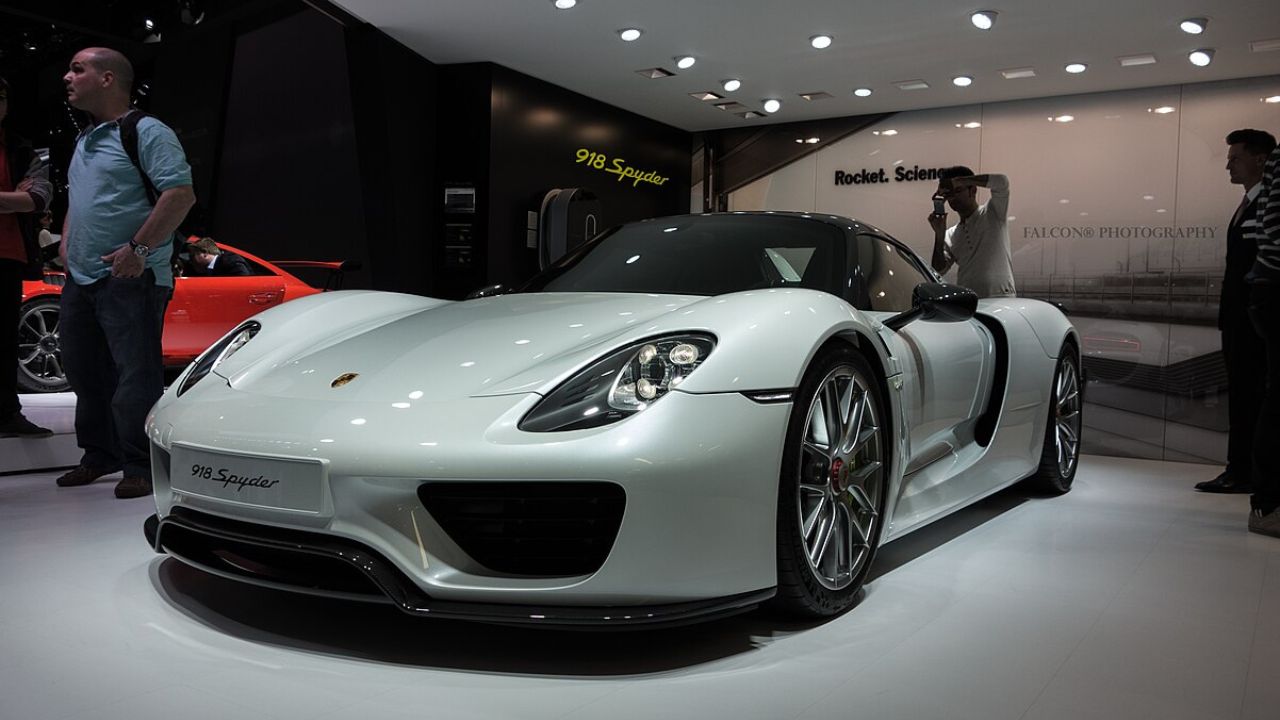
The Porsche 918 Spyder didn’t just chase performance figures; it redefined what hybrid technology could accomplish in a halo car. Created by Porsche, it paired a high-revving 4.6-liter V8 with twin electric motors to produce 887 horsepower and astonishing off-the-line acceleration. All-wheel drive and torque vectoring gave it clinical precision, while plug-in capability hinted at an electrified future. Its Nürburgring record run validated hybrid systems as performance enhancers rather than compromises. The 918 forced the industry to treat electrification as an advantage in the supercar hierarchy.
McLaren MP4-12C
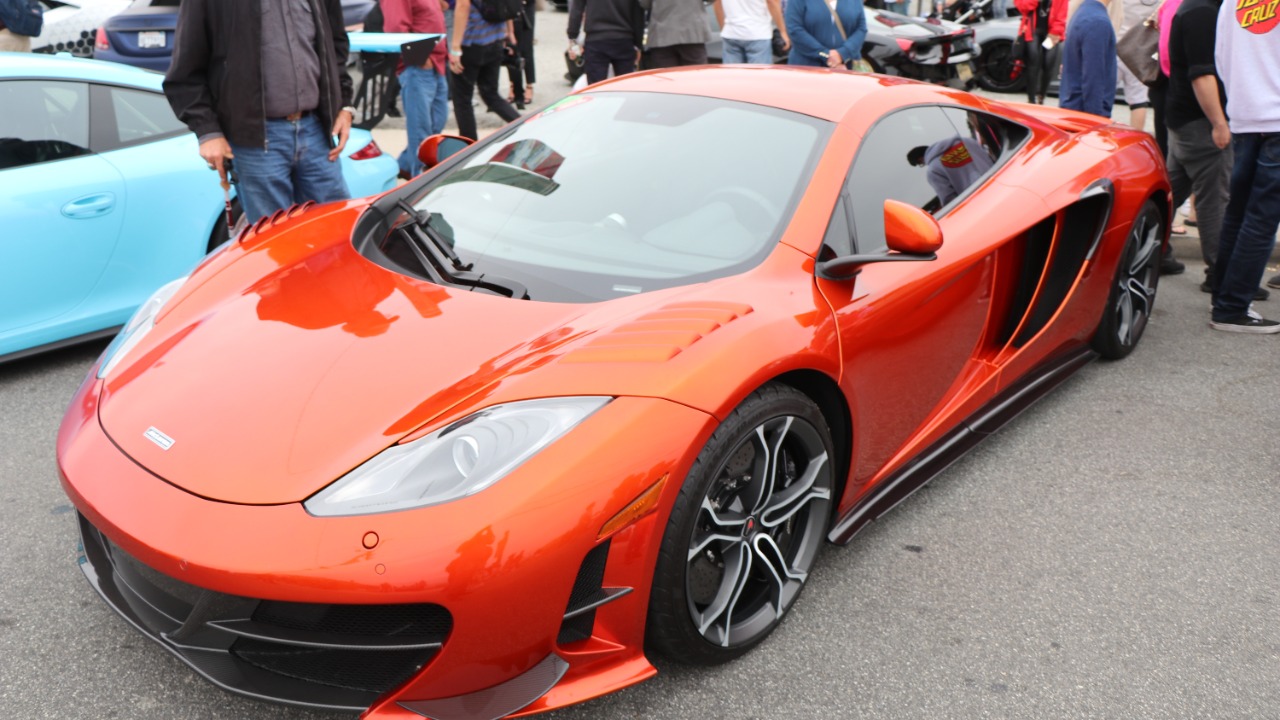
The MP4-12C was the car that relaunched McLaren Automotive as a serious road-car manufacturer. Featuring a carbon-fiber MonoCell chassis and a twin-turbocharged 3.8-liter V8, it prioritized lightweight engineering and chassis balance over flashy excess. Its ProActive suspension system eliminated traditional anti-roll bars, delivering remarkable composure on road and track. Though early critics debated its styling restraint, its performance figures rivaled established Italian icons. The MP4-12C introduced a technology-first philosophy that became a defining trait of modern British supercars.
Bugatti Veyron 16.4
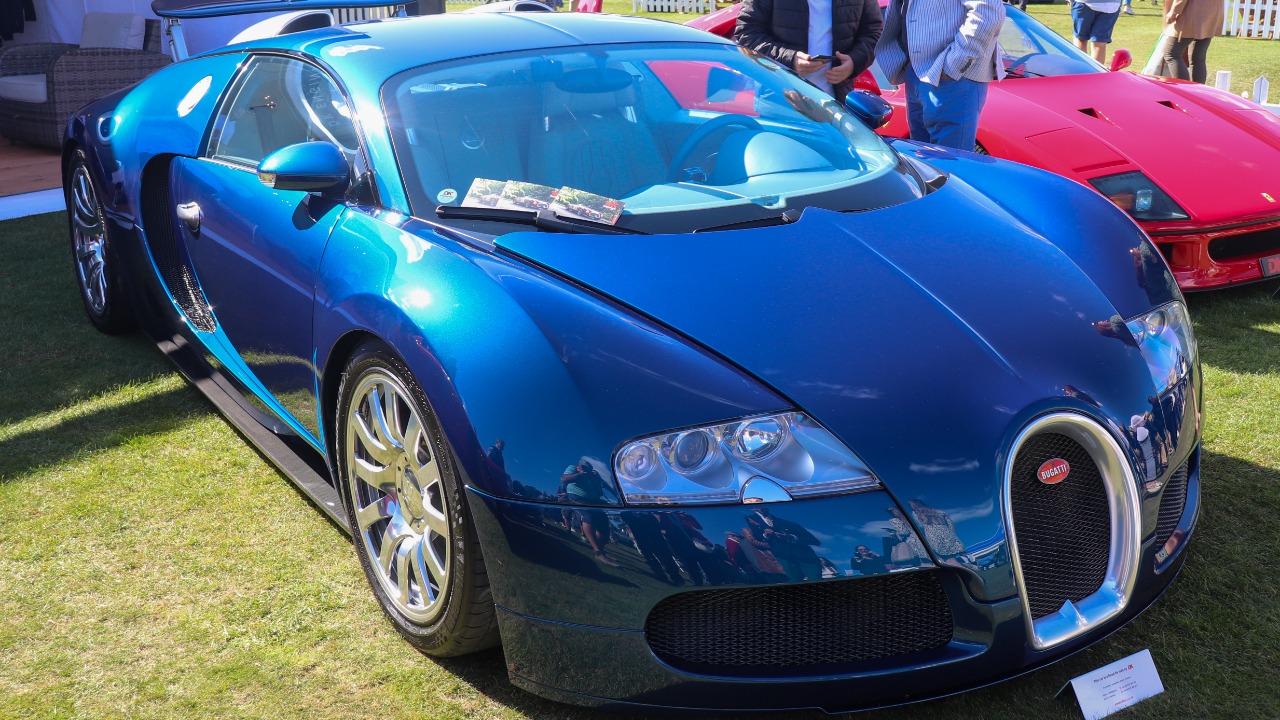
The Bugatti Veyron 16.4 turned the concept of “enough power” into an afterthought. Engineered by Bugatti under Volkswagen Group ownership, it packed an 8.0-liter quad-turbocharged W16 producing 1,001 horsepower. Achieving over 250 mph required unprecedented advances in cooling, aerodynamics, and tire development. The Veyron proved that hypercar performance could be paired with leather-lined luxury and everyday drivability. It reshaped public perception of what was mechanically possible and sparked a horsepower war that continues today.
Koenigsegg Agera
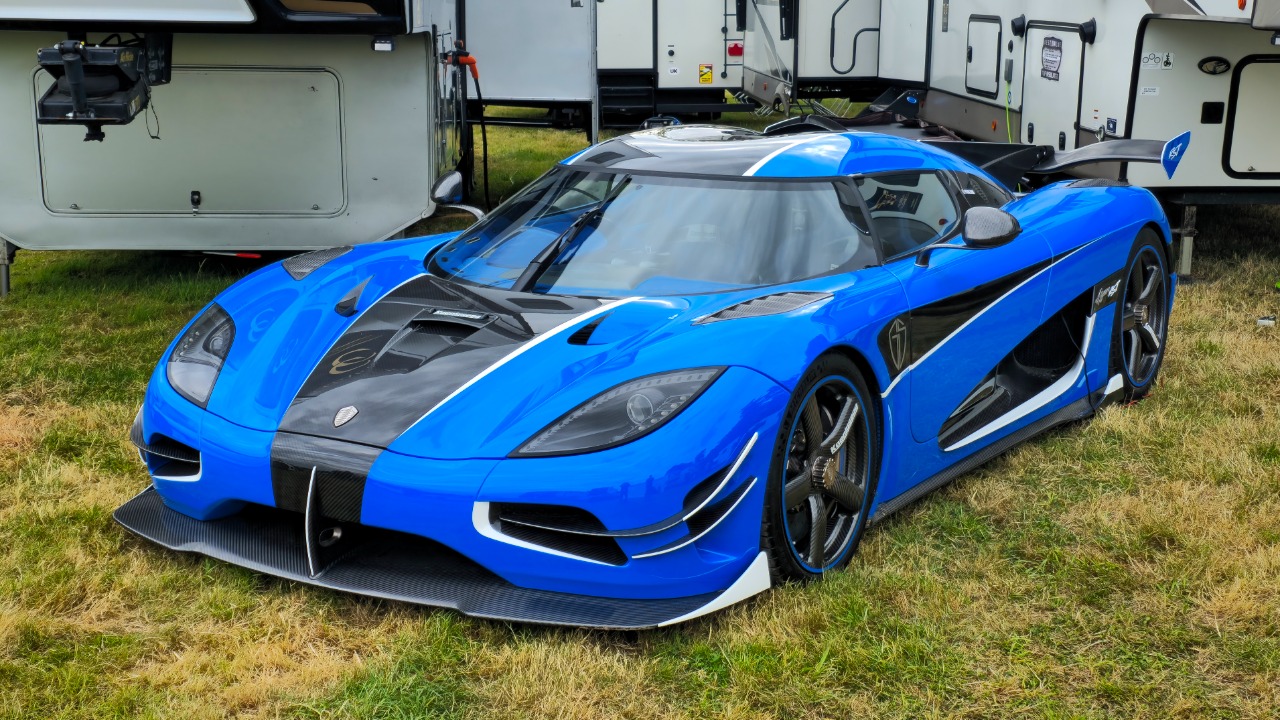
The Koenigsegg Agera represented Scandinavian disruption in a field long dominated by Italy and Germany. Built by Koenigsegg, it used a twin-turbocharged 5.0-liter V8 to chase and claim multiple speed and acceleration records. Carbon-fiber construction, active aerodynamics, and innovative engineering solutions highlighted its independent spirit. The Agera RS, in particular, demonstrated that small manufacturers could outpace corporate giants. Its relentless pursuit of measurable performance milestones became central to modern hypercar culture.
Aston Martin One-77
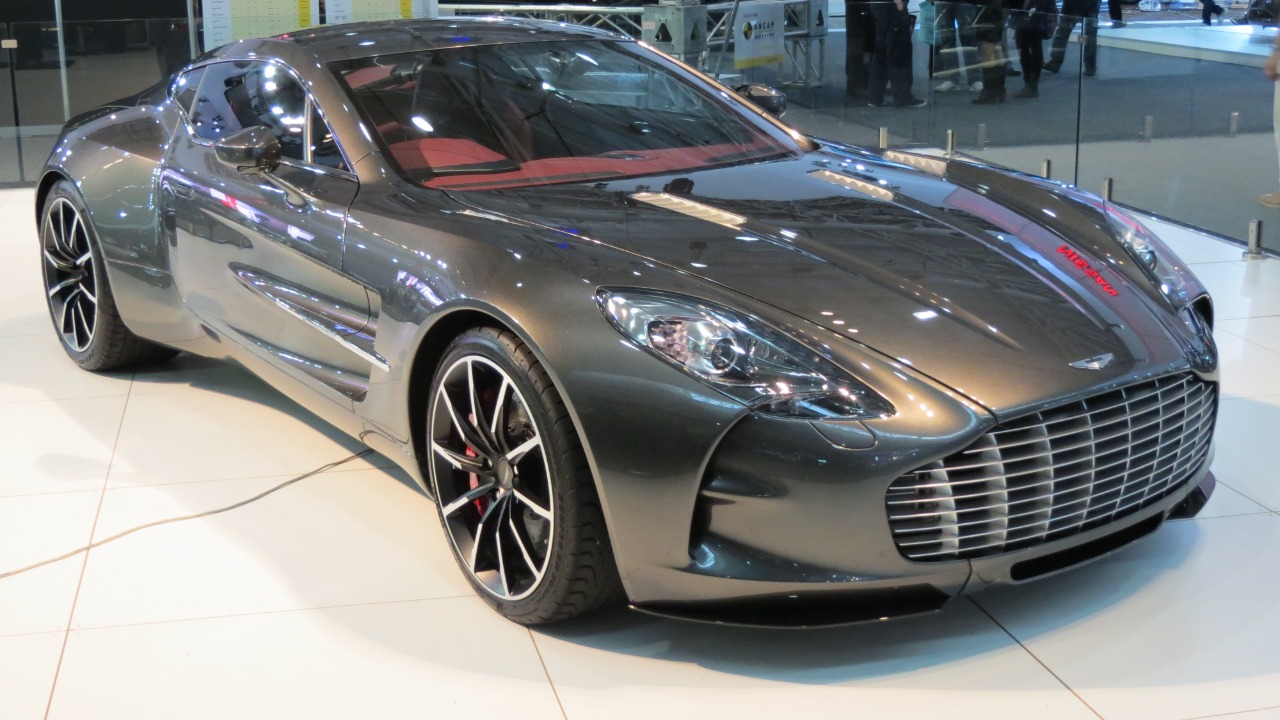
The Aston Martin One-77 fused traditional craftsmanship with extreme exclusivity. Produced in a limited run by Aston Martin, it featured a naturally aspirated 7.3-liter V12 delivering 750 horsepower. Hand-formed aluminum body panels wrapped a carbon-fiber monocoque, blending old-world artistry with advanced engineering. Performance matched its beauty, with a top speed exceeding 220 mph. The One-77 reinforced the idea that supercars could be rolling sculptures without sacrificing brutal capability.
Pagani Huayra
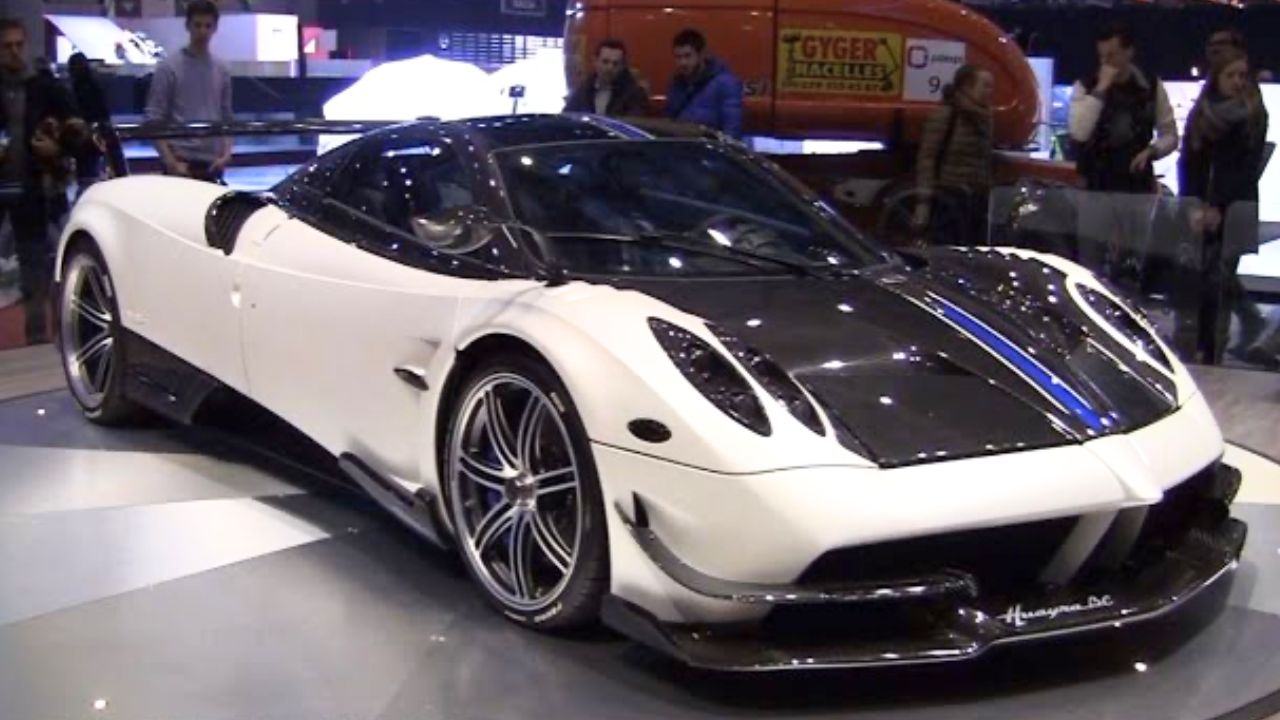
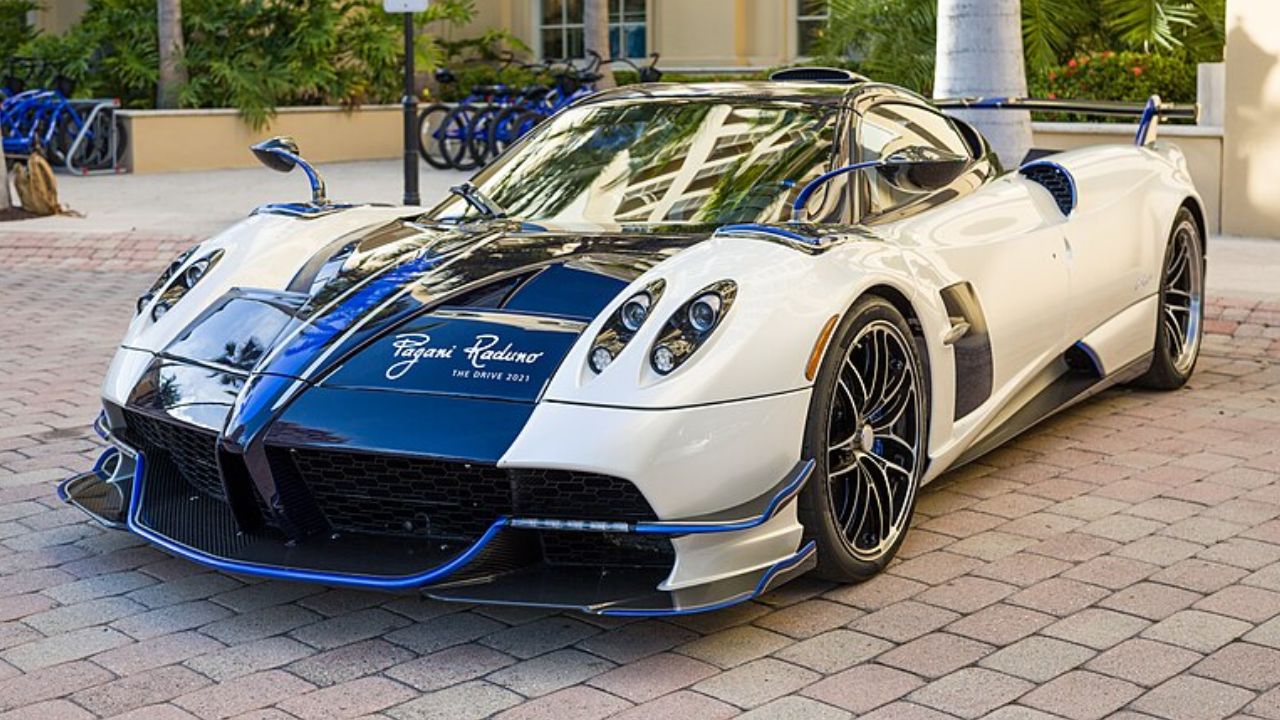
The Pagani Huayra elevated obsessive detail into a defining trait of modern supercars. Created by Pagani, it used a twin-turbocharged V12 supplied by AMG to deliver immense torque and dramatic acceleration. Active aero flaps adjusted independently, giving the car a kinetic personality even at rest. Inside, exposed carbon fiber met hand-polished metal components in an almost horological display of craftsmanship. The Huayra showed that individuality and artistry could stand alongside record-breaking performance in contemporary supercar culture.
Audi R8 V10
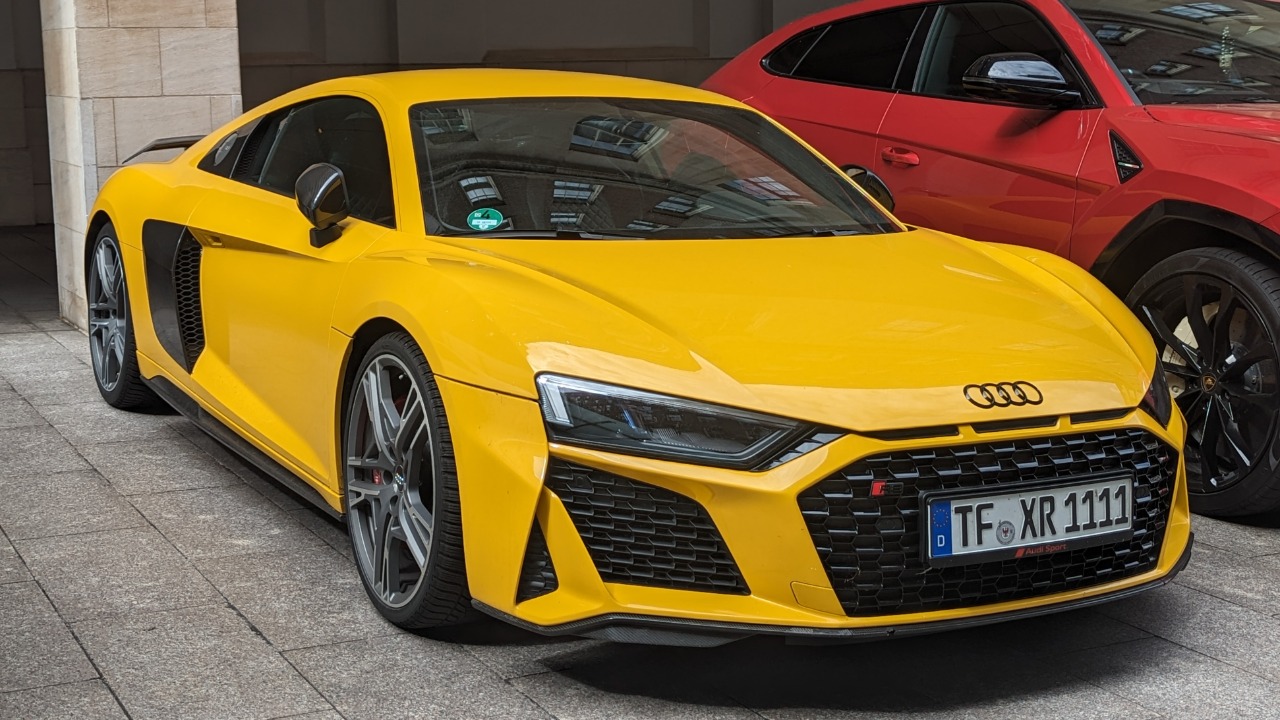
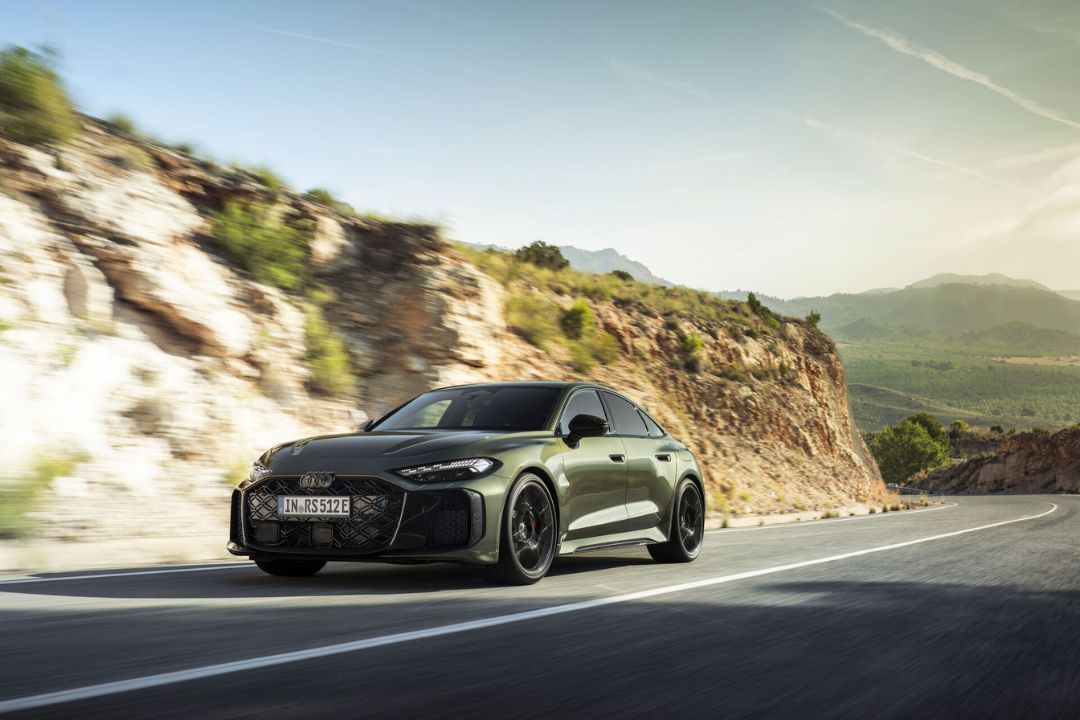
The Audi R8 V10 proved that a supercar could emerge from a brand better known for executive sedans and rally heritage. Developed by Audi, it shared components with Lamborghini yet maintained its own restrained design identity. The naturally aspirated V10 delivered thrilling sound and dependable performance, while quattro all-wheel drive ensured confidence in varied conditions. Magnetic Ride suspension balanced comfort with precision. The R8 expanded supercar ownership to buyers who wanted usability without sacrificing genuine exotic credentials.
Mercedes-Benz SLS AMG
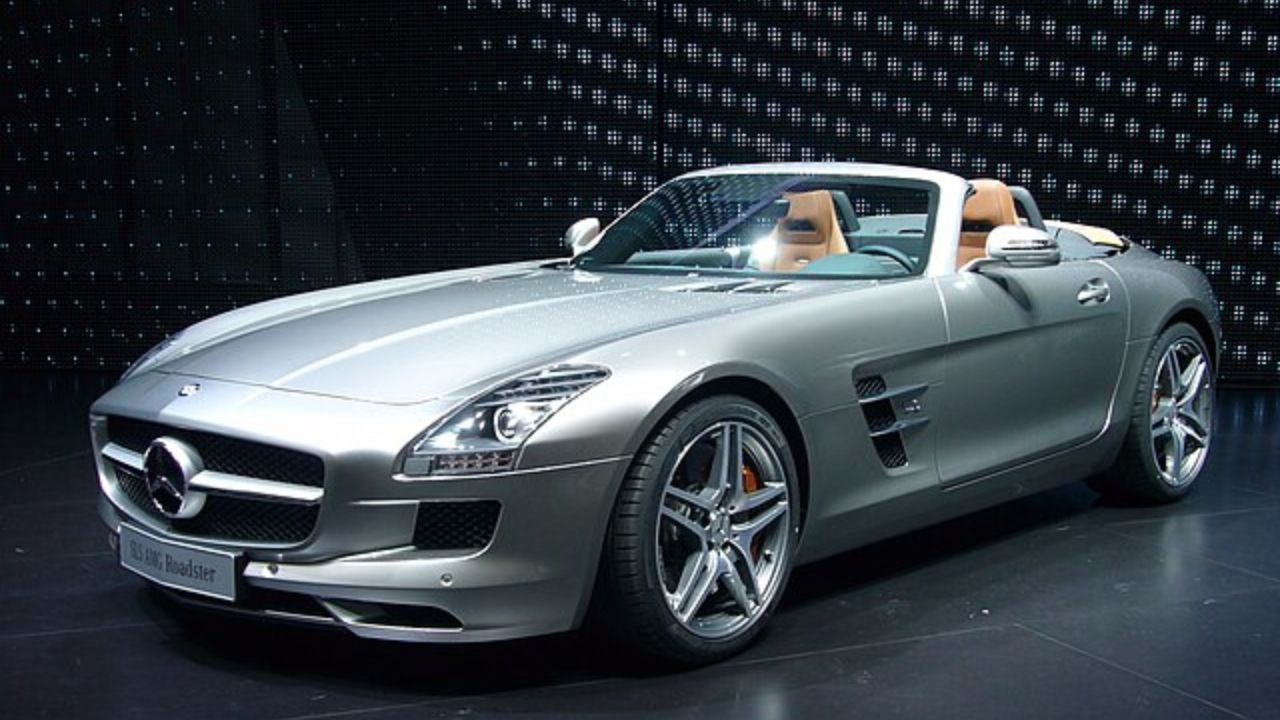
The Mercedes-Benz SLS AMG revived gullwing doors while delivering thoroughly modern performance. Built by Mercedes-Benz and its AMG division, it featured a front-mid-mounted 6.2-liter naturally aspirated V8 producing 563 horsepower. Its long hood and rearward cabin paid homage to the 300SL, yet the aluminum spaceframe kept weight in check. The SLS combined muscular character with refined engineering, broadening the emotional range of contemporary supercars. It reminded the industry that heritage and innovation could coexist in defining modern performance culture.
More from Fast Lane Only