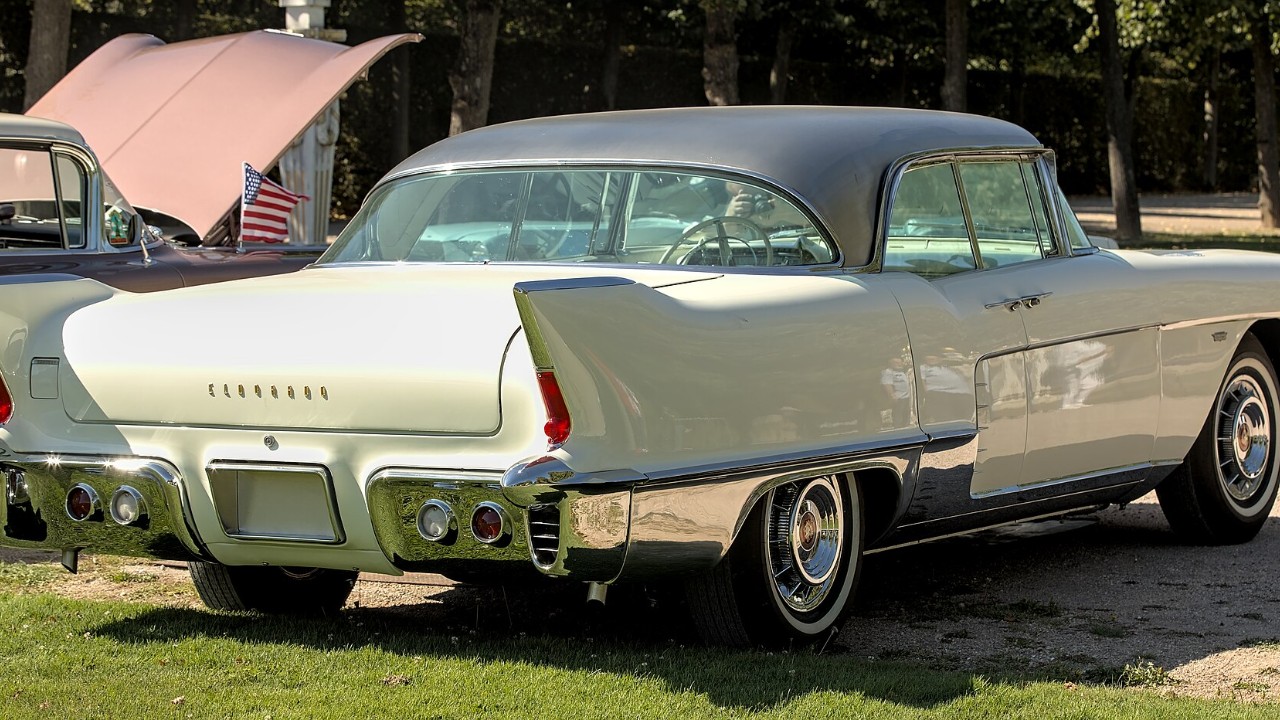
The 1960s transformed American performance from spirited driving into an all-out horsepower war that reshaped Detroit forever. Automakers discovered that dropping big engines into midsize platforms created affordable speed with massive appeal. What began as clever engineering quickly escalated into a cultural movement centered on quarter-mile times and V8 dominance. These seven muscle cars didn’t just participate in the revolution—they ignited it, forcing every major manufacturer to chase bigger numbers and louder reputations.
Pontiac GTO
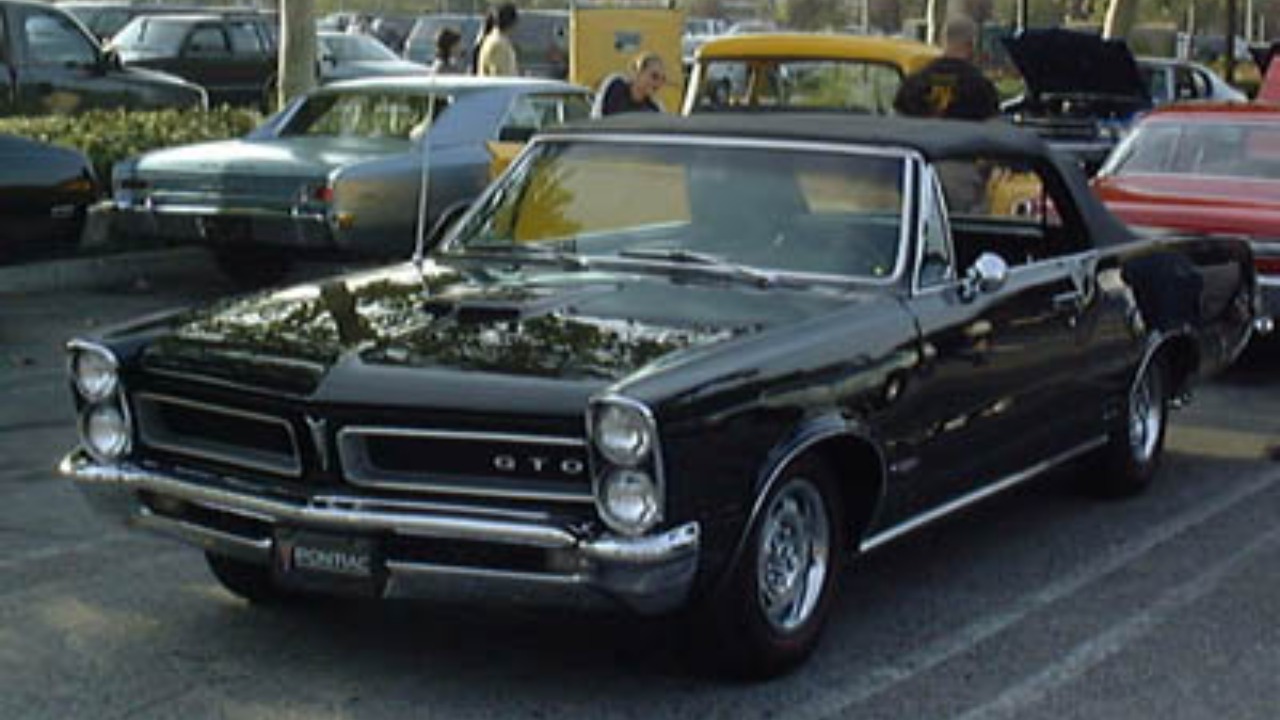
The 1964 Pontiac GTO is widely credited with launching the modern muscle car formula by pairing a 389 cubic-inch V8 with a midsize Tempest body. Its accessible pricing and strong torque output made high performance attainable for younger buyers. Marketing emphasized street credibility rather than luxury, shifting focus toward acceleration. Sales exceeded expectations, proving demand for big-engine intermediates was real. The GTO’s success pressured competitors to respond quickly, effectively triggering Detroit’s horsepower escalation and establishing a blueprint that would dominate showroom battles for the rest of the decade.
Chevrolet Chevelle SS 396
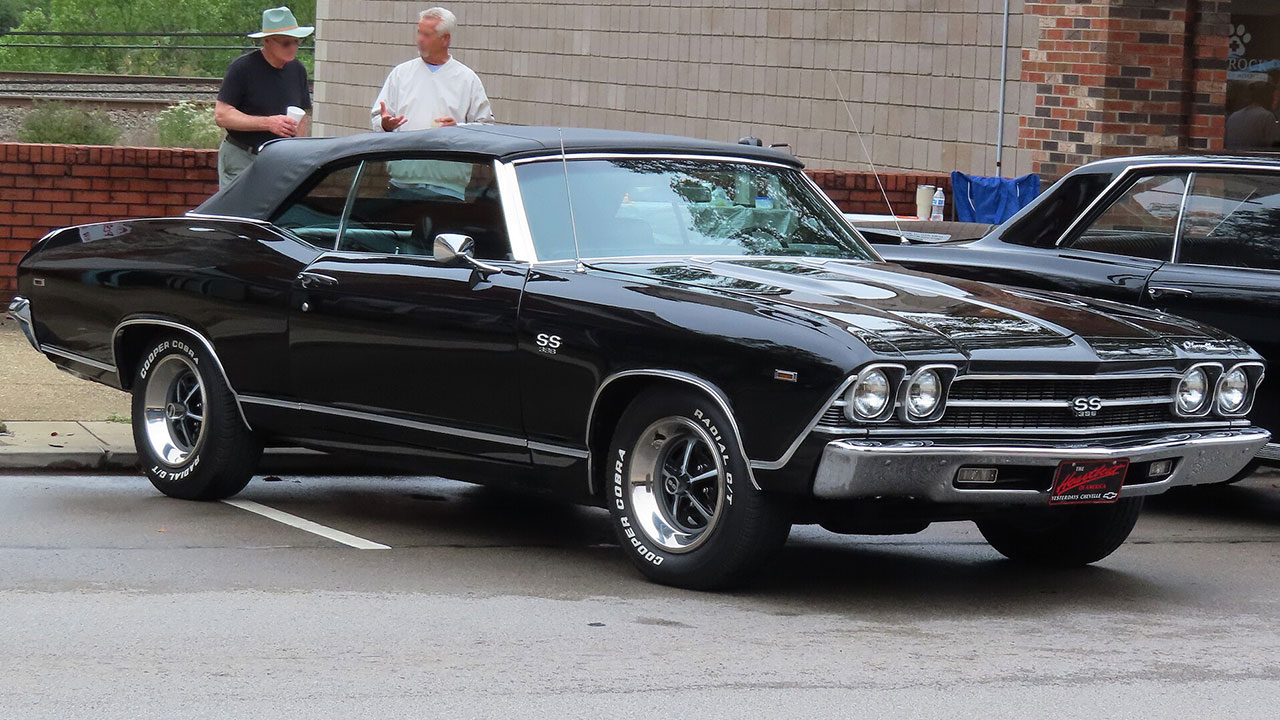
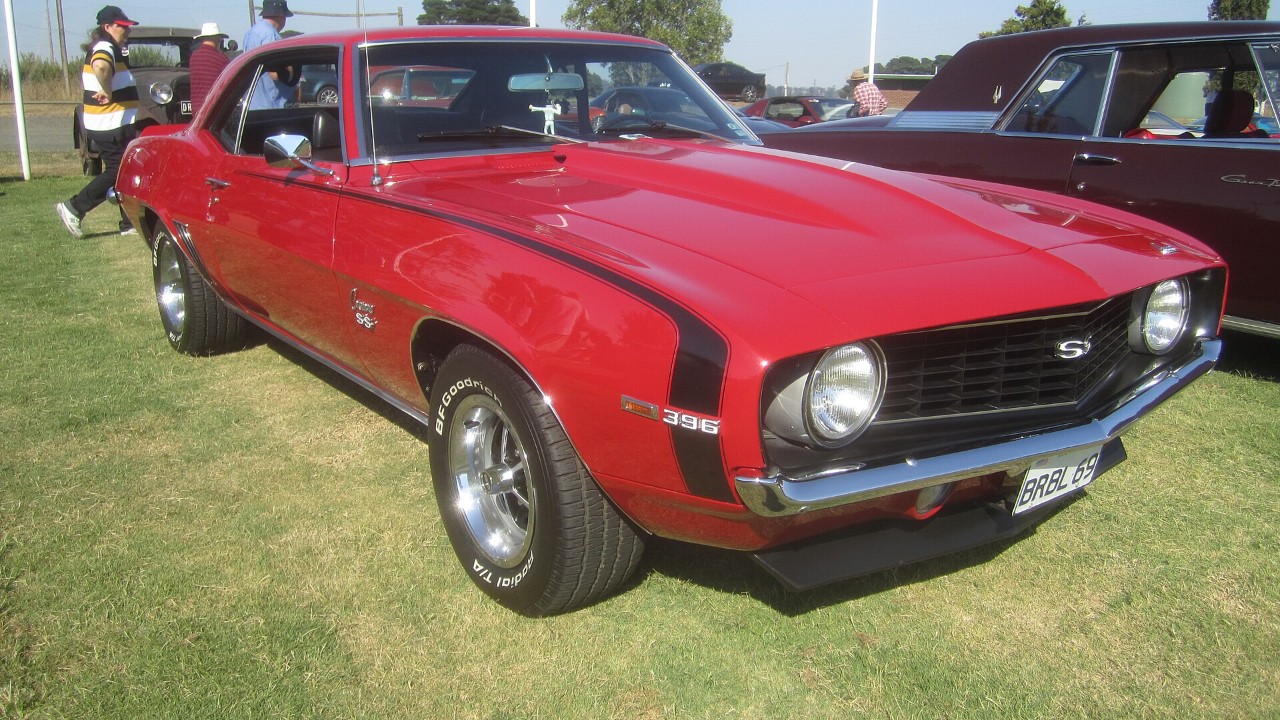
The Chevelle SS 396 amplified the formula by offering serious big-block power in a clean, understated body. Its 396 cubic-inch V8 delivered strong quarter-mile capability, pushing Chevrolet firmly into the muscle spotlight. Unlike flashier rivals, the Chevelle combined everyday usability with brutal straight-line performance. Buyers appreciated that it could serve as family transportation during the week and a drag strip threat on weekends. Its popularity reinforced the viability of factory-installed big-block engines, accelerating Detroit’s competitive push toward ever-increasing displacement and output.
Dodge Charger R/T
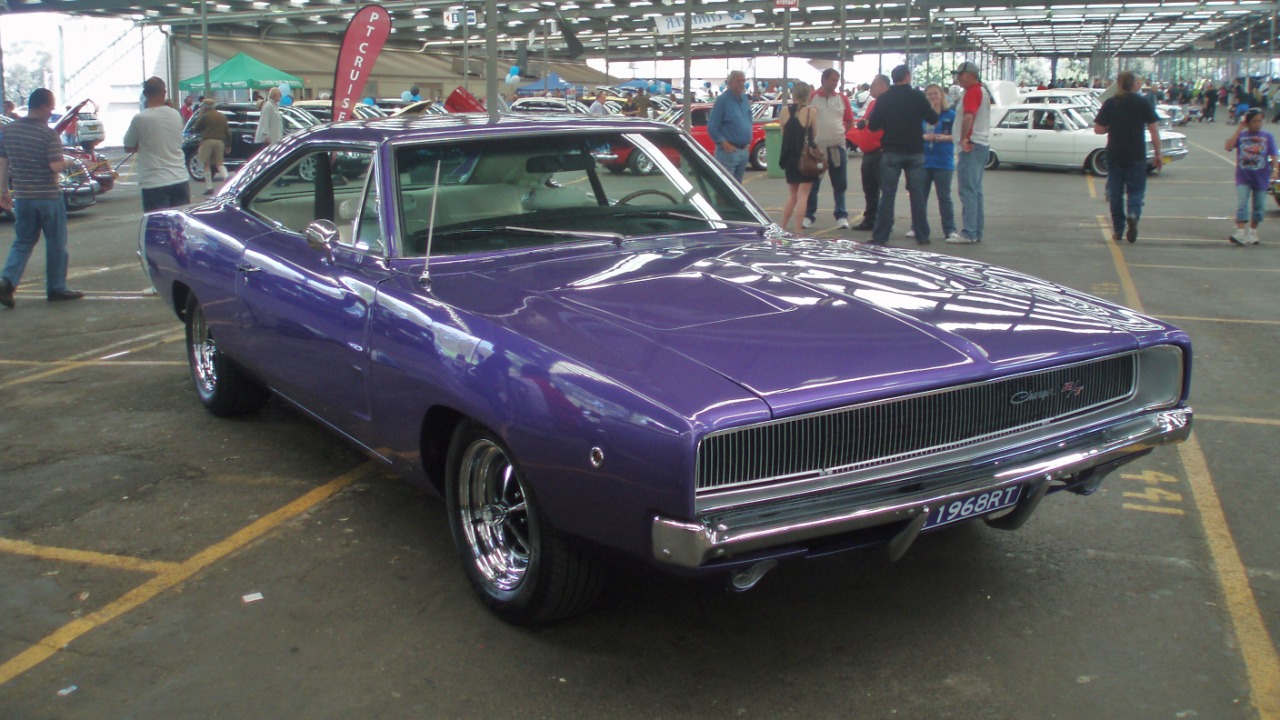
The 1968 Dodge Charger R/T blended dramatic fastback styling with available 440 Magnum and 426 Hemi power. Its aggressive grille and hidden headlights created instant road presence, while massive torque defined its personality. Dodge leaned heavily into performance branding, aligning the Charger with NASCAR success. Buyers were drawn to its balance of comfort and intimidation. The Charger’s combination of design flair and raw output intensified the horsepower rivalry, proving that visual impact and big-block muscle could coexist in a single dominant package.
Ford Mustang Boss 429
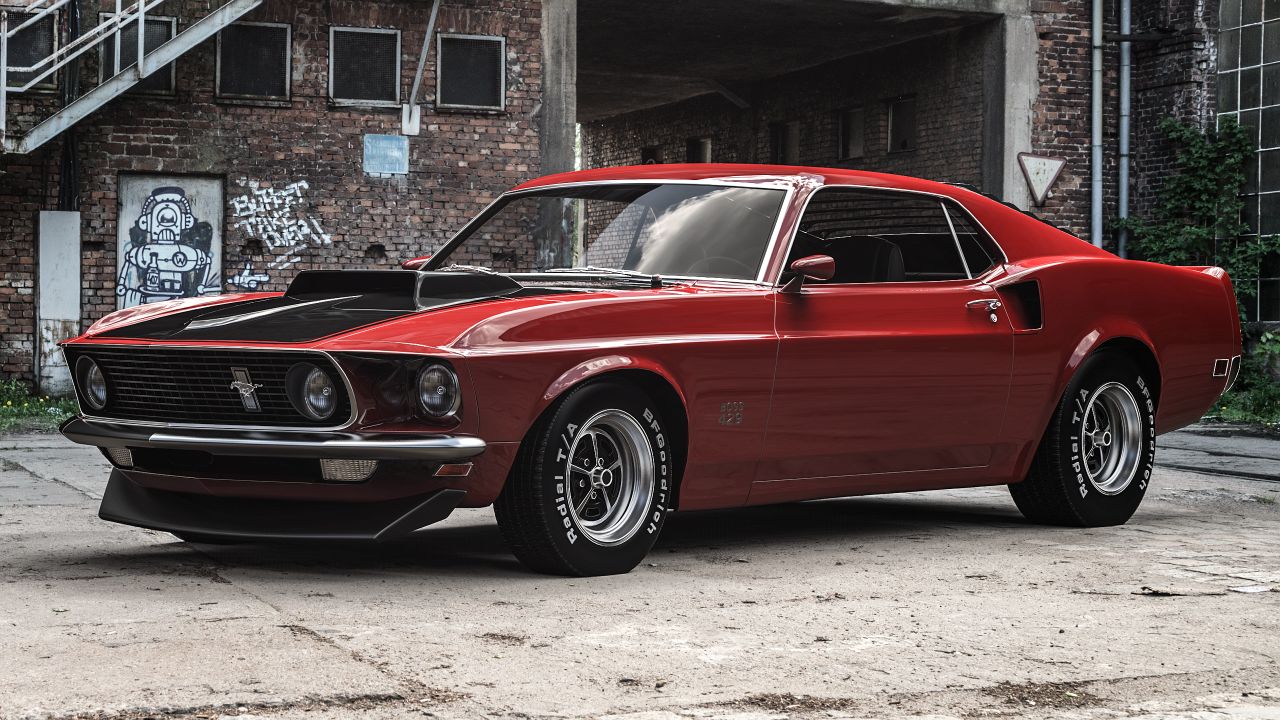
The Mustang Boss 429 represented Ford’s determination to compete at the highest levels of performance and racing homologation. Built to accommodate the massive 429 cubic-inch engine, it required significant chassis modifications. Official horsepower ratings understated its true capability, adding to its mystique. Though produced in limited numbers, it became a symbol of Ford’s engineering ambition. The Boss 429 demonstrated that Detroit’s horsepower race had moved beyond marketing gimmicks into serious mechanical escalation, with manufacturers willing to build specialized machines to claim bragging rights.
Plymouth Road Runner

The Plymouth Road Runner simplified the muscle concept by stripping away luxury and focusing on affordable speed. Standard big-block power and minimal frills kept pricing competitive, attracting buyers who valued acceleration over refinement. Its playful branding and cartoon mascot contrasted with its serious quarter-mile credentials. The Road Runner’s commercial success validated the idea that performance didn’t need upscale trim to sell. By prioritizing raw power at a reasonable cost, it fueled Detroit’s horsepower surge and expanded the muscle car audience significantly.
Oldsmobile 442

The Oldsmobile 442 entered the scene with a potent V8, upgraded suspension, and distinctive badging that emphasized balanced performance. It appealed to drivers seeking both straight-line strength and improved handling. Oldsmobile positioned it as refined yet aggressive, bridging comfort and muscle. As output increased through the decade, the 442 gained credibility in street racing circles. Its presence added another serious contender to Detroit’s escalating battle, reinforcing that nearly every division within major automakers now embraced the horsepower revolution wholeheartedly.
AMC AMX
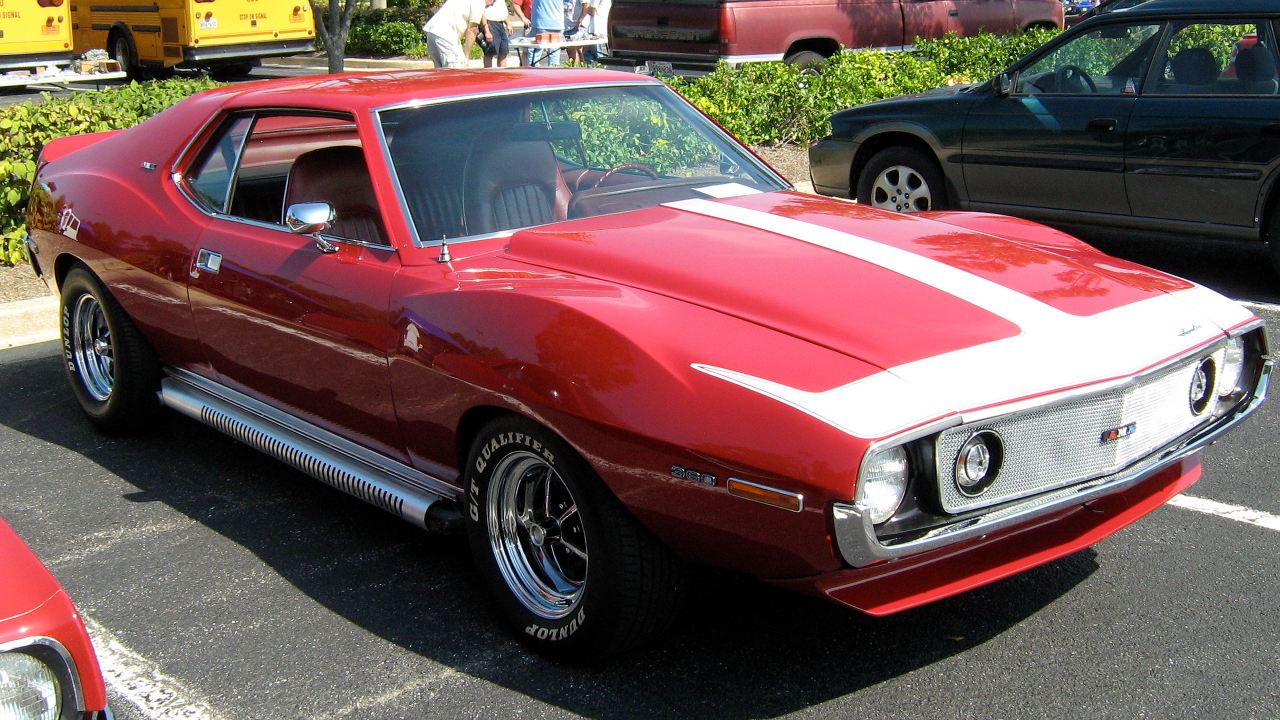
The AMC AMX proved that even smaller manufacturers could contribute to Detroit’s horsepower surge. Featuring a short wheelbase and available 390 cubic-inch V8, it delivered strong acceleration in a compact two-seat layout. Its bold proportions and aggressive stance differentiated it from larger competitors. AMC leveraged the AMX to build credibility against better-funded rivals. Though sales volumes were modest, its performance credentials were legitimate. The AMX’s existence underscored how widespread the horsepower revolution had become, drawing every domestic brand into the escalating pursuit of speed.
More from Fast Lane Only