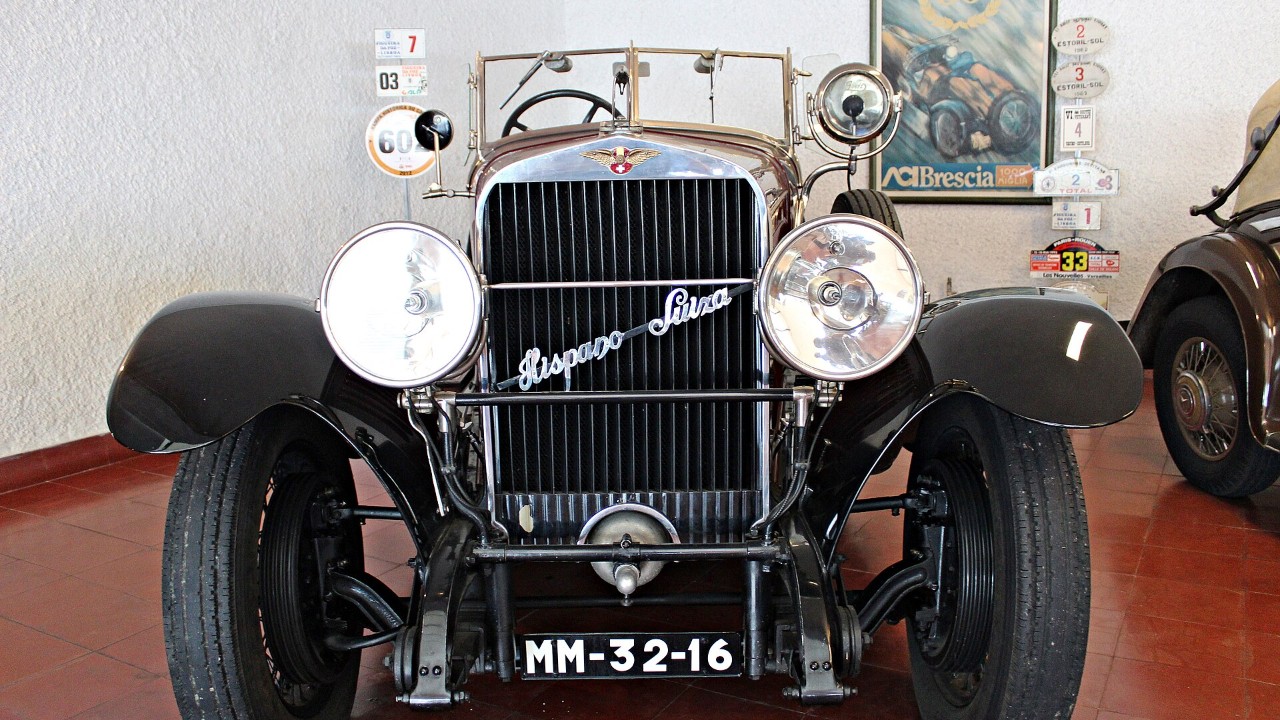
The greatest muscle cars of the late 1960s and early 1970s were built before modern electronics softened performance. They delivered massive horsepower, unpredictable traction, heavy steering, and thunderous sound without apology. Driving these machines demanded attention and respect because they could become overwhelming quickly. Decades later, they still feel wild, mechanical, and brutally honest compared to many modern performance cars.
Plymouth HEMI ’Cuda
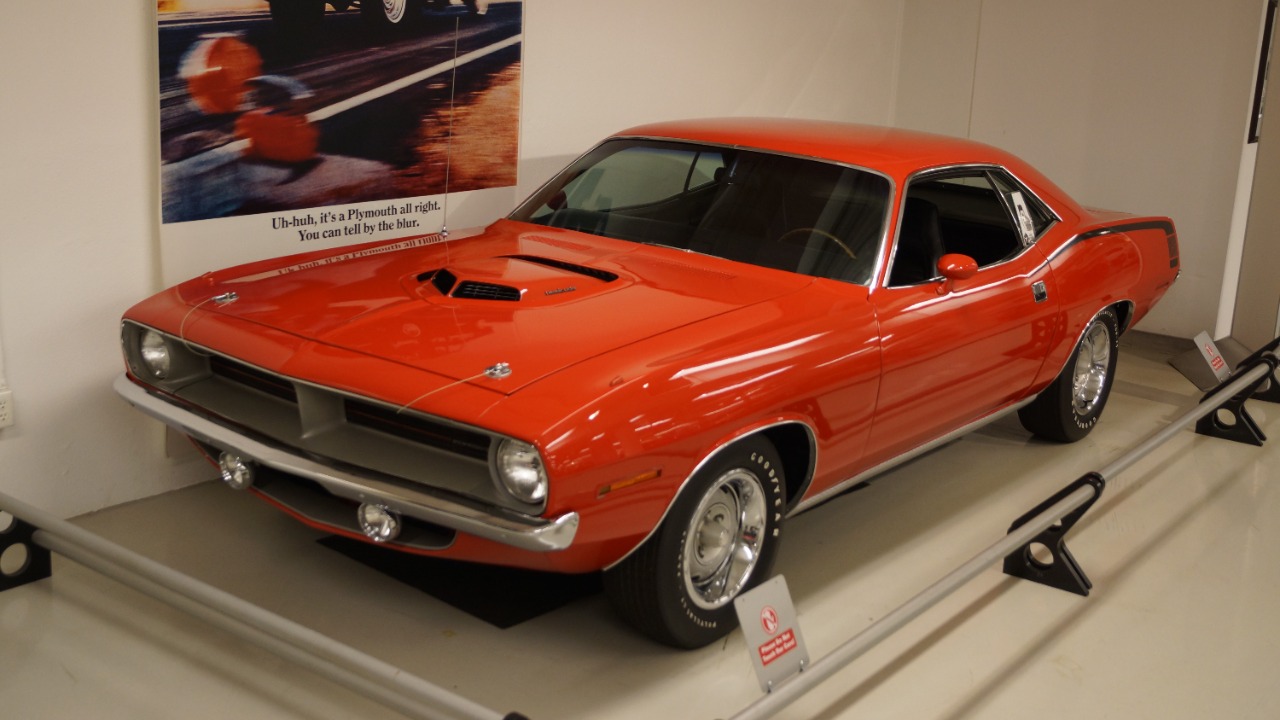
The Plymouth HEMI ‘Cuda remains one of the most intimidating street machines ever produced because its massive 426 HEMI V8 delivered brutal acceleration with almost no restraint. The car’s heavy clutch, thunderous exhaust note, and violent torque made every launch feel dramatic and slightly dangerous. Wide rear tires still struggled to contain the power under hard acceleration. Even today, the HEMI ’Cuda feels more like a barely controlled drag car than a refined road machine.
Chevrolet Chevelle SS 454 LS6
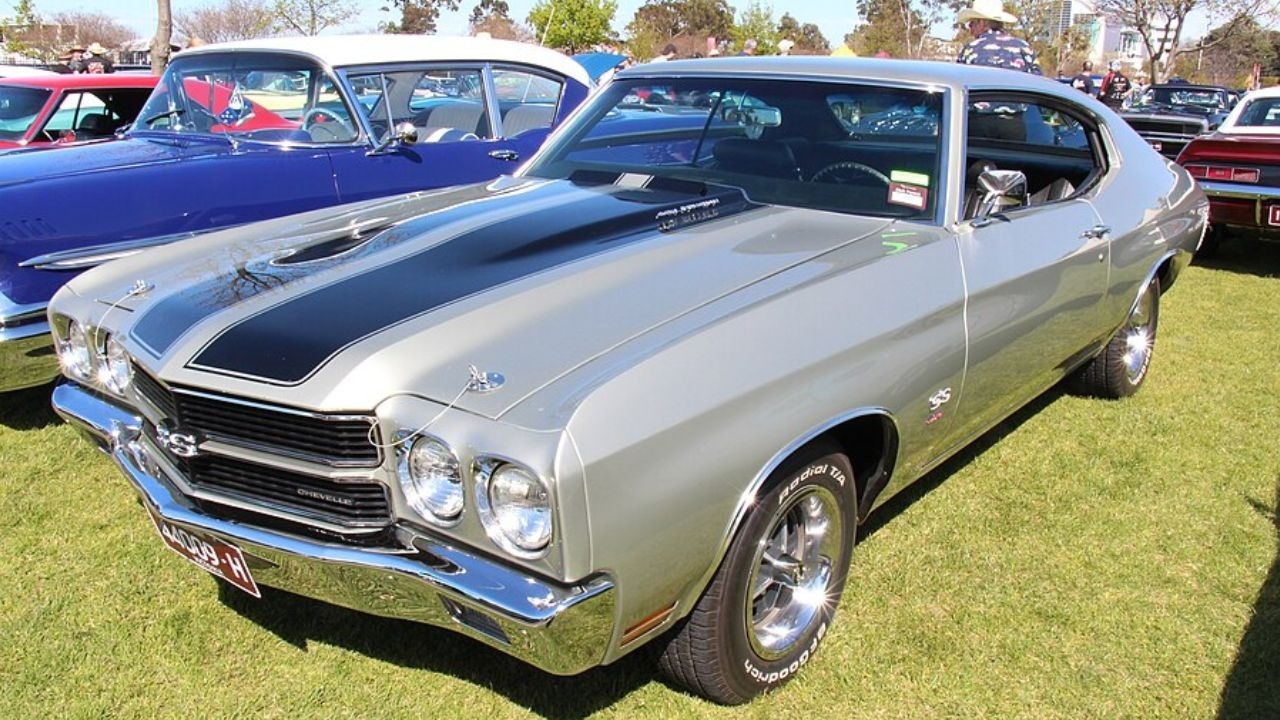
The Chevrolet Chevelle SS 454 LS6 earned legendary status through overwhelming big-block torque and savage straight-line speed. The LS6 engine transformed the Chevelle into a tire-shredding monster capable of shocking drivers unfamiliar with its power delivery. Steering and braking demanded effort, while the car’s massive torque constantly threatened traction. Its combination of simple styling and brutal performance created one of the rawest driving experiences of the muscle-car era.
Dodge Charger R/T 440 Six Pack
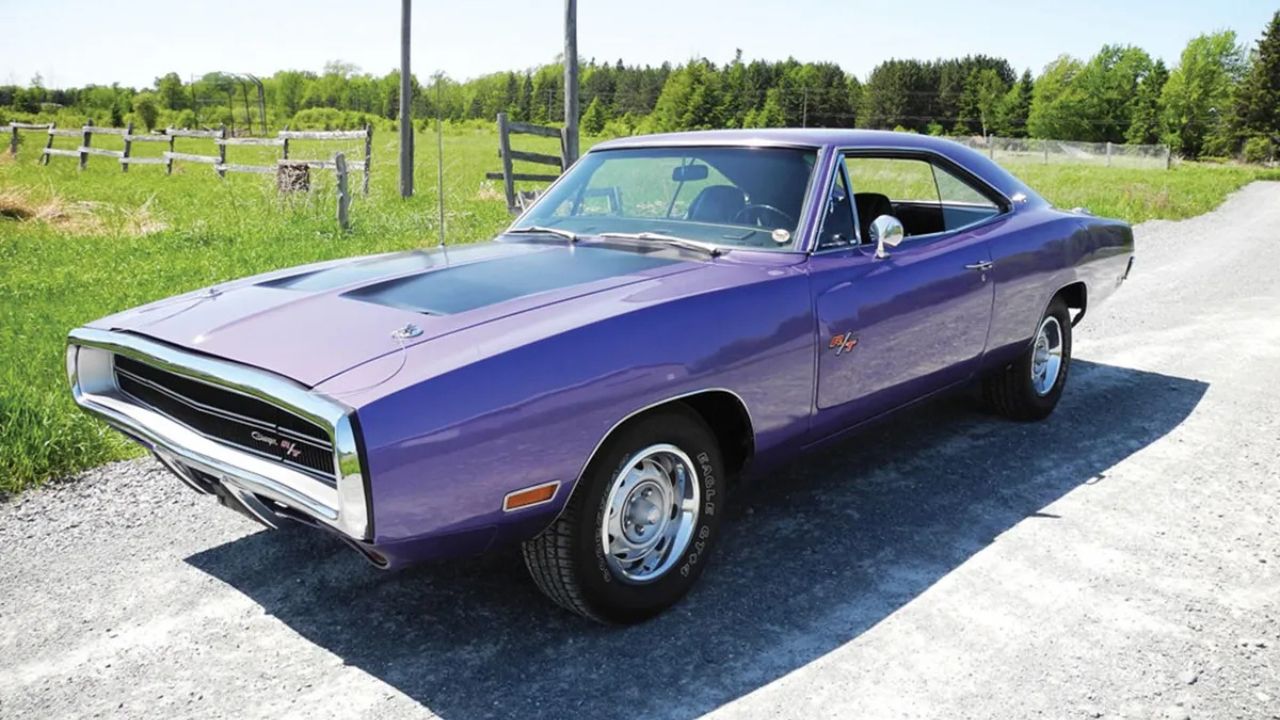
The Dodge Charger R/T 440 Six Pack captured the aggressive spirit of classic muscle through huge displacement and unmistakable road presence. Its 440 Six Pack V8 delivered relentless acceleration accompanied by one of the most intimidating exhaust sounds of the period. Long hoods, heavy controls, and unpredictable rear-wheel traction made the Charger feel powerful in an almost primitive way. The car demanded respect from drivers every time the throttle opened fully.
Pontiac GTO Judge Ram Air IV
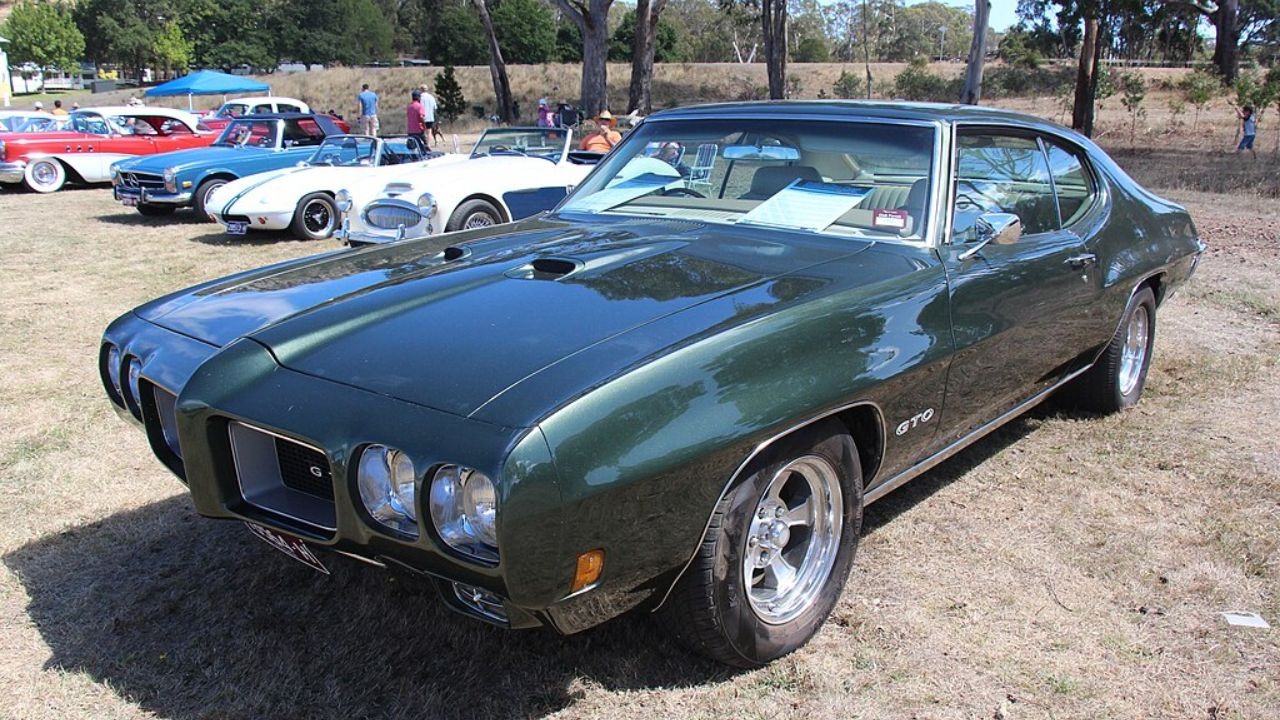
The Pontiac GTO Judge Ram Air IV combined aggressive styling with one of Pontiac’s fiercest high-revving V8 combinations. The Ram Air IV engine delivered serious top-end power that encouraged hard driving, while the car’s bold graphics and rear spoiler amplified its rebellious personality. Unlike many modern performance cars, the Judge constantly reminded drivers they were controlling a heavy machine filled with raw mechanical force. Its untamed nature remains part of its legendary appeal today.
Ford Mustang Boss 429
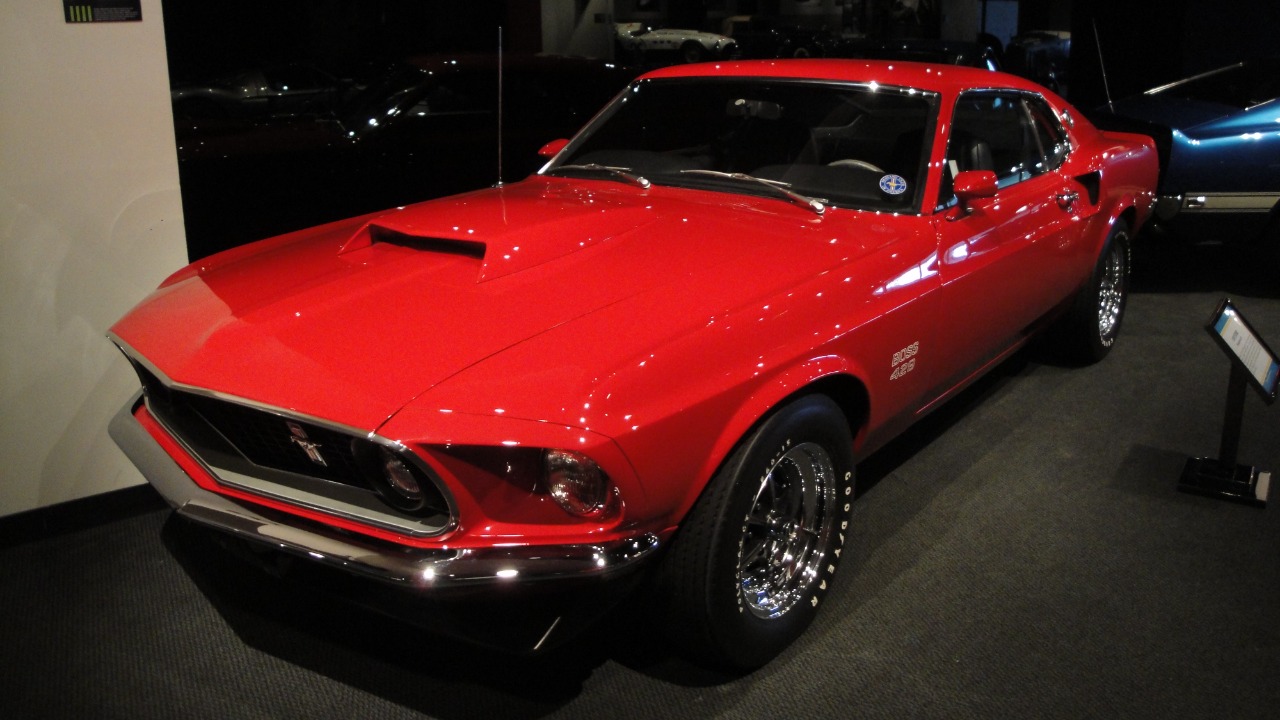
The Ford Mustang Boss 429 felt brutally mechanical because it was essentially a racing engine stuffed into a Mustang body. Designed to homologate Ford’s massive 429 semi-hemi engine for NASCAR competition, the car delivered immense power and intimidating road manners. Steering effort, clutch feel, and engine vibration constantly reminded drivers of its competition roots. The Boss 429 still feels like a barely civilized race machine disguised as a production car.
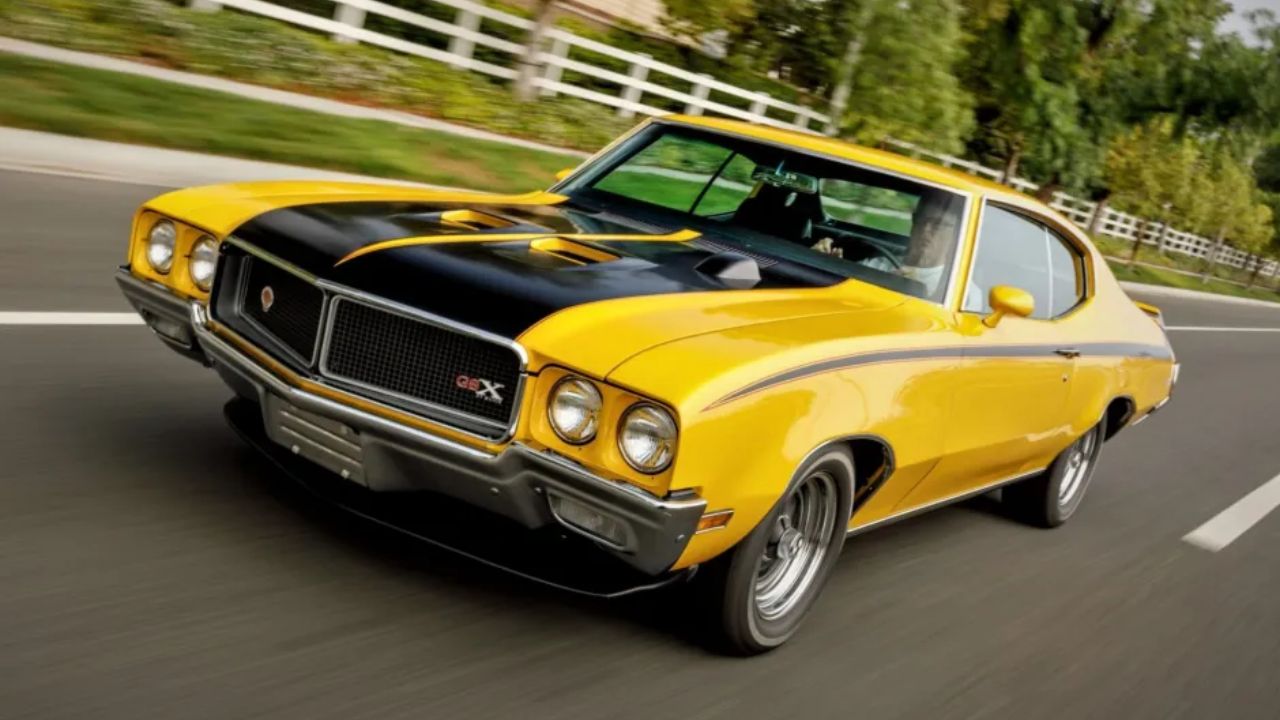
Buick GSX Stage 1
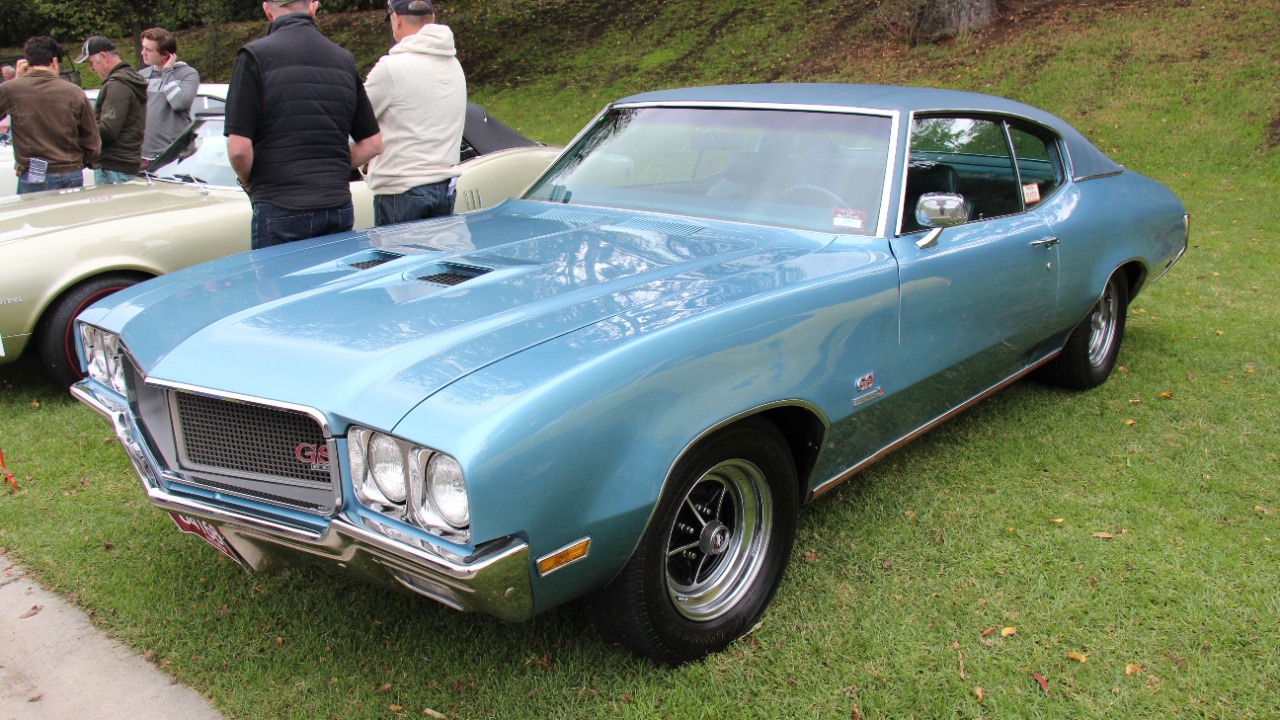
The Buick GSX Stage 1 shocked drivers because its enormous low-end torque created violent acceleration despite Buick’s luxury-oriented image. The Stage 1 455 V8 delivered effortless wheelspin and brutal midrange power that rivaled almost anything on the street. Bright colors, hood tachometers, and aggressive striping only amplified the car’s dramatic personality. Its combination of comfort and savage performance made the GSX feel both refined and dangerously powerful at the same time.
AMC AMX 390
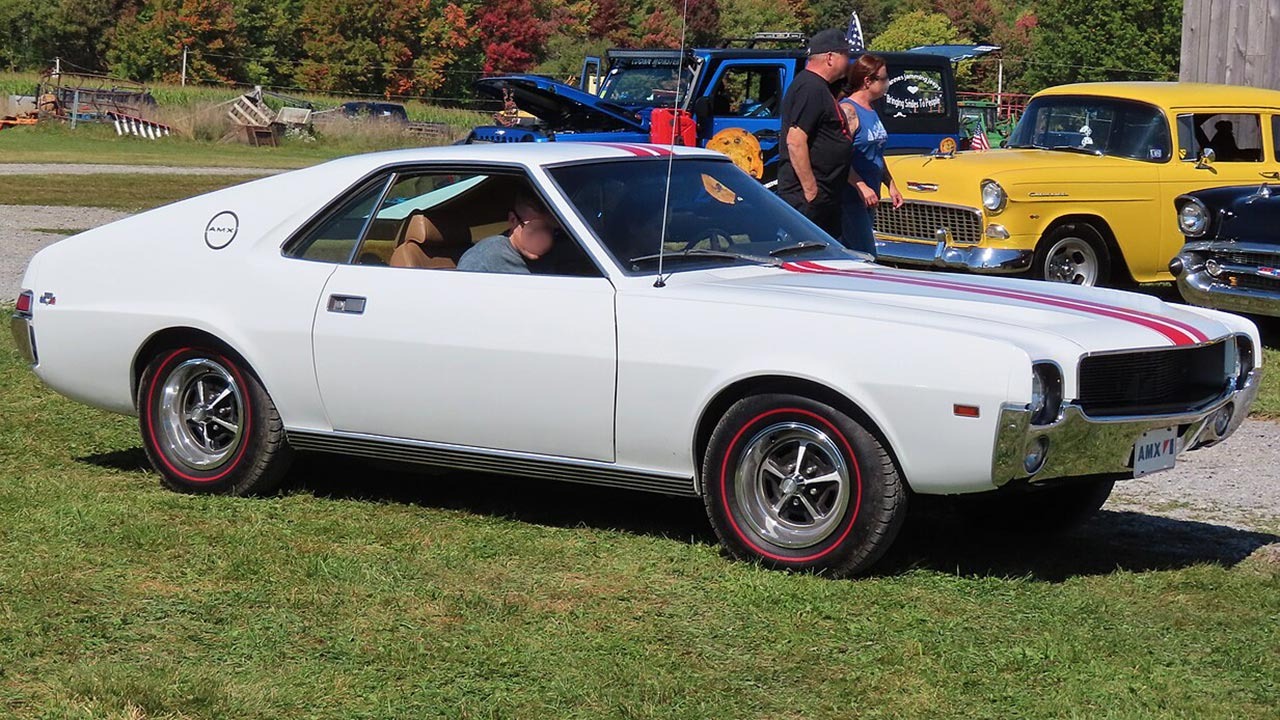
The AMC AMX 390 delivered a uniquely raw driving experience thanks to its short wheelbase, compact dimensions, and aggressive 390 V8 engine. Unlike larger muscle cars, the AMX felt twitchy and highly responsive, making it both exciting and demanding to drive aggressively. The lightweight body and massive torque could overwhelm rear traction quickly, especially on imperfect roads. Its unusual proportions and unpredictable personality still make it one of the wildest American performance cars of its era.
More from Fast Lane Only