The story of Yenko Chevrolet and its factory-style performance cars is one of innovation, ambition, and a touch of madness. Founded by Don Yenko, these vehicles pushed the boundaries of muscle car performance in the 1960s, leaving a lasting legacy in the automotive world. The blend of racing pedigree and factory support created a unique niche that still resonates with car enthusiasts today.
Don Yenko: The Man Behind the Legends
Don Yenko was born in 1928 in a small town in Pennsylvania, and his affinity for cars was evident from a young age. Growing up in a family with a passion for motorsports, he was drawn to the thrill of racing. Yenko’s early experiences racing his father’s 1940 Ford pickup truck ignited a lifelong passion for speed and performance. After serving in the U.S. Army and earning a degree in business from the University of Pittsburgh, he returned to the automotive world, eventually taking over his father’s Chevrolet dealership in Canonsburg, Pennsylvania.
His transition from racer to car dealer was marked by a desire to push the envelope of what performance vehicles could offer. Yenko was not just selling cars; he was customizing them. His racing background provided him with insights into what modifications could enhance performance, and he began to apply these ideas to the vehicles coming out of his dealership. His ambition was to create cars that could compete on the track, and this vision became the driving force behind the Yenko brand.
The Birth of Yenko Performance Cars
Yenko’s partnership with Chevrolet was a pivotal moment in the history of performance cars. In the early 1960s, he recognized the potential of the Chevrolet Corvette and the growing muscle car segment. This collaboration allowed him to access factory parts, which he could use to create modified versions of Chevrolet vehicles that were far superior to their stock counterparts. The Yenko Stinger, launched in 1967, marked the beginning of this exciting new chapter. It was a modified version of the Chevrolet Corvair that featured a powerful engine and significant performance upgrades, establishing Yenko as a serious player in the performance market.
The Yenko Stinger was notable for its unique modifications that set it apart from standard Chevrolets. With enhancements like a larger carburetor, improved suspension, and a more aggressive exhaust system, it was built for speed and agility. The combination of factory parts and custom modifications made these vehicles not only faster but also more reliable, paving the way for future Yenko models. Collectors and performance enthusiasts quickly recognized the significance of these vehicles, and the Yenko name began to gain traction in the automotive community.
The Iconic Yenko Camaro
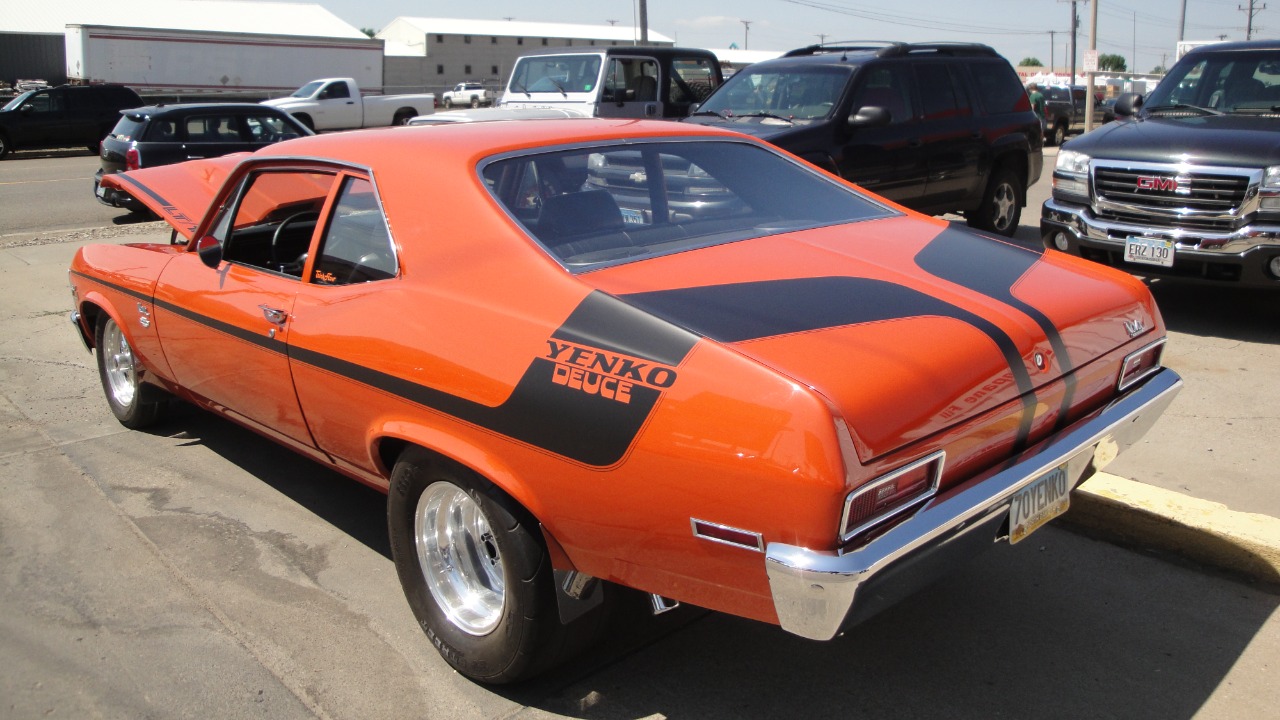
One of the crown jewels of the Yenko lineup is undoubtedly the Yenko Camaro, introduced in 1969. This model was a high-performance version of the Chevrolet Camaro, boasting impressive specifications such as a 427 cubic inch (7.0L) V8 engine that produced over 450 horsepower. The Yenko Camaro was designed to dominate both the streets and the racetrack, featuring enhancements that included upgraded suspension, brakes, and a host of aesthetic modifications such as unique badging and paint options.
The impact of the Yenko Camaro on the muscle car era cannot be overstated. It quickly became a favorite among enthusiasts and racers alike, earning a cult following that endures to this day. Notable races showcased the Camaro’s prowess, including several victories in SCCA events. The combination of power, speed, and style made the Yenko Camaro a symbol of American muscle, solidifying its place in automotive history. Today, vintage Yenko Camaros are highly sought after by collectors, often fetching impressive prices at auctions.
Yenko’s Innovations and Modifications
Yenko’s approach to performance was not just about adding power; it was about holistic engineering solutions that addressed various aspects of vehicle performance. For instance, he recognized that a powerful engine needed to be complemented by an equally capable suspension system. As a result, Yenko cars featured upgraded suspension components that improved handling and stability, allowing drivers to navigate corners with confidence. The incorporation of heavy-duty brakes ensured that these powerful vehicles could stop as effectively as they could accelerate.
Aesthetic enhancements also played a vital role in defining the Yenko brand identity. The unique paint schemes, distinctive badging, and aggressive styling cues set Yenko cars apart from their competitors. These modifications were not just for show; they communicated the performance capabilities of the vehicle to both buyers and competitors. Yenko’s focus on both performance and appearance helped to create a brand that was not only about speed but also about style and presence on the road.
The Legacy of Yenko Chevrolet
The influence of Yenko’s creations extends far beyond their production years. The performance modifications and tuning philosophies he championed laid the groundwork for future high-performance vehicles and tuning culture. Today, the impact of Yenko can be seen in the aftermarket modifications that enthusiasts undertake to enhance their vehicles. The culture of customizing and tuning has its roots in the innovations that Yenko introduced during the muscle car era.
Collectibility is another aspect of Yenko’s legacy that continues to thrive. Vintage Yenko cars, especially models like the Yenko Camaro and Yenko Stinger, have become highly prized among collectors. Auctions often see record prices for these vehicles, with enthusiasts willing to pay top dollar for a piece of automotive history. The rarity and performance pedigree of Yenko cars add to their allure, making them not just vehicles, but valuable investments.
Yenko’s Enduring Popularity and Cultural Significance
The cultural significance of Yenko cars is bolstered by their portrayal in various media. Films, documentaries, and television shows have highlighted the unique story of Don Yenko and his high-performance cars. This exposure has helped to keep the Yenko legacy alive, introducing new generations to the excitement of muscle cars. For instance, classic car enthusiasts often reference the iconic status of Yenko vehicles in documentaries that explore the muscle car era, making them a staple in automotive culture.
Community and events dedicated to celebrating Yenko’s legacy have also flourished. Car shows and meetups often feature Yenko vehicles, allowing enthusiasts to share their passion and stories about these iconic cars. Social media platforms, particularly Facebook and Instagram, have played a crucial role in keeping the Yenko story relevant. Enthusiasts can connect, share images, and discuss restoration projects, fostering a sense of community that honors Don Yenko’s contributions to the automotive world. For example, posts on platforms like Facebook often highlight the history and achievements of Yenko cars, further cementing their place in popular culture.
As I reflect on the journey of Yenko Chevrolet and the remarkable vehicles that emerged from Don Yenko’s vision, it’s clear that his contributions have had a lasting impact. From the iconic Yenko Camaro to the innovative engineering solutions he implemented, Yenko’s legacy continues to inspire automotive enthusiasts and collectors alike. The story of Yenko Chevrolet serves as a reminder of the power of passion and innovation in shaping the automotive landscape.
More from Fast Lane Only
- Unboxing the WWII Jeep in a Crate
- 15 rare Chevys collectors are quietly buying
- 10 underrated V8s still worth hunting down
- Police notice this before you even roll window down
*Research for this article included AI assistance, with all final content reviewed by human editors.