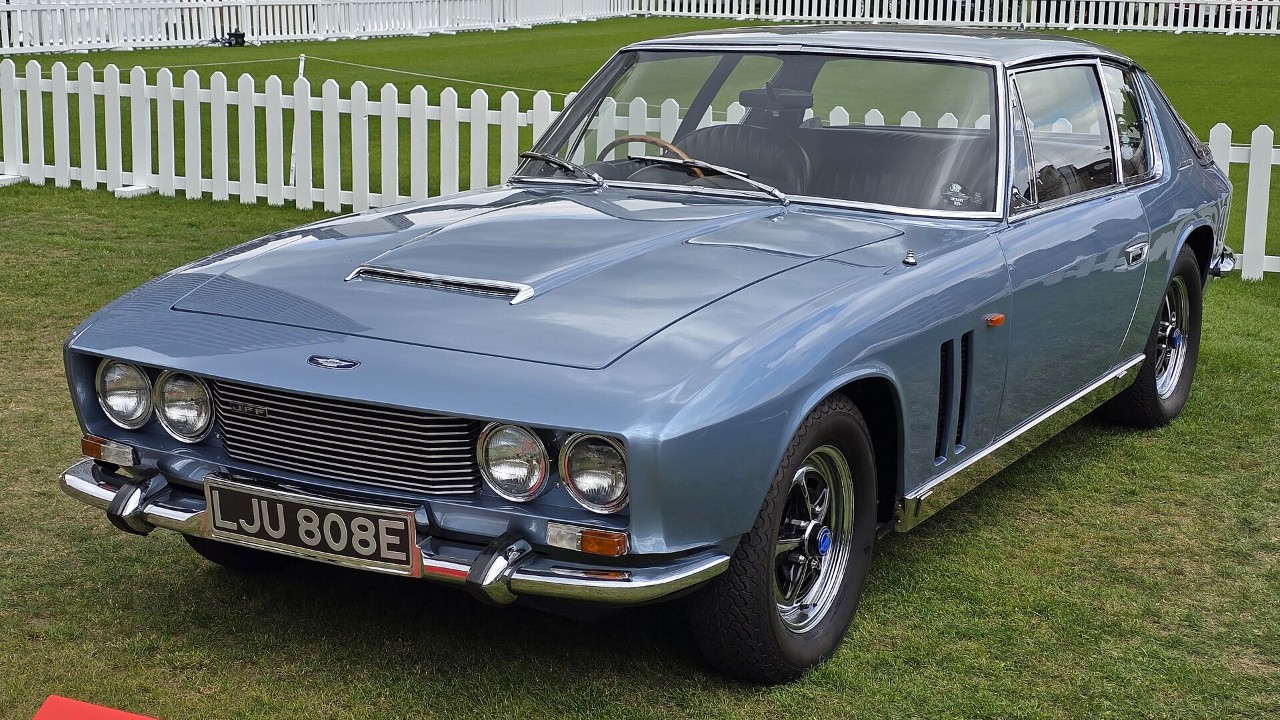
Big-block muscle cars defined an era where displacement ruled everything and subtlety wasn’t part of the plan. These machines took massive V8 engines and pushed them into territory that felt almost excessive even by muscle car standards. The result was brutal torque, violent acceleration, and a legacy of raw American performance that still defines classic muscle culture today.
Chevrolet Chevelle SS 454 LS6

The Chevrolet Chevelle SS 454 LS6 became one of the most feared street machines of the early 1970s thanks to its legendary LS6 454 cubic-inch V8. Factory-rated horsepower numbers were conservative, but real-world performance told a different story as the car delivered explosive straight-line acceleration. Mechanics respected its simple but extremely strong big-block construction, which made it highly durable under stress. The Chevelle SS 454 LS6 remains iconic because it represented the peak of factory big-block excess before emissions regulations changed the muscle car world.
Plymouth Road Runner 426 HEMI
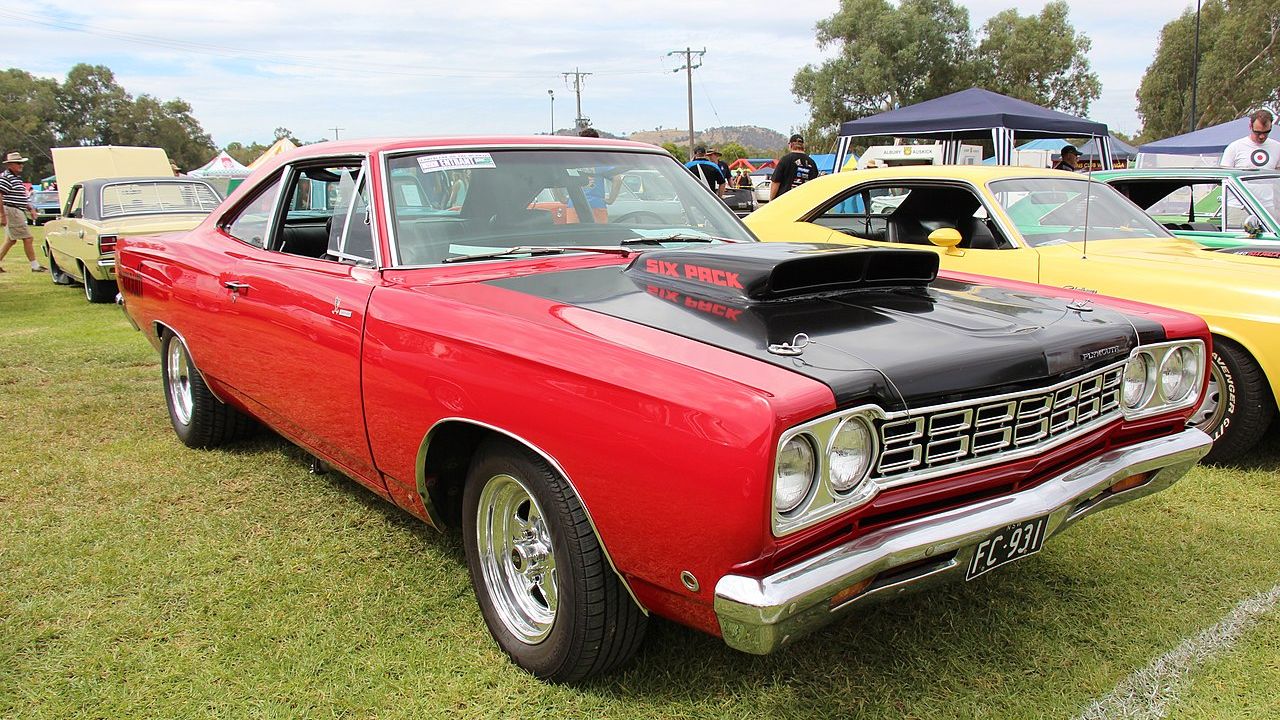
The Plymouth Road Runner 426 HEMI delivered one of the most aggressive factory performance packages ever built during the golden age of muscle cars. Its 426 HEMI engine produced massive torque that made the car feel almost uncontrollable under full throttle. Designed for straight-line dominance, it prioritized raw speed over refinement or comfort. Mechanics admired the strength of the HEMI architecture, which was capable of handling serious racing stress. The Road Runner became legendary for its no-frills philosophy and outrageous power delivery.
Dodge Charger R/T 440 Six Pack
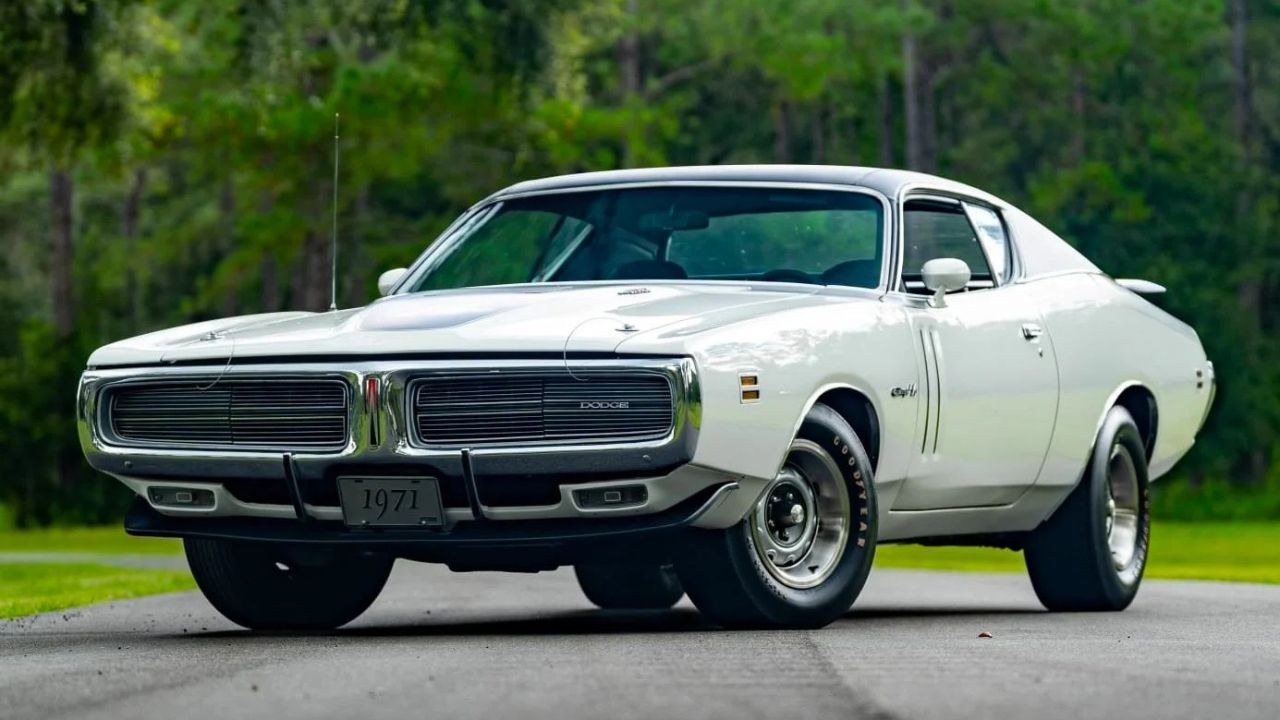
The Dodge Charger R/T 440 Six Pack combined bold styling with a ferocious 440 cubic-inch engine setup featuring triple two-barrel carburetors. This “Six Pack” configuration delivered massive airflow and torque, giving the Charger brutal acceleration that matched its aggressive appearance. Mechanics respected the simplicity and tunability of the big-block V8 platform. The Charger R/T became a symbol of Dodge’s willingness to push power levels into extreme territory, especially during the height of muscle car competition in the late 1960s and early 1970s.
Pontiac GTO Judge 455
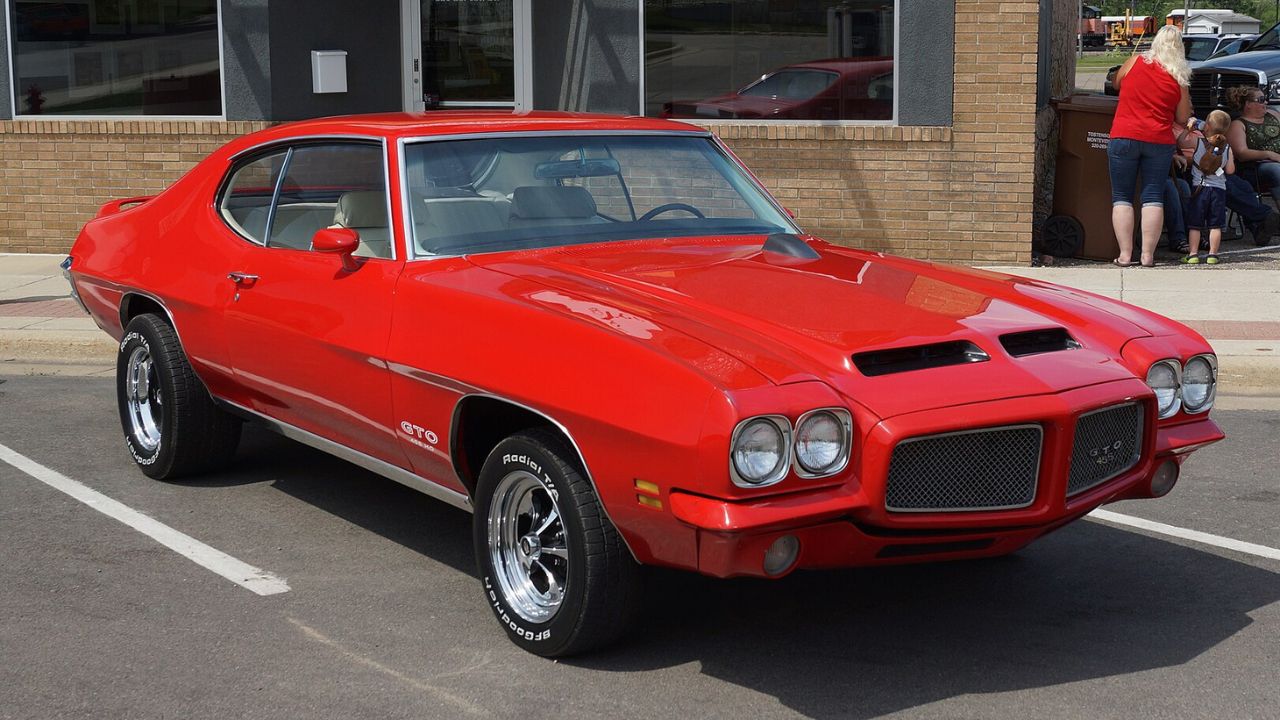
The Pontiac GTO Judge 455 represented Pontiac’s answer to escalating horsepower wars with a massive 455 cubic-inch V8. Even in a relatively heavy body, the engine delivered overwhelming torque that made acceleration feel forceful and immediate. Mechanics appreciated Pontiac’s strong big-block design, which provided durability despite high output levels. The GTO Judge’s bold styling and performance image helped define the muscle car era’s most extreme phase, where manufacturers competed to produce the most powerful street-legal machines possible.
Chevrolet Camaro ZL1 (1969)
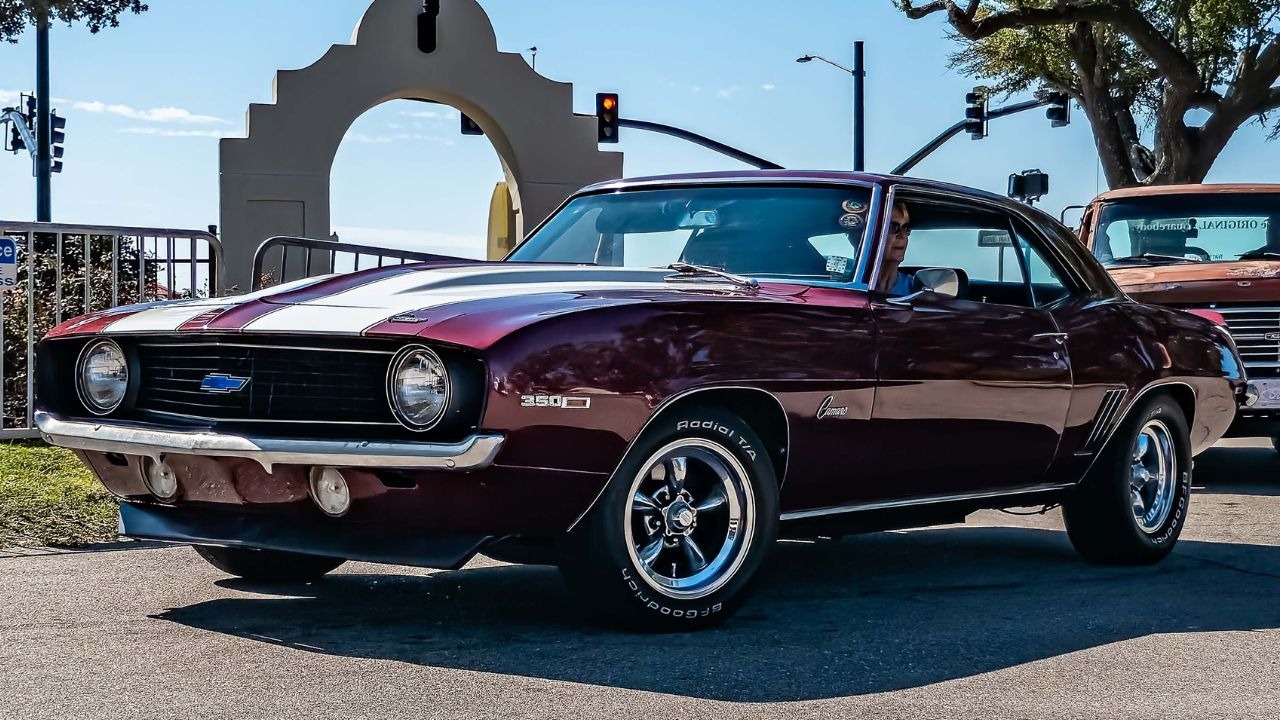
The Chevrolet Camaro ZL1 1969 was one of the rarest and most powerful Camaros ever built, featuring an all-aluminum 427 cubic-inch V8. Originally designed for racing, it delivered astonishing performance that far exceeded most street cars of its time. Mechanics admired its advanced lightweight engine construction, though its rarity made it a legendary collector piece. The ZL1 became infamous for its extreme power-to-weight ratio, making it one of the most unhinged factory muscle cars ever produced.
Buick GSX Stage 1
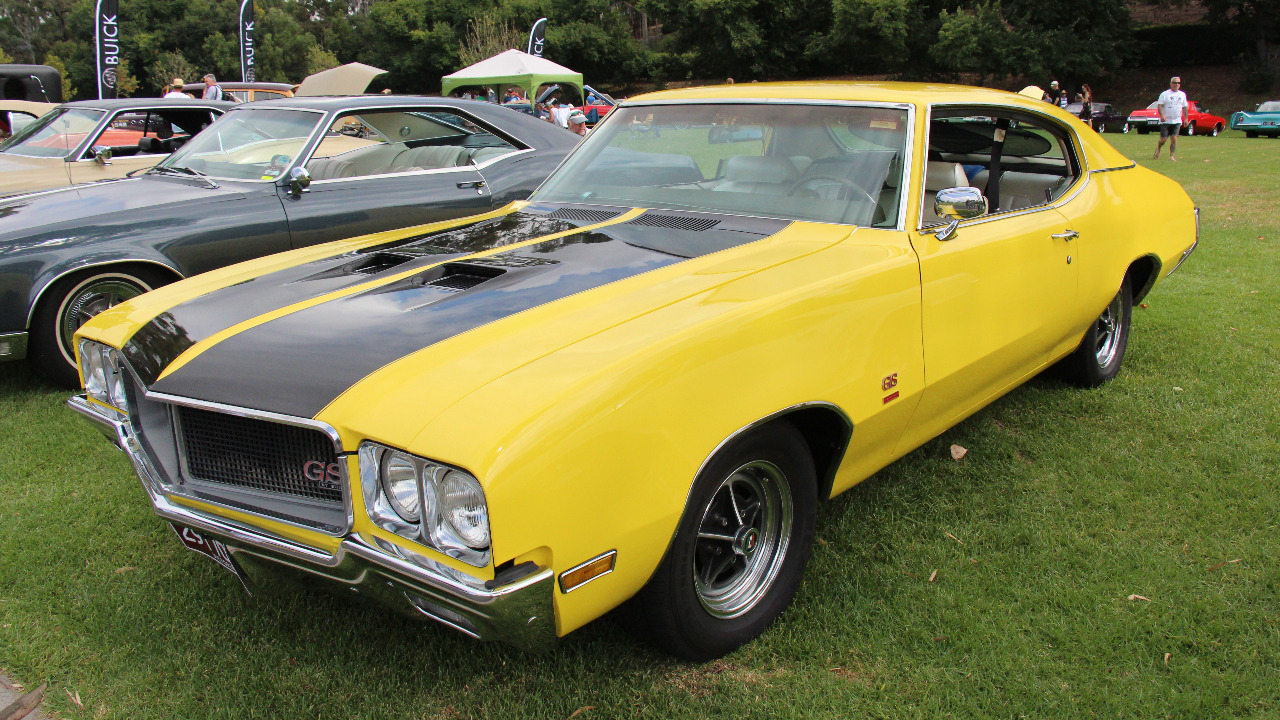
The Buick GSX Stage 1 surprised many enthusiasts by combining luxury branding with one of the strongest torque outputs of the era. Its 455 cubic-inch engine delivered massive low-end thrust that made the car feel brutally fast off the line. Mechanics often highlighted its durability and underrated performance potential compared to flashier competitors. The GSX Stage 1 earned a reputation as a sleeper muscle car that could outperform many better-known rivals in real-world acceleration.
Oldsmobile 442 W-30
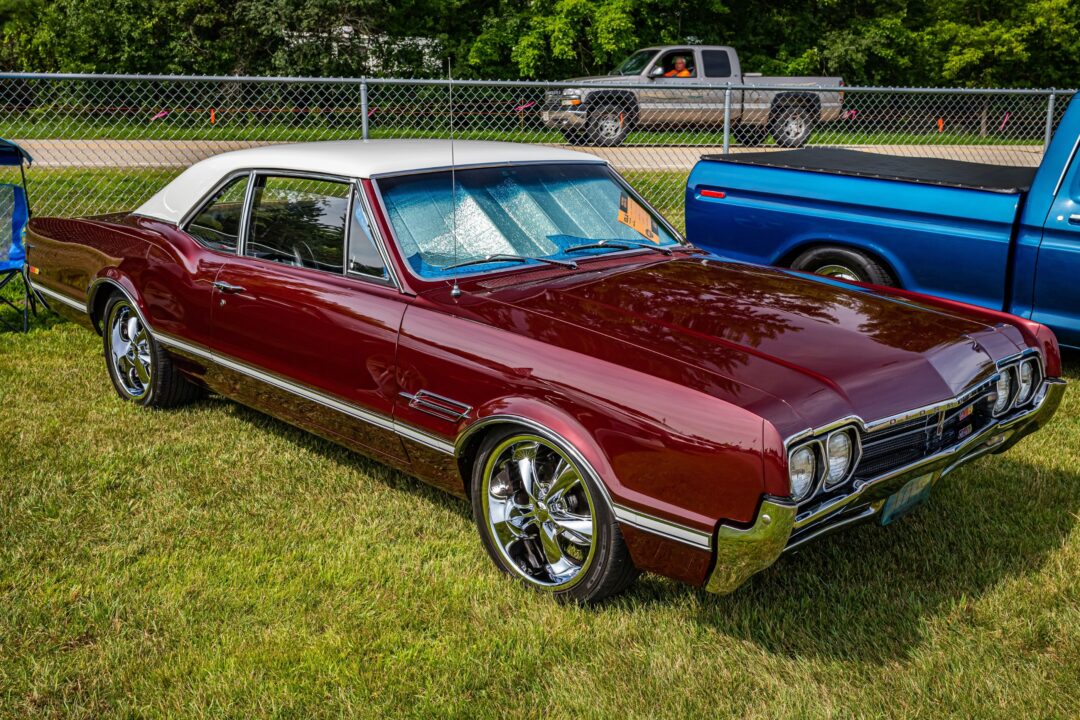
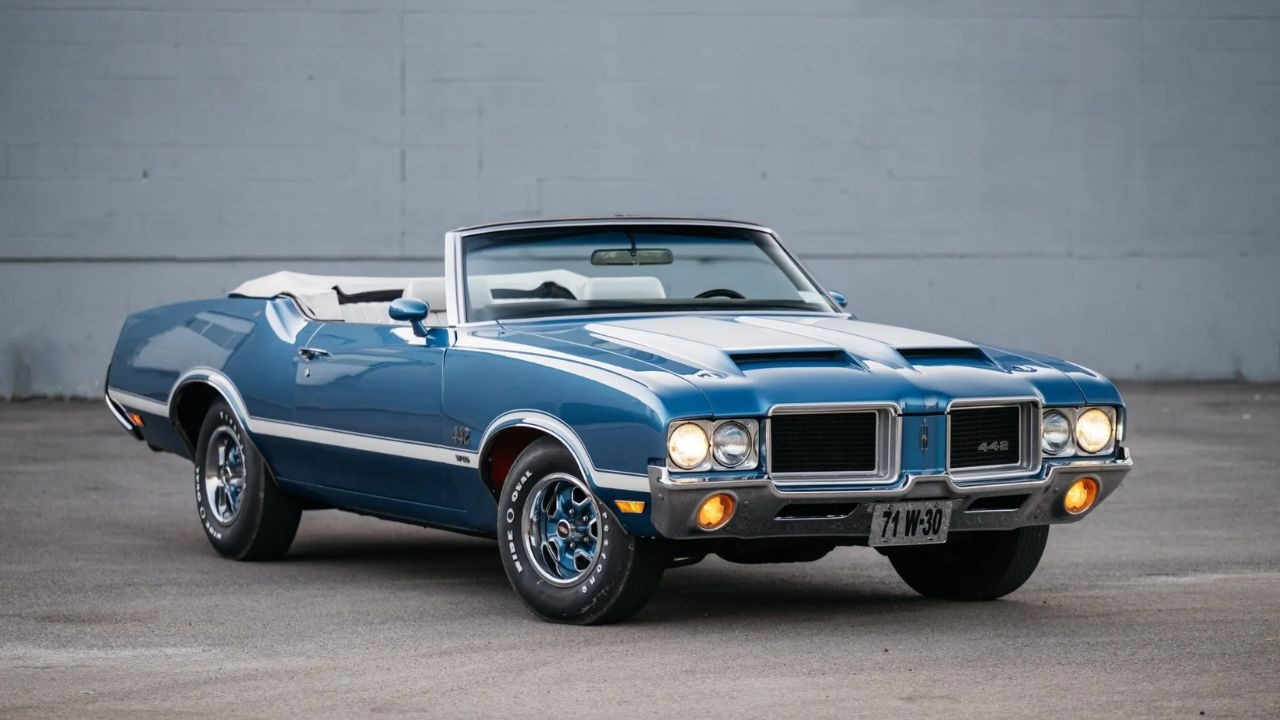
The Oldsmobile 442 W-30 combined refined styling with serious big-block power through its W-30 performance package. Its 455 cubic-inch V8 delivered strong torque and impressive straight-line performance, especially in lightweight configurations. Mechanics respected Oldsmobile’s engineering balance between durability and performance tuning. The 442 W-30 stood out because it offered both comfort and extreme power, making it one of the more versatile yet still brutally fast muscle cars of the era.
Ford Torino Cobra 429
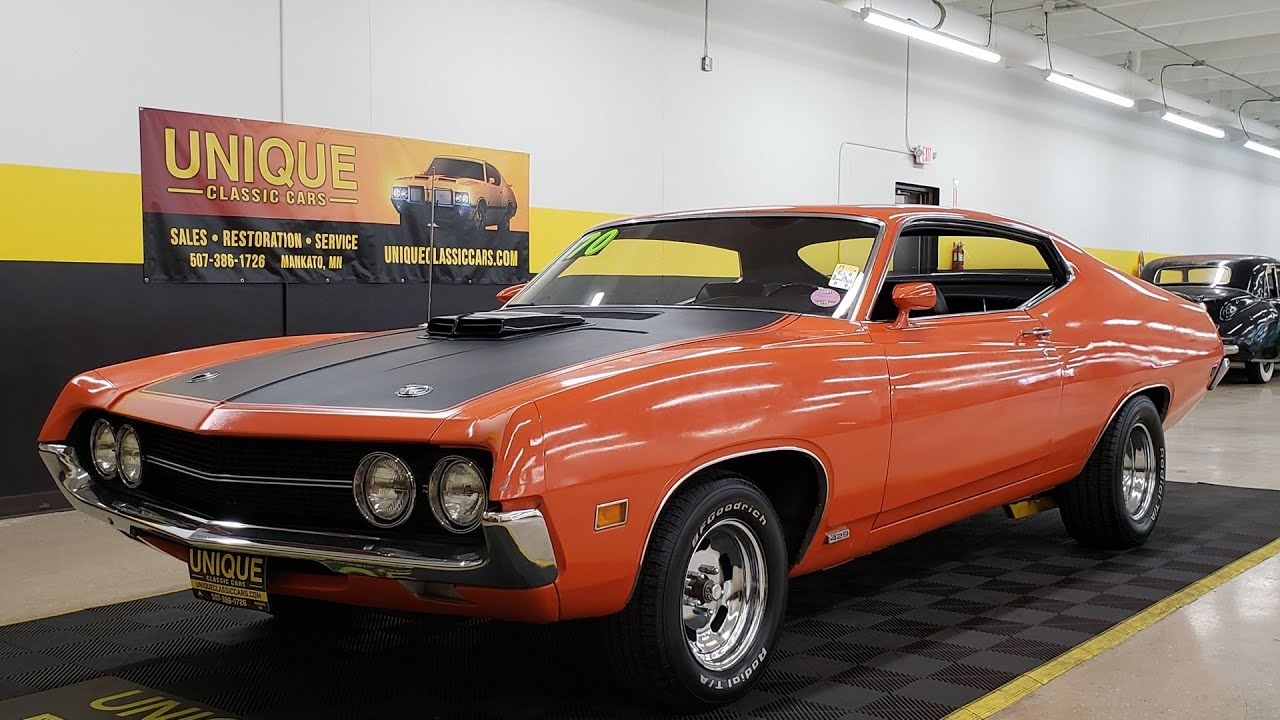
The Ford Torino Cobra 429 delivered NASCAR-inspired performance with its massive 429 cubic-inch V8 engine. Built for speed and highway dominance, it produced strong torque and impressive top-end capability for its time. Mechanics appreciated Ford’s robust big-block engineering, which could handle sustained high-performance driving. The Torino Cobra became a symbol of Ford’s participation in the horsepower wars, offering raw, unfiltered acceleration that matched the era’s most aggressive muscle car competition.
More from Fast Lane Only