GM’s LS engine family quietly became one of the most influential V8 platforms in modern performance history. Compact, lightweight, and brutally strong, LS engines found their way into everything from sports cars to sedans and even motorsport builds. These cars didn’t just use LS power—they helped redefine what American performance could look like in a new era.
Chevrolet Corvette C5
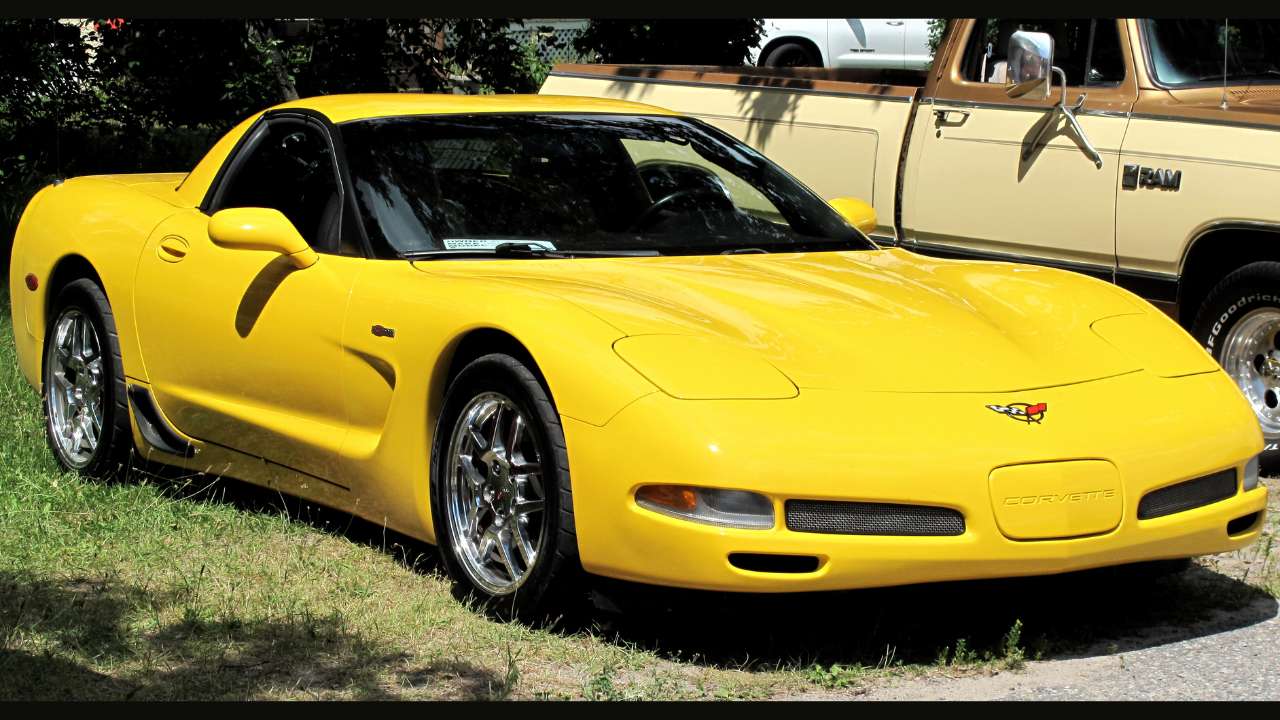
The Chevrolet Corvette C5 marked the moment GM fully embraced the modern LS era with the introduction of the LS1 V8. This engine delivered strong performance, reliability, and impressive tuning potential in a relatively lightweight chassis. Mechanics appreciated its simplicity compared to earlier Corvette engines, especially its coil-on-plug ignition and improved efficiency. The C5 became a turning point that proved the LS platform could support both daily driving and serious performance use, reshaping expectations for American sports cars.
Chevrolet Monte Carlo SS (LS4 FWD V8)
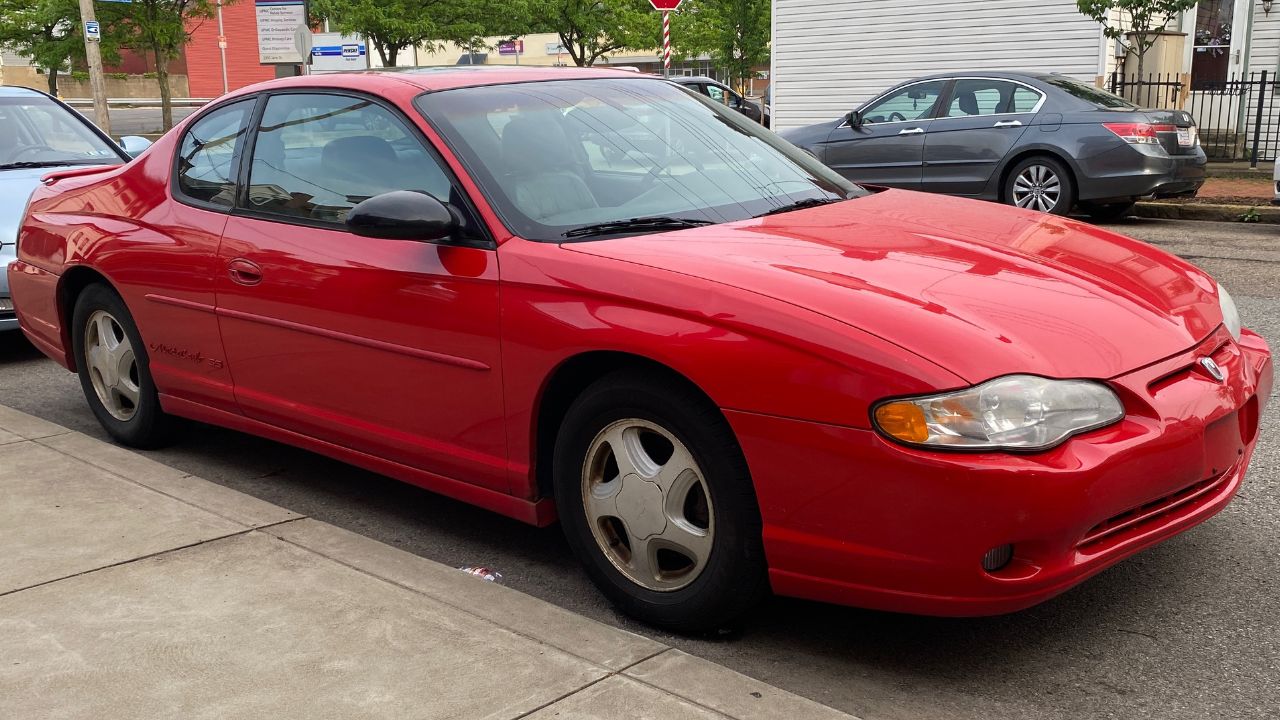
The Chevrolet Monte Carlo SS took a bold and unusual approach by placing a transverse LS-based V8 into a front-wheel-drive platform. While unconventional, it delivered strong acceleration and maintained the Monte Carlo’s performance heritage. Mechanics noted the engineering challenge of adapting LS power to a FWD layout. Despite its quirks, the car showed how flexible the LS family could be across different drivetrain configurations.rsepower and torque with excellent aftermarket support. Mechanics valued its durability and easy modification potential, which made it a favorite among street racers and tuners. The Camaro SS helped reestablish GM’s performance credibility during a time when muscle cars were struggling to stay relevant.
Pontiac GTO (2004–2006)
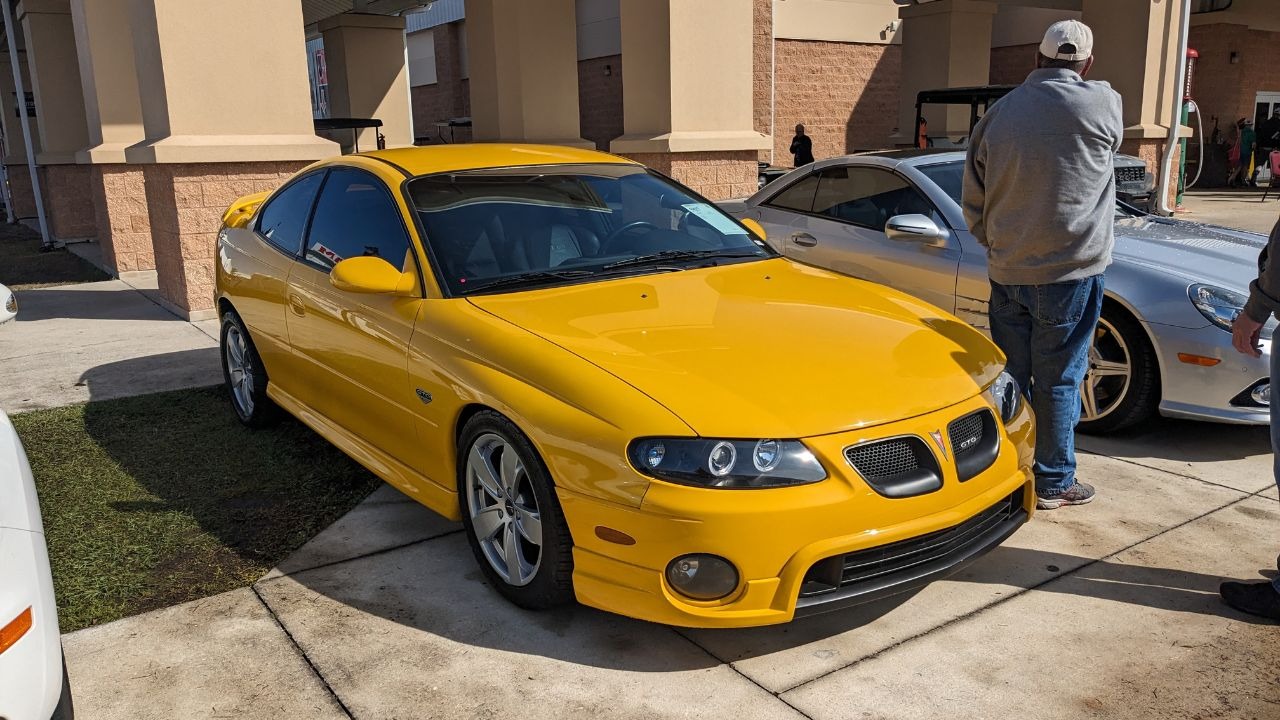
The Pontiac GTO 2004 brought LS muscle back in a more refined, understated package based on Australian engineering. Its V8 power delivery was smooth and effortless, giving it strong real-world acceleration. Mechanics appreciated the combination of reliability and performance, especially in the LS2-equipped later models. Although its styling was subtle, the GTO became a sleeper performance car that demonstrated how LS engines could thrive in global platforms beyond traditional American muscle cars.
Chevrolet SSR
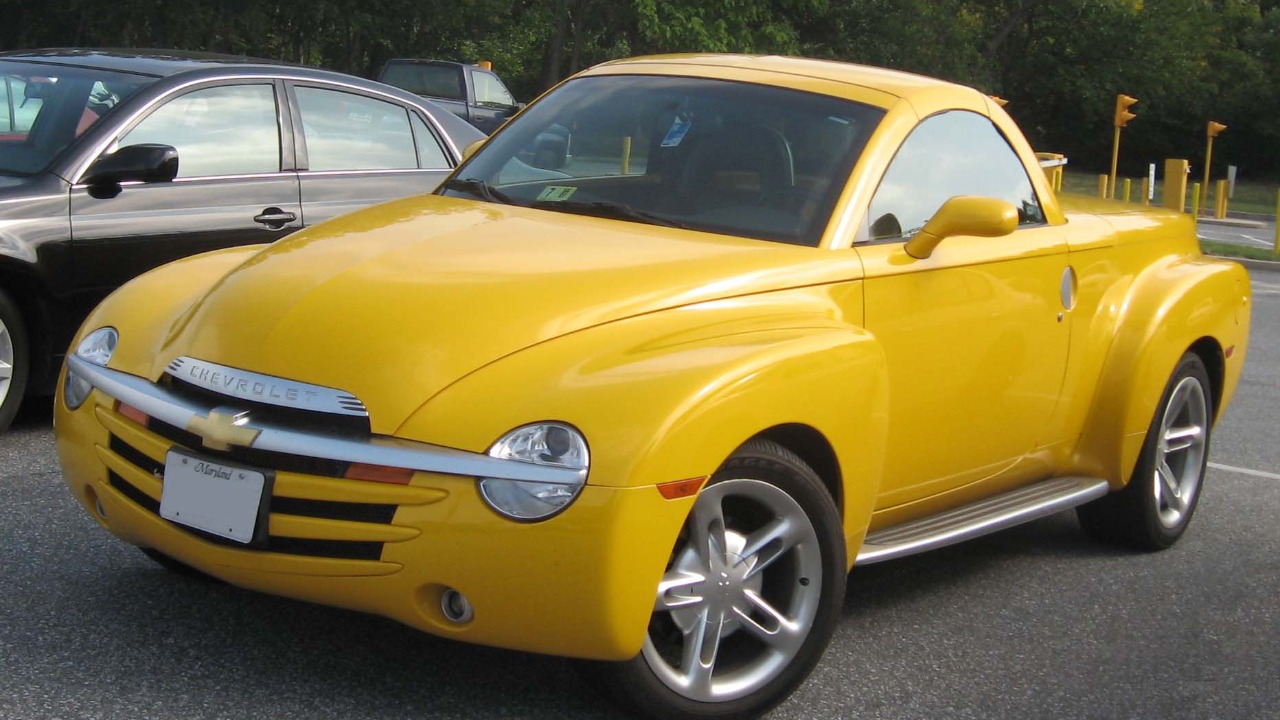
The Chevrolet SSR combined retro styling with LS-based V8 performance in a unique convertible pickup design. Early models used a weaker engine, but the later LS2 version transformed its acceleration and driving character significantly. Mechanics respected the LS upgrade for making the SSR far more capable and enjoyable. While unconventional, it showed how flexible LS powertrains could be when adapted to unusual vehicle concepts.
Cadillac CTS-V (First Generation)

The Cadillac CTS-V introduced LS performance into the luxury sedan world with a Corvette-derived LS6 V8. This combination of refinement and raw horsepower created a sleeper sedan capable of shocking much more expensive European competitors. Mechanics admired the robustness of the LS6 engine under heavy use. The CTS-V proved that LS engines weren’t just for sports cars—they could redefine luxury performance entirely.
Chevrolet TrailBlazer SS
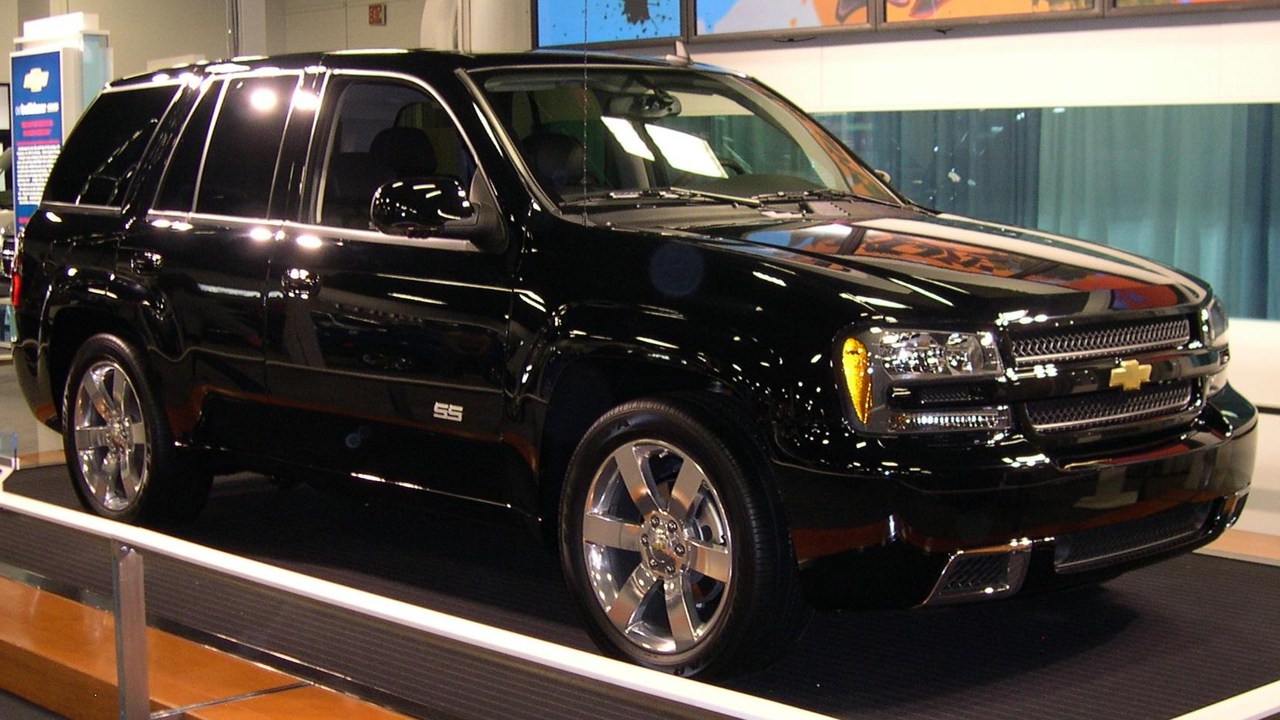
The Chevrolet TrailBlazer SS brought LS muscle into the SUV segment with a powerful LS2 V8 engine. It delivered surprising acceleration for a heavy utility vehicle, making it one of the fastest SUVs of its time in straight-line performance. Mechanics appreciated the familiar LS architecture and strong aftermarket tuning potential. The TrailBlazer SS helped expand the idea that muscle car performance could exist in practical family-oriented vehicles.
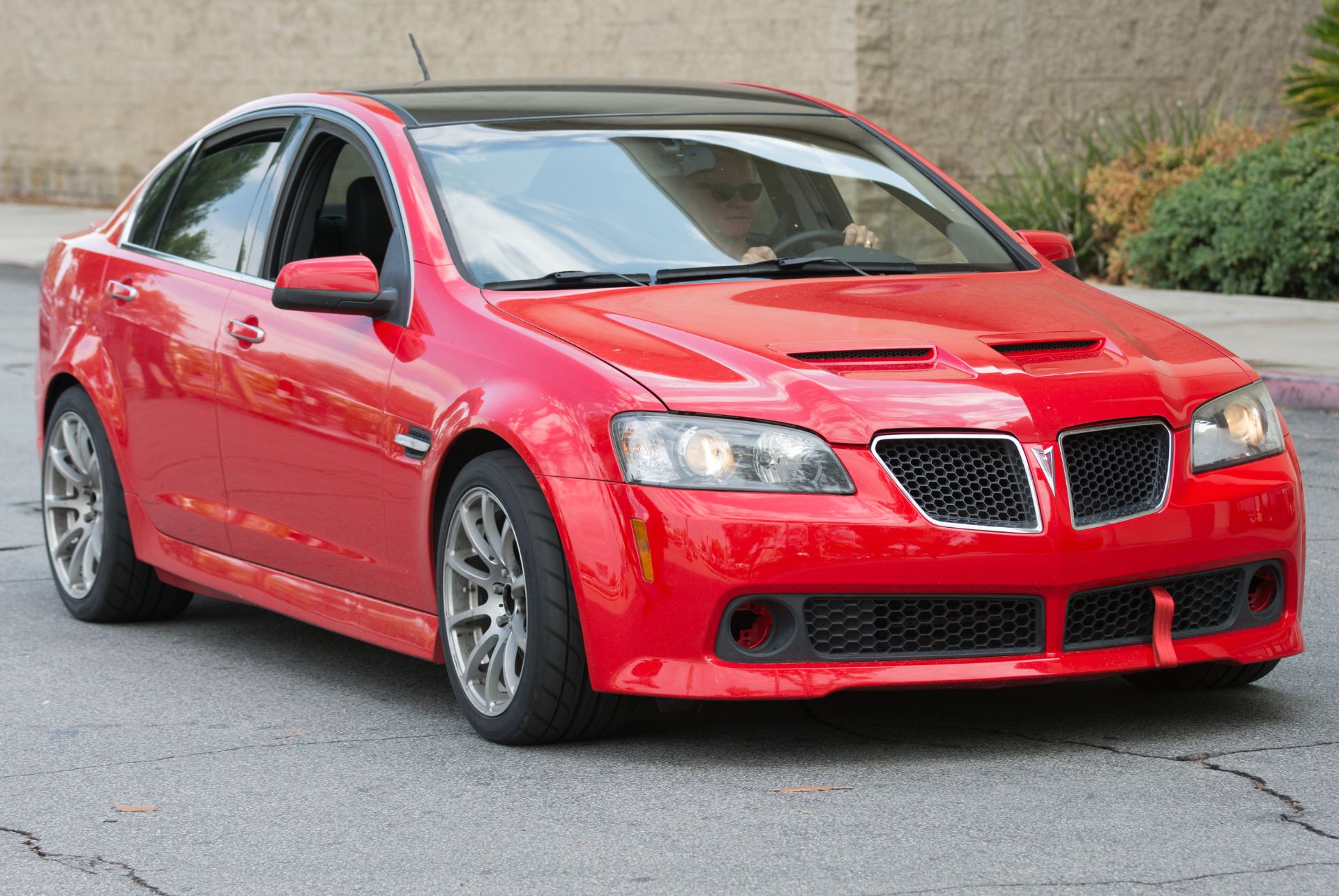
Pontiac G8 GXP

The Pontiac G8 GXP featured the legendary LS3 V8, delivering strong horsepower in a rear-wheel-drive sedan platform. Its Australian-built chassis combined with LS power created an excellent balance of handling and acceleration. Mechanics respected the LS3’s durability and responsiveness, especially in manual transmission configurations. The G8 GXP became a cult favorite because it represented one of the last great sleeper performance sedans powered by the LS family.
Chevrolet Corvette C6 Z06

The Chevrolet Corvette C6 Z06 elevated LS performance to near-supercar levels with its high-revving LS7 engine. Lightweight construction and track-focused engineering allowed it to compete with far more expensive exotic cars. Mechanics appreciated the LS7’s racing-derived design and strong internal components. The C6 Z06 demonstrated the peak potential of naturally aspirated LS performance in a factory-built package.
Chevrolet Camaro ZL1 (Fifth Generation)
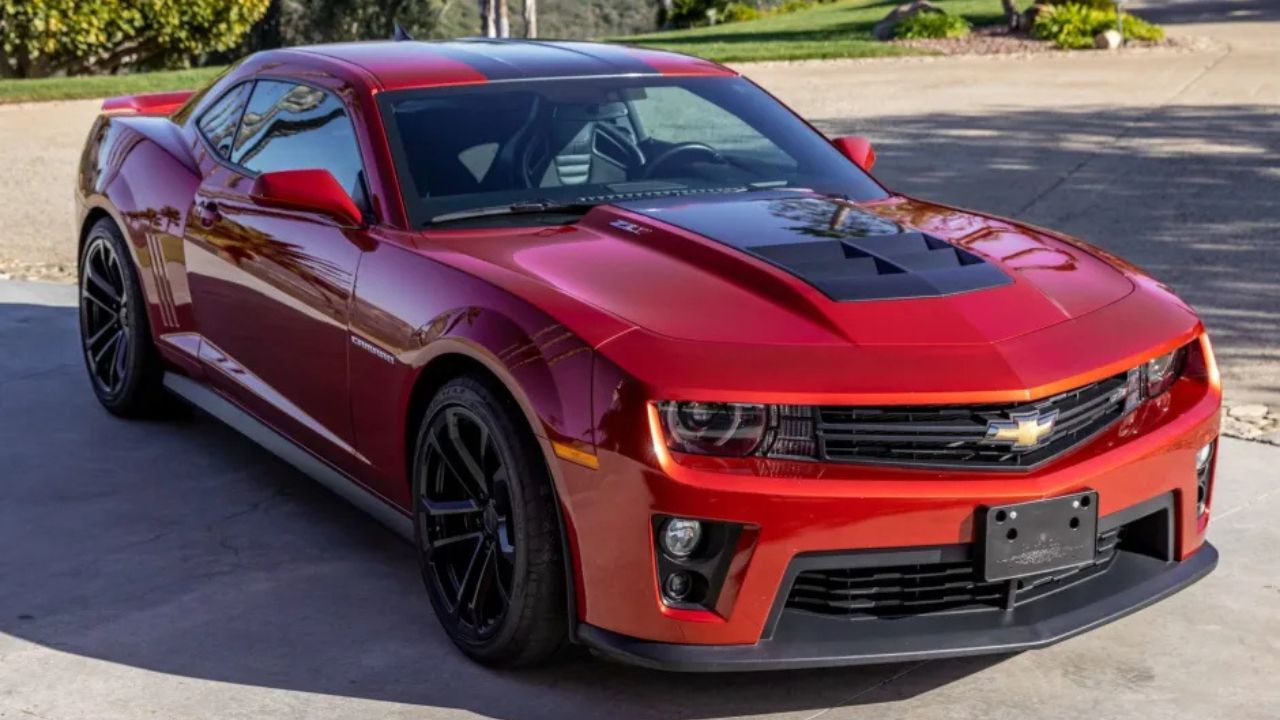
The Chevrolet Camaro ZL1 5th generation used a supercharged LS-based LSA engine to deliver extreme horsepower and modern muscle car performance. It combined advanced suspension systems with raw V8 power for both track and street use. Mechanics valued its improved cooling and durability compared to earlier high-performance platforms. The ZL1 showed how LS architecture could evolve into modern supercharged performance monsters.
Chevrolet Caprice PPV
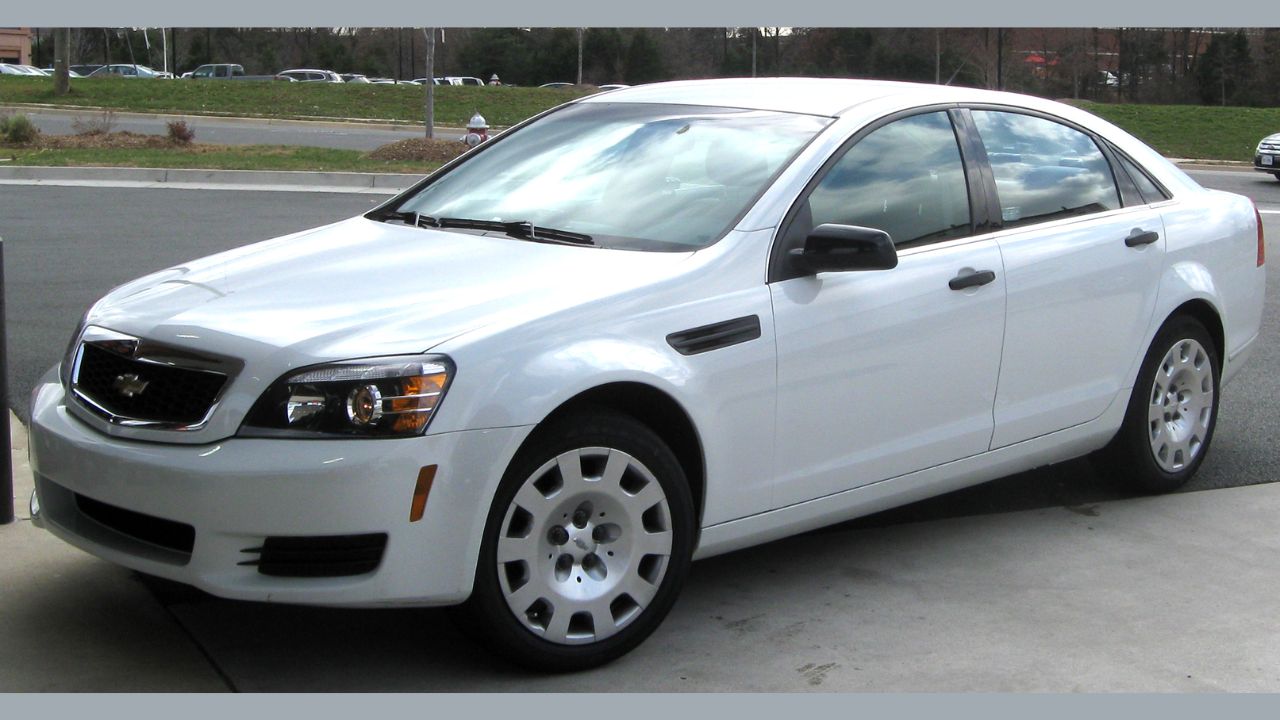
The Chevrolet Caprice PPV carried LS power into law enforcement duty, where durability and performance were critical. Its V8 engine provided strong acceleration and reliability under constant high-stress use. Mechanics respected its heavy-duty construction and straightforward maintenance design. While not a traditional enthusiast car, the Caprice PPV demonstrated how deeply LS engineering had become embedded in real-world high-performance applications beyond sports and muscle cars.
More from Fast Lane Only