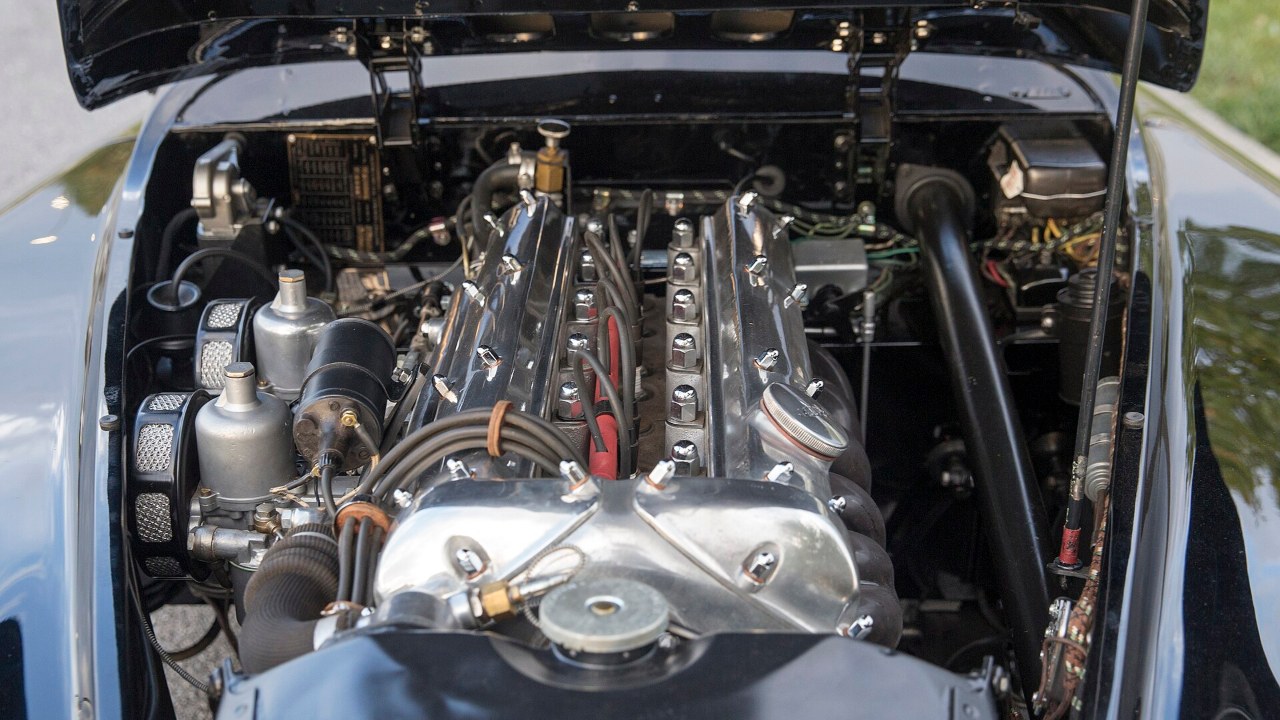
Rally racing has always been about speed on imperfect surfaces, and the cars born from it carried that raw spirit onto public roads. When manufacturers homologated competition machines for everyday buyers, they didn’t just sell transportation; they sparked tuning movements, aftermarket booms, and loyal global communities. These rally-bred imports permanently reshaped enthusiast culture and performance expectations.
Subaru Impreza WRX STI
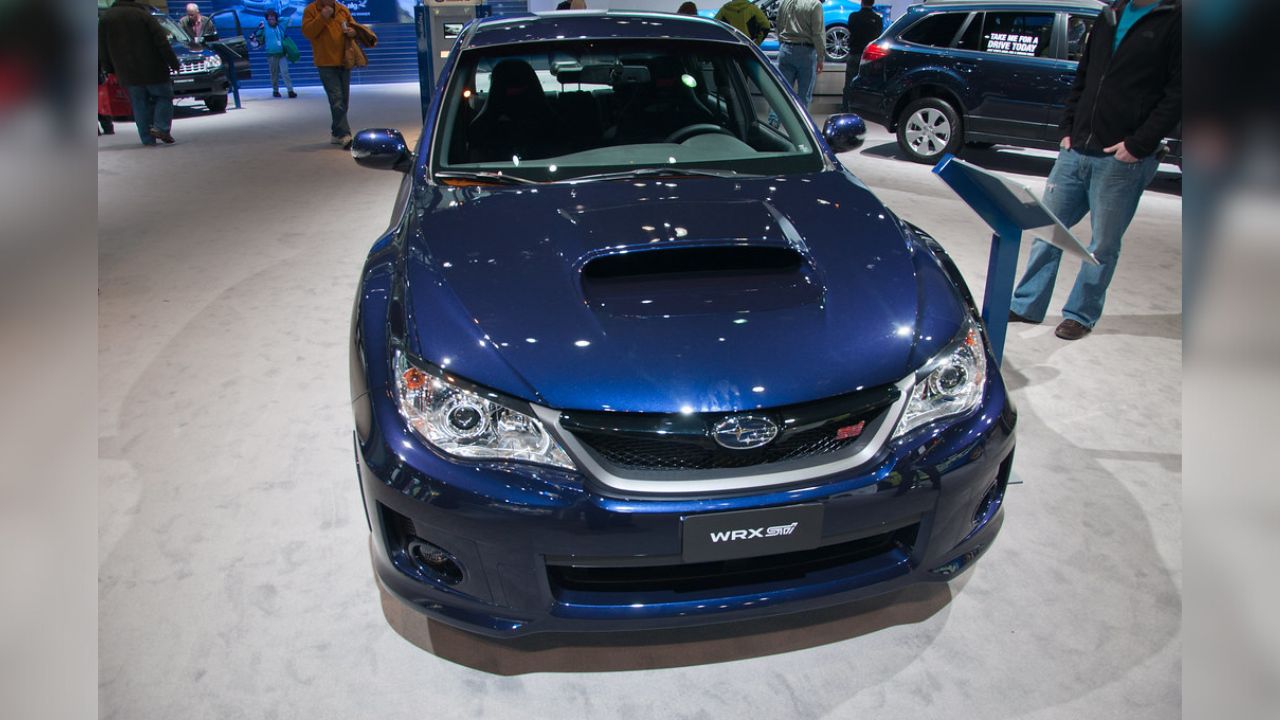
The Subaru Impreza WRX STI became a symbol of turbocharged all-wheel-drive performance in the late 1990s and early 2000s. Developed by Subaru, it paired a turbocharged flat-four engine with a sophisticated AWD system derived from World Rally Championship competition. Aggressive hood scoops and large rear wings made its purpose unmistakable. Tuners quickly unlocked even more power from its robust drivetrain. The STI helped define an entire generation of street-driven rally replicas and weekend autocross warriors.
Mitsubishi Lancer Evolution VI
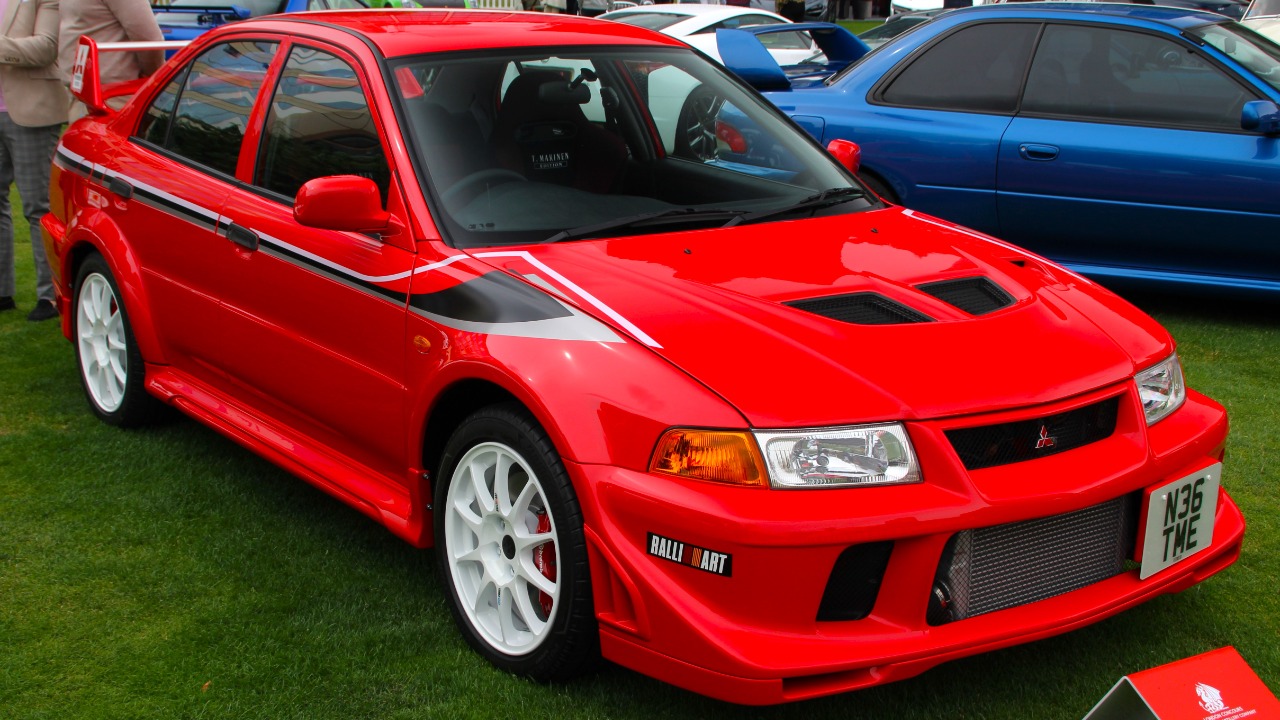
The Mitsubishi Lancer Evolution VI refined an already potent formula into something legendary. Built by Mitsubishi Motors, it featured a turbocharged 2.0-liter engine and advanced active yaw control for exceptional grip. Its Tommi Mäkinen Edition directly celebrated championship success in the WRC. Owners embraced its sharp handling and aggressive styling as a badge of authenticity. The Evo VI cemented Japan’s dominance in rally-inspired street machines.
Lancia Delta Integrale
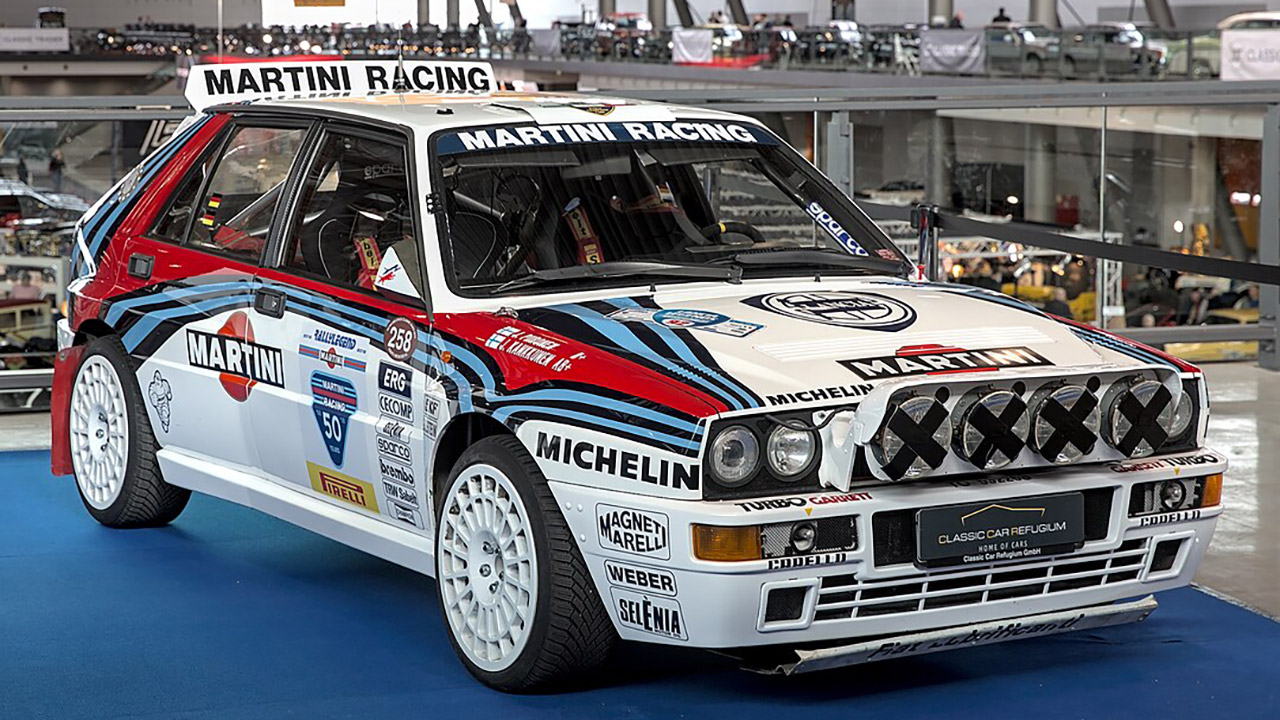
The Lancia Delta Integrale stands as one of rally’s most dominant road-going descendants. Produced by Lancia, it combined a turbocharged engine with permanent all-wheel drive and flared arches that hinted at competition pedigree. Multiple WRC constructor titles elevated its status beyond typical hot hatchbacks. Its compact size and explosive acceleration reshaped European tuning culture. The Integrale proved that small, practical cars could command serious enthusiast respect.
Ford Escort RS Cosworth
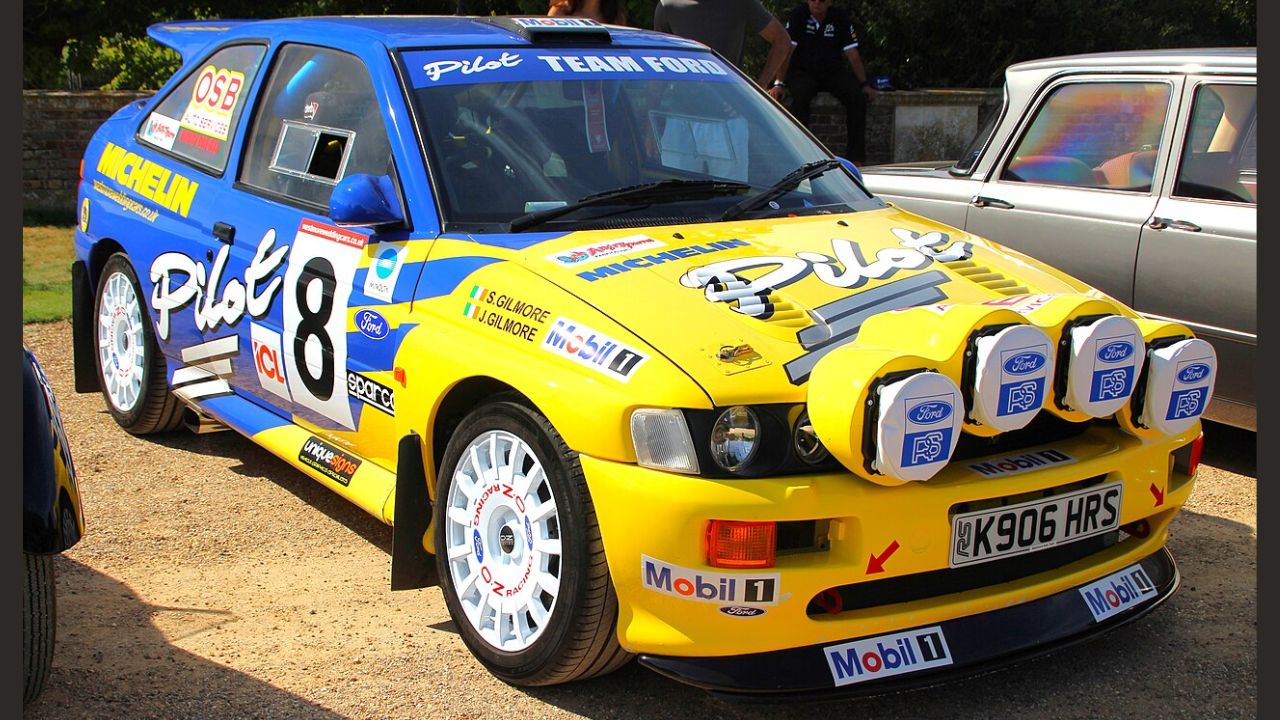
The Ford Escort RS Cosworth was engineered first for rally stages and only second for the street. Developed by Ford Motor Company in collaboration with Cosworth, it featured a turbocharged engine and advanced AWD hardware. Its towering rear wing became an unmistakable icon of 1990s performance. Owners valued its raw handling and tuning potential. The RS Cosworth bridged factory motorsport ambition with grassroots enthusiast modification culture.
Toyota Celica GT-Four
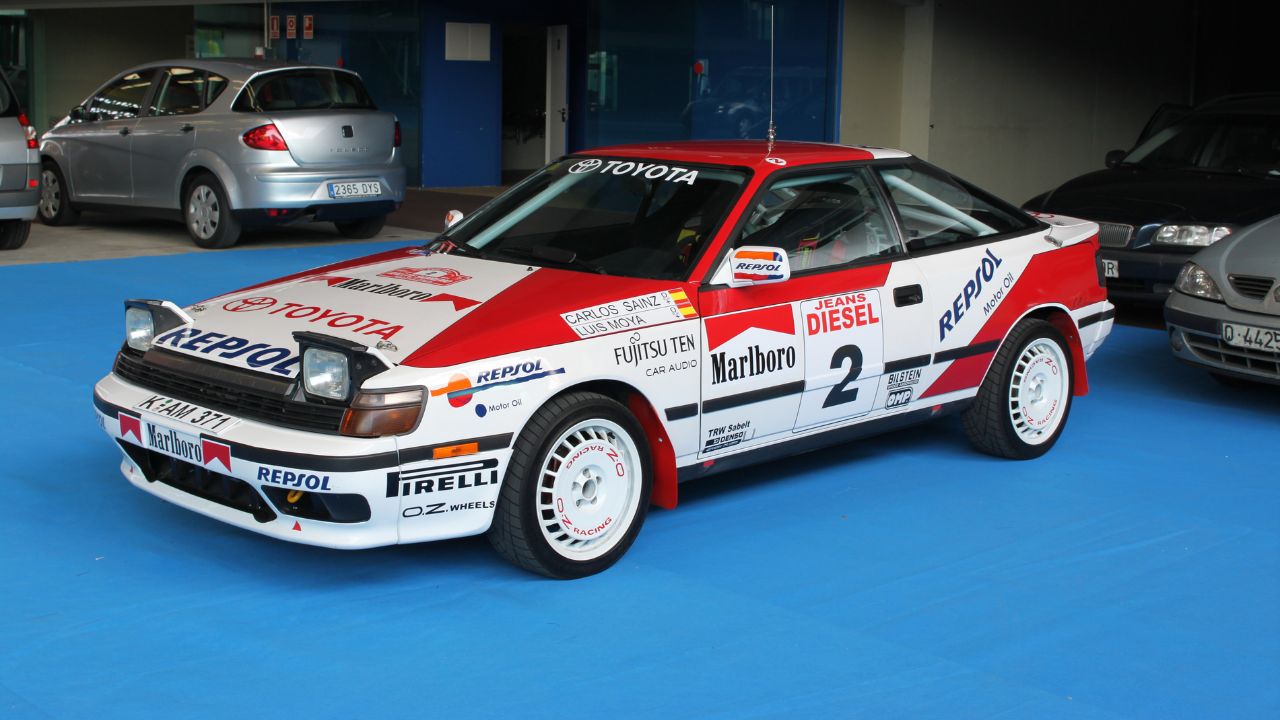
The Toyota Celica GT-Four translated rally victories into showroom credibility. Built by Toyota, it used a turbocharged 3S-GTE engine and all-wheel drive to conquer mixed surfaces. Championship success in the WRC boosted demand for street versions worldwide. Its blend of reliability and performance made it approachable for enthusiasts. The GT-Four showed that rally DNA could thrive in a stylish, daily-drivable coupe.
Audi Sport Quattro
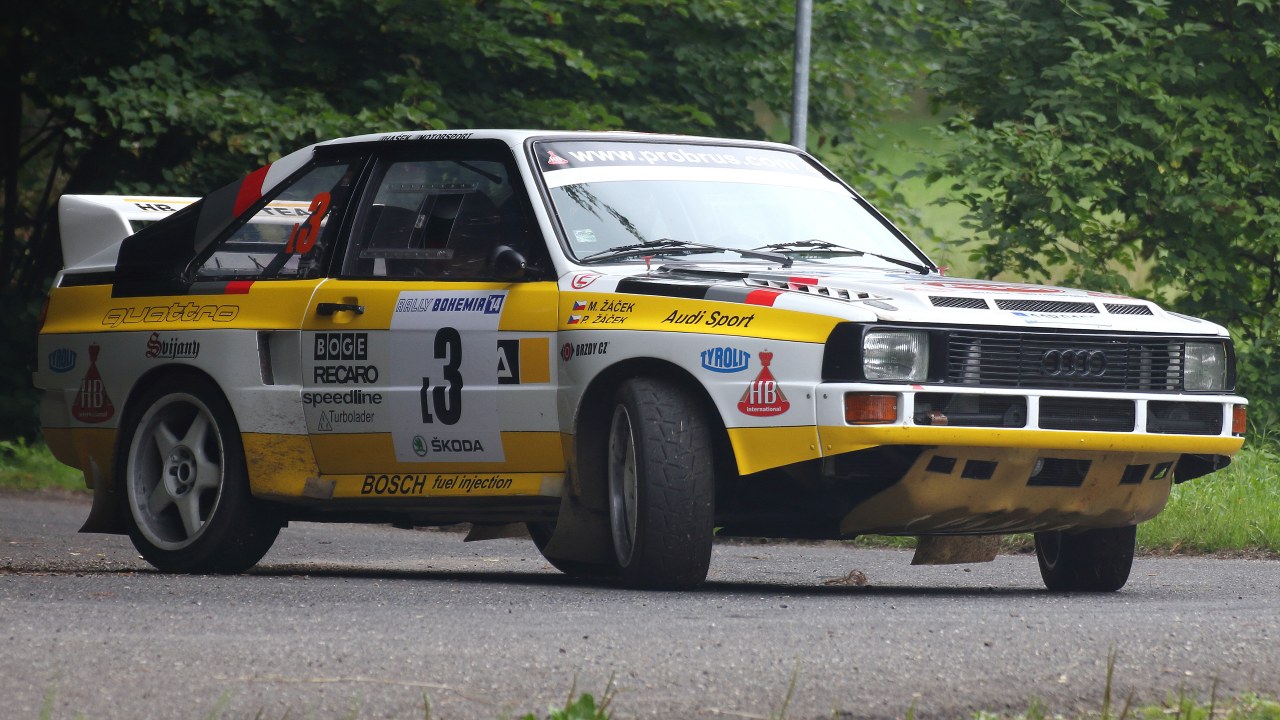
The Audi Sport Quattro redefined what traction meant in performance driving. Created by Audi for Group B homologation, it shortened the wheelbase and amplified turbocharged power. Its permanent all-wheel-drive system transformed rally strategy and influenced road cars for decades. Even in street form, it felt uncompromising and purpose-built. The Sport Quattro permanently altered enthusiast expectations about grip, boost, and all-weather capability.
Peugeot 205 T16
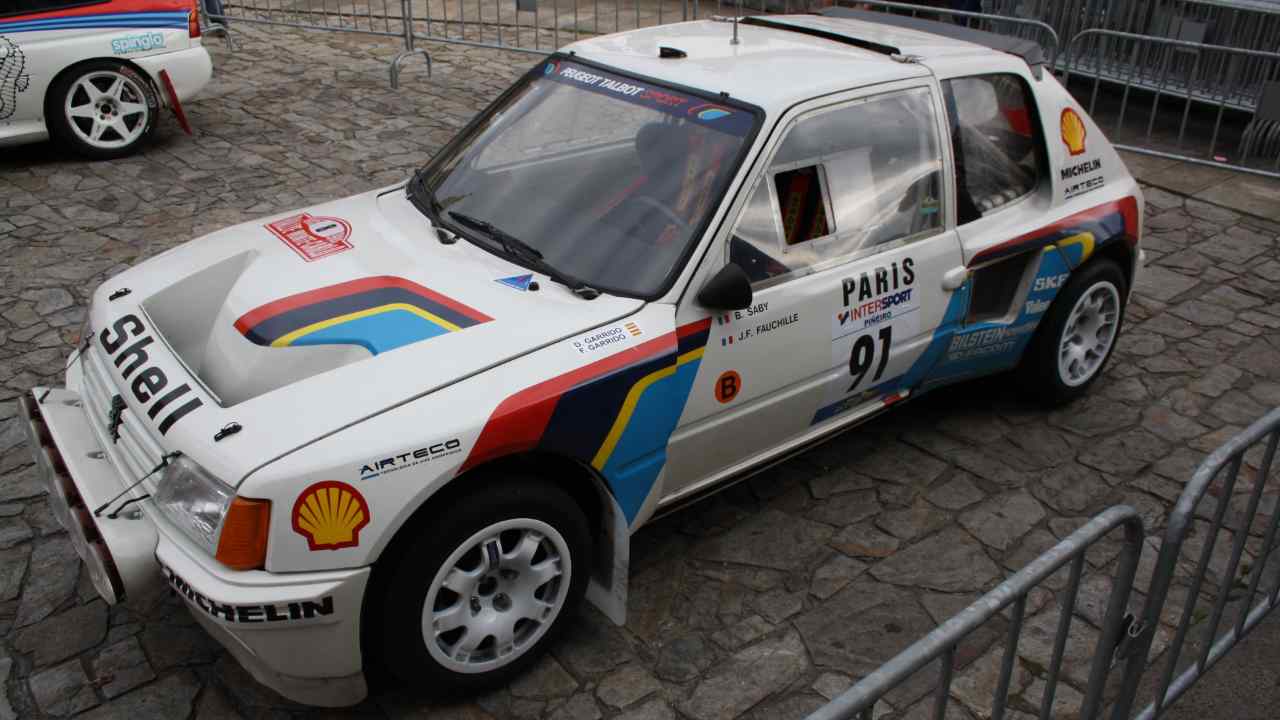
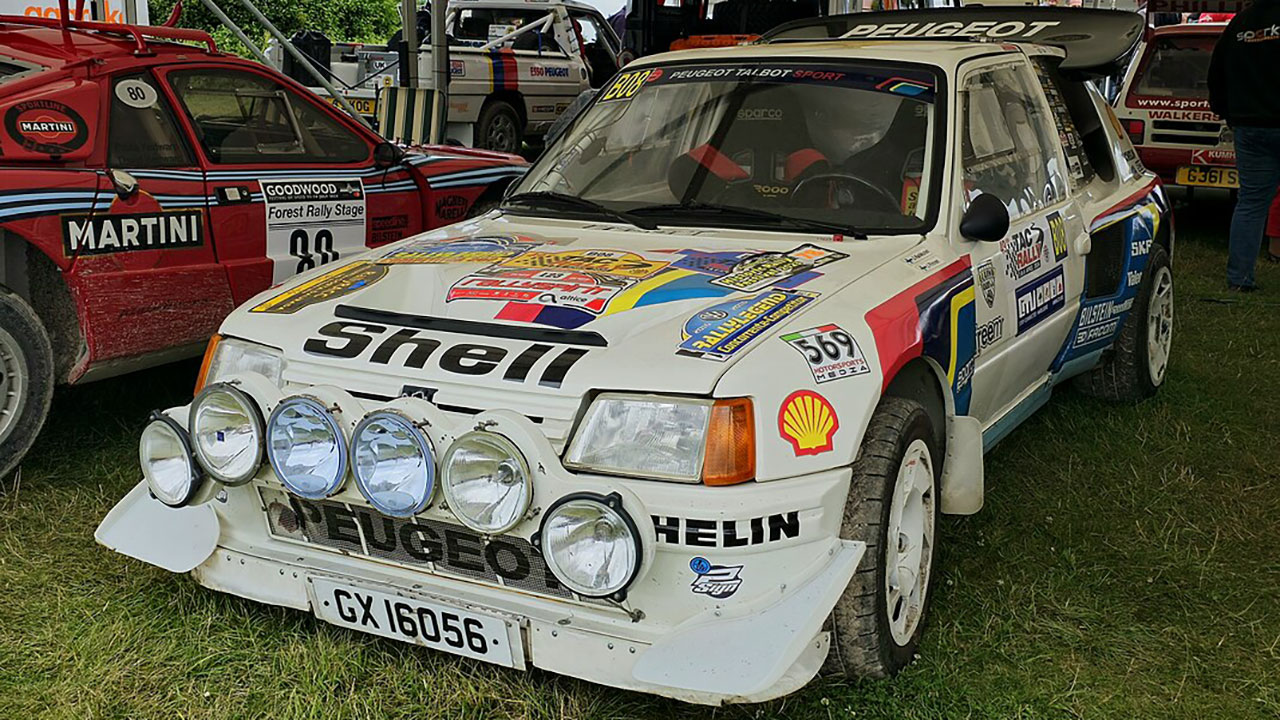
The Peugeot 205 T16 turned a modest hatchback silhouette into a mid-engine rally monster. Developed by Peugeot for Group B competition, it housed a turbocharged engine and advanced AWD system beneath widened bodywork. Its explosive performance on gravel and tarmac stunned rivals. Road-going homologation versions carried that same rebellious spirit. The 205 T16 demonstrated that radical engineering could elevate compact imports into cult legends that still influence enthusiast builds today.
More from Fast Lane Only