The 1980s were the decade when turbochargers stopped being experimental novelties and became defining performance tools. Inspired by Formula 1 and Group B rally, manufacturers embraced forced induction to extract serious power from smaller engines. These sports cars didn’t just add boost for marketing appeal; they reshaped acceleration, tuning culture, and the future of high-performance engineering.
Porsche 959
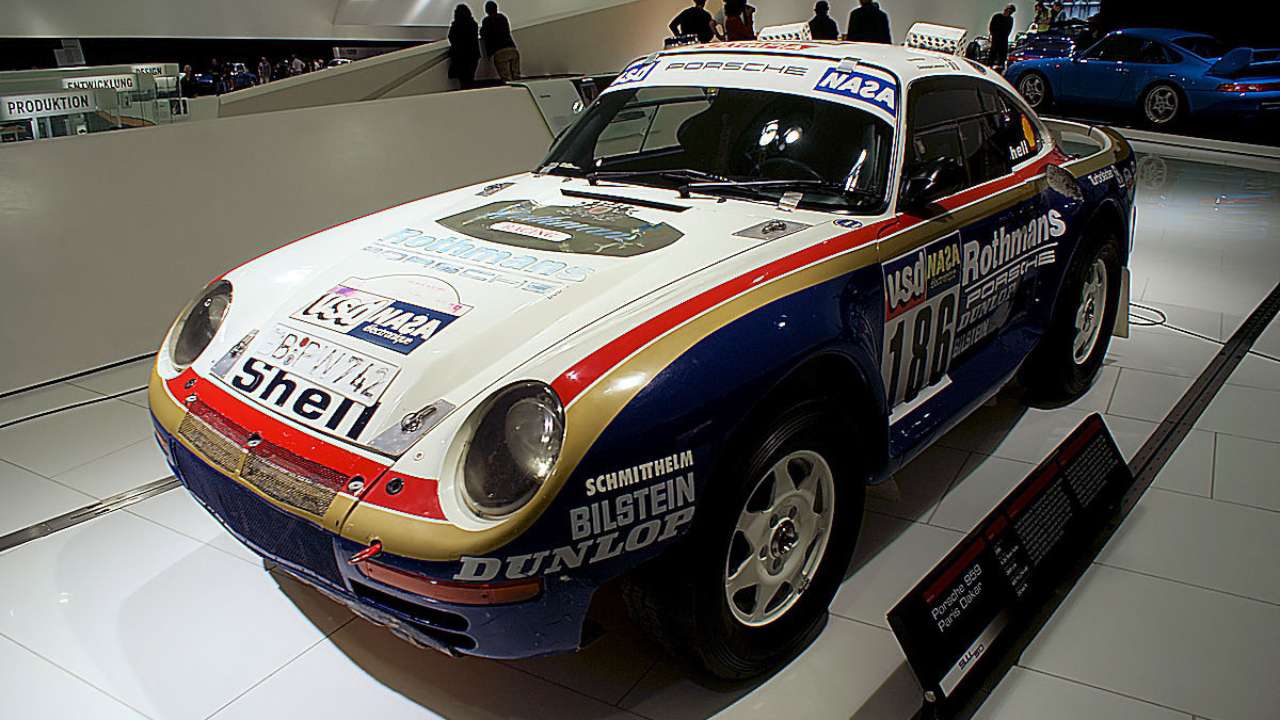
The Porsche 959 was a technological showcase disguised as a road car. Developed by Porsche, it paired a twin-turbocharged flat-six with advanced all-wheel drive and adjustable suspension. Sequential turbocharging minimized lag, delivering explosive yet controlled acceleration. Its dominance in Group B-derived development proved forced induction could coexist with refinement. The 959 set a blueprint for modern turbocharged supercars by combining intelligence, traction, and relentless speed.
Ferrari F40
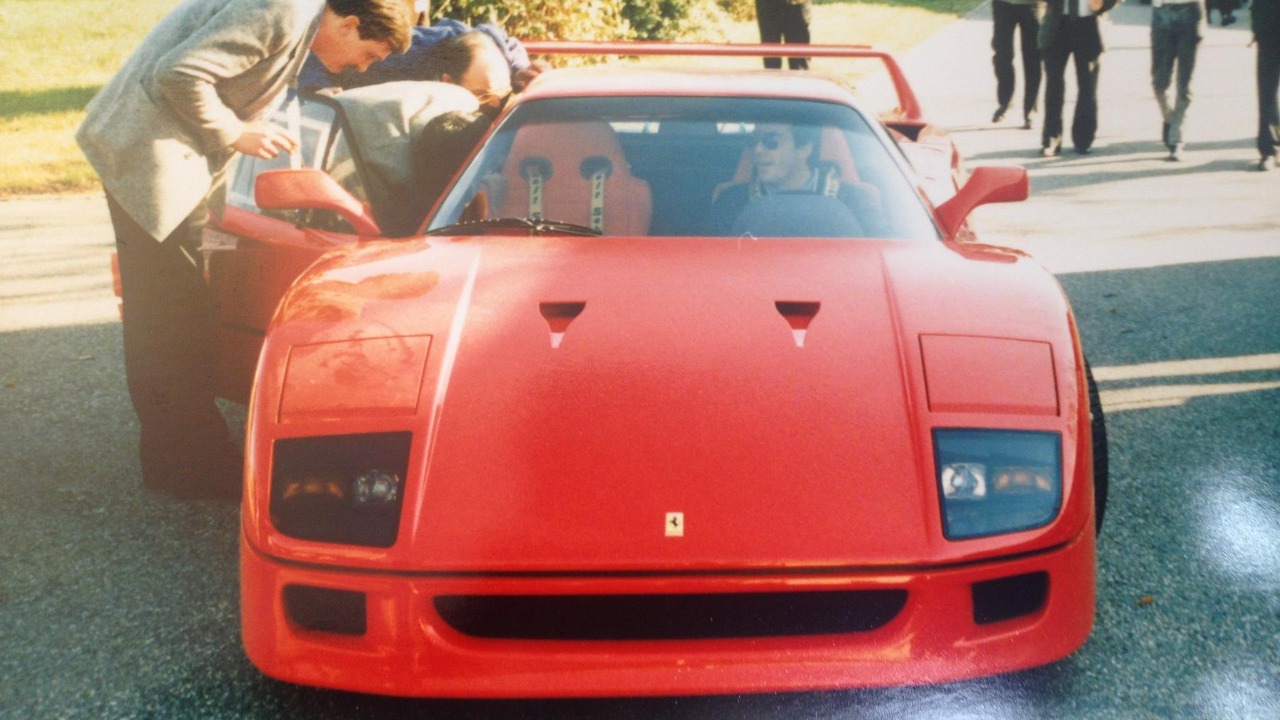
The Ferrari F40 became the raw embodiment of 1980s turbocharged fury. Built by Ferrari, it used a twin-turbo 2.9-liter V8 producing 471 horsepower in a stripped-down, lightweight chassis. Turbo lag was noticeable, but once boost arrived, acceleration felt ferocious and unforgettable. Kevlar panels and minimal interior trim reinforced its race-bred focus. The F40 showed that turbocharging could deliver supercar-level violence without electronic filters.
Buick GNX
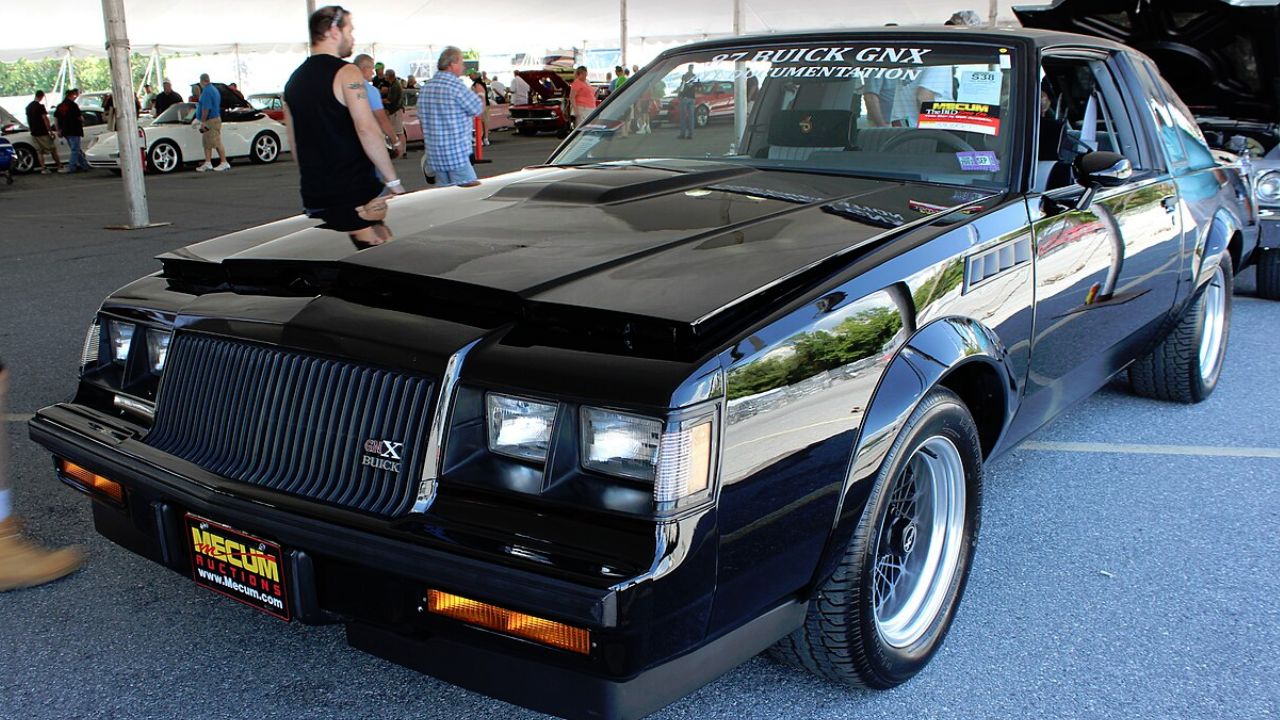
The Buick GNX stunned enthusiasts who underestimated its conservative appearance. Produced by Buick in partnership with ASC/McLaren, it featured a turbocharged 3.8-liter V6 that officially made 276 horsepower, though real output was higher. Its torque delivery allowed it to outrun contemporary V8 Corvettes. Blacked-out styling concealed serious straight-line performance. The GNX demonstrated that turbocharging could embarrass larger-displacement rivals on American soil.
Toyota Supra 2.0 GT Twin Turbo (A70)
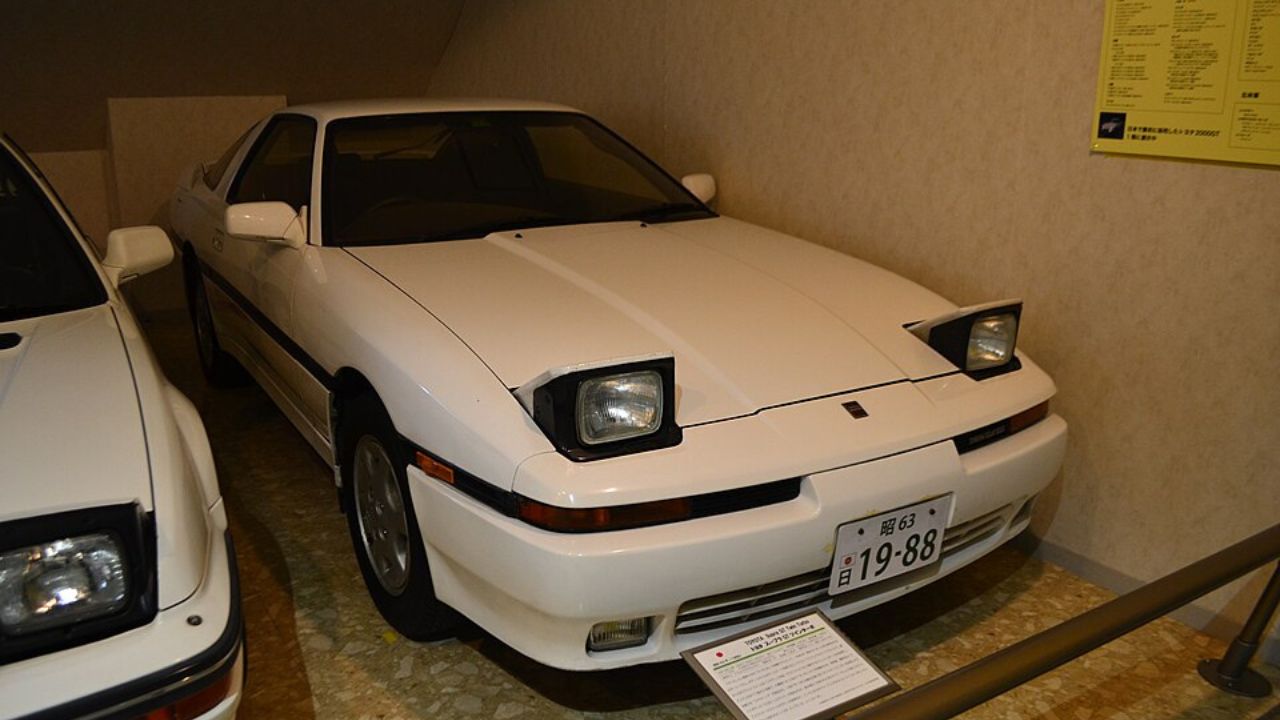
The A70-generation Supra introduced twin turbocharging to a broader performance audience. Built by Toyota, it paired a 2.0-liter inline-six with dual turbos to enhance both response and top-end pull. This setup improved drivability compared to single-turbo systems of the era. The Supra balanced reliability with genuine high-speed capability. It helped establish Japan as a serious force in turbocharged sports car development.
Nissan 300ZX Turbo (Z31)
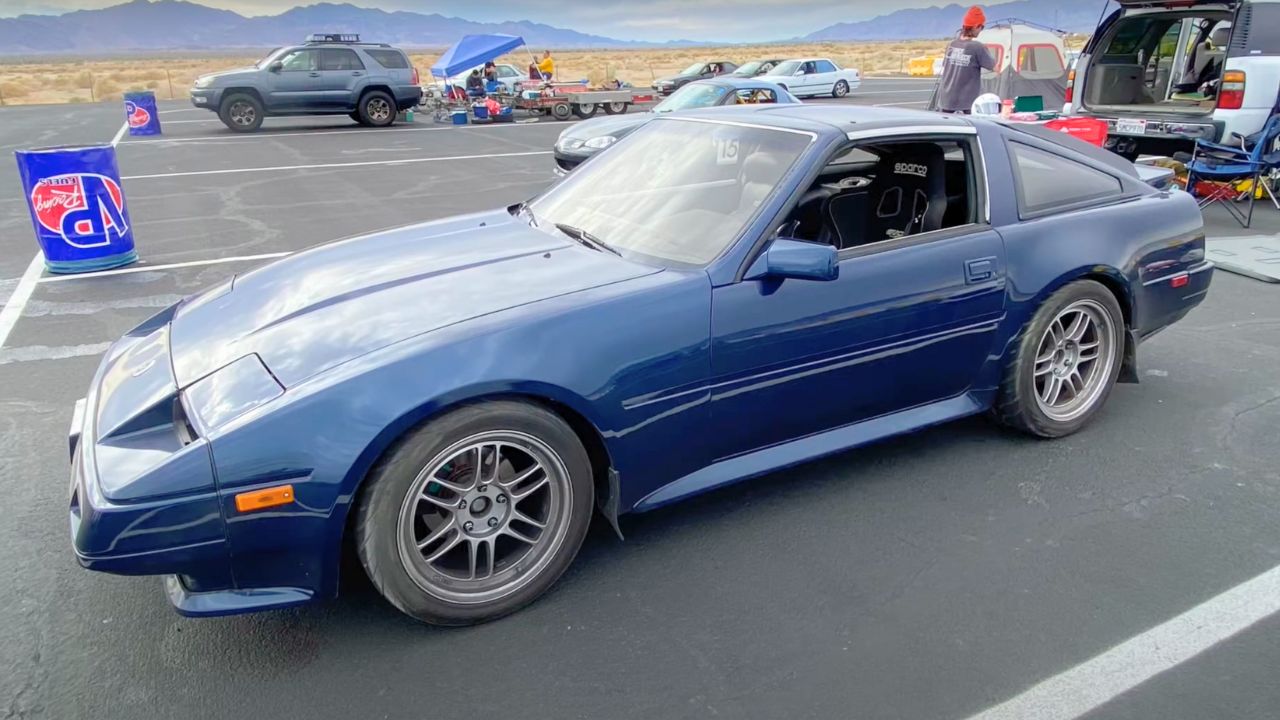
The Nissan 300ZX Turbo brought forced induction into the mainstream sports coupe market. Developed by Nissan, its turbocharged 3.0-liter V6 delivered strong midrange torque and improved highway performance. Digital dashboards and futuristic styling matched its boosted identity. It offered accessible turbo performance without exotic pricing. The 300ZX Turbo broadened the appeal of forced induction beyond limited-production halo cars.
Saab 900 Turbo
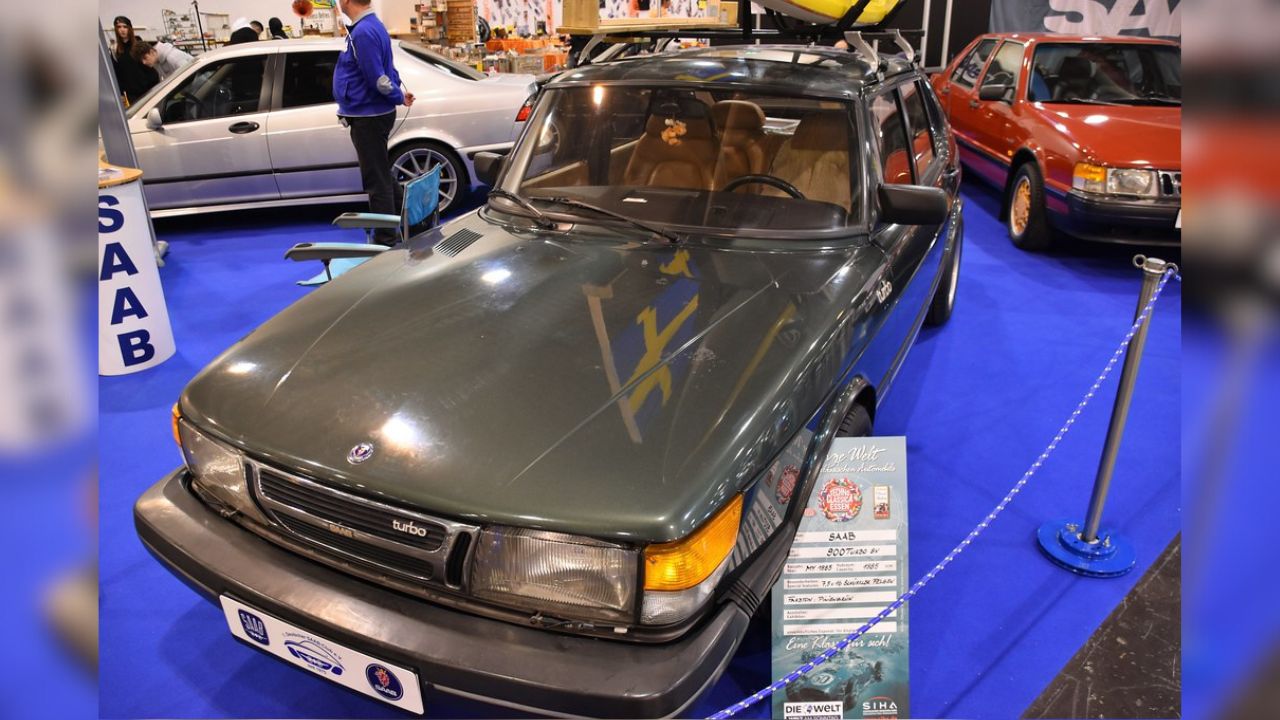
The Saab 900 Turbo proved that turbocharging could enhance everyday usability as well as speed. Produced by Saab, it used a turbocharged inline-four to deliver smooth, flexible power across varied driving conditions. Saab’s focus on low-end torque and real-world drivability set it apart from peaky rivals. Its front-wheel-drive layout made boosted performance practical year-round. The 900 Turbo normalized forced induction as a smart engineering solution, not just a racing trick.
Mitsubishi Starion ESI-R
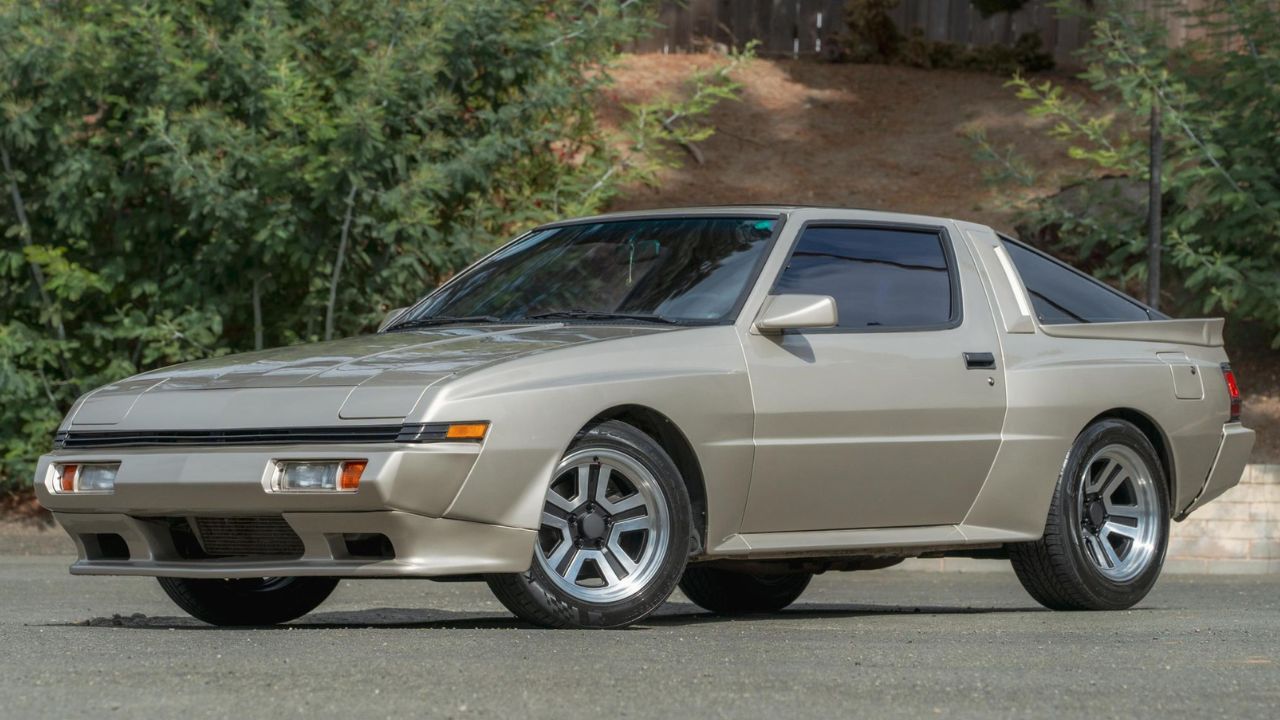
The Mitsubishi Starion ESI-R blended aggressive styling with rally-inspired turbo power. Built by Mitsubishi Motors, it featured a turbocharged 2.6-liter inline-four driving the rear wheels. Wide fenders and intercooling upgrades reflected its performance intent. The Starion’s punchy boost characteristics gave it strong acceleration for its class. It helped push Japanese turbocharged performance further into global markets.
Audi Quattro
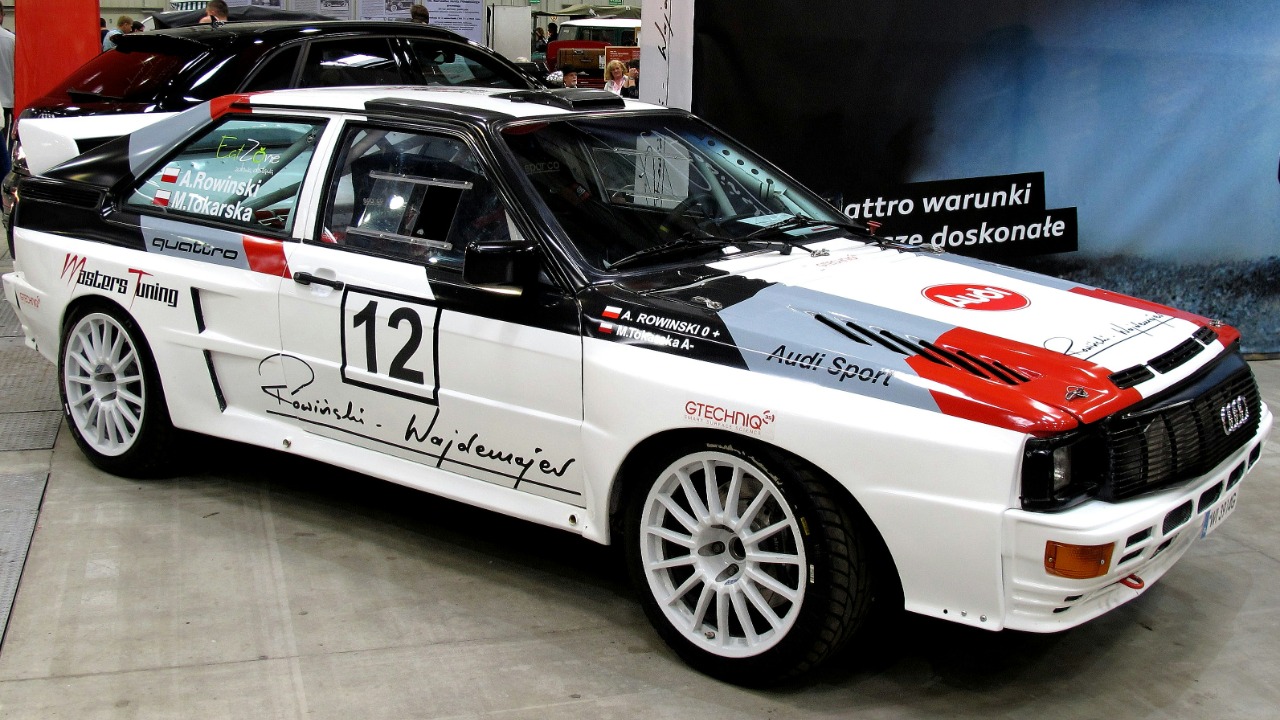
The original Audi Quattro changed the trajectory of turbocharged performance in both rally and road form. Developed by Audi, it paired a turbocharged five-cylinder engine with revolutionary all-wheel drive. In Group B competition, it proved that boost combined with traction could dominate slippery stages. Road versions delivered confidence-inspiring speed in all weather conditions. The Quattro showed that turbocharging and drivetrain innovation could redefine performance expectations.
Mazda RX-7 Turbo II (FC)
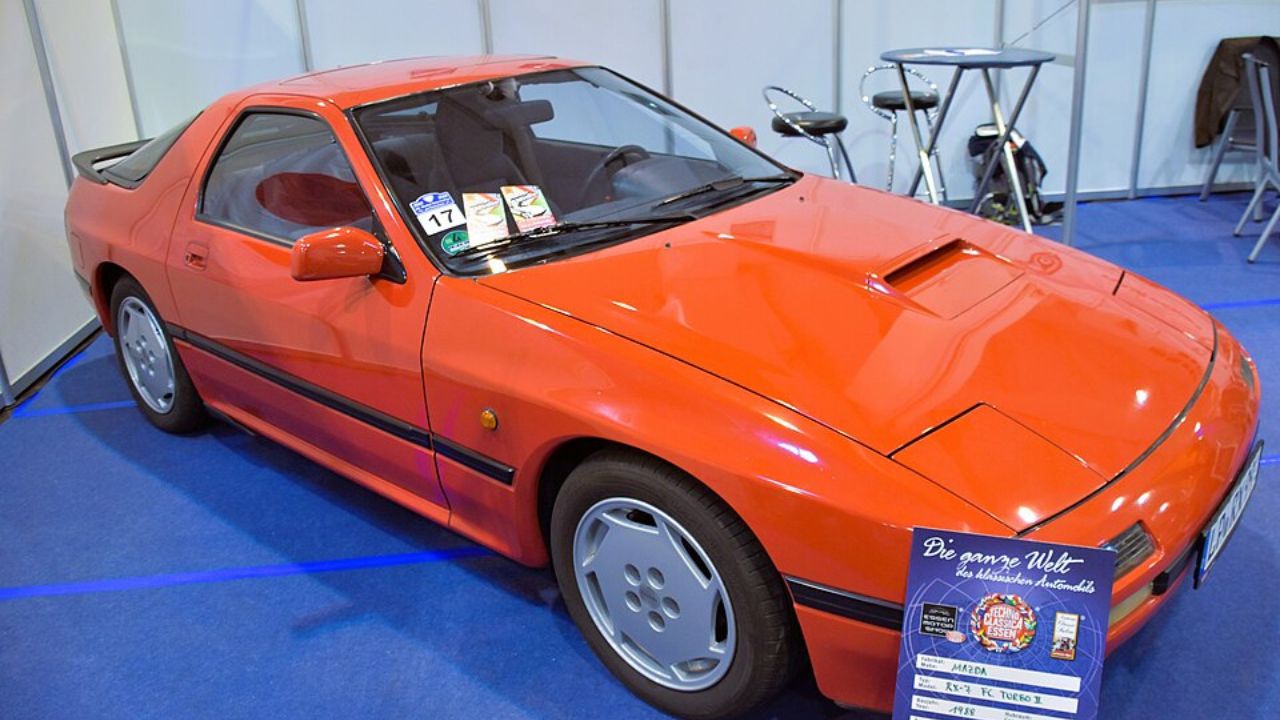
The Mazda RX-7 Turbo II enhanced rotary performance with forced induction. Produced by Mazda, it used a turbocharged 13B rotary engine to increase power while maintaining lightweight balance. The addition of boost improved straight-line speed without sacrificing agility. Drivers appreciated its smooth high-revving character paired with sharper acceleration. The Turbo II demonstrated that even unconventional engines could benefit dramatically from turbocharging.
Renault 5 Turbo
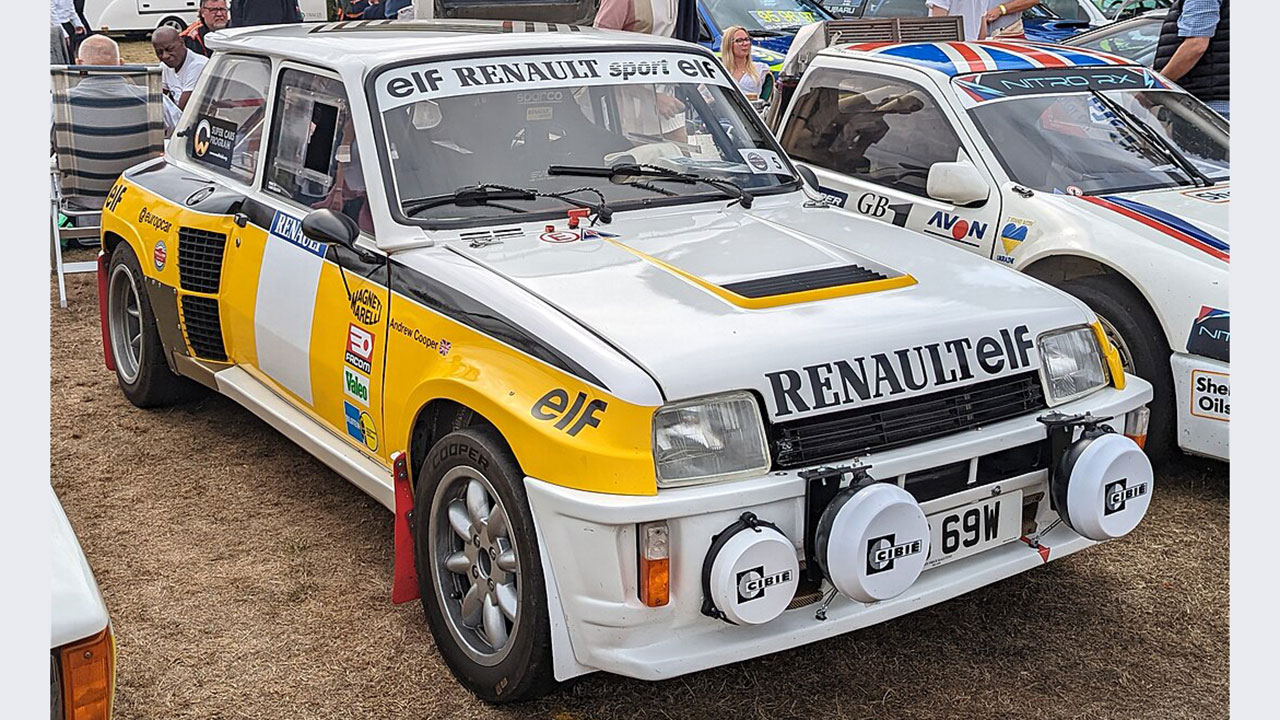
The Renault 5 Turbo turned a compact hatchback into a mid-engine rally weapon. Built by Renault, it relocated its turbocharged engine behind the driver for improved balance. Designed to dominate rally stages, it delivered explosive power in a tiny, wide-bodied package. Its dramatic layout reflected how seriously manufacturers embraced turbo technology. The Renault 5 Turbo showed that forced induction could transform ordinary platforms into performance icons.
More from Fast Lane Only