Rally racing has always demanded a rare mix of durability, traction, and control on unpredictable surfaces. When manufacturers began translating that formula into road cars, the result was a generation of performance machines that felt like stage cars you could actually live with. These models brought all-wheel-drive systems, turbocharged torque, and motorsport engineering directly into everyday driving, reshaping what enthusiasts expected from street performance.
Lancia Delta Integrale
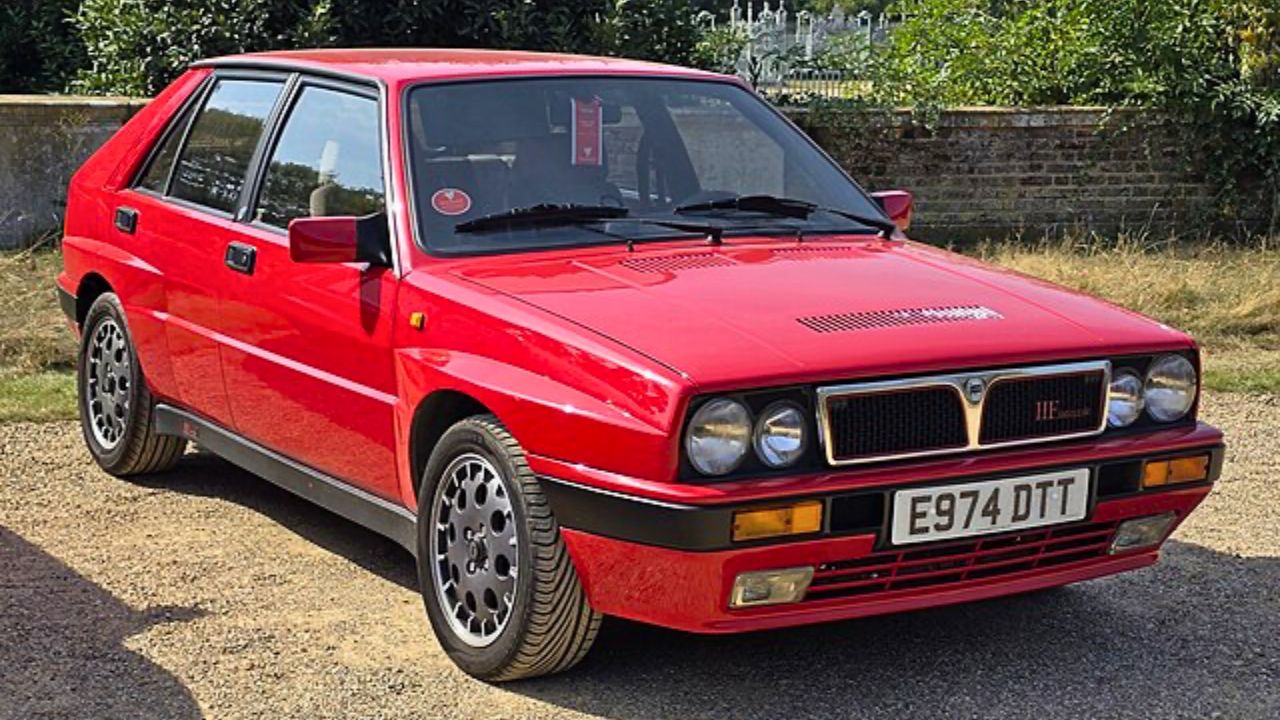
The Lancia Delta Integrale is one of the most dominant rally-bred road cars ever produced, born directly from Lancia’s World Rally Championship success. Its turbocharged inline-four and advanced all-wheel-drive system delivered exceptional traction on loose and wet surfaces. Wide fenders, aggressive vents, and boxy rally styling reflected its competition roots without compromise. Drivers loved how closely it mirrored the behavior of its rally counterparts. Its repeated championship success translated into instant street credibility, making it one of the most celebrated homologation specials of all time.
Mitsubishi Lancer Evolution VI
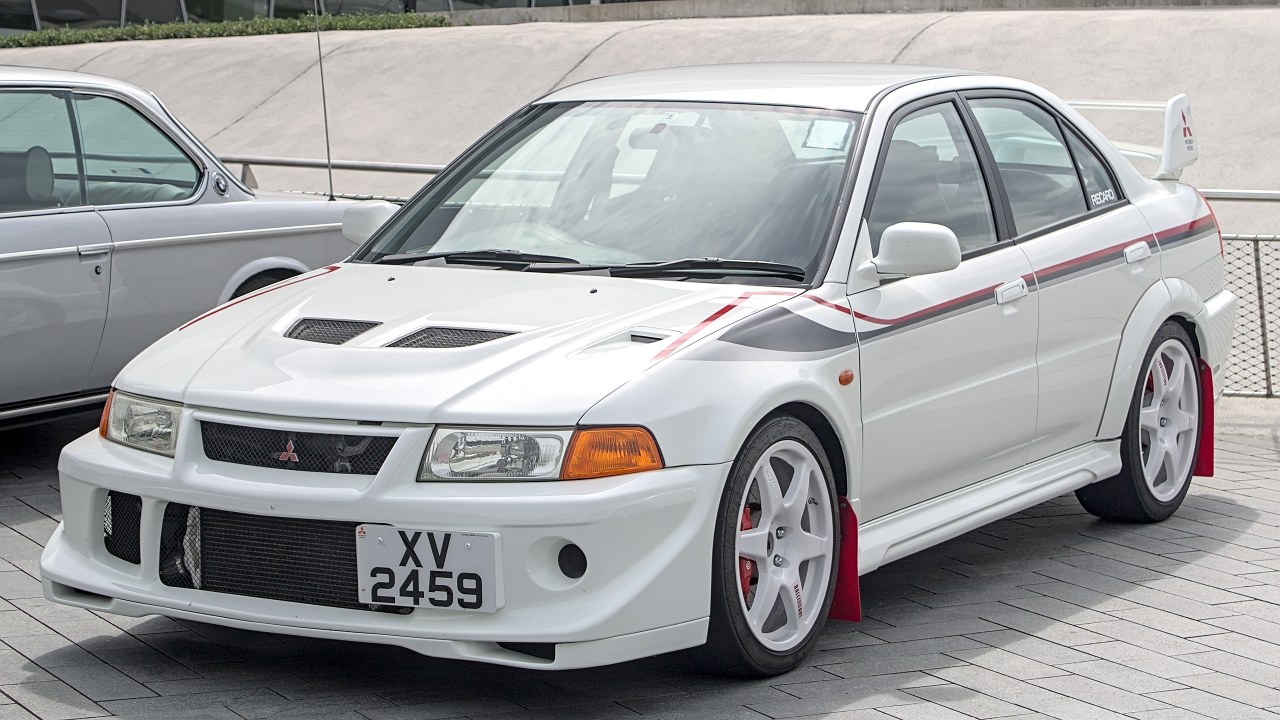
The Mitsubishi Lancer Evolution VI TME was built to honor rally legend Tommi Mäkinen and his dominance in the World Rally Championship. Its turbocharged 4G63 engine and refined all-wheel-drive system provided explosive acceleration and incredible grip. Engineers improved cooling, suspension geometry, and response to make it even sharper than previous Evos. The result was a road car that felt extremely close to a full competition machine. Enthusiasts admired its raw, mechanical feel and its direct connection to rally championship success at the highest level.
Subaru Impreza WRX STI
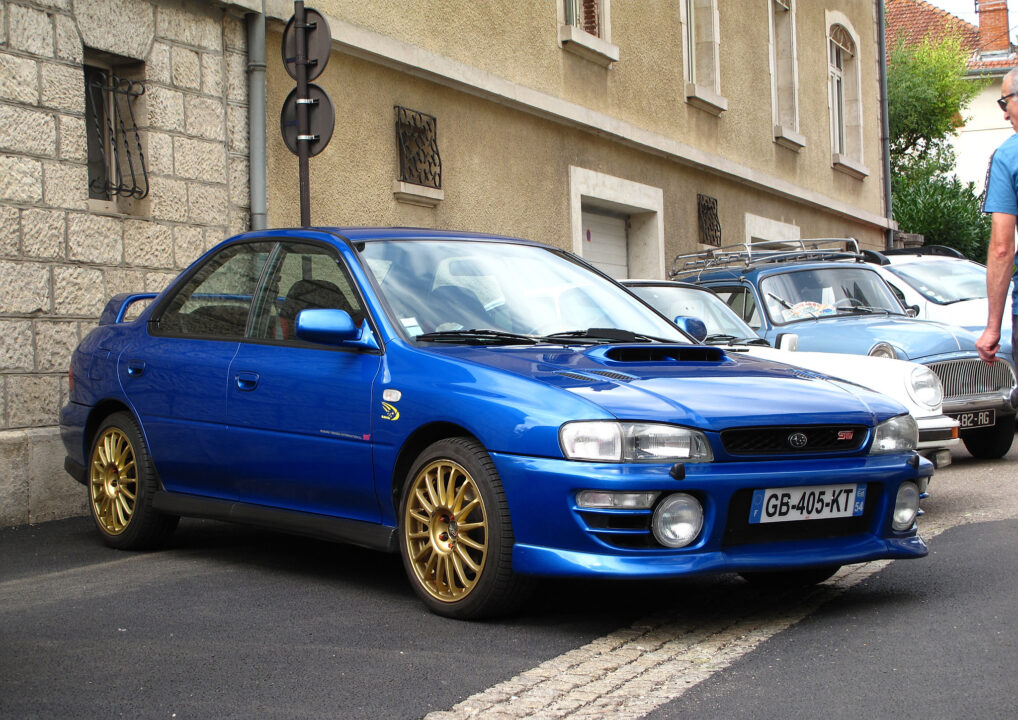
The Subaru Impreza WRX STI GC8 became a global symbol of accessible rally performance. Its turbocharged boxer engine and symmetrical all-wheel-drive system provided outstanding stability in all weather conditions. Built from Subaru’s rally program, it delivered consistent performance on gravel, snow, and pavement alike. The car’s winged silhouette and hood scoop became instant visual markers of its capability. Enthusiasts embraced it for its combination of everyday usability and serious motorsport engineering, making it one of the most influential rally-derived street cars ever produced.
Ford Escort RS Cosworth
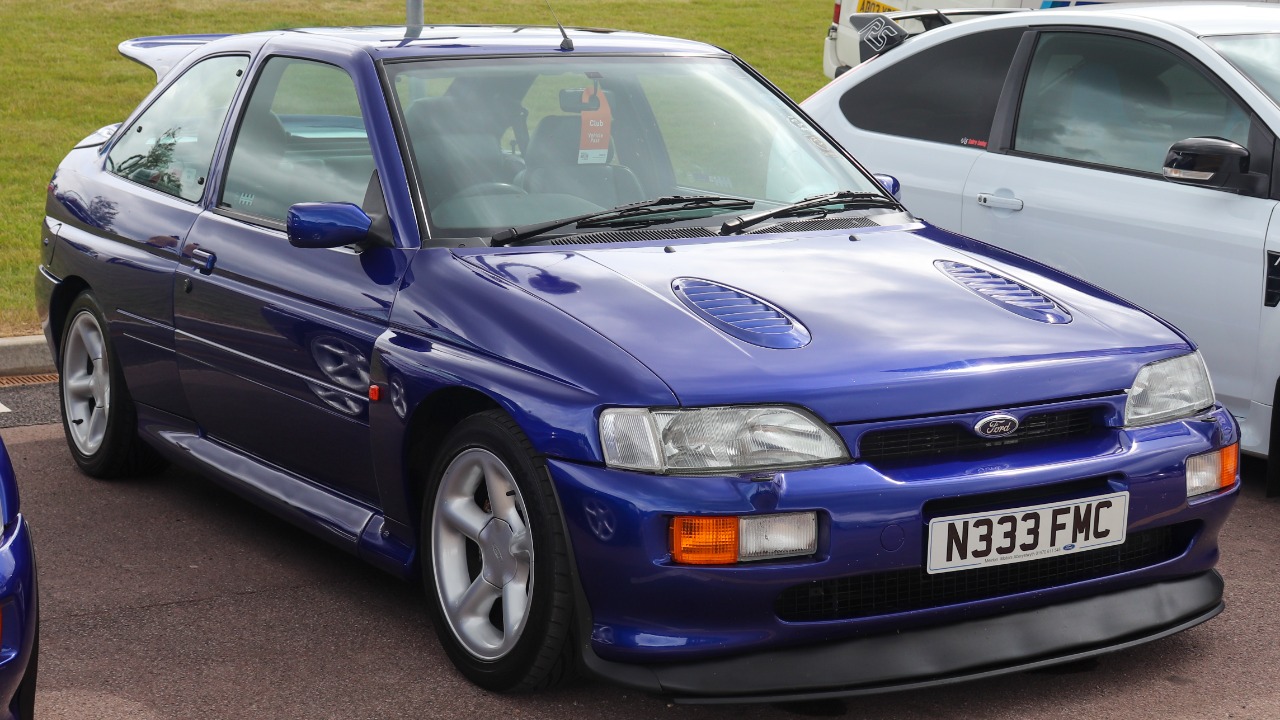
The Ford Escort RS Cosworth was developed as a direct homologation model for Group A rally competition. Its turbocharged engine and all-wheel-drive system gave it exceptional traction under acceleration. The massive “whale tail” spoiler and aggressive aerodynamics weren’t just styling—they were functional rally engineering solutions. Built for competition first, the road version still carried that raw performance character. It quickly gained a reputation among enthusiasts for being both fast and demanding, perfectly reflecting Ford’s commitment to rally success in the early 1990s.
Toyota Celica GT-Four

The Toyota Celica GT-Four ST185 brought championship-winning rally DNA directly to the street. Developed during Toyota’s rise in World Rally Championship competition, it featured a turbocharged engine and advanced all-wheel-drive system designed for unpredictable terrain. Its functional vents and rally-inspired stance reflected its motorsport purpose clearly. The car helped Toyota establish credibility in global rallying while offering enthusiasts a road-going version of that success. It became especially respected for its balance of durability, performance, and real-world usability.
Audi Quattro
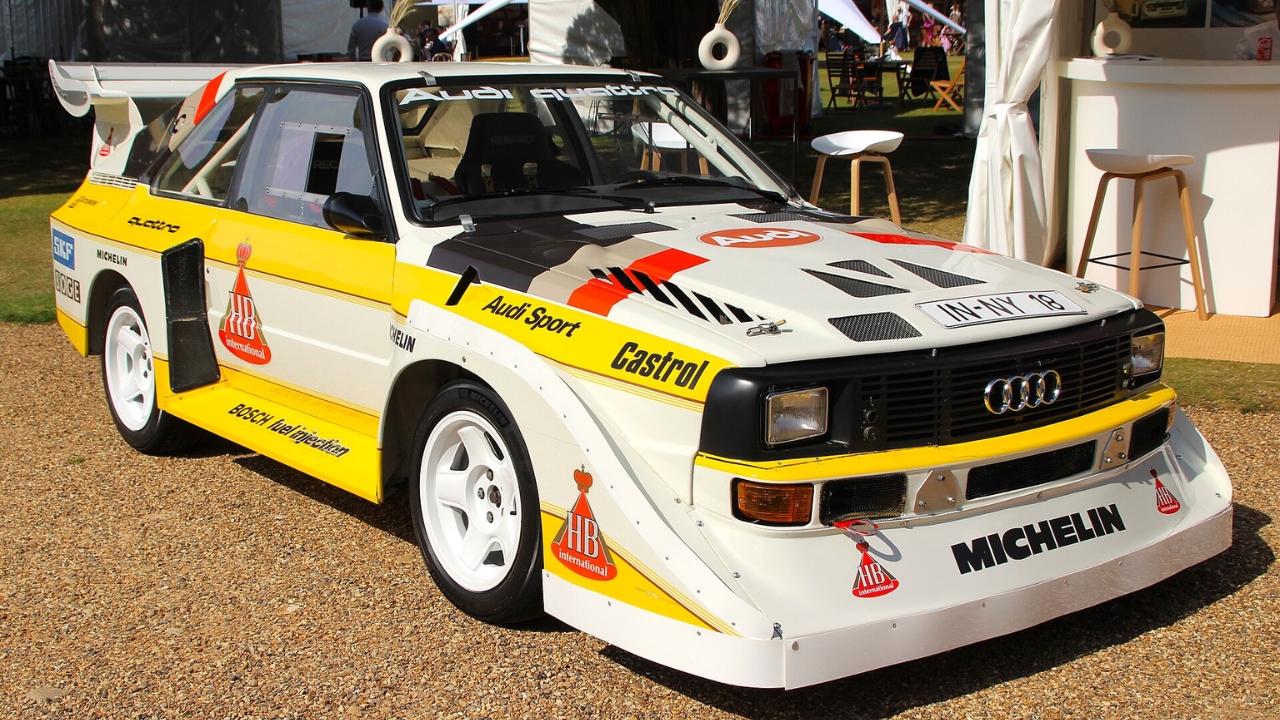
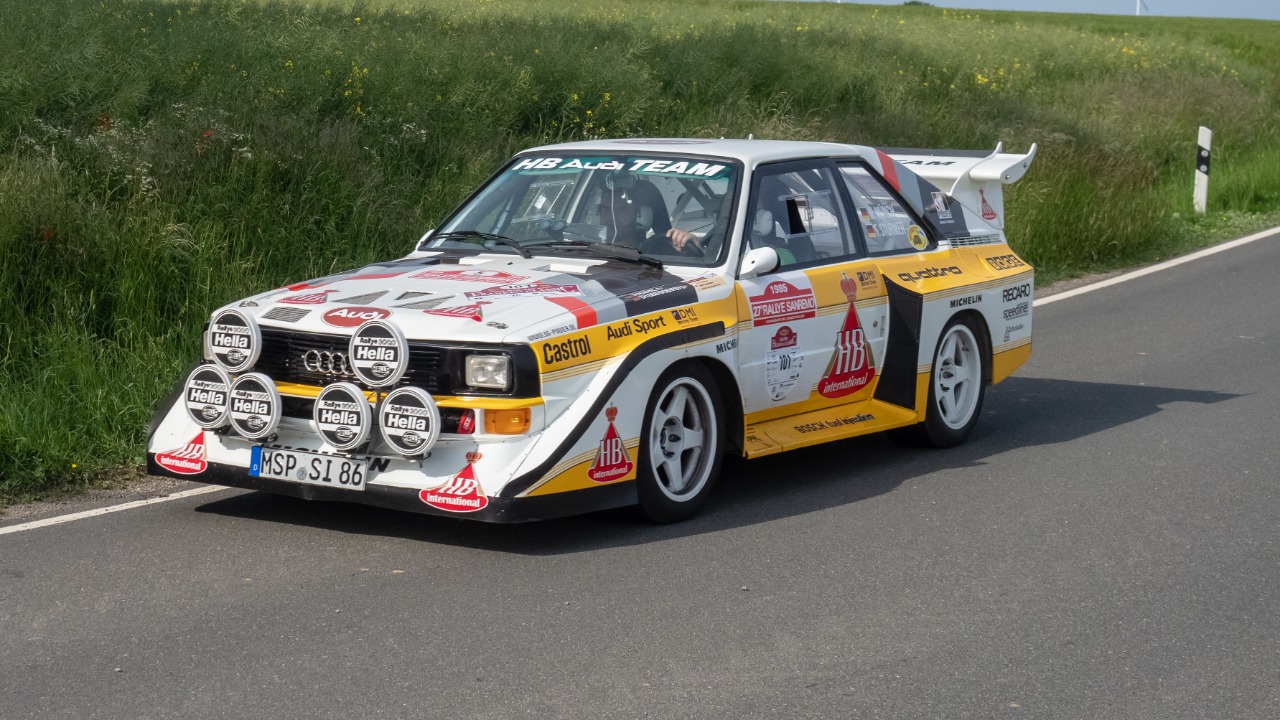
The Audi Quattro revolutionized both rally racing and road car performance by introducing permanent all-wheel drive to high-performance vehicles. Its turbocharged five-cylinder engine delivered strong mid-range power, while its traction advantage completely reshaped rally competition in the 1980s. On the street, it introduced drivers to a new level of all-weather performance confidence. The Quattro’s boxy design and wide arches became instantly iconic. It didn’t just succeed in rallying—it changed the entire direction of performance engineering for decades to come.
Hyundai i20 N WRC
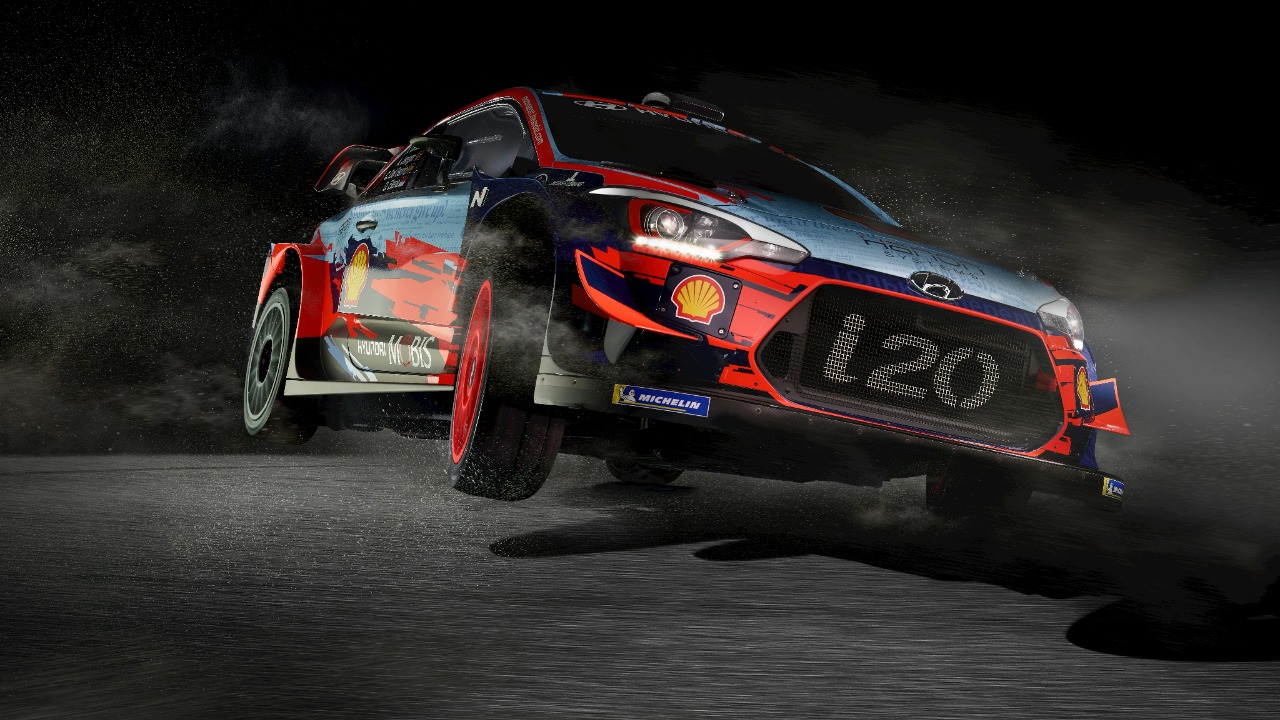
Modern rally-inspired performance is best represented by Hyundai’s WRC-derived engineering philosophy seen in its performance hatchback lineup. Built with lessons learned from World Rally Championship competition, it emphasizes sharp handling, turbocharged response, and chassis balance over pure horsepower. While more refined than older homologation specials, it still carries the spirit of rally-focused design. The emphasis on control and driver engagement shows how rally technology continues to influence modern road cars. It reflects the evolution of rally inspiration into everyday accessible performance vehicles
More from Fast Lane Only