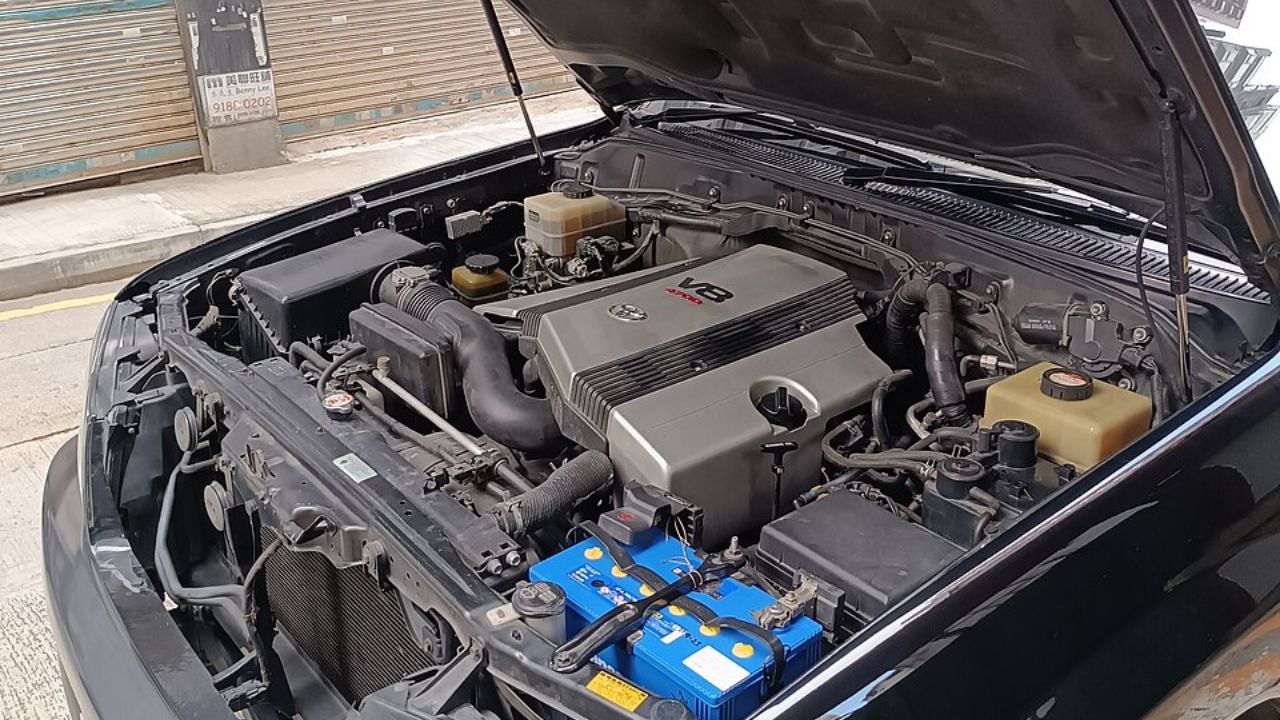
Truck engines have traditionally prioritized durability and torque, but some powerplants introduced technology that felt remarkably advanced for their time. From electronically controlled diesels to unconventional engine layouts, these 7 engines pushed truck engineering forward and helped shape the powertrains that followed.
Detroit Diesel 6V92
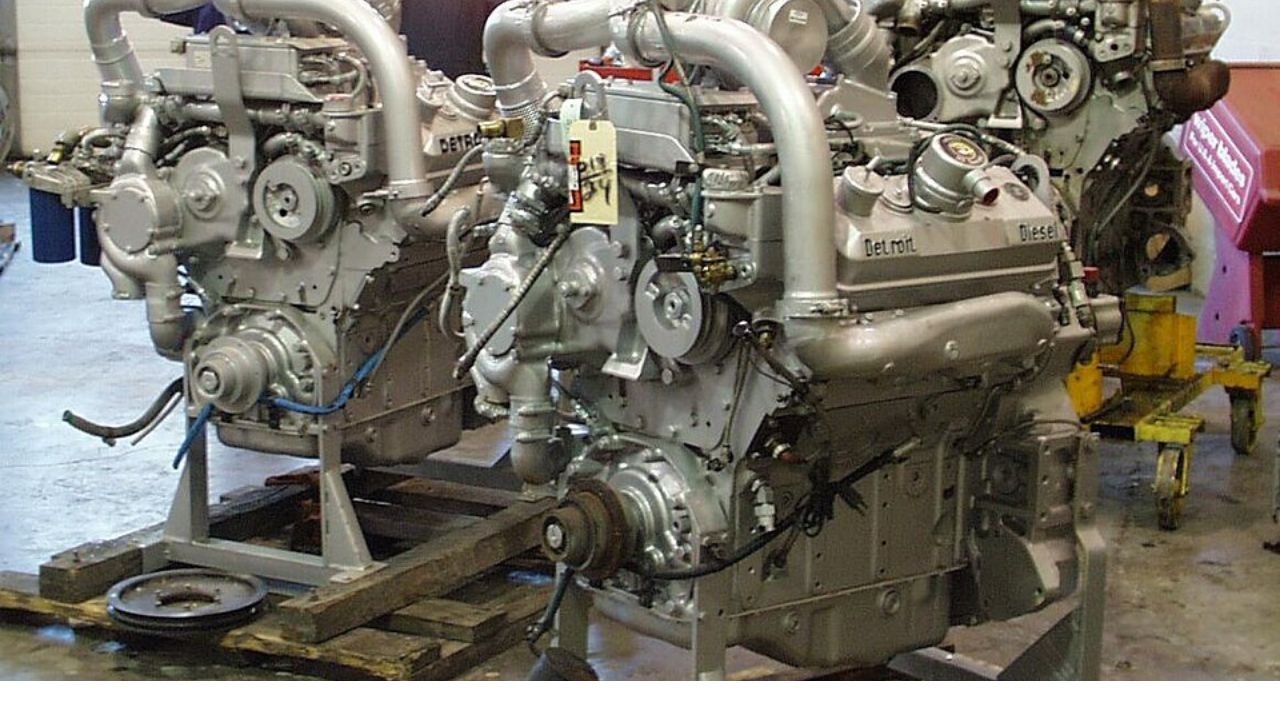
The Detroit Diesel 6V92 brought two-stroke diesel technology into a more compact V6 configuration. Its distinctive blower-assisted design and high-revving character gave it a different approach to diesel power. Used in trucks, buses, and other commercial applications, the engine demonstrated how manufacturers could extract useful performance from a relatively compact diesel package.
Dodge 5.9 Cummins
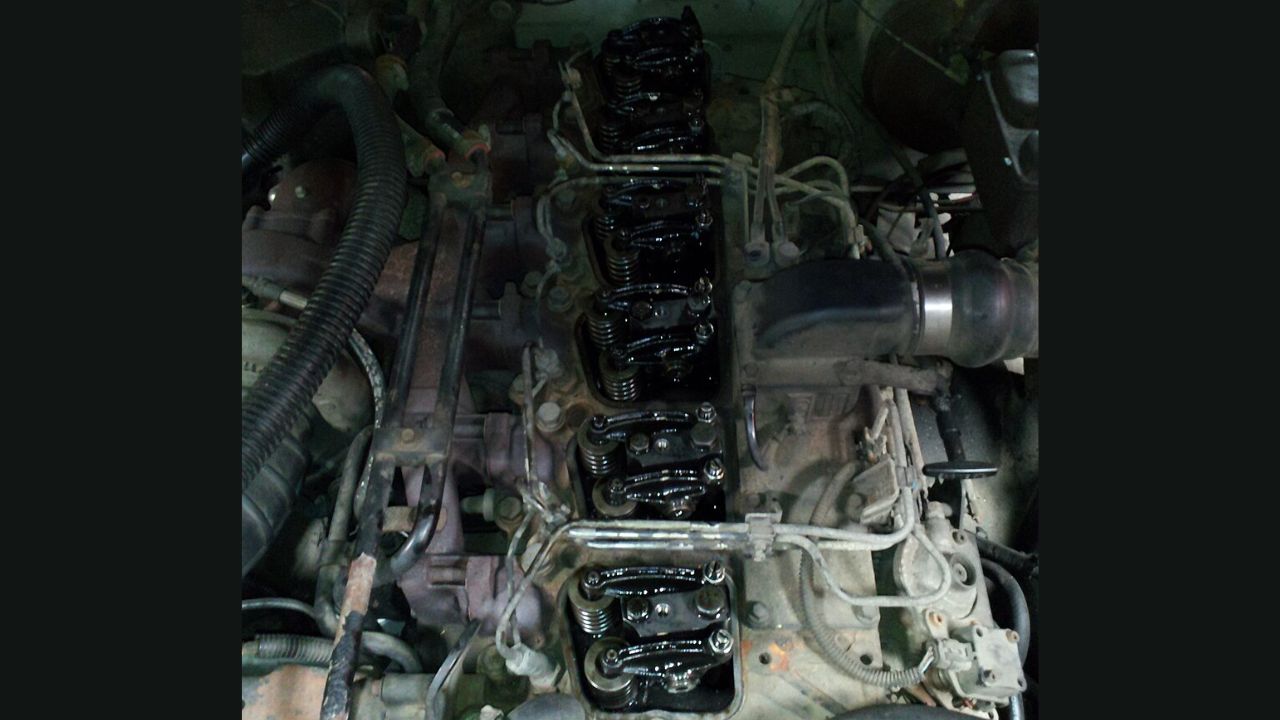
The 5.9-liter Cummins gave Dodge pickups a distinctive advantage with its inline-six architecture and substantial low-end torque. Its direct-injection diesel design provided strong pulling power while maintaining a relatively straightforward mechanical foundation. The engine’s combination of durability, torque, and efficiency helped transform the Dodge Ram into a serious competitor in the heavy-duty pickup market.
Caterpillar C15
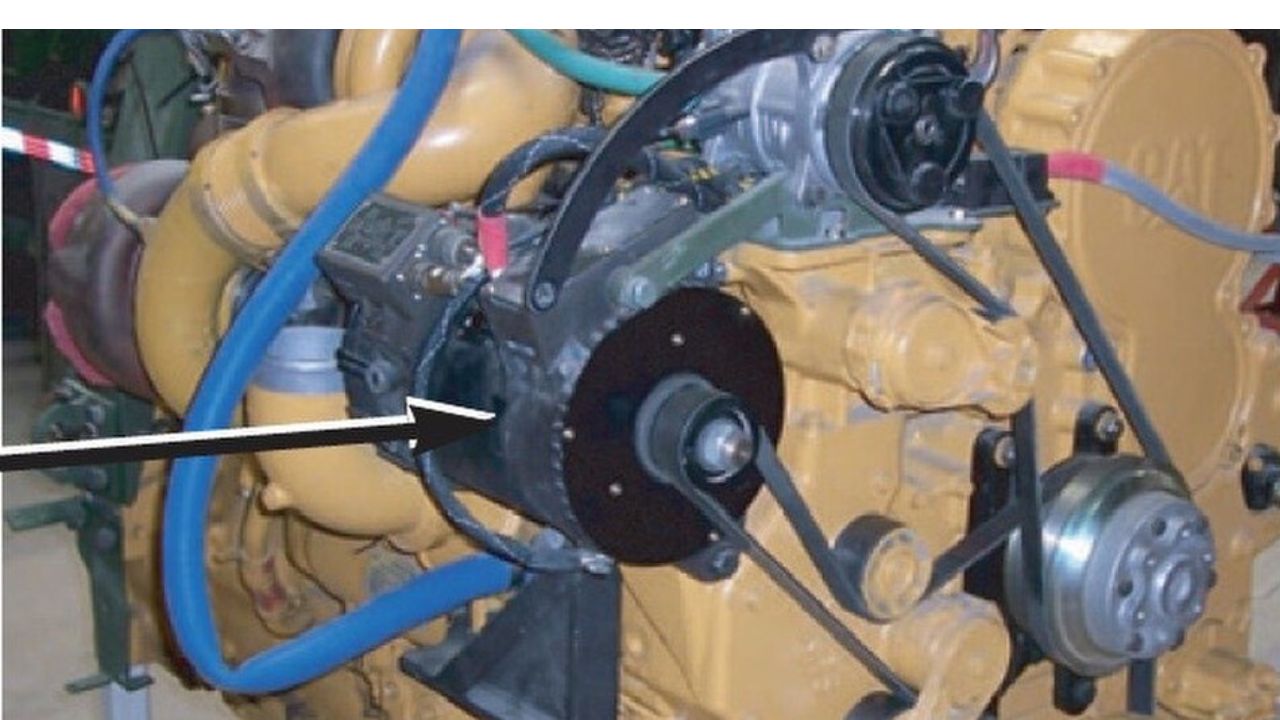
The Caterpillar C15 represented the growing sophistication of heavy-duty diesel engines in commercial trucks. Its electronic fuel management, turbocharging, and large displacement provided substantial torque for demanding loads. Designed for long-haul and vocational applications, the C15 combined computerized controls with a robust mechanical foundation. It helped define the modern era of electronically managed heavy-duty diesels.
Ford 6.0 Power Stroke
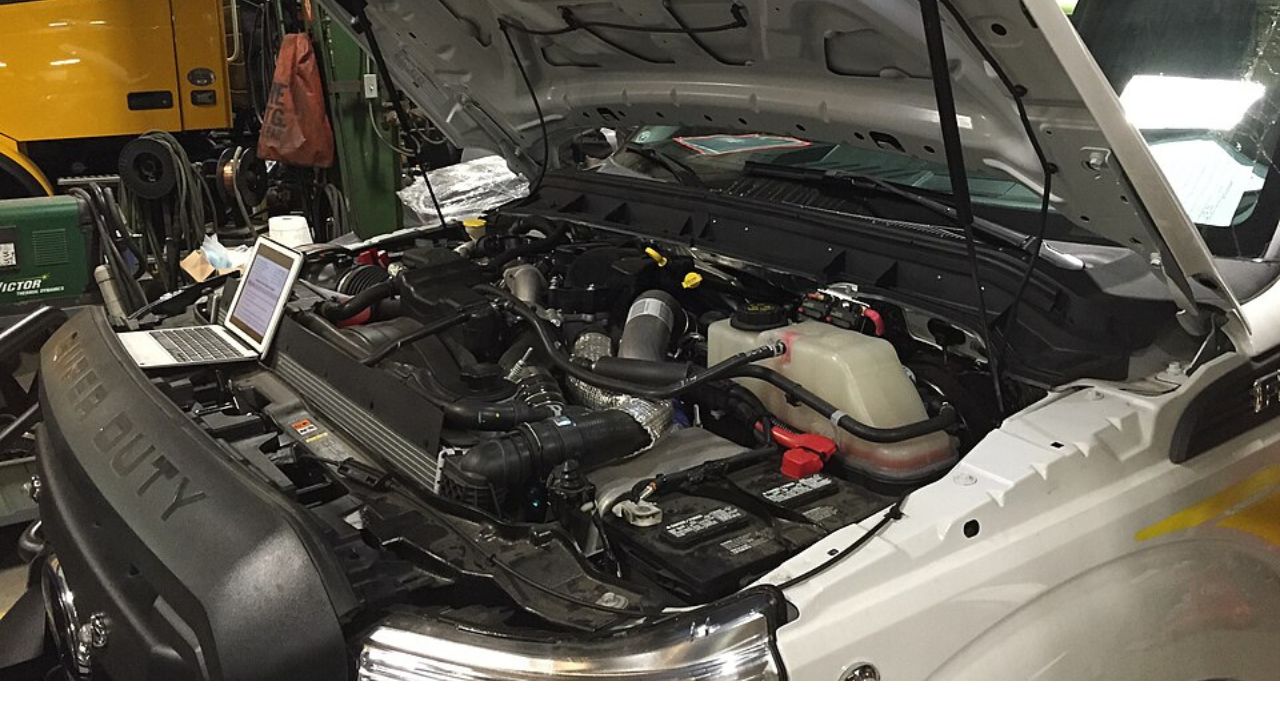
The Ford 6.0 Power Stroke introduced a number of significant technological changes to Ford’s diesel lineup. Its variable-geometry turbocharger, electronic controls, and compact packaging provided strong performance and improved responsiveness. The engine’s complexity also created reliability challenges in some applications, but its technology represented an important step toward increasingly sophisticated modern diesel powertrains.
Cummins 6.7
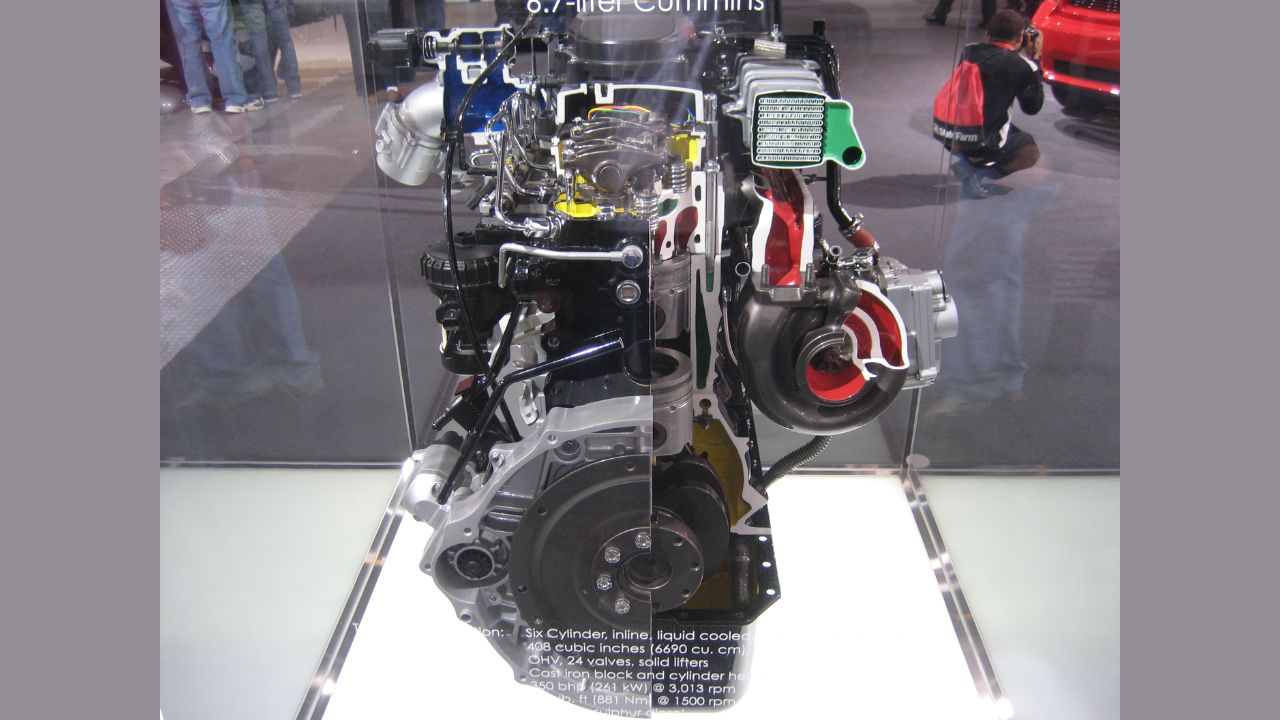
The 6.7-liter Cummins brought modern emissions technology, electronic controls, and advanced turbocharging to the heavy-duty pickup market. Compared with earlier Cummins engines, it was designed to meet much stricter emissions requirements while producing substantial torque. Its development demonstrated how diesel manufacturers were adapting traditional heavy-duty engines to a new era of electronic management and emissions control.
Toyota 2UZ-FE
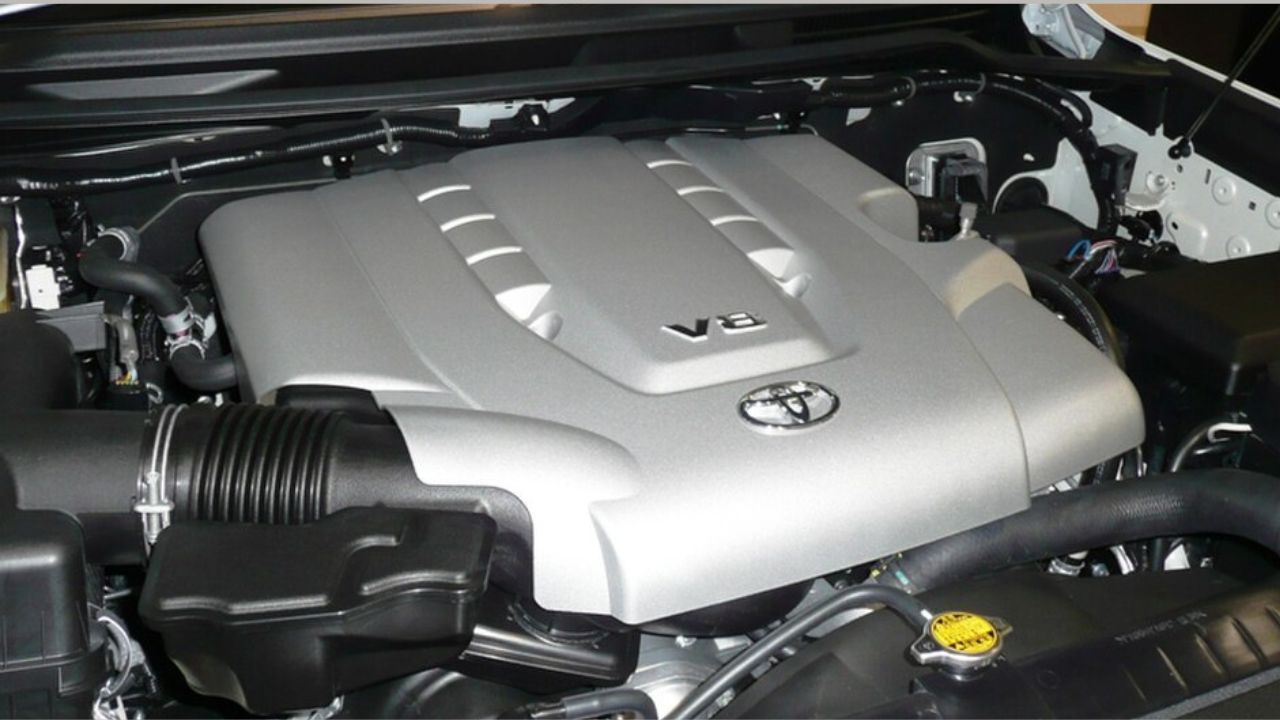
The Toyota 2UZ-FE demonstrated how a gasoline V8 could be engineered specifically for demanding truck and SUV applications. Its cast-iron block, strong low-end torque, and conservative tuning emphasized durability. The engine powered vehicles such as the Tundra, Sequoia, and Land Cruiser. Its combination of refinement and heavy-duty construction helped establish a strong reputation among truck owners.
International DT466
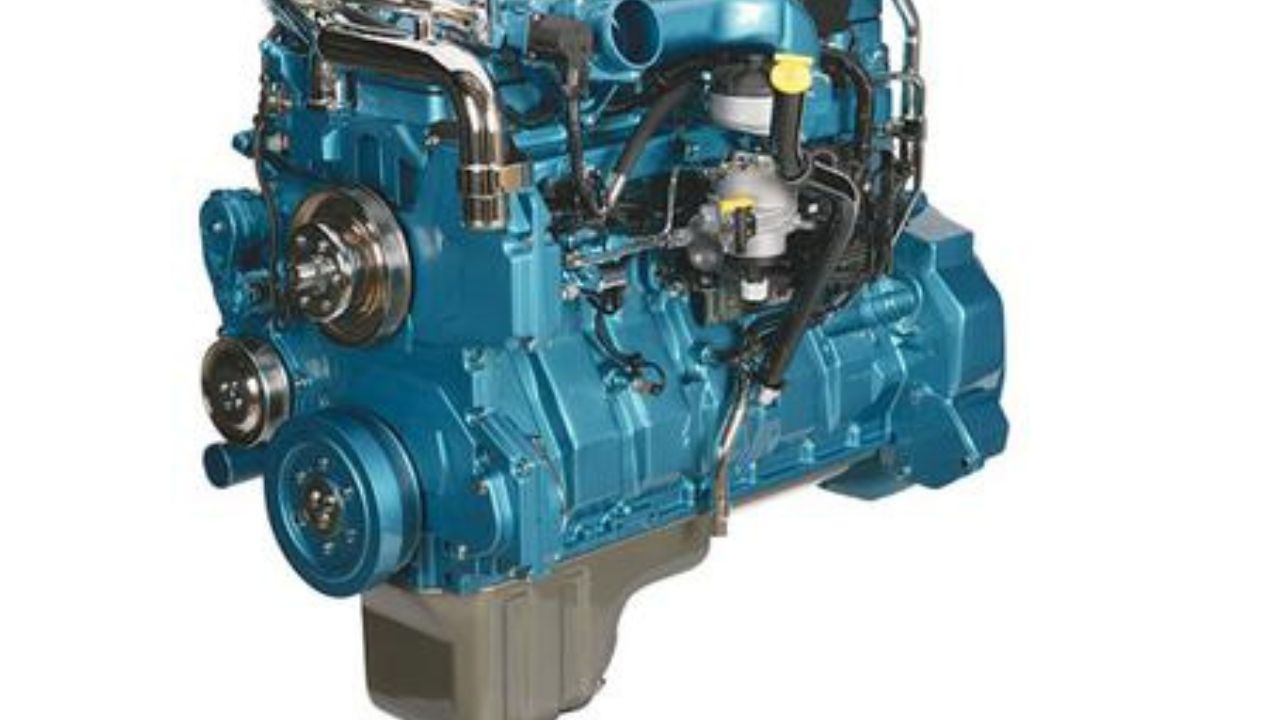
http://69.20.127.42/StaticFiles/internationalTrucks/pictures/4000_pd1_lg.jpg – Fair use / wikipedia
The International DT466 became a landmark medium-duty diesel because of its combination of durability, serviceability, and adaptable design. Its inline-six configuration and wet-sleeve construction allowed major components to be rebuilt rather than requiring complete engine replacement. Used in trucks, buses, and commercial equipment, the DT466 demonstrated how advanced engineering could also prioritize long-term serviceability.
More from Fast Lane Only
- Unboxing the WWII Jeep in a Crate
- 15 rare Chevys collectors are quietly buying
- 10 underrated V8s still worth hunting down
- Police notice this before you even roll window down
*Research for this article included AI assistance, with all final content reviewed by human editors