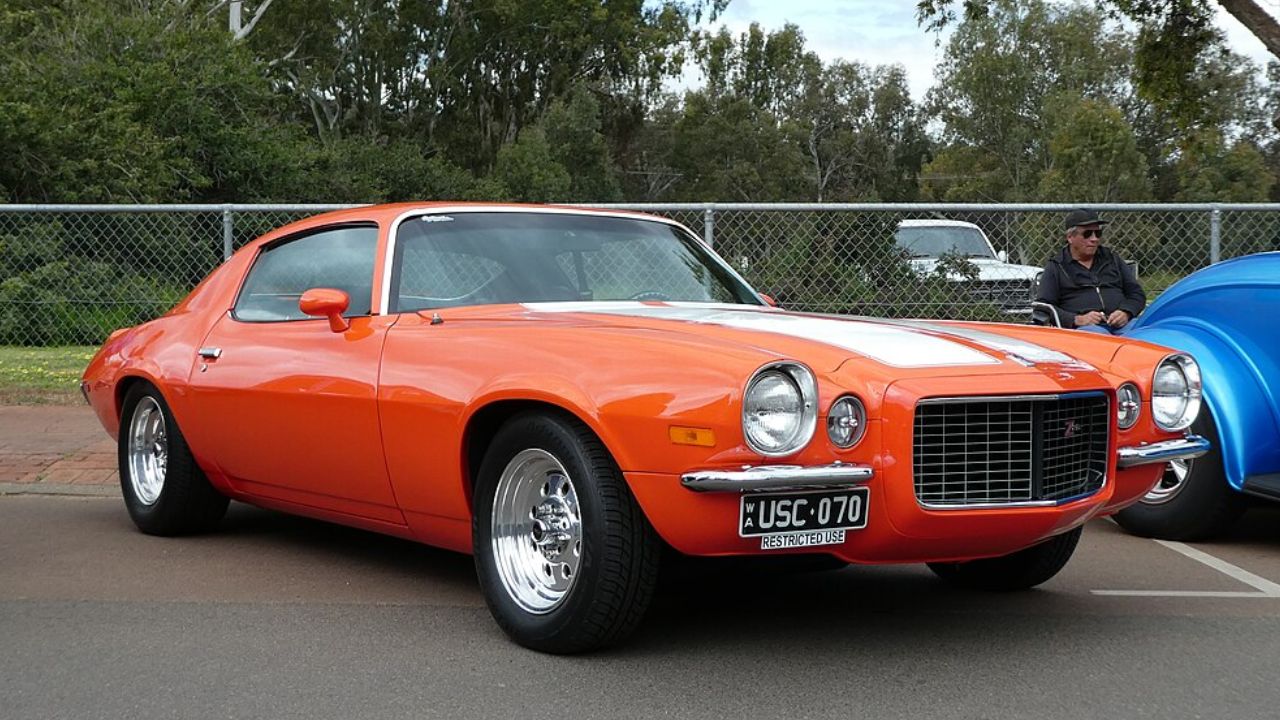
The Chevrolet Camaro has had a profound impact on the muscle car landscape since its inception in the late 1960s. Each generation brought innovations and iconic models that shaped automotive history. Here are ten Camaros that not only defined their eras but also transformed the conversation around performance vehicles.
The 1967 Camaro: The Birth of an Icon
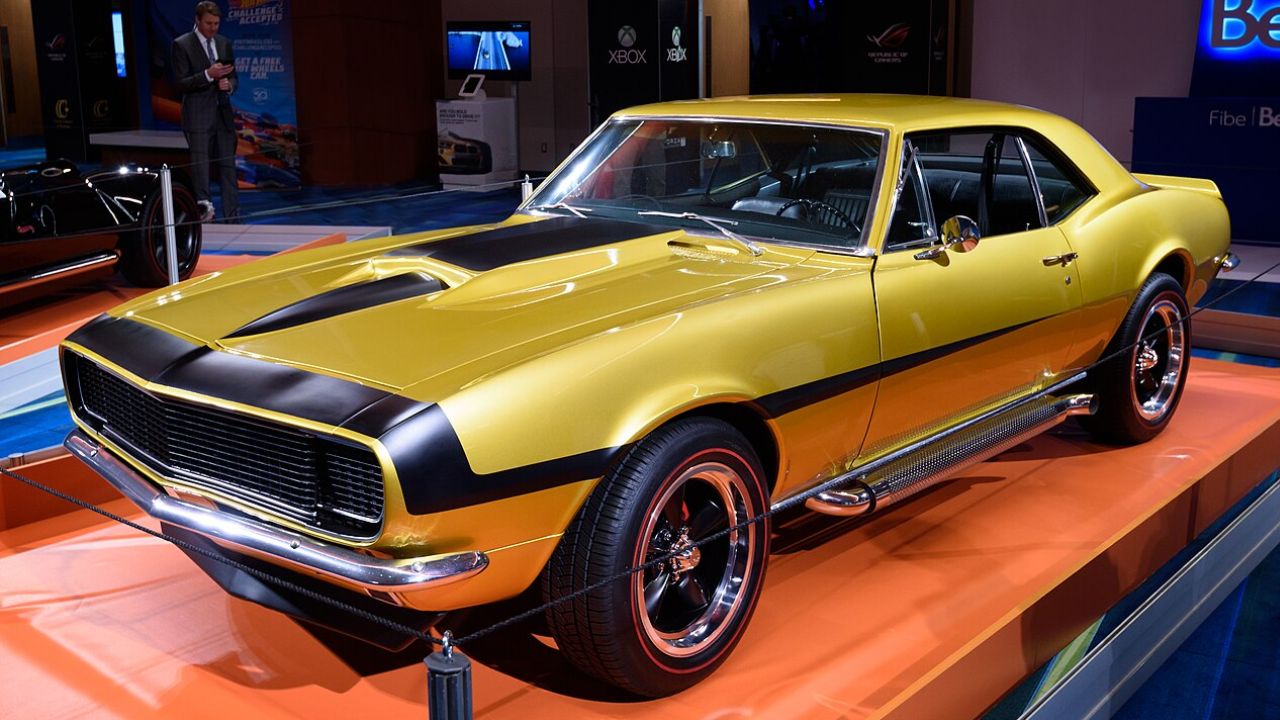
The 1967 Chevrolet Camaro marked the beginning of a new chapter in American muscle cars. Designed to compete with the Ford Mustang, it offered a sleek silhouette and a range of engine options, from a modest inline-six to a powerful V8. This versatility made the Camaro appealing to a broad audience, establishing it as a staple in the automotive market.
With its agile handling and aggressive styling, the 1967 Camaro set the tone for future models. Its success not only solidified Chevrolet’s position in the muscle car segment but also inspired a generation of car enthusiasts. The Camaro became synonymous with performance and style, leading to a legacy that continues to influence automotive design today.
The 1970 Camaro Z/28: The Performance Benchmark
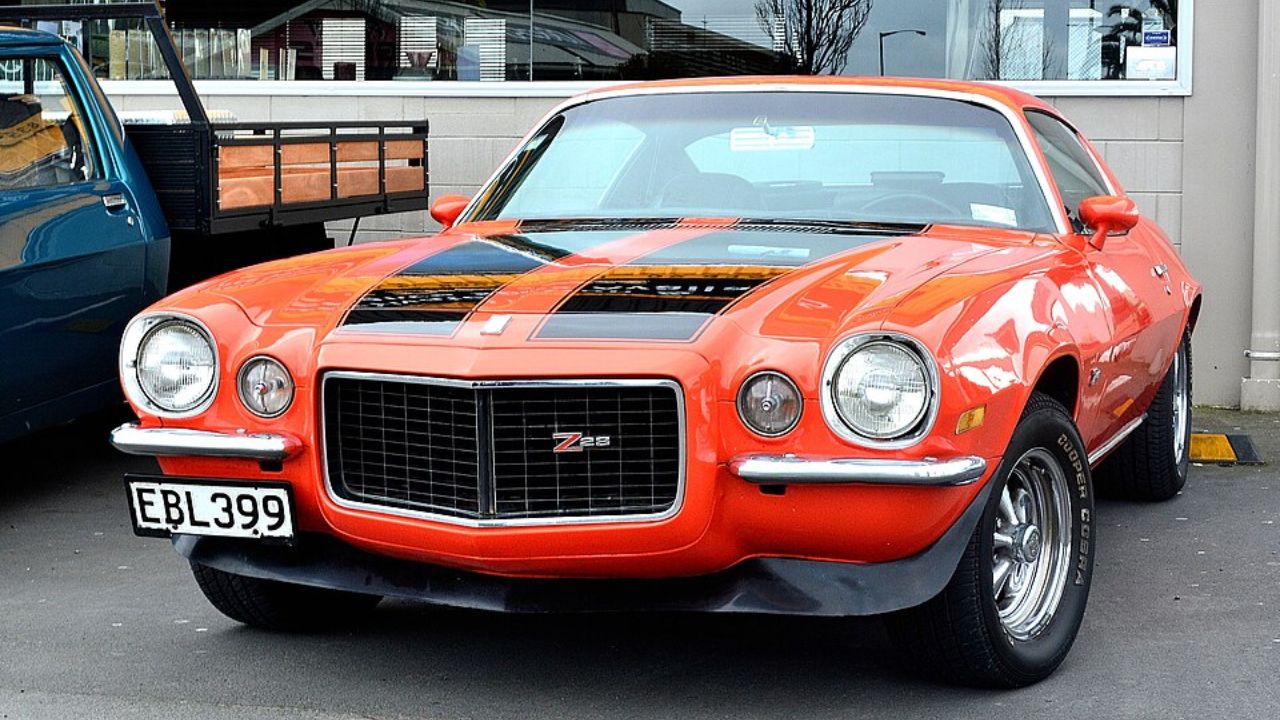
The 1970 Camaro Z/28 is often hailed as one of the greatest muscle cars of its time. Equipped with a high-performance 350 cubic inch V8 engine, it boasted an impressive output of 360 horsepower. This model redefined performance standards, emphasizing speed and handling while maintaining the classic Camaro aesthetics.
The Z/28’s success on the racetrack further cemented its reputation, making it a favorite among racing enthusiasts. Its legacy continues to resonate, as many regard it as a benchmark for performance in the muscle car segment. The 1970 Z/28 remains a sought-after classic, celebrated for its engineering and driveability.
The 1971 Camaro SS: Power Meets Style
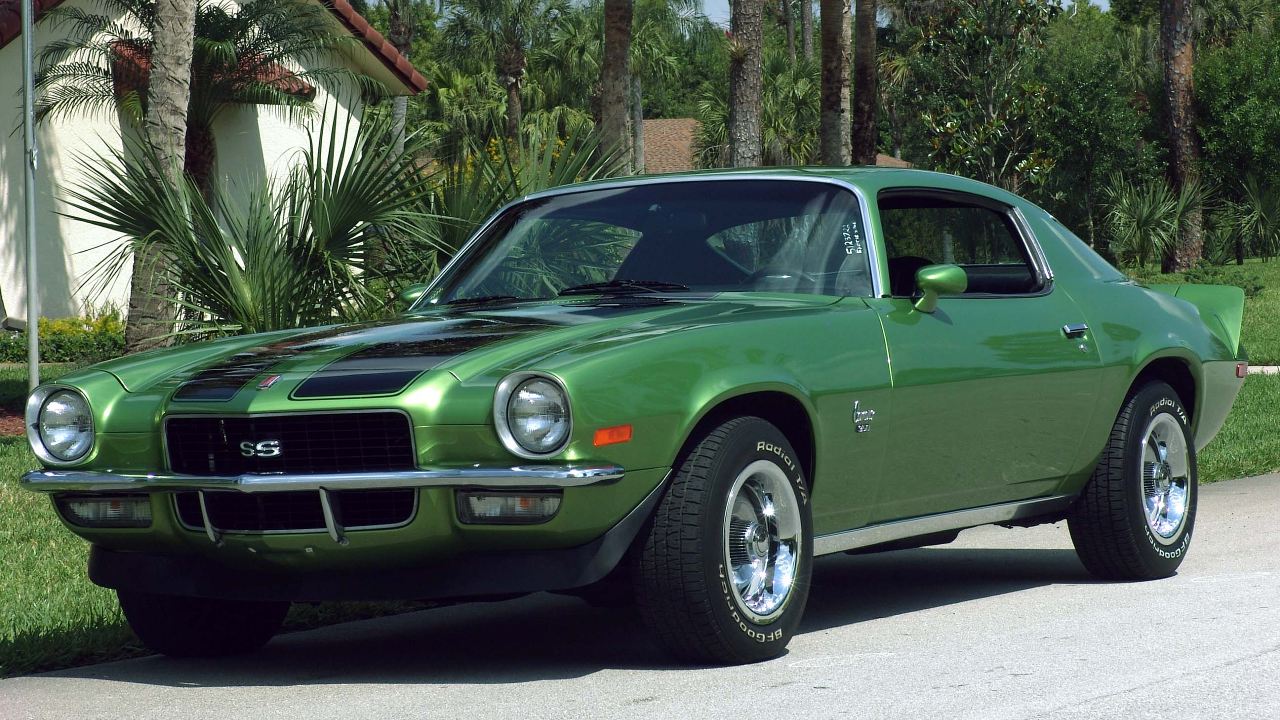
The 1971 Camaro SS showcased a perfect blend of power and style, with a bold design that turned heads on the road. Featuring a range of engine options, including the formidable 396 cubic inch V8, the SS model delivered exhilarating performance that appealed to many enthusiasts. Its aggressive stance and sporty features set it apart from its competitors.
As emissions regulations began to take effect, the 1971 Camaro SS represented a shift in the muscle car landscape. It embodied a transitional era where raw power was still celebrated, while manufacturers started adjusting to new regulations. This model holds a significant place in muscle car history, illustrating the balance between performance and compliance.
The 1982 Camaro Z28: The Return of the Muscle Car

The 1982 Camaro Z28 marked a pivotal moment for the Camaro brand. After a period of decline in the muscle car market, the Z28 re-emerged with a modernized design and improved performance. It featured a lightweight body and advanced engineering, including a fuel-injected V8 engine that revitalized interest in American muscle cars.
This generation introduced a more aerodynamic profile and a focus on efficiency, which appealed to a new wave of buyers. The 1982 Z28 became a symbol of the resurgence of muscle cars in the 1980s, paving the way for future models to blend performance with modern technology. Its significance in automotive history cannot be understated.
The 1993 Camaro Z28: The Fourth-Gen Revolution
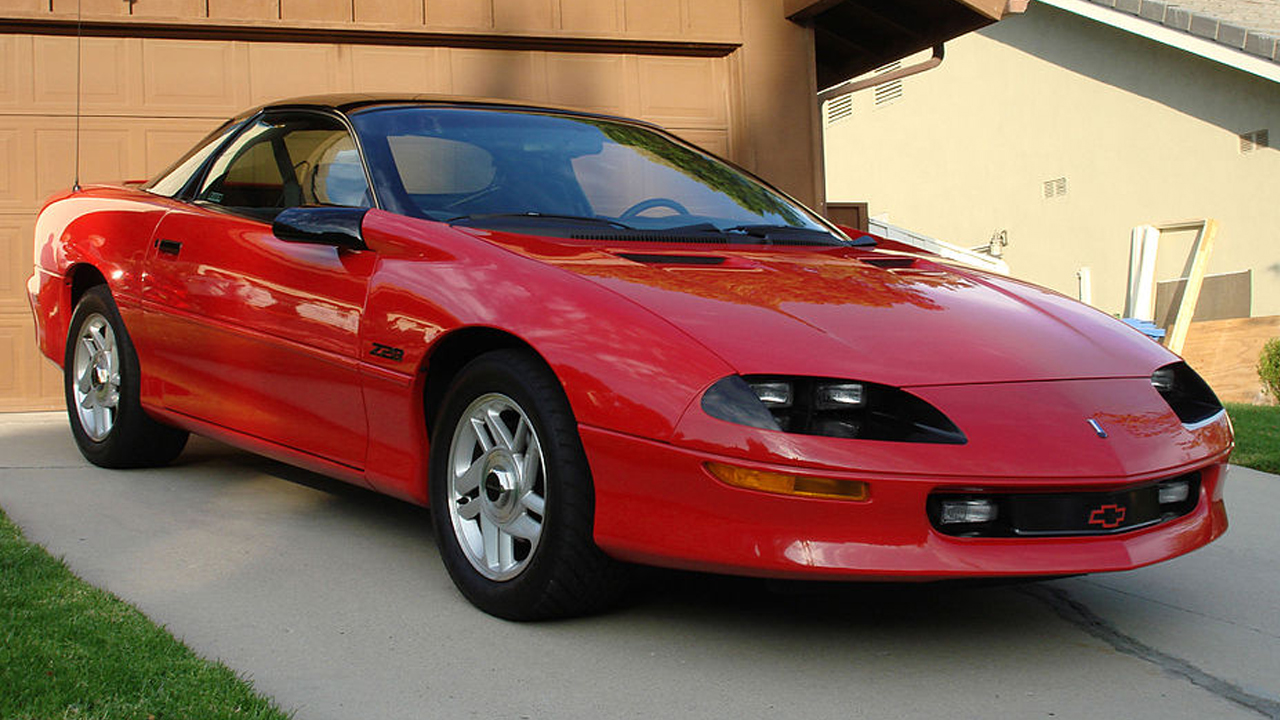
The 1993 Camaro Z28 represented the fourth generation of the Camaro, bringing a radical redesign that emphasized performance and modernity. With a 5.7-liter LT1 V8 engine, it produced 275 horsepower, making it one of the most powerful Camaros of its time. This model combined performance with style, appealing to both enthusiasts and casual drivers.
Its advanced suspension and handling capabilities set new standards for the muscle car segment, allowing for a more exhilarating driving experience. The 1993 Camaro Z28 is often remembered for its bold design and impressive performance, marking a significant evolution in the Camaro lineage that would resonate for years to come.
The 2002 Camaro SS: The Last of the Fourth-Gen Legends
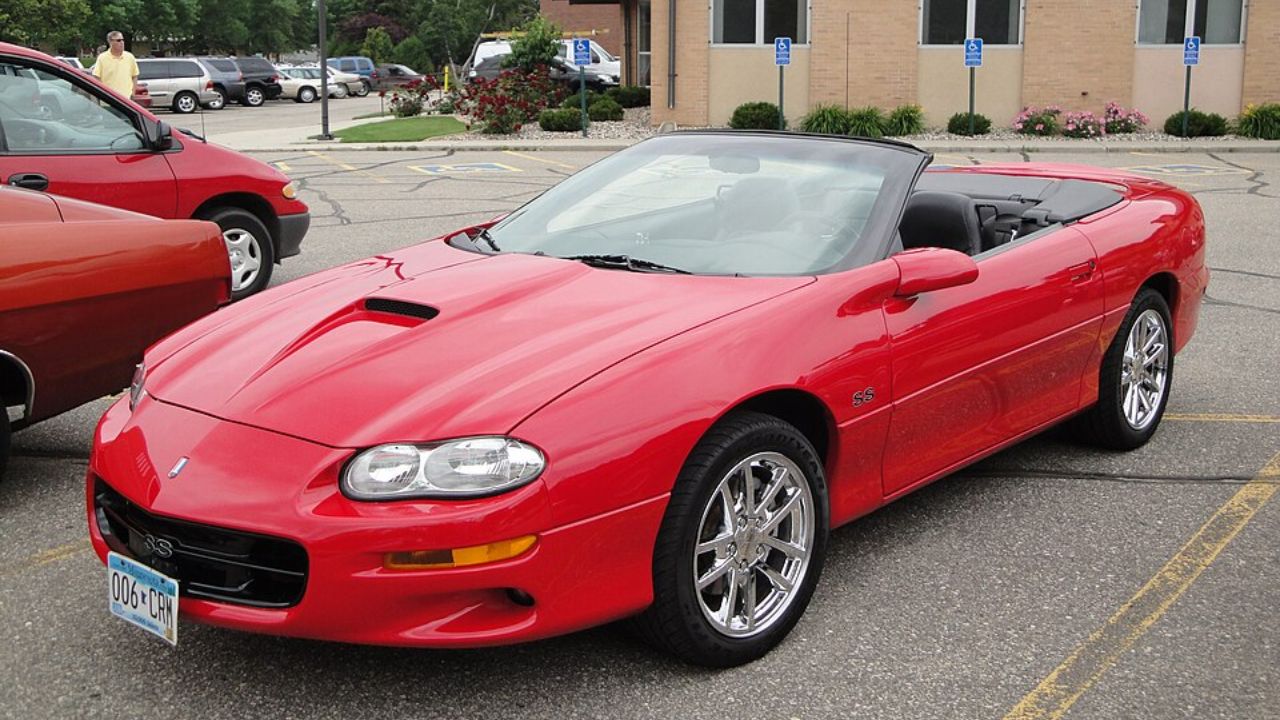
The 2002 Camaro SS was the final model of the fourth generation, and it left an indelible mark on the muscle car community. Equipped with a powerful 5.7-liter V8 engine, it delivered an exhilarating 325 horsepower. This model was not just about raw power; it also featured refined handling and a sleek design that appealed to long-time fans and new buyers alike.
As the last of its kind, the 2002 Camaro SS became a collector’s item, symbolizing the end of an era. Its blend of classic muscle car performance with modern engineering made it a standout in its generation. Many enthusiasts regard the 2002 SS as a fitting tribute to the legacy of the Camaro.
The 2010 Camaro SS: The Modern Muscle Renaissance
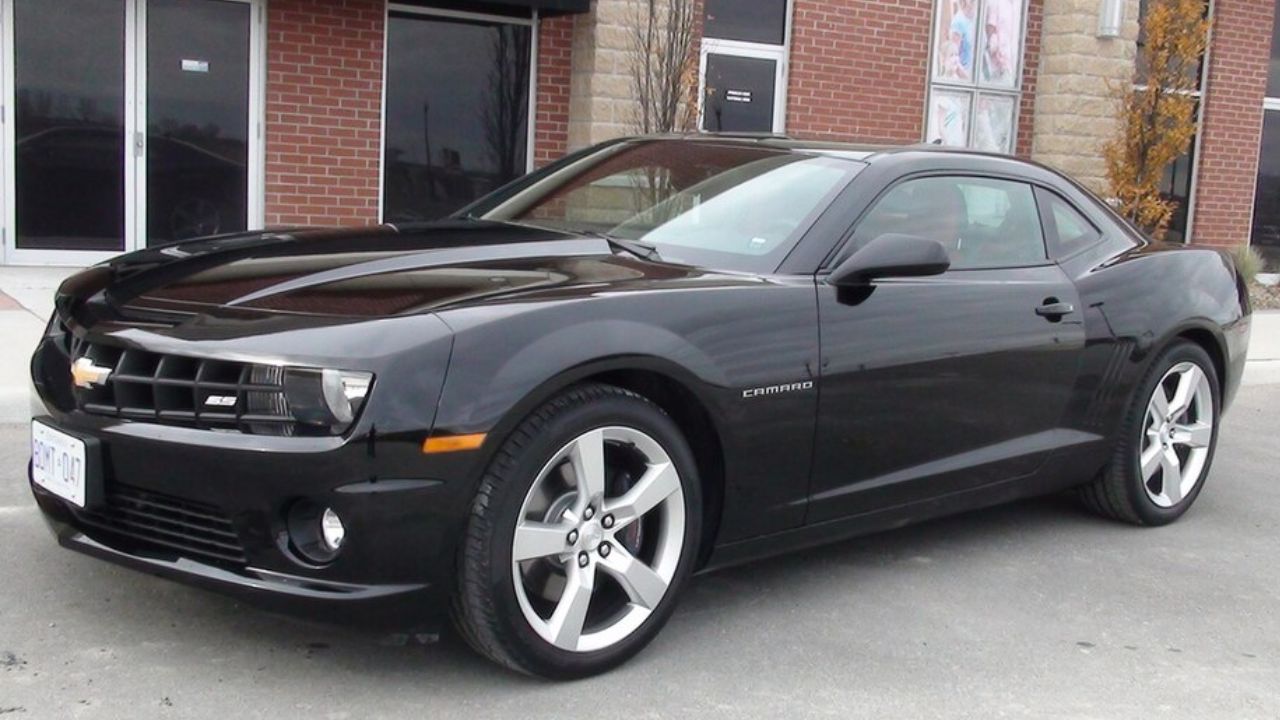
The 2010 Camaro SS marked a triumphant return of the Camaro nameplate after a brief hiatus. With a bold new design inspired by its classic predecessors, it featured a 6.2-liter V8 engine capable of producing 422 horsepower. This model not only revived the Camaro’s iconic status but also appealed to a new generation of muscle car fans.
The 2010 Camaro SS blended retro styling with modern technology, including advanced safety features and fuel efficiency improvements. It re-established Chevrolet’s dominance in the muscle car market and sparked a renewed interest in performance vehicles. This model stands as a testament to the enduring appeal of American muscle cars.
The 2017 Camaro ZL1: A New Era of Performance

The 2017 Camaro ZL1 took performance to new heights with its supercharged 6.2-liter V8 engine, generating an astonishing 650 horsepower. This model showcased advanced aerodynamics and a lightweight chassis, resulting in breathtaking speed and agility. The ZL1 was engineered for enthusiasts seeking an uncompromised driving experience.
Equipped with cutting-edge technology, including a 10-speed automatic transmission and magnetic ride control, the 2017 ZL1 exemplified the future of muscle cars. Its ability to seamlessly blend power, handling, and technology set it apart from its competitors, making it a benchmark for performance cars in the modern era.
The 2021 Camaro LT1: Reviving the Classic Spirit
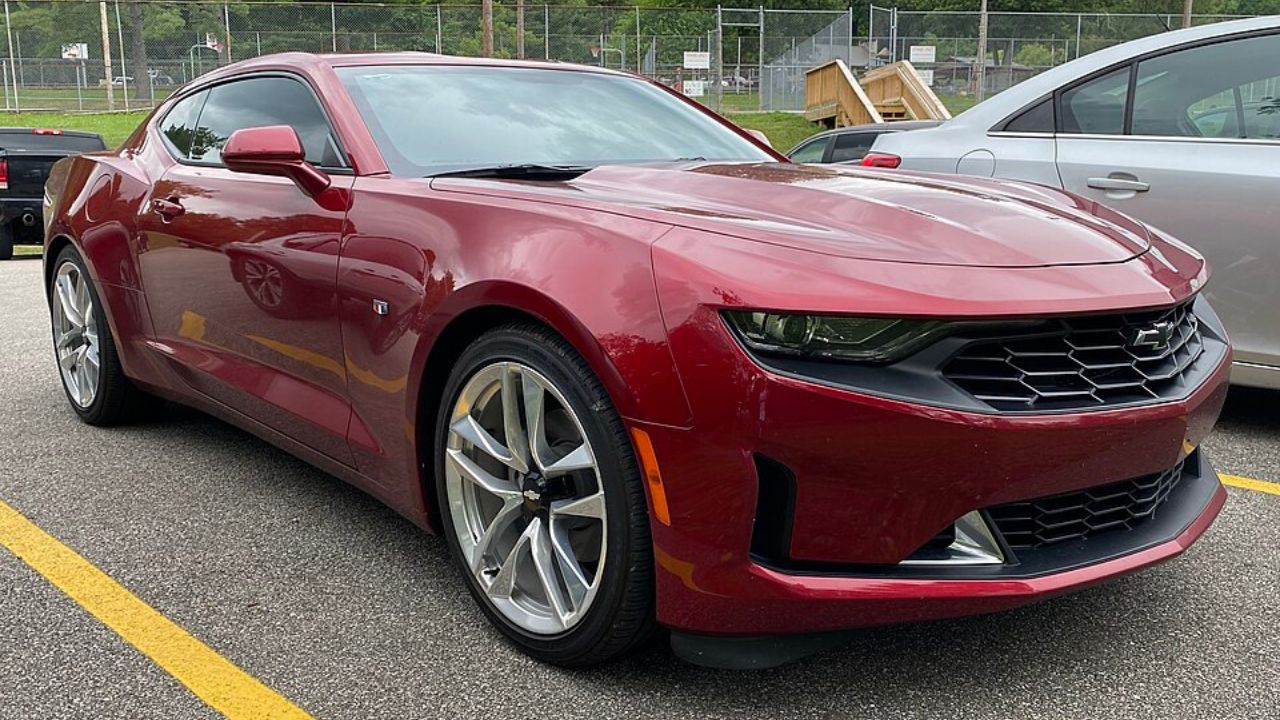
The 2021 Camaro LT1 reintroduced the essence of classic muscle cars with its straightforward approach to performance. Featuring a 6.2-liter V8 engine that produces 455 horsepower, it offered enthusiasts a pure driving experience without unnecessary frills. The LT1 model celebrated the Camaro’s heritage while incorporating modern engineering.
With a focus on performance and value, the 2021 LT1 attracted a wide range of buyers. Its straightforward design and powerful engine made it a compelling option for those seeking a modern interpretation of the classic muscle car. This model reaffirmed the Camaro’s legacy as a performance icon in today’s automotive landscape.
More from Fast Lane Only