The 1970s changed the American performance car forever. Rising insurance costs, emissions requirements, fuel concerns, and new safety standards all worked against the big-engine muscle-car formula. These eight cars arrived around the peak of that era and showed just how much performance American manufacturers could still offer before regulations and changing market conditions brought the classic formula to an end.
Plymouth Hemi ‘Cuda
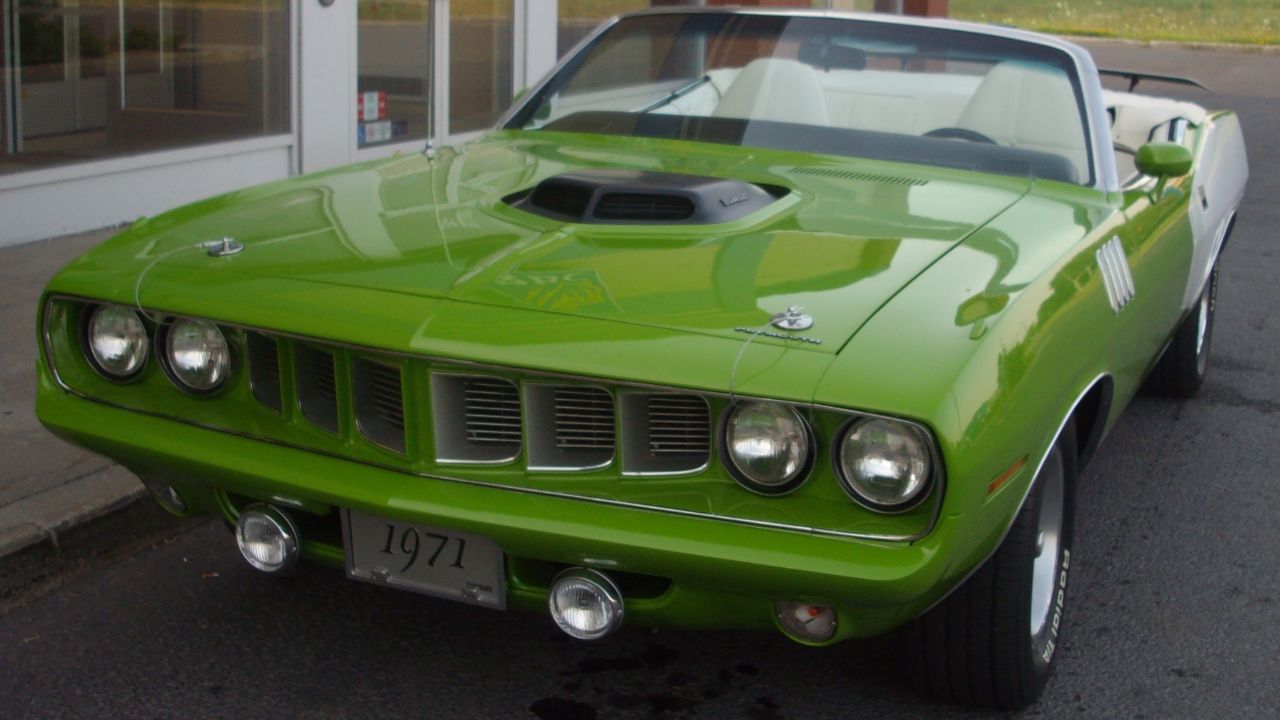
The Hemi ‘Cuda represented the extreme end of Plymouth’s muscle-car philosophy. Its 426 Hemi V8 delivered enormous power, while the E-body platform gave it an unmistakable presence. Very few were produced with the engine, making surviving examples extremely valuable today. The combination of high insurance costs, emissions rules, and changing consumer preferences helped bring cars like this to an end.
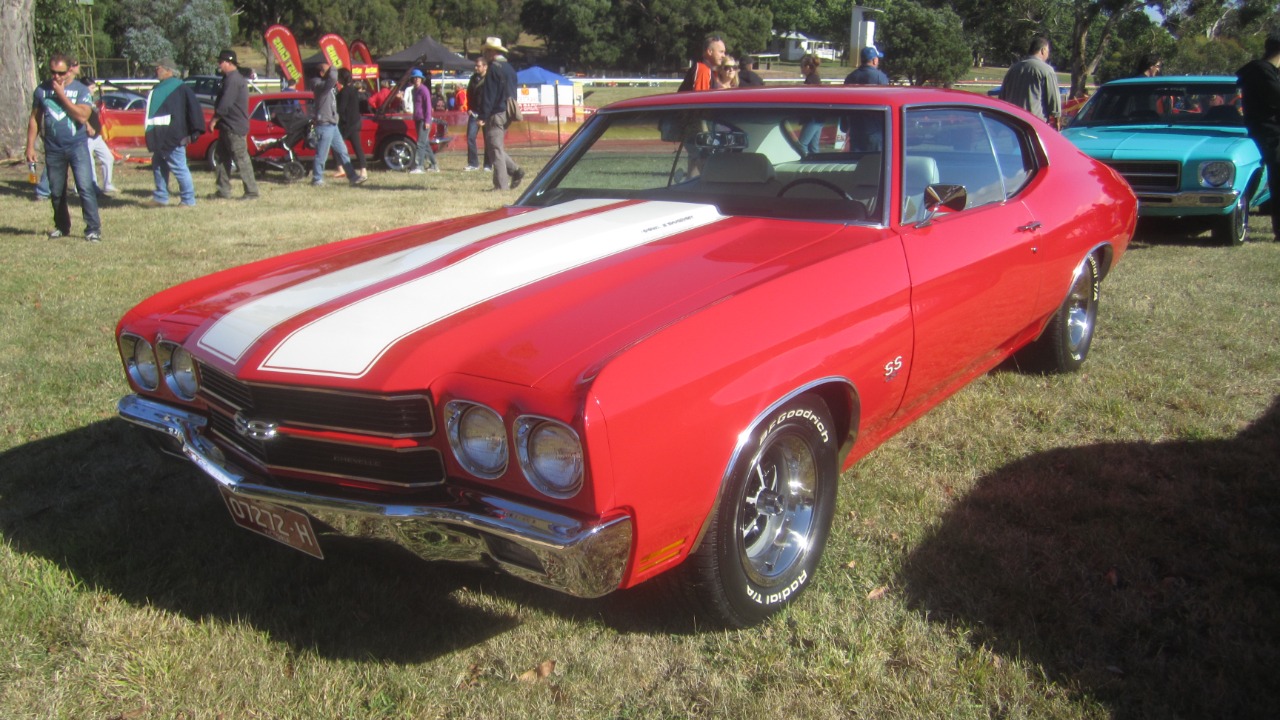
Chevrolet Chevelle SS 454
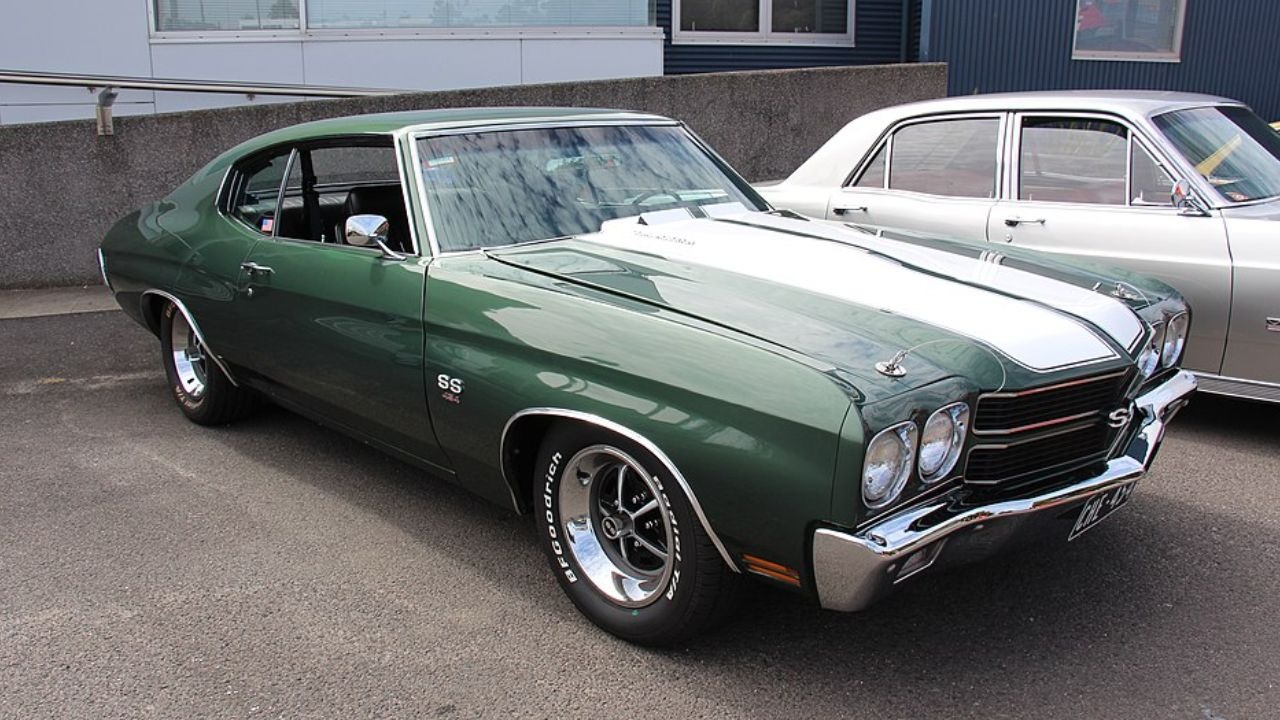
The Chevelle SS 454 combined a large-displacement big-block with a relatively compact midsize body. The result was a car capable of brutal acceleration while remaining practical enough for everyday driving. Its enormous engine represented everything that would soon become difficult for manufacturers to sustain. As regulations and insurance costs tightened, the era of giant-engine family coupes rapidly faded.
Buick GSX Stage 1
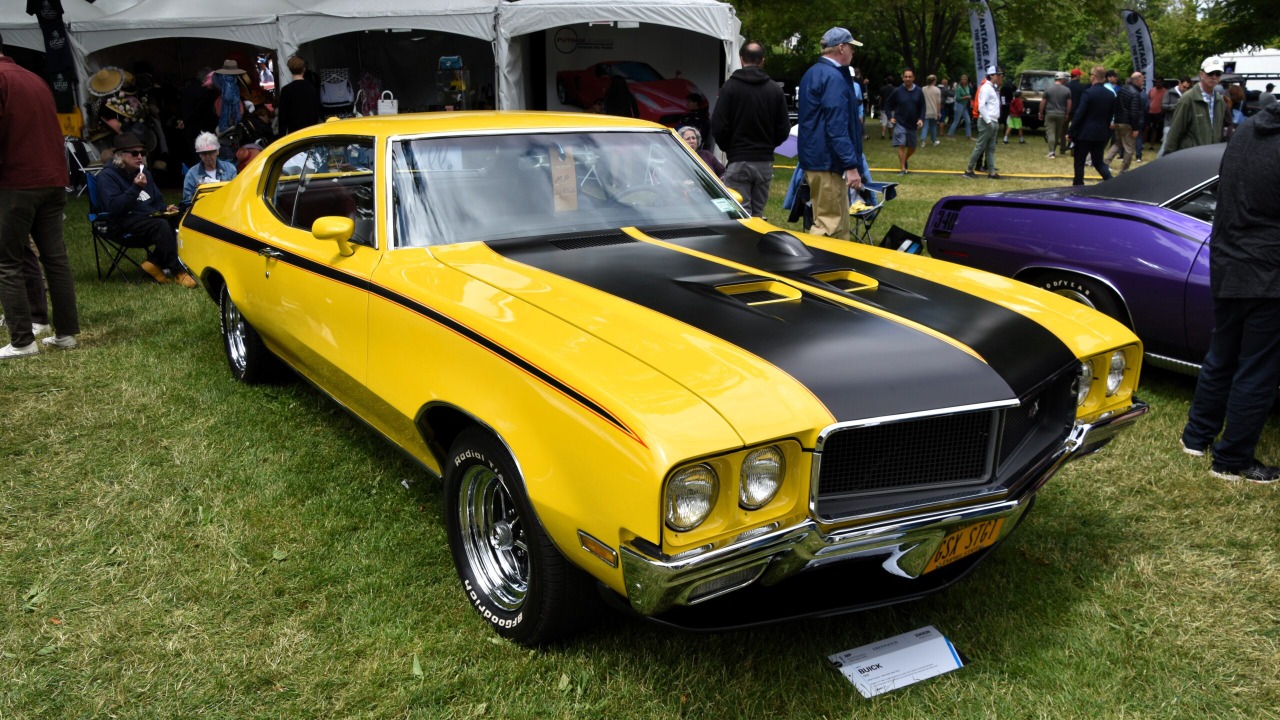
The Buick GSX Stage 1 was one of the era’s great sleeper muscle cars. Its 455-cubic-inch V8 produced enormous torque, allowing the relatively substantial Buick to accelerate with surprising authority. It was less famous than the Chevelle or ‘Cuda, but its performance was serious. Cars like the GSX became increasingly difficult to justify as fuel and insurance costs climbed.
Oldsmobile 442 W-30
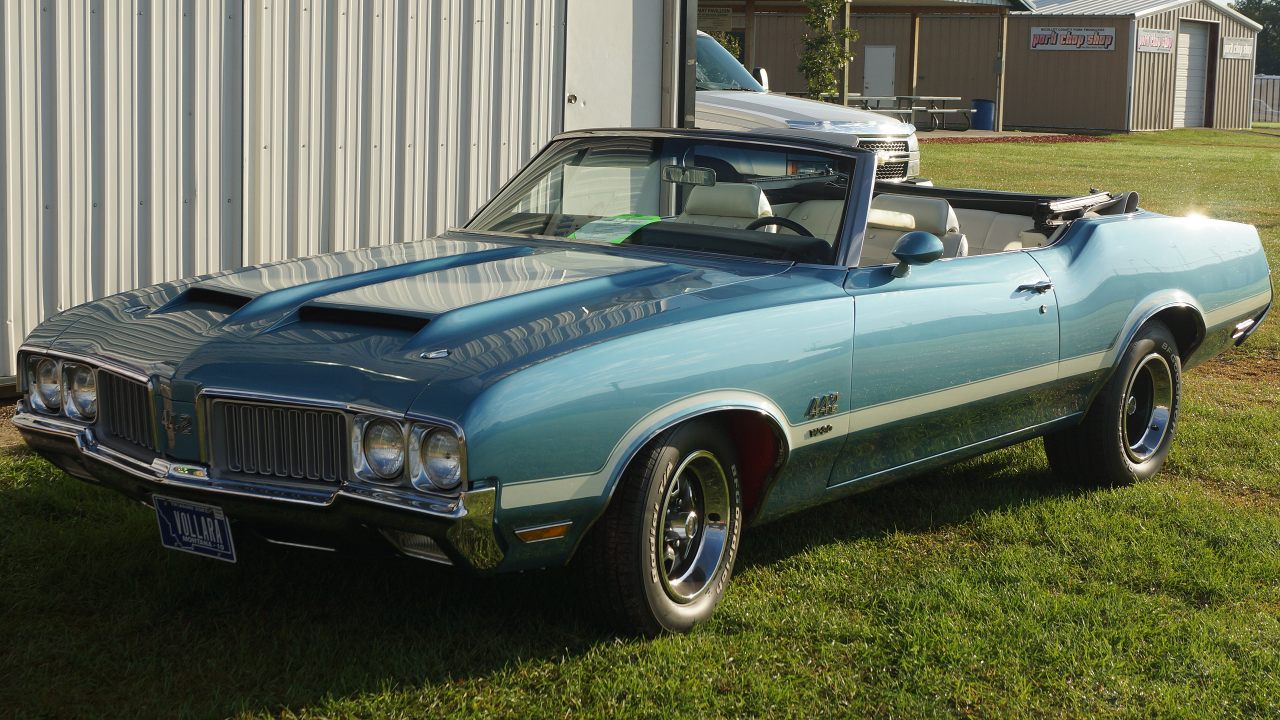
The Oldsmobile 442 W-30 combined a powerful 455 V8 with suspension and performance upgrades that made it much more than a comfortable cruiser. Its strong torque and refined chassis gave it impressive straight-line performance. The W-30 became one of Oldsmobile’s most respected performance packages. Changing emissions standards and the industry’s move toward smaller engines eventually ended this formula.
Pontiac GTO Judge
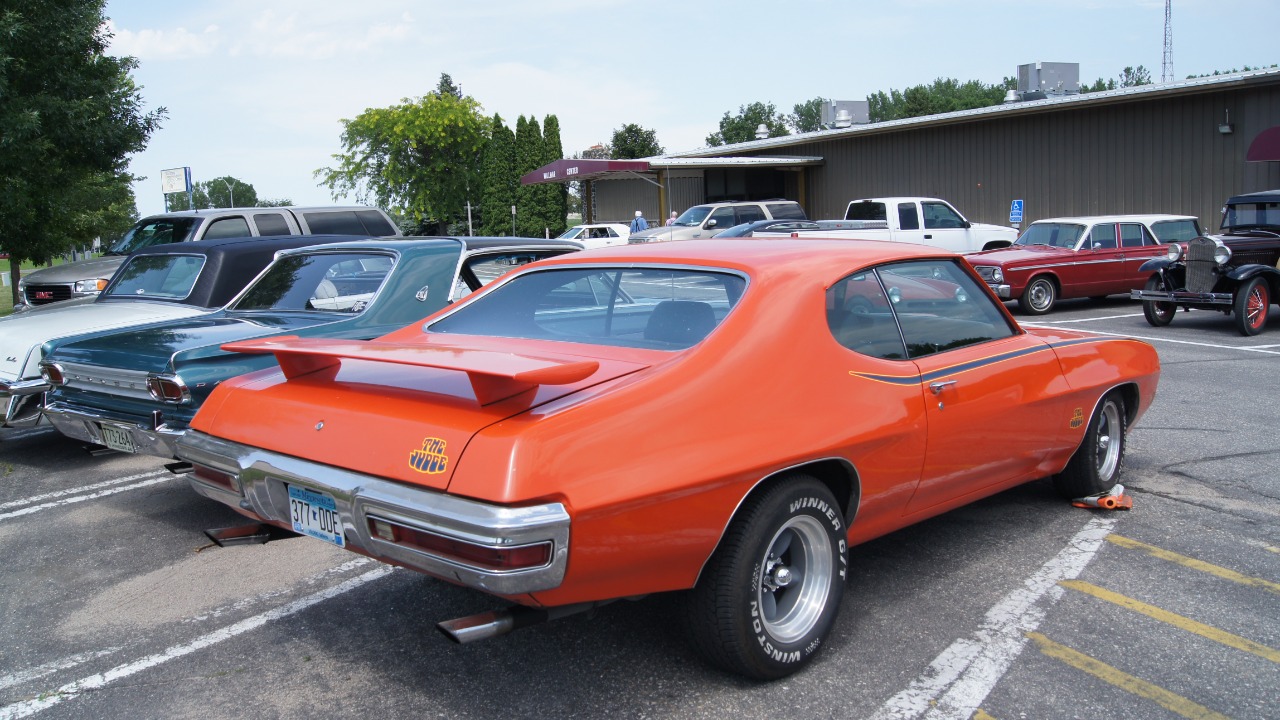
The GTO Judge became one of Pontiac’s most recognizable muscle cars, pairing aggressive styling with powerful V8 options. Its image was deliberately youthful and performance-focused. Unfortunately, the economic and regulatory environment that created the classic muscle car was changing quickly. Insurance premiums and increasingly restrictive emissions requirements helped make high-output versions far less practical for manufacturers and buyers.
Dodge Challenger R/T
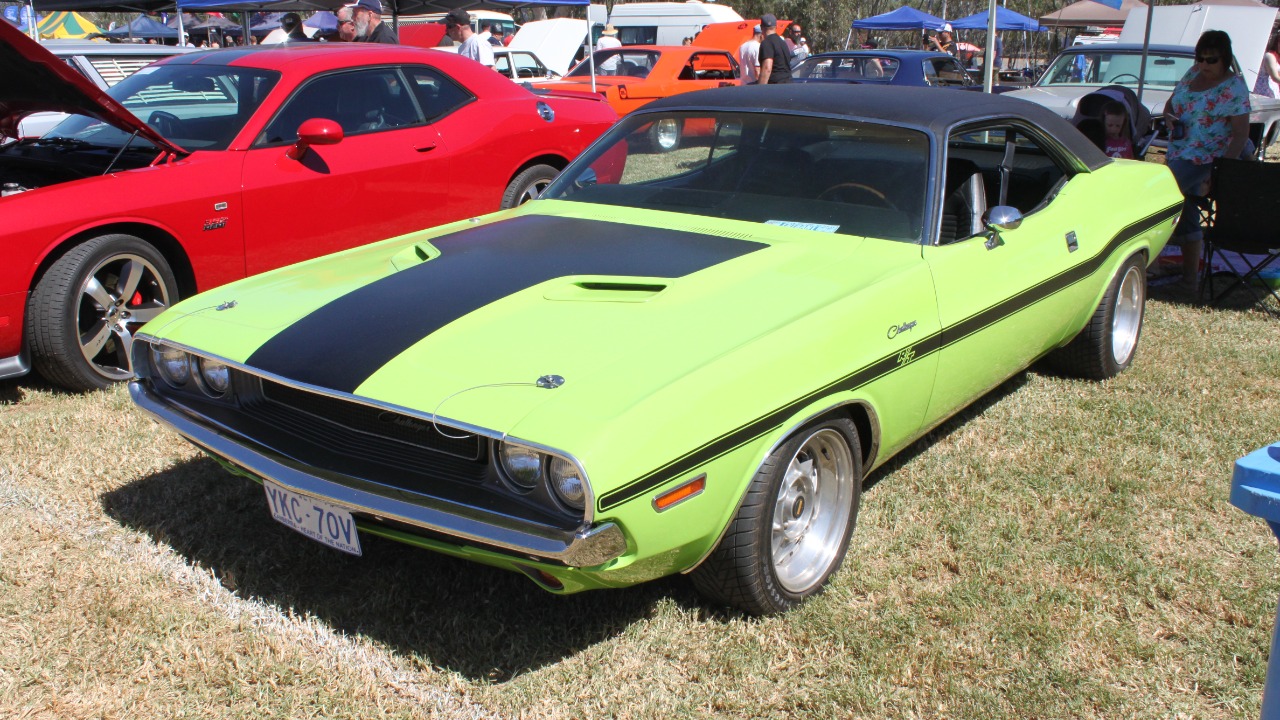
The Challenger R/T arrived with a wide selection of powerful engines, including some of Chrysler’s most famous big-blocks. Its dramatic styling made it one of the most recognizable muscle cars of the period. Unfortunately, the market was moving away from large-displacement performance cars almost immediately. The original Challenger disappeared after only a short production run.
Ford Torino Cobra
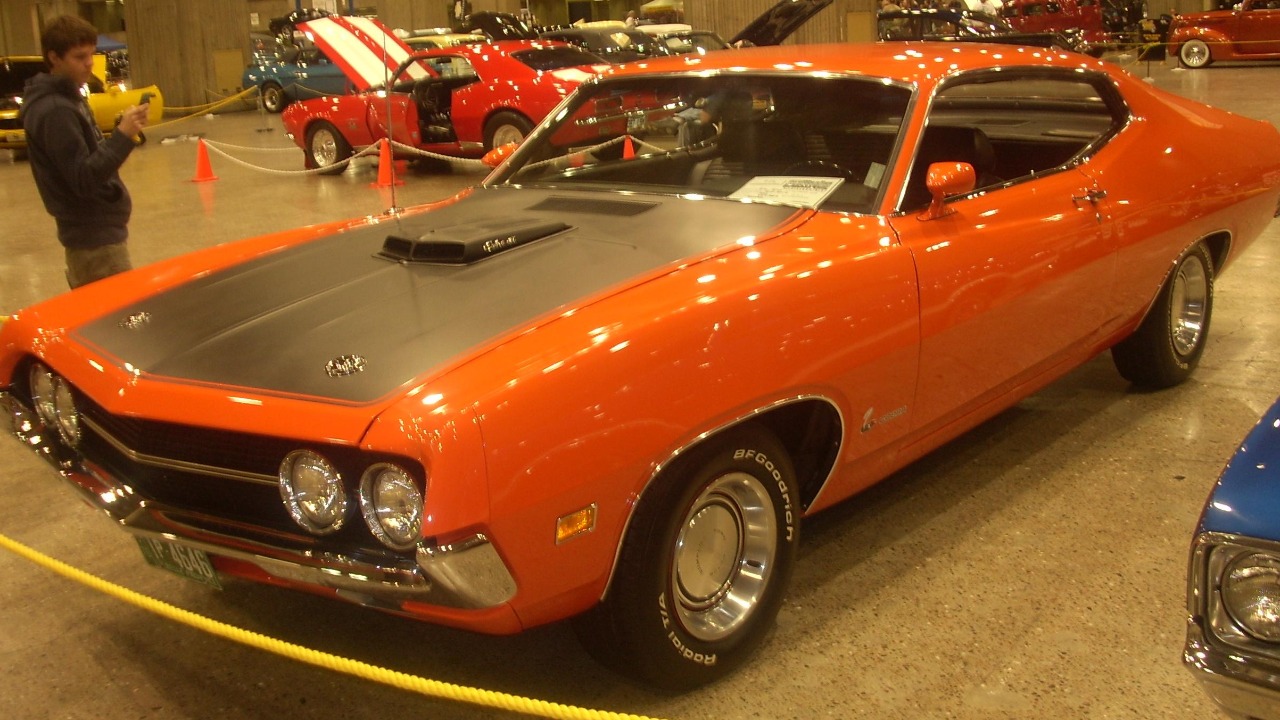
The Torino Cobra delivered serious Ford performance in a large midsize package. Buyers could choose powerful V8 engines, while the fastback body gave the car a distinctive appearance. It was capable of impressive straight-line acceleration but arrived just as the classic muscle-car environment began deteriorating. Rising insurance costs and tightening regulations made cars like the Cobra increasingly difficult to sustain.
AMC Rebel Machine
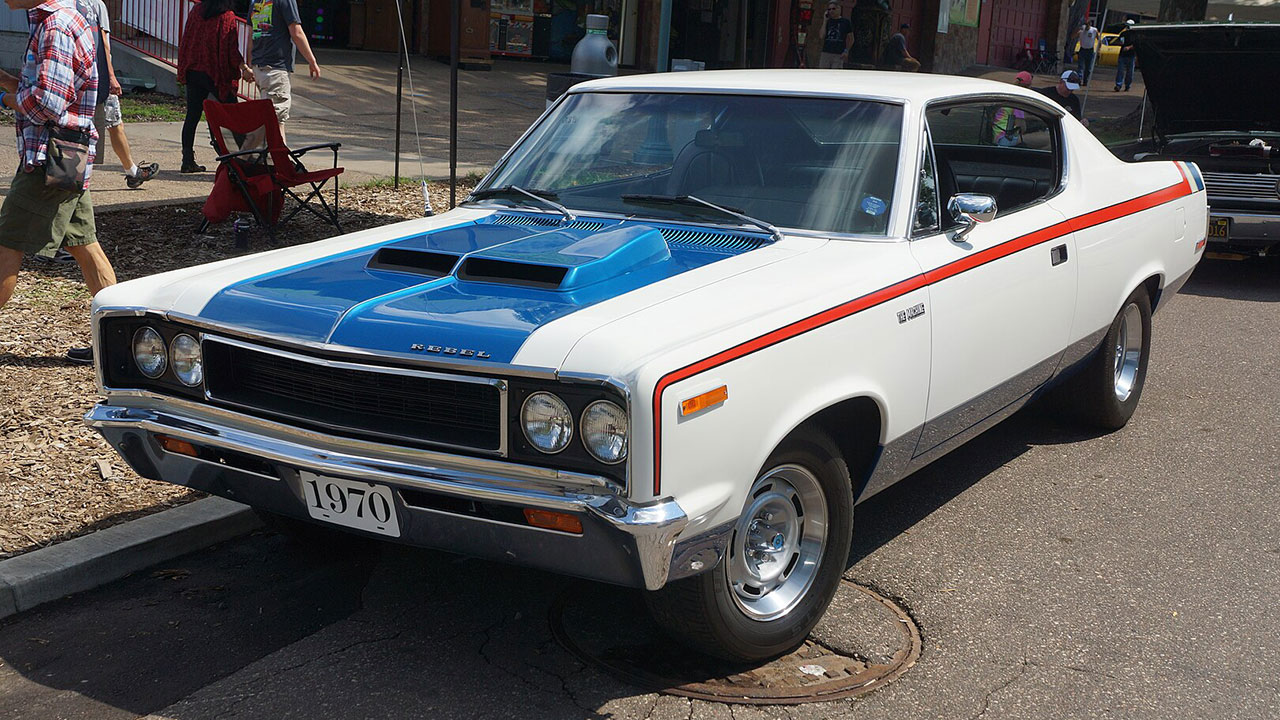
The AMC Rebel Machine was one of the company’s boldest attempts to compete with Detroit’s established muscle cars. Its 390-cubic-inch V8, distinctive graphics, and relatively compact body gave it genuine performance credentials. AMC produced it for only a short period, and the changing market quickly worked against this type of car. Today, the Rebel Machine represents the final burst of the classic muscle-car formula.
More from Fast Lane Only
- Unboxing the WWII Jeep in a Crate
- 15 rare Chevys collectors are quietly buying
- 10 underrated V8s still worth hunting down
- Police notice this before you even roll window down
*Research for this article included AI assistance, with all final content reviewed by human editors