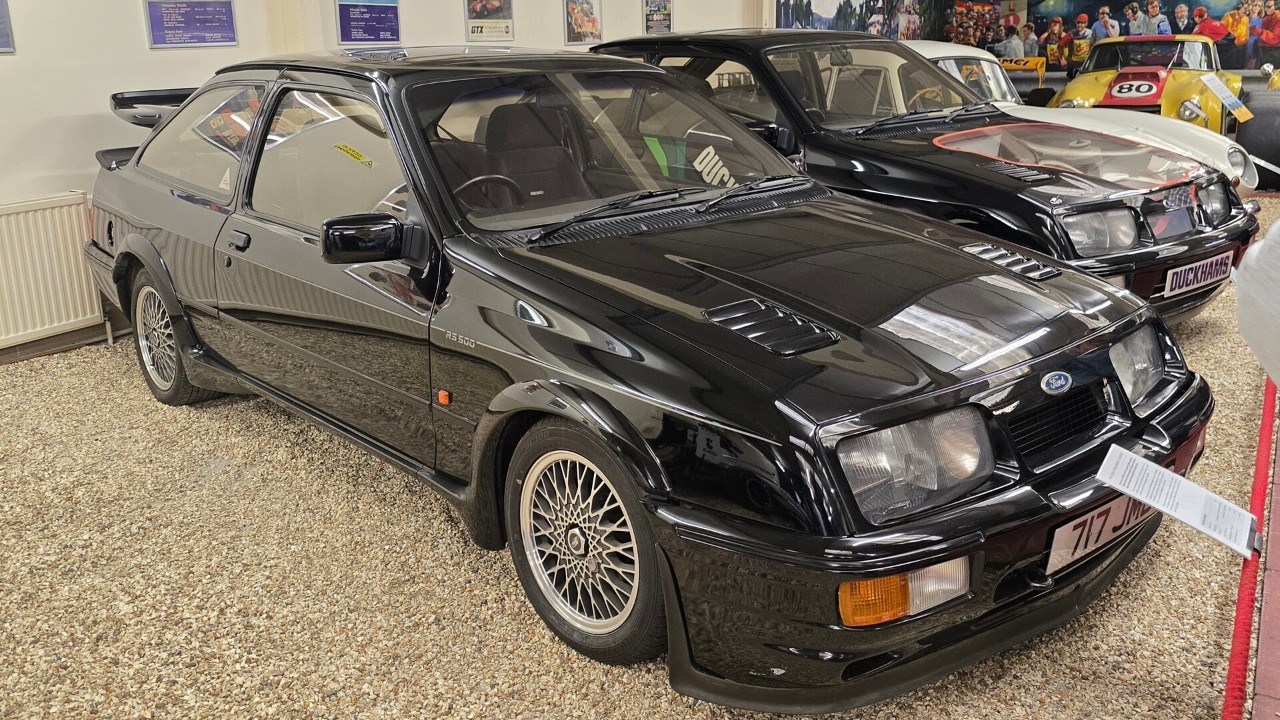
The 1970s was a transformative decade for American automobiles, marked by shifting consumer preferences, economic challenges, and changing regulations. As fuel prices soared and the demand for efficiency grew, manufacturers adapted their designs and offerings. This era gave rise to iconic models that defined American car culture, blending performance with practicality. Here’s a look at eight American cars that stood out during this unforgettable decade.
Ford Mustang II
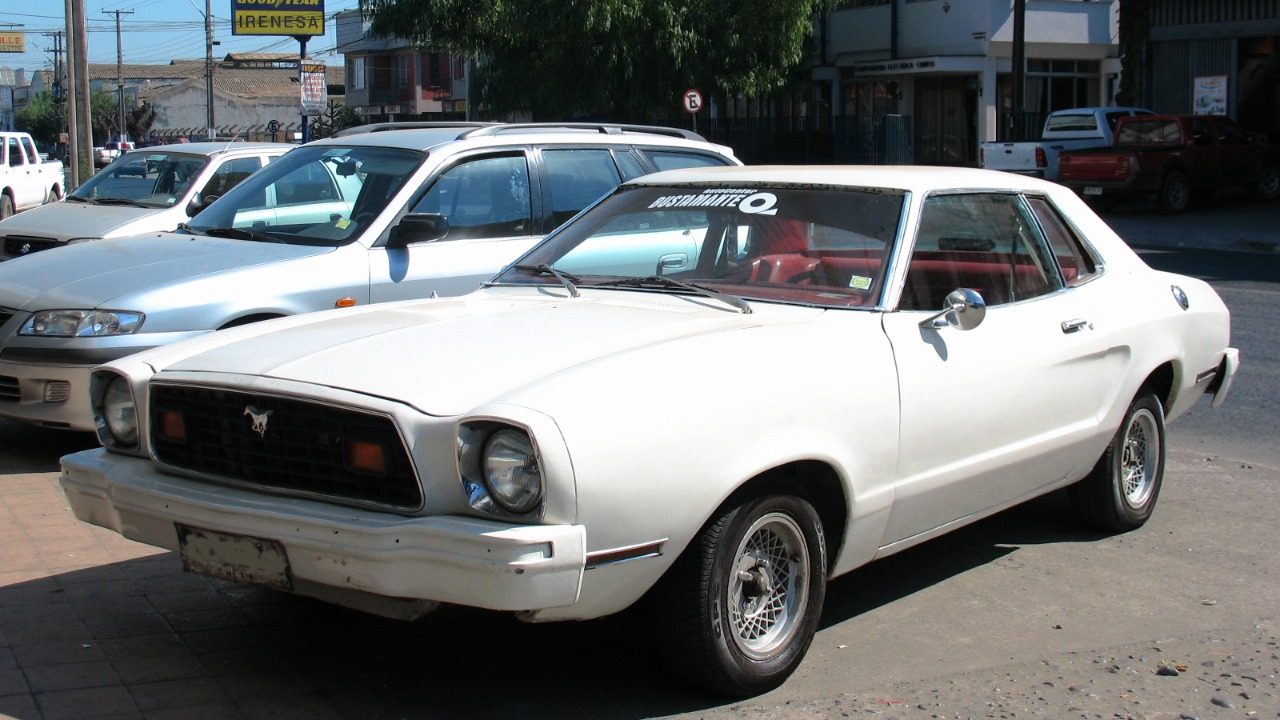
The Ford Mustang II debuted in 1974 as a response to the oil crisis and shifting consumer desires. Lighter and smaller than its predecessor, this version focused on fuel efficiency while maintaining the Mustang’s sporty appeal. With engines ranging from a 2.3-liter inline-four to a 2.8-liter V6, the Mustang II offered a variety of options that catered to different drivers. Its design was sleek and modern, capturing the spirit of the times while still appealing to traditional Mustang enthusiasts. The Mustang II found success in the marketplace, making it a significant part of the decade’s automotive landscape. For a closer look at its impact, check out this detailed history.
Chevrolet Camaro
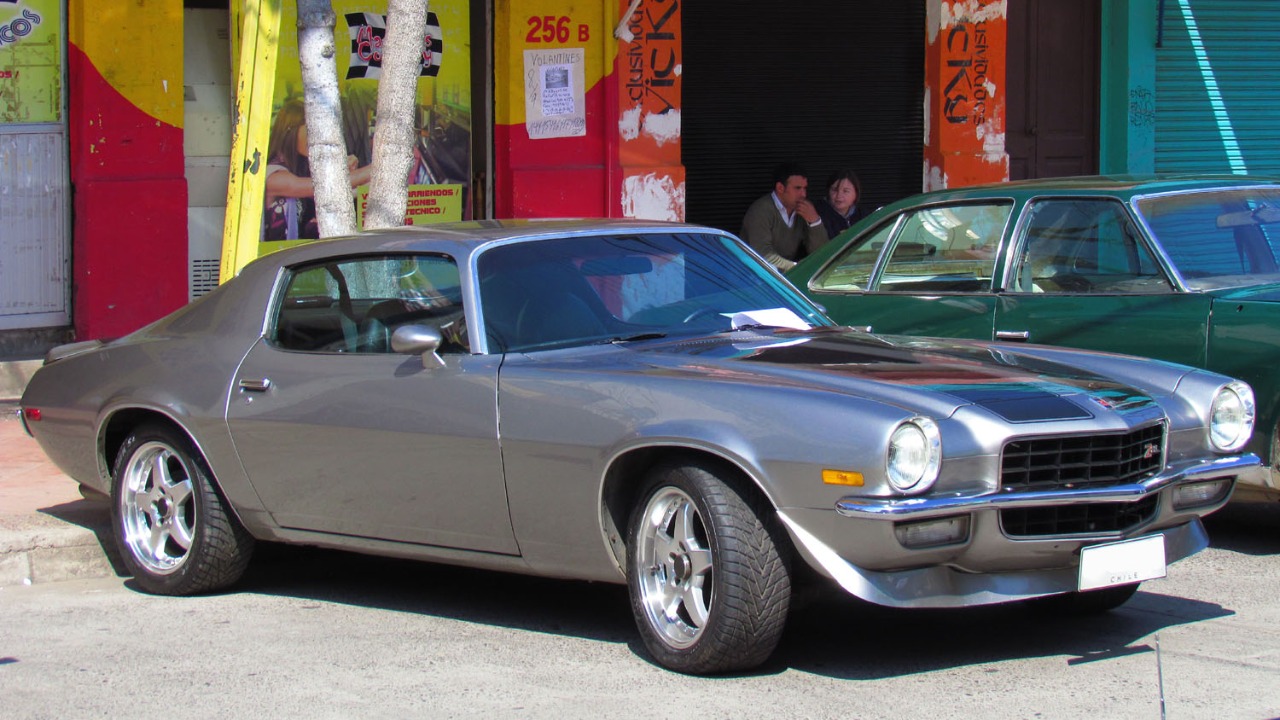
Introduced in 1966 as a response to the Ford Mustang, the Chevrolet Camaro continued to evolve throughout the 1970s. The second-generation model, released in 1970, featured a more aggressive design and improved aerodynamics. This version came with several engine options, including the powerful 350 cubic inch V8. The Camaro quickly became a favorite among muscle car enthusiasts, offering a combination of performance and style that resonated with younger drivers. In a decade marked by changing tastes, the Camaro solidified its place in American automotive history, thriving despite the economic challenges of the time. Learn more about the Camaro’s evolution through the years on its YouTube feature.
Pontiac Firebird
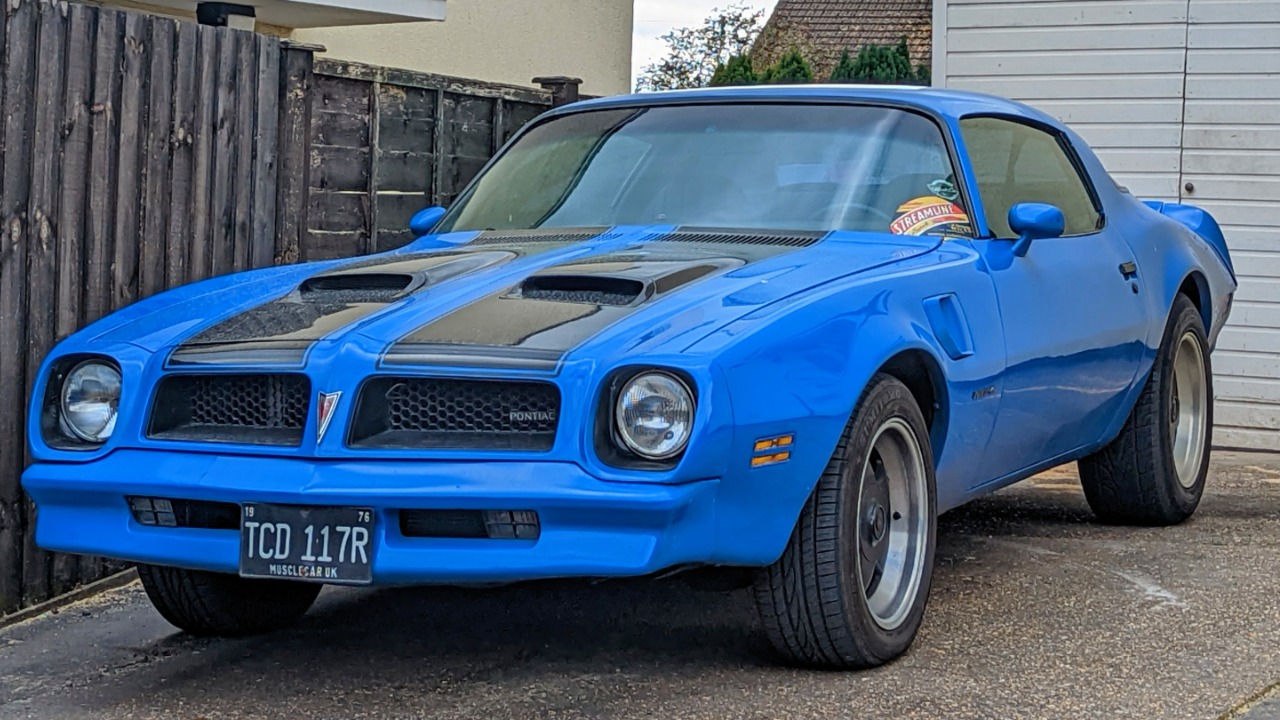
The Pontiac Firebird, alongside its sibling the Camaro, became emblematic of the American muscle car scene. Launched in 1967, the Firebird underwent significant changes during the 1970s, particularly with the introduction of the Trans Am variant in 1970. With its distinctive styling and performance-oriented features, the Firebird appealed to a broad audience. The 1976 Firebird, for instance, was known for its sleek lines and the availability of a 400 cubic inch V8 engine, which provided exhilarating performance. The Firebird’s unique identity was bolstered by its appearances in popular culture, including films like “Smokey and the Bandit.” Its legacy as a quintessential American car remains strong today.
Chrysler Cordoba
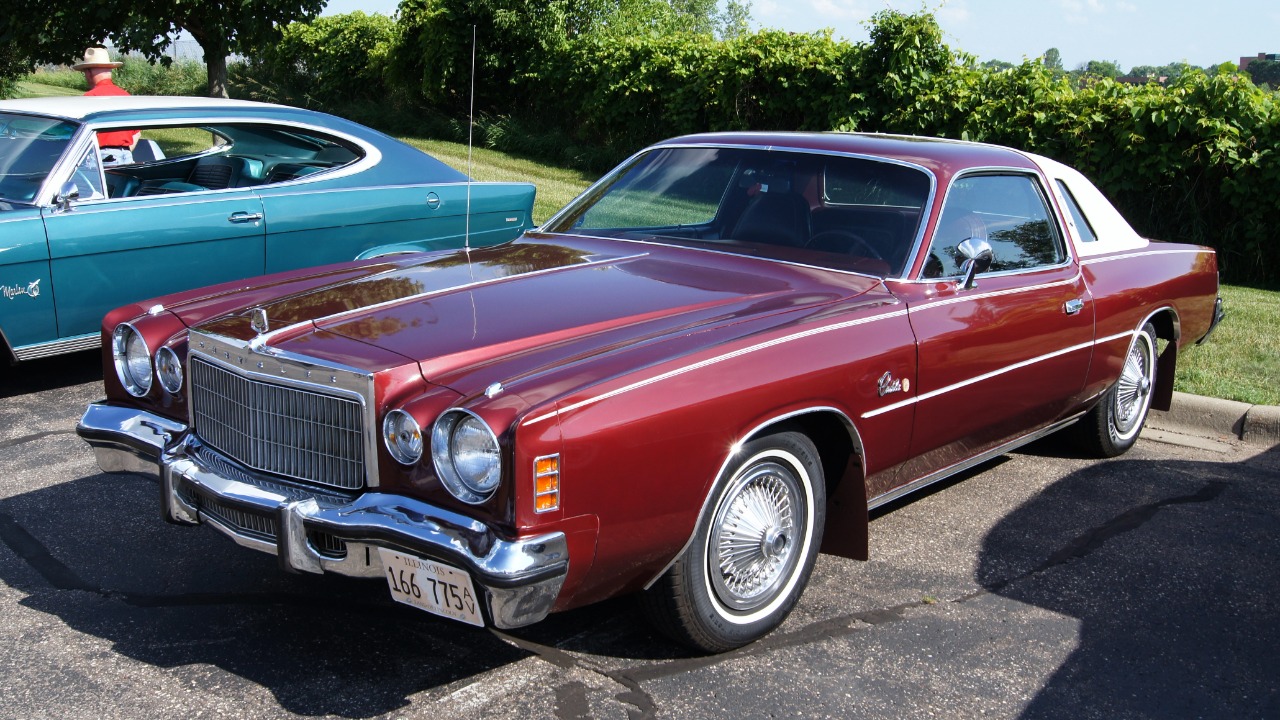
Debuting in 1975, the Chrysler Cordoba represented a shift towards luxury in the American automotive market. This personal luxury coupe was designed to appeal to buyers looking for comfort and style without sacrificing performance. The Cordoba featured a plush interior, offering amenities such as rich leather upholstery and a spacious cabin. With its distinctive “flying buttress” roofline, the Cordoba turned heads on the road. It also included powerful engine options, including a 360 cubic inch V8, which provided ample power for its size. The Cordoba’s unique blend of luxury and performance made it a standout model during the mid-1970s, capturing the hearts of many American drivers.
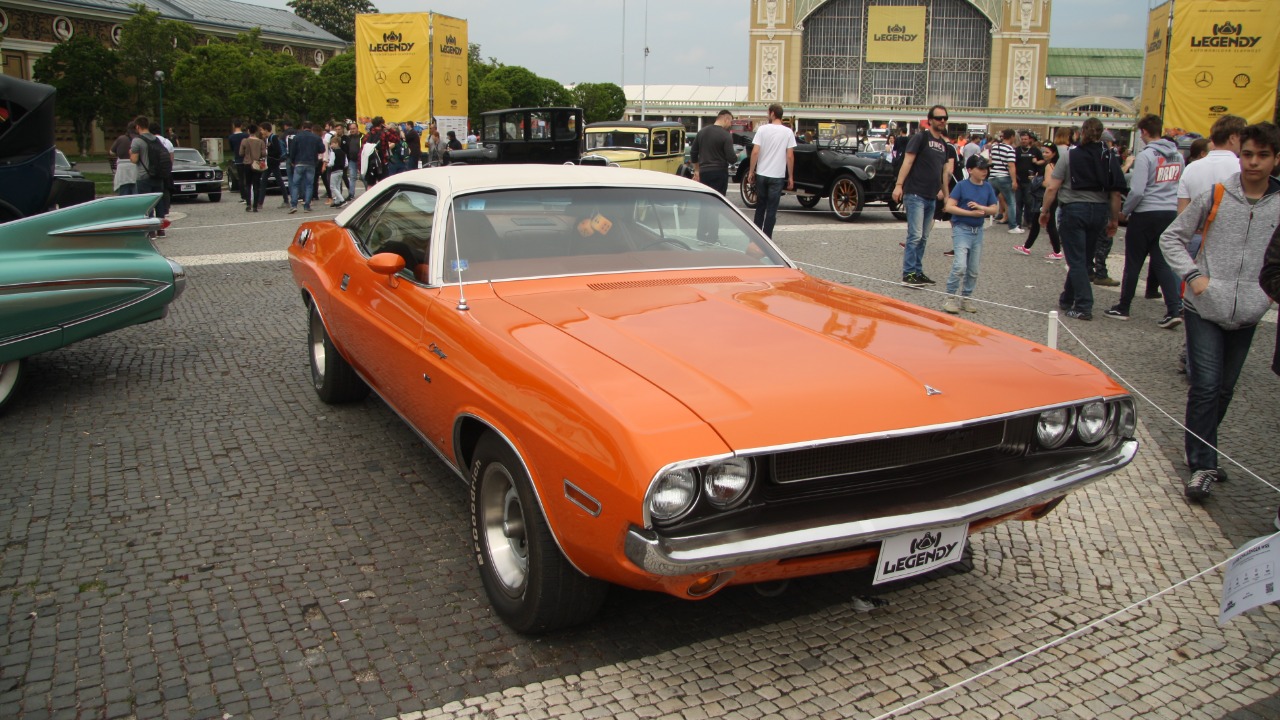
Dodge Challenger
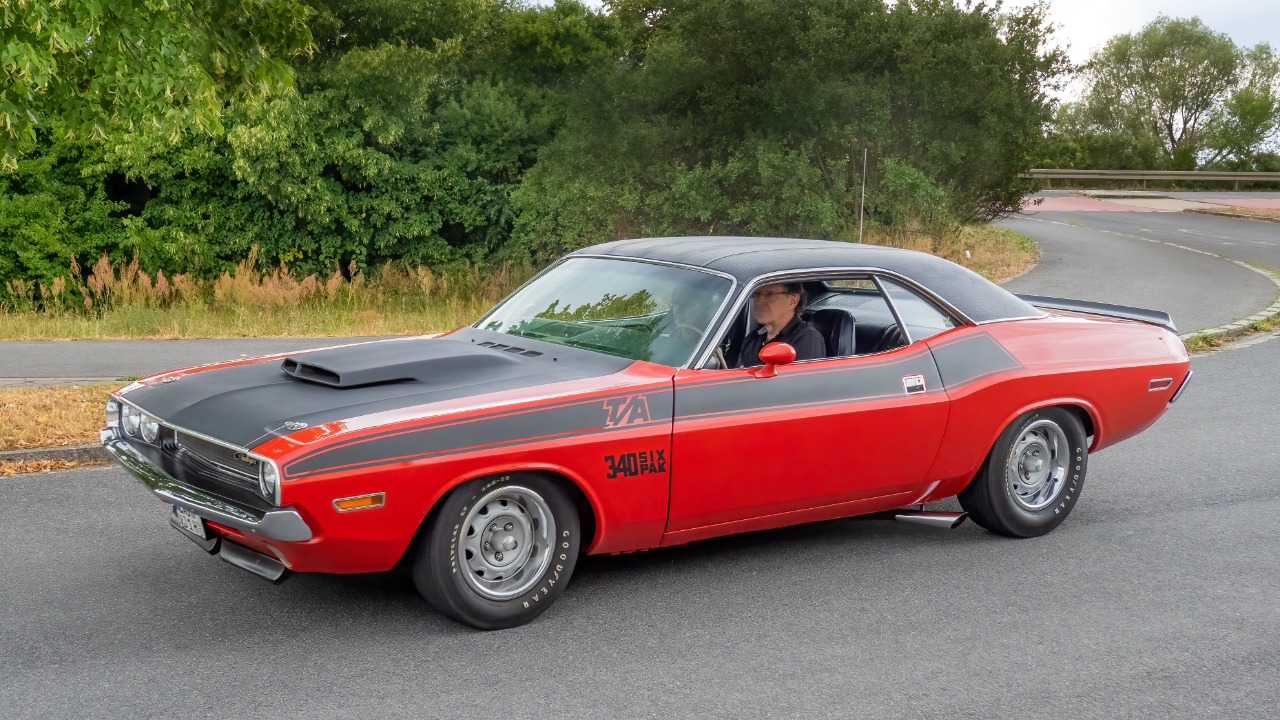
The Dodge Challenger made its debut in 1970 as a direct competitor to the Ford Mustang and Chevrolet Camaro. Known for its bold styling and powerful performance, the Challenger quickly gained a following. The early models offered a range of engine options, including the iconic 426 Hemi V8, allowing drivers to experience thrilling acceleration. However, as the 1970s progressed, shifting regulations and fuel shortages affected the Challenger’s production. Despite these challenges, the car maintained its appeal and became a symbol of the muscle car era. The Challenger’s legacy endures, with a modern revival that pays homage to its storied past and keeps the spirit of American muscle alive.
AMC Gremlin
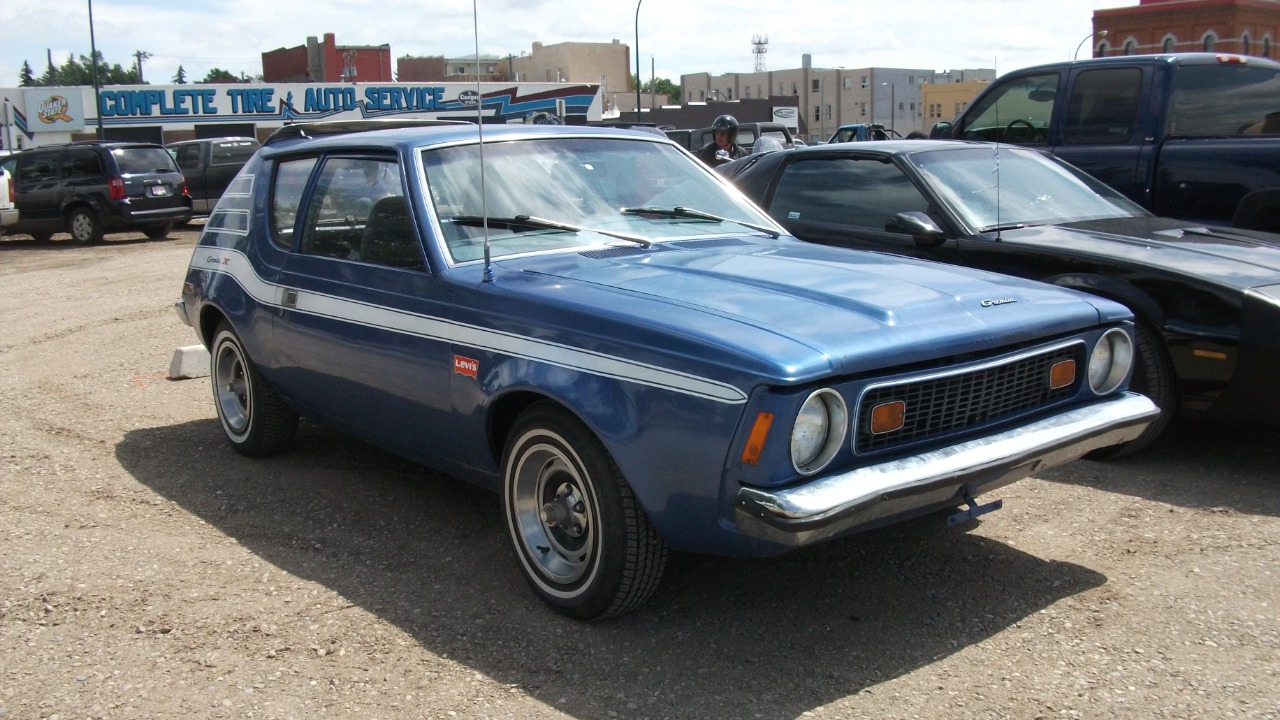
The AMC Gremlin, introduced in 1970, was a compact car that carved out a niche by offering affordability and practicality. With a unique hatchback design, the Gremlin appealed to budget-conscious consumers who still wanted a vehicle that stood out. Its quirky styling and efficient use of space made it popular among a diverse range of buyers. The Gremlin was equipped with a variety of engine options, including a 232 cubic inch inline-six, which provided adequate power for city driving. Additionally, its low price point and good fuel economy made it a sensible choice during the energy crisis of the 1970s. The Gremlin remains a fascinating example of American automotive innovation.
Cadillac Eldorado

The Cadillac Eldorado epitomized luxury during the 1970s, showcasing the brand’s commitment to comfort and style. The 1970 model featured a front-wheel-drive layout, a first for Cadillac, which allowed for a spacious interior and smooth handling. Known for its elegant design and powerful V8 engines, the Eldorado was synonymous with American opulence. Throughout the decade, it continued to evolve, incorporating advanced features such as climate control and plush seating. The Eldorado became a status symbol, representing the height of luxury and sophistication in the American automotive market. It remains a classic choice for collectors and enthusiasts today.
Chevrolet Corvette
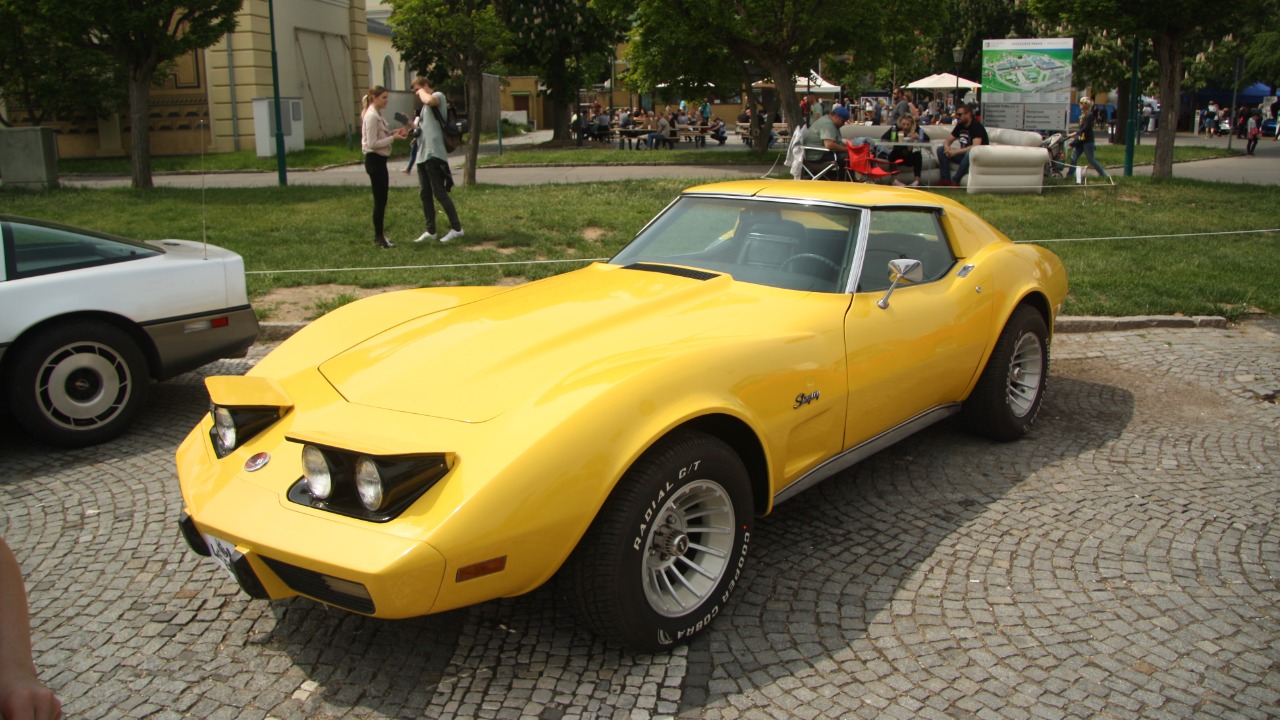
The Chevrolet Corvette has long been recognized as America’s sports car, and the 1970s were pivotal in its evolution. The third-generation Corvette, known as the C3, was introduced in 1968 and continued through the 1970s, showcasing an iconic design with its long hood and sleek lines. The decade brought refinements to the Corvette’s performance, including the introduction of a 350 cubic inch V8 engine, which provided exhilarating speed and handling. Despite the challenges of emissions regulations and rising insurance costs, the Corvette maintained its status as a performance icon. Today, it remains a symbol of American ingenuity and automotive passion, continuing to inspire drivers and collectors alike.
More from Fast Lane Only
- Unboxing the WWII Jeep in a Crate
- 15 rare Chevys collectors are quietly buying
- 10 underrated V8s still worth hunting down
- Police notice this before you even roll window down
*Research for this article included AI assistance, with all final content reviewed by human editors.