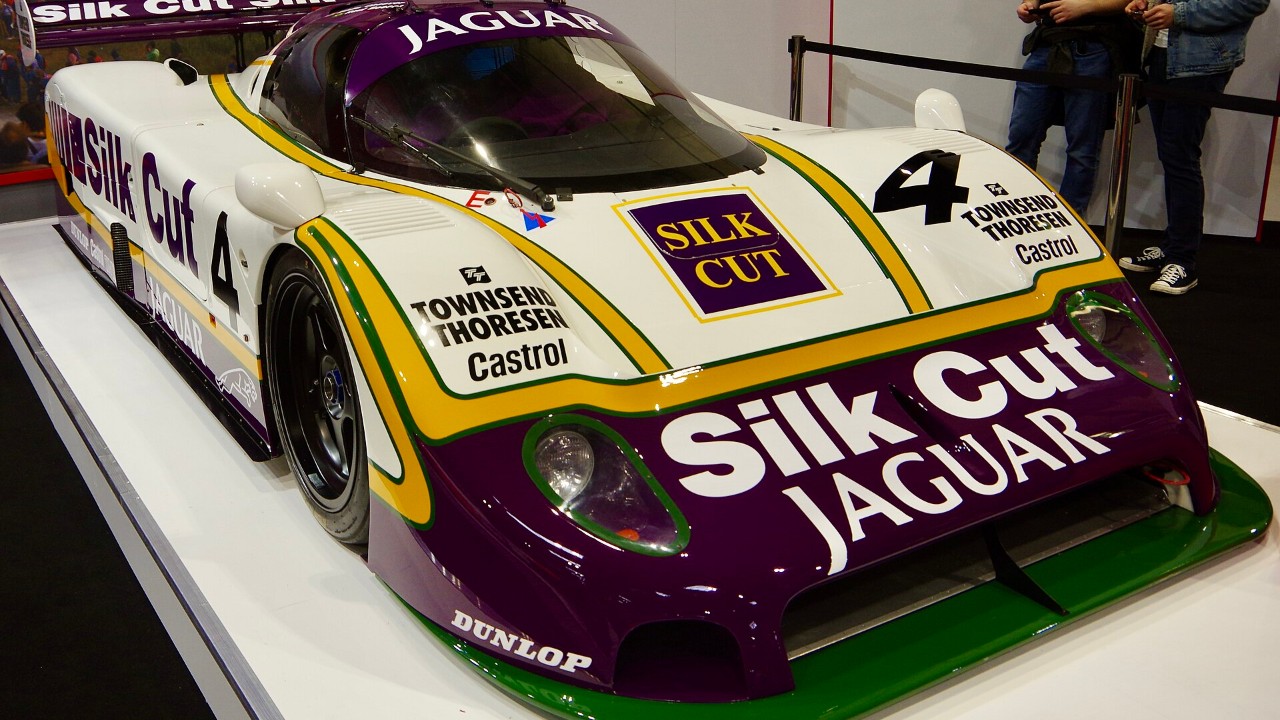
Some cars became legendary not only because of their performance, but because governments, racing organizations, or manufacturers eventually restricted or banned them in various ways. Whether due to safety concerns, emissions rules, homologation issues, or import regulations, these machines gained even greater mystique once access became limited. Today, enthusiasts remain fascinated by these controversial vehicles and the stories surrounding their restrictions.
Nissan Skyline GT-R R32
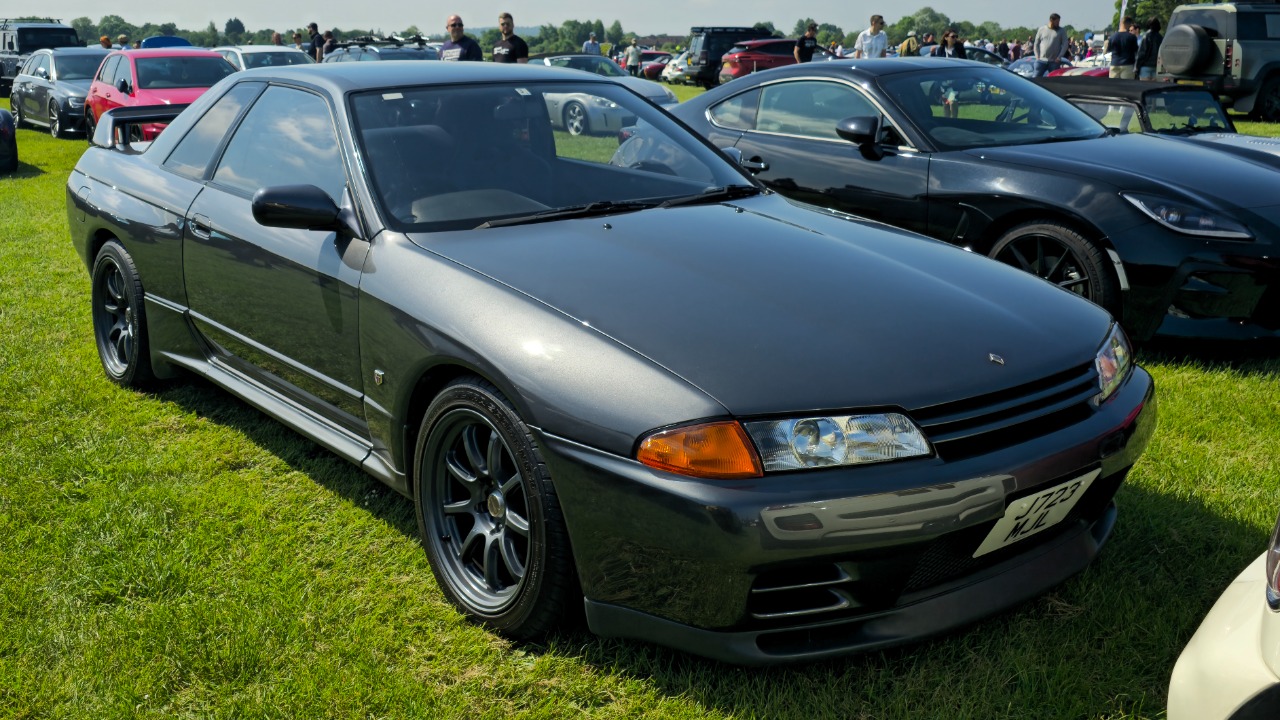
The Nissan Skyline GT-R R32 became infamous for being unavailable in the United States for many years because of strict import regulations tied to the 25-year rule. Nicknamed “Godzilla” after dominating touring-car racing, the R32 developed an almost mythical reputation among enthusiasts who could only admire it through magazines, movies, and video games. Its advanced all-wheel-drive system and twin-turbo RB26 engine made it feel far ahead of its time. The long import restriction only intensified global obsession surrounding Nissan’s legendary performance machine.
Porsche 911 GT1 Straßenversion
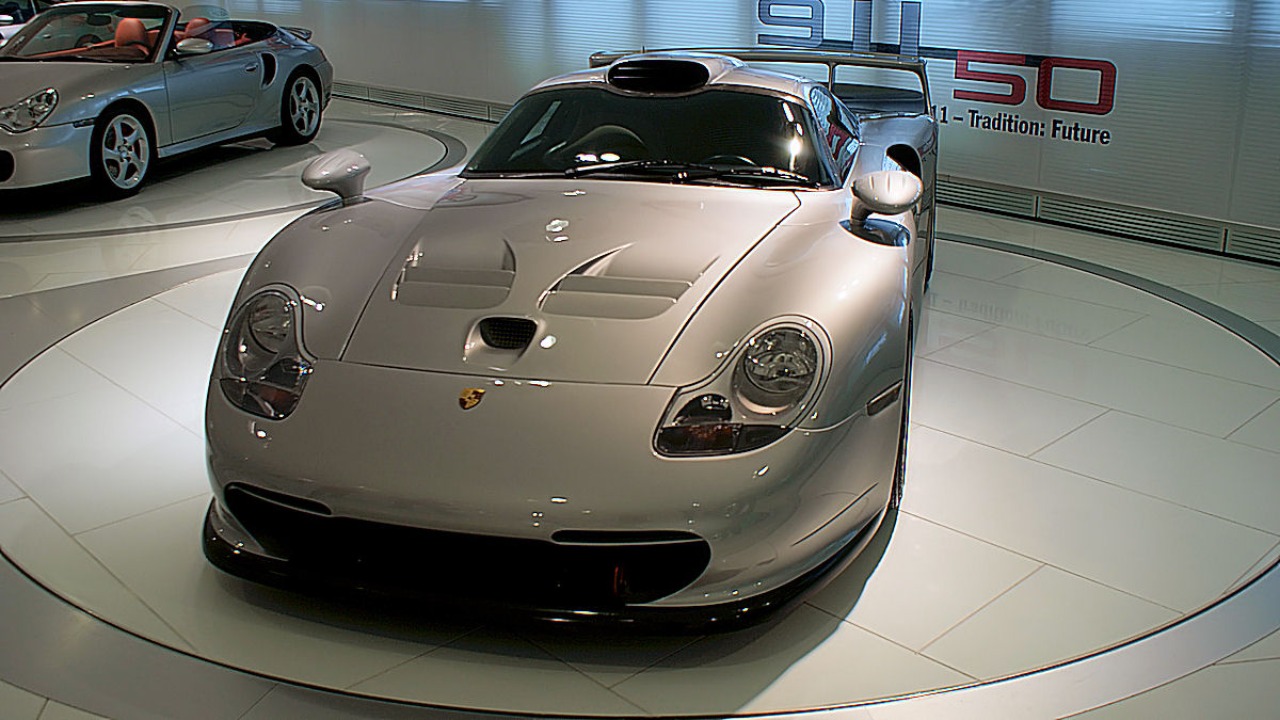
The Porsche 911 GT1 Straßenversion became one of the rarest and most restricted road-going race cars ever built because Porsche produced only a tiny number to satisfy GT1 racing homologation rules. Essentially a Le Mans prototype disguised as a street car, it featured extreme aerodynamics and race-derived engineering unsuitable for ordinary driving conditions. Its rarity and limited production made ownership nearly impossible for most enthusiasts. Today, the GT1 remains an object of fascination because it represents a time when manufacturers pushed racing loopholes to astonishing extremes.
TVR Cerbera Speed 12
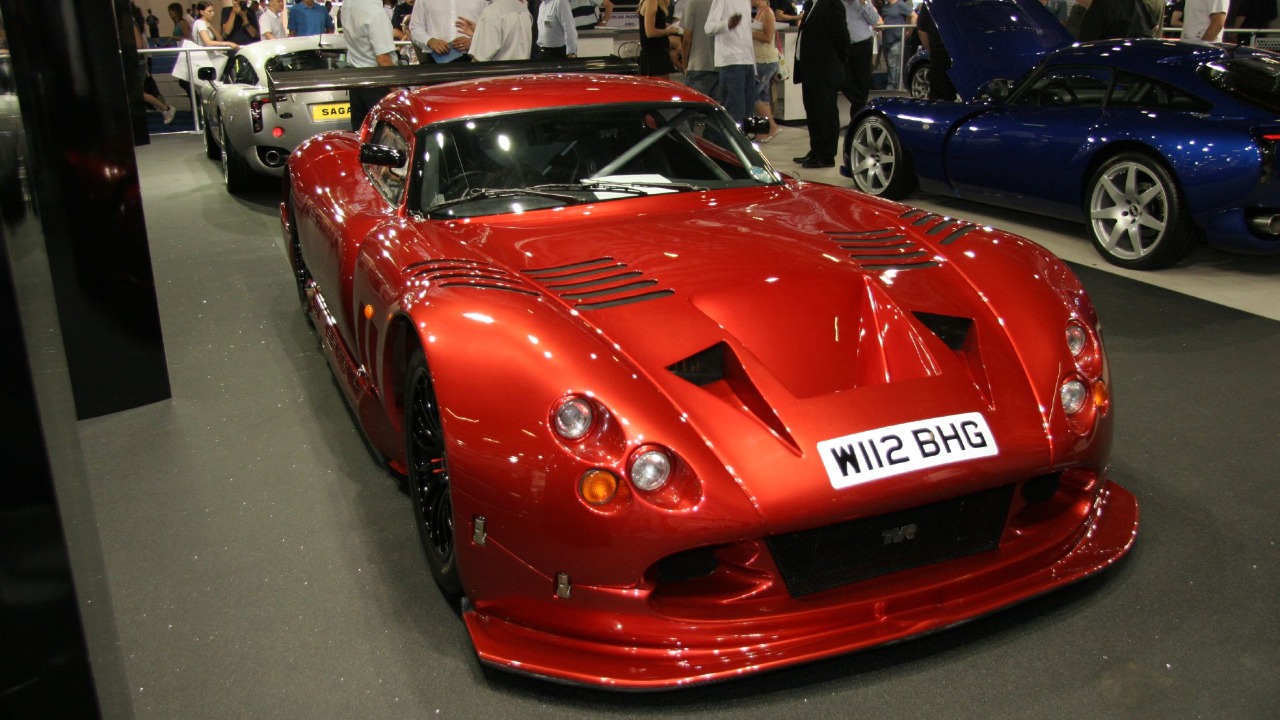
The TVR Cerbera Speed 12 became legendary largely because it was effectively deemed too dangerous for production by its own creator. Designed as an outrageous high-horsepower road and racing machine, the Speed 12 reportedly terrified even experienced drivers during testing. TVR ultimately canceled full production after concerns about the car’s uncontrollable performance and practicality for public roads. The combination of monstrous power, wild styling, and near-mythical reputation turned the Speed 12 into one of the most obsessively discussed canceled supercars in automotive history.
Jaguar XJ220
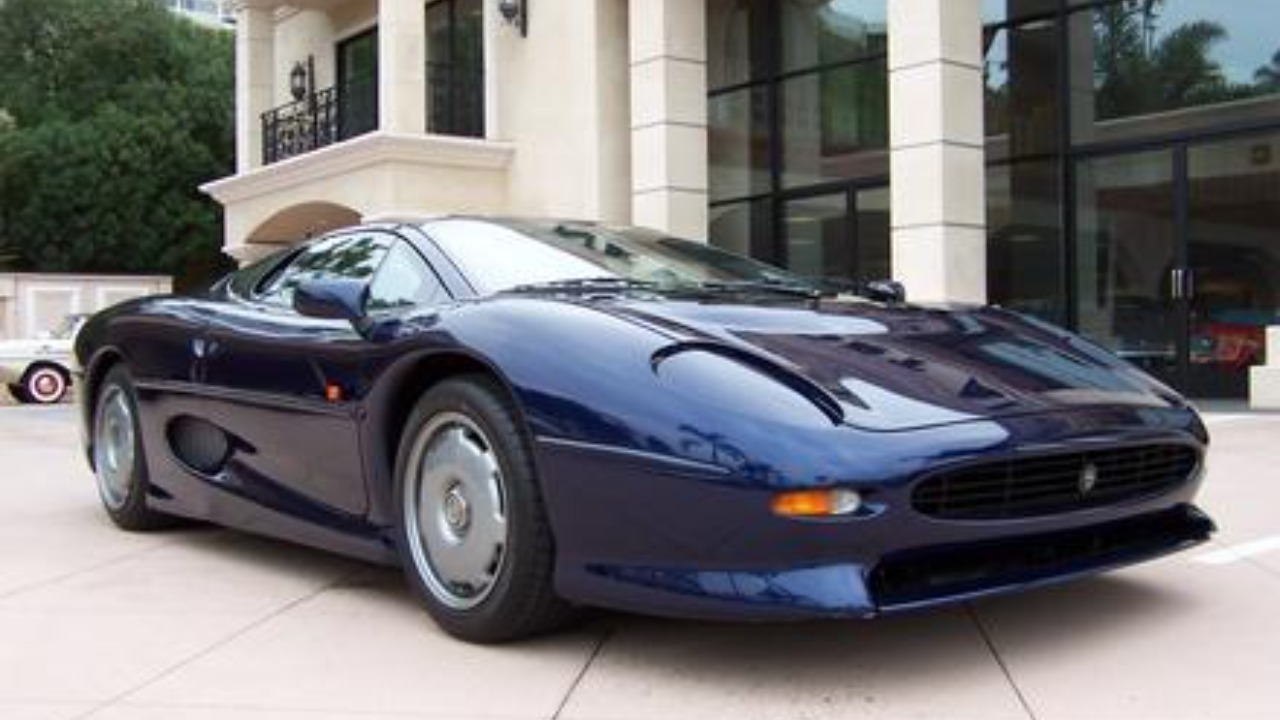
The Jaguar XJ220 gained controversy because changing regulations and engineering realities forced Jaguar to abandon the originally promised V12 and all-wheel-drive setup before production. Some buyers attempted legal action after discovering the final specifications differed from early concepts. Despite the disputes, the XJ220 still became one of the fastest production cars in the world during the early 1990s. Its rarity, dramatic styling, and controversial development history helped transform it into a highly desirable exotic that enthusiasts continue obsessing over decades later.
Ferrari FXX Evoluzione
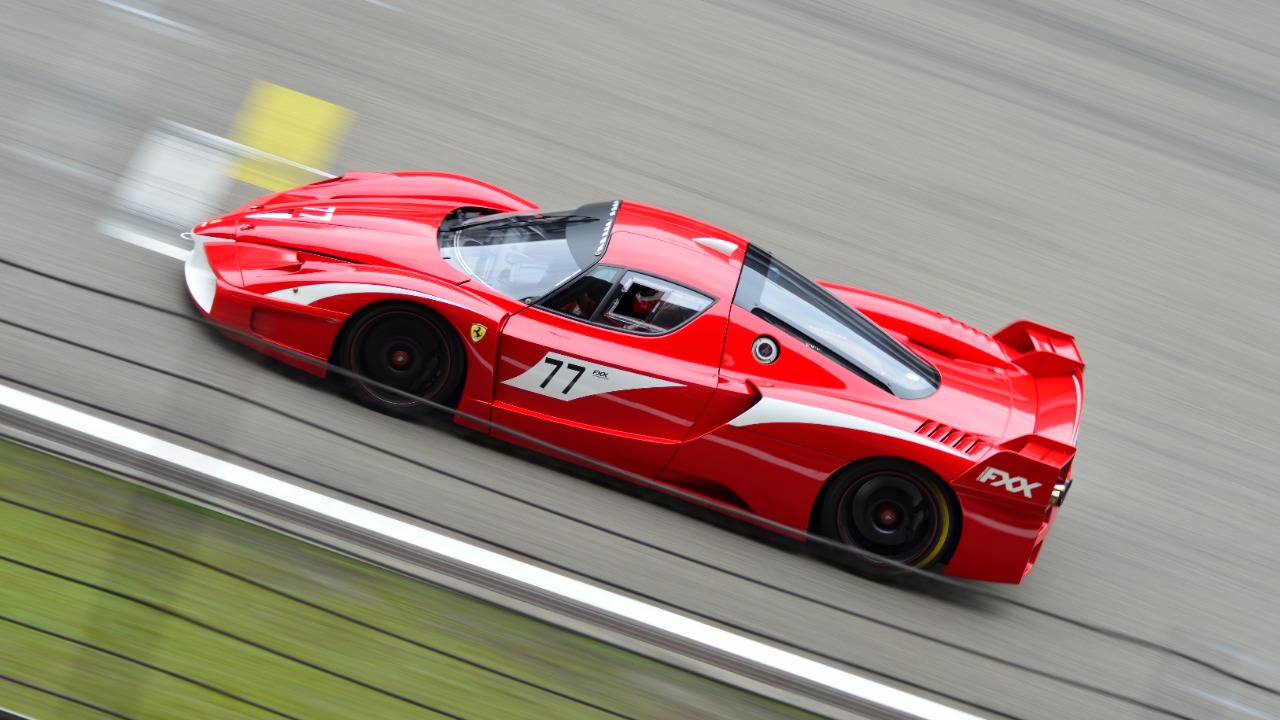
The Ferrari FXX Evoluzione became irresistible to enthusiasts because Ferrari intentionally restricted the car from public-road use while tightly controlling ownership itself. Buyers technically did not keep the vehicle at home full-time, as Ferrari stored and maintained many examples for exclusive track events. Powered by a screaming V12 and packed with experimental technology, the FXX Evoluzione represented unrestricted Ferrari engineering focused purely on performance. Its exclusivity and track-only status created enormous mystique, making it one of the most fascinating restricted Ferraris ever produced.
Mitsubishi Lancer Evolution VI Tommi Mäkinen Edition
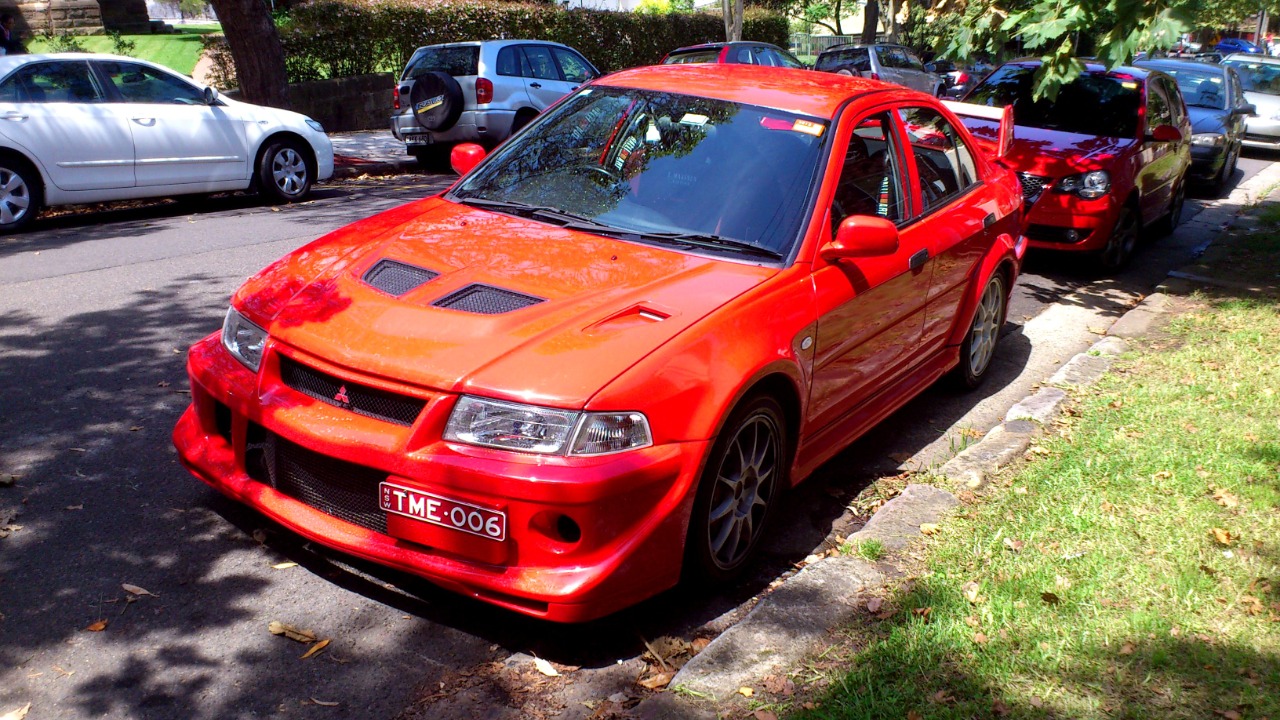
The Mitsubishi Lancer Evolution VI Tommi Mäkinen Edition became highly sought after because many markets never officially received the special-edition rally homologation model. Named after rally champion Tommi Mäkinen, the car featured sharper handling, unique styling, and turbocharged all-wheel-drive performance deeply connected to Mitsubishi’s rally dominance. Import restrictions prevented many enthusiasts from legally owning one for years, especially in the United States. The combination of rally heritage, limited availability, and aggressive performance helped create an enduring cult obsession around this special Evolution variant.
Mercedes-Benz CLK GTR
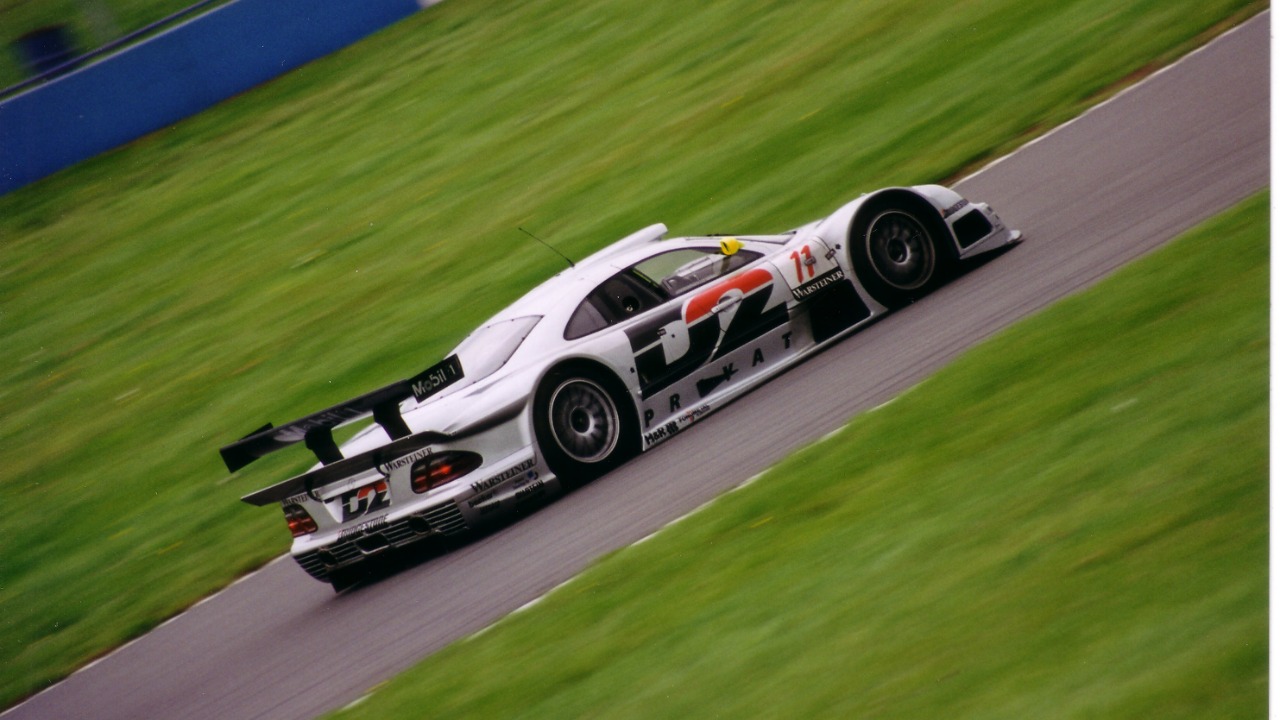
The Mercedes-Benz CLK GTR became legendary because it blurred the line between race car and road car more dramatically than almost anything before or since. Built mainly to satisfy FIA GT racing regulations, the CLK GTR offered brutal performance and uncompromising engineering that made it wildly impractical for normal street use. Production numbers remained extremely limited, adding to its mystique and exclusivity. Enthusiasts continue obsessing over the CLK GTR because it represents one of the purest examples of motorsport technology barely adapted for public roads.
Renault 5 Turbo
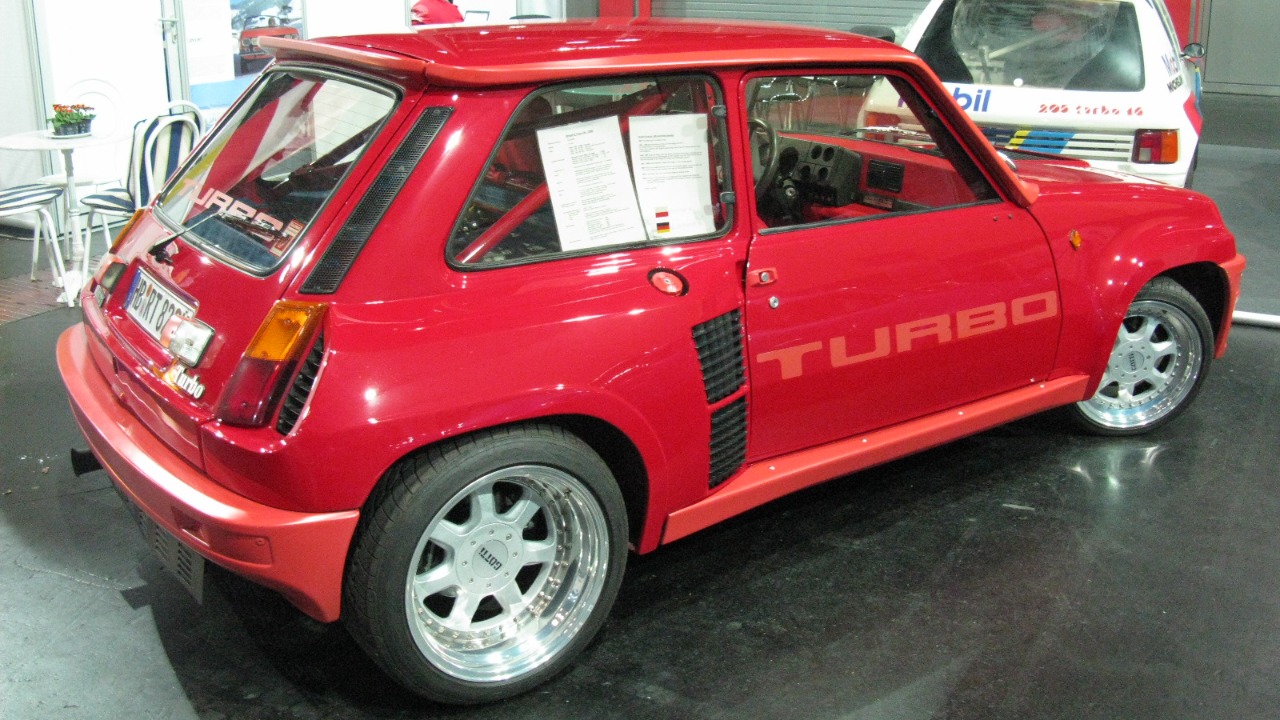
The Renault 5 Turbo became an icon partly because its extreme rally-focused design pushed the limits of what regulators and ordinary drivers considered sensible for a small hatchback. Built for Group 4 and later Group B rally competition, the car placed a turbocharged engine behind the driver and delivered explosive handling characteristics. Its aggressive bodywork and unpredictable performance created a reputation for being both thrilling and intimidating. Limited production and increasing rarity have only intensified modern enthusiasts’ fascination with this wild French homologation special.
More from Fast Lane Only