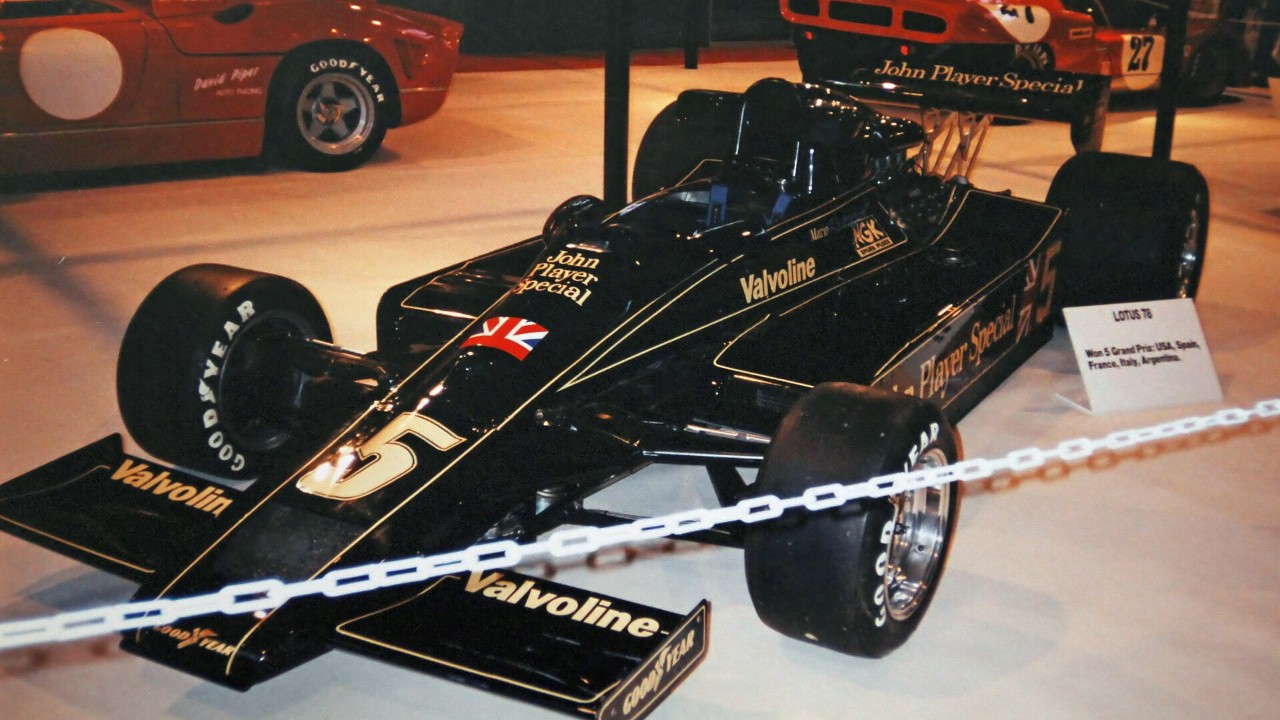
Some race tracks earned legendary reputations not only because of their speed, but because of the danger they presented to drivers willing to compete there. Narrow barriers, brutal corners, unpredictable weather, and terrifying elevation changes pushed racers to their absolute limits. These circuits became feared throughout motorsport history because even the smallest mistake could end careers, destroy cars, or worse.
Nürburgring Nordschleife
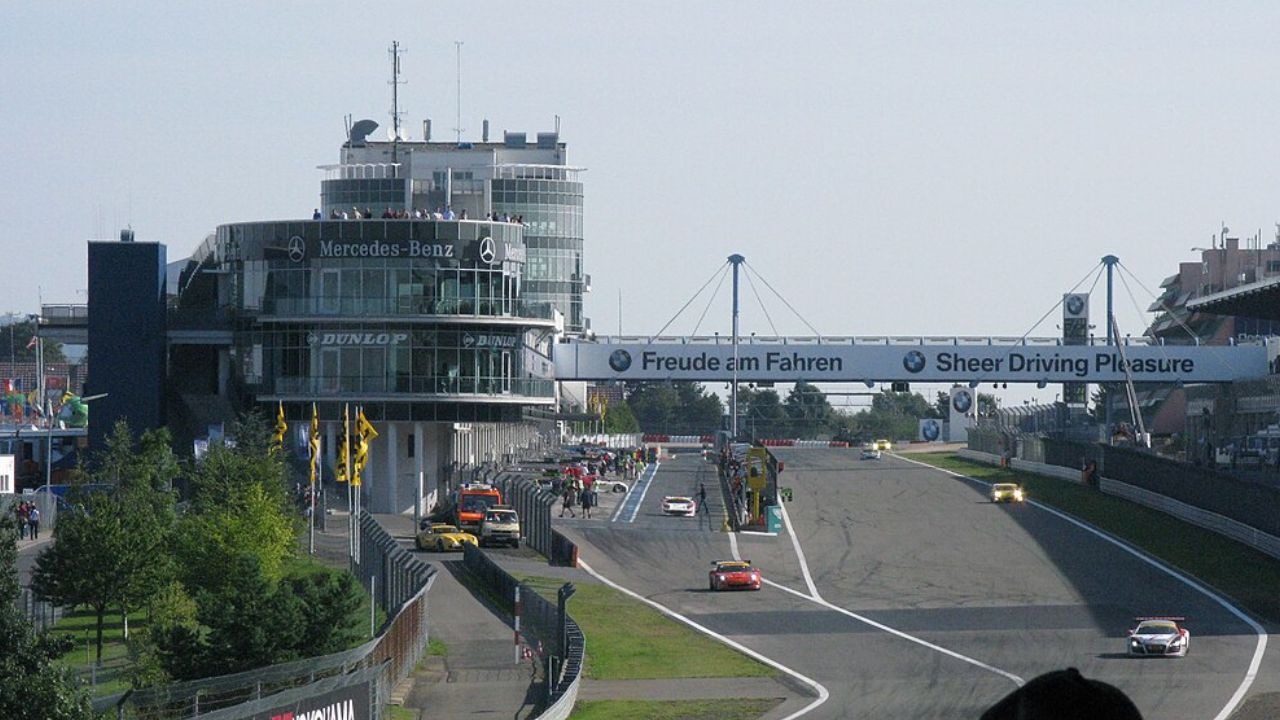
The Nürburgring Nordschleife became known as “The Green Hell” because of its terrifying combination of blind corners, massive elevation changes, and unforgiving layout stretching through dense forest. Drivers feared the circuit because mastering it required complete concentration for every second of a lap. The track’s enormous length and unpredictable weather conditions made mistakes especially dangerous. Throughout motorsport history, the Nordschleife gained legendary status as one of the ultimate tests of bravery, skill, and endurance for professional racers and automotive manufacturers alike.
Circuit de Spa-Francorchamps
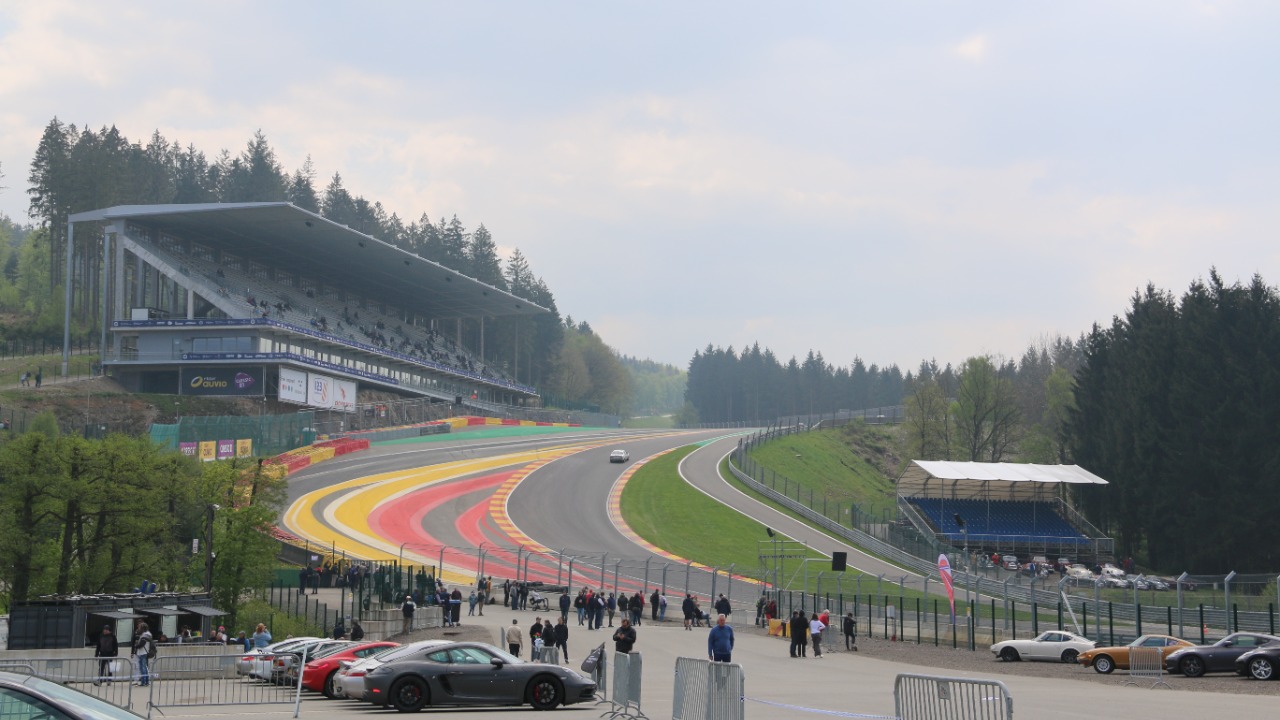
The Circuit de Spa-Francorchamps terrified generations of drivers because of its high-speed nature and unpredictable weather conditions deep within the Ardennes forest. Famous corners like Eau Rouge and Raidillon demanded extraordinary commitment despite offering little room for error. Earlier versions of Spa were especially dangerous due to minimal safety barriers and immense straight-line speeds. Even in modern form, the circuit commands enormous respect from competitors because weather can change rapidly across different sections of the track, creating constantly shifting driving conditions during races.
Old Monza Circuit
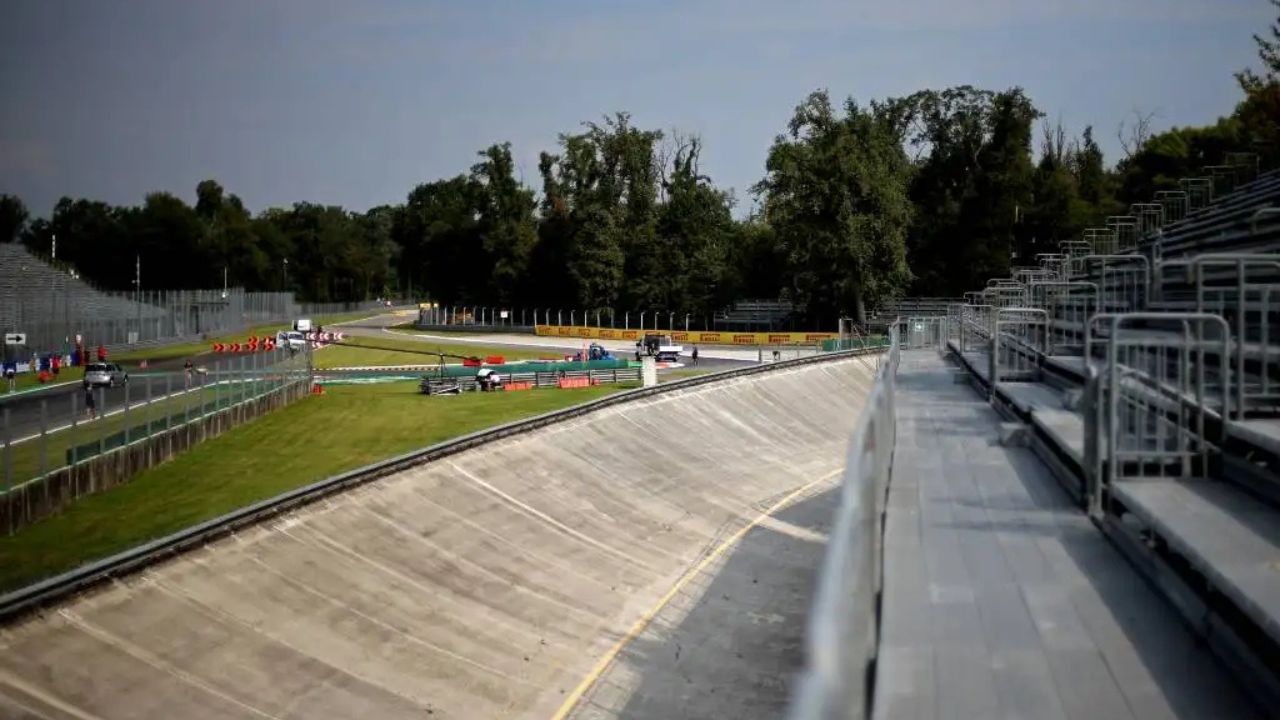
The Autodromo Nazionale Monza earned fearsome respect during its earlier decades because of its combination of enormous speeds and dangerous banking sections. Drivers regularly approached terrifying velocities while racing on rough surfaces with limited protection surrounding the circuit. Fatal accidents during the 1950s and 1960s reinforced Monza’s reputation as one of motorsport’s most dangerous venues. The track’s relentless speed placed immense pressure on both machinery and driver concentration, making every lap feel unforgiving. Even today, Monza remains associated with raw high-speed racing heritage.
Mount Panorama Circuit
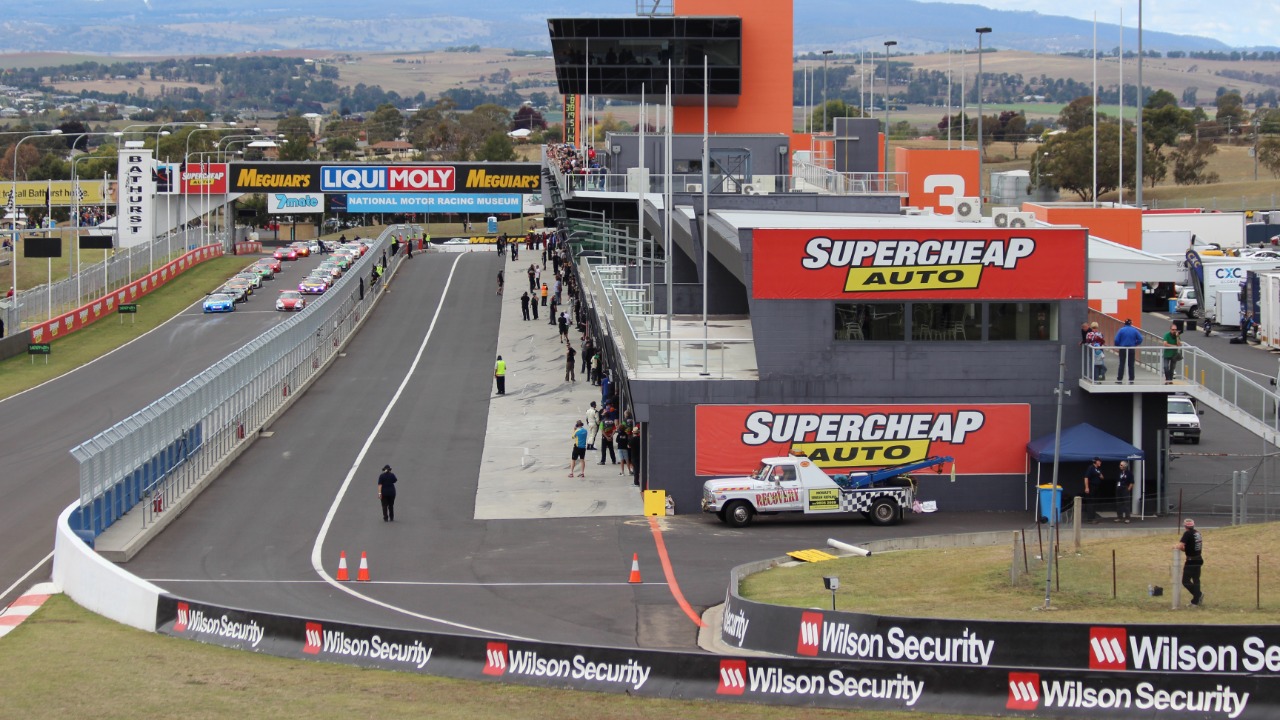
The Mount Panorama Circuit became feared because its narrow mountain layout leaves virtually no margin for error at racing speeds. Drivers climb steep elevation changes before descending through blind corners bordered closely by concrete walls. The combination of public-road origins and high-performance touring-car racing creates an intense environment unlike most permanent circuits. Bathurst gained legendary status because racers must balance aggression with survival throughout long endurance events where tiny mistakes can instantly destroy both cars and championship hopes.
Circuit de la Sarthe
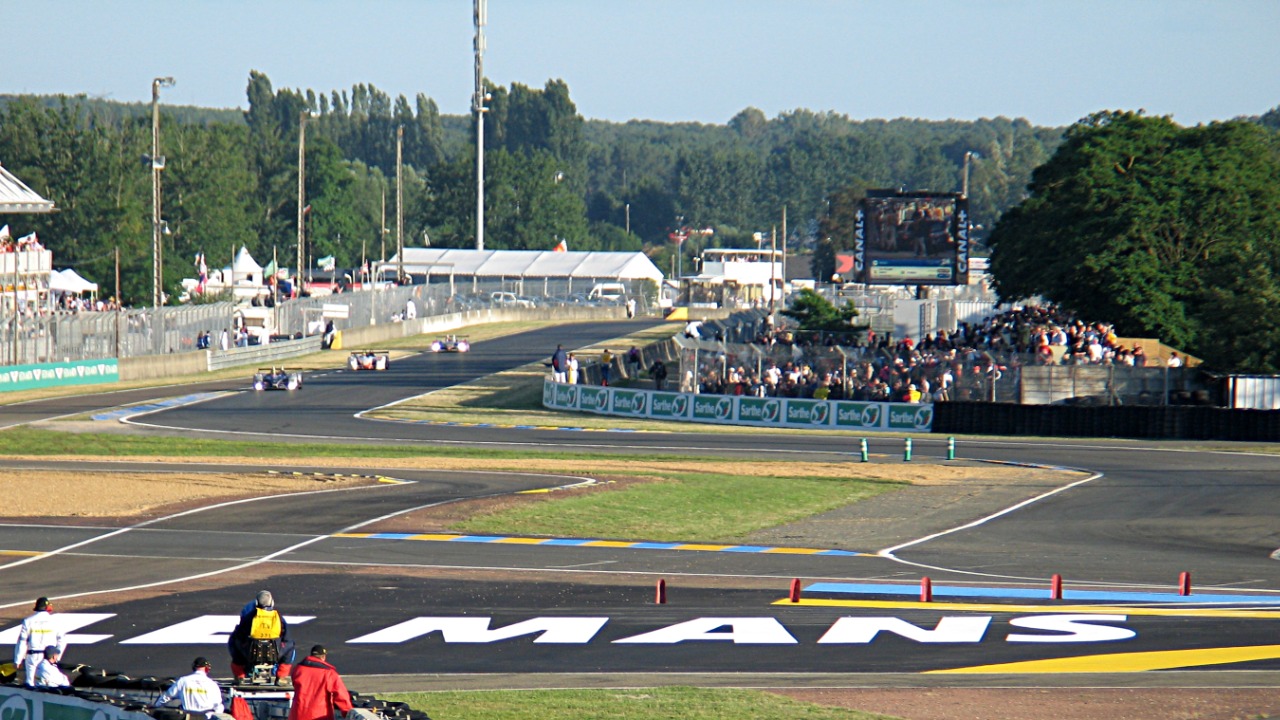
The Circuit de la Sarthe frightened competitors for decades because of its massive straights, nighttime racing conditions, and punishing endurance demands during the 24 Hours of Le Mans. Drivers reached extraordinary speeds while navigating public-road sections with little room for recovery from mistakes. Fatigue and changing weather increased the danger even further over the course of a full-day race. Historic tragedies also shaped the track’s reputation, turning Le Mans into one of the most respected and psychologically demanding circuits in motorsport history.
Suzuka Circuit
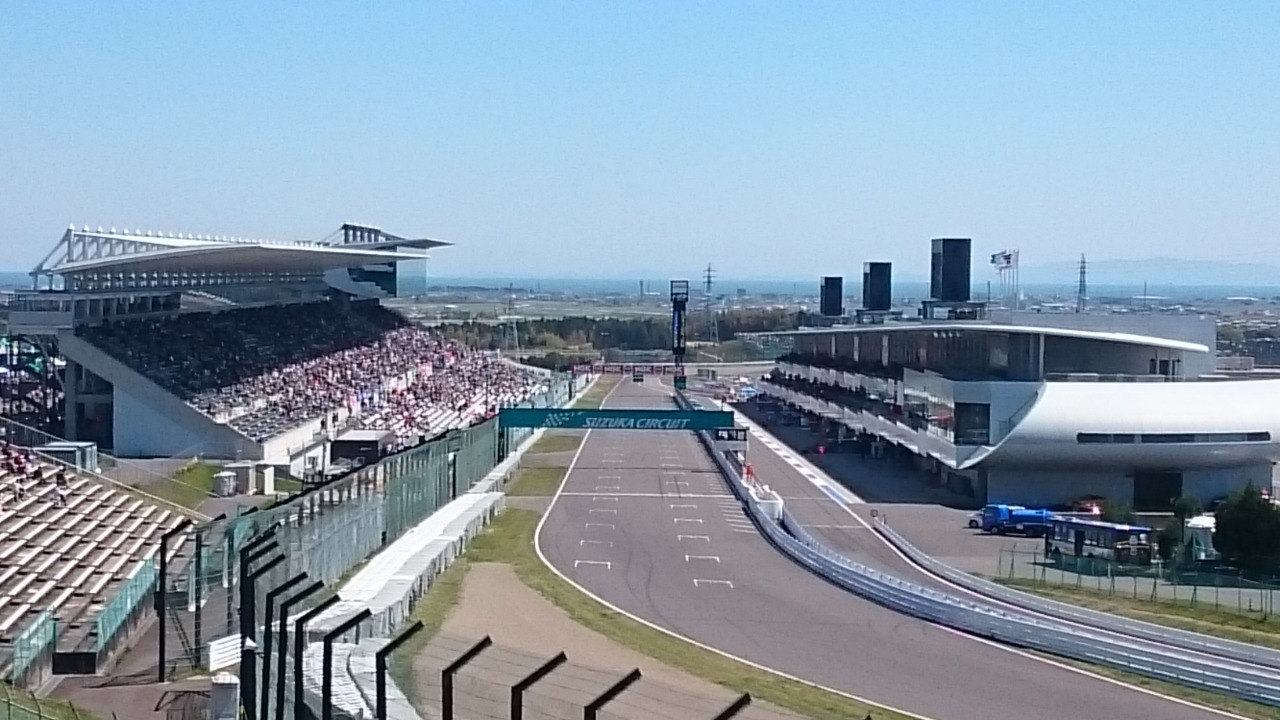
The Suzuka Circuit gained a reputation for intimidating even elite drivers because of its technically demanding layout and high-speed directional changes. Corners like 130R and the Esses required precision and confidence at incredible speeds. Suzuka punished mistakes harshly because maintaining rhythm through the circuit’s flowing sections was essential for competitive lap times. The track’s combination of speed, complexity, and limited forgiveness made it one of the toughest circuits in Formula One and a place where driver skill became especially visible.
Macau Guia Circuit
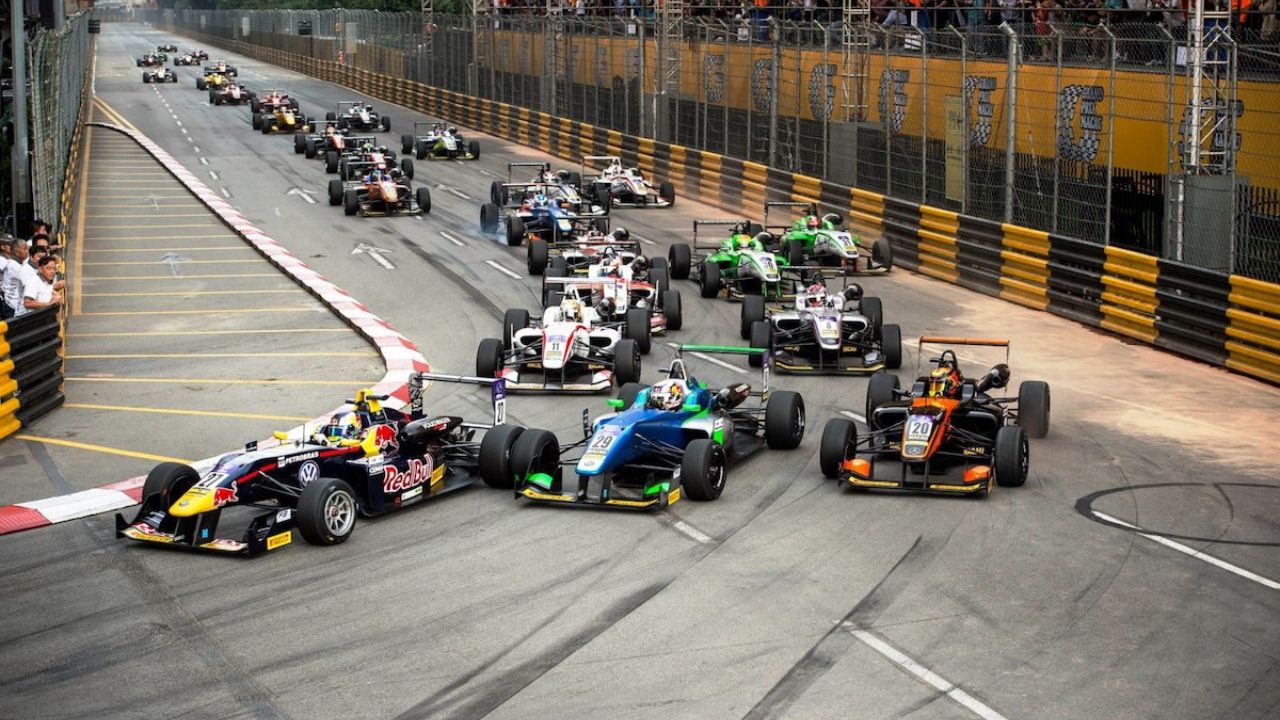
The Macau Guia Circuit became one of the most feared street circuits in motorsport because of its narrow layout lined tightly with barriers and buildings. Drivers raced through high-speed sections before suddenly entering extremely tight corners with almost no escape routes. The lack of runoff areas meant even tiny mistakes often caused severe crashes or blocked the track entirely. Combining urban street racing with dramatic elevation changes created an environment demanding complete focus and bravery from every competitor willing to challenge the circuit.
Laguna Seca Raceway
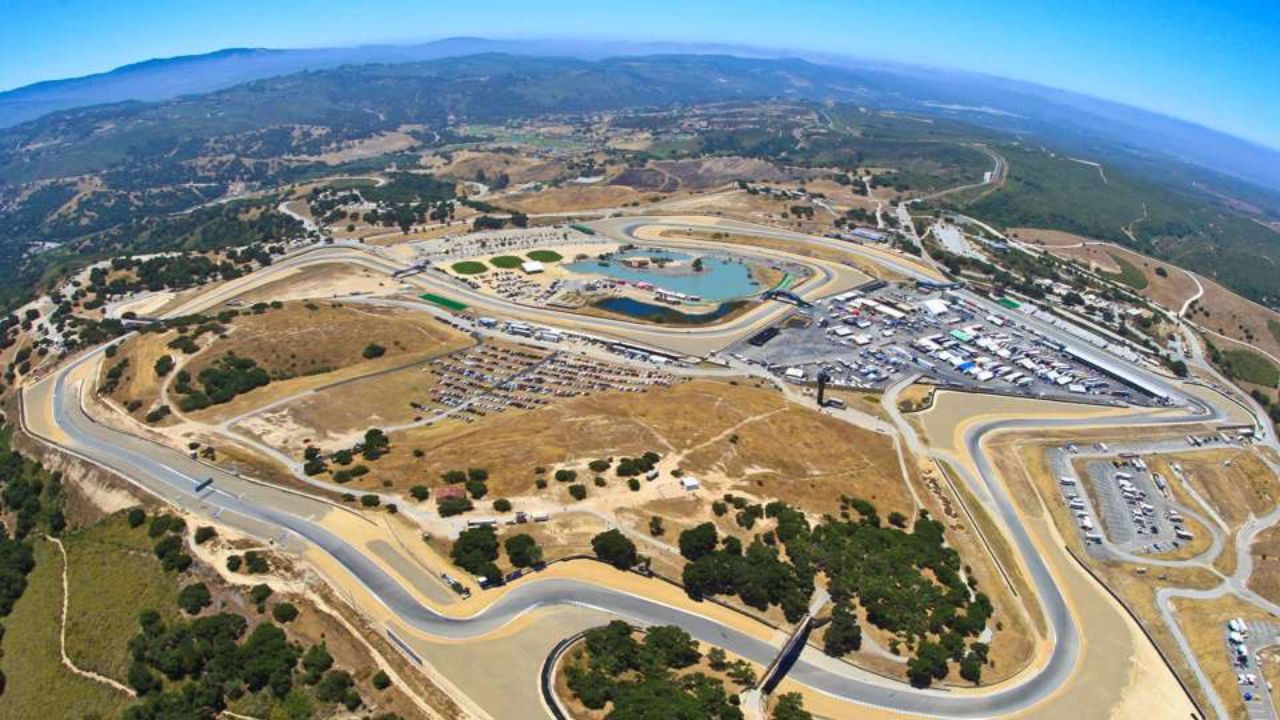
The WeatherTech Raceway Laguna Seca earned respect and fear because of its famous Corkscrew corner, where drivers plunge downhill through a blind left-right combination that feels almost vertical from inside the cockpit. The circuit’s constant elevation changes and technical rhythm punished hesitation and rewarded commitment. Historically, limited runoff areas and high-speed sections added further danger, especially during earlier decades of racing. Laguna Seca became iconic because it combined beautiful scenery with a layout capable of challenging even the most experienced professional drivers.