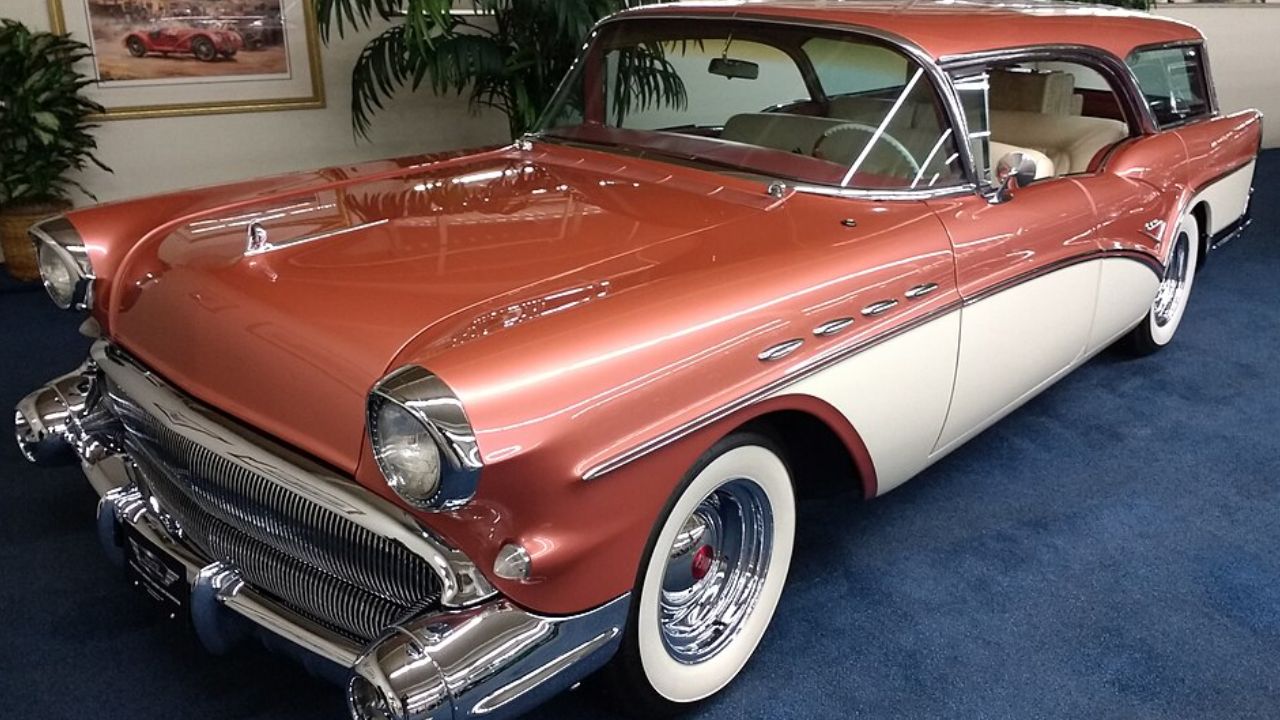
Buick’s 1950s lineup is often remembered for chrome, big grilles, and an unmistakable road presence. But mixed in with the flash were ideas that genuinely pushed the brand forward—new powertrains, early safety thinking, and some surprisingly modern comfort and drivability upgrades. Here are eight Buicks from the decade that, in one way or another, felt a step ahead of their time.
1953 Buick Skylark

The 1953 Buick Skylark was a limited-production, prestige convertible built to celebrate Buick’s 50th anniversary, and it showcased styling cues that would echo through the decade. Its low beltline, special cut-down doors, and clean, sporty proportions stood out in a market still transitioning away from bulky early-postwar forms. Details like the distinctive “sweepspear” side trim helped establish a signature Buick look that became a long-running design identity.
Beyond the visuals, the Skylark was part of Buick’s push toward more car-like performance and image, not just size and comfort. With a high-feature presentation and careful attention to trim and finish, it previewed how personal-luxury cues could be used to sell aspiration—something Detroit leaned on heavily in the years that followed.
1954 Buick Roadmaster (with power steering and power brakes)
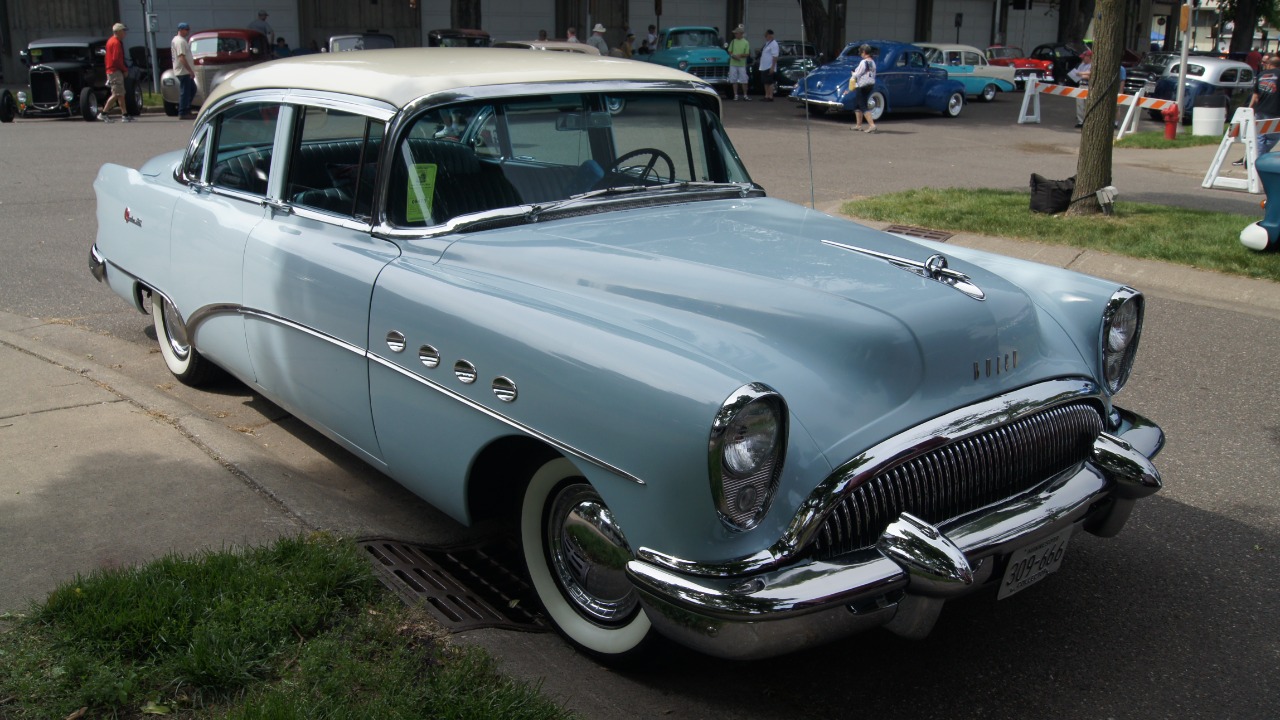
By the mid-1950s, Buick was making it easier to live with a big, heavy car, and a 1954 Roadmaster equipped with factory power steering and power brakes represented that shift well. These features weren’t unique to Buick, but they were part of a broader move toward effortless driving that would become the American standard. In real-world terms, they dramatically reduced the workload in parking lots and made stop-and-go driving less tiring.
What feels “ahead” today is how quickly Buick treated these systems as normal, comfort-oriented engineering rather than exotic add-ons. That mindset—prioritizing ease and confidence behind the wheel—fits neatly with Buick’s long-term reputation as a smooth, approachable premium brand.
1955 Buick Century
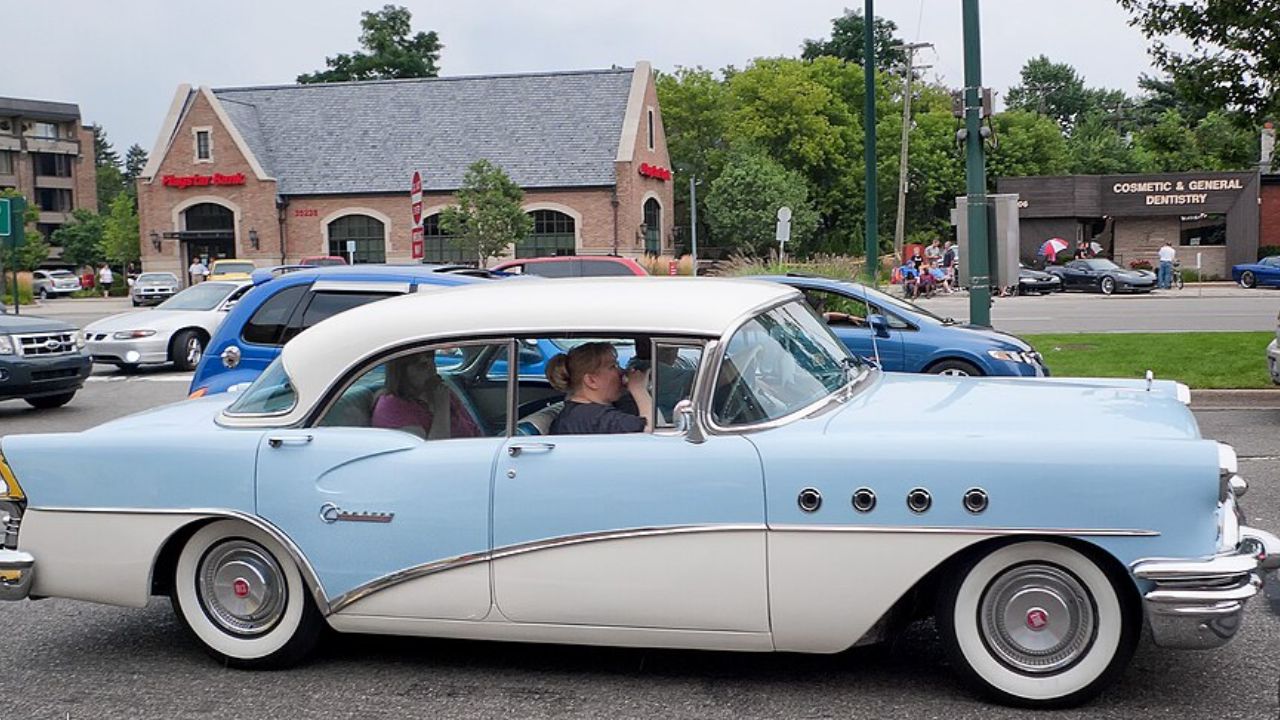
The 1955 Buick Century is often remembered as a driver’s Buick: a relatively lighter, more performance-minded package in the lineup with V8 power and a reputation for strong acceleration. Buick’s Century formula—big-engine energy without jumping all the way to the top luxury tier—helped define the idea that a mainstream brand could sell real pace alongside comfort. It’s a concept that later showed up across the industry in all kinds of “sport” trims and performance-focused variants.
Equally important, the Century fit into Buick’s evolving “banked” styling era, where sweeping lines and carefully integrated brightwork created motion even at a standstill. That mix of visual speed and usable torque made the Century feel modern for the time, especially compared with cars that still prioritized pure softness over response.
1956 Buick Roadmaster (with factory air conditioning)
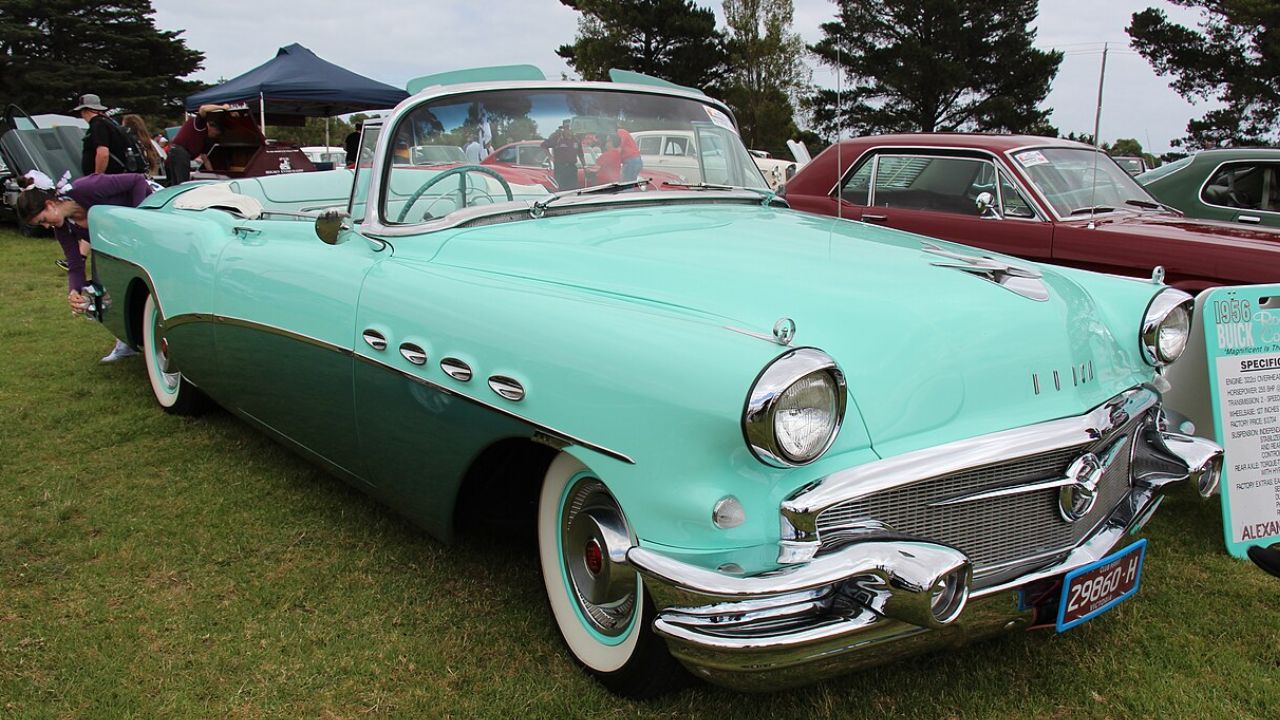
Air conditioning was still a rare, premium feature in the 1950s, and a 1956 Buick Roadmaster equipped with factory A/C highlights how quickly comfort technology was moving. Early automotive air conditioning systems were bulky and expensive, but they represented a major leap toward the sealed-cabin, all-weather usability drivers take for granted now. In hot climates, it changed the entire experience of long-distance travel.
Buick’s willingness to offer A/C in a mainstream-luxury context also signaled the coming expectation that cars should manage their own environment. The idea that comfort could be engineered—and that buyers would pay for it—became a cornerstone of late-20th-century vehicle development.
1957 Buick Caballero Estate Wagon
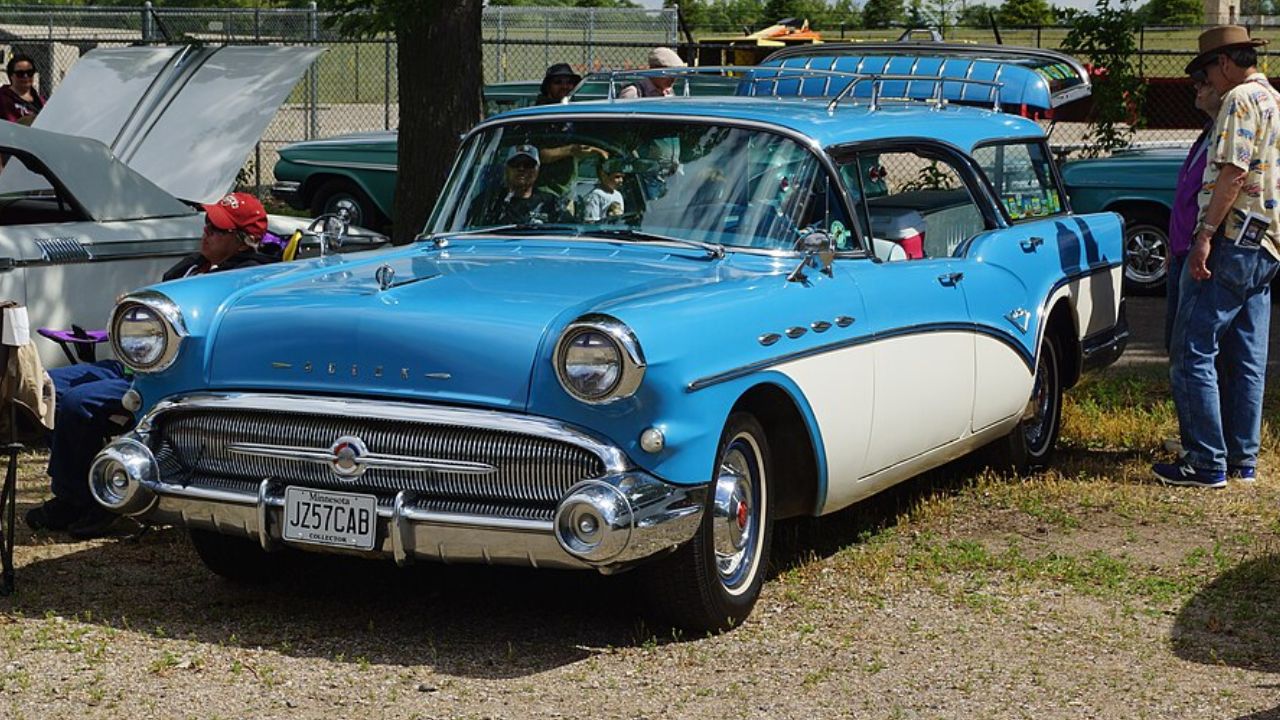
The 1957 Buick Caballero Estate Wagon brought premium cues to a body style that was quickly becoming central to American family life. With upscale trim and Buick’s signature styling touches, it treated the wagon as something more than a utilitarian hauler. That approach foreshadowed the later boom in “luxury family vehicles,” a lineage that ultimately runs through plush minivans and today’s high-end SUVs.
Wagons also highlighted the era’s growing emphasis on versatility without sacrificing comfort. A Caballero could serve as daily transportation, road-trip machine, and cargo carrier, showing how manufacturers were starting to recognize that many buyers wanted one vehicle to do nearly everything.
1958 Buick Limited
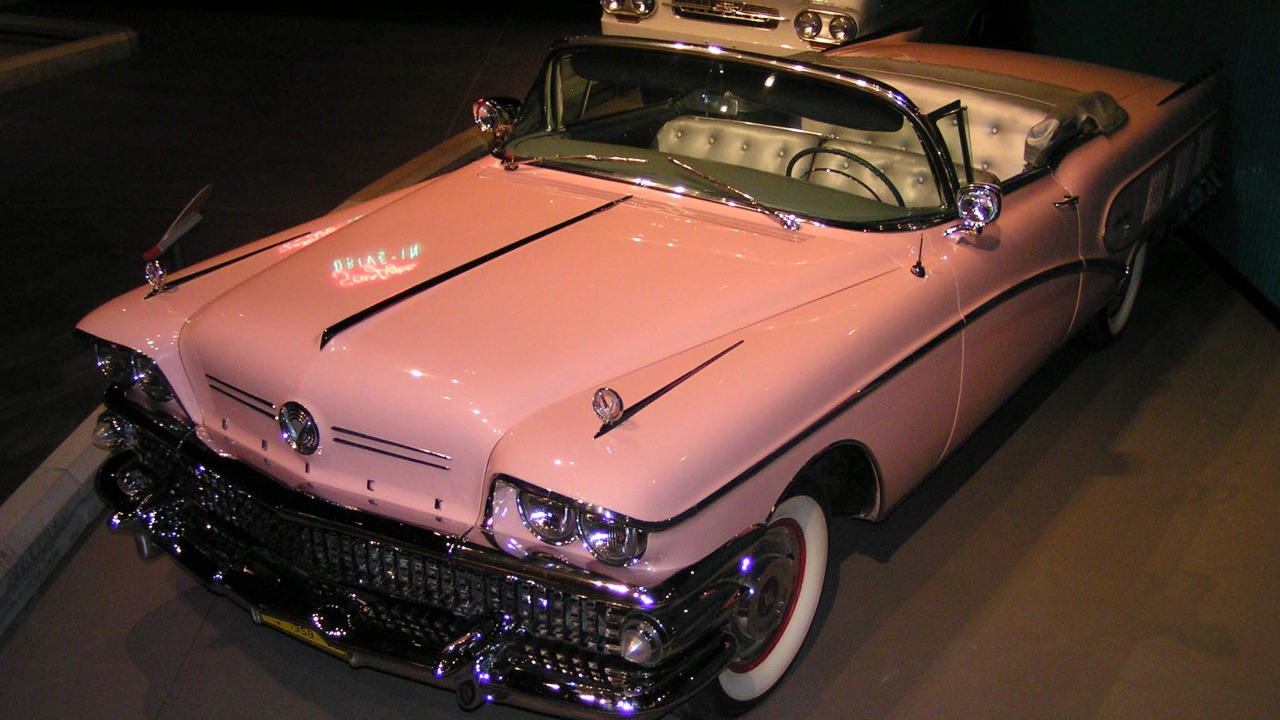
The 1958 Buick Limited represented the brand’s top-tier ambition in a year when Detroit design was rapidly becoming more dramatic and feature-forward. With its bold presence, extensive brightwork, and attention to passenger comfort, the Limited leaned into the idea of the car as a rolling showcase of materials, design, and status. That “halo luxury” thinking—put your most advanced presentation at the top—remains a standard product strategy.
It also arrived during a period when manufacturers were exploring more integrated, cohesive shapes rather than purely add-on ornamentation. Even when the styling was exuberant, the broader direction pointed toward the curated, brand-specific visual identity that modern automakers rely on to stand out.
1959 Buick LeSabre (with safety-focused features like seat belts as an option)
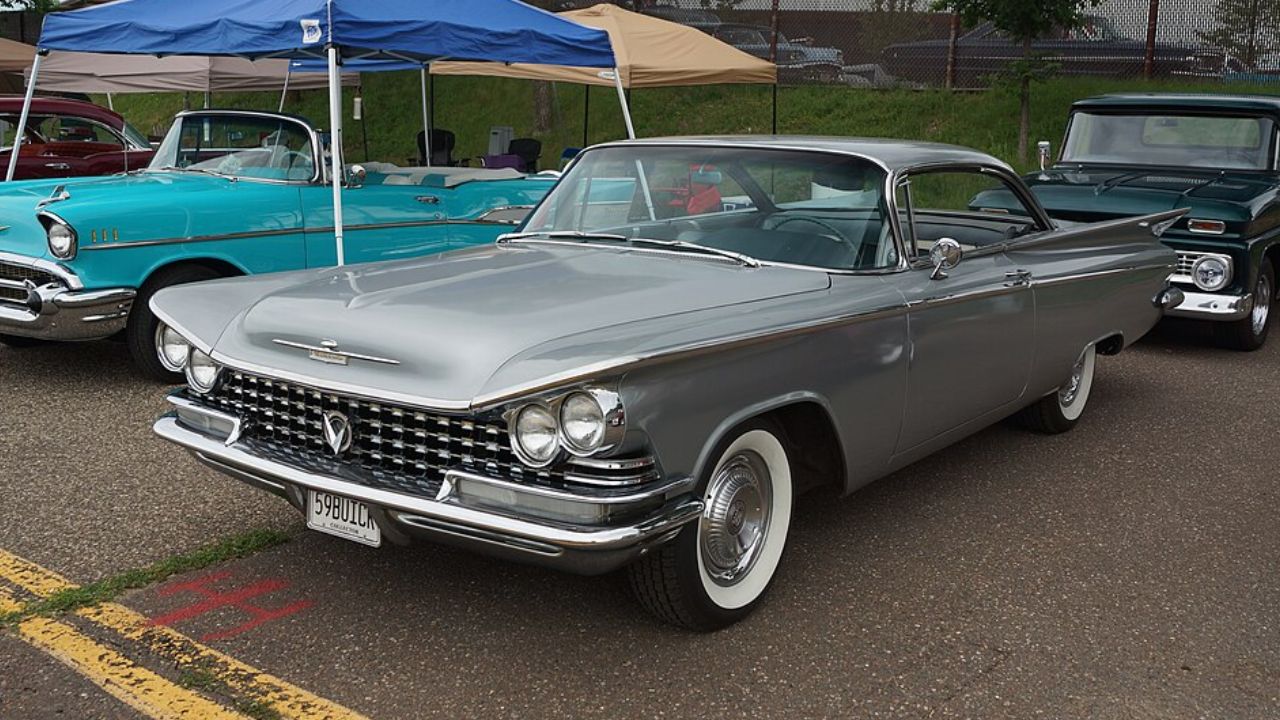
By 1959, American automakers were increasingly engaging with safety equipment, and Buicks of the era could be optioned with seat belts—still far from universal at the time. Even as styling grabbed most of the headlines in the late 1950s, the presence of belts as a factory-backed option hinted at a coming shift in priorities. It’s an early sign of the long transition from comfort-and-style-first thinking to the safety-focused baseline we expect today.
The LeSabre itself sat in Buick’s “upper-middle” sweet spot, making it a good lens for how safety ideas spread: not just on the most expensive flagships, but into the cars regular families actually bought. That gradual mainstreaming is exactly how major safety changes took hold across the industry.
1959 Buick Electra 225
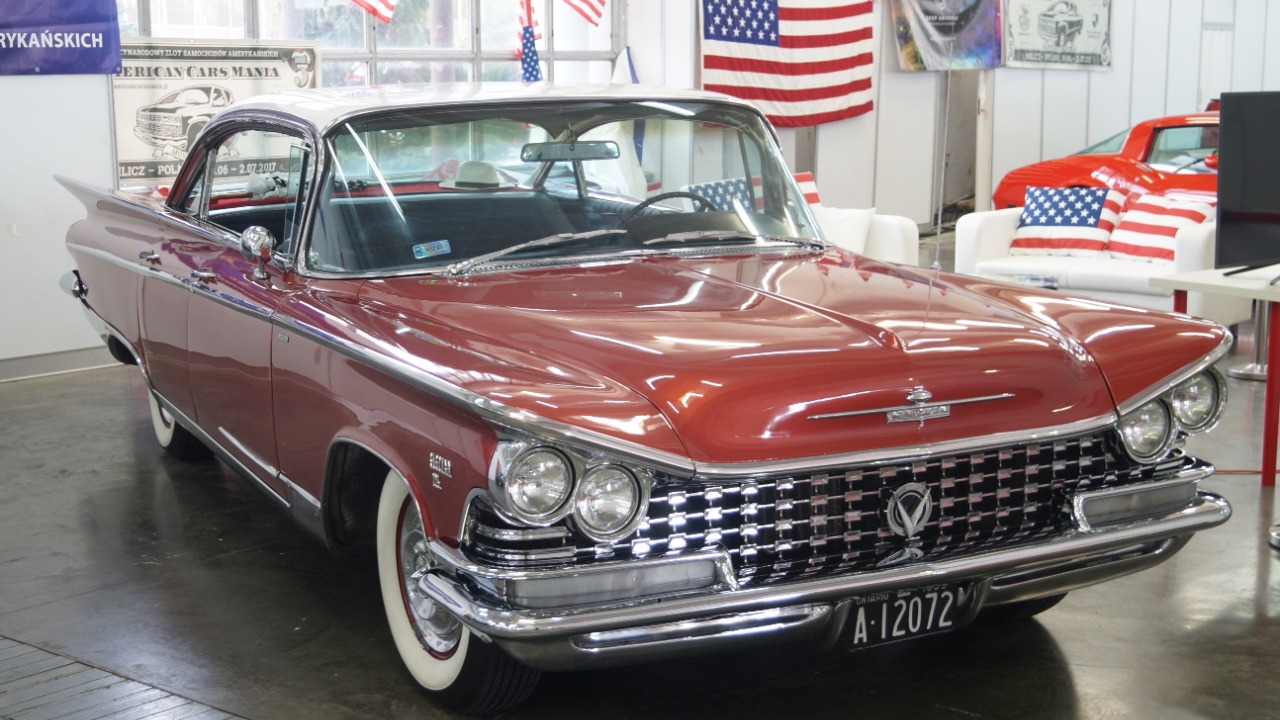
The 1959 Buick Electra 225 helped formalize Buick’s upscale positioning at the end of the decade, with a name that sounded modern and technical in an era captivated by jets, rockets, and electricity. The “225” (a nod to overall length) was a reminder that big cars were still king, but the Electra’s mission was more than sheer size—it was about packaged prestige, quiet comfort, and a refined driving feel by the standards of the day. In many ways, it previewed the idea of a clearly defined premium tier within a single brand’s showroom.
It also arrived as the industry was learning how to differentiate models through identity as much as sheetmetal. Distinct names, trim strategies, and feature groupings became increasingly important, and the Electra 225 is a strong example of Buick treating branding and equipment planning as part of the engineering of the ownership experience.
Looking back, what makes these 1950s Buicks feel forward-thinking isn’t any single sci-fi gadget—it’s how they reflect changing expectations. More comfort tech, more driver assistance, early safety adoption, and sharper model identities all show Buick responding to what motorists would soon demand as normal. The decade may be famous for style, but these cars show there was substance in the shine.
More from Fast Lane Only
- Unboxing the WWII Jeep in a Crate
- 15 rare Chevys collectors are quietly buying
- 10 underrated V8s still worth hunting down
- Police notice this before you even roll window down
*Research for this article included AI assistance, with all final content reviewed by human editors.