Industry veterans tend to respect cars that prove themselves over decades, not just model cycles. The vehicles they single out usually combine durability, engineering clarity, and a measurable impact on resale value or the wider market. The following eight models keep earning that respect because data on longevity, reliability, or historical influence continues to validate what seasoned insiders have seen in workshops, auction lanes, and test fleets.
Toyota Land Cruiser
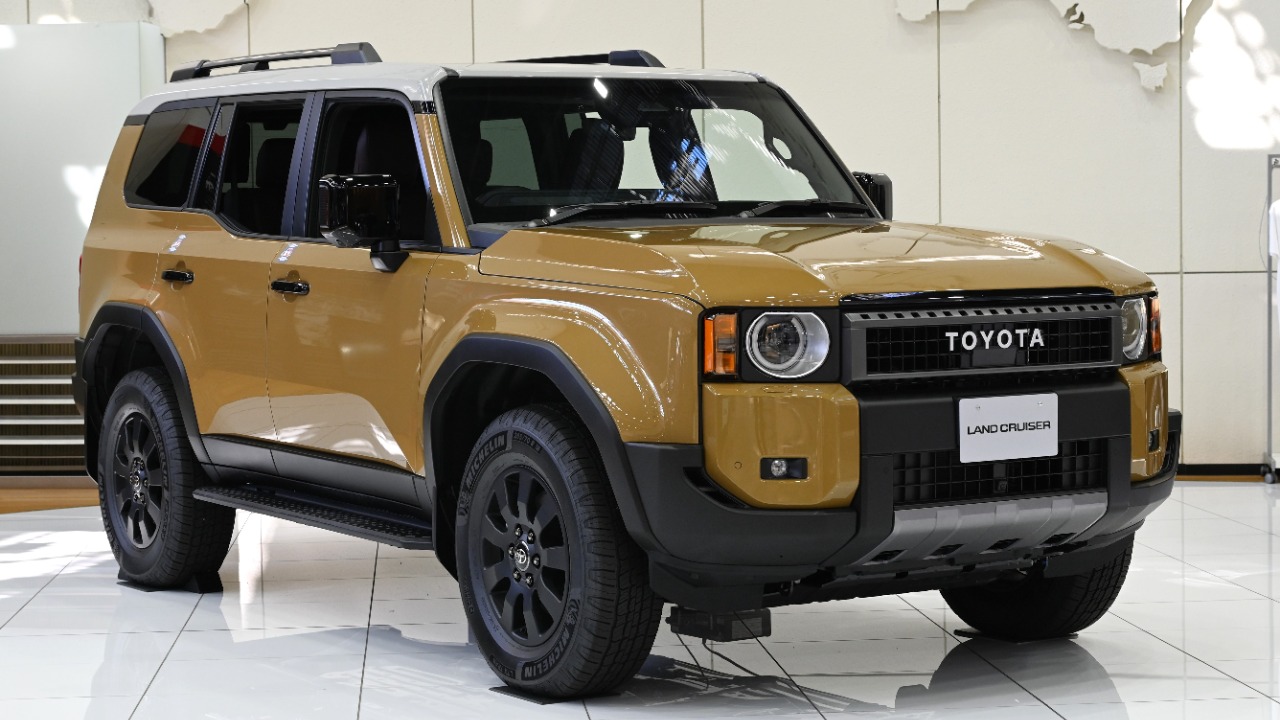
The Toyota Land Cruiser is the archetype of a vehicle that professionals quietly admire. In long‑term ownership data, one study of the 20 longest lasting vehicles reports the Toyota Land Cruiser with an impressive 18.2% of examples reaching very high mileage, a figure that underlines why technicians and fleet managers trust it. That percentage is not a marketing claim, it reflects how often these trucks actually stay on the road, even in harsh climates and demanding commercial roles.
Veterans of the trade also respect how conservatively the Land Cruiser is engineered. Body‑on‑frame construction, robust drivetrains, and relatively unstressed engines make it easier to service and more forgiving of imperfect maintenance. For buyers in remote regions, that combination of durability and fixability translates into lower lifetime risk, which is why many experts still recommend used Land Cruisers when reliability is the overriding priority.
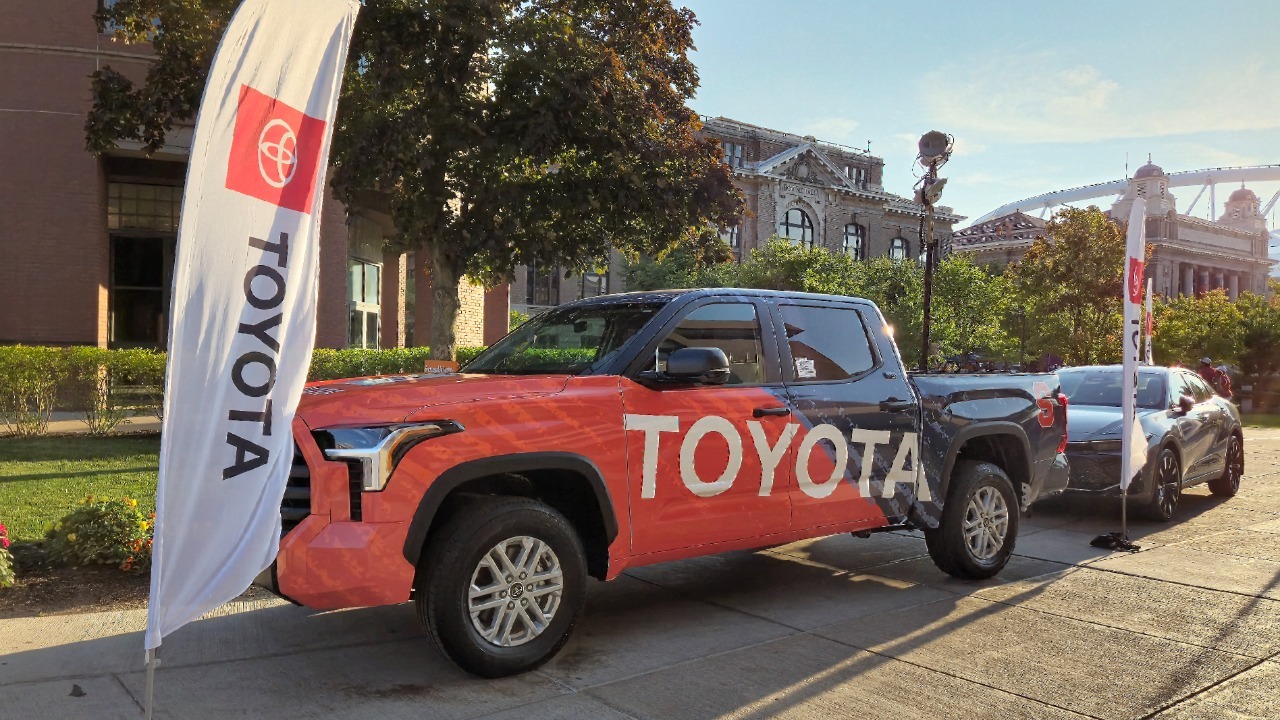
Toyota 4Runner
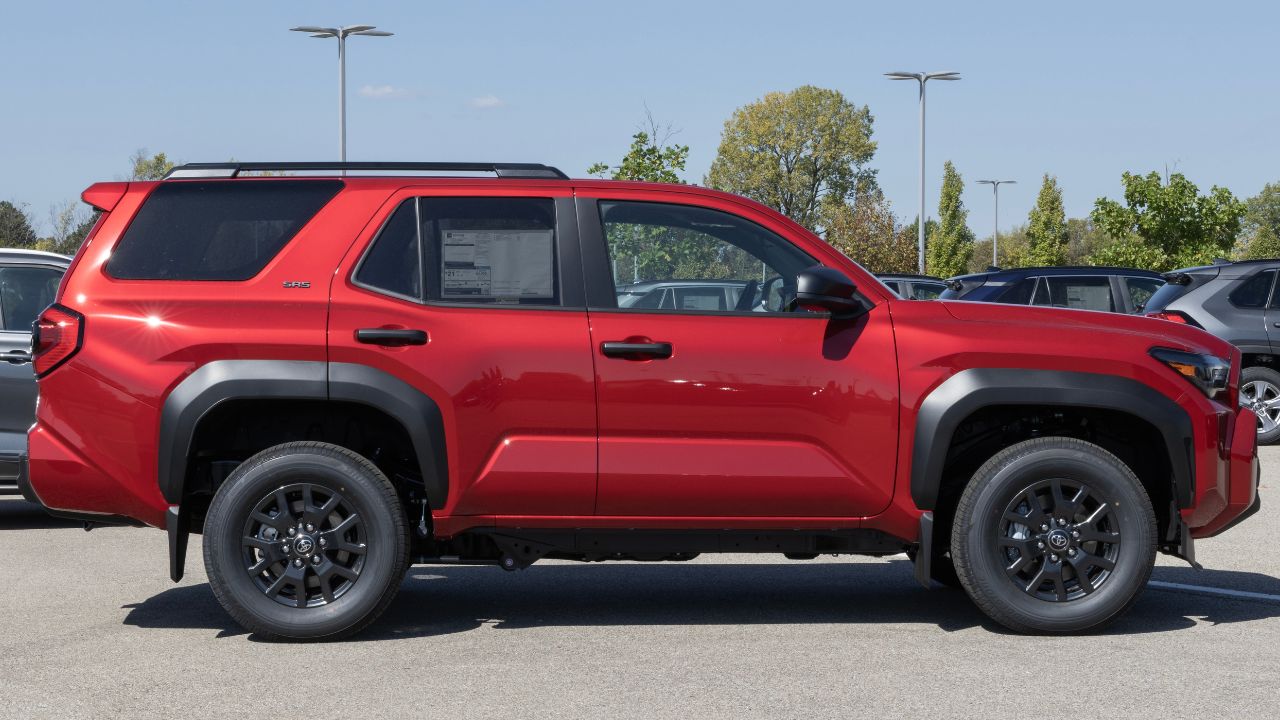
The Toyota 4Runner earns similar regard, particularly among technicians who see which SUVs survive abuse. In reliability roundups of vehicles that can last a lifetime, the Toyota 4Runner is repeatedly singled out as a standout, reflecting a track record of high‑mileage examples that remain structurally solid. Its simple ladder frame, proven V6 engines, and relatively modest power outputs help minimize catastrophic failures, which is exactly what industry veterans look for when advising risk‑averse buyers.
Beyond the mechanicals, the 4Runner’s slow evolution appeals to professionals who value parts continuity and predictable service procedures. Rather than chasing every styling or technology fad, Toyota has kept the fundamentals familiar, which reduces diagnostic complexity and parts inventory headaches for independent shops. For used‑car managers, that reputation translates into strong demand and stable pricing, reinforcing the sense that the 4Runner is a safe bet in a segment where many rivals age poorly.
Honda Accord

The Honda Accord is respected less for drama than for consistency. In assessments of the best vehicle brands, the Honda Accord is described as a leader in its segment, credited with a “comprehensive set of desirable attributes” that includes reliability, efficiency, and everyday usability. For engineers and product planners, that balance is difficult to achieve, yet the Accord has maintained it across generations, which is why it is often used as a benchmark when new midsize sedans are evaluated.
Service advisors and used‑car buyers also appreciate how Accords age. Powertrains are generally understressed, corrosion resistance is strong, and interior materials tend to hold up, which keeps warranty claims and reconditioning costs manageable. When veterans recommend an Accord, they are usually thinking about total cost of ownership over a decade or more, not just the first lease term. That long‑view perspective is precisely what has cemented the Accord’s standing among insiders.
Ford F-150

The Ford F-150 commands respect because it is both a work tool and a cultural fixture. Data on vehicles driven by USAA military members identifies the Ford F-150 as the number one choice, with the report explicitly referencing “150” in that context. According to that analysis, the truck’s practicality and versatility make it a natural fit for drivers who need to balance duty, family, and recreation. For industry veterans, that kind of broad adoption is a signal that the platform delivers where it matters.
From a technical standpoint, the F-150’s appeal lies in its modularity and parts support. Generations of trucks share components, and the aftermarket ecosystem is vast, which simplifies repairs and customization. Fleet managers appreciate that they can spec an F-150 for everything from light construction to towing, while still relying on predictable maintenance schedules. That combination of scale, adaptability, and real‑world toughness keeps the F-150 high on lists of trucks professionals trust.
Chevrolet Corvette (C1–C3)
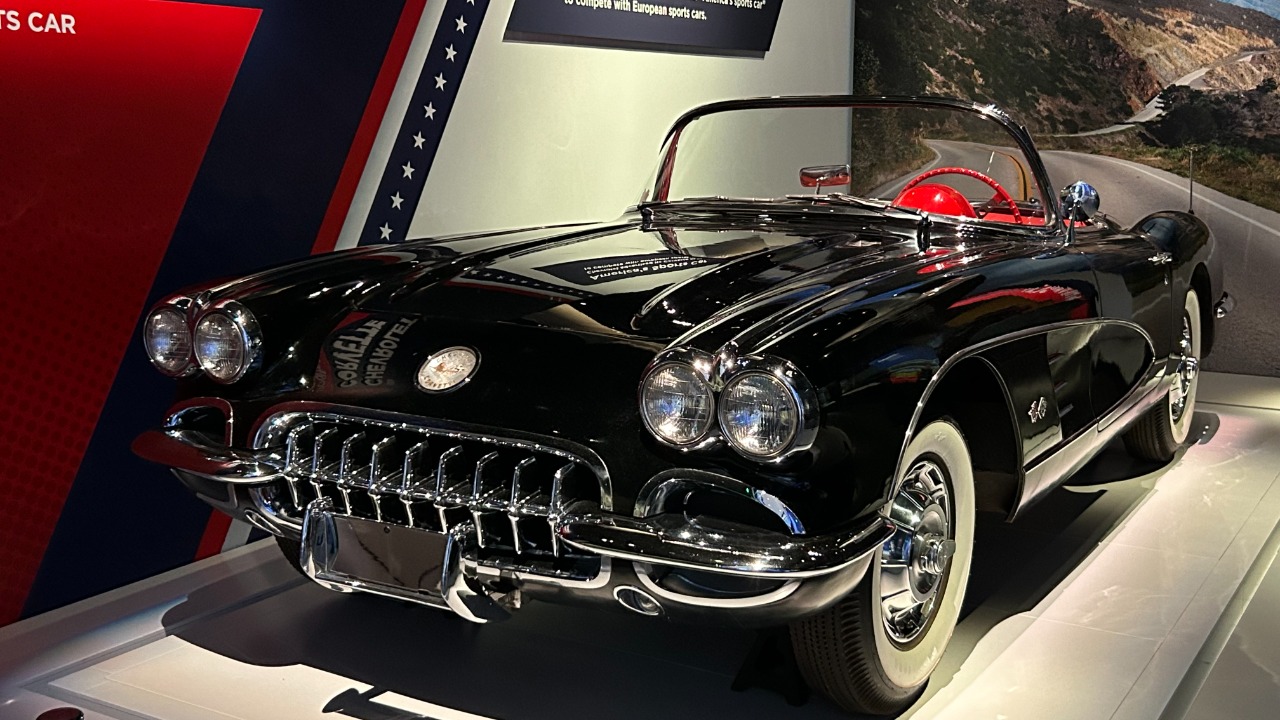
The early generations of the Chevrolet Corvette, particularly the C1 through C3, occupy a special place in the minds of designers and performance engineers. Reporting on why veterans love Corvettes traces the car’s origin to General Motor designer Harley Earl, who studied returning service members buying inexpensive European sports cars and concluded that an American alternative was needed. That insight produced a fiberglass‑bodied two‑seater that blended domestic V8 power with styling drama, reshaping expectations for American performance.
Industry veterans respect these early Corvettes not only as icons but as case studies in reading the market correctly. Harley Earl’s decision to respond directly to European influence showed how design leadership can anticipate demand rather than simply follow it. For modern product planners, the Corvette story illustrates how a bold, focused sports car can elevate a brand’s image for decades, while for engineers it remains a reference point for balancing power, weight, and affordability.
Ford Model T
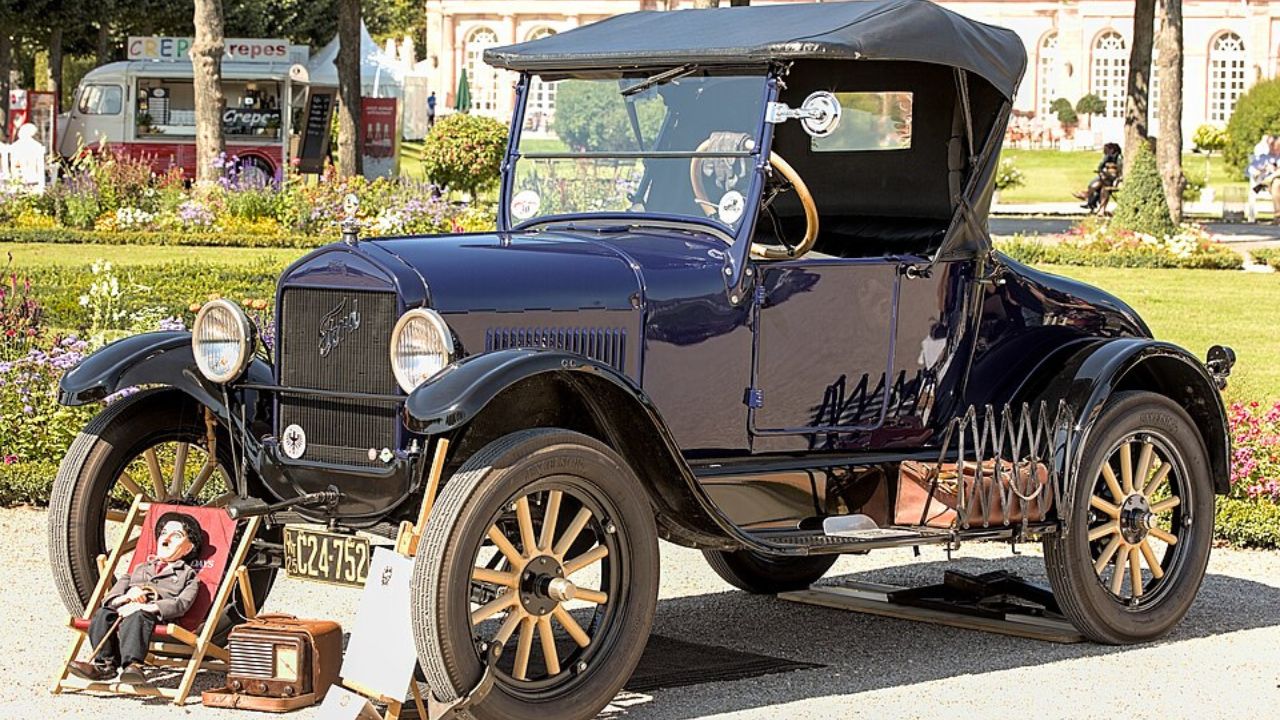
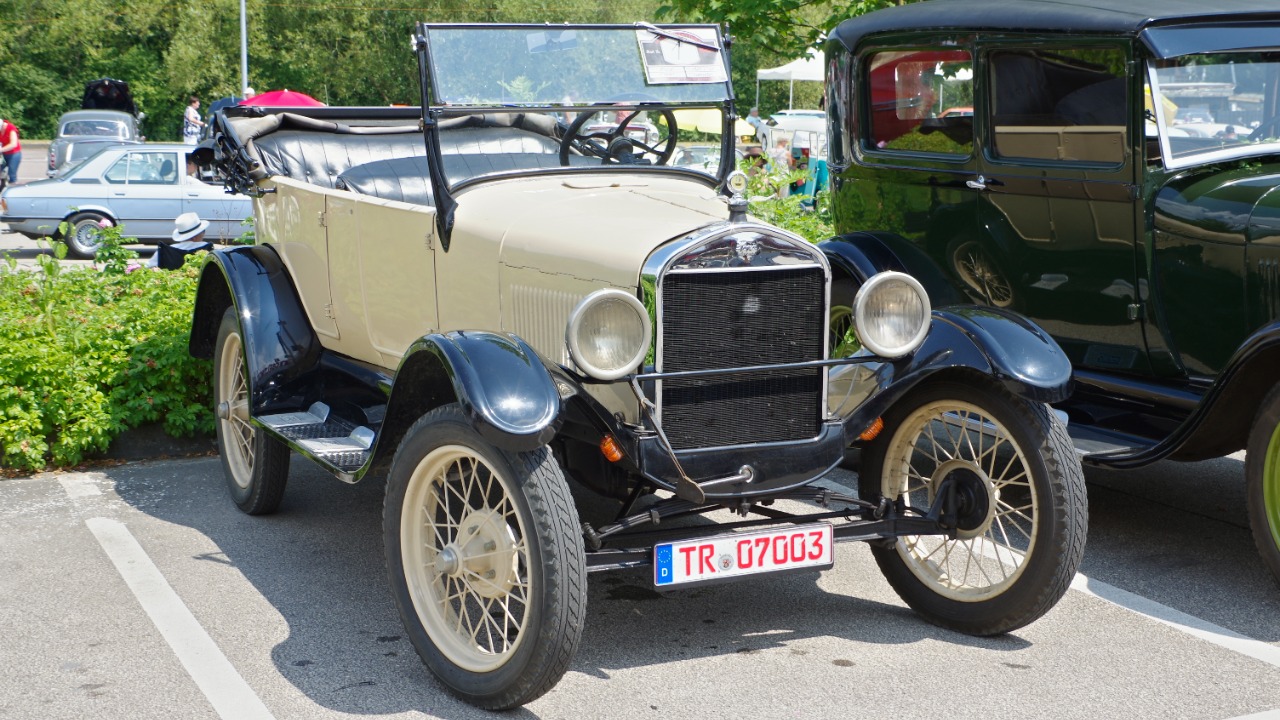
The Ford Model T is the car that many historians and engineers still cite as the foundation of modern mass motoring. Analyses of cars that changed the industry describe the Ford Model T as the first truly affordable automobile for the middle class, enabled by moving assembly lines and standardized parts. That production revolution did more than cut costs, it redefined how complex products could be built at scale.
Veterans of manufacturing and supply‑chain management continue to study the Model T era because it established principles that remain relevant. Interchangeability, workflow optimization, and vertical integration all trace back to decisions made for that car. For today’s industry insiders, the Model T is less about nostalgia and more about process discipline, showing how engineering and manufacturing strategy can unlock entirely new markets when aligned around a clear objective.
Original British Mini
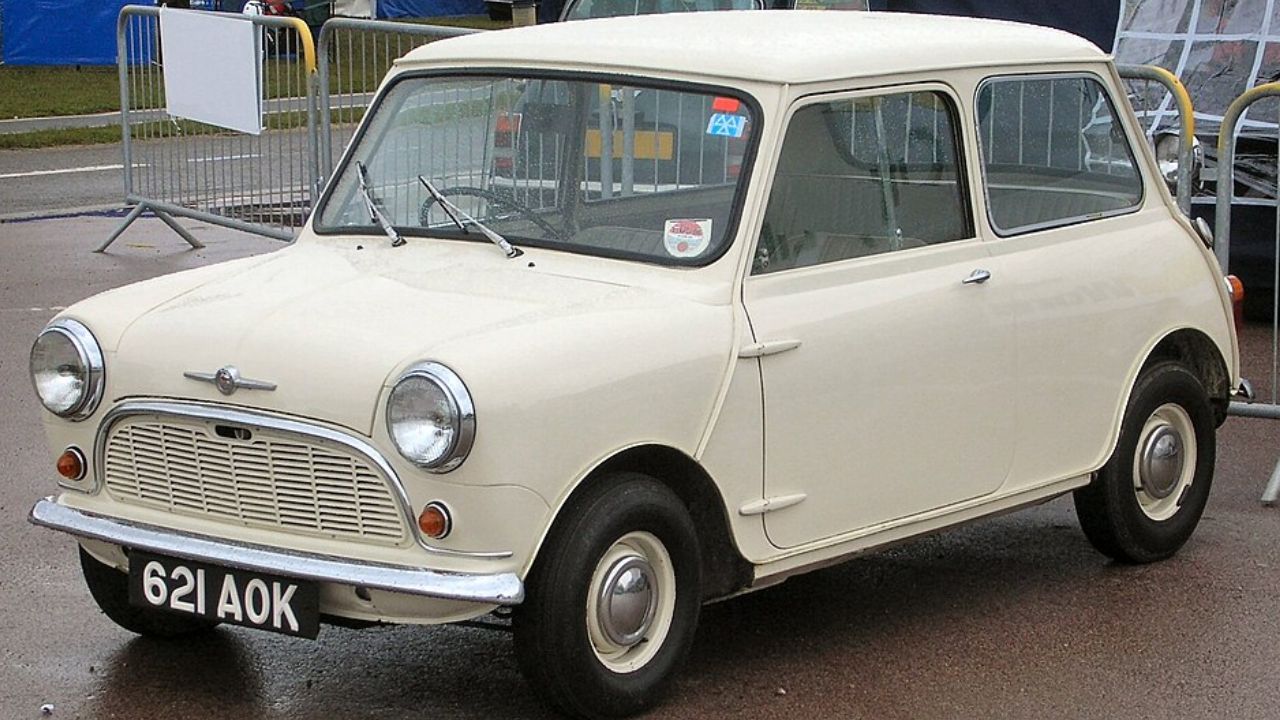
The original British Mini, not the newer BMW‑made versions, is revered among chassis engineers and packaging specialists. Commentaries on transformative cars emphasize that the proper British Mini pioneered a transverse engine with front‑wheel drive in a tiny footprint, creating interior space that belied its size. That layout became the template for modern small cars, influencing everything from economy hatchbacks to premium compacts.
Industry veterans admire how the Mini solved multiple problems simultaneously: it was inexpensive, efficient, and surprisingly fun to drive. The car’s go‑kart handling came from its wheel‑at‑each‑corner stance and low weight, attributes that still inform performance tuning today. For designers, the Mini demonstrates how clever packaging can deliver practicality without sacrificing character, a lesson that remains relevant as manufacturers grapple with urban congestion and electrification packaging challenges.
Volkswagen Beetle (air-cooled)
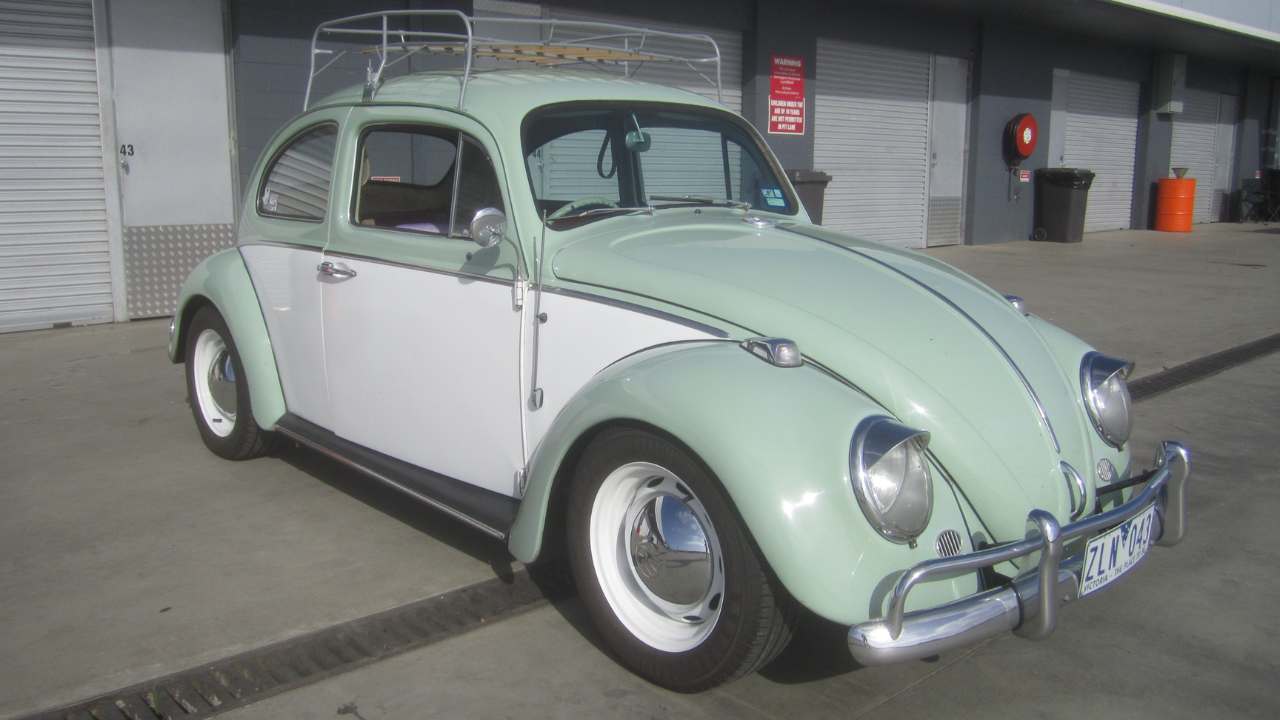
The air‑cooled Volkswagen Beetle continues to earn respect for its simplicity and global impact. Analyses of Cars That Changed the Automotive Industry Forever highlight how the Beetle’s rear‑engine layout, minimalistic engineering, and approachable pricing brought car ownership to markets that had previously relied on motorcycles or public transport. Its mechanical straightforwardness meant that owners could often perform basic repairs themselves, a trait that endeared it to generations of mechanics and tinkerers.
For industry veterans, the Beetle is a reminder that durability and ease of service can matter more than outright performance. Air‑cooled engines, simple electrics, and a rugged chassis allowed the Beetle to thrive in regions with limited dealer networks. That resilience built brand loyalty and demonstrated how a single, well‑executed platform can sustain a company through economic and political upheavals, a lesson that still resonates in boardrooms and engineering departments.
More from Fast Lane Only