For buyers who intend to keep a vehicle well past the last payment, expert data on reliability and longevity matters more than styling or gadgetry. Drawing on long-term durability studies, reliability scores and resale value research, the following models stand out as vehicles experts genuinely trust for long-term ownership. Each one combines proven mechanical robustness with ownership costs that stay predictable as the odometer climbs.
Toyota Corolla

Few vehicles illustrate long-term dependability as consistently as the Toyota Corolla, a model that has built its reputation over decades of steady, predictable performance. Engineers and service professionals frequently point to its conservative mechanical design and proven components as key reasons for its durability. Rather than chasing complexity, the Corolla tends to emphasize refinement of existing systems, which helps minimize unexpected failures and costly repairs. Routine maintenance is straightforward, parts availability is widespread, and service procedures are familiar to technicians almost everywhere.
Owners often report high mileage accumulation with minimal major component replacement, reinforcing its standing among practical buyers. Fuel efficiency and modest operating costs further enhance its appeal for extended ownership horizons. Even as technology and safety equipment have advanced, the Corolla has retained its core identity as a rational, data-supported choice. For experts evaluating longevity rather than novelty, it remains one of the clearest benchmarks in the compact segment.
Toyota Sequoia

The Toyota Sequoia has long been regarded by industry professionals as a vehicle engineered with endurance in mind, particularly for buyers whose ownership timelines extend well beyond the typical cycle. Built on a truck-derived platform and sharing mechanical philosophy with Toyota’s body-on-frame lineup, it emphasizes structural robustness over fleeting trends. Technicians frequently note the durability of its driveline components and the relative accessibility of service points, factors that simplify maintenance across high mileage. Its naturally aspirated V8 legacy and later modernized powertrains were designed to balance strength with manageable operating stress, contributing to longevity when properly maintained.
Interior materials tend to prioritize wear resistance, acknowledging the realities of family use and cargo demands over years of operation. Owners often rely on the Sequoia for towing, hauling, and long-distance travel without sacrificing dependability. In professional assessments focused on lifespan rather than novelty, it consistently earns recognition as a pragmatic long-term investment.
Toyota Tundra

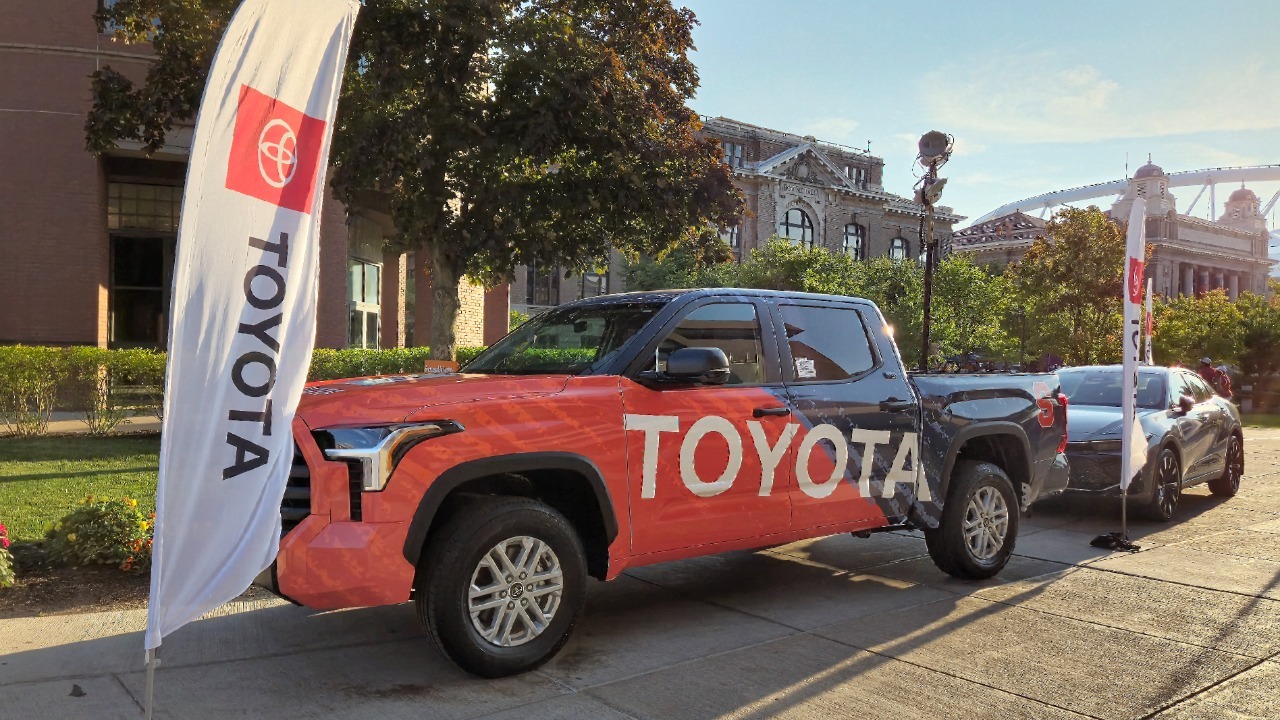
The Toyota Tundra has earned a reputation among industry observers as a pickup engineered for sustained use under demanding conditions, making it a frequent inclusion in discussions about vehicles suited for long-term ownership. Its design philosophy has traditionally prioritized overbuilt components and conservative durability margins rather than chasing class-leading complexity. Service professionals often highlight the robustness of its frame construction and drivetrain architecture, noting their capacity to tolerate heavy workloads over extended mileage accumulation. Maintenance accessibility and parts availability further support ownership longevity, particularly in regions where trucks serve daily work roles.
Owners frequently rely on the Tundra for towing and hauling, yet many examples remain in service well past typical retirement points. Cabin materials and hardware have historically emphasized resilience, reflecting the realities of occupational wear. Even as newer generations adopt updated powertrains and technology, the underlying emphasis on dependability continues to anchor its standing. For experts evaluating lifespan as a primary metric, the Tundra remains a consistent benchmark.
Toyota Corolla Cross

The Toyota Corolla Cross represents a modern interpretation of long-term ownership value, translating the mechanical conservatism of the Corolla lineage into crossover form. Professionals evaluating durability often view it as a logical extension of a platform already proven in high-volume service environments. Its engineering avoids unnecessary complication, instead focusing on predictable operation and manageable service demands. Technicians tend to appreciate the continuity of familiar components shared across Toyota’s compact lineup, supporting straightforward maintenance practices.
Fuel efficiency and balanced operating costs further reinforce its practicality across extended ownership periods. Interior construction favors functionality and wear tolerance, acknowledging the everyday demands placed on multipurpose vehicles. While still relatively new compared with legacy models, its foundational approach aligns with criteria experts associate with longevity. As a result, it is increasingly viewed as a sensible choice for buyers planning to keep a vehicle well beyond initial warranty cycles.
Subaru Crosstrek

The Subaru Crosstrek has developed credibility among long-term ownership advocates through its blend of durability-oriented engineering and all-weather versatility. Its standard all-wheel-drive system contributes to stable operation across varied climates, which professionals often associate with consistent usage patterns rather than seasonal vehicle swapping. The underlying platform prioritizes structural rigidity and balanced weight distribution, supporting predictable wear characteristics over time. Service technicians frequently note the accessibility of routine maintenance procedures, particularly for owners attentive to scheduled intervals. The Crosstrek’s moderate size and efficiency reduce operating strain, helping preserve component lifespan during everyday commuting and light adventure use.
Interior materials emphasize resilience rather than ornamentation, aligning with expectations of multi-year practicality. Owners often retain these vehicles for extended mileage, reinforcing their reputation through real-world usage patterns. Continuous incremental refinement has strengthened reliability perceptions across successive model years. For experts assessing durability alongside adaptability, the Crosstrek remains a compelling long-horizon candidate.
Subaru Legacy

The Subaru Legacy continues to appear in professional conversations about dependable long-term transportation due to its balanced engineering and understated execution. Its symmetrical all-wheel-drive system provides year-round traction without significantly complicating ownership logistics, supporting consistent daily use. Engineers and technicians often point to its stable platform design and predictable service requirements as strengths in durability evaluations. Powertrain development has generally favored refinement and incremental improvement, reducing the likelihood of disruptive mechanical surprises over time.
Cabin ergonomics and material choices prioritize sustained usability rather than short-lived novelty. Owners frequently accumulate high mileage while maintaining confidence in the vehicle’s drivability and comfort. The Legacy’s moderate operating costs enhance its viability for extended retention compared with more specialized alternatives. Ongoing safety and structural enhancements have preserved its relevance without abandoning core simplicity. In assessments centered on practical longevity, it remains a credible option for buyers prioritizing continuity over experimentation.
Lexus RX
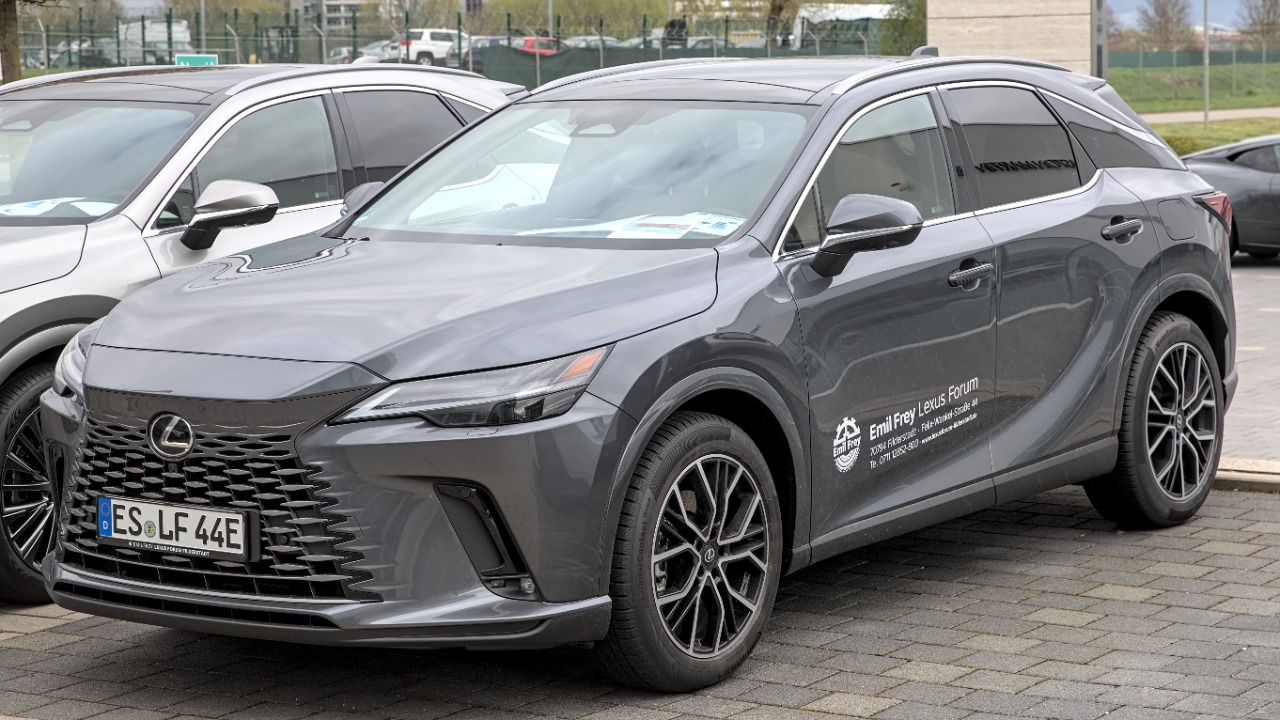
The Lexus RX has established itself as a consistent reference point for professionals evaluating vehicles intended for extended ownership, blending durability with refinement in a manner that rarely compromises either objective. Its engineering lineage emphasizes smooth power delivery and conservative mechanical stress, characteristics technicians often associate with sustained component life. Routine service procedures are familiar across the Toyota–Lexus ecosystem, contributing to predictable maintenance planning and parts accessibility. Interior materials are selected with wear resistance in mind, allowing the cabin to maintain composure even after years of daily use. Owners frequently retain the RX far beyond typical lease cycles, citing reliability and comfort as primary motivations.
The model’s gradual technological evolution avoids abrupt complexity shifts that might otherwise challenge longevity. Fuel efficiency and balanced operating costs further enhance its practical appeal over time. Safety and structural engineering updates have maintained relevance without altering its fundamental character. In professional assessments prioritizing stability and dependability, the RX continues to represent a measured and rational long-horizon choice.
Honda CR-V
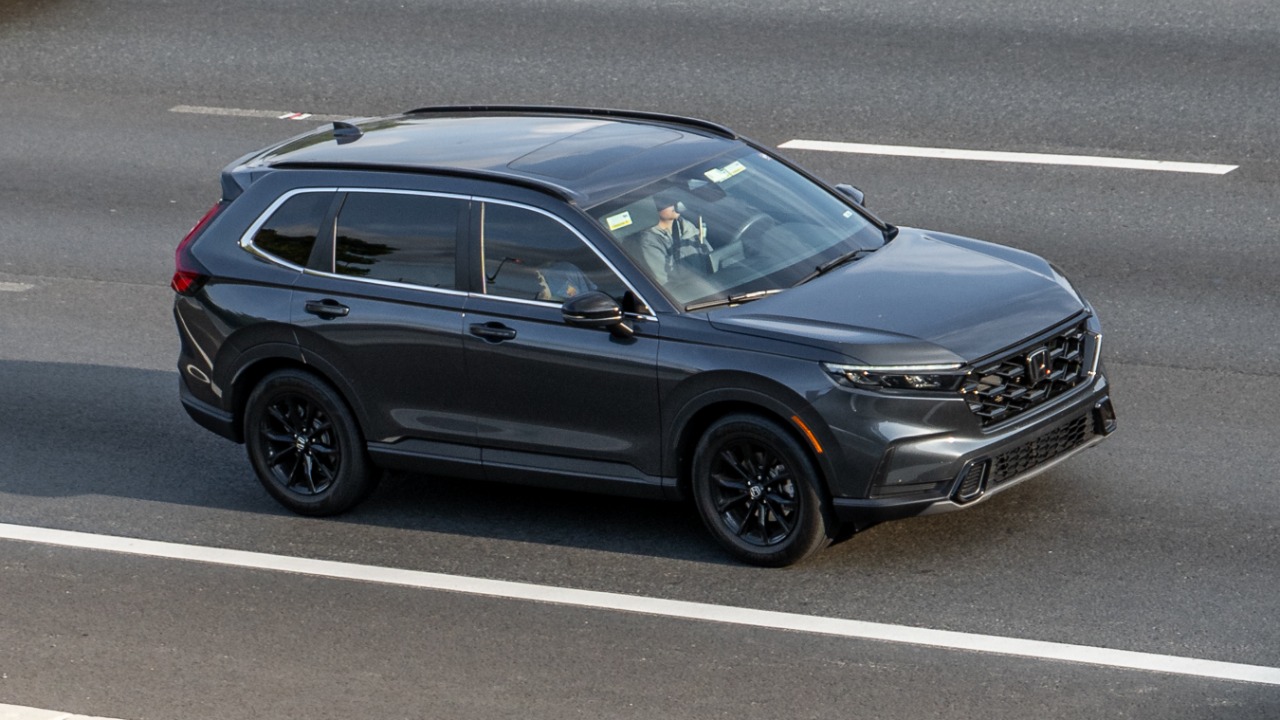
The Honda CR-V consistently appears in expert discussions centered on vehicles trusted for extended ownership due to its balance of efficiency, usability, and mechanical resilience. Its packaging efficiency maximizes interior volume while maintaining modest exterior proportions that reduce urban operating strain. Engineers often credit its well-developed powertrain calibration and thermal management for supporting dependable high-mileage use. Maintenance requirements are typically straightforward, encouraging adherence to service schedules that preserve long-term function. Interior construction prioritizes practical durability, reflecting the expectations placed on family-oriented transportation.
Owners frequently rely on the CR-V as a primary vehicle across diverse roles, from commuting to travel, reinforcing real-world longevity perceptions. Incremental generational improvements have strengthened refinement without abandoning core simplicity. Balanced fuel economy supports lower cumulative operating costs over extended timelines. For professionals evaluating lifecycle value rather than novelty, the CR-V remains one of the segment’s most consistently trusted benchmarks.
Lexus GX

The Lexus GX occupies a distinctive position among vehicles associated with long-term ownership, pairing luxury accommodations with a structural philosophy rooted in traditional durability. Its body-on-frame construction reflects priorities more commonly aligned with endurance and load tolerance than transient trends. Service professionals often highlight the robustness of its drivetrain and suspension architecture when discussing vehicles suited for sustained mileage. The cabin integrates premium materials while maintaining practical resilience against prolonged use. Owners frequently deploy the GX for towing, travel, or demanding terrain, yet many examples remain active well beyond typical lifecycle expectations.
Engineering updates have tended to refine rather than reinvent, supporting continuity of reliability perception. Parts support and mechanical familiarity contribute to manageable long-term service planning. Fuel consumption may be secondary to capability, but the overall ownership proposition emphasizes longevity. Within professional evaluations focused on durability paired with comfort, the GX remains a notable example of luxury engineered for persistence.
Toyota 4Runner

The Toyota 4Runner continues to be cited by industry observers as a textbook illustration of long-term ownership viability, owing largely to its adherence to proven mechanical fundamentals. Its body-on-frame architecture and conservative powertrain strategy prioritize durability over rapid innovation cycles. Technicians frequently encounter high-mileage examples still performing core duties, reinforcing the model’s enduring reputation. Off-road capability adds versatility without undermining structural resilience when properly maintained. Interior materials are chosen for toughness and straightforward usability, aligning with years of active service.
Owners often form long-term attachments, keeping vehicles through multiple lifestyle changes rather than replacing them prematurely. Incremental updates have preserved familiarity, easing parts sourcing and service continuity. Operating costs remain predictable despite rugged capability. In professional assessments focused on lifespan and dependability, the 4Runner stands as one of the clearest symbols of persistence in the modern SUV landscape.