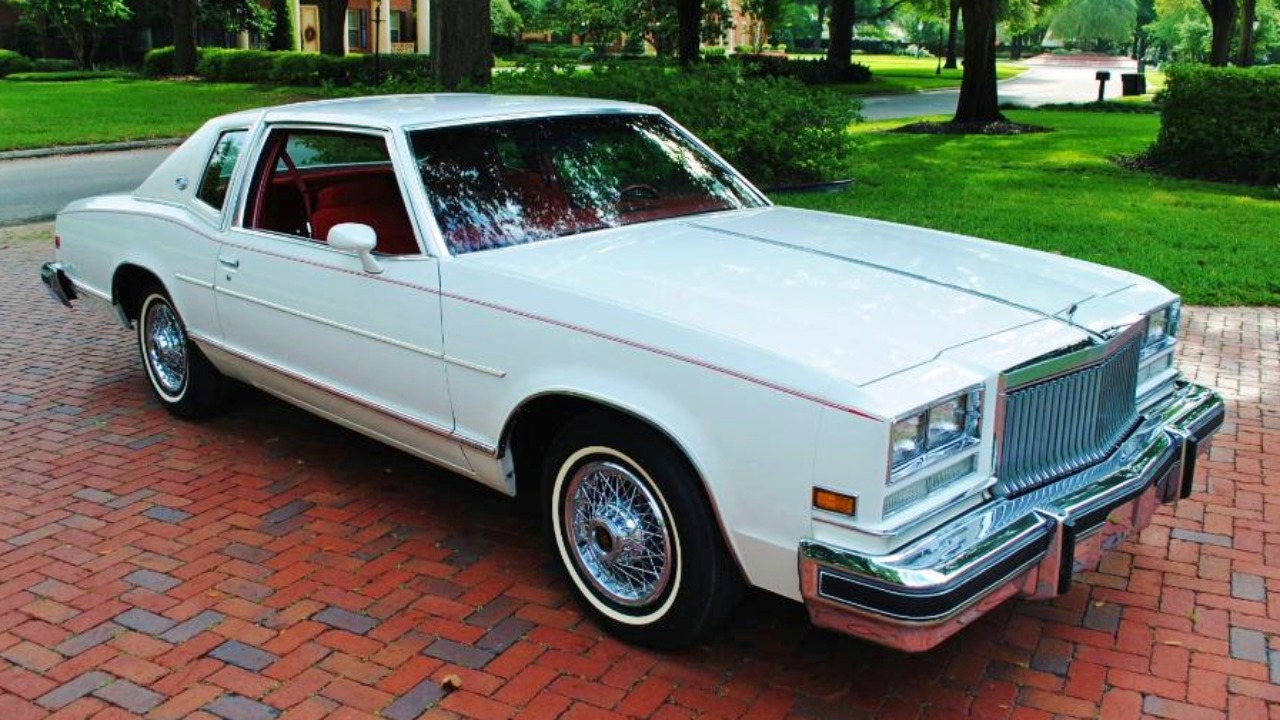
In the automotive world, some vehicles have managed to transcend fleeting trends and become enduring symbols of style, performance, and innovation. These cars not only shaped the industry but also captured the hearts of enthusiasts and casual drivers alike. Here are eight iconic cars that became legends without chasing trends.
Ford Mustang
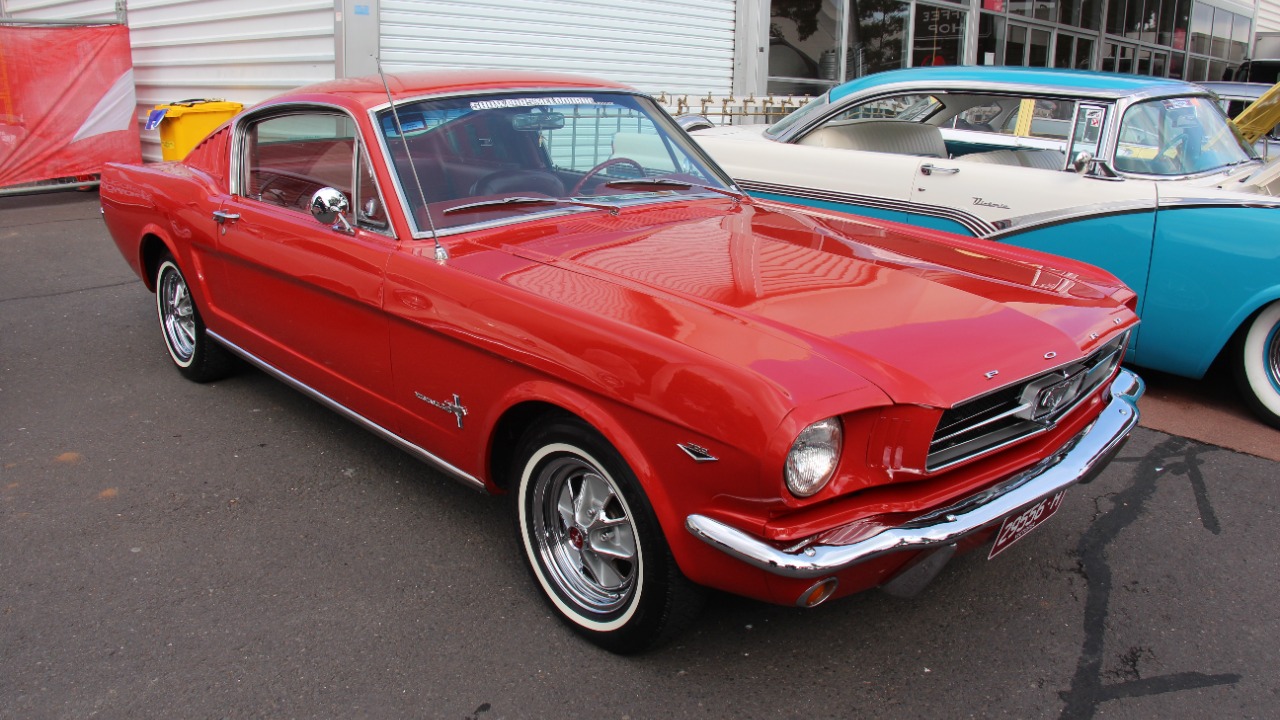
The Ford Mustang debuted in 1964, quickly establishing itself as a symbol of American muscle and freedom. Its sporty design and powerful performance resonated with a generation seeking adventure and rebellion. The Mustang’s original model, known as the 1965 Fastback, set the stage for decades of evolution while maintaining the core essence that made it famous. Even today, the Mustang remains a staple of American culture, with various models like the 2021 Mach-E, showcasing its ability to adapt to the modern landscape without sacrificing its heritage. The Mustang has been featured in countless films and songs, solidifying its place in automotive history.
By staying true to its roots while embracing innovation, Ford has ensured that the Mustang remains relevant. Whether it’s the classic V8 rumble or the latest electric version, this car proves that authenticity can be just as powerful as trend-chasing. For more on the Mustang’s impact, check out this insightful analysis.
Volkswagen Beetle
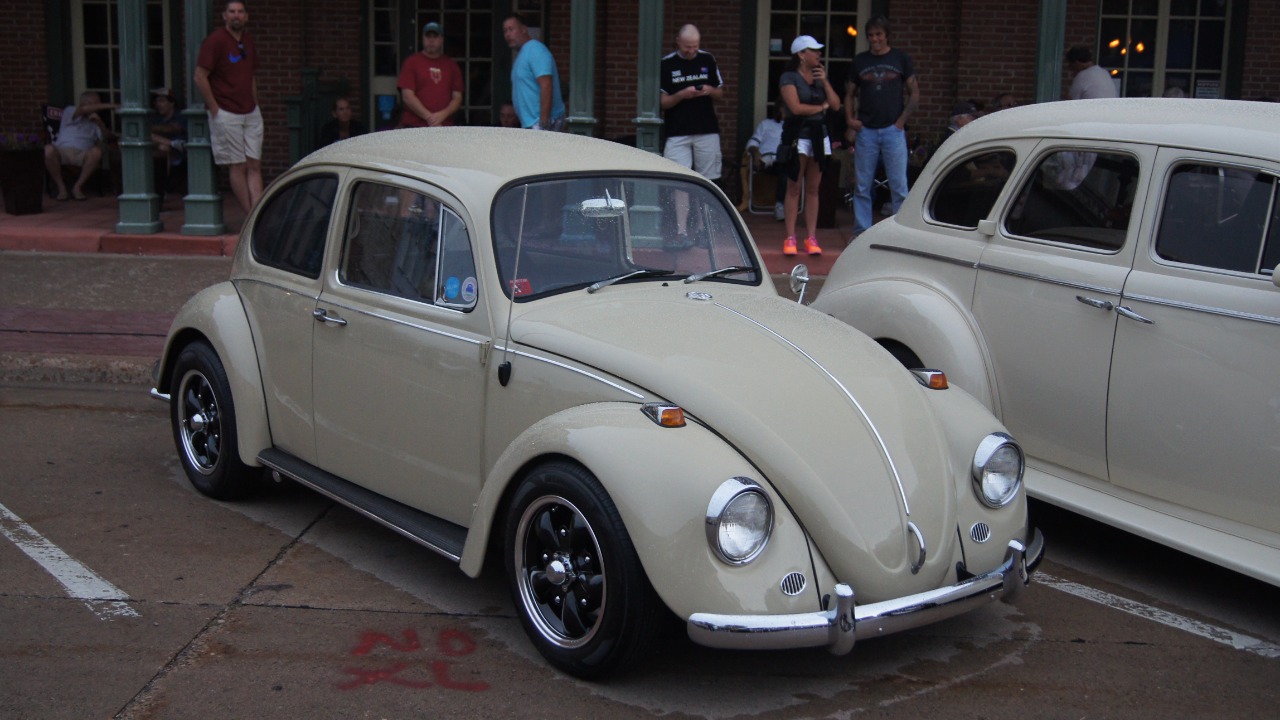
Launched in the late 1930s, the Volkswagen Beetle was designed to be an affordable, reliable car for the masses. Its quirky, rounded shape and air-cooled engine made it instantly recognizable. The Beetle became a cultural icon during the 1960s, representing the counterculture movement and freedom. With over 21 million units sold, it holds the title of one of the best-selling cars of all time. The original models, such as the 1967 version, are still beloved by collectors and enthusiasts alike.
Despite various redesigns, including the New Beetle in the late 1990s, Volkswagen has managed to maintain the car’s unique character. The Beetle’s ability to evolve while preserving its charm speaks volumes about its legacy. To learn more about the Beetle’s historical significance, visit this comprehensive resource.
Porsche 911
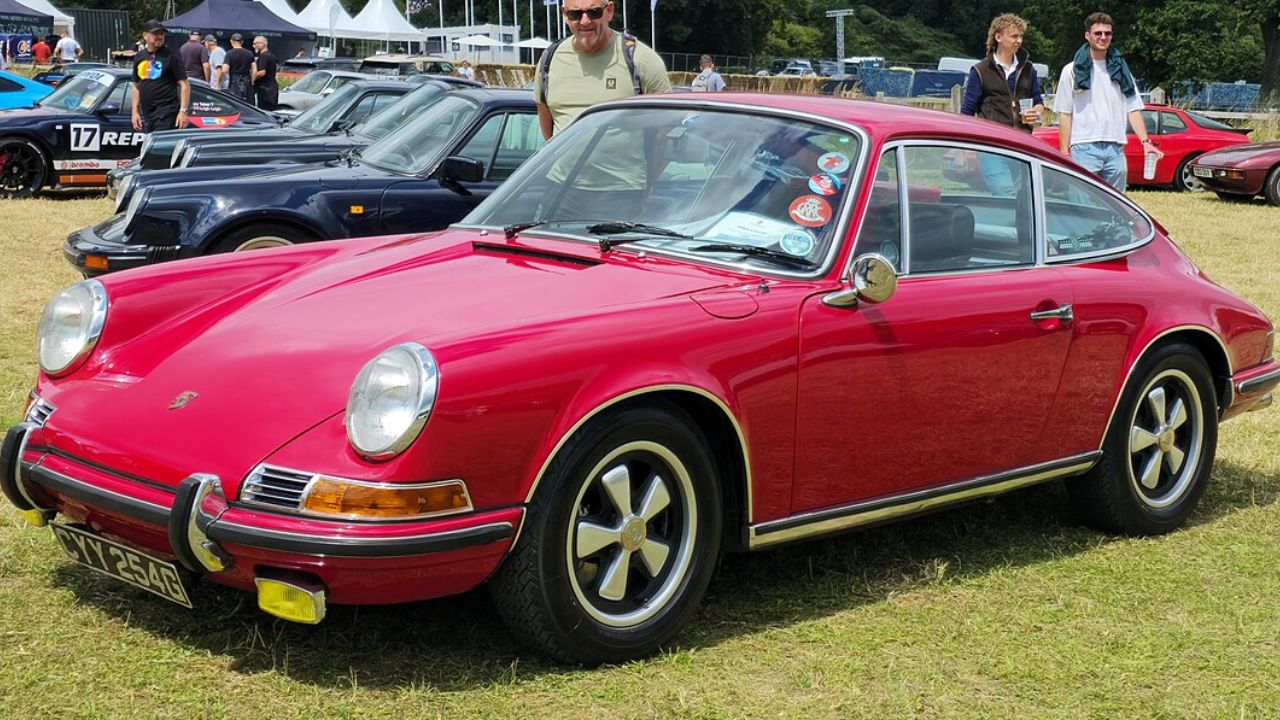
The Porsche 911, introduced in 1964, is a masterclass in automotive engineering and timeless design. With its distinctive silhouette and rear-engine layout, the 911 has become synonymous with high performance and luxury. The car has undergone continuous refinement over the decades, with models like the 991 series showcasing advanced technology while retaining the classic 911 spirit. Its motorsport pedigree further enhances its allure, making it a favorite among racing enthusiasts.
What sets the 911 apart is its unwavering commitment to performance without succumbing to market fads. Each generation has built upon the last, ensuring that the 911 remains relevant in an ever-changing automotive landscape. For an in-depth analysis of the 911’s evolution, check out this detailed overview.
Jeep Wrangler
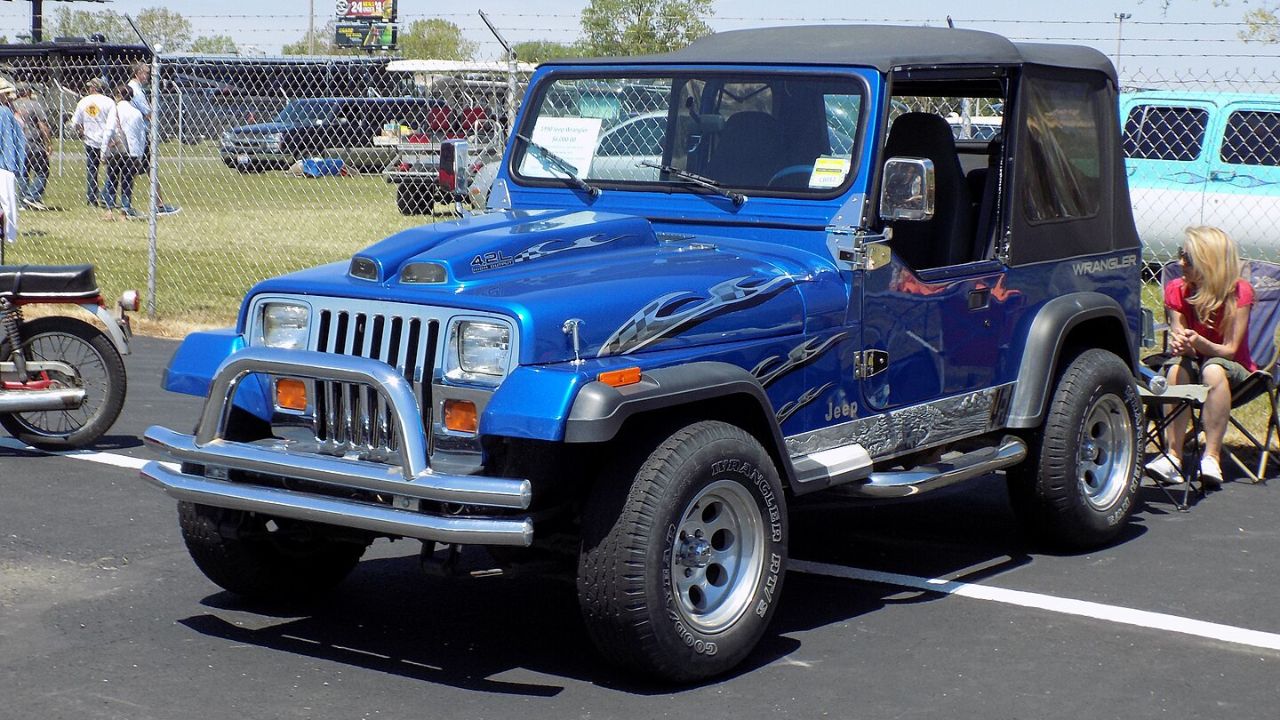
The Jeep Wrangler is a symbol of ruggedness and adventure, tracing its roots back to World War II. Initially designed for military use, it transitioned into a civilian vehicle in 1945 and has since become synonymous with off-roading and outdoor exploration. The classic boxy design has remained largely unchanged, providing a sense of continuity and reliability. The most recent models, such as the 2021 Wrangler, have incorporated modern technology while preserving the brand’s adventurous spirit.
Its legendary four-wheel-drive system and removable doors make the Wrangler a favorite among outdoor enthusiasts. The vehicle’s ability to tackle tough terrains without compromising comfort showcases its versatility. For more insights into the Wrangler’s evolution and significance, visit this scholarly article.
Mini Cooper
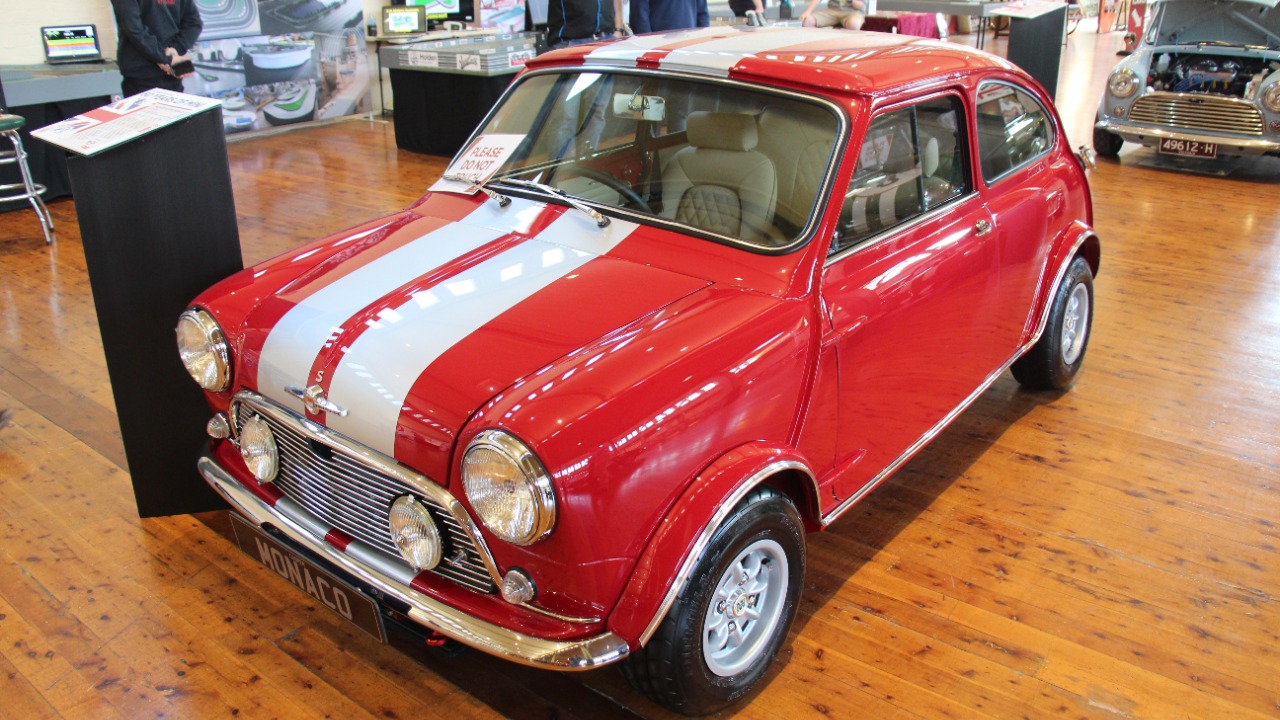
The Mini Cooper, first introduced in 1959, revolutionized compact car design with its small footprint and fun driving dynamics. Originally designed as a fuel-efficient car for the masses, it quickly became a cultural icon, especially in the 1960s. The car’s unique styling and go-kart-like handling made it a favorite among enthusiasts. The original Mini, particularly the 1965 Cooper S, became famous for its motorsport success, including wins at the Monte Carlo Rally.
The modern iterations of the Mini have retained the character of the original while incorporating modern technology and safety features. Its ability to balance nostalgia with innovation is a testament to its lasting appeal. The Mini Cooper continues to be a symbol of individuality, making it a favorite among urban drivers. For more on its cultural impact, check out this detailed study.
Chevrolet Corvette
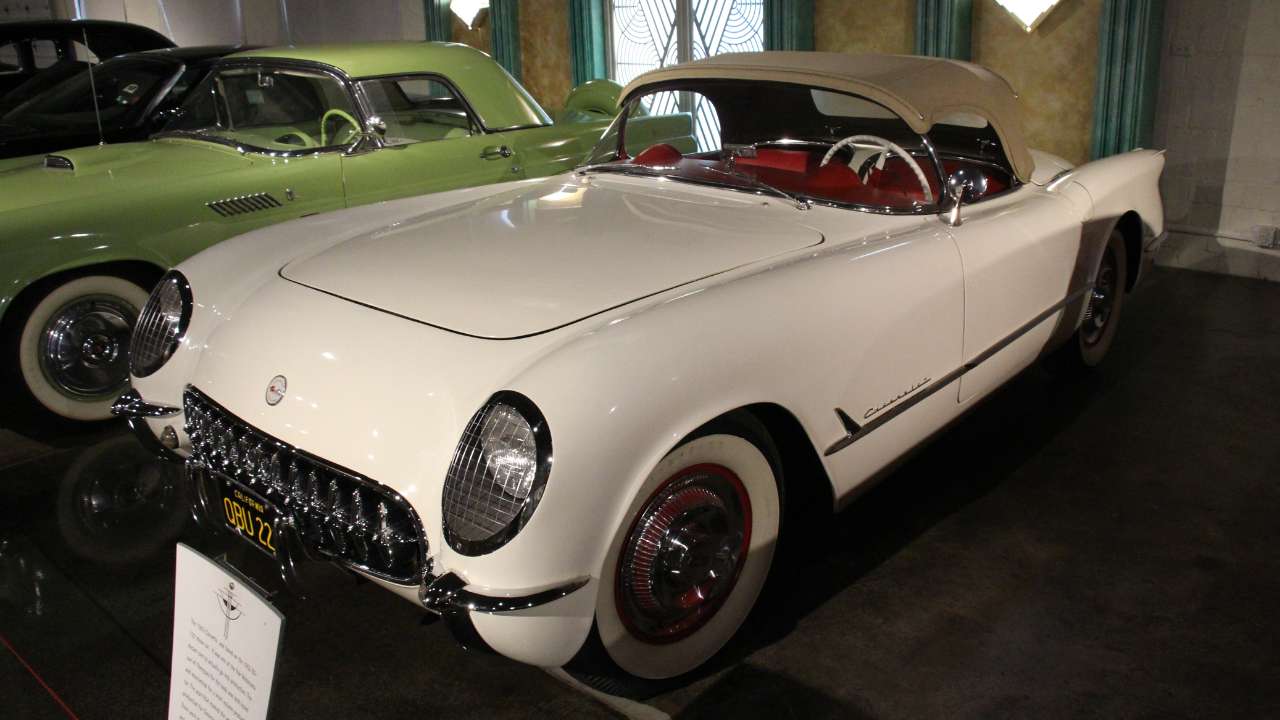
Since its debut in 1953, the Chevrolet Corvette has epitomized American sports cars. Known for its sleek design and powerful performance, the Corvette has evolved through various generations, each time pushing the boundaries of speed and style. The C7 generation, launched in 2014, was particularly notable, offering a mid-engine layout for the first time in its history. This shift allowed the Corvette to compete with high-end European sports cars while retaining its American spirit.
What makes the Corvette iconic is its ability to blend performance with accessibility. It has been a staple at racetracks and car shows, attracting enthusiasts from all walks of life. By staying true to its roots while embracing innovation, the Corvette continues to be a symbol of American engineering excellence. For a deeper dive into its legacy, refer to this comprehensive analysis.
Toyota Land Cruiser

The Toyota Land Cruiser, launched in 1951, has built a reputation for reliability and off-road capability. Initially designed for military use, it quickly transitioned into a civilian vehicle and became a favorite among adventurers and families alike. The Land Cruiser’s robust construction and advanced four-wheel-drive system have made it a go-to choice for those seeking exploration and durability. The 200 Series, introduced in 2008, exemplified luxury and performance, catering to a broader audience.
What sets the Land Cruiser apart is its unwavering commitment to quality and dependability. While other manufacturers chase trends, Toyota has maintained the Land Cruiser’s core values, ensuring it remains a symbol of resilience. Its longevity in the market speaks volumes about its reliability and appeal to those who value performance and comfort. For more insights, check out this enlightening study on automotive legacy.
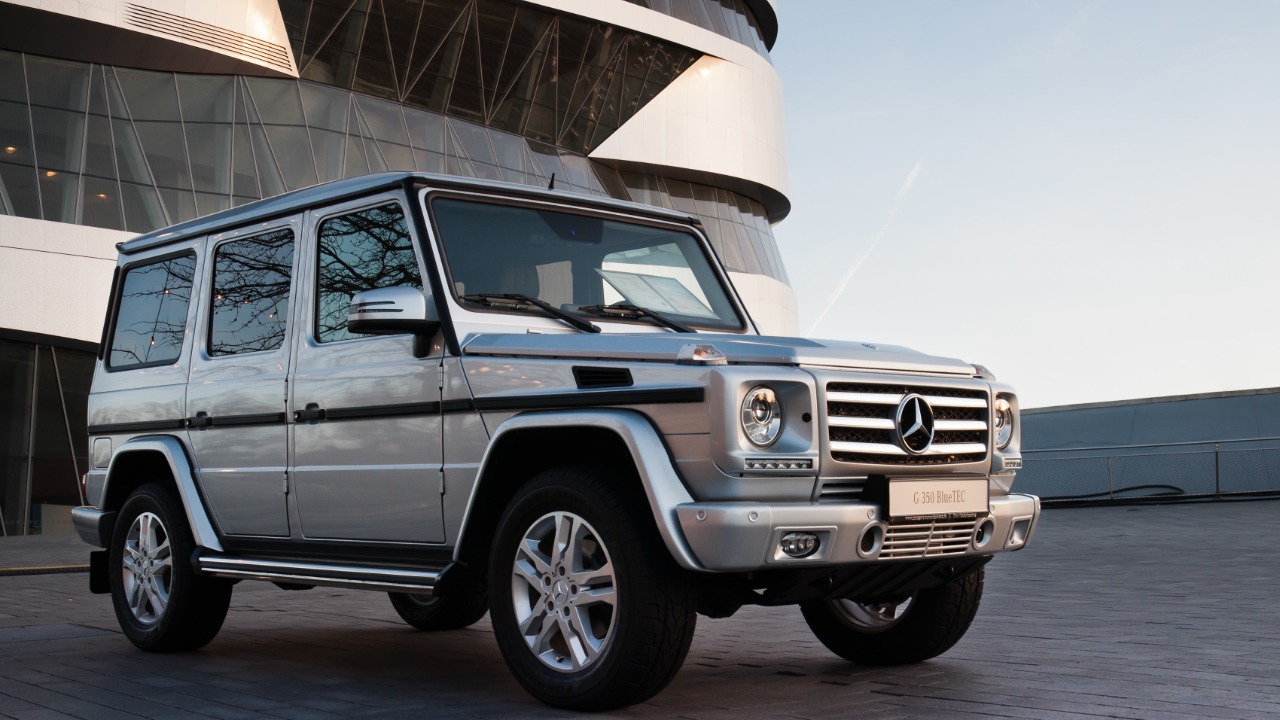
Mercedes-Benz G-Class

The Mercedes-Benz G-Class, often referred to as the G-Wagon, has become an icon of luxury and off-road capability since its introduction in 1979. Originally designed as a military vehicle, it quickly gained popularity in civilian markets for its distinctive boxy design and robust performance. The G-Class combines luxury features with off-road prowess, making it a favorite among celebrities and affluent buyers. The 2019 model introduced modern technology while retaining the classic G-Wagon look.
What makes the G-Class truly iconic is its ability to blend ruggedness with sophistication. While many luxury SUVs chase trends, the G-Class stays true to its heritage, appealing to those who appreciate both performance and status. Its unique style and capabilities ensure it remains a standout in the automotive world. To explore its cultural significance further, refer to this insightful analysis.
More from Fast Lane Only
- Unboxing the WWII Jeep in a Crate
- 15 rare Chevys collectors are quietly buying
- 10 underrated V8s still worth hunting down
- Police notice this before you even roll window down
*Research for this article included AI assistance, with all final content reviewed by human editors.