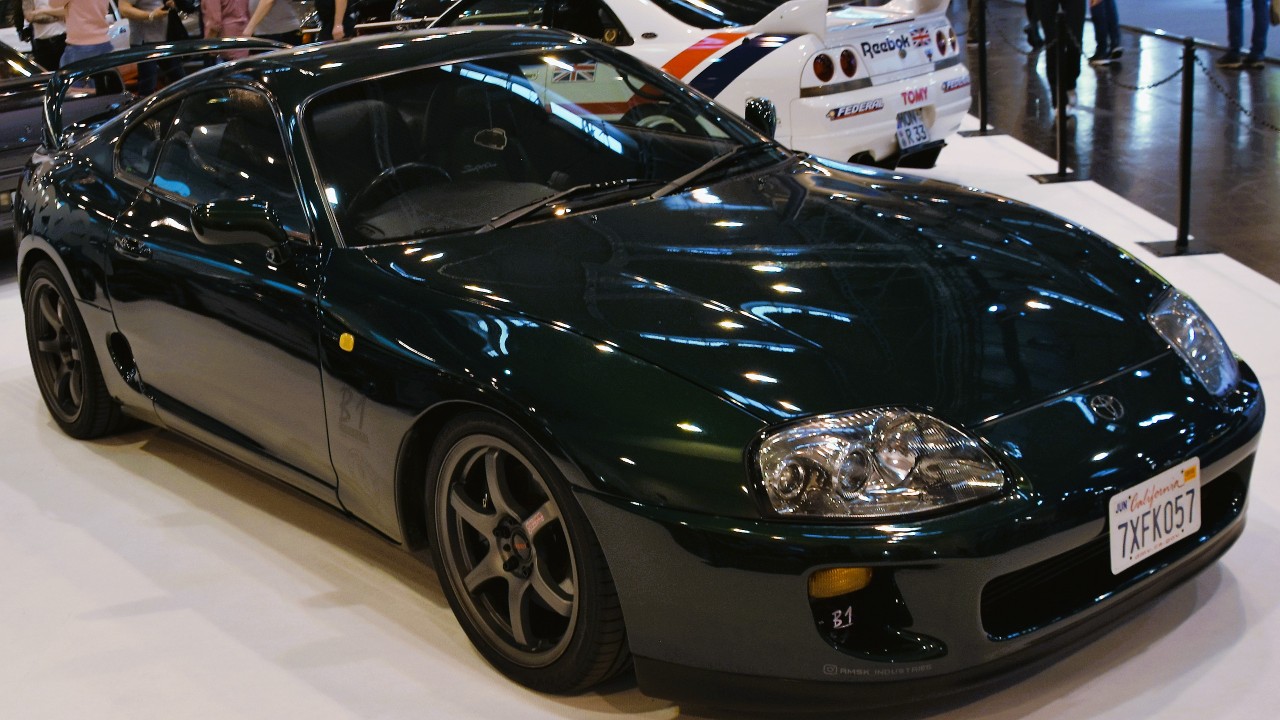
Owning a 1997 Toyota Supra Turbo can feel like you’re caretaking a piece of late-’90s performance history. The tricky part is that many of these cars spent years being modified, raced, repainted, and “improved” in ways that seemed normal at the time. Decades later, that same culture makes true originality surprisingly difficult to recover, even when an owner is willing to spend the money.
Why so many 1997 Supra Turbos stopped being “stock”
The A80 Supra Turbo arrived in an era when the aftermarket for Japanese performance cars was exploding, and the 2JZ-GTE quickly became a favorite for upgrades. Bigger turbos, boost controllers, fuel system changes, and standalone engine management were common routes to easy power, and plenty of owners chased numbers rather than preservation. Because these were used cars for a long stretch—often treated like platforms—original take-off parts were frequently sold, traded, or simply discarded.
Another factor is that the Supra’s reputation grew over time, not instantly as a collectible. By the mid-2000s, it wasn’t unusual to see heavily modified examples, and “returning to stock” wasn’t typically a priority. That long modification window is exactly why sourcing correct factory pieces now can be harder than rebuilding the engine itself.
Parts that are hard to un-modify (and why)
Some changes are reversible in theory but messy in practice. Wiring is a big one: aftermarket alarms, stereos, boost controllers, piggyback computers, and gauge installs often meant splices and taps that can be difficult to undo cleanly. Even if you find a replacement harness or have one repaired, the labor to get everything back to an OEM-style layout can be substantial.
Interior originality can be just as challenging. Factory trim pieces, shift knobs, steering wheels, and uncut panels are often missing or altered, especially if the car lived through the peak era of double-DIN head units and custom audio builds. Once a dashboard or interior plastics have been cut or drilled, restoration becomes more like refurbishment than true recovery.
The “stock” turbo and intake path is only part of the story
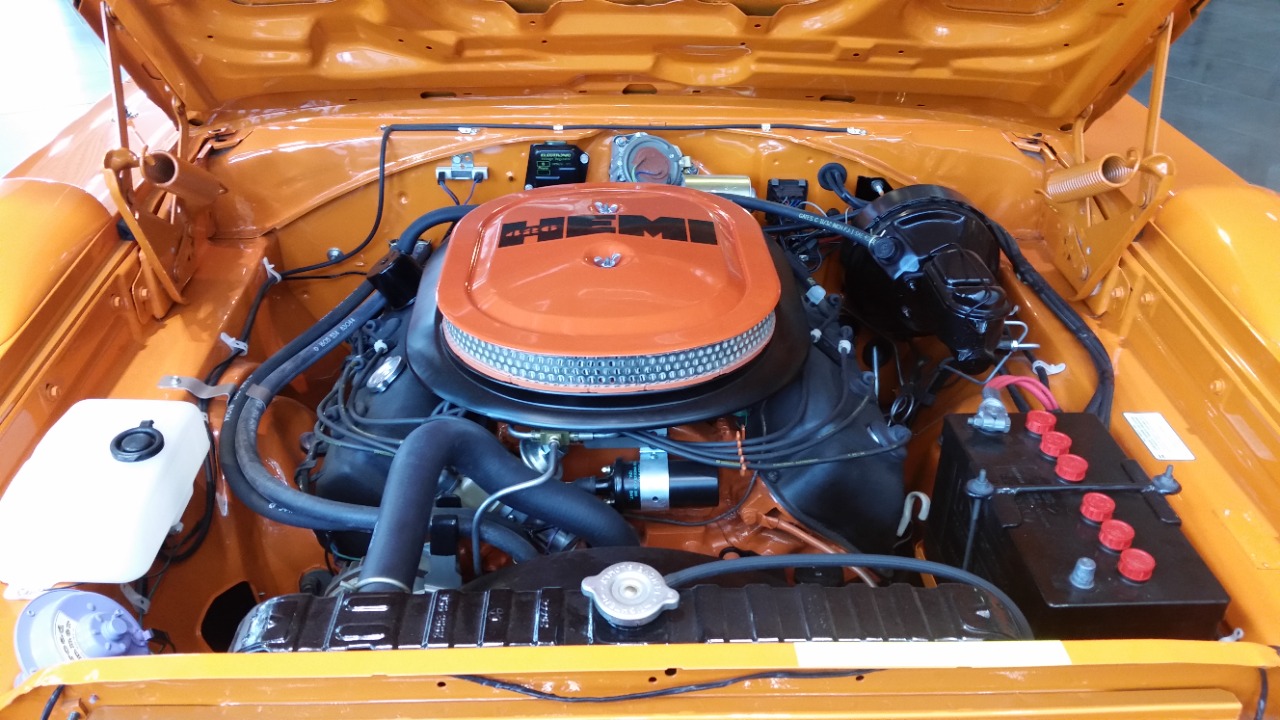
When people talk about a Supra returning to factory form, they often focus on the big-ticket items—turbochargers, intercooler piping, intake, and exhaust. Those components do matter, but the smaller supporting details are where originality gets slippery. Correct hoses, clamps, heat shields, emissions hardware, factory airbox components, and OEM-style fasteners are the kinds of pieces that quietly separate a truly stock engine bay from one that’s merely “stock-ish.”
Another complication is that modifications sometimes required removing or relocating brackets and mounts, or swapping radiator fans and shrouds to clear larger intercoolers. Even when the original parts can be sourced, the car may no longer have the untouched mounting points or hardware you’d expect. That’s how a seemingly straightforward parts hunt turns into a long, fussy reassembly project.
Paint, bodywork, and the long shadow of the ’90s tuning era
Many Supra Turbos were repainted—sometimes to repair damage, sometimes to change colors as tastes shifted. The late ’90s and early 2000s also brought body kits, wings, hood changes, and shaved moldings, and those trends often involved drilling, filling, and reworking panels. Undoing that kind of customization can require replacement panels, careful metalwork, and paint correction that aims to match an older finish style and level of factory texture.
Wheels are another giveaway. Period-correct aftermarket wheels were almost a default choice, and returning to an OEM look can be difficult if the original wheels were sold years ago. Even when an owner finds the right style, sourcing clean examples and refinishing them to a factory-like appearance can take time, and some cars also had suspension changes that affect ride height and alignment settings in ways that don’t easily translate back to stock behavior.
Documentation, provenance, and why “original” is more than parts
Originality isn’t just what’s bolted to the car; it’s also the story that follows it. Window stickers, dealer paperwork, service records, and period ownership history help validate that a car hasn’t been pieced together from mismatched components. For vehicles that spent time as project cars, documentation can be thin, and that uncertainty can make it hard to confidently describe what’s truly factory-correct versus what’s been restored, replaced, or approximated.
Even the right part doesn’t always prove originality if the trail is unclear. A car can be returned to OEM specifications but still lack the “unbroken chain” that collectors like: consistent records, matching details, and signs of careful, continuous maintenance. That’s not a judgment on the car—it’s simply how the market and enthusiast community tend to separate survivors from restorations.
What owners can realistically do to preserve or recover OEM character
For many 1997 Supra Turbo owners, the best target isn’t perfection—it’s correctness and coherence. Start with a thorough inventory of what’s modified, what’s missing, and what’s been altered in ways that can’t be reversed without major work. Photos from earlier in the car’s life, old forum build threads, and receipts can help reconstruct what was changed and when, which is often more useful than guessing based on current condition.
When sourcing parts, patience usually beats impulse buying. Finding factory-style components, correct hardware, and untouched interior pieces often takes time, and it helps to prioritize the areas that most affect the car’s integrity: wiring quality, emissions and vacuum routing, proper mounting points, and a clean, unmodified structure. Even if the car never becomes a time capsule, a careful approach can bring back the feel of a factory Supra—without pretending it never lived through the era that made it famous.