Long before adaptive suspension systems and digital driving aids stepped in, certain cars were already making speed limits feel irrelevant. These machines relied on big engines, clever aerodynamics, and fearless engineering instead of software updates. They demanded attention, respect, and steady hands behind the wheel. Here are eight that shattered expectations the old-fashioned way.
Jaguar XK120
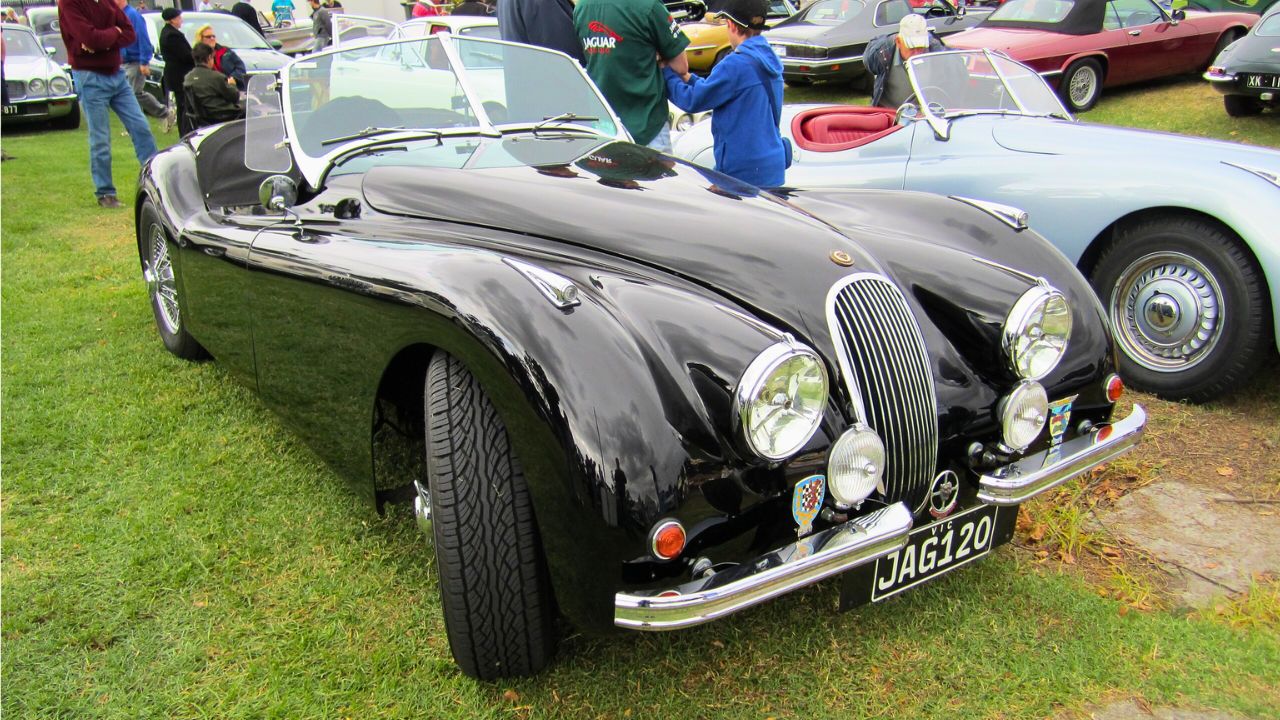
When the Jaguar XK120 debuted in 1948, its name proudly claimed a 120 mph top speed, which sounded almost unbelievable at the time. Independent tests proved it could exceed 124 mph, making it the world’s fastest production car then available. Its 3.4-liter inline-six paired with smooth, flowing bodywork created genuine high-speed stability. Long before electronic assists existed, this British sports car was already outrunning most posted limits with ease.
Ferrari F40
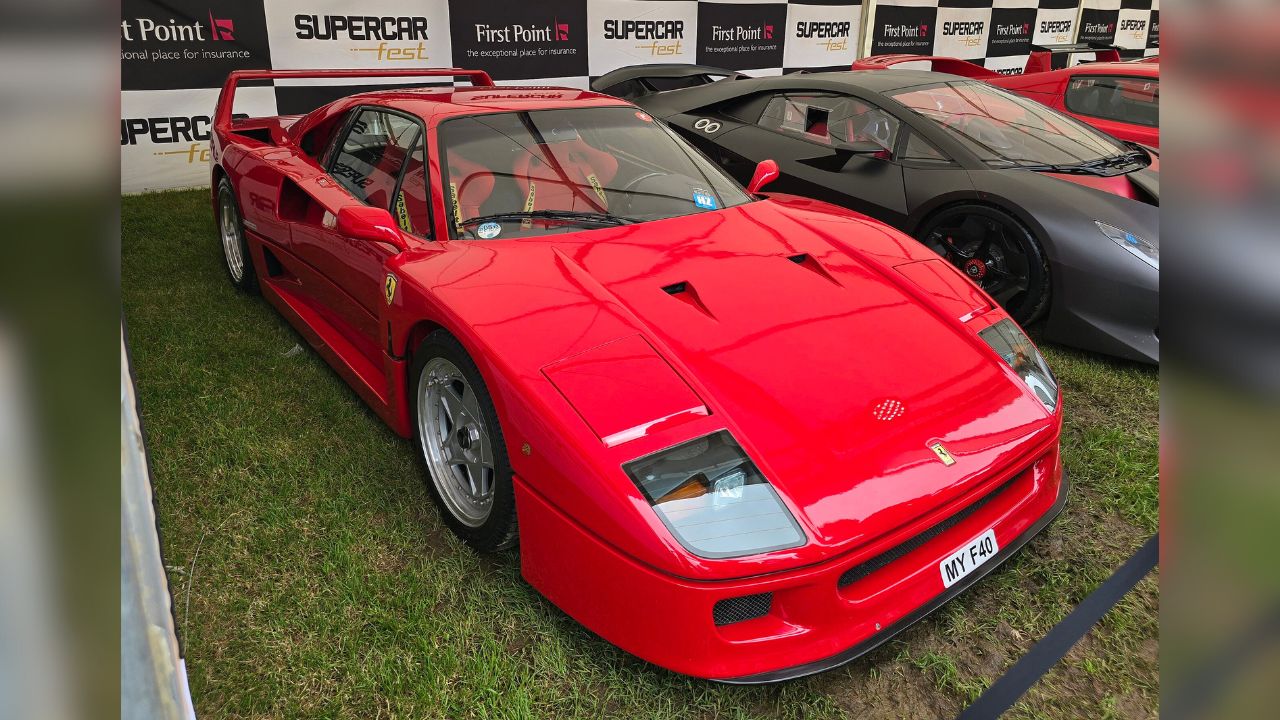
Introduced in 1987, the Ferrari F40 delivered 471 horsepower from a twin-turbocharged V8 and pushed past 200 mph without traction control or stability systems. It was raw, loud, and unapologetically mechanical, built to celebrate Ferrari’s 40th anniversary. Lightweight composite panels and race-derived engineering made it feel closer to a road-legal race car than a luxury exotic. It remains one of the purest examples of analog speed ever sold to the public.
Lamborghini Miura
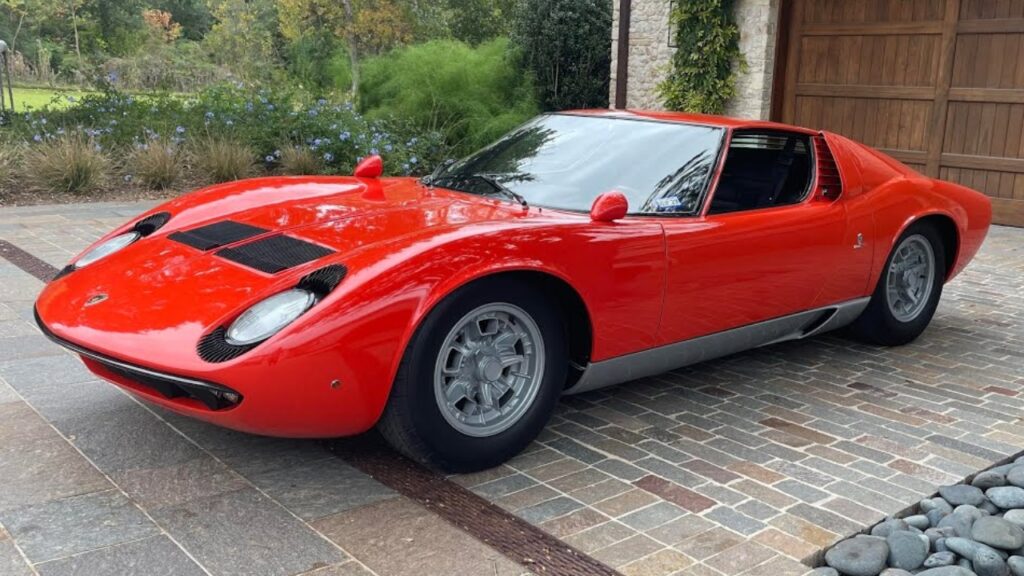
The Lamborghini Miura redefined what a road car could be in the late 1960s with its mid-mounted V12 layout. Capable of nearly 170 mph, it shocked an era when many family sedans struggled to reach half that speed. Its transverse engine placement improved balance while its dramatic styling hinted at the performance beneath. Without computers managing throttle inputs, the Miura relied entirely on mechanical brilliance and driver confidence.
Shelby Cobra 427
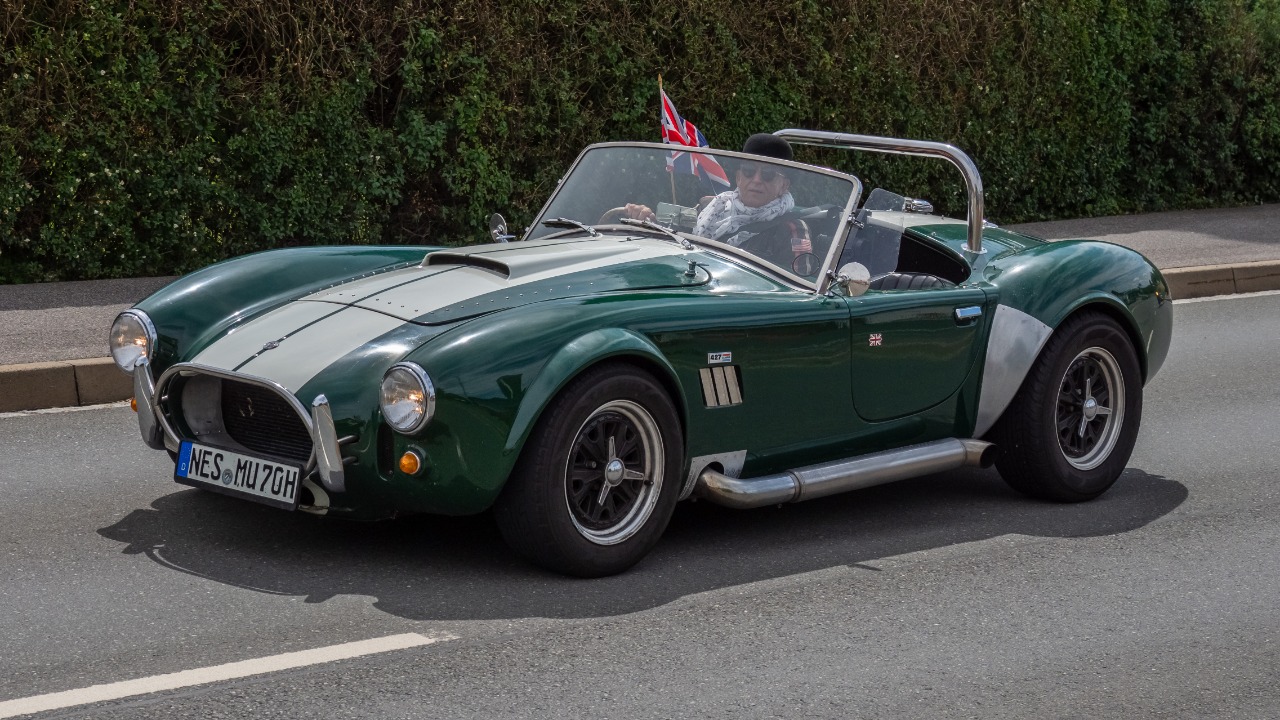
Stuffing a massive 7.0-liter V8 into a lightweight roadster shell created the Shelby Cobra 427, a car that felt borderline uncontrollable in the best possible way. With 425 horsepower and brutal torque, it could sprint to 60 mph in roughly four seconds during the 1960s. The short wheelbase and minimal weight meant every throttle input demanded respect. It broke speed limits not through finesse, but through overwhelming American muscle.
Porsche 959
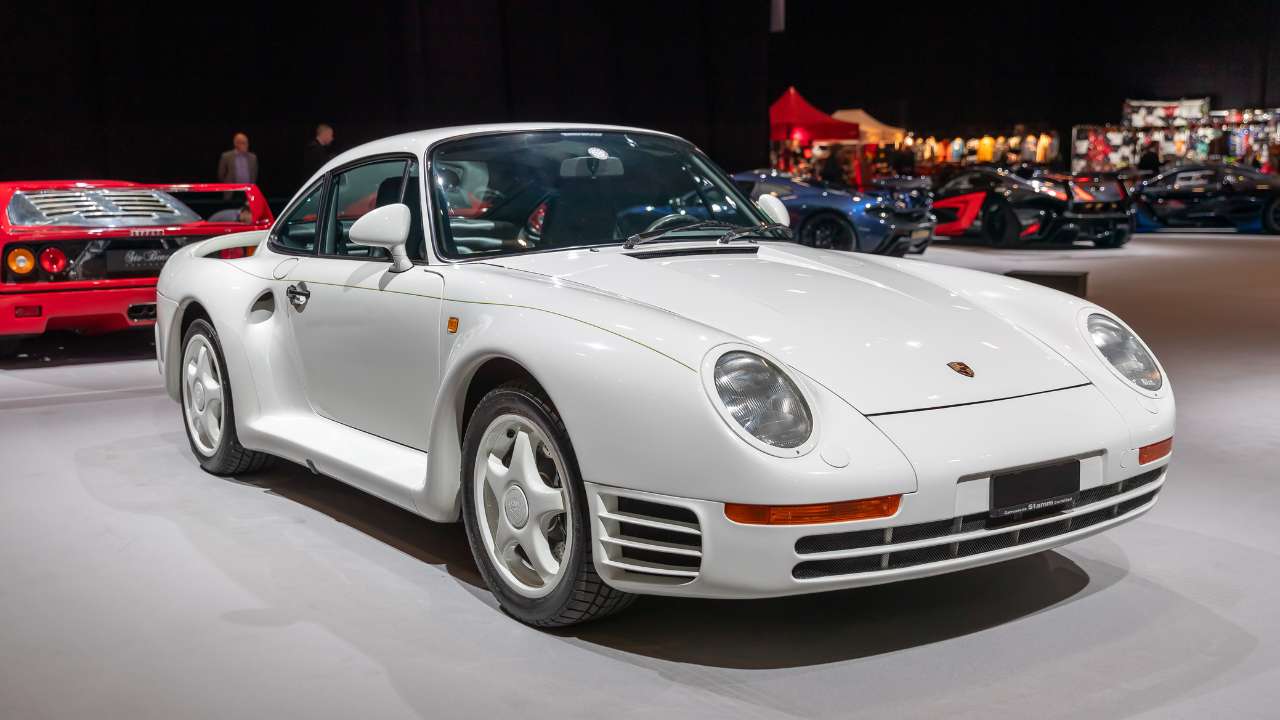
The Porsche 959 arrived in the mid-1980s as a technological showcase, yet it still relied heavily on mechanical excellence to reach 197 mph. Its twin-turbo flat-six and advanced all-wheel-drive system were groundbreaking for the era. While it introduced sophisticated systems, it lacked the nanny-state interventions modern supercars depend on today. It bridged the gap between analog brutality and the dawn of computer-assisted performance.
Mercedes-Benz 300SL Gullwing
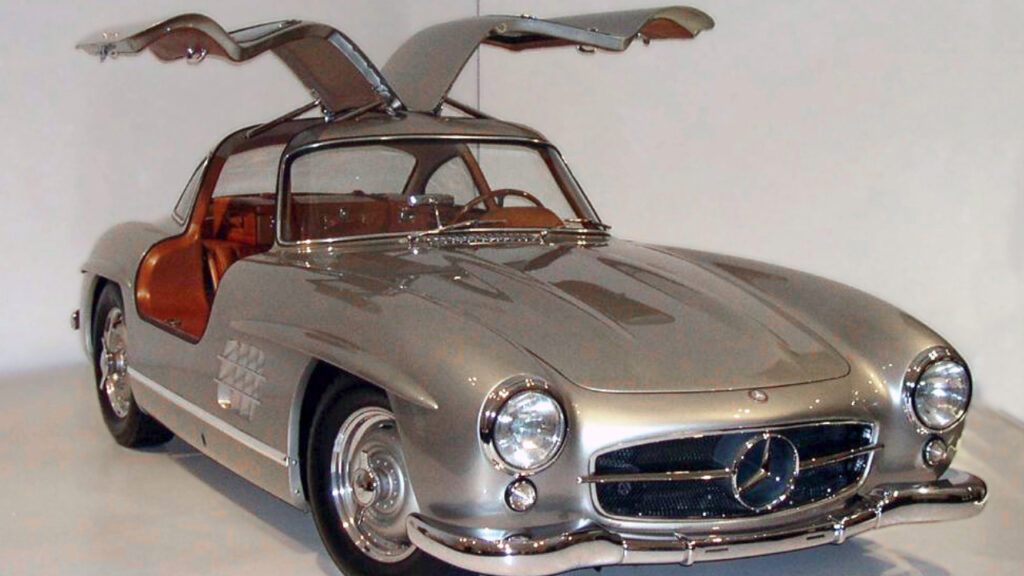
The Mercedes-Benz 300SL Gullwing stunned the 1950s world with fuel injection and a top speed around 160 mph. Its aerodynamic body and lightweight tubular frame made it shockingly capable at sustained high velocity. Drivers had no traction control or ABS to lean on, just skill and mechanical grip. For its time, it made highways feel far smaller than engineers ever intended.
Dodge Charger Daytona

Built for NASCAR dominance, the Dodge Charger Daytona used a towering rear wing and extended nose cone to slice through air at over 200 mph on oval tracks. Its massive 426 HEMI V8 delivered outrageous straight-line speed during the muscle car era. Even in street form, it was a bold statement of aerodynamic experimentation. It proved brute power combined with clever airflow could embarrass limits long before digital tuning arrived.
Bugatti EB110
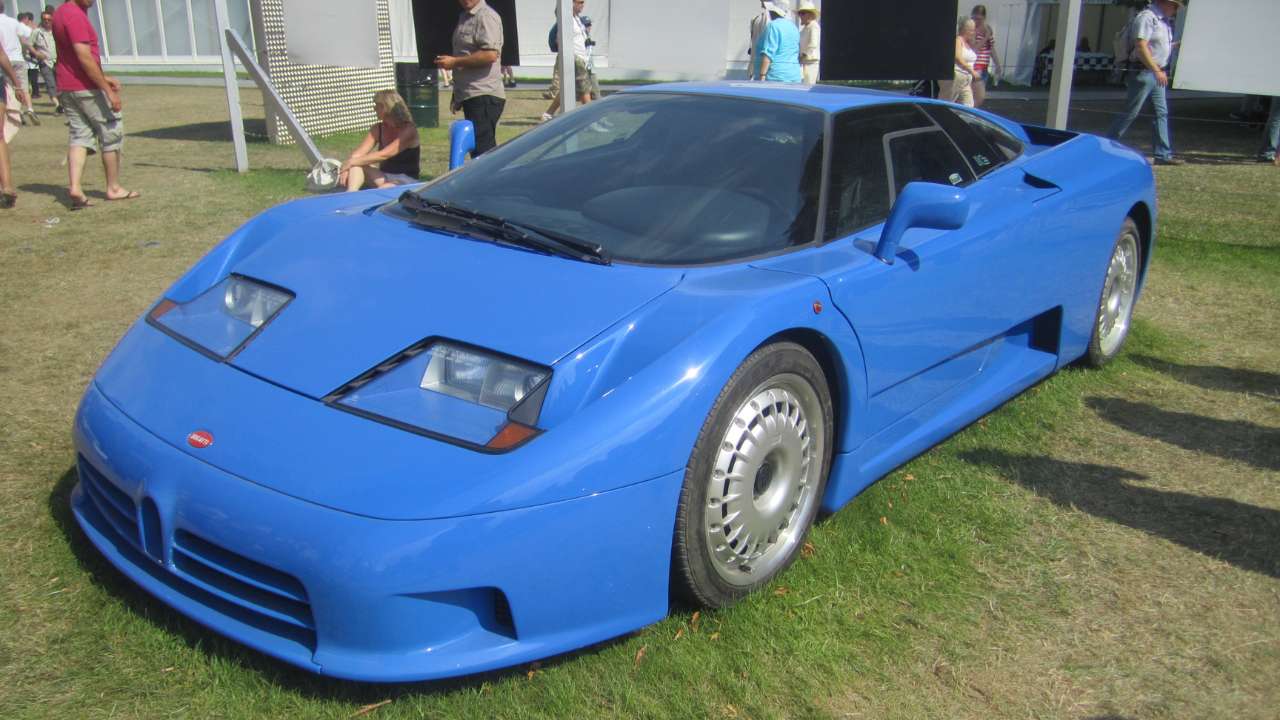
The Bugatti EB110 launched in the early 1990s with quad turbochargers, all-wheel drive, and a top speed exceeding 210 mph. Its 3.5-liter V12 delivered immense power in an era just beginning to explore electronic integration. While advanced for its time, it still relied heavily on mechanical engineering to achieve its staggering pace. It stands as a reminder that raw performance existed well before modern driver-assist systems took control.
More from Fast Lane Only