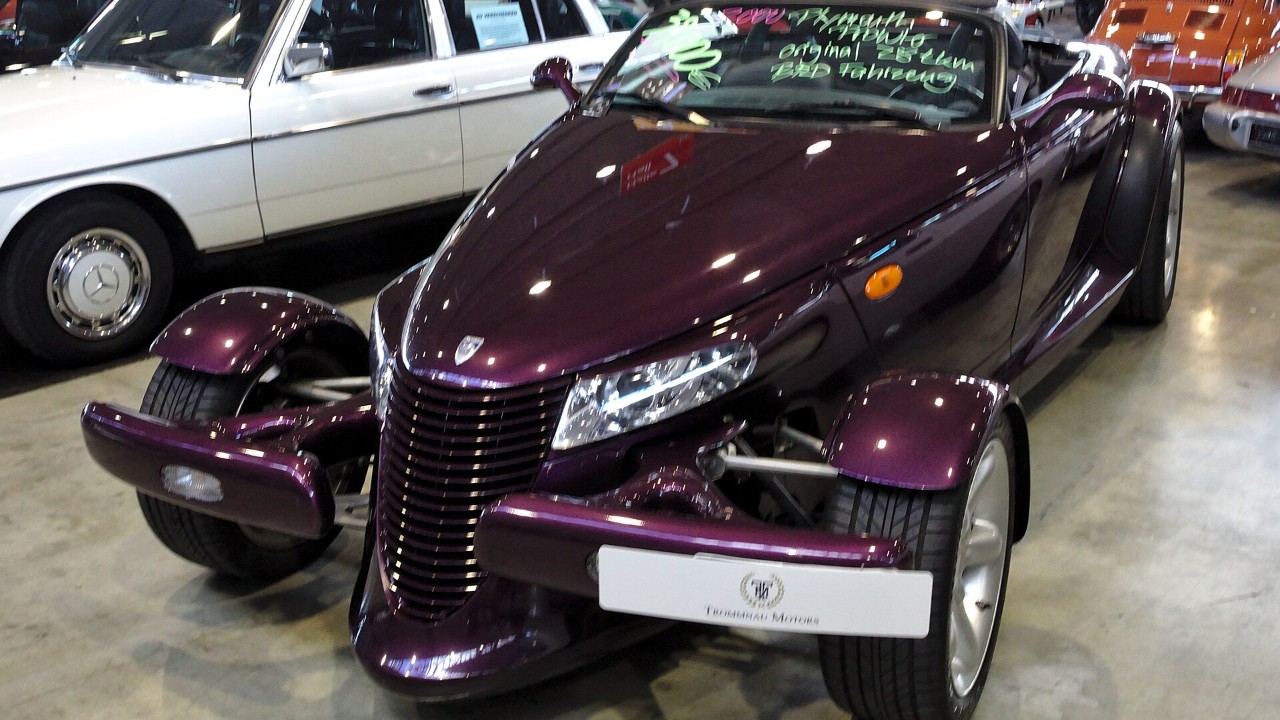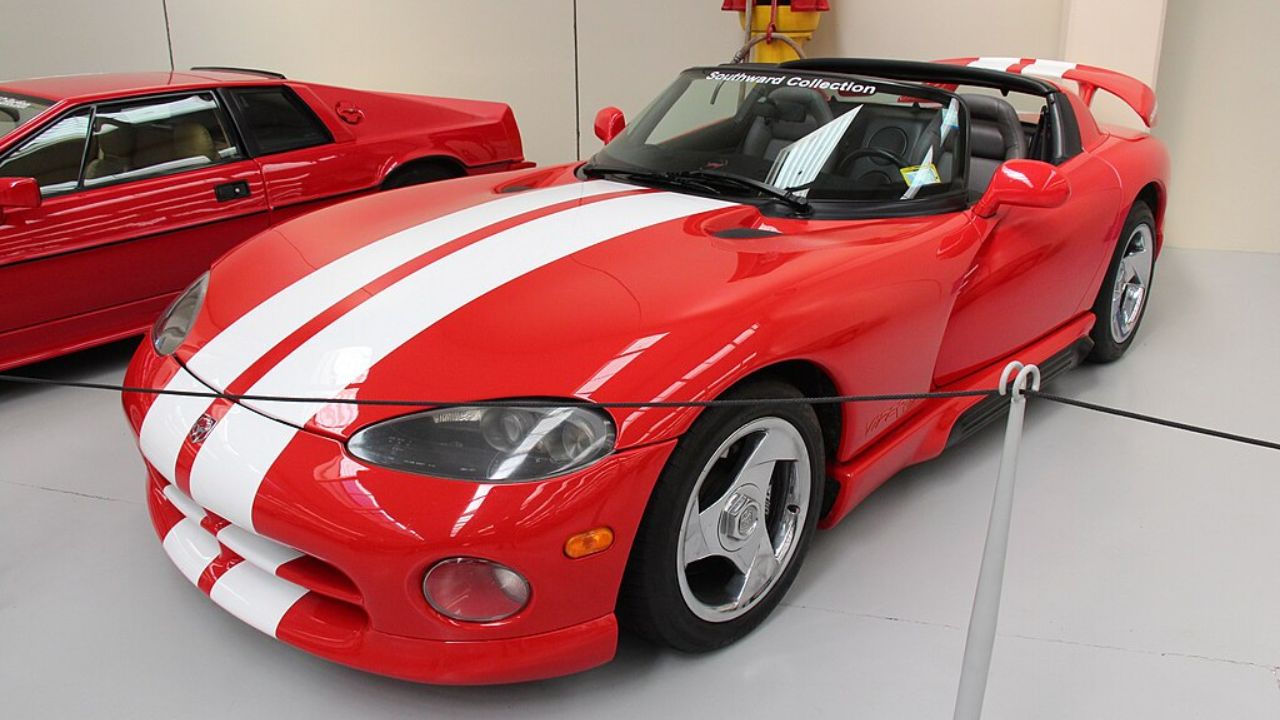
The 1990s delivered performance cars that didn’t rely on massive touchscreens or endless driver assists to feel exciting. They were mechanical, loud, and often a little unforgiving in the best way possible. Many of them still deliver acceleration and top-end speed that can embarrass modern machines. These seven prove that brutal speed didn’t start in the 21st century.
McLaren F1
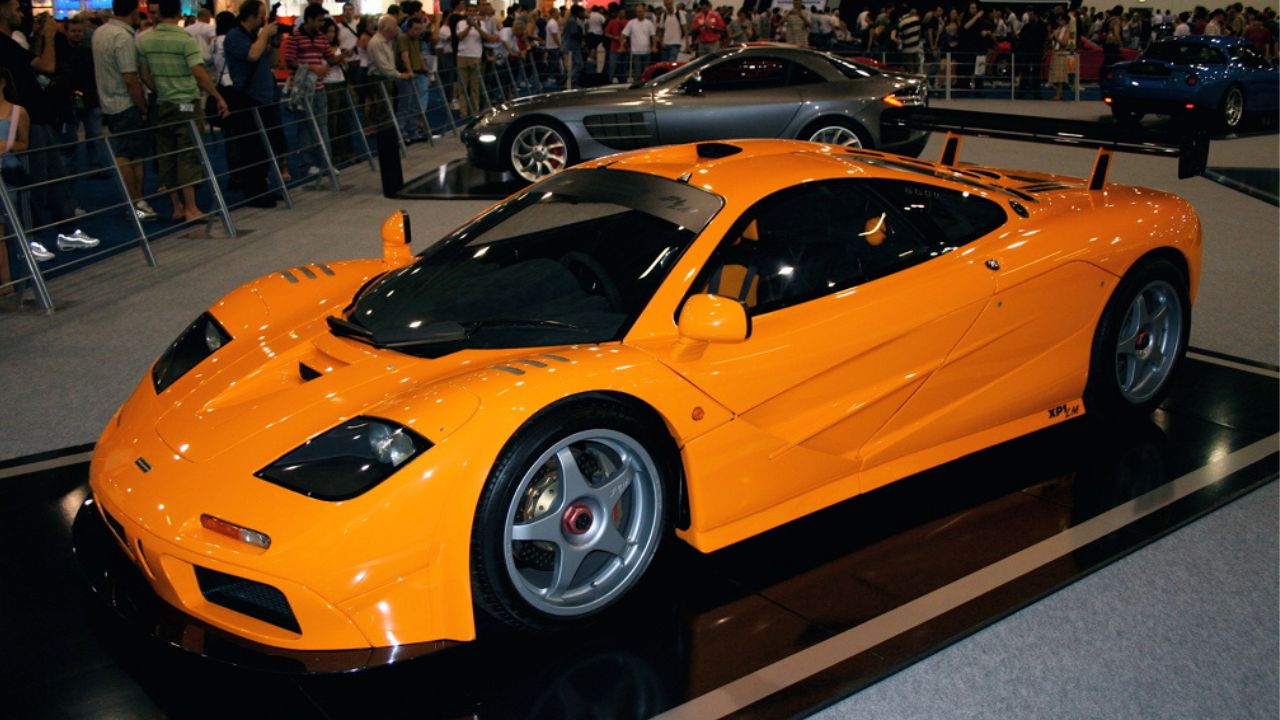
The McLaren F1 reset performance expectations in 1992 with a naturally aspirated 6.1-liter BMW V12 producing 618 horsepower. It could reach 240 mph, a figure that still commands respect decades later. With a lightweight carbon-fiber chassis and a central driving position, it feels direct and intensely focused. Even by today’s standards, its acceleration and raw feedback make it feel ferociously quick.
Dodge Viper GTS
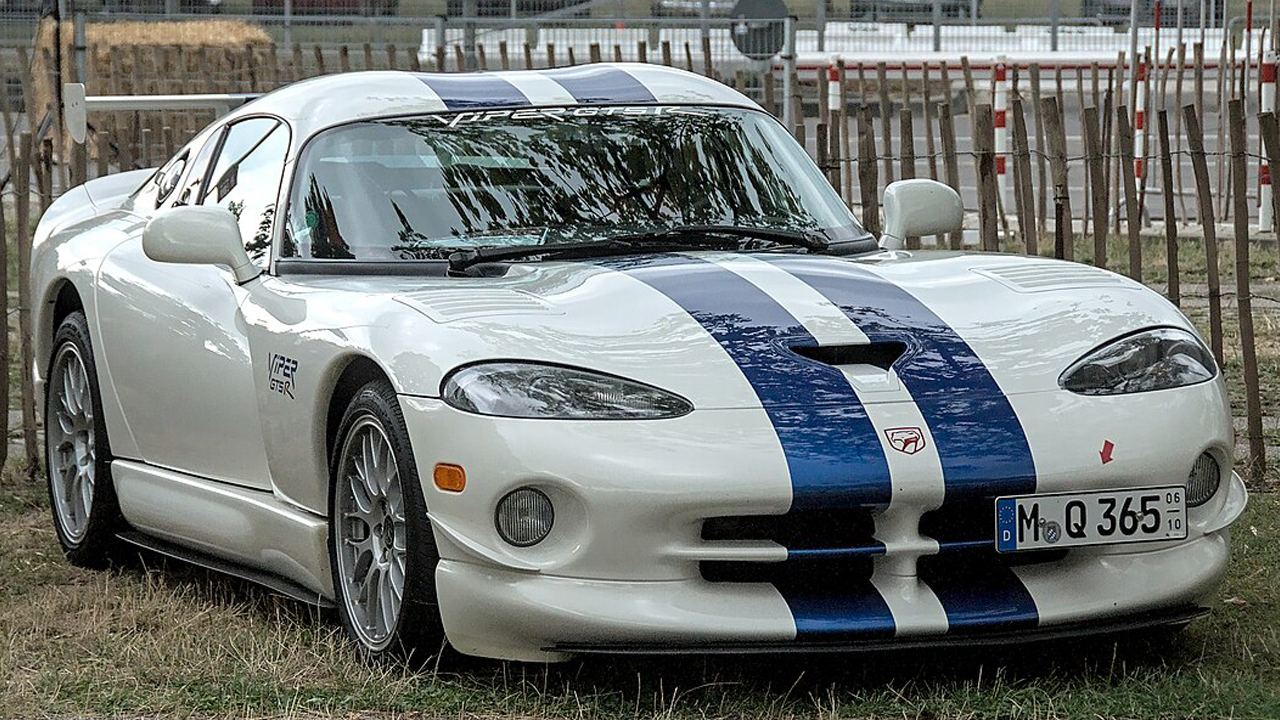
The Dodge Viper GTS delivered 450 horsepower from an 8.0-liter V10 and zero apologies for its behavior. It lacked traction control and stability systems, meaning every throttle input had consequences. Its massive torque and aggressive gearing made highway pulls feel relentless. Even today, the Viper’s brutal power delivery feels untamed compared to many modern performance cars.
Toyota Supra Turbo (Mk4)
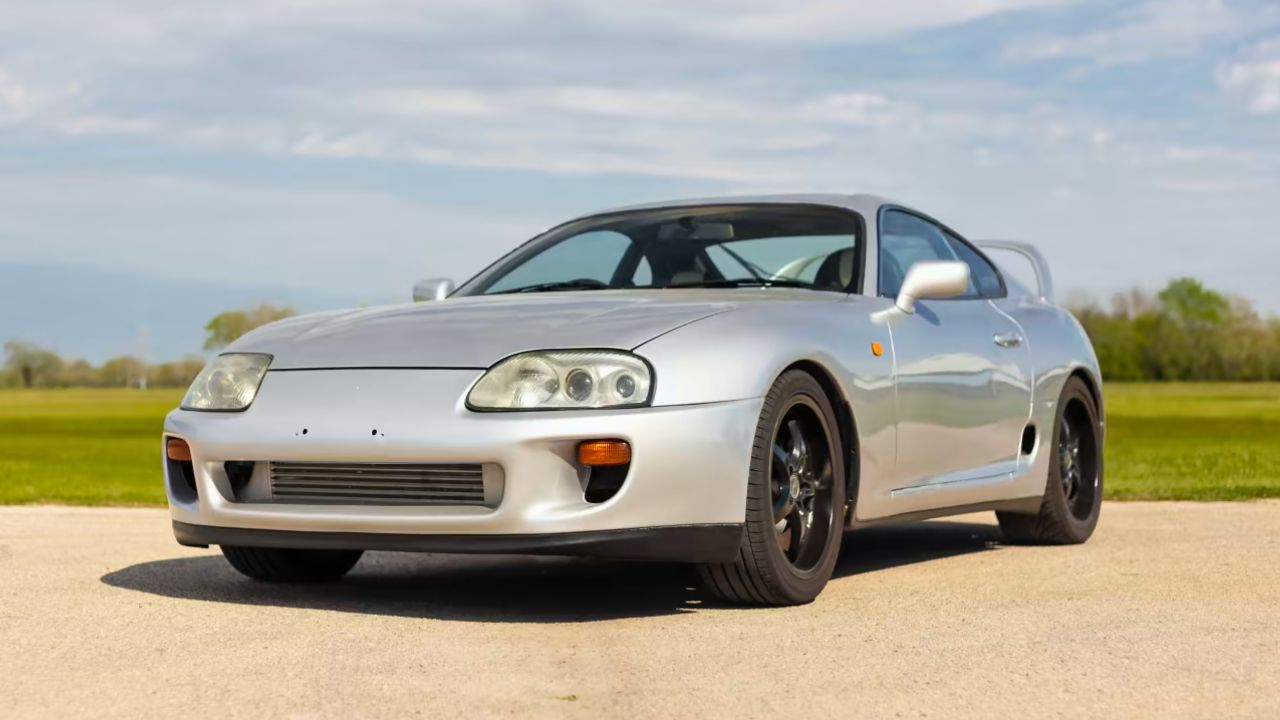
The Toyota Supra Turbo became legendary thanks to its 3.0-liter twin-turbo 2JZ engine producing 320 horsepower in stock form. Strong internals made it famously tunable, but even factory-spec cars could rocket to 60 mph in around 4.6 seconds. Its balanced rear-wheel-drive layout adds confidence at high speed. Decades later, the surge of boost still feels shockingly modern.
Ferrari F50
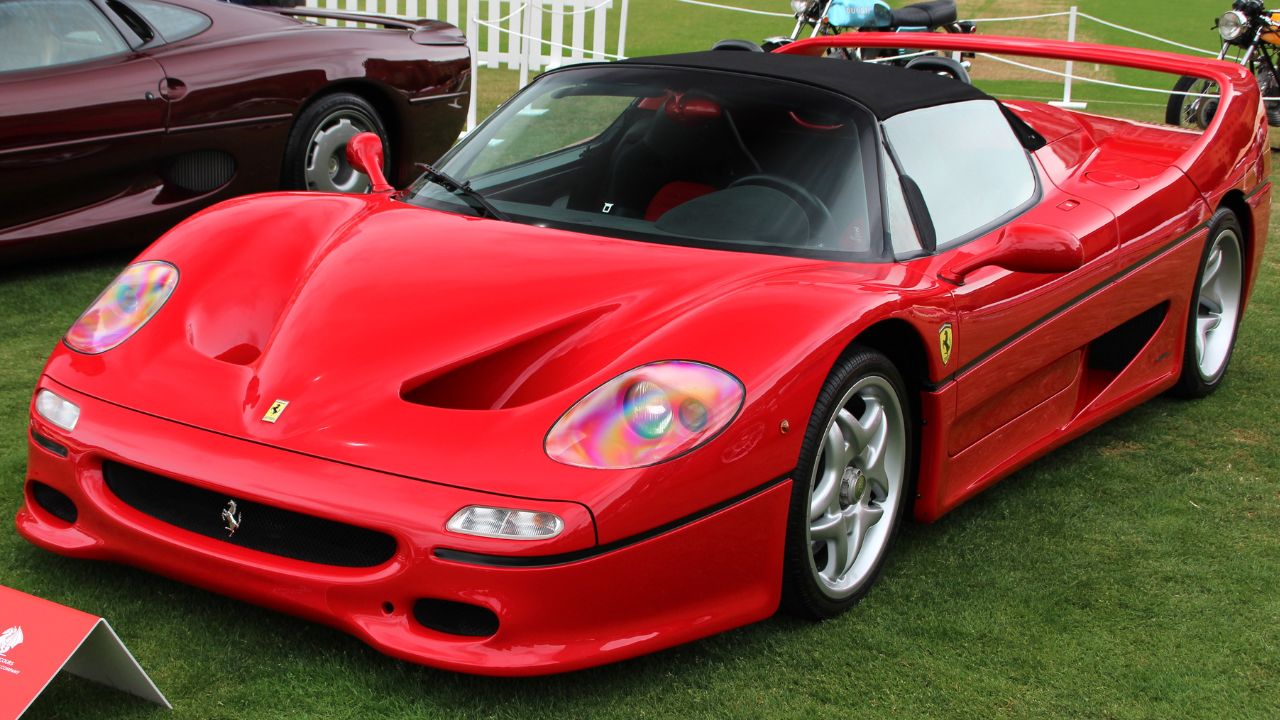
The Ferrari F50 essentially put a Formula 1-derived V12 into a road car, producing 512 horsepower without forced induction. Its 0–60 time of roughly 3.7 seconds remains seriously quick by today’s standards. The open-top design amplifies the sound and intensity of the high-revving engine. With minimal electronic intervention, every mile feels raw and immediate.
Nissan Skyline GT-R R34
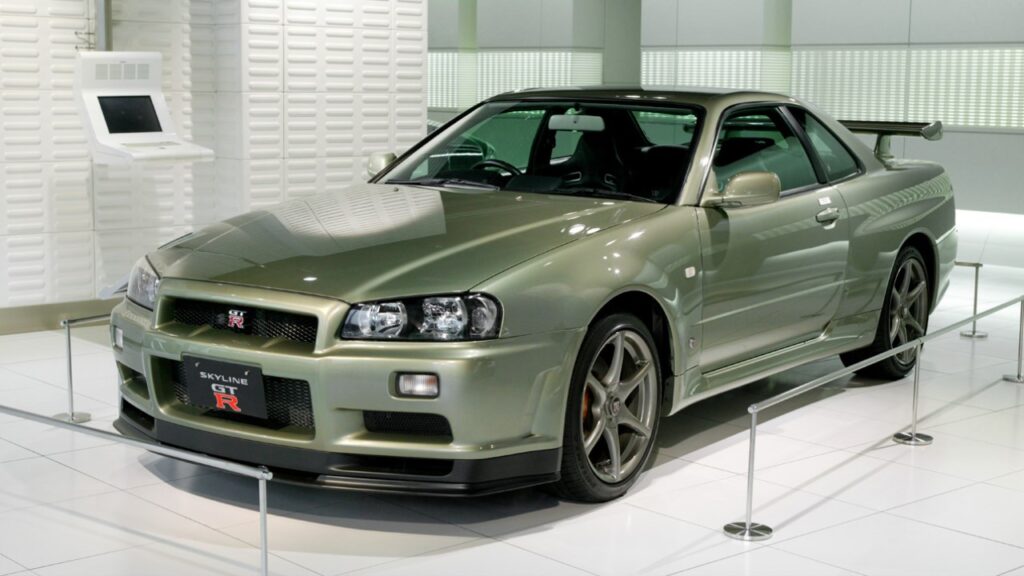
The Nissan Skyline GT-R R34 used a twin-turbocharged RB26 inline-six officially rated at 276 horsepower, though many produced more. Advanced all-wheel drive and sophisticated torque distribution helped it launch with incredible grip. It could sprint to 60 mph in under five seconds with ease. Even now, its combination of balance and boost makes it feel relentlessly capable.
Porsche 911 Turbo (993)

The Porsche 911 Turbo of the 993 generation paired a twin-turbo flat-six with all-wheel drive to deliver around 408 horsepower. It could hit 60 mph in about 4.2 seconds, an impressive number in the mid-1990s. The air-cooled engine adds a mechanical character modern 911s no longer have. Its relentless midrange punch still feels urgent and aggressive today.
Chevrolet Corvette ZR-1 (C4)

The Chevrolet Corvette ZR-1 featured a Lotus-developed 5.7-liter LT5 V8 producing 405 horsepower in early form and later 375 lb-ft of torque. It could exceed 175 mph and reach 60 mph in roughly 4.4 seconds. Wide rear tires and precise steering made it stable at serious speed. Even decades later, the ZR-1’s acceleration feels forceful and unapologetically quick.
More from Fast Lane Only